Reviewed · ROME
The ancient aqueducts of Rome
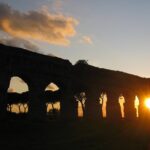
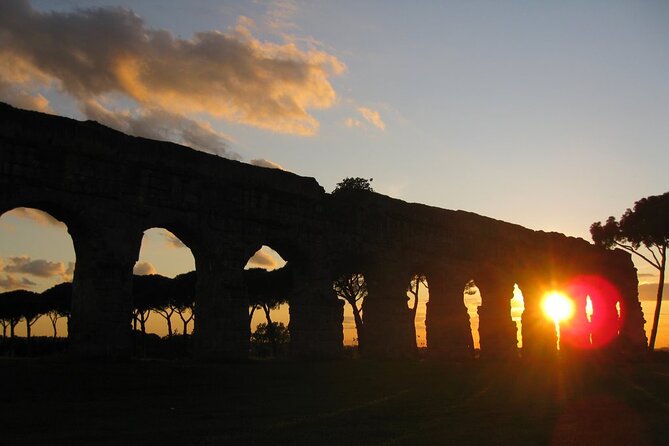
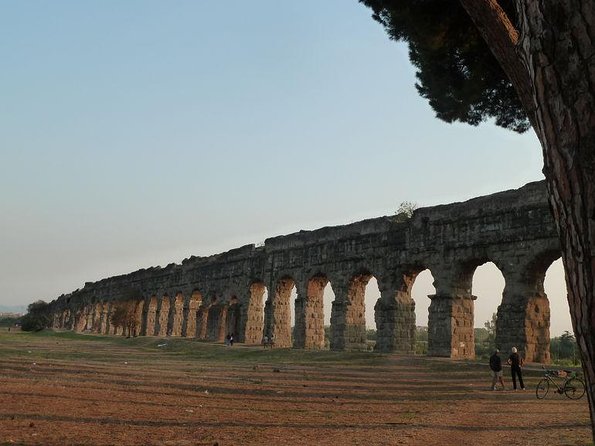
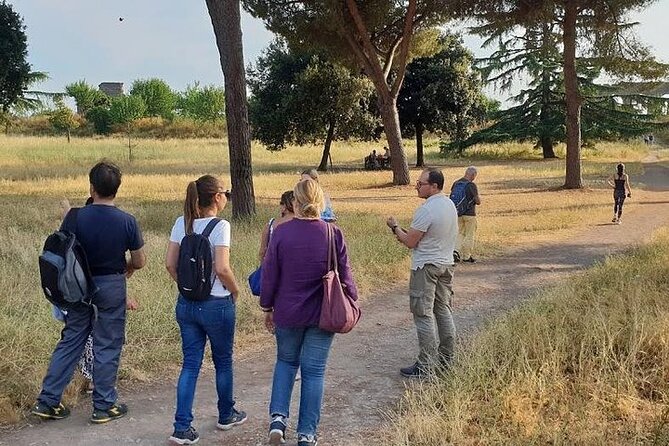
Rome’s aqueducts are hiding in plain sight. In Parco degli Acquedotti, you follow seven aqueducts in a small area, then shift into the edges of the Appia Antica park where locals actually spend time.
I especially love the guide-led engineering stories. Guides such as Joseph and Giuseppe often explain with charts and photos, and with a small group setup (max 10), it is easy to ask your questions.
One consideration: this is an outdoor walk, so you will cover some distance. Bring comfortable shoes and plan for good weather, since the tour depends on it.
Key Things I’d Plan Around
- Seven aqueducts in a few hectares: a rare concentration you do not get on the usual city circuit
- Water still matters: you can see spots where the system’s later reuse still lets water seep
- Roman to Renaissance reuse: arches from one aqueduct get repurposed by later builders
- Real park life: you walk among locals cycling, jogging, and sunbathing nearby
- A height story, not just ruins: you see why some channels had to run at serious altitude
- A break from the crowds: this is quieter than the big-ticket stops, yet close enough to reach easily
Aqueducts in a Local Park, Not a Museum Room
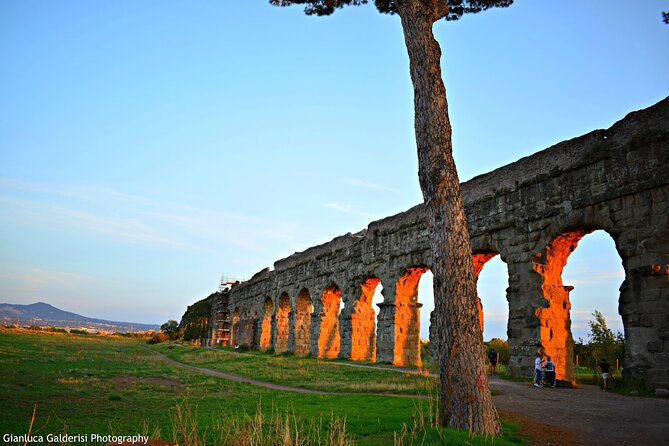
If you think of Rome as a city of big ruins, this tour is a smart twist. Instead of jumping between the same famous sights, you spend your time in Parco degli Acquedotti. That choice changes the feeling instantly. The aqueducts are still dramatic, but they sit inside a working-feeling green space where people are living their day.
What makes it especially worth your time is the density of the remains. You are not just seeing one “aqueduct moment.” You are tracking seven different aqueducts within a handful of hectares. That lets you compare designs, heights, and even later repair-and-reuse choices in one walk.
Also, this is the kind of experience that rewards curiosity. The guides tend to connect the stonework to the problem Romans were solving: how to deliver water reliably. Once you understand that angle, the arches stop looking like random old structures and start looking like an operating system that kept getting upgraded.
You can also read our reviews of more tours and experiences in Rome.

Meeting Points at the Metro, Then Straight Into the Appia Antica Edges
The tour starts in the San Lorenzo area area around Giulio Agricola and finishes back near Lucio Sestio. The meeting point is at Giulio Agricola, and the format is designed so you can show up by public transport without a complex plan. There is also a short snack at the start, which is a nice practical touch if you are juggling time in Rome.
You should expect the first part to feel like a transition. You move from the city rhythm to the park, and that shift is part of the value. The guide often uses that change in atmosphere to explain what Rome’s water infrastructure meant for daily life, not just for emperors and engineers.
Because the group size is capped at 10, the walk stays manageable, and the guides can answer follow-up questions without rushing you. If you like asking “why did they build it that way?” or “what changed over time?” you will probably feel like you get your money’s worth in those moments.
Parco degli Acquedotti: The One-Spot Reason This Tour Works
Your main time is spent in Parco degli Acquedotti, in the broader area of Parco Archeologico dell’Appia Antica. This park is unique because it concentrates aqueduct remains in a compact space. In practical terms, that means you spend more time looking at engineering and less time on the “getting there” shuffle.
Another underrated benefit is that the park setting makes the tour easier to enjoy. You are not staring at aqueducts from a distance behind barriers the whole time. You get views and sightlines that let you track long stretches of arches and understand how the lines would have guided water around the city.
You also get to experience the park the way a Roman neighborhood experiences it. One of the recurring impressions from guides and visitors is the quiet atmosphere: locals cycling, jogging, and relaxing while you move through the ruins. That alone makes the walk feel different from the most crowded historic-center experiences.
Practical note: the park admission at the main stop is listed as free, so you are not paying extra entry fees on top of the tour price.
Stop 1 Highlights: 144 BC, Felice Reuse, and a System That Didn’t Fully Retire
This walk becomes a timeline as you move from structure to structure. One of the most interesting stories is the early aqueduct built in 144 BC. It was partially used for a long time because it got reused when later water works needed arches and infrastructure. For your brain, it is a big “aha”: Romans did not always scrap and rebuild from scratch. They often kept the parts that still worked.
Then you reach the later layer tied to the Felice aqueduct, built in the 1500s. Here’s the cool connection: this aqueduct was built by Pope Sixtus V, and it involved reusing arches from the Marcio aqueduct. That reuse story matters because it shows you the engineering logic across centuries. When you look at arches, you’re not just seeing what one emperor built. You’re seeing what later builders judged worth saving.
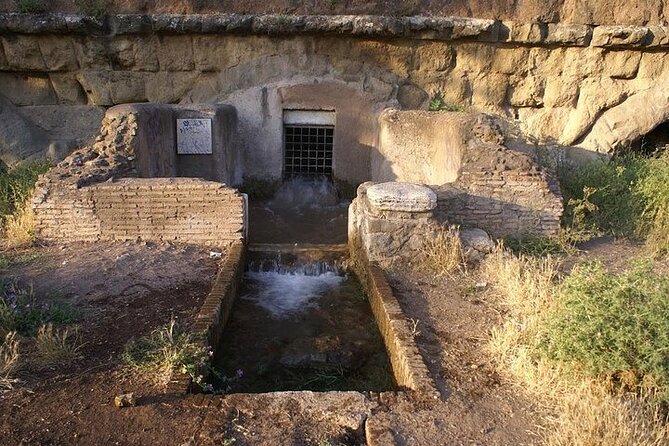
At the point where you see the underground portion still functioning, the tour becomes unusually tangible. The guide points out that the underground part can still work, and you can even notice water leaking from the canal. It turns “ancient history” into something physical you can understand with your own eyes.
Aqueduct Heights That Really Explain How Rome Worked
Rome’s water problem was not just about carrying water. It was also about gravity. If the channel did not maintain the right slope and altitude, the system would not deliver.
That is why some aqueducts you see on this walk are described in terms of the height needed to supply large parts of the city. One aqueduct is shown as having the healthiest water, and the route height let it supply much of Rome. The guide also explains the visual impact: certain stretches have arches that rise to about 30 meters in height, giving the sense of a “water giant.”
What you’ll appreciate, once the guide puts it into context, is how the arches act like a high, steady pipeline bridge. Even when the structure is broken in places, the overall idea is still visible. You start to see why engineers obsess over elevation. You can practically imagine water moving through the channel, then dropping into the city network downstream.
A small but memorable detail from the guides is the way they tie the engineering to Roman choices about where people lived and how they handled water distribution. It is not only about monuments. It’s about planning.



Aqueduct of the Highest Absolute: Claudius, Anio Vetus, and the “Big Need” for Altitude
Another major stop focuses on the Anio vetus aqueduct, built by Emperor Claudius together with the Claudian aqueduct. This one is emphasized because it was the highest in absolute among the aqueducts that supplied Rome.
You might think “highest” just means the tallest ruins. But on this tour, it becomes a practical explanation. When you are standing where a channel needed to run at the top of its system, you get a better sense of why Rome invested in massive construction. It was not optional. It was the difference between delivering water and delivering nothing.
This is also where the park setting helps. You can see how the arches would have created a long, continuous line, not just a single dramatic segment. The guide usually connects that to the broader network logic, so the ruins feel like part of one system rather than scattered leftovers.
If you like engineering, you will probably find this section the most satisfying. If you do not, the guide’s tone usually helps you follow along anyway, using comparisons and simple reasoning.
Don’t Miss the Appia Antica Edge: The Roman Road Moment
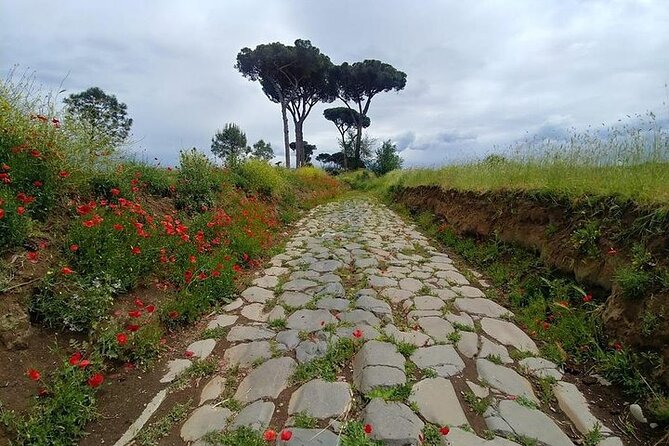
One more thing that can elevate your experience is a pause connected to the old routes in the area. Several guides in this program point out a section of the ancient Roman road, often described as the Latin road, which is said to be the second oldest road in Rome.
This is valuable because it gives you a second infrastructure layer besides water. Roads explain movement and logistics. Aqueducts explain supply. When you see both in the same park, it becomes easier to understand what Rome built to keep the city functioning.
You also may spot reused building materials and details in the surroundings, which helps you see the “second life” of stone in Rome. It keeps the walk from becoming only about distant arches. It makes the area feel occupied, not abandoned.
Guides, Pacing, and What Makes This Feel Worth It
One reason this tour has such strong feedback is how the guides teach. You may be guided by someone like Ricardo or Riccardo, and multiple guides are described as using charts, photos, and clear explanations. People also mention a balanced approach, mixing facts with a human tone.
A few guide habits show up repeatedly in the tone of the experience:
- You get time to ask questions without feeling rushed.
- Explanations often tie engineering to Roman politics and everyday life.
- You may even get close enough to touch stone on parts of the aqueduct structures, when the conditions allow.
Pacing is typically comfortable. The walk includes some distance, but it is often described as mostly flat. Still, this is not a sit-and-watch experience. You are walking in the open, so plan for the basics.
What to bring:
- Comfortable shoes with solid grip
- Water, especially if you go on a warmer day
- Sun protection, because you are in an outdoor park setting
The tour is capped at 10 travelers, which helps keep the pace calm and the group feel personal, not crowded.
Price and Value: What $96.38 Buys You in Real Terms
At $96.38 per person for about 2 hours, this is not a “cheap lunch walk.” The value comes from where your time goes.
You are paying for:
- A guide who can translate complex engineering into clear stories
- Access to a less crowded corner of Rome, where you are walking among locals
- A concentration effect, since you see multiple aqueduct remains in one outing
- English interpretation, plus a mobile ticket convenience
The small-group size matters here. With max 10 travelers, you are not just buying a route. You are buying the chance to ask follow-ups and get your specific questions answered.
Also, the park admission is listed as free for the main stop, so you are not adding extra entry fees mid-trip. That helps keep the outing straightforward.
One more practical point: this type of experience is in demand, with an average booking window around 57 days in advance. If you’re traveling during peak periods, I would plan ahead and lock in your date early.
Should You Book This Aqueduct Walk?
Book it if you want Rome in a different key. This tour is ideal when you like:
- outdoor monuments with fewer crowds
- engineering explanations you can actually picture
- seeing multiple aqueduct systems together, not one isolated ruin
- a calmer evening or daytime break away from the busiest sights
Skip it or think twice if:
- you hate walking in the sun
- you need a strictly indoor museum-style experience
- you are only chasing the most famous central landmarks
My take: this is one of those Rome tours that makes the city feel more complete. Aqueducts are not just pretty arches. They are Rome’s problem-solving, built into stone. If you want that side of the city, this is a very solid choice.
FAQ
How long is the aqueduct tour?
It lasts about 2 hours (approximately).
What does the tour cost?
The price is listed as $96.38 per person.
Is the tour offered in English?
Yes, it is offered in English.
Do I need a printed ticket?
No, you use a mobile ticket.
How many people are in a group?
The tour has a maximum of 10 travelers.
Where do I meet the tour group?
You start at Giulio Agricola, and the end point is near Lucio Sestio. The meeting is at the metro area after a short snack with the group.
What aqueduct sights will I see?
Within the main park time, you will pass multiple aqueducts, including an aqueduct from 144 BC, a Felice aqueduct tied to Pope Sixtus V (with reused arches of the Marcio), and features connected to the Anio vetus aqueduct built under Claudius.
Is there an admission fee for the main park stop?
The main stop lists admission ticket free.
Are service animals allowed?
Yes, service animals are allowed.
What if the weather is bad?
This experience requires good weather. If it is canceled due to poor weather, you will be offered a different date or a full refund.
Can I cancel for free?
Yes. You can cancel up to 24 hours in advance for a full refund. If you cancel less than 24 hours before the start time, you will not receive a refund.