
Reviewed · TICKETS
Rome:Hop-On Hop-Off Panoramic Open Bus Ticket 3 Circuits x 1
Rome can be a lot on day one.
This open-top hop-on hop-off ticket gives you three circuits to loop through the big names and the smart extras, with multilingual audio so you can make sense of what you’re seeing without hurrying. I like that you can hop off to walk to classic sights like the Spanish Steps and Trevi Fountain, then hop back on when your legs need a break. I also like the constant practicality, live bus tracking, onboard Wi-Fi, and a steady run every ~20 minutes. The only real drawback is the audio experience can be hit-or-miss, since some headphones or audio ports may not work perfectly and bus noise can drown parts of the commentary.
What you’re really buying here is time, not just transportation. For about $20, you’re covering a wide spread of Rome, from the Ancient Rome core (Colosseum, area around the Forum) to Vatican City (St. Peter’s Square and St. Peter’s Basilica from the road), then out toward neighborhoods like Testaccio and stops near Eataly, plus museum and culture add-ons like Borghese Gallery, Villa Giulia, Auditorium Parco della Musica, and MAXXI.
If you want to run Rome like a choose-your-own-adventure, this is one of the easiest ways to do it. One caution: it’s not listed as suitable for wheelchair users, and you’ll want to be comfortable walking from bus stops to the exact sights.
Key highlights to know before you board
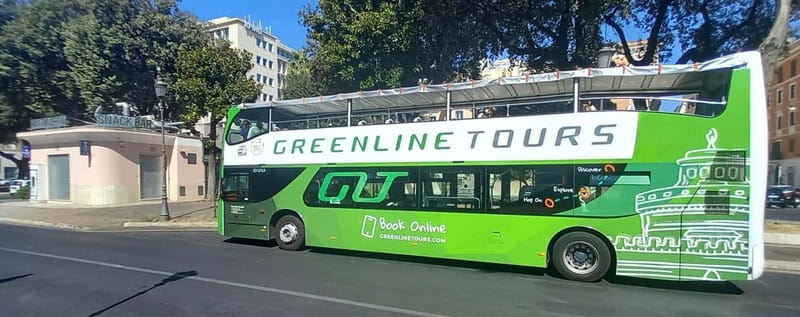
- Three circuits on one ticket, so you can build your day around what you actually want to see
- Open-top views from above, plus frequent departures (about every 20 minutes)
- Multilingual audio commentary in many languages, with single-use earphones included
- Stops that cover more than postcards, including Testaccio, Eataly, Borghese, Villa Giulia, and MAXXI
- Live bus tracking and onboard Wi-Fi, useful when you want to minimize waiting
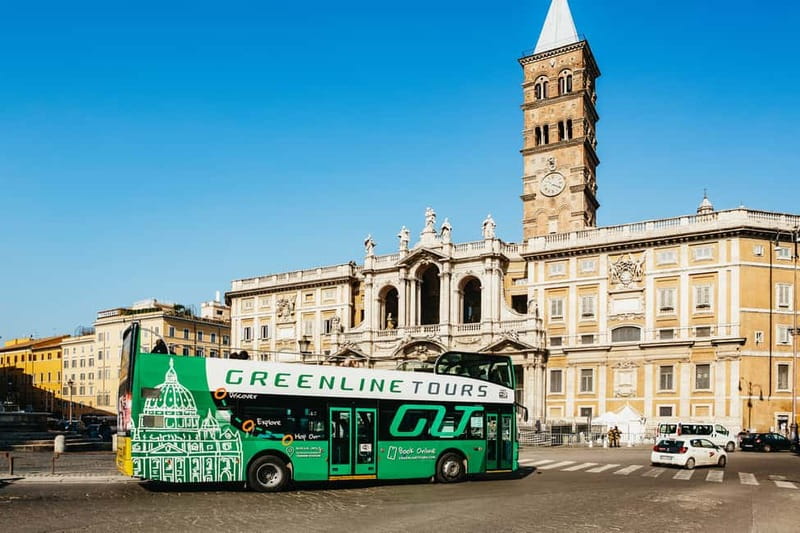
Board at Piazza dei Cinquecento: fast start, easy orientation

I always tell people this is a first-day move. Rome’s streets can feel like a maze, but starting your sightseeing loop at Piazza dei Cinquecento (corner Via Cavour), Terminal 1/A puts you in a central zone with quick access to a lot of Rome’s main sights.
Once you validate your ticket, you can hop on and off repeatedly during the validity window you choose, which ranges from about 9 hours up to 3 days depending on the start option you book. Buses run around every 20 minutes, and in practice that usually means you’re not stuck waiting long. If you like a plan but hate rushing, this cadence is the sweet spot.
Also, the bus setup is practical: open-top for views, free Wi-Fi onboard (handy for maps and checking opening times for places you want to enter), and live bus tracking so you can see what’s coming next. One more small detail that matters in Rome: you need your original booking, not just a screenshot.
A few more Rome tours and experiences worth a look



Three circuits, one ticket: how to use your hops like a local
The real power of this ticket is the ability to structure Rome around your energy level. Instead of committing to a single fixed route and suffering through everything in one go, you can ride, get off, walk, and then rejoin when you’re ready.
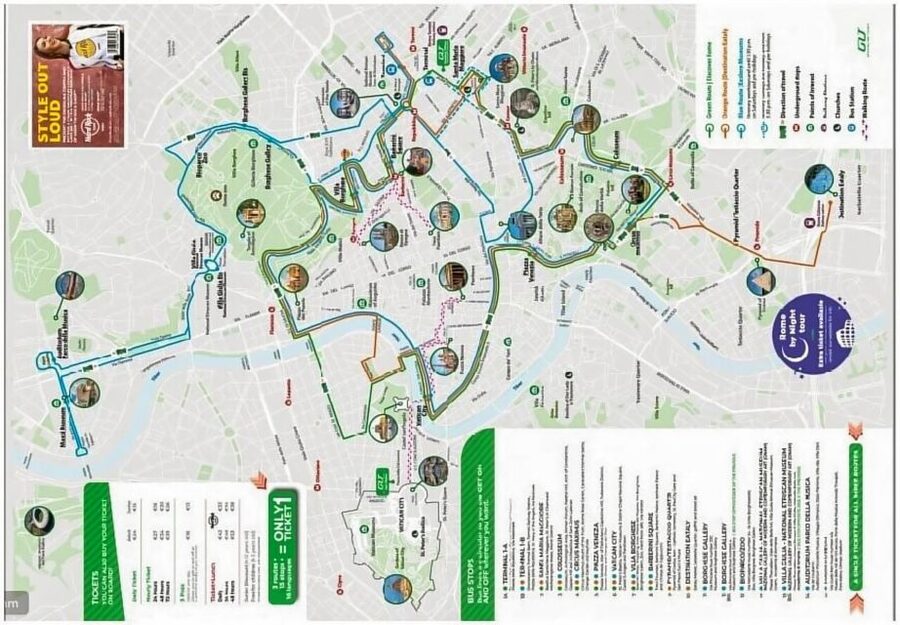
This ticket covers stops across three circuits, with different vibes. One circuit focuses on the classic landmarks. Another leans toward the food and market area theme, and you’ll hit stops around Eataly and the surrounding Garbatella quarter. The third swings toward farther-out culture stops, including Bioparco, Villa Giulia, Auditorium Parco della Musica, and MAXXI.
That spread is what makes it good value. You’re not paying for one “pretty route.” You’re paying to cover a lot of Rome’s geography in a way that saves your legs for the walking portions where it counts.
Quick reality check: it’s still a bus. You’ll see plenty from the top deck, but you’ll get the best results when you treat it as a transportation tool plus an orientation tool. Use it to choose where you want to spend your next hour on foot.
Stop-by-stop: what’s worth getting off for (and what to watch from the bus)
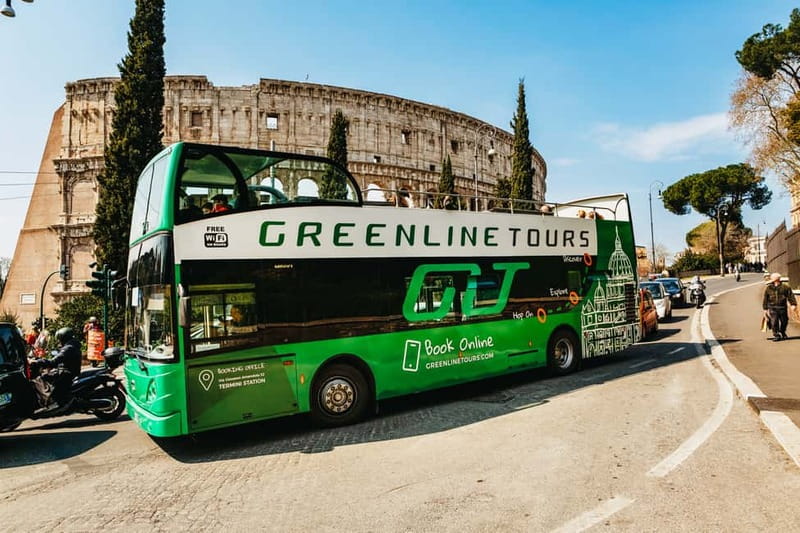
Here’s how I’d think about the route as it loops, based on the key stops you’ll pass.
1) Piazza dei Cinquecento & Via Cavour
This is your launch pad. Get on early if possible. You’ll want a seat where you can see out cleanly, since the whole point is turning the ride into a moving “map.”
2) Santa Maria Maggiore (Basilica Papale)
You’ll pass Basilica Papale di Santa Maria Maggiore, one of Rome’s recognizable church landmarks. Even if you don’t go inside, it’s a good stop for orienting yourself toward the eastern side of central Rome.


3) Colosseum
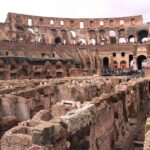
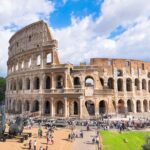
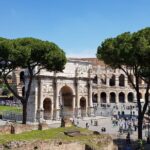
The Colosseum stop is placed near the entrance area of Palatine, which helps because this area is where walking between ruins and viewpoints feels natural. From the bus you get instant scale, and getting off here is smart if you want to plan an entry ticket later.
Tip: take a moment from the curb side to check where you want to walk next. It’s easier to make a route decision after seeing the shape of the area from above.
4) Circus Maximus
Next up is Circus Maximus. Even from the road, it’s a reminder of how big Rome’s entertainment spaces once were. If you want a low-pressure photo stop, this is often easier than scrambling for prime angles at the busiest monuments.
5) Piazza Venezia
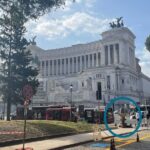
This stop puts you in striking central Rome territory. Piazza Venezia is a great “orientation node” because it’s close to several historic areas. If you’re trying to build a day, it’s one of those places where hopping off can help you pivot into a different sightseeing mood.
6) Vatican City (Lungotevere Tor di Nona)
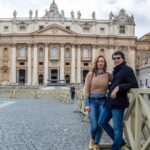
This is your gateway for St. Peter’s Square and St. Peter’s Basilica views from the bus. You’re not doing a full walk to every corner from here unless you choose to, but you can get your bearings quickly.
If Vatican is a priority, plan for time on foot. The bus gives you the big-picture approach and a chance to decide your next move.
7) Villa Borghese
This stop is your link toward the Villa Borghese area. It’s also a calmer get-off point for people who want park and viewpoint energy without committing to a single crowded ticketed site immediately.
8) Piazza Barberini
Barberini Square is a useful in-between stop. It sits in a part of town where you can walk toward shops, cafés, and other central streets. It also works well if you want to break up a museum-heavy plan.
9) Pyramid and Testaccio Quarter
This is a change of scenery. The route moves to the Testaccio area, near the Pyramid of Cestius and the Non-Catholic Cemetery area, plus viewpoints around the St. Paul City Gate and St. Paul out of the Walls. Even if you don’t go deep into that neighborhood, the bus view can help you understand Rome outside the tightest tourist core.
10) Eataly Rome
This is where the ticket becomes more than sightseeing. The Eataly stop is perfect if you want a straightforward food break without spending an extra hour figuring out transit. It also matches the Orange Route idea of “Italian tastes,” and it’s a practical way to turn a hop-off into real downtime.
11) Borghese Gallery
This stop takes you toward Borghese Gallery. It’s a good call if you want museum time and don’t want to chain everything to the same neighborhood.
12) Bioparco di Roma
This stop heads toward Bioparco/Zoo. If you’re traveling with kids, it can turn the bus ride into a full half-day option. If you’re traveling solo or as a couple, it still works if you want a break from historic monuments and want a more nature-leaning outing.
13) Piazza Thorvaldsen (Villa Giulia area)
This is one of those stops that can be a lifesaver when your “must-sees” are crowded. From here, you’re set up for the Villa Giulia region and related museums.
14) Auditorium Parco della Musica
This puts you at Auditorium Parco della Musica, a notable cultural stop. If you’re the kind of traveler who likes architecture and modern design as much as ruins, this is a nice off-the-main-track addition.
15) MAXXI
Finally, MAXXI is your modern-art anchor. It’s a great counterweight to the ancient and baroque focus you’ll see all over Rome. If your feet start to protest, you can still get a satisfying outing with less “surprise walking” than some inner-city choices.
16) Return to Piazza dei Cinquecento
The loop ends where it began. That matters in Rome because it means you’re not stranded across town after a long day.
Audio guide reality check: what it’s good for, and how to fix the weak spots
The ticket includes multilingual audio commentary in many languages, plus single-use earphones. That’s a big deal for first-timers because it turns the bus ride into a guided overview, not just a scenic ride.
That said, I’d go in with expectations tuned to reality. Some riders report the sound quality could be better. Others note that the audio can be affected by bus noise, and sometimes not all audio ports work. If that happens, don’t just accept it. Ask staff onboard for help and consider splitting an earphone connection with a friend if needed.
Also, one of the smartest hacks I picked up from rider comments: if there’s an app option for audio and arrival info, use it when you’re waiting. Live tracking and approximate arrival times make “hop-on hop-off” actually feel effortless instead of guessy.
What the views really cost: comfort, heat, and walking connections
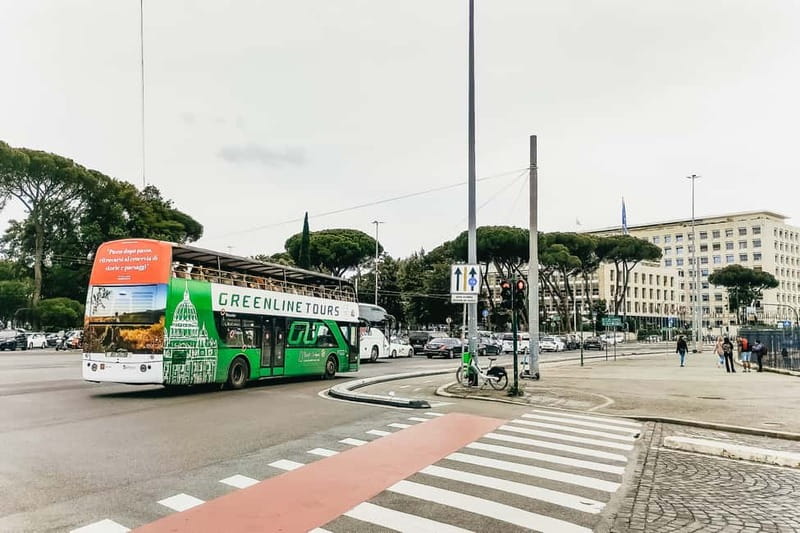
This is an open-top bus, so you get classic Rome views, especially if you sit near the front. In cooler months, some riders noted the bus felt warm, which helps. In warmer weather, you’ll still want sunglasses and probably a sun hat, because you’ll be in the elements.
The other comfort factor is how Rome rewards walking. The bus drops you close, but not always at the exact front door. So bring comfortable shoes and plan for short walking links from the stop to whatever you want to see most closely.
One more practical note: you can’t bring large luggage or pets (assistance dogs are allowed). Rome is already tight. Traveling light makes the whole day smoother.
Price and value: is $20 actually a deal here?
At about $20 per person, this ticket is priced like a budget-friendly orientation tool that also gives you enough flexibility to build a real sightseeing day. The best value comes from using it for two things at once: getting around efficiently and learning what you’re looking at.
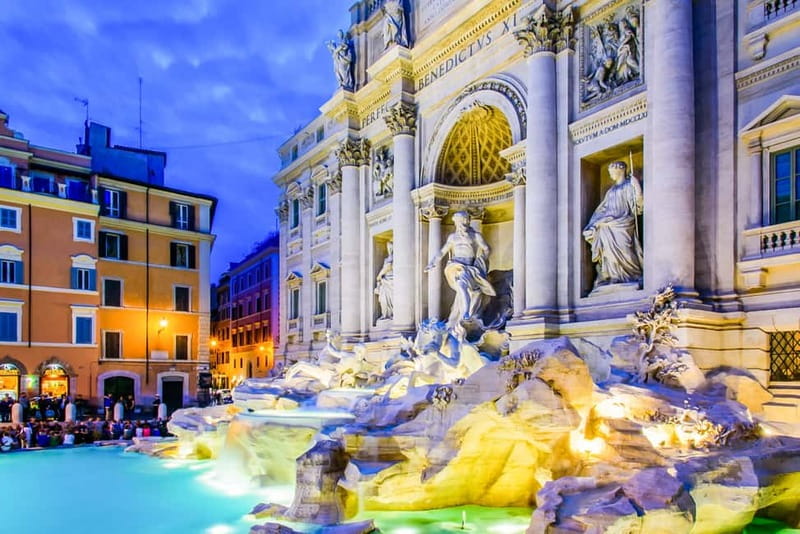
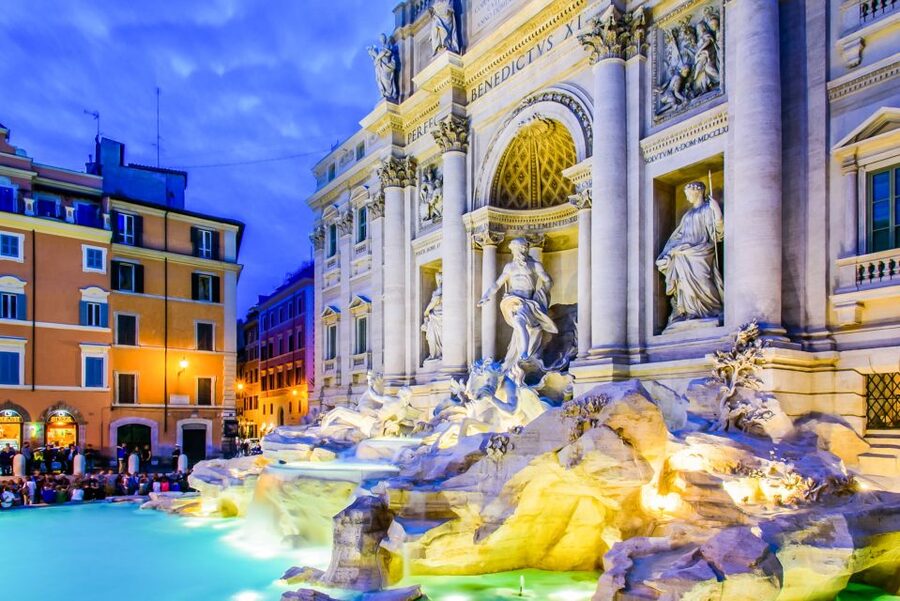
If you only ride once and stay on the bus the whole time, it still works as an overview. But you’ll feel the price most when you hop off strategically. Get off for a walk to something iconic like the Trevi-area and Spanish Steps zones, then hop back on to connect to major monuments like the Colosseum and Vatican City.
Also, if you’re only in Rome for a short window, the “three circuit” idea helps. It reduces the number of separate logistics decisions you need to make in a city that can punish indecision with extra walking.
Who should book this bus ticket?
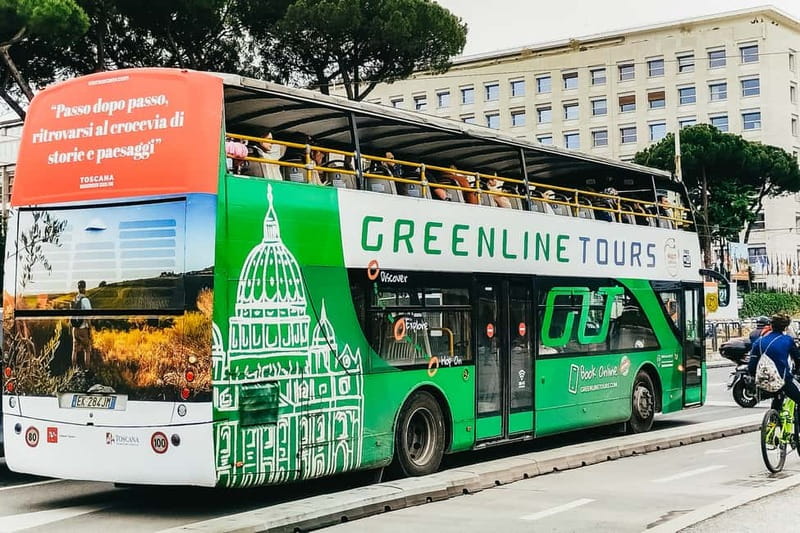
This is ideal for:
- First-time Rome visitors who want an easy way to get bearings fast
- People with limited time who still want options to choose what to do on foot
- Families who want a simple schedule and the chance to break up museum time with a ride
It’s less ideal if:
- You need wheelchair access, since it’s not listed as suitable for wheelchair users
- You want a fully detailed, site-by-site walking tour with guaranteed audio clarity throughout
Should you book this Rome hop-on hop-off ticket?
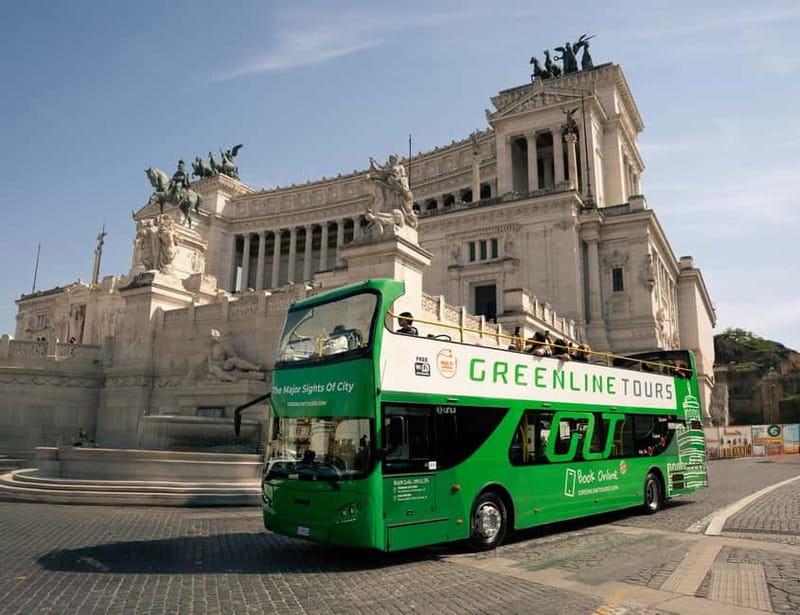
If you want a smart, flexible start, I’d book it. For roughly $20, you get three circuits, frequent service, and multilingual audio that helps you turn a bus loop into real understanding of Rome. It’s especially useful on day one, when you’re still figuring out distances and which neighborhoods you want to return to.
My advice is simple: treat the bus as your planning layer. Use the ride to spot what pulls you in, then hop off where you want to slow down. And if the audio sounds off, speak up and adjust, because when the audio works well, this ticket becomes one of the easiest ways to make Rome click.
FAQ
Where does the bus tour start?
The tour starts at Piazza dei Cinquecento, corner Via Cavour, Terminal 1/A.
How often do the buses run?
Buses run approximately every 20 minutes.
How long is the ticket valid?
It’s valid for a window that ranges from 9 hours to 3 days. You’ll need to check availability to see the starting times for the specific option you choose.
What’s included with the ticket?
Included: full access to all bus routes, unlimited circuits and stops during your validity period, multilingual audio commentary, single-use earphones, an assistant on board, live bus tracking, and free Wi-Fi onboard.
What languages are available for the audio?
Audio commentary is available in Italian, English, French, German, Dutch, Spanish, Arabic, Chinese, Japanese, Portuguese, Russian, Hindi, Korean, Greek, Hebrew, and Polish.
Is this tour suitable for wheelchair users?
No, it’s listed as not suitable for wheelchair users.
What should I bring, and what can’t I bring?
Bring comfortable shoes, sunglasses, and a sun hat. Pets are not allowed, and you can’t bring luggage or large bags. Alcohol and drugs are not allowed, and alcohol drinks are not allowed on the vehicle.
Can I cancel?
You can cancel up to 24 hours in advance for a full refund.
More Tickets in Rome


More Tour Reviews in Rome
Not for you? Here's more nearby things to do in Rome we have reviewed







Tickets, compared.
 ★ 4.5Vatican: Museums & Sistine Chapel Entrance TicketFrom $38144,003 reviews
 ★ 4.4Vatican Museums & Sistine Chapel Skip-the-Line Entry TicketFrom $4313,838 reviews
 ★ 4.2Vatican Museums & Sistine Chapel Skip-The-Line TicketFrom $4111,708 reviews
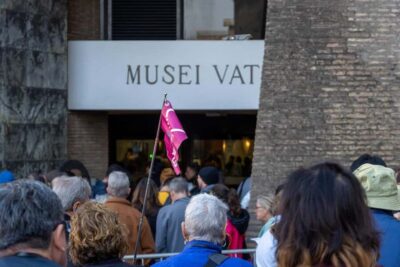 ★ 4.3Vatican Museums & Sistine Chapel Skip-the-Ticket-Line TourFrom $13010,486 reviews
 ★ 4.2St. Peter’s Basilica & Dome Entry Ticket & Audio TourFrom $177,537 reviews
 ★ 4.2Vatican: Vatican Museums Sistine Chapel Skip-the-Line TicketFrom $716,682 reviews
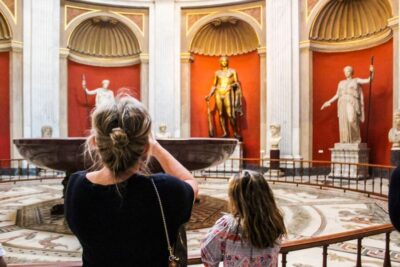 ★ 4.1Vatican & Sistine Chapel Ticket with Optional Audio GuideFrom $465,405 reviews
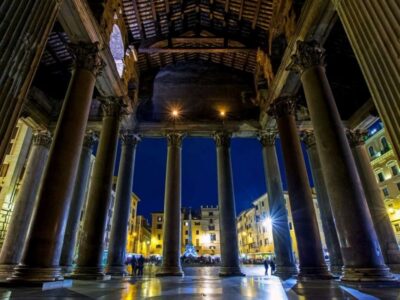 ★ 4.9Pantheon Timeless Marvel Guided Tour with Entry TicketFrom $214,002 reviews