
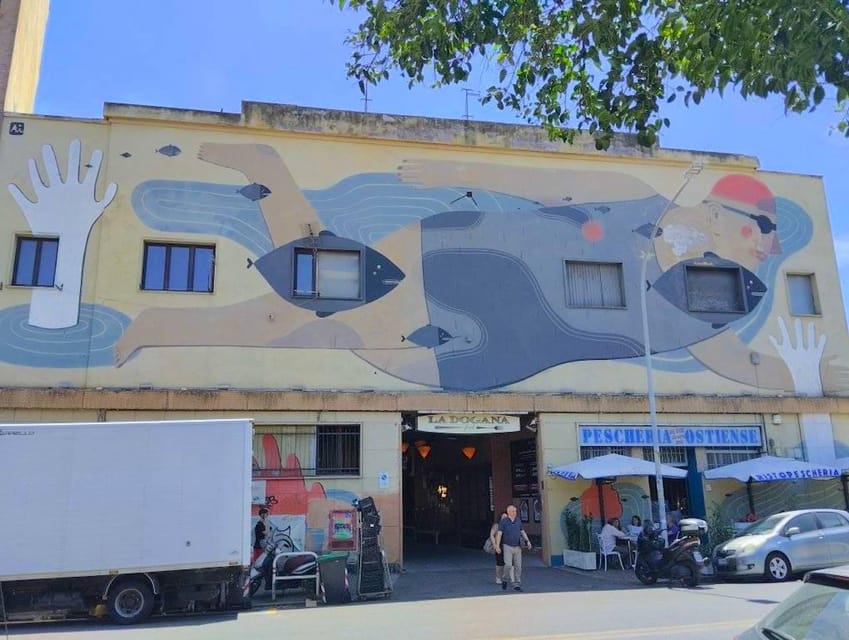
Reviewed · GUIDED
Rome street art tour: off the beaten path with a local guide
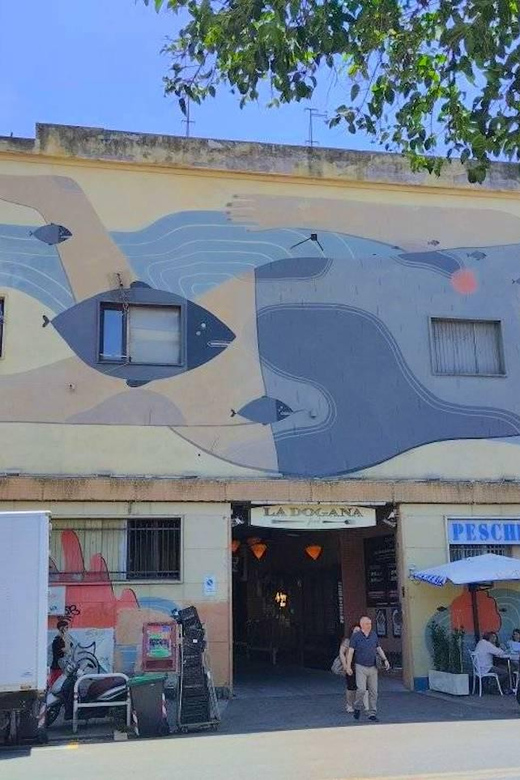
Street art turns Rome into a living gallery. I love that you get two real neighborhoods instead of a checklist, and I love that Lisa ties each mural to the local story. One thing to plan for: this is a walk-about 4 km loop, so comfy shoes matter more than your fashion choices.
This Rome street art tour also has a clear payoff. You’ll see around 30 murals across Garbatella and Tor Marancia, plus the kind of architecture and street life you usually miss when you stay on the classic sightseeing routes. The vibe is calm and local, and it feels built for people who want art plus context, not just photos.
Logistics are straightforward too. You meet at the Garbatella Metro station exit, and the easiest way in is via the Metro B line (the blue line). Bring a camera, a water bottle, and get ready to walk streets that feel like Rome, not a theme park.
Key highlights you should care about
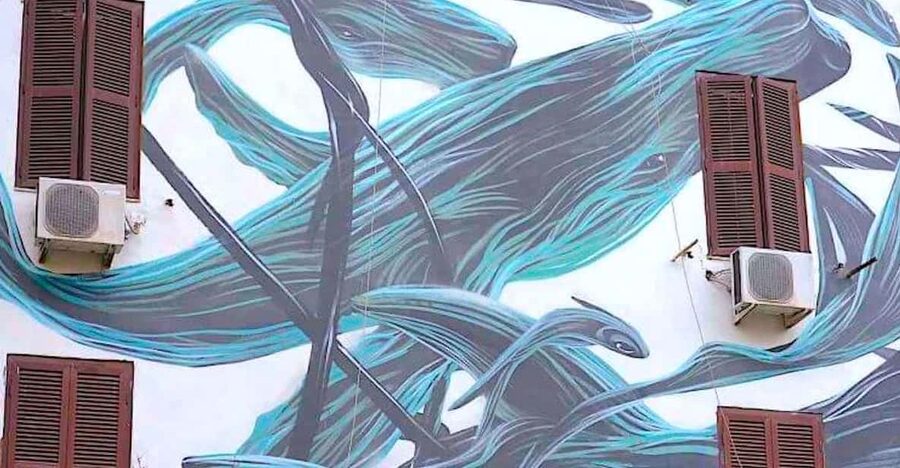
- Garbatella murals on an urban walk loop through an area shaped by early 20th century architects
- Tor Marancia as an open-air contemporary art stop you can’t really replicate indoors
- About 30 murals with stories about the areas and the artists
- A 4 km ring walk that keeps things active but manageable in one sitting
- English-led by Lisa, a Rome local born and raised in the city
Where Garbatella Fits in Rome’s Street-Art Map
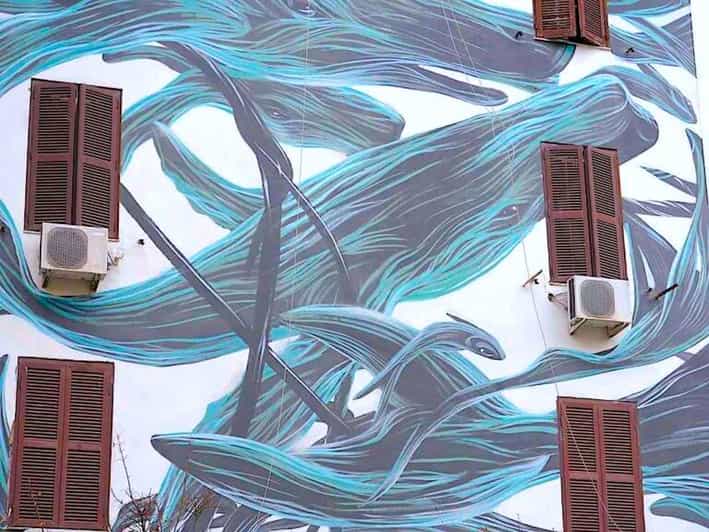
Garbatella is the first neighborhood that makes this tour click. You’re not just hunting murals on random walls. You’re walking through a district with a specific look and a distinct identity, including the kind of early 20th century design that locals still point to when they talk about what makes Rome feel like Rome.
What I like is the way the tour doesn’t treat street art as separate from the city. In Garbatella, the murals sit in front of monuments, side streets, and everyday scenery. So the art doesn’t feel like a curated display. It feels like part of the neighborhood conversation.
And yes, you’ll see plenty of color and big visuals. But what matters more is the context you get while you’re there. Lisa is passionate about street art, and she connects what you’re seeing to where it sits and why it matters to the people living around it. That context is what turns a cool photo into a memory that actually makes sense.
You can also read our reviews of more guided tours in Rome

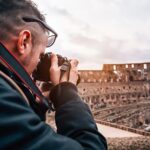
Getting There and Meeting Lisa at Garbatella Metro
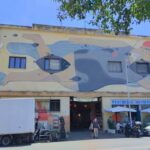
Let’s make the start easy. You meet at the exit of the Garbatella Metro Station. As soon as you exit, there’s a little colored amphitheater, and Lisa will be waiting there.
To reach Garbatella, you can use local buses or take the Metro B line, the blue line. Get off at Garbatella, exit the station, and look for that colored amphitheater.
This matters because street art tours can sometimes start in places that feel hard to reach. Here, the metro option keeps you from spending your limited Rome energy in transit. In plain terms: you can get there without a mini adventure, which helps when the schedule is only about 2.5 hours.
Garbatella Murals, Monuments, and the Streets You Usually Skip
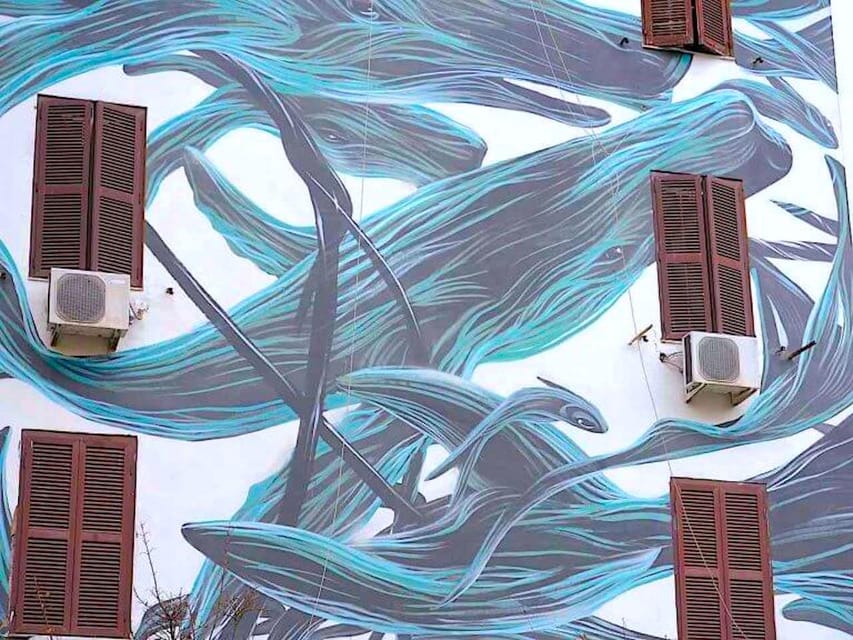
The Garbatella part is where you start seeing the tour’s rhythm. You’ll set off on foot through authentic districts and focus on murals and public art that ordinary visitors often don’t plan around.
You can expect a mix of:
- murals and large-scale works you’ll want to photograph
- neighborhood history tied to the spaces around the art
- monuments and street scenes that anchor the art in real place, not just wall surface
One of the tour’s standout ingredients is the feel of Garbatella itself. The neighborhood is described as being designed by architects from the early 20th century, and there isn’t another place in Rome that feels quite like it. While you’re walking, you’ll notice how that planning, architecture, and street layout influence the “where” of every mural you spot next.
Another smart detail is that the tour runs as a ring walk. In other words, you’re not going out-and-back the way some guided walks do. You’re moving through a connected route, so each section builds on the last one. That’s part of why people love the experience as a change from classic sightseeing. You’re not circling the same central blocks with the same crowd energy.
If you want a break, there’s also an optional gelato stop. The tour doesn’t include it, but you’ll have a chance to grab one of the city’s best gelato parlors if you feel like it. Keep in mind you’re still walking afterward, so don’t overpack on anything heavy.
The Big Art Moment: About 30 Murals in Two Neighborhoods
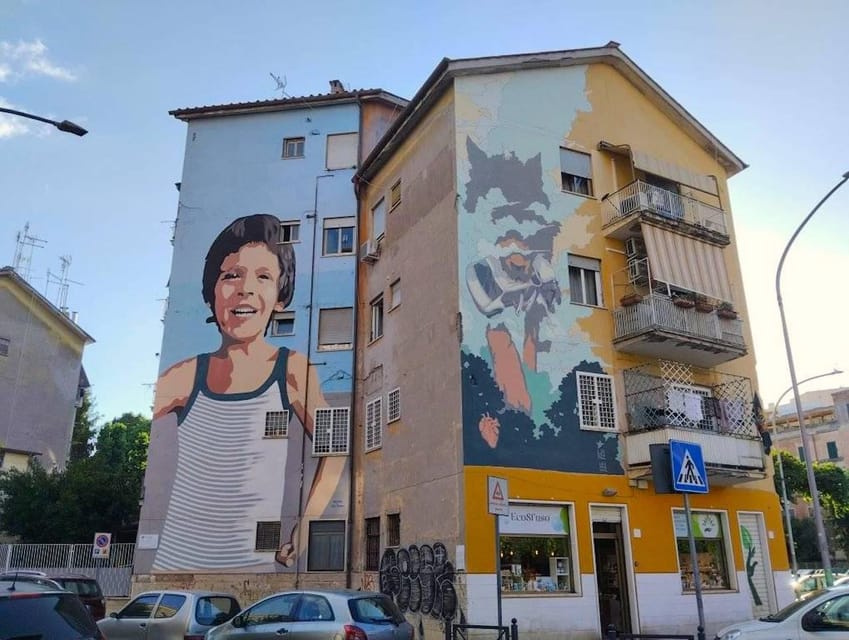
Here’s the core structure of what you’re paying for. The walk is set up to take you through two neighborhoods that are typically less visited, with time to look closely and learn along the way.
Across the whole loop, you’ll admire about 30 murals. That number matters because it tells you this isn’t a quick stop-and-snap tour. The plan is to keep moving, but not so fast that you never get to read the room, notice the details, and absorb the stories.
And because the tour is led by Lisa, the mural viewing has a narrative shape. You won’t just hear what the art looks like. You’ll hear the history of the areas hosting it and the main sights along the way. That approach is exactly what helps street art feel “legible” to people who don’t already know the scene.
Also, the tour is explicitly designed around off the beaten path walking. You’ll spend your time where local life is visible, and where the art reflects neighborhood identity rather than tourist demand. That’s where the experience earns its place on your itinerary.
Tor Marancia: An Open-Air Museum of Contemporary Art
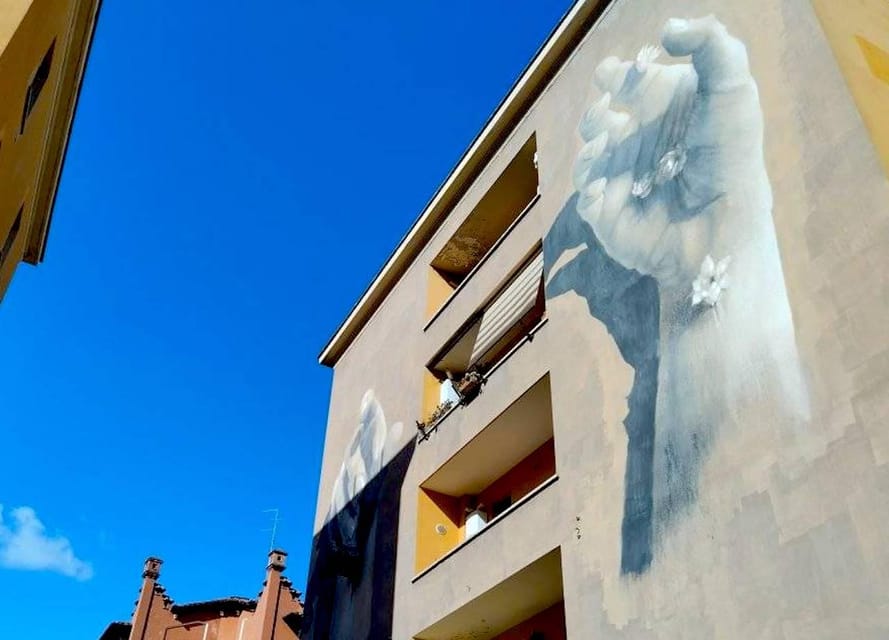
After Garbatella, the route shifts you into Tor Marancia, and this is where the tone changes in a good way.
Tor Marancia is described as an open-air museum of contemporary art. That phrase is useful because it tells you what to expect: more modern street art energy, bigger presence, and the feeling that you’re stepping through an outdoor gallery.
What makes Tor Marancia special on this tour isn’t just the artwork. It’s the way the murals fit into the neighborhood. The art feels placed, argued, and personal, like it belongs to the community making it visible. When you’re walking, you can also compare how different the two districts feel. Garbatella starts with the identity of the area and then layers street art on top. Tor Marancia flips the script, letting contemporary art take center stage and then connecting it back to local culture.
You’ll also keep getting the local-history and culture context while you move. That continuity matters because you’re not just learning facts at random stops. You’re building a mental map of how art, space, and everyday life connect in Rome.
This is the part I’d point out to anyone deciding between doing a short street art walk or a longer one. If you want more than one neighborhood worth of art, Tor Marancia is the reason this tour is worth your time.




Coming Back Through More Murals and Local Stories
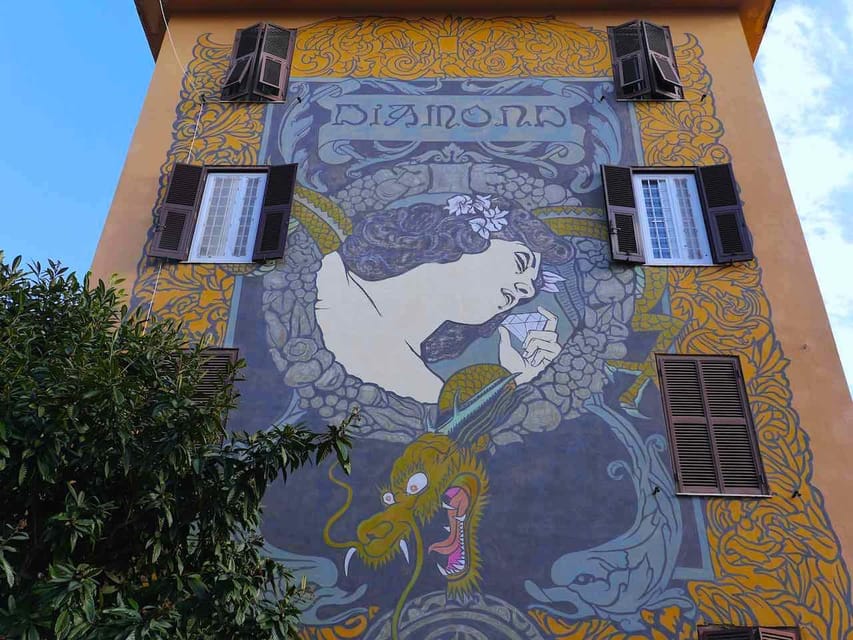
The final stretch returns you toward the starting point at Garbatella Metro station. The walk back is not just “same route, different direction.” You’ll keep seeing street art along the way, and Lisa will keep talking about local history and culture as you go.
This is one of those underrated parts of guided walking tours. The end can feel like a letdown if the best stops happen early. Here, the return is part of the structure, so you stay in the art mode and don’t feel like the tour ran out of steam before you were ready.
By the time you finish, you’ll have:
- seen murals in both Garbatella and Tor Marancia
- learned how each neighborhood’s character connects to what’s painted
- walked the loop back with more street art as part of the story
And you end exactly where you started, at Garbatella Metro station. That makes your day planning simple. You can pop back onto transit quickly without needing a complicated end-of-tour route.
Price and Value: Is $41 Worth It in Rome?
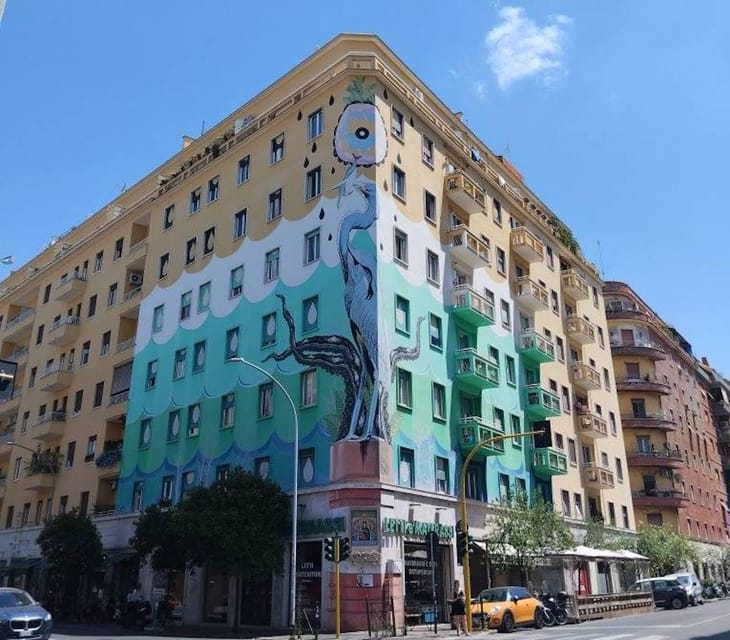
Let’s talk value without hand-waving. The price is listed at $41 per person, and what’s included is a walking tour with a local guide. Street art tours can vary wildly in what they include, and in some cases you’re paying for a route and little else. Here, you’re paying for guided interpretation in English plus the structure of two neighborhoods and about 30 murals.
What makes that feel like a good deal is the match between time and content. You’re looking at a tour lasting about 2.5 hours (and the itinerary also references a 3-hour guided segment). In that time, you cover roughly 4 km on foot and get sustained focus on murals rather than just brief photo stops.
You’re also not buying access to a specific building or a timed ticket. You’re buying someone’s city knowledge. And in the reviews, Lisa gets praised for being friendly, kind, and especially strong on history and neighborhood insight, with English that works smoothly. That kind of guide impact is hard to measure on paper, but it’s usually the difference between a good walk and a great one.
What’s not included is gelato. That’s optional, so you can keep your budget in check. If you do grab gelato, treat it like a small add-on, not part of the tour cost.
Overall, if you want Rome beyond the classics and you like street art with context, $41 feels fair. If you want polished tourist attractions only, you might find this less aligned with your tastes.
Who This Rome Street Art Tour Works Best For
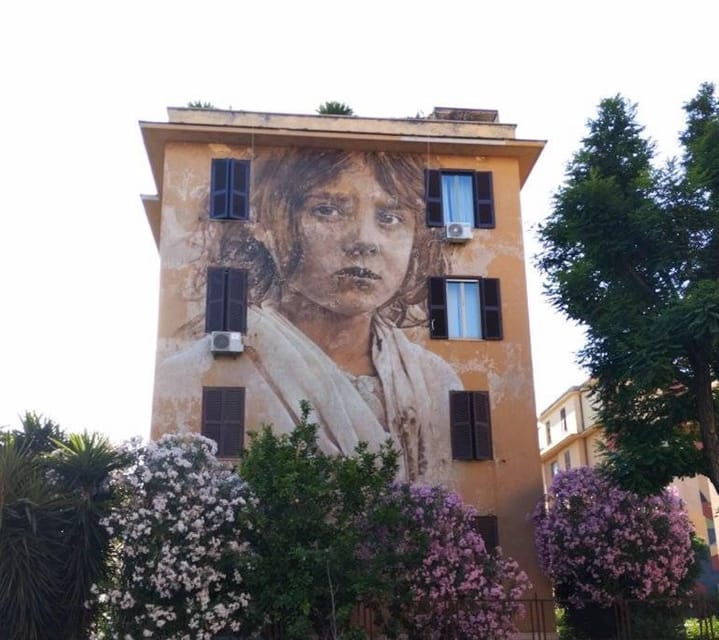
This experience fits well if you:
- like street art and want to understand what you’re seeing
- enjoy walking through local neighborhoods instead of crowd-heavy landmarks
- want history mixed into modern art, not taught as separate topics
- prefer an English-led tour with a Rome-born guide
It’s also a good choice for people who want a morning or short block that changes their perspective. Instead of returning home with only photos of monuments, you leave with images connected to the city’s neighborhoods and the people shaping them.
Less ideal if:
- you don’t like walking much
- you want a bus-only sightseeing format
- you’re only interested in the biggest ancient headline attractions
The tour’s mission is deliberately off the beaten path, so your expectations should match.
Practical Tips: Shoes, Heat, Water, and Camera Time
This tour is simple, but it has a few rules that keep it pleasant.
- Comfortable shoes are mandatory. You’re walking about 4 km on a loop. If your shoes aren’t up to it, the tour becomes less fun fast.
- Bring a water bottle. There’s a chance to refill it for free during the walk. That helps you stay comfortable without buying drinks constantly.
- Hat recommended during the summer. Rome sun can be serious, and you’ll be outside.
- Get your camera ready. The murals are a major part of the point, and you’ll want to capture them while also looking closely at what the guide is pointing out.
If you’re planning this on a busy day, also remember it ends back at Garbatella Metro station. That makes it easy to transition to dinner or another activity without a long scramble.
Should You Book This Tour?
If you want one smart way to see a different side of Rome, I’d book it. The combination of Garbatella plus Tor Marancia, the guide-led stories, and the focus on street art murals makes it more than a casual stroll. It’s a short neighborhood-focused experience that helps you understand the city you’re in, not just the postcard version.
One last check before you click book: are you comfortable walking roughly 4 km in about 2.5 hours? If yes, you’ll probably love this. If not, consider reserving your legs for a less walking-heavy day.
If you do book, do it with your camera ready and your curiosity switched on. Lisa’s whole thing is making murals feel connected to real Rome, and that’s exactly what you’re here for.
FAQ
Where is the meeting point for the tour?
You meet at the exit of the Garbatella Metro Station. When you exit, there is a little colored amphitheater where Lisa will wait for you.
How long is the Rome street art tour?
The tour duration is listed as 2.5 hours.
What neighborhoods does the tour cover?
The tour includes murals in Garbatella and murals in Tor Marancia, with a return walk through more street art.
What is included in the price?
The included item is a walking tour with a local guide.
What is not included?
Gelato is not included. It’s optional if you want to stop during the walk.
How do I get there using public transport?
Use local buses or take the Metro B line (the blue line) and get off at Garbatella.
What should I bring for the walk?
Bring comfortable shoes and a water bottle. During summer, a hat is recommended. There will be a chance to refill your water for free during the walk.
More Guided Tours in Rome
More Tours in Rome
More Tour Reviews in Rome
Not for you? Here's more nearby things to do in Rome we have reviewed








Guided, compared.
 ★ 4.5Vatican Museums, Sistine Chapel & St Peter’s Basilica Guided TourFrom $2239,149 reviews
 ★ 4.8Colosseum, Palatine Hill and Roman Forum Guided TourFrom $5232,814 reviews
 ★ 4.7Guided Tour of Colosseum, Roman Forum & Palatine HillFrom $5527,897 reviews
 ★ 4.2Colosseum & Forum with Audio Guide App -Optional ArenaFrom $4124,770 reviews
 ★ 4.5Colosseum, Roman Forum and Palatine Hill Guided TourFrom $5923,903 reviews
 ★ 4.6Colosseum, Palatine Hill & Roman Forum Guided TourFrom $5112,703 reviews
Vatican Museums & Sistine Chapel Guided TourFrom $11812,117 reviews
★ 4.6Colosseum, Palatine Hill & Roman Forum Guided TourFrom $5112,703 reviews
Vatican Museums & Sistine Chapel Guided TourFrom $11812,117 reviews
 ★ 4.6Colosseum Arena, Palatine Hill & Forum Guided TourFrom $7310,584 reviews