
Reviewed · TRASTEVERE TOURS
Mosaic-Making Workshop in Rome’s Trastevere
Mosaic making in Rome is hands-on art therapy. In a Trastevere studio, I love that you create a real, finished mosaic you can take home, and I love the small group size that lets Nadia guide you closely. One possible drawback: the instructor may not be fluent in English, so you’ll rely a bit on demonstrations, pointing, and patience.
You’ll spend about 3 hours at your workstation learning techniques, cutting and fitting tiles, and assembling your design. When the mosaic is done, it’s packed in a way that helps it set properly, up to 6 hours, so it’s practical to bring back as a souvenir.
Key highlights at a glance
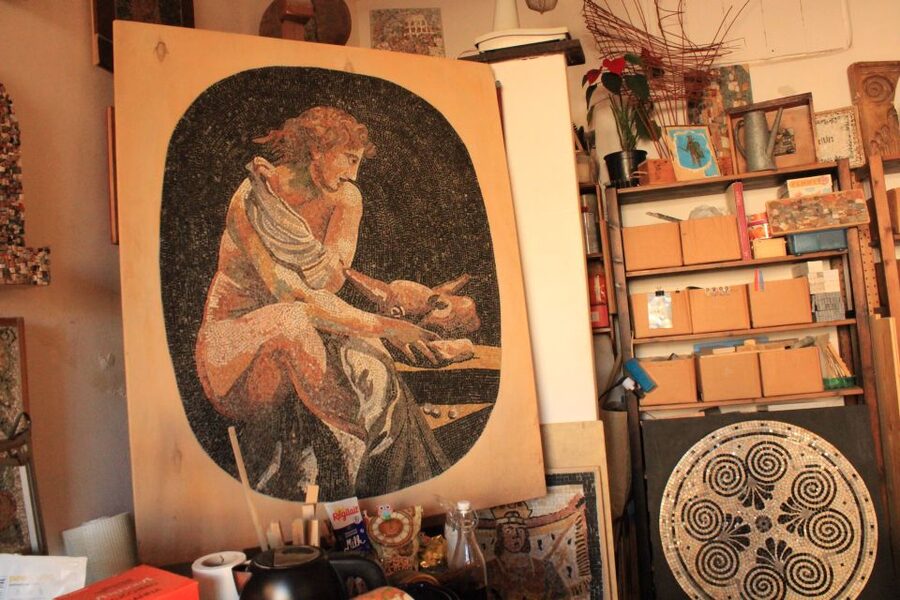
- Create a take-home mosaic souvenir in one focused session
- Small group of up to 8 with hands-on attention from Nadia
- Cutting tiles takes time and precision, especially for tight angles
- Your mosaic is boxed to finish setting, up to 6 hours
- English and Italian support, with clear teaching even if English is limited
- Trastevere location near the Botanical Garden, great for a calmer half-day plan
Where this Trastevere workshop fits in your Rome day
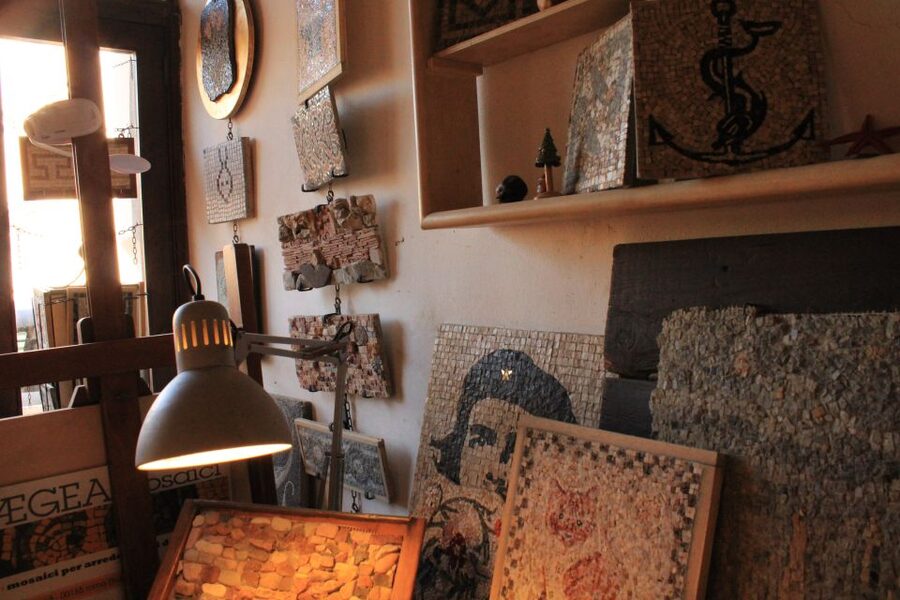
This is the kind of activity that balances Rome’s big-ticket sights with something quieter and more personal. The studio is in Trastevere, and you’ll find it near the Botanical Garden, which makes it easy to pair with an unhurried neighborhood walk before or after.
The class is set for around 3 hours, and it’s offered at different starting times depending on availability. That flexibility matters because it helps you avoid doing this only in the middle of the hottest part of the day or right when you’re trying to race to another timed ticket. In practice, I like booking a mosaic workshop on a day when you want one scheduled anchor, then you can drift the rest of the time.
The workshop is also wheelchair accessible, and it’s designed for a small group format. That is important because mosaic making needs space, tools, and steady guidance, not a crowded classroom feel.
A few more Rome tours and experiences worth a look



Meet Nadia, and understand how the class is taught
You’ll be introduced to Nadia, the mosaic artisan guiding you through the techniques and helping you build your piece. Even though the studio experience is hands-on, it’s not a free-for-all. Nadia’s role is to show you the right steps, then stand by while you work.
The language piece is worth flagging. The information for the activity says the instructor can teach in English and Italian, but it also notes that the mosaic artist teaching isn’t necessarily fluent in English, while still communicating with everyone. Translation: don’t stress if you don’t speak Italian perfectly. You’ll learn by watching, copying, and getting small corrections, which is exactly what works best for a craft.
I also like that the teaching style seems structured. Demos are brief, then you get to work. That keeps the experience moving and helps you spend your time on the part you’ll remember, the one where your hands are making decisions.
Picking your design: why it makes the souvenir feel personal
One of the best parts of this workshop is that you get freedom in your design choice. You sit at your designated workstation, and you’re able to start with a preferred design rather than being assigned the same template as everyone else.
That matters for value. Most Rome souvenirs are nice, but they don’t connect to a story you own. Here, the story is physical. Every time you choose a pattern detail or adjust how a piece lines up, it becomes part of your mosaic identity.
Your first tasks generally involve preparing the design layout, then moving into tile cutting and placement. If you like crafts where you can see progress quickly, this section will feel satisfying. And if you’re worried about being an art person or not, that concern usually fades once you realize the process is taught step by step.
Tile cutting and fitting: the step that surprises most people
Mosaic making sounds simple until you start dealing with the tiny shapes. The reviews highlight how cutting tiles to fit small angles can be tedious. That’s actually good news for you as a visitor, because it means the workshop is giving you the real craft, not a watered-down demo.
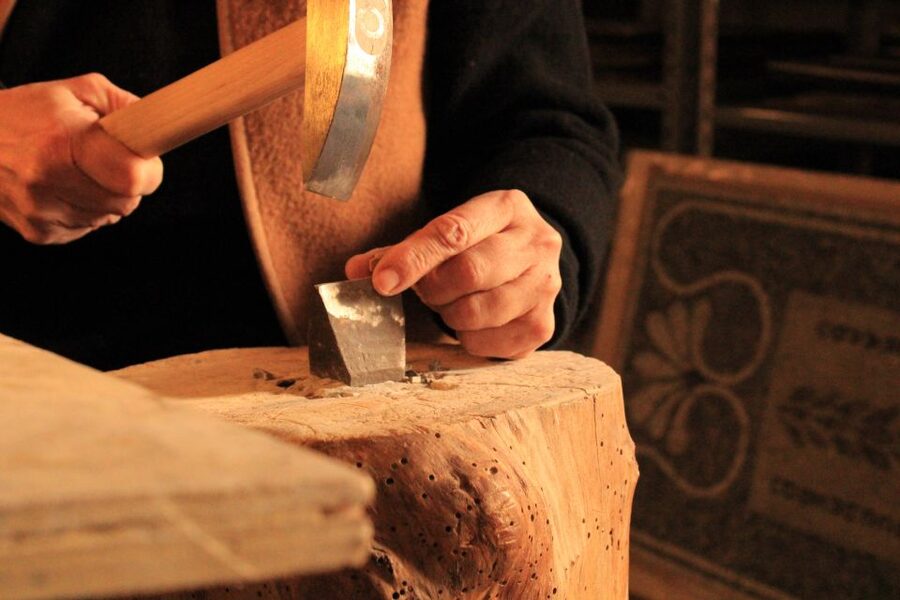
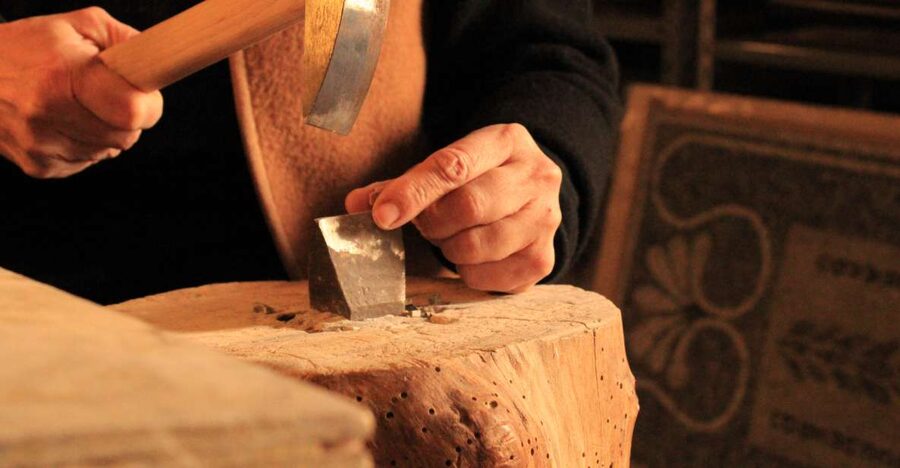
Expect your hands to do most of the work. You’ll use tools and materials to cut tiles, and you’ll learn how to fit them so the pattern reads well. There’s a learning curve, especially around edges and tight corners, where one small cut can change the whole look.
Also, this is one of those activities where going slow is part of the point. You’re not just assembling, you’re learning how artisans think in fractions and angles. For me, that’s what turns a souvenir into something closer to a mini education.
If you’re going with someone who normally rushes, you might want to quietly nudge them into a calmer pace. Mosaic work rewards patience. And you’ll probably be happier with the final result.
Putting the mosaic together: from layout to glue work
Once your design is traced and your tile pieces are ready, you’ll assemble your mosaic. This is where you start seeing your design take shape in a way that feels unmistakably yours.
The class is guided, so you won’t wonder what comes next for long. Nadia can check your progress and help you adjust placement. That’s especially important because mosaics depend on alignment. When tiles sit slightly off, the image looks messy, even if the individual pieces are correct.
In this stage, you’re also learning the workflow that supports durability and finish. The workshop includes a full process, not just “stick a few pieces on and call it done.” You’ll reach cementing and cleaning steps too, which are essential for a mosaic that holds up and looks finished.
The experience is also a nice break from the usual Rome rhythm. Instead of constant lines and long walking, you get a seated workstation, music in the studio, and the satisfying rhythm of work you can measure hour by hour.






The grout and cleaning steps, and why the setting time matters
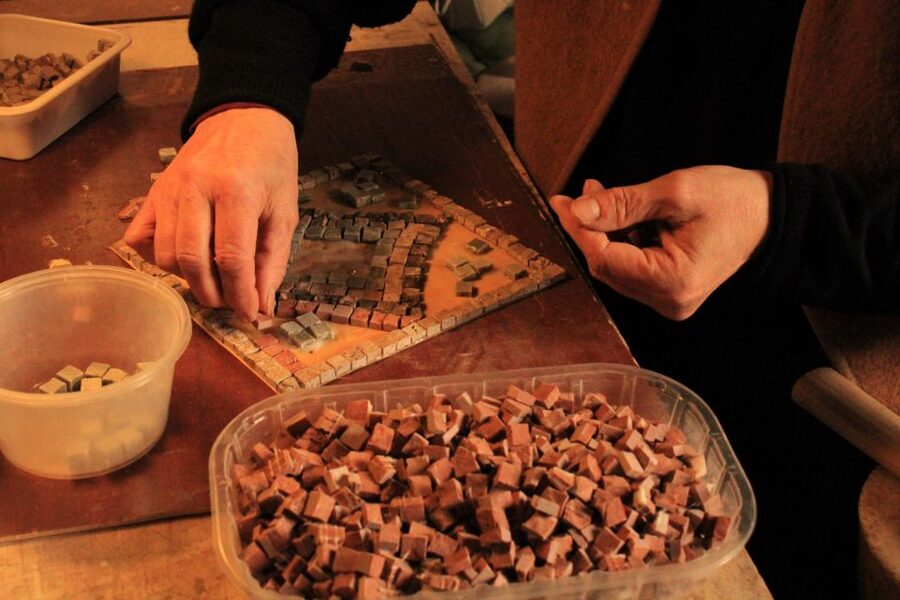
Even after the mosaic is assembled, the story isn’t over. The mosaic needs time to set, and the information provided says this setting process can take up to 6 hours.
The practical part for you is how they handle that. Once your mosaic is completed, it’s carefully boxed so it can properly set while you transport it home. That’s one reason this workshop feels well designed for travelers. You don’t have to figure out how to keep a fragile project intact across city streets or through airports.
You’ll also benefit from the cleaning and finishing phase because it’s the difference between a craft project and something you’ll proudly put on a shelf or table. This step is where attention to detail shows up. Clean grout lines and a tidy surface are what make your mosaic look like it belongs in Rome, because that level of care is exactly what you see in the city’s iconic mosaic traditions.
Plan your day with a calm pocket of time around the workshop, so you’re not rushing out the door. You’ll feel less stressed, and you’ll enjoy the final steps more.
What you take home: a box, a set time, and a real souvenir
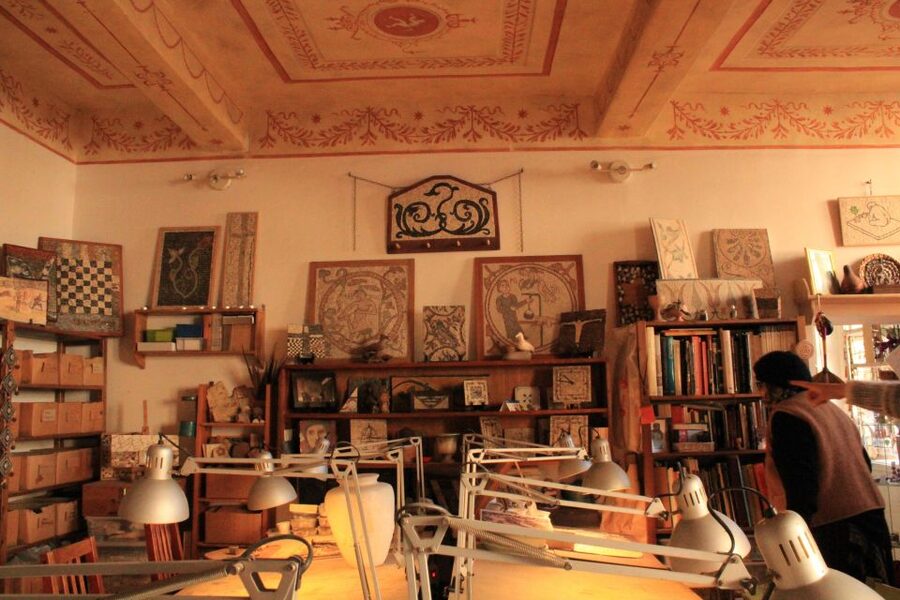
You take home your finished mosaic. The workshop includes the materials and expert guidance, and you create your own piece in a fully equipped studio.
The key point is that the mosaic is boxed for setting. That means the mosaic is treated like something that needs proper care after assembly. It’s packaged to help it finish setting in a safe, travel-friendly way.
So your souvenir isn’t just pretty. It’s made with your hands, and it comes with the kind of origin story that makes people ask, Where did you make that? That conversation alone is worth something in a city full of things you buy, not make.
The box also makes logistics easier. You avoid improvising with random wrapping paper or guessing how fragile the surface is.
Price and value: what $147.27 really buys you
At $147.27 per person, this workshop is not a budget activity. But it also isn’t overpriced for what you’re getting if you care about hands-on craft.
Here’s what you’re paying for, and why it matters:
- A small group (up to 8), which supports real instruction instead of generic directions
- A fully equipped mosaic studio, so you’re not paying for tools or setup
- Expert guidance throughout, so you make something you can truly be proud of
- A take-home finished mosaic, not a partial project you abandon at the finish line
- A complete process, including cementing and cleaning, plus packaging for setting
When you compare that to many Rome paid experiences, the value question becomes simple. Are you buying a quick photo moment, or are you creating an object with personal meaning? This is the second option.
One more detail: hotel pick up and drop off are not included. That’s normal for many studio-based activities, but it does affect value if you’re relying on transfers. If you’re already in central Rome or you like walking, it’s less of an issue. If you need a driver, the total cost of your day might rise.
Who should book this workshop, and who might skip it
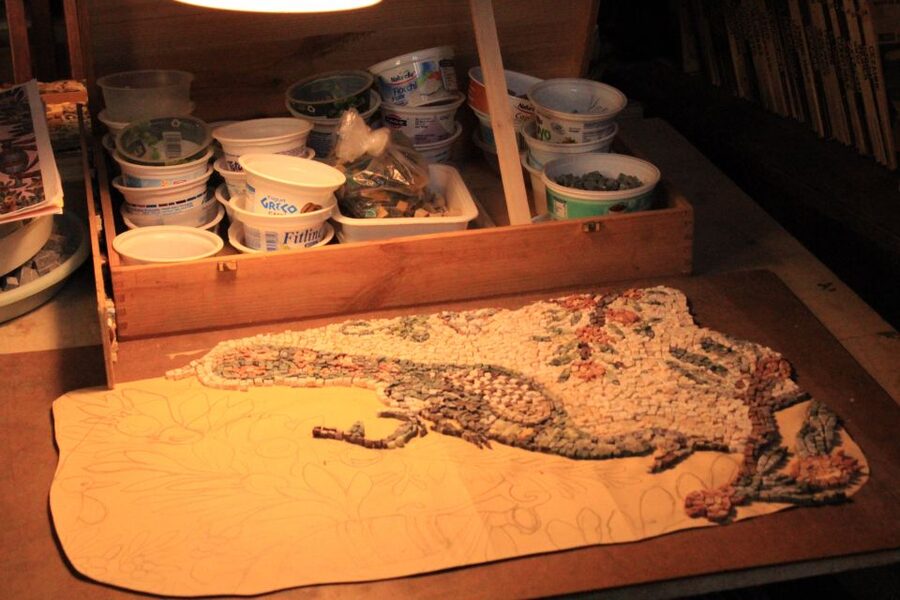
This works best for people who enjoy making things with their hands. If you’ve ever looked at Rome mosaics in churches and wished you understood the process, you’ll likely love this.
It’s also a great choice if you want a hands-on break from sightseeing pressure. The class format is focused, and the studio setting feels like an artist’s workspace rather than a tour stop you just pass through.
It’s suitable for families too, with an important rule: children must always be accompanied by at least one adult. The workshop has worked for kids in the 9 to teen range in past sessions, and it’s the kind of structured craft where younger participants can succeed with guidance.
Two groups should consider another option. If you hate crafts that involve careful hand work, you might find the tile cutting and fitting a bit frustrating. And if you need lots of spoken explanation in English to feel comfortable, you may prefer an activity with a more fluent guide, because this experience can rely on demonstrations and translation.
Practical tips for your mosaic day in Trastevere
A few small choices can make the workshop feel smoother.
First, wear comfortable clothes and shoes. You’re working at a workstation with tools and materials, and you’ll likely spend the session leaning in and focusing.
Second, plan a calm schedule around it. The workshop itself is about 3 hours, but the mosaic is meant to set up to 6 hours after completion. Boxing helps, but you’ll still want to treat it like a real project, not something to toss around.
Third, bring a curious mindset. The best part isn’t just the final mosaic. It’s learning why mosaics look the way they do, how tiny angles change the image, and why careful placement matters.
Finally, consider the time of day you choose. Since starting times depend on availability, pick one that matches your energy. If your morning is packed with major sites, an afternoon workshop can feel like a reset button.
Should you book this mosaic-making workshop?
Book it if you want a meaningful Rome souvenir you actually made, and you like crafts enough to enjoy learning the process. It’s a strong fit for couples, solo travelers who like structured hands-on activities, and families where kids can work with clear guidance. The small group setup and expert attention from Nadia make it feel personal rather than mass.
Skip it if you need something purely passive, like a guided walk, or if you dislike careful, detail-focused hand work. Also consider that the instructor may not be fully fluent in English, even though communication is set up to work for everyone.
If you want one honest takeaway, it’s this: this is not a quick craft. It’s a real workshop where you learn how mosaics are made, then you leave with a boxed piece that reminds you of that moment every time you look at it.
FAQ
How long is the mosaic-making workshop?
The experience duration is listed as 3 hours, and it’s described as a 2 to 3 hour workshop. Starting times vary, so it’s best to check availability when you book.
Will I choose the design for my mosaic?
Yes. You can choose your preferred design, then work from that at your designated workstation.
Do I take my mosaic home the same day?
You create your mosaic during the workshop and then take it home. After it is finished, it’s boxed so it can properly set, with the setting process taking up to 6 hours.
How big is the group?
The class is a small group limited to up to 8 participants.
What languages will the instructor use?
The instructor can work in English and Italian. The mosaic artist teaching may not be fluent in English, but they are able to communicate with everyone.
Is the workshop wheelchair accessible?
Yes, it is wheelchair accessible.
Is hotel pickup and drop-off included?
No. Hotel pick up and drop off are not included.
More Workshops & Classes in Rome



More Tour Reviews in Rome


Not for you? Here's more nearby things to do in Rome we have reviewed











Trastevere Tours, compared.
 ★ 4.8Trastevere or Jewish Quarter Street Food TourFrom $513,839 reviews
 ★ 4.9Trastevere & Campo de Fiori Street Food Walking TourFrom $512,768 reviews
 ★ 4.8Guided Food Tour in TrastevereFrom $1122,266 reviews
 ★ 4.9Trastevere Guided Food and Wine Tour with 20+ TastingsFrom $1461,022 reviews
 ★ 4.8Small Group Trastevere Food Tour with DinnerFrom $132719 reviews
 ★ 5.0Rome Trastevere Pasta Making Class with Eating EuropeFrom $100505 reviews
 ★ 4.9Twilight Trastevere Food Tour with Wine TastingFrom $123490 reviews
 ★ 4.8Food & Wine Tour of Campo de Fiori, Ghetto, TrastevereFrom $81413 reviews
Browse the lists this tour appears in