
Reviewed · COOKING CLASSES
Rome: 3-in-1 Fettuccine, Ravioli, and Tiramisu Cooking Class
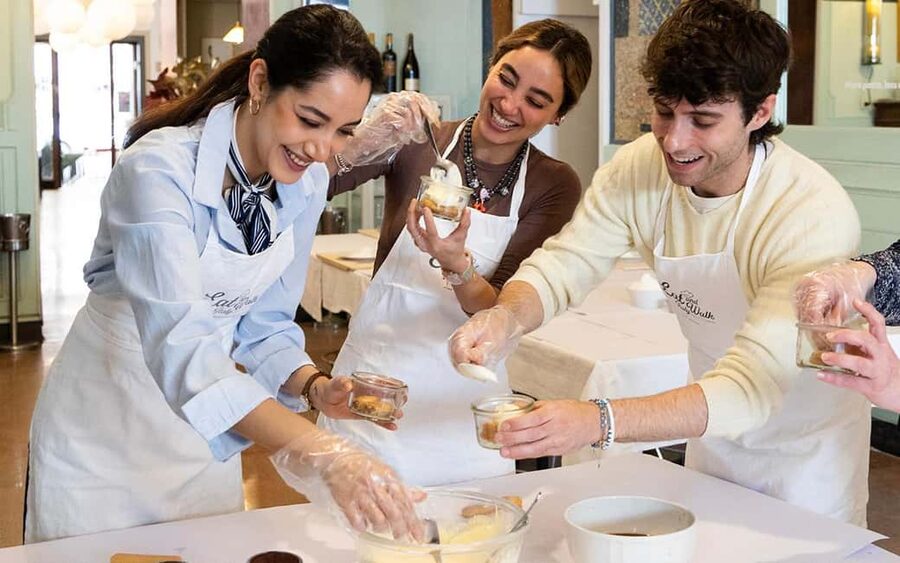
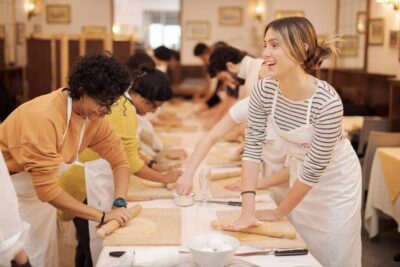
Rome is more fun when your hands are busy. This 3-hour 3-in-1 cooking class turns you loose in the kitchen to make tiramisu, fettuccine, and ravioli the real Italian way. The setting is a cozy restaurant in central Rome, and the format is practical: you learn the method, you follow along step by step, then you sit down and eat what you made.
Two things I like a lot are the range of skills and the payoff. You go from dessert technique to pasta dough to filling and shaping, so you leave knowing how to make more than one dish. And because you taste your own work with wine and limoncello, the class feels like a full experience, not just a demo.
One thing to consider: the pace can feel fast, especially if you are a slower cook or you like to linger at every step. In that case, you might want to lean into the guidance and accept that this is meant to keep everyone moving.
Key highlights at a glance
- Make three classics in one sitting: tiramisù first, then two types of pasta from scratch
- Hands-on instruction in English: you actively form dough and assemble ravioli, not just watch
- Sauce choices for fettuccine: tomato and basil, cacio e pepe, or amatriciana
- Ravioli with butter and sage: a simple flavor plan that lets the pasta shine
- Shared meal with wine and limoncello: your final plate comes with the drinks included
- Tight central meeting point: Restaurant Gusto at Via Giuseppe Zanardelli 14
Three Classics, One Mission: What This Class Really Teaches
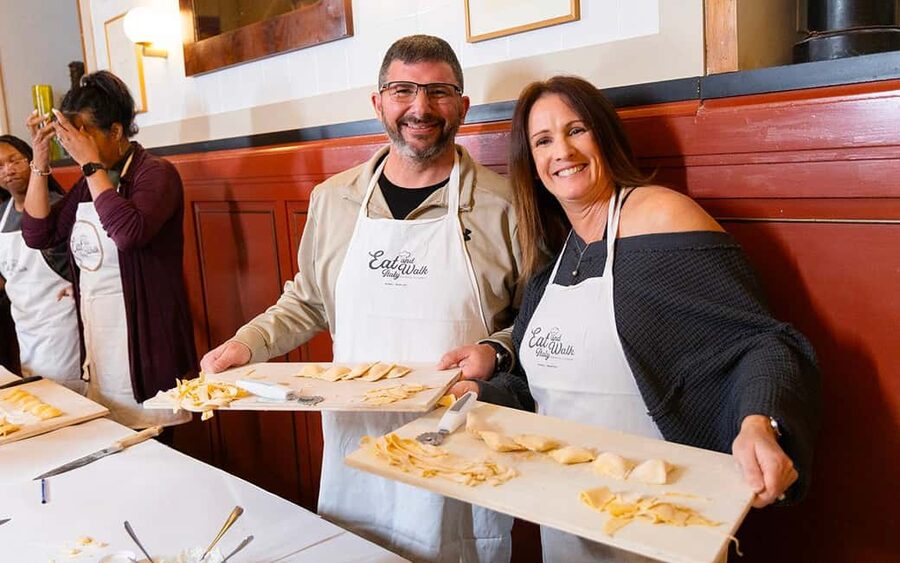
This class is built around one simple idea: if you learn the core moves, you can cook Italian food with confidence at home. You start with tiramisu, then move into pasta dough and end with two pasta styles, fettuccine and ravioli. It is a smart combo because dessert technique is different from pasta technique, and you get to practice both within one evening.
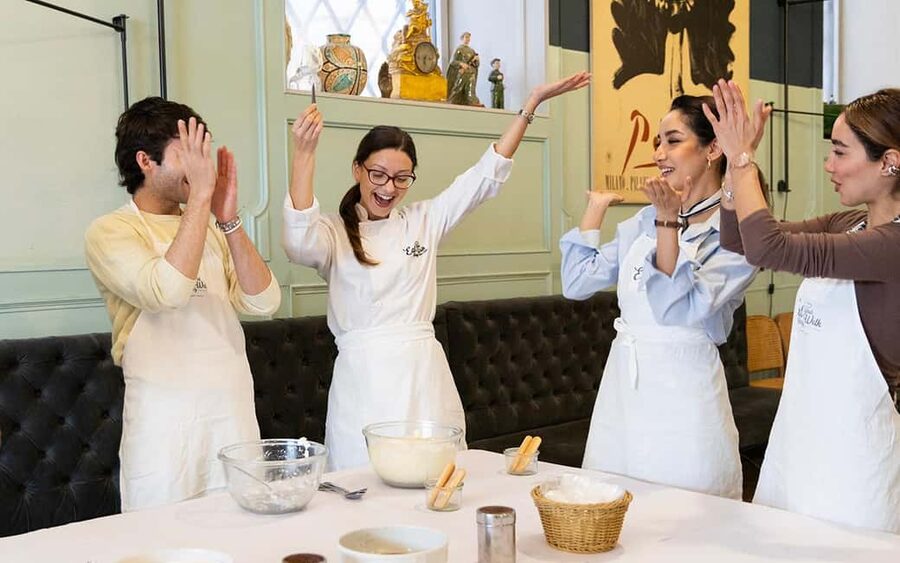
The teaching style matters here. Multiple instructors are mentioned across bookings, including Carlotta, Lori, Mattia, Maria, Mimi, Leo, and Tommy. While names vary, the common thread is clear, hands-on guidance and an effort to keep everyone included. People describe instructors checking on participants one by one and adjusting pace for different experience levels. That is exactly what you want in a class where dough can be forgiving, but it still needs attention.
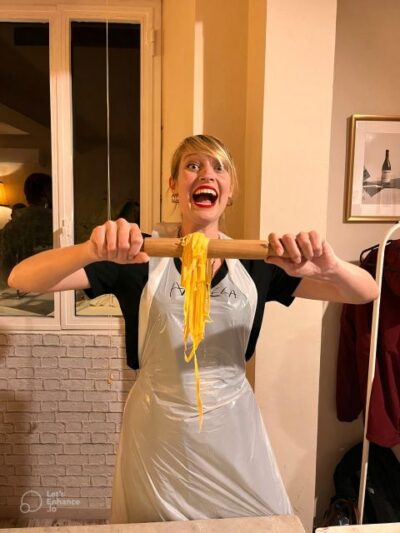
There is also a confidence boost that sneaks up on you. Once you press, fold, and shape dough successfully, you stop thinking of pasta as something you only eat. You start thinking of it as something you can make.
You can also read our reviews of more cooking classes in Rome

Meeting at Restaurant Gusto, Via Giuseppe Zanardelli 14
You meet at Restaurant Gusto, in Via Giuseppe Zanardelli 14, right in the center of Rome. This is the kind of location that works well when you do not want to spend your whole day crossing the city. It is also close enough that you can pair the class with other Rome time the same day, without turning it into a full logistical project.
You will also want to plan around the fact that you are going to cook in a shared kitchen setting. Some people mention the venue being clean and well set up, and others note comfort features like A/C during the class. That matters in Rome, because cooking for three hours can be warm work.
In terms of language, instruction is in English, which is a real advantage for following the fine points of dough and assembly. And the class is listed as wheelchair accessible, which is helpful if you need that.
Tiramisu First: Why Starting With Dessert Works
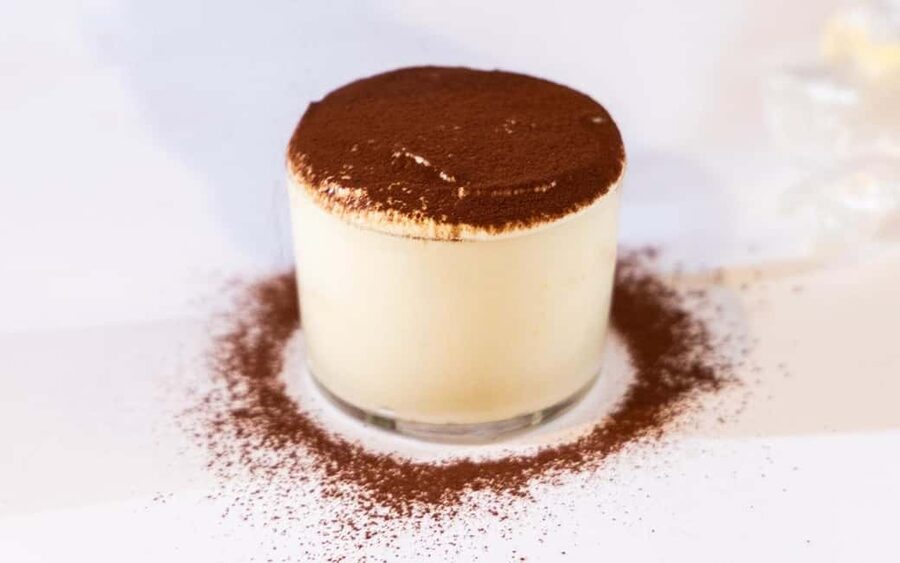
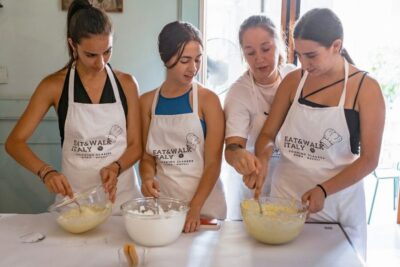
Starting with tiramisù is a clever choice, because it teaches patience and technique before anyone gets stressed about dough. Your class begins with tiramisù preparation, then you move on to pasta. You learn the basic building blocks, which usually means understanding how to combine components smoothly and how to handle timing so it sets properly.
Even people who think they already know tiramisù say this class teaches a simpler, tastier approach. That is exactly what you want from a cooking class: you walk in thinking you know one thing, then you learn a method that makes it easier or better.
This is also where the class atmosphere starts to click. Reviews repeatedly mention instructors keeping the tone friendly and keeping participants engaged. Chefs like Mimi, Lori, and Tommy are specifically credited for humor, patience, and clear explanations. When that happens early, you are more likely to relax for the pasta steps later.
Fettuccine From Scratch, With Real Sauce Choices
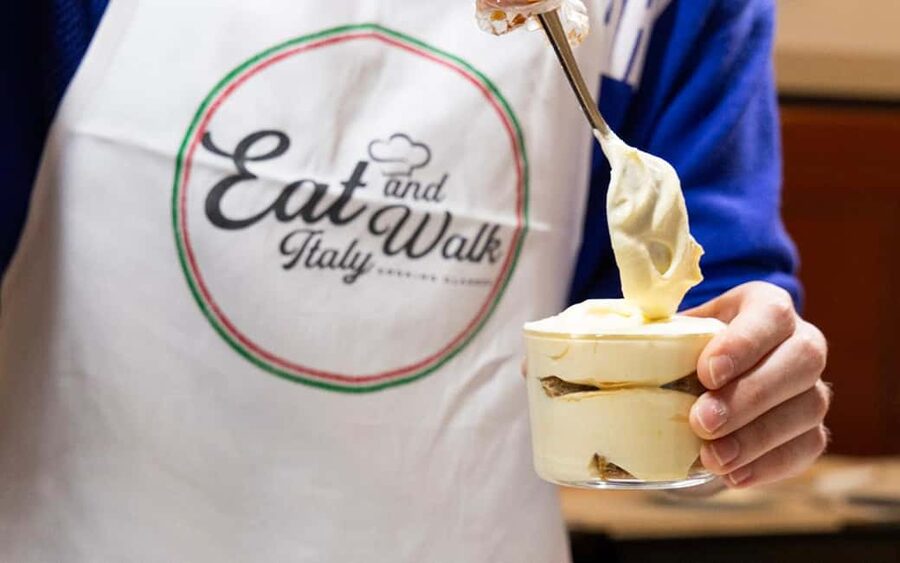
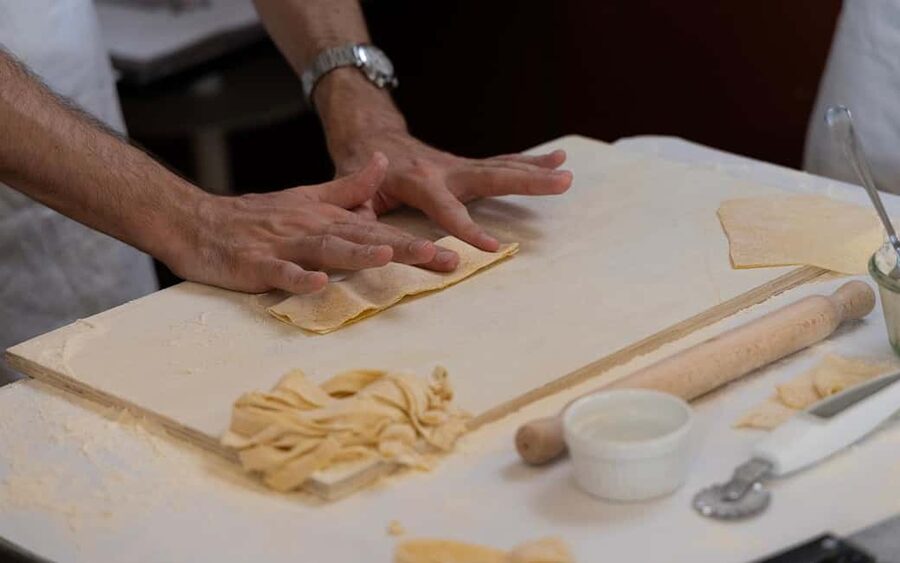
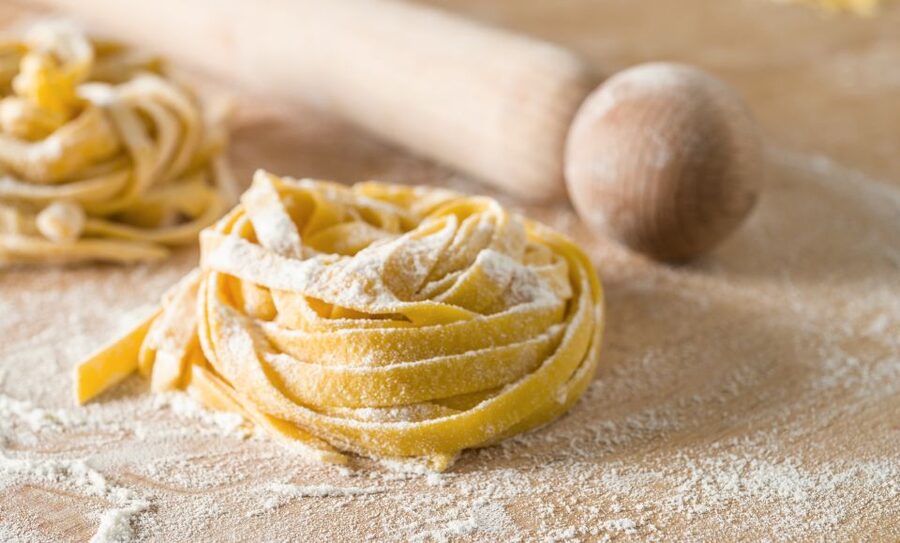
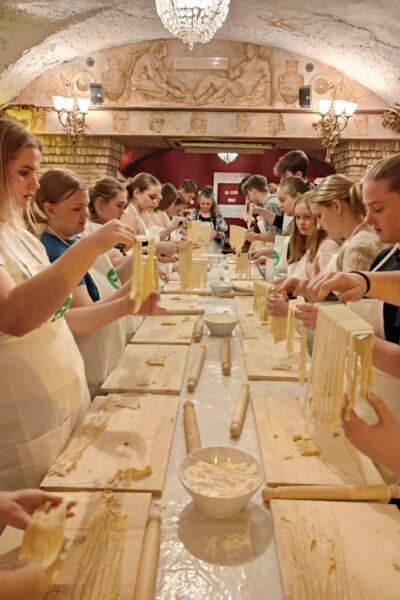
After tiramisù, you tackle fettuccine and learn how to make the pasta dough from scratch. The exact dough technique can vary by instructor, but the core goal is consistent: understand how dough should feel, how to work it, and how to keep it from turning into a sticky mess.
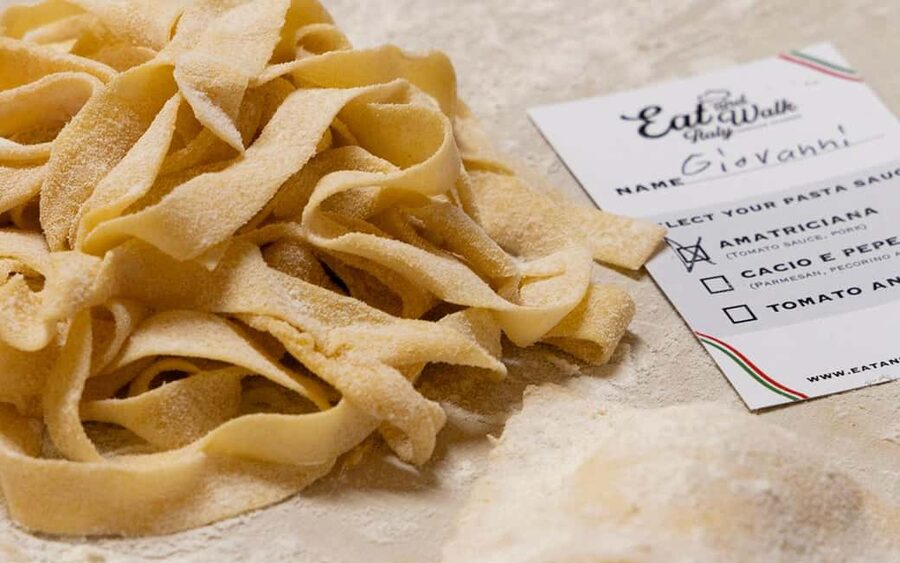
Then comes the best part, the part that makes the cooking feel connected to real Italian eating. Your fettuccine includes a choice of sauce: tomato and basil, cacio e pepe, or amatriciana. That is not just variety for variety’s sake. Each sauce has a different personality, and they highlight different pasta strengths.
A few practical thoughts for you:
- If you like bright and fresh flavors, tomato and basil is the safe, classic pick.
- If you want something bold and peppery, cacio e pepe leans that way.
- If you like a richer sauce, amatriciana tends to satisfy.
Also, because you are making the dough yourself, you will notice how sauce clings differently when the pasta is the right texture. It is one of those lessons that you can taste instantly, not just read about.
Ravioli With Butter and Sage: Filling and Shaping That Clicks
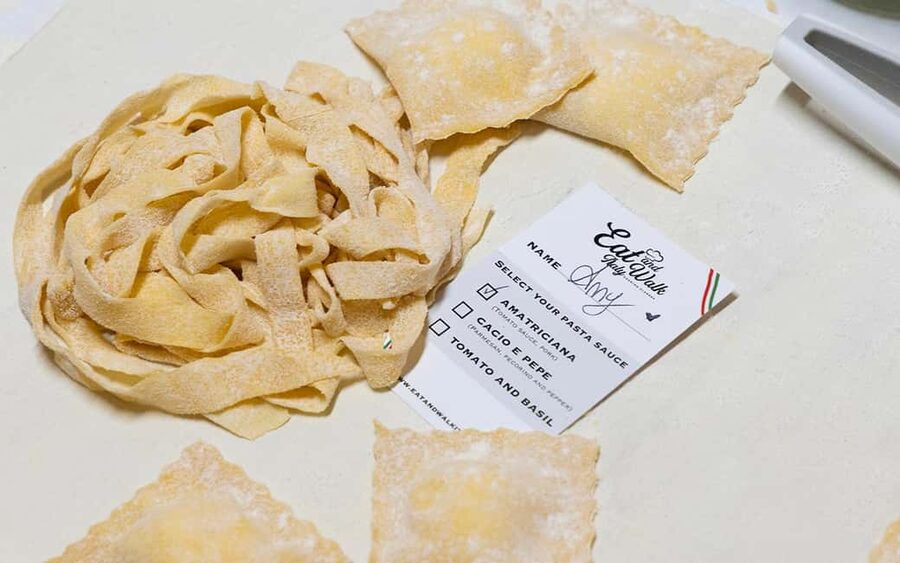
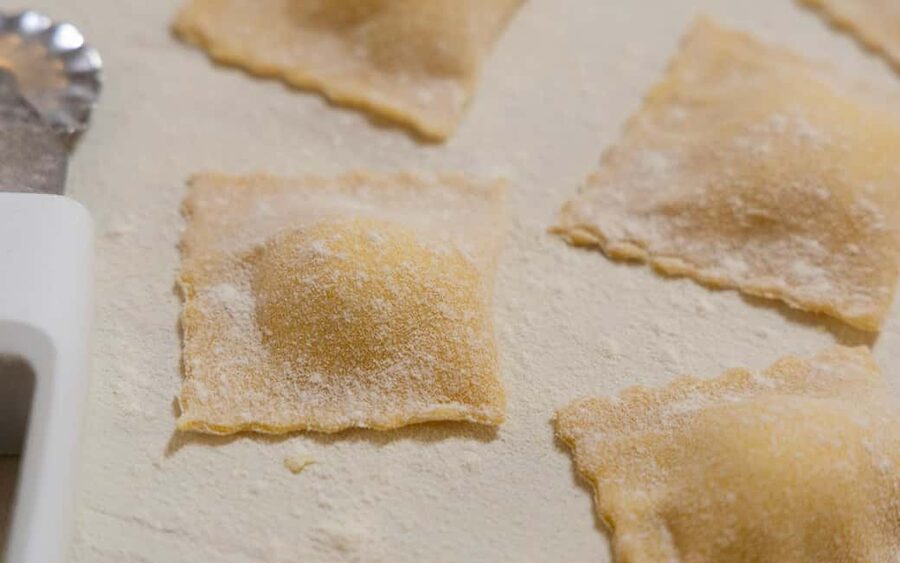
Next up is ravioli, and this is where most people feel the most focused. Ravioli is not only dough. It is also filling strategy and shaping. The class includes ravioli with butter and sage, so the flavor plan is straightforward and pasta-forward.
You also learn which fillings work best for different seasons, based on what your instructor covers. That detail is valuable because it connects cooking technique to Italian seasonal habits. It is how you move from cooking a single recipe to cooking with a mindset.
In a room like this, ravioli becomes a group activity. Reviews mention instructors keeping everyone involved, including larger groups around 19 to 20 people. That can sound intimidating, but the fact that instructors check in and help adjust individual progress is what makes the difference between a class that feels chaotic and one that feels manageable.
One realistic consideration: ravioli takes coordination. If you are working quickly, it can still be stressful. If you are working slowly, you can still succeed, but you may need to focus on the instructor’s cues to keep up with the group timeline. A couple of reviews mention feeling slightly rushed at times, so I would treat this as a learn-and-proceed class, not a slow artisan retreat.
A few more Rome tours and experiences worth a look



The Final Meal: Wine, Limoncello, and Worth-the-Work Flavor
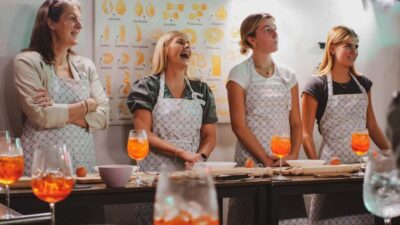
After the cooking, you sit down and eat. This is not a tiny snack at the end. You taste your creations as a full meal, and you get drinks included: a glass of wine or non-alcoholic beverage, plus either limoncello or coffee.
That combination matters. Wine and limoncello turn the meal into a Roman night out, not just a cooking exercise. Limoncello also pairs well with sweet elements like tiramisù, so the dessert does not feel like an afterthought.
A small note from the details you might want to know: one person mentioned the wine being served warm and that it did not match their preference. It is not something everyone repeats, so it may be occasional, but it is worth keeping in mind if you are picky about serving temperature.
The best part, in my view, is the social side. People mention meeting other travelers, chatting while they work, and celebrating milestones. One booking even describes a 30th birthday setup that turned into a favorite memory of the whole trip. Even if you are not celebrating, it is easier to relax when you are cooking with others instead of eating alone.
Who This Class Fits Best, and How Much It’s Worth
At $81 per person for 3 hours, this class is priced like an experience, not like a budget cooking lesson. But it still holds up on value because you get:
- hands-on instruction for three dishes
- ingredients and equipment for pasta and tiramisù
- included sauces and finished tasting
- a glass of wine or a non-alcoholic option
- limoncello or coffee
When I look at it this way, the price starts to make sense. You are paying for technique coaching and a finished meal, in a central Rome location, not just food. If you have ever tried to learn pasta at home from scratch, you know the hidden cost is time, mistakes, and ingredients that do not work the first time. Here, someone helps you avoid the worst missteps, and you get to eat at the end while it is still all fresh.
This class is a great fit for:
- couples who want a shared activity that ends with dinner
- food lovers who want hands-on technique, not just sightseeing
- mixed groups with different cooking experience levels, since instructors adjust pace
- teens and older kids, with the note that it is not suitable for children under 4
It is also a strong choice if you want a practical souvenir. Several reviews mention taking the recipes home or receiving something like a receipt with instructions, which can help you recreate the dishes later.
Small Things to Watch: Pace, Chef Interaction, and Group Dynamics
Most reviews sing praises for the instructors and the overall flow. Still, a couple of practical points show up enough to mention.
First is pace. One review says everything felt a little rushed, even though the experience was still nice. With a three-course class in one block, you should expect a steady rhythm. If you like to take your time, you might want to treat this like a guided sprint with support.
Second is chef interaction style. One person wished the chef would sit down and enjoy the meal with the group. In many teaching kitchens, chefs stay focused on coaching until the end, so you might not get a long chat at the table. The good news is that the teaching support seems strong, with instructors like Carlotta and Lori specifically praised for helping participants all the way through.
Finally, group size is not huge, but it can be around 20. That is big enough to feel lively and small enough to feel personal when the instructor is attentive. Just understand that you are learning in a shared space.
Should You Book This Rome Pasta and Tiramisu Workshop?
If your goal is a Rome experience that gives you a real skill and a real meal, I think you should book it. This class checks the boxes that matter: hands-on teaching, classic Roman comfort food, and included wine and limoncello that make the end feel like a celebration. The average rating is extremely high, and the consistent praise for instructors suggests you will get help when you need it.
I would hesitate only if you know you dislike cooking under time pressure. Some people feel slightly rushed, and this is still a structured 3-hour format. If you want a slow, quiet culinary craft session, this may not be your style.
But for most people, especially couples and food-curious visitors, this is a smart use of a few hours in Rome. You leave with pasta dough confidence, ravioli shaping practice, and a tiramisù method you can actually repeat.
FAQ
What dishes do I learn to make in this Rome class?
You make tiramisù first, then two types of pasta: fettuccine and ravioli, all from scratch.
How long is the cooking class?
The class duration is 3 hours.
Where is the meeting point?
You meet at Restaurant Gusto, Via Giuseppe Zanardelli 14.
Is the instruction offered in English?
Yes, the instructor provides instruction in English.
What’s included with the meal?
Your included meal includes fettuccine with your choice of sauce (tomato and basil, cacio e pepe, or amatriciana), ravioli with butter and sage, tiramisù, a glass of wine or a non-alcoholic beverage, and a glass of limoncello or coffee, plus water.
Is it wheelchair accessible, and can small children attend?
The class is wheelchair accessible. It is not suitable for children under 4 years old, and pets are not allowed.
More Workshops & Classes in Rome
More Cooking Classes in Rome
More Tour Reviews in Rome






Not for you? Here's more nearby things to do in Rome we have reviewed












Cooking Classes, compared.
 ★ 4.9Pasta Making Class with Wine, Limoncello, and DessertFrom $483,177 reviews
 ★ 4.8Fettuccine Pasta Cooking Class in Rome’s City CenterFrom $462,414 reviews
 ★ 5.0Traditional Pasta with Cocktails Cooking ClassFrom $1002,374 reviews
 ★ 4.8Fettuccine and Tiramisu Cooking Class with WineFrom $672,013 reviews
 ★ 4.8Pasta & Tiramisu Cooking Class near the Spanish StepsFrom $581,395 reviews
 ★ 4.7Traditional Pizza Cooking Class near Piazza NavonaFrom $461,241 reviews
 ★ 4.9Pasta Making with Wine Tasting and Dinner in FrascatiFrom $35979 reviews
 ★ 4.7Combo Pizza and Pasta Cooking Class with WineFrom $64938 reviews
Browse the lists this tour appears in