
Reviewed · COOKING CLASSES
Rome: Pasta Making Class with Wine, Limoncello, and Dessert
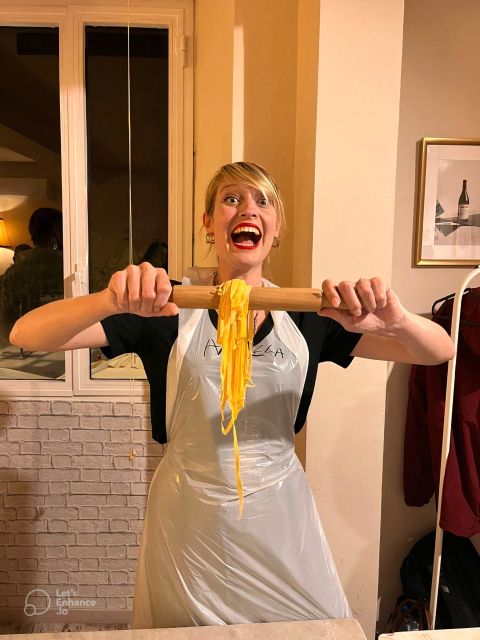
Fresh pasta lessons beat tourist wandering. In Palazzo Grazioli, you roll and shape dough into three pasta types with real pros, then eat what you make at a long communal table. I especially like the hands-on pace, and the way the meal feels like dinner at an Italian home, not a staged show. You also get included organic Tuscan wine plus a limoncello finish.
One thing to consider first, though: this is not the class for every diet. The program supports some dietary needs like vegetarian, but it specifically cannot accommodate vegan, gluten-sensitivity, or lactose intolerance, and it is not suitable for wheelchair users or people with mobility impairments.
Key Highlights You Can Plan Around
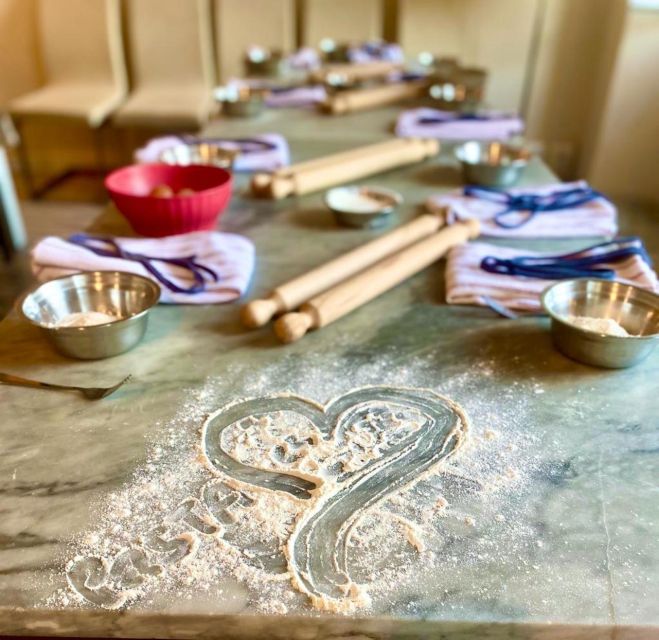
- Hands-on pasta making for your own dough, your own shapes, your own payoff
- Three pasta types practiced in one 3-hour session: ravioli, tortelli, and fettuccine
- Included meal and drinks, with organic Tuscan wine, a limoncello shot, and dessert
- English-speaking instructors with a small group size, capped at 10 participants
- Historic setting in Palazzo Grazioli, a few minutes’ walk from the Pantheon and Piazza Venezia
- English recipe booklets to help you repeat the results at home
Palazzo Grazioli Makes This More Than a Cooking Demo
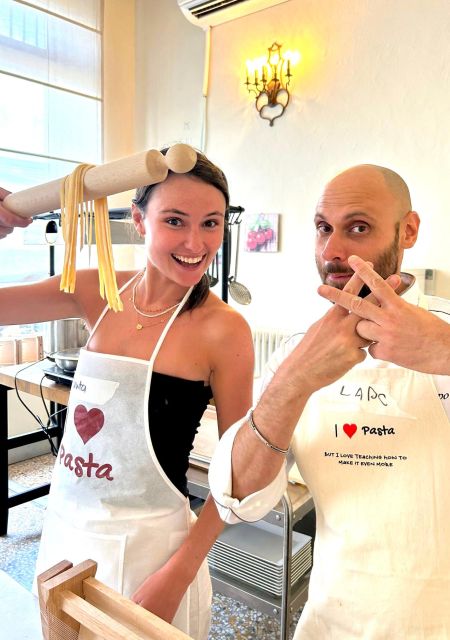
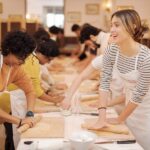
If you want Rome without another line, another museum stamp, or another “look but don’t touch” experience, this pasta class is a strong pick. You’re learning a skill, yes, but the real win is the flow: make pasta, watch key steps come together, then sit down and eat it with everyone at the same big table.
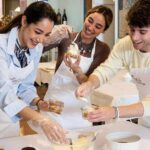
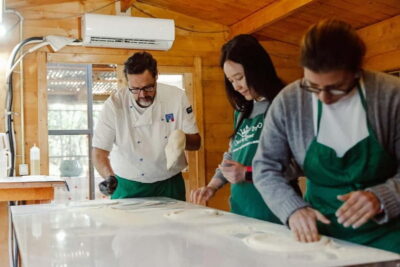
What I like is how practical the teaching feels. You are not just watching someone else do the work. You put on an apron, handle eggs and flour, and learn how dough changes as you knead and roll it.
The other big draw is the included food and drink. The class is built around the idea that cooking ends at the table. You get to taste your fresh pasta with sauces prepared for the shapes you made, then wrap up with a limoncello shot and dessert.
You can also read our reviews of more cooking classes in Rome
Finding Via della Gatta 14 and the Marble Cat Moment
You meet at Via della Gatta 14, 00186 Roma, inside the cooking school area called Pastamania. You ring the bell at Pastamania and head in from the back corner of Palazzo Grazioli.
The neighborhood detail matters here. Via della Gatta is named for a famous marble cat statue, and it’s the kind of small Roman charm that makes the start feel local. You’ll be close enough to major sights like the Pantheon and Piazza Venezia that you can tack this onto a day of walking, but the setting itself gives you a break from the street noise.
Practical tip: wear comfortable clothes. This is a hands-on session, and you’ll be at dough level for a while.
What You’ll Make in 3 Hours: Ravioli, Tortelli, and Fettuccine
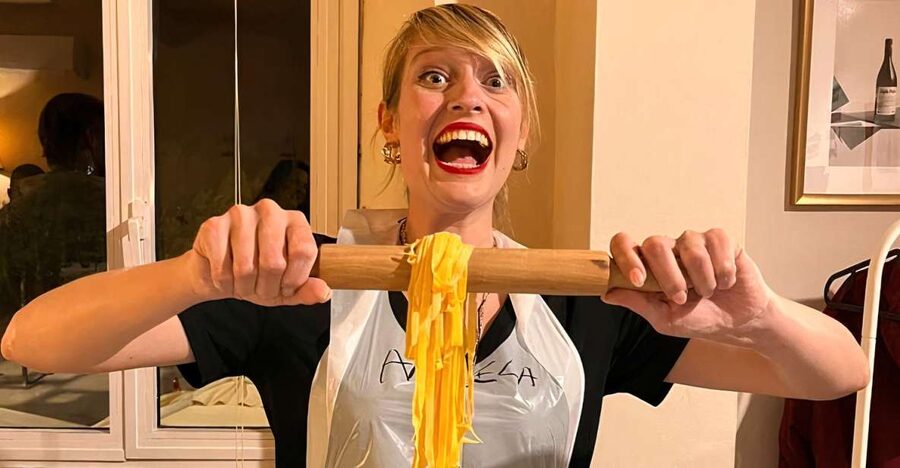
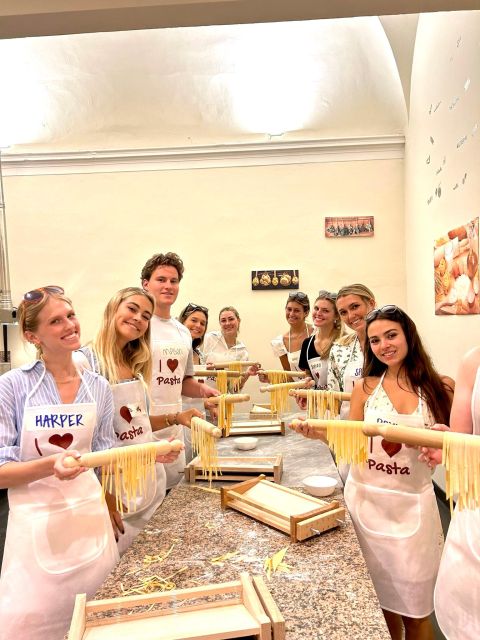
The core of the class is learning three fresh pasta types, each one teaching a different technique. You’ll practice traditional dough with eggs and flour, then shape it into:
- Ravioli (filled)
- Tortelli (also filled)
- Fettuccine (long ribbon pasta)
The instructors move you step by step, and since the group is limited to 10 people, you should expect real help when you get stuck. From the instructor names people mention most often, you might learn from teachers like Olga, Giorgio, Christian, Fabrizio, or Marco. No matter who is leading your session, the pattern in their teaching style shows up again and again in reviews: clear explanations, quick checks on your progress, and a friendly push to keep going.
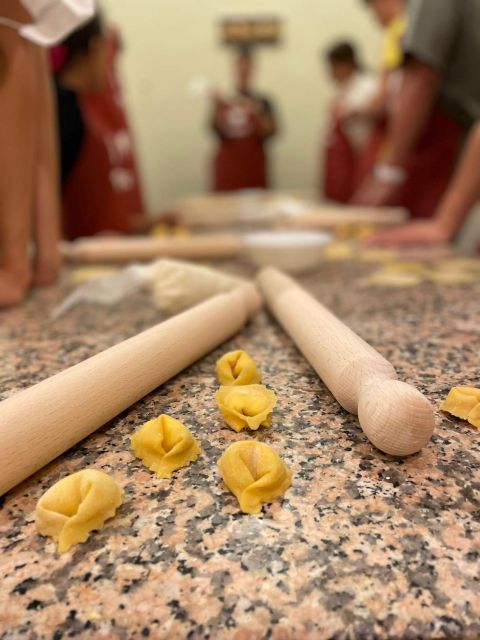
The filled pasta is where the class gets fun. Ravioli and tortelli aren’t just “cut and cook.” You shape, fill, and seal. That hands-on work is also what makes the finished plate feel like something you actually made, not something you assembled.
Dough, Rolling, and the Part Where Pasta Stops Being Scary
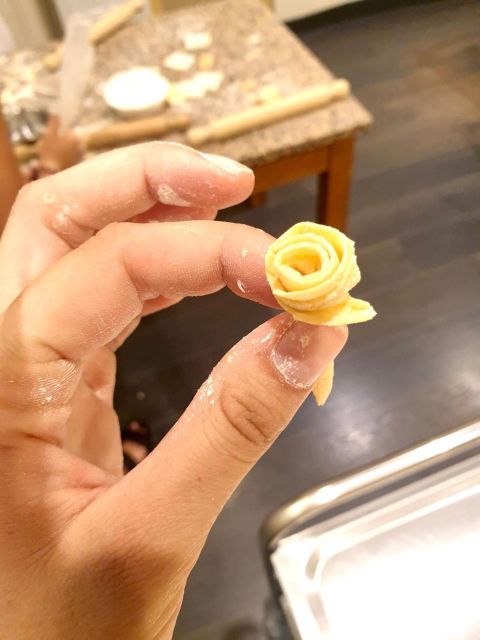
Making pasta from scratch can sound intimidating until you do it. The biggest mental shift is learning that fresh pasta dough is a material, not a mystery. As you knead, roll, and shape, you feel the dough become smoother and more manageable.
In the class, you get guidance for the transitions, from dough prep to forming the pasta. You’ll also learn what to do next so you don’t fall behind while the sauce and filling steps move forward.
One detail I’m glad they handle for you: even though you do the shaping work, you’re not left alone to figure out everything on your own. Instructors cook everything together after you’ve made your portions, so your effort turns into a plate instead of a science project.
Sauces in Sync With Your Pasta Shapes
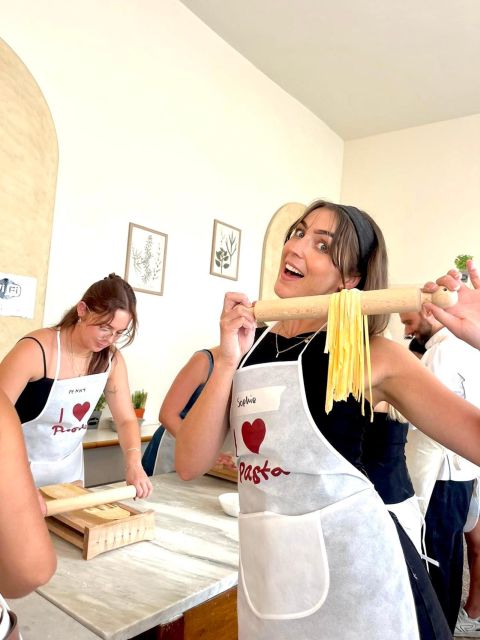
Fresh pasta is only half the equation. The sauces are the other half, and this class does a smart thing: it matches the sauce to the pasta type.
Here’s how it plays out:
- A signature tomato sauce simmers for hours in advance, so it’s ready when your dough work is done.
- For the filled pastas, the instructor prepares butter and sage sauce right before cooking. That timing matters because it keeps the flavors fresh and helps the sauce cling to delicate pasta.
So you end up with a mix of comfort and finesse. The tomato sauce leans classic and hearty, while the butter and sage works like a finishing touch that lets the filling and pasta texture feel special.
Also, the “one pot, shared meal” approach is a key part of the value. You’re not cooking in isolation. The class cooks your shapes and brings everyone to the same table.
You can also read our reviews of more wine tours in Rome

The Communal Table Meal: Eat What You Made
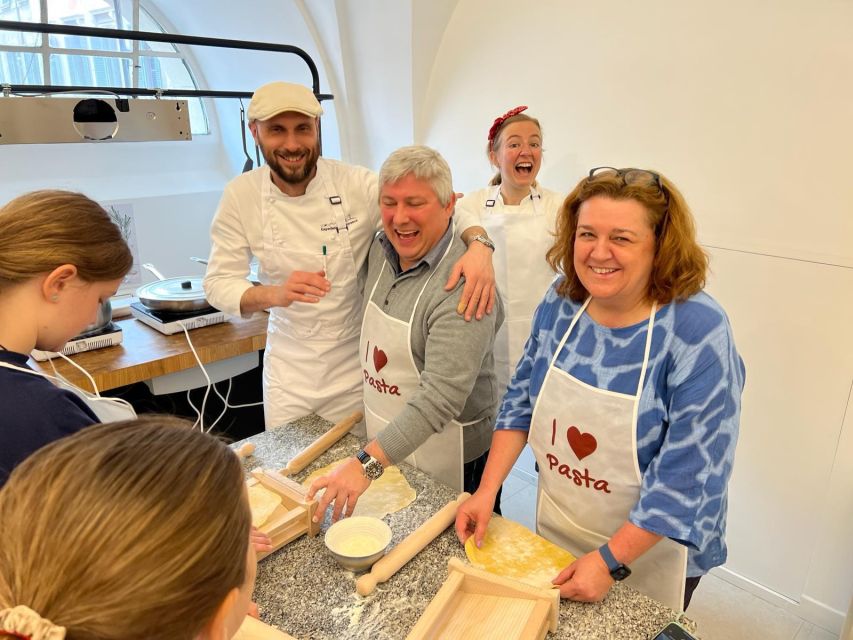
This is where the experience turns from lesson to memory. After shaping pasta, you all sit down together and eat the results of your work.
The communal table format does two things well. First, it reduces that awkward solo cooking-class vibe. You chat, you see what other people made, and you laugh when someone’s first try is prettier in concept than in perfect geometry. Second, it gives you a clear finish line: you are not just learning theory, you’re eating it.
And yes, you should come hungry. You’re making fresh pasta, then tasting it with sauce, and then finishing with dessert and limoncello.
Organic Tuscan Wine and the Limoncello Finish
Wine and limoncello are included, which makes this feel like a real Roman evening, not a quick cooking workshop. The wine is Dalle Nostre Mani, a Tuscan wine produced organically. If you don’t drink, you should still be able to enjoy the experience, since reviews mention alternatives for people who do not drink alcohol.
At the end, you get a shot of limoncello plus dessert. That sweet and citrus ending is an on-brand Italian move, and it helps you leave feeling like the day was a complete arc, not just an activity you squeezed in.
Small practical note: alcohol is served only to participants of legal drinking age.
Dessert, Chocolate Salami, and Why the Sweet End Matters
Dessert is included, and while the exact item can vary, one review specifically calls out chocolate salami, which suggests the class is not stuck serving the same generic cake. Even if your group gets a different dessert, the point is the same: you’re tasting something special at the close.
That finishing bite is also a timing benefit. After kneading and rolling, your energy dips. The dessert and limoncello bring the session to a comfortable emotional and physical landing, which is rare in short classes.
Take-Home Recipes That Help You Recreate the Results
You don’t leave empty-handed. The class provides detailed English recipe booklets, so you can try again at home.
This matters because many cooking classes teach you the steps but not the sequence. Here, the inclusion of written recipes means you can recreate pasta types you learned, not just remember the fun part. If you’ve ever cooked something once and then forgotten the order of steps, you’ll appreciate having it spelled out after the fact.
If your goal is skill-building, this takeaway pushes the class from entertainment into actual capability.
Price and Value: Is $48 Fair for a 3-Hour Pasta Class?
At $48 per person for a 3-hour experience, the value stacks up because so much is included. You’re paying for:
- Instructor-led hands-on pasta making (not just a demo)
- Cooking and eating the pasta together
- Meal components (sauces cooked for the pasta you shaped)
- Organic Tuscan wine
- Dessert
- A limoncello shot
- English recipe booklets
In other words, you’re not paying extra for the meal the way you would with many “experience only” activities. You also get something you can’t buy at a corner shop: guidance tailored to your dough and shaping.
The biggest reason the price works for many people is the small group size, capped at 10. When you’re learning a hands-on skill, attention is part of what you’re paying for.
Who This Class Is Best For (And Who Should Rethink It)
This class is a solid fit if you:
- Want a hands-on cultural activity near major Rome landmarks
- Like food experiences where the meal is part of the teaching
- Travel in pairs, families with kids 8 and up, or small groups
- Care about learning practical techniques you can repeat
It’s also appealing because the group size stays small and the class runs in English.
Skip or reconsider if you:
- Need a strict vegan, gluten-sensitivity, or lactose intolerance setup (the class cannot accommodate these)
- Have a nut allergy (not suitable)
- Use a wheelchair or need mobility support (not suitable for mobility impairments)
Also, if you’re planning the day with a lot of stairs or heavy walking, remember you’ll be standing and working at a kitchen-like setup. Comfortable shoes and clothing help a lot.
Practical Tips to Get the Best Results
Here’s how to make your session smoother without trying to be a pasta expert on day one:
- Wear clothes you don’t mind getting a little flour on. You are working dough.
- Be ready to move through steps quickly. The class is designed as a 3-hour arc.
- Go with a curious mindset. The more you ask and the more you try, the more you’ll learn.
- If you do not want alcohol, still go. Mention it, and rely on the alternatives described in reviews for non-drinkers.
Also, Pastamania is more than just a bell-and-go meeting point. One review mentions stopping by the shop after the class to buy items like a ravioli cutter and truffle oil. If that’s your style, it’s worth a quick look after your session.
Should You Book This Rome Pasta Making Class?
If you want a Rome experience that tastes like Rome, this is one of the easiest yes decisions to make. You get real instruction, you make three pasta types, and you end with the kind of meal that turns a cooking class into a story you keep telling.
Book it if you match the diet and mobility rules and you’re excited to get your hands floury. Don’t book it if your needs are vegan, gluten-free due to sensitivity, lactose-free, or nut-allergy related, since the class specifically cannot accommodate those categories.
If that fits you, this $48, 3-hour Palazzo Grazioli class is a high-value way to spend an afternoon in the center of the city, with the practical joy of learning something you can cook again later.
FAQ
Where is the meeting point for the class?
The meeting point is Via della Gatta 14, 00186 Roma. Ring the bell at Pastamania.
How long is the pasta making class?
It lasts 3 hours.
What languages is the instruction offered in?
The instructor speaks English.
How many people are in the group?
The class is a small group limited to 10 participants.
What pasta types will I make?
You’ll make three fresh pasta types: ravioli, tortelli, and fettuccine.
Are lunch or dinner included, or do I just learn?
A meal is included. You’ll eat the fresh pasta you help create.
Is wine and limoncello included?
Yes. You’ll have a glass of organic Tuscan wine and you’ll also get a shot of limoncello.
Is there dessert at the end?
Yes, dessert is included.
What dietary options are available?
Vegetarian options are available, and other diets may be supported if you inform the provider. However, the class cannot accommodate vegan, gluten-sensitivity, or lactose intolerance, and it is not suitable for people with nut allergies.
Is the class wheelchair accessible?
No. It is not suitable for wheelchair users or people with mobility impairments.
Final Call: Book or Skip?
Book this if you want a small-group, hands-on pasta workshop near the Pantheon, with a real sit-down meal and included wine, limoncello, and dessert. Skip it if your dietary needs fall into vegan, gluten-sensitivity, or lactose intolerance, or if mobility access is a concern.
More Wine Tours in Rome
More Cooking Classes in Rome

More Tour Reviews in Rome
Not for you? Here's more nearby things to do in Rome we have reviewed



Cooking Classes, compared.
 ★ 4.93-in-1 Fettuccine, Ravioli, and Tiramisu Cooking ClassFrom $812,704 reviews
 ★ 4.8Fettuccine Pasta Cooking Class in Rome’s City CenterFrom $462,414 reviews
 ★ 5.0Traditional Pasta with Cocktails Cooking ClassFrom $1002,374 reviews
 ★ 4.8Fettuccine and Tiramisu Cooking Class with WineFrom $672,013 reviews
 ★ 4.8Pasta & Tiramisu Cooking Class near the Spanish StepsFrom $581,395 reviews
 ★ 4.7Traditional Pizza Cooking Class near Piazza NavonaFrom $461,241 reviews
 ★ 4.9Pasta Making with Wine Tasting and Dinner in FrascatiFrom $35979 reviews
 ★ 4.7Combo Pizza and Pasta Cooking Class with WineFrom $64938 reviews
Browse the lists this tour appears in