
Reviewed · TRASTEVERE TOURS
Rome Trastevere Pasta Making Class with Eating Europe
Fresh pasta starts with local shop stops.
I love the small group size (max 12), so you actually get hands-on help. I also love that the evening is built around real Roman ingredients, from a Trastevere butcher counter to a gelato finish. One thing to weigh first: this is a food and wine-focused experience, so if you prefer a light snack or zero alcohol, you may want to plan around that, even though kids and non-drinkers have alternative beverages.
This is the kind of Rome evening that mixes street-level flavor with a proper cooking session. You begin in Trastevere with classic bites, then roll and cut pasta at a neighborhood trattoria. The pace is friendly but steady, and you will likely leave with flour on your hands and a stomach that feels pleasantly overbooked.
Key points to know before you go
- Max 12 people means more time at the pasta station and less “watching from the sidelines.”
- Porchetta and market tastings happen early, so you get context before you cook.
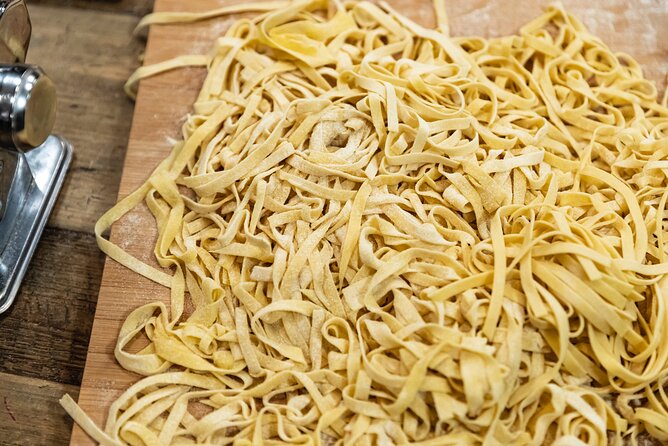
- Hands-on fettuccine and ravioli are the core of the class, not a short demo.
- Wine is part of the rhythm, with alternative drinks available for kids and non-drinkers.
- End with gelato plus a real-versus-fake lesson, so dessert becomes educational.
- Expect a flexible food lineup based on season and day, but the focus stays Roman and ingredient-driven.
Trastevere pasta in 3 hours, not a half day project
This experience runs about 3 hours, give or take. That matters because it fits cleanly into a Rome itinerary without eating up your whole evening.
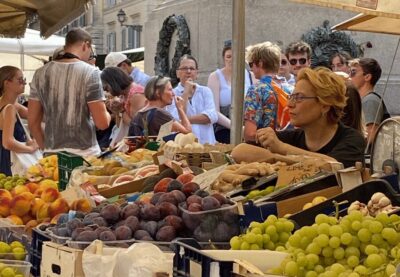
You are not just cooking, either. You also get a built-in walking food component around Trastevere, including a stop at a famous butcher shop where you sample what goes into Roman cooking. The result feels like, yes, you learned the craft, but you also tasted the ingredients that make it work.
You can also read our reviews of more cooking classes in Rome

Price and what feels like good value
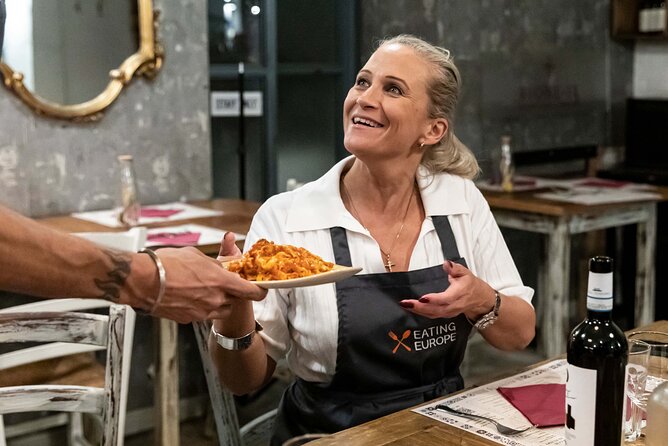
At about $100.37 per person, it sounds like a serious spend for a short evening. The value comes from the mix of activities you get in one booking: tastings, a pasta-making workshop, wine, and gelato.
A big plus is the group cap of 12. When a class includes real guidance while you shape pasta, you are paying for attention, not just a recipe sheet. Add in the food tour stops plus gelato at the end, and the price stops feeling random and starts feeling like one planned meal broken into chapters.
Group size that actually changes the experience
Max group size is 12. In practice, that means the pasta station does not turn into a slow moving line. People can get help while they work the dough, whether it is rolling, cutting fettuccine, or filling ravioli.
Small group also changes the vibe. You can meet the folks near you, chat as you cook, and still move at a good pace through the neighborhood stops.
Stop 1 at La Norcineria di Iacozzilli, porchetta plus prep ingredients
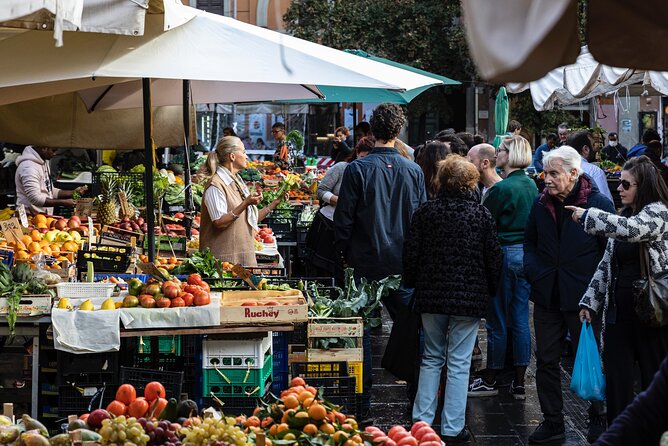
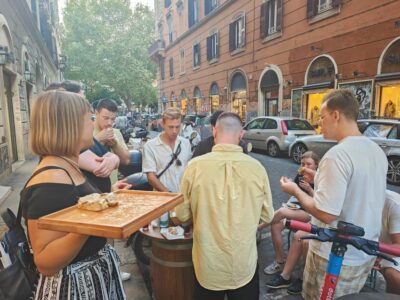
You start at La Norcineria di Iacozzilli, a classic Roman delicatessen in Trastevere. This opening is smart because you land on flavors before you talk technique.
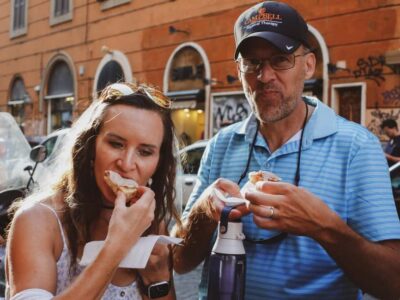
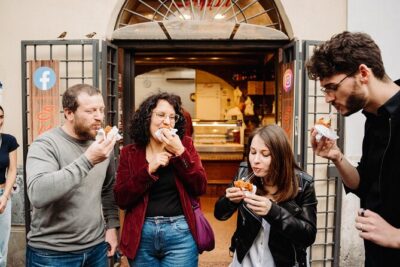
You will enjoy pizza bianca filled with savory porchetta, plus a glass of wine. The guide also picks out key ingredients for the pasta class ahead, highlighting things like fresh eggs, Parmigiano, and sheep ricotta. If you care about what makes Roman pasta taste like Roman pasta, this is where the evening plants the idea.
The time here is short, about 15 minutes. That is enough to fuel you without turning the whole night into a slow buffet.
Stop 2 at Rione 13 Ristorante, where the real pasta work happens
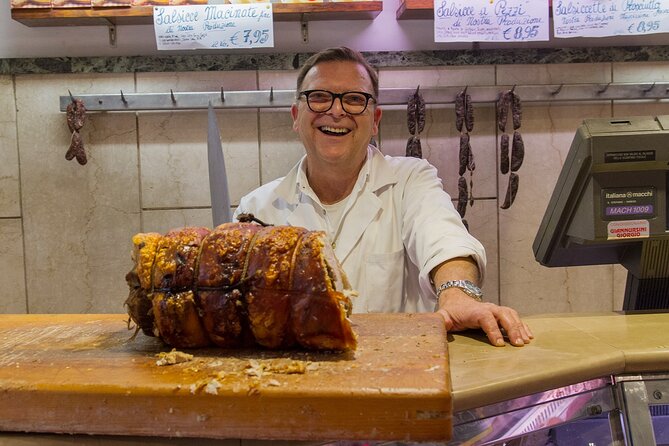
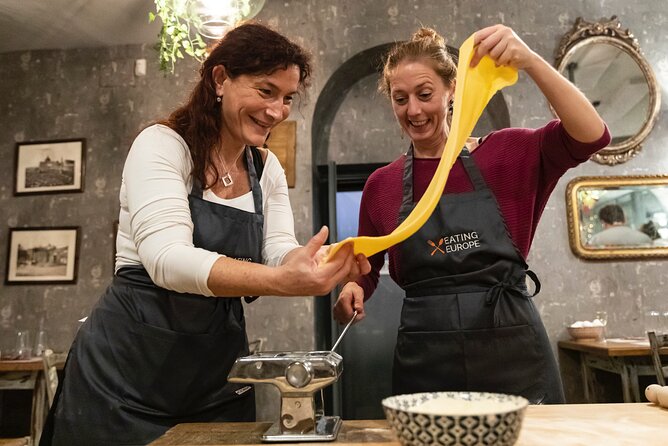
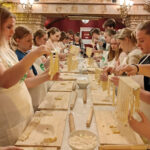
The heart of the experience is at Rione 13 Ristorante, an old-school Roman trattoria setting in the Rione XIII area. This is where you get the hands-on fresh pasta lesson with a local expert and plenty of guidance while shaping.
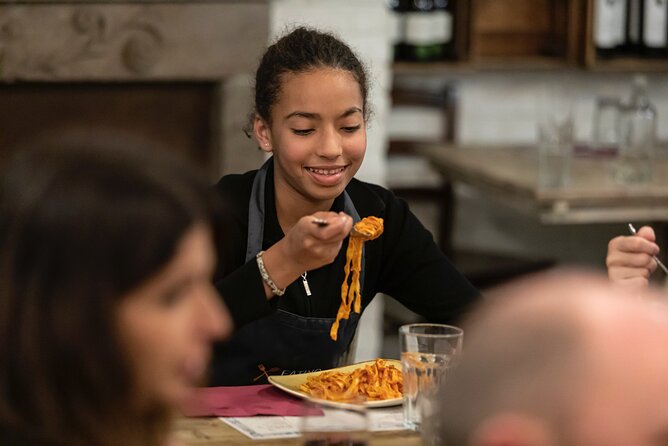
You learn how to make fresh pasta and then put your skills to work shaping fettuccine and ravioli with other people in the group. You will finish by sitting down to enjoy what you made, which is the best part of these classes. It is one thing to shape dough, it is another to eat it at your own pace right after.
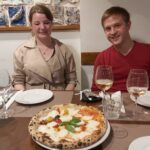
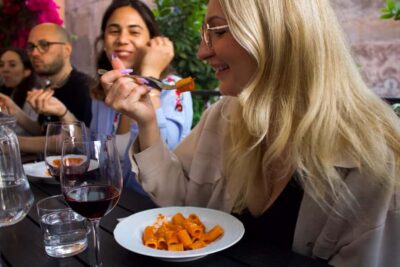
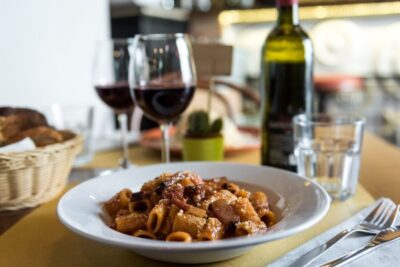
The meal includes pasta chitarra with amatriciana sauce and ravioli filled with sheep ricotta and lemon zest, plus butter and sage sauce. Wine is part of this segment too, because Roman comfort food and wine belong together, especially after you have been kneading and rolling.
A few more Rome tours and experiences worth a look


What you make, and why it matters beyond the recipe
Fettuccine and ravioli are not random choices. They teach you two different skills: cutting pasta into clean strands, then working filling, sealing, and portioning for ravioli.
Then the class follows up with a sit-down meal that matches the skills you just practiced. That pairing is practical. You leave knowing what the process should taste like, not just what it looks like on a plate.
Also, the ingredients are a big theme. The class leans on fresh egg pasta and sheep ricotta, which is part of classic Roman flavor logic. Even if you do not cook often at home, you take away a better sense of what to look for when you try to recreate the dishes later.
Wine, drinks, and how hungry to show up
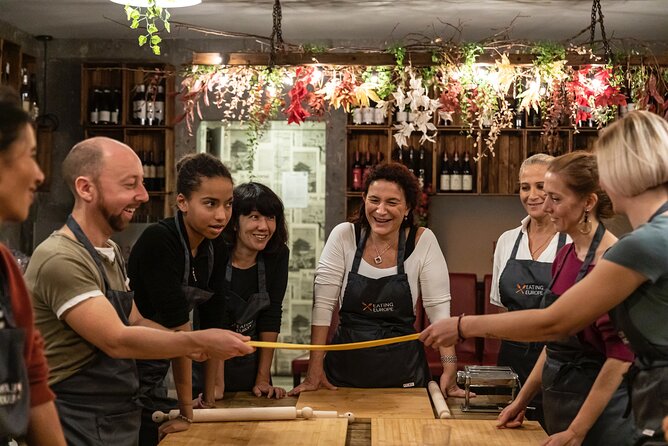
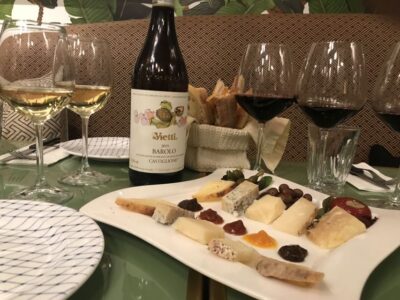
This experience includes wine, and it is described as a lot of wine as part of the evening flow. The good news is that alternative beverages are available for kids and non-drinkers, so you are not stuck.
I would still treat this like a dinner event. Multiple people highlight that you should come hungry, because the food keeps arriving. If you show up already full, you might feel stuffed rather than satisfied, especially after the pasta portion.
Stop 3 at Fatamorgana, gelato with a real-versus-fake lesson
You end at Fatamorgana, a gelateria stop for organic gelato. The tasting portion is around 20 minutes, which is perfect after the heavier pasta course.
What makes this ending more than just dessert is that you also learn how to spot differences between real gelato and fake gelato. That turns the final bite into a mini skill you can use later when you are choosing gelato in Rome.
If you like learning while eating, this stop is a nice payoff. If you just want sugar, it still works because the gelato is the final reward.
Guides and atmosphere, from patient pasta help to neighborhood context
A huge strength of this kind of class is the guide. In the experiences tied to this tour, names like Valentina, Valter, Lauriana, Leo, Domenico, Arianna, and Dario come up again and again, often for being fun, patient, and attentive while people work the dough.
What I like about that pattern is it points to a practical outcome. You are not just listening to a lecture. You get feedback as you shape your pasta, which helps you feel competent by the time you sit down to eat.
The guides also tend to bring local neighborhood context, especially around food culture in Trastevere. That is part of why the evening feels less like a scripted checklist and more like a night in a working food district.
Best-fit travelers for this pasta class
This is a great match if you want:
- A hands-on cooking skill you can actually practice at home
- Roman ingredients in real settings, not just in a classroom
- Food plus neighborhood walking in one evening
- Small-group interaction without feeling like you are stuck in a bus full of strangers
It is also a good choice for people who enjoy wine and want a structured way to taste Roman food. If you are traveling with kids, the tour can work too, as long as you follow the age guidance around ticketing and food inclusion.
Who should skip, or at least plan differently
This is not a great fit if you have severe food allergies. The experience notes that it is not suitable for those with severe or life-threatening food allergies to ingredients found on the tour.
If you have lighter dietary needs, you can request accommodations for things like vegetarians and gluten-free guests, and the organizers will do their best. Still, with any food restriction, it is smart to email in advance so expectations are clear.
Also, if you dislike wine or do not want alcohol as part of the evening, it helps that alternative beverages are available. Just be aware that the experience is designed around the Roman food and wine rhythm.
Getting the most from your evening
Here are a few practical ways to get extra value from the 3 hours:
- Come with a lighter meal earlier in the day. You will likely eat a full dinner by the end.
- Expect to handle dough. If you wear something you do not mind getting flour on, you will feel happier.
- Ask questions while you are shaping pasta. That is when the guide help matters most.
- Pay attention to the gelato lesson at the end. It is quick, but it makes your dessert decisions smarter later.
If you are the type who likes bringing home recipes, this is a good one. The class gives you both the method and the context of what you tasted along the way.
Should you book this Trastevere pasta class?
I would book it if you want a small-group Roman experience that combines a food walk, a real cooking session, and an ending that teaches you how to judge what you are eating. The value improves further if you enjoy porchetta flavors, fresh pasta, and wine, because those are built into the structure.
I would skip or reconsider if you want a low-food, low-alcohol evening, or if severe allergies are part of your needs. And if you dislike cooking at all, keep in mind this is not just a tasting night, the pasta-making is the point.
For most Rome food lovers, though, this hits the sweet spot: you leave with a skill, you leave fed, and you leave with Trastevere food culture in your head, not just on your camera roll.
FAQ
How long is the Rome Trastevere pasta making class?
It runs about 3 hours.
How many people are in the group?
The experience caps at a maximum of 12 travelers.
Where do I meet, and where does the tour end?
You start at Via Natale del Grande, 46, 00153 Roma RM, Italy and end at Via Roma Libera, 11, 00153 Roma RM, Italy.
Is the class offered in English?
Yes, it is offered in English.
What food and drinks are included?
You get tastings at the Trastevere food stops, you make fresh pasta including fettuccine and ravioli, you sit down to eat the pasta you create, and you enjoy gelato at the end. Wine is included, with alternative beverages available for kids and non-drinkers.
Can kids join the class?
Children under 4 years old can join for free, but food is not included. Paid tickets with food included are available for ages 4 and up.
How do dietary requirements and allergies work?
The organizers will do their best to accommodate dietary requirements like vegetarians and gluten-free guests if you email or add a note at booking. The experience is not suitable for severe or life-threatening food allergies to ingredients found on the tour.
Is hotel pickup included, and what is the cancellation policy?
Hotel pickup and drop-off are not included. You can cancel up to 24 hours in advance for a full refund, and cancellations made less than 24 hours before the start are not refunded.
More Workshops & Classes in Rome
More Cooking Classes in Rome
More Tour Reviews in Rome


Not for you? Here's more nearby things to do in Rome we have reviewed







Trastevere Tours, compared.
 ★ 4.8Trastevere or Jewish Quarter Street Food TourFrom $513,839 reviews
 ★ 4.9Trastevere & Campo de Fiori Street Food Walking TourFrom $512,768 reviews
 ★ 4.8Guided Food Tour in TrastevereFrom $1122,266 reviews
 ★ 4.9Trastevere Guided Food and Wine Tour with 20+ TastingsFrom $1461,022 reviews
 ★ 4.8Small Group Trastevere Food Tour with DinnerFrom $132719 reviews
 ★ 4.9Twilight Trastevere Food Tour with Wine TastingFrom $123490 reviews
 ★ 4.8Food & Wine Tour of Campo de Fiori, Ghetto, TrastevereFrom $81413 reviews
 ★ 5.0Devour Rome Food & Wine Tour of TrastevereFrom $105409 reviews
Browse the lists this tour appears in