
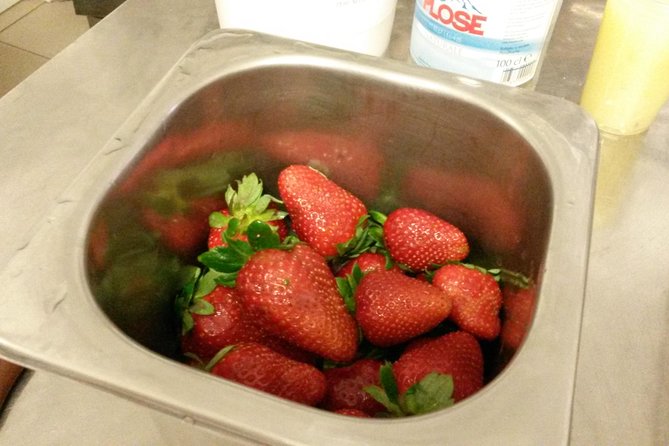
Reviewed · TRASTEVERE TOURS
Rome Trastevere: Tiramisù & Gelato Class with Savoiardo Baking
Gelato and tiramisu get serious in Rome. This hands-on class is a fun, no-pressure way to learn two Italian desserts in a professional kitchen in Trastevere, with small-group attention. I like that you leave with recipes you can actually use, not just a full stomach.
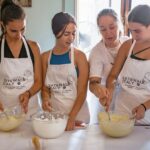
What I love most is doing both desserts from scratch, not relying on shortcuts. You learn to taste gelato, understand how it differs from ice cream, then build a water-based gelato with fresh seasonal fruit. And for tiramisù, you bake classic savoiardi (lady finger) cookies, whip mascarpone into a smooth cream, and assemble your own plated tiramisù.
One thing to plan for: the kitchen can run hot. Reviews also hint that instructions are usually clear, but you may need to ask questions if your English is strong or if you sit away from the chef.
Key highlights to look for
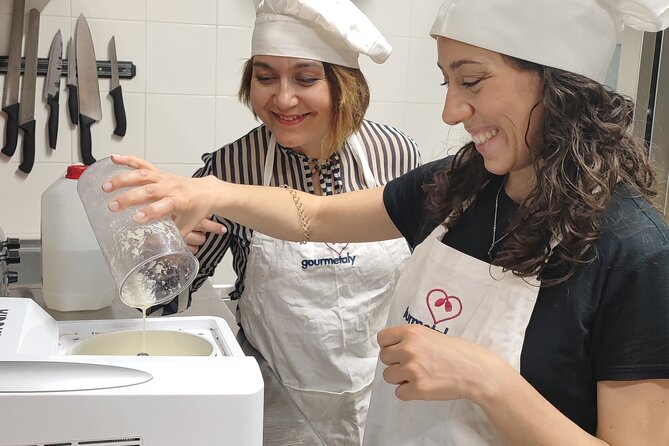
- Two desserts, one session: water-based gelato plus tiramisù, with the savoiardi cookie baked by you
- Small group, max 10: you get real hands-on time and personal feedback
- Gelato basics beyond the hype: learn ingredients and why gelato is different from ice cream
- Scratched-to-the-bowl tiramisù: mascarpone cream blending and plating included
- English-led class with tastings: bottled water included, plus you eat what you make
- Take-home recipes: leave with a written guide for both desserts
Where You Meet in Trastevere, and How to Plan Your 4:30 PM Start
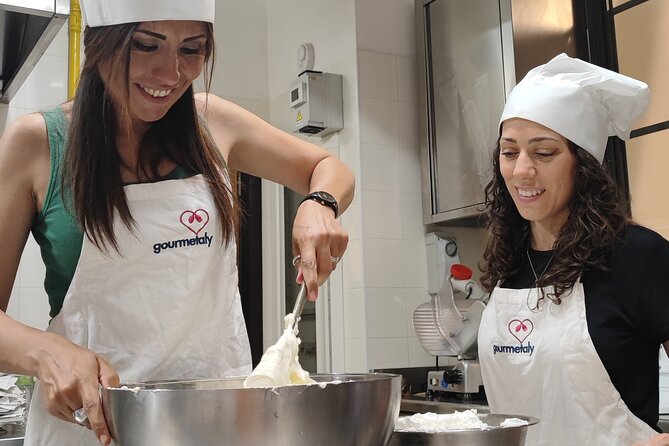
Your class starts at Piazza di San Cosimato in Rome (Trastevere). It is an easy meet-up point if you’re already wandering that side of the river, and it keeps the timing friendly for an afternoon dessert plan. The start time is 4:30 pm, with an experience length of about 2 hours 30 minutes, then you return to the meeting point afterward.
I like this timing. It works well when mornings get packed with churches and lines, and you still want something active that isn’t just “sit and eat.” Also, a late afternoon dessert workshop feels more natural than scheduling it right before dinner, because you will eat what you make.
One practical note: the class is offered in English and uses a mobile ticket. Having that ticket ready on your phone saves you from the usual last-minute scrambling.
A few more Rome tours and experiences worth a look



The Walk to the Pro Kitchen, and What That Means for Your Experience
After you meet your guide near the central sights area (Campo de Fiori and Piazza Navona are mentioned as the nearby reference points), you walk to the dessert shop where the cooking class happens. The key detail here is that you are working in a professional kitchen, not a small demo space.
That matters more than it sounds. A real prep and bake setup means you get to handle real steps, like assembling tiramisù components and baking savoiardi cookies properly. It also helps explain why the guides can be patient with multiple skill levels, since the workflow is designed for students, not only for professionals.
In reviews, guides named Federica, Pedarika, Natasha, Daniella, and Antonia are praised for step-by-step coaching and clear translation. Even if you’ve cooked before, it is comforting to know the teaching style is built around letting you do the work.
Gelato Session: Water-Based Gelato With Fresh Seasonal Fruit
This is where the class earns its name as more than a dessert “taste and go.” You start with gelato and learn what makes it different from ice cream, right from the tasting portion. The guide helps you compare textures and the idea of how gelato is made and served, so you’re not just memorizing a recipe.
Then you move into ingredients and technique. You learn how to select fresh ingredients to make a water-based gelato using fresh seasonal fruit. That combination is the practical sweet spot: fruit does a lot of flavor work, while the water-based approach keeps the gelato lighter and very doable at home if you follow the recipe.
You should expect to get your hands in the process, not only watch. Reviews mention making pineapple gelato and turning each part into something you can repeat later. If you’ve ever made smoothies and wanted the “grown-up” version, this portion gives you that bridge from kitchen confidence to Italian dessert results.
Baking Savoiardi Lady Fingers: The Tiramisu Cookie Step
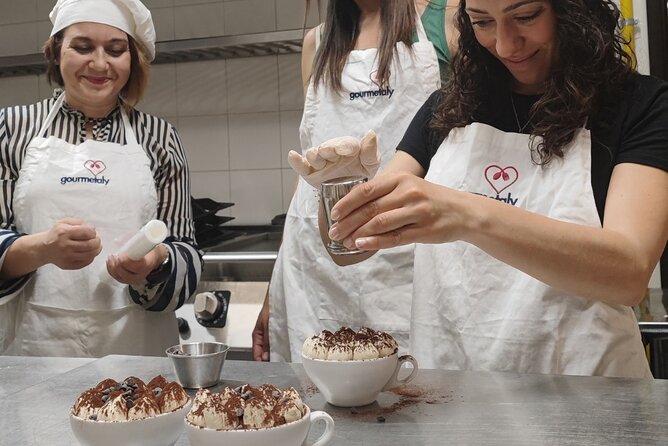
Tiramisu without savoiardi is like Rome without gelato: people can still enjoy it, but it’s not the classic move. In this class, you learn to bake savoiardi (lady finger) cookies using just three ingredients.
That is a big deal for two reasons. First, it forces you to understand dough texture and baking behavior, not just assembly. Second, it helps you see why tiramisù tastes like tiramisù, because those cookies are what hold structure and soak flavor.
As you bake, the guide explains what you’re aiming for, so you know what success looks like before you pull the tray. If you get nervous about baking, this is still manageable because it’s taught like a skill you build step by step, not a trick you must already know.
Mascarpone Cream: Mixing It Smooth Like You Mean It
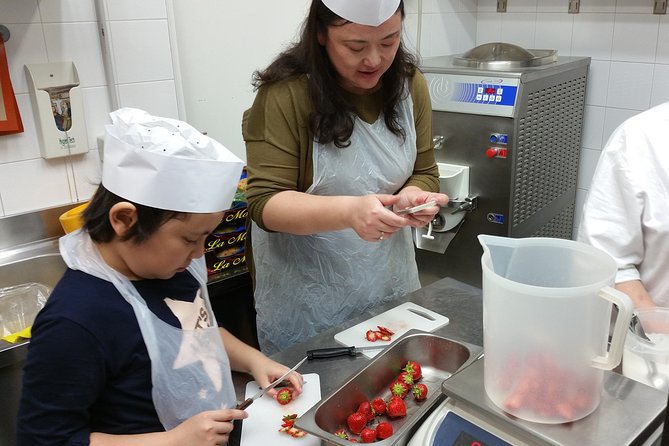
Once the savoiardi cookies are handled, you shift to the cream. You learn how to make mascarpone cream and blend it into a smooth consistency. In a class like this, that matters because tiramisù is a layering dessert, and lumpy cream can turn the whole stack into a mess.
The guide’s approach is practical: you learn how the ingredients behave and how the mixing step should feel. Reviews highlight that the instruction is patient and clear, with lots of personalized attention. In other words, if you are unsure at first, you still get to correct course before it becomes a problem.
You’ll be building a dessert you can plate neatly. That’s the part of tiramisù that looks impressive but is usually the thing people skip when they buy a tub and hope for the best. Here, you do it.






Assembling and Plating Your Tiramisù
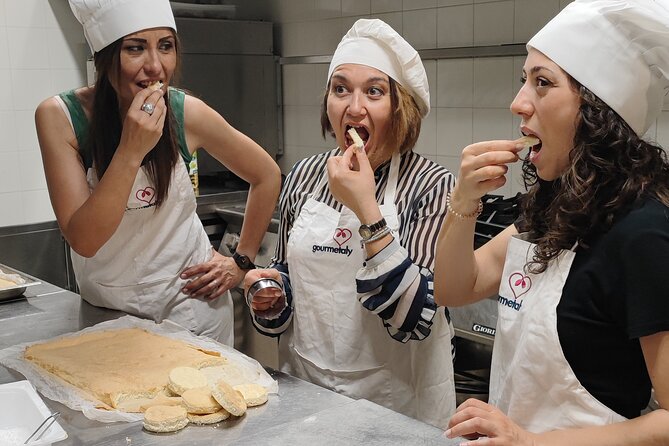
Making tiramisù is half cooking and half assembly. After you prepare the cookie base and cream, you learn how to prepare and plate your tiramisù. This is where you get that final “I made this” moment.
The class also includes a dessert display element, which sounds fancy but is really about structure and presentation. You’re learning how to set it up so it holds layers and looks like a proper Italian dessert, not a jar of hope.
Alcohol is handled thoughtfully as well. Your tiramisù can be alcohol-free if you ask for it, and then it is provided in your own cup. If alcohol-free is important to you, tell the organizer ahead of time when you book, so there’s no last-minute confusion.
Tastings, Bottled Water, and What You Eat
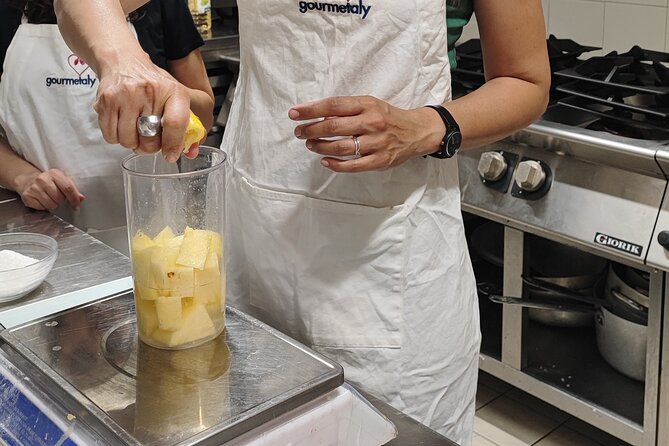
You’re not just learning technique. During gelato, there are tastings so you can understand how gelato differs from ice cream. Later, you tuck into the desserts you made, which usually gives you a satisfying payoff for the work you put in.
Included in the class: bottled water plus the gelato and tiramisù class components, including equipment and ingredients as part of the lesson. What is not included is extra food or drinks beyond what the class provides, unless something is specified on your booking details.
This is a good setup for travelers who want a “one ticket, one experience” afternoon. You should still plan to have a normal meal earlier, since you will eat dessert during the class but you’re not guaranteed a full dinner out of it.
Skills You Actually Take Home (and Why Recipes Help)
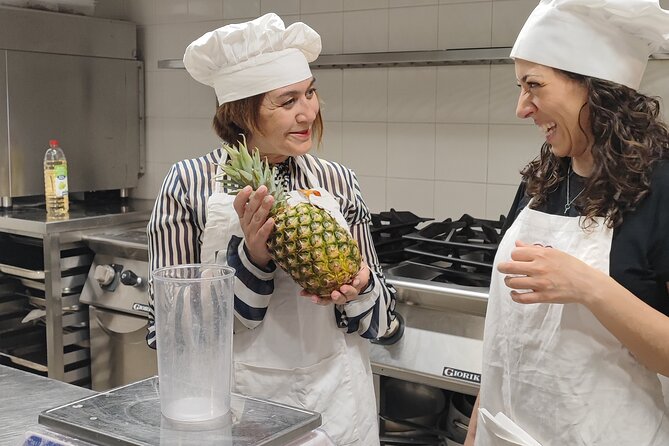
At the end, you get recipes to take home for both desserts. That’s one of my favorite parts of cooking classes, because it turns the memory into a repeatable skill.
If you only learn assembly and technique in the moment, you might lose it by the next weekend. But recipes make it easier to recreate the fruit gelato and tiramisù layering process without guessing. Reviews also mention guides emailing or providing recipes quickly after, which suggests the teaching team is invested in your results.
There’s also a quieter benefit: you learn the logic of the process. When you know why gelato uses water-based ingredients with fresh fruit, and you know what savoiardi should do in a tiramisù stack, you can troubleshoot at home instead of copying blindly.
Price and Value: Is $95.03 Worth It?
At $95.03 per person, this class sits in the “worth it if you’ll use it” category. It’s not a cheap activity, but it is also not just a quick tasting stop.
Here is why it can be good value:
- You learn two full desserts: gelato and tiramisù, including savoiardi baking and mascarpone cream mixing
- The class happens in a professional kitchen
- You get equipment, ingredients, and recipes as part of the experience
- It is a small group with a maximum of 10 travelers, which usually means more hands-on time than larger workshops
- You’re provided bottled water and tastings, plus you eat what you make
If you’re the type who buys ingredients back home and then never uses them, this might feel pricey. But if you like cooking or you want a hands-on souvenir that does not sit on a shelf, this is the kind of class where your money turns into practical skill.
Group Size, Teaching Style, and the Hands-On Factor
A maximum group size of 10 travelers is not just trivia. It affects how much you can actually do. In a bigger class, you often end up waiting for your turn or hovering over someone else’s bowl. Here, the small-group format makes it easier to get feedback while you’re in the middle of the recipe.
English is offered, and guides are repeatedly praised for being patient and helpful, including translation and explanation. Names like Federica and Pedarika show up tied to calm, encouraging instruction. Natasha and Daniella are mentioned for making the kitchen feel comfortable and letting people do every step. And Antonia is called out for being helpful when questions came up.
One minor consideration from feedback: directions may not be equally easy for everyone. If you’re the kind of person who needs exact wording to feel comfortable, ask questions early, and don’t wait until the final plating step.
The Heat in the Kitchen: The Main Practical Drawback
There is one drawback that shows up in the experience details: the kitchen can be hot. Italian kitchens often are not air conditioned, and since you are cooking and baking, you will feel that warmth.
Bring a mindset for it. Wear light layers you can move in, and don’t plan to dress in your “fresh out of hair salon” outfit. You’re here to work with dessert, flour, and warm ovens, so plan for comfort over fashion.
If heat makes you cranky, consider bringing a small towel and using water breaks when offered. The class includes bottled water, but pacing yourself helps you stay focused.
Who This Class Fits Best (and Who Might Skip It)
This experience is a strong match if you:
- Want a fun, hands-on food activity in Rome that is not just a walking tour
- Like learning baking steps like savoiardi, not just assembling ingredients
- Travel with family or friends who want a shared project, since the vibe is described as family-friendly and collaborative
- Want recipes you can repeat at home, not only a one-time treat
It may be less ideal if you:
- Hate hot kitchens
- Prefer a fully passive experience with minimal cooking
- Need a very polished, quiet classroom atmosphere rather than an active kitchen workflow
- Have strict dietary needs and did not mention them ahead of time, since you are asked to advise requirements when booking
Should You Book This Gelato and Tiramisu Class?
I’d book it if you want a practical Rome memory. This is the rare food experience where you leave with real skills: water-based gelato with fresh fruit, baked savoiardi, smooth mascarpone cream, and a plated tiramisù that looks like you did it on purpose.
Also, the small-group limit of 10 is a huge plus for first-timers. And if you care about alcohol-free tiramisù, you can ask and get it in your own cup.
If your schedule is uncertain, there is free cancellation up to 24 hours before the start time, which makes it easier to try without feeling trapped.
If you want a single, high-impact cooking experience in Trastevere, this one is a very solid pick.
More Workshops & Classes in Rome


More Tour Reviews in Rome



Not for you? Here's more nearby things to do in Rome we have reviewed












Trastevere Tours, compared.
 ★ 4.8Trastevere or Jewish Quarter Street Food TourFrom $513,839 reviews
 ★ 4.9Trastevere & Campo de Fiori Street Food Walking TourFrom $512,768 reviews
 ★ 4.8Guided Food Tour in TrastevereFrom $1122,266 reviews
 ★ 4.9Trastevere Guided Food and Wine Tour with 20+ TastingsFrom $1461,022 reviews
 ★ 4.8Small Group Trastevere Food Tour with DinnerFrom $132719 reviews
 ★ 5.0Rome Trastevere Pasta Making Class with Eating EuropeFrom $100505 reviews
 ★ 4.9Twilight Trastevere Food Tour with Wine TastingFrom $123490 reviews
 ★ 4.8Food & Wine Tour of Campo de Fiori, Ghetto, TrastevereFrom $81413 reviews
Browse the lists this tour appears in