
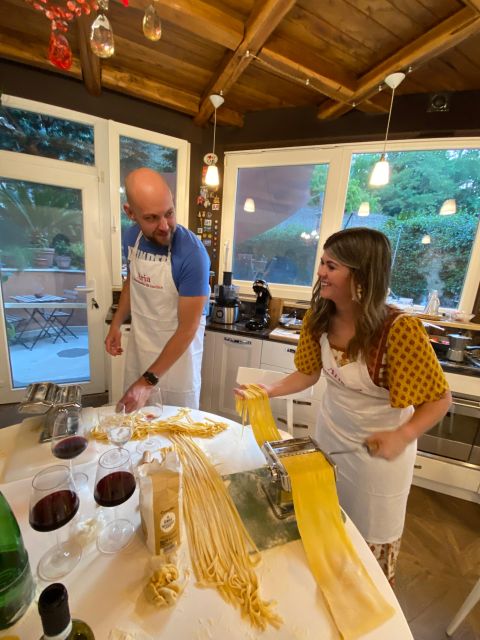
Reviewed · TRASTEVERE TOURS
Rome – Cooking Experience in a Roman family in Trastevere
Pasta, wine, and a real Roman home. In Trastevere, chef Ilaria Sparla guides you to make fettuccine, ravioli, and orecchiette from scratch, then you sit down with her family for the meal you cooked. You start with aperitivo, learn the sauces, and end with homemade tiramisù in a kitchen that feels like a family hangout.
I really like two parts: the hands-on teaching from dough to plating, and the fact that this is a small group where everyone gets time and attention. You are not stuck watching from the sidelines.
One consideration: you are committing to a 3.5-hour dinner-style workshop, so go hungry, and plan for a lot of food plus included wine.
Key things that make this class worth your time
- Three pasta shapes from scratch: fettuccine, ravioli, and orecchiette, not just one.
- Sauce coaching that matters: cacio e pepe, fresh tomato sauce, and Norma sauce, with real technique.
- Aperitivo before you cook: mozzarella, bruschette, panzanella, homemade fried vegetables, and more, plus wine.
- Family-table energy: you eat around the table with Ilaria, her husband Samuel, and their children.
- Take-home help: you get recipe guidance plus practical tips for your own kitchen.
- Small group, max 8: more hands-on time, less waiting.
Trastevere at street-level, then into Ilaria’s kitchen world
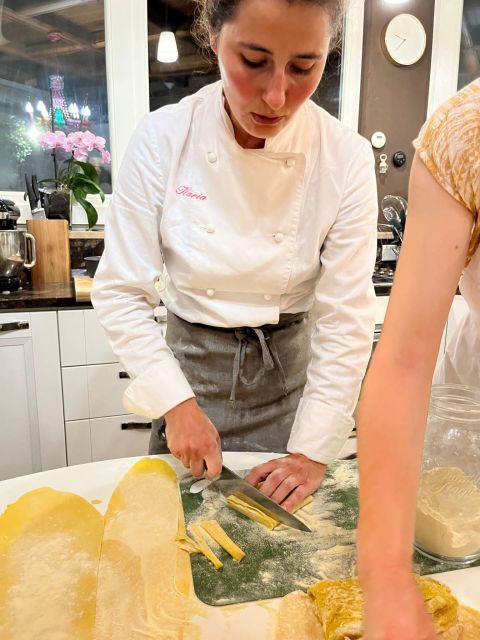
This is the kind of Rome experience that swaps a ticket-and-line day for real skills and real people. You meet outside at Via Garibaldi 39 Rome, ring the intercom Sparla, and then you head into a Roman home setting where the focus is food, not performance.
Once everyone arrives, Ilaria brings you up to speed fast, then you move straight into learning. The teaching style is calm and practical. There’s enough structure that you never feel lost, but it still feels relaxed because the group is capped at 8 participants.
You can also read our reviews of more cooking classes in Rome
Aperitivo first: what you’ll eat while you learn
Before the flour comes out, you get an aperitivo with local favorites. Expect mozzarella, dry tomatoes, panzanella, and homemade fried vegetables, plus other seasonal bites as the menu allows.
This matters more than it sounds. It sets the tone. You start tasting what you’ll be building toward, and it also helps you settle in if you arrive a little hungry or travel-tired. Wine pairing is part of the program too, with wine, water, and espresso included, so the evening has a full meal rhythm instead of feeling like a quick workshop sandwich.
Also, the menu can shift based on availability and seasonality, which is exactly how Italian cooking stays tied to what’s at the market. You might see slight changes to the exact ingredients, but the core pasta lessons stay the same.
Fettuccine with Cacio e Pepe: the sauce technique you can reuse
The first pasta project is fettuccine with Cacio e Pepe. This is one of those Roman classics where the method is everything. Ilaria’s job is to get you past the “recipe list” mindset and into the “timing and texture” mindset.
As you work, you learn the steps yourself: mixing, kneading, and shaping the dough, then moving into the sauce. The big value here is sauce logic. Cacio e Pepe is not just cheese plus pepper. You learn how to get the sauce to cling and turn silky instead of going greasy or clumpy.
One of the practical takeaways I like: you do not leave with vague advice. You get guidance on pairing pasta with sauce, and you’ll hear why certain pasta shapes work better for certain textures. That’s the difference between making dinner once and being able to repeat it at home.
Ravioli with fresh tomato sauce: make the dough, then make the filling
Next up is ravioli, and you’ll make them with fresh cherry tomato sauce. Ravioli sounds fancy, but the teaching keeps it grounded. You learn the dough work and how to handle the pasta sheets, then you focus on the filling and assembling process.
What stands out is that you are not just following a script. Ilaria talks through the choices and the small adjustments that keep the pasta from drying out or tearing. If you have no previous experience, that’s not a problem. The class is built for beginners, and you get coaching along the way.
A detail I appreciate from what’s been described is that the workshop covers more than one dough style. One review noted learning two types of dough, which matches what you’d expect when you go from fettuccine prep to ravioli construction. If you want to understand the basics deeply, that variety helps.
Orecchiette with Norma sauce: learning a shape, not just a dish
Then comes orecchiette with Norma sauce. Orecchiette is playful to make because the shape has meaning. It’s not just aesthetic, it changes how the sauce sticks and how you eat it.
You will work through the steps of shaping and cooking, then you move into the Norma sauce component. Norma sauce is known for being hearty and bold, and Ilaria’s approach helps you understand the build. You’ll see how the sauce balances the pasta, so it tastes like the dish, not like separate components on a plate.
This is where the class feels especially Roman. You are doing familiar comfort-food work in a way that teaches technique, not just eating. And once you taste what you’ve made, it clicks fast.






The dessert finish: handmade tiramisù at the table
After the pasta, you do not get a tiny sweet finish. You get homemade tiramisù. Ilaria presents it as the pasta sets, so the dessert timing is built into the meal flow.
Tiramisu is a smart final lesson because it shows how Italian cooking thinks about contrast: creamy, coffee-tinged, and not overly complicated when you follow method. You watch, you learn, and then you eat what you made.
The payoff is social too. You gather around the table with Ilaria, her husband Samuel, and their children. This is not a classroom where everyone stands back up and disappears. You finish as part of the household meal rhythm.
What you really take home for your own kitchen
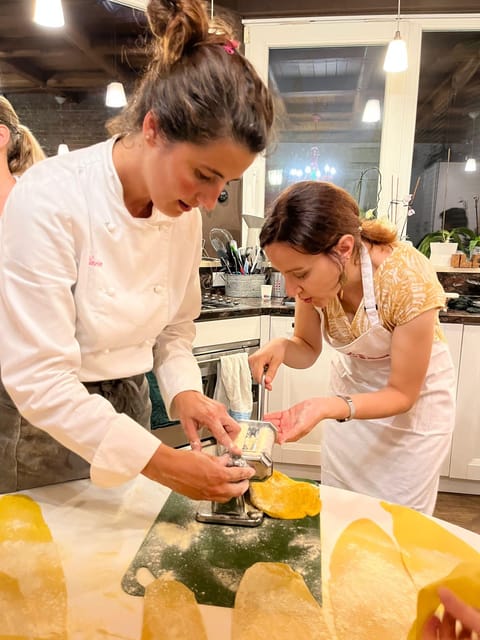
Yes, you get recipes to bring home. But the better value is what gets explained along the way.
Ilaria shares take-home tricks for making pasta successfully, including:
- how different flours behave and when to use which type
- how to match pasta shapes with sauce types
- what substitution ingredients you can find and use at home
This is the stuff that makes a home cook feel confident. Most cooking classes teach you what to do. This one also aims to teach you why it works, so you can adjust when your ingredients are different from what you get in Rome.
If you cook at all, you’ll notice you start thinking differently about dough texture and sauce consistency. And if you do not cook much yet, you’ll still get a clear process you can repeat.
Location and vibe: why Trastevere fits this experience
The workshop starts a short walk from Campo de’ Fiori, about 10 minutes on foot. That’s handy because it means you can build the rest of your day around it, then come in without a long transit puzzle.
Trastevere is also a good choice because it feels lived-in. You’re close enough to walk the neighborhood, then you step into a quieter, greenery-like home environment. Several people have described the setting as light-filled and calm, which makes the class feel like a break from the city sprint.
Price and value for this 3.5-hour, small-group format
At $134.81 per person for 3.5 hours, this is not a cheap cookie-cutter cooking class. But it also is not just a pasta tasting.
For the cost, you get:
- hands-on instruction making three pasta types from scratch
- multiple sauces, plus the final tiramisù
- aperitivo with several dishes
- local wine pairing, plus water and espresso
- a maximum group size of 8
- a home setting hosted by a chef who learned from her mother and grandmother, and started in the family restaurant at 15
The value argument is simple: you pay for time, teaching, and ingredients, and you leave with skills you can actually repeat. If you just want a quick bite tour, it’s overkill. If you want a proper “I can make this again” experience, it’s priced like one.
Who should book this class, and who might think twice
This works best for you if:
- you want a hands-on Rome activity more than a sightseeing day
- you like learning technique, not just eating
- you enjoy small-group dinners and conversation
- you can handle a dinner-style schedule with wine included
- you want a class that can fit different comfort levels, including beginners
It might not be the right match if:
- you want something short and light
- you are very sensitive to wine, since wine pairing is included
- you prefer a purely restaurant-style experience, since you’re cooking in a real home environment
The good news is that Ilaria says dietary needs and restrictions can be accommodated. And after you reserve, there’s an explicit note to write for a vegetarian option, so you can plan ahead.
Practical expectations so you’re not caught off guard
A few things to keep your day smooth:
- The menu can vary with season and what’s available at the farmers market.
- You should show up ready to knead, shape, and cook, not just watch.
- You’ll eat what you make, and it’s a full meal, not a snack.
- The class is in Italian and English, so you will have support even if you don’t speak Italian.
Also, hygiene and food safety are handled with HACCP certification (listed as 2024), which is reassuring if you care about standards.
Should you book this Rome cooking class?
If your goal is to leave Rome with real pasta skills, not just photos, I think you’ll be happy you booked this. Three pasta shapes, real sauces, a family meal, and take-home guidance is a lot for one evening, and the small-group setup keeps it personal.
Book it if you want the Trastevere feeling, but also want a structured class. Pass if you’re only in the mood for a quick tasting or you hate anything hands-on.
If you do book, message ahead for a vegetarian option and plan to arrive hungry with comfortable clothes. Then you’ll get the best part, making the meal and eating it like part of the family.
FAQ
How long is the cooking experience?
It lasts about 3.5 hours.
How many people are in the group?
The group is limited to a maximum of 8 participants.
Where is the meeting point?
You meet at Via Garibaldi 39 in Rome. When you arrive, ring the intercom Sparla.
What pasta dishes will I learn to make?
You will make fettuccine, ravioli, and orecchiette, along with their sauces.
What is included in the price?
The class includes pasta and tiramisu workshop, fresh local ingredients, aperitivo, wine, water, and espresso, plus you eat what you make.
Does the menu change depending on ingredients?
Yes. The menu may vary based on availability and seasonality of ingredients.
Is there a vegetarian option or dietary accommodations?
Yes. The experience says it can satisfy dietary needs and restrictions. There is also a note to write after reservation for a vegetarian option.
Do I need prior cooking experience?
No previous experience is necessary. Ilaria guides you through the whole process in a small-group setting.
What languages are offered?
The instructor teaches in Italian and English.
More Cooking Classes in Rome

More Tour Reviews in Rome



Not for you? Here's more nearby things to do in Rome we have reviewed












Trastevere Tours, compared.
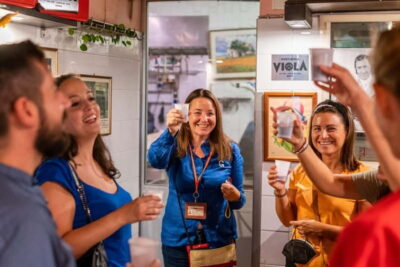 ★ 4.8Trastevere or Jewish Quarter Street Food TourFrom $513,839 reviews
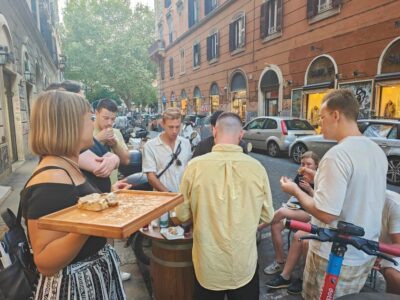 ★ 4.9Trastevere & Campo de Fiori Street Food Walking TourFrom $512,768 reviews
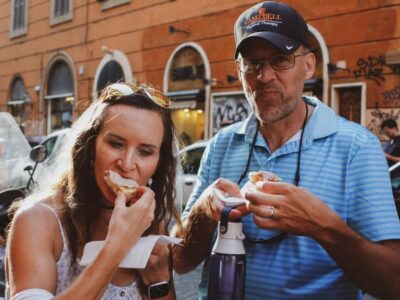 ★ 4.8Guided Food Tour in TrastevereFrom $1122,266 reviews
 ★ 4.9Trastevere Guided Food and Wine Tour with 20+ TastingsFrom $1461,022 reviews
 ★ 4.8Small Group Trastevere Food Tour with DinnerFrom $132719 reviews
 ★ 5.0Rome Trastevere Pasta Making Class with Eating EuropeFrom $100505 reviews
 ★ 4.9Twilight Trastevere Food Tour with Wine TastingFrom $123490 reviews
 ★ 4.8Food & Wine Tour of Campo de Fiori, Ghetto, TrastevereFrom $81413 reviews
Browse the lists this tour appears in