
Reviewed · WORKSHOPS
Rome: Traditional Pizza and Gelato Making Class
Two classics, one shared dough.
This Rome pizza and gelato making class is a hands-on way to learn the tricks behind Roman pizza and silky gelato, right in the city center. You knead, top, and cook, then you turn around and eat what you made.
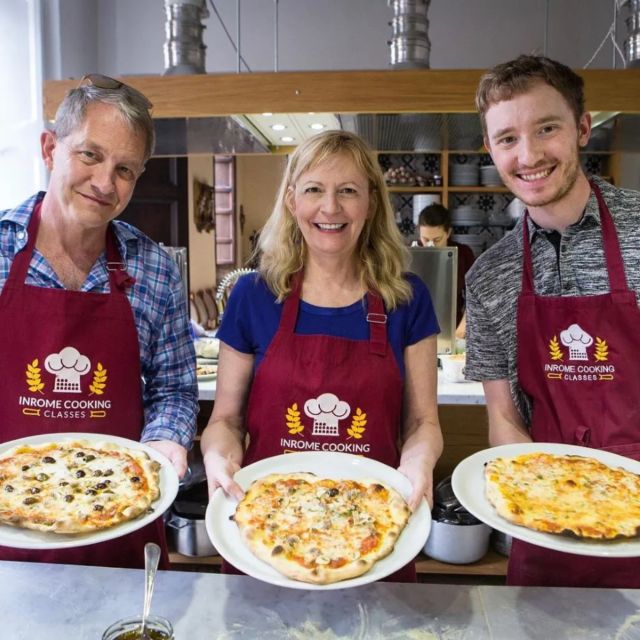
I especially like that the class is built around real technique, not just plating. You’ll learn the kneading and dough timing, then choose your pizza style like Bianca (no sauce) or Rosso (tomato sauce), with options such as prosciutto and black olives. One small catch: recipes are provided by QR code, so if you want printed pages, plan to use your phone or bring a charged device.
Key things to love before you book
- Hands-on Roman pizza dough that you knead with an English-speaking chef
- Bianca vs. Rosso so you can customize your pizza the Roman way
- Gelato made from scratch, with clear guidance on the gelato rules
- You eat your homemade meal after cooking, so the session does not end in cleanup
- Consistently praised chefs like Fabio, Marco, David, Alessandro, Julio, Francesca, and Max, known for humor and patience
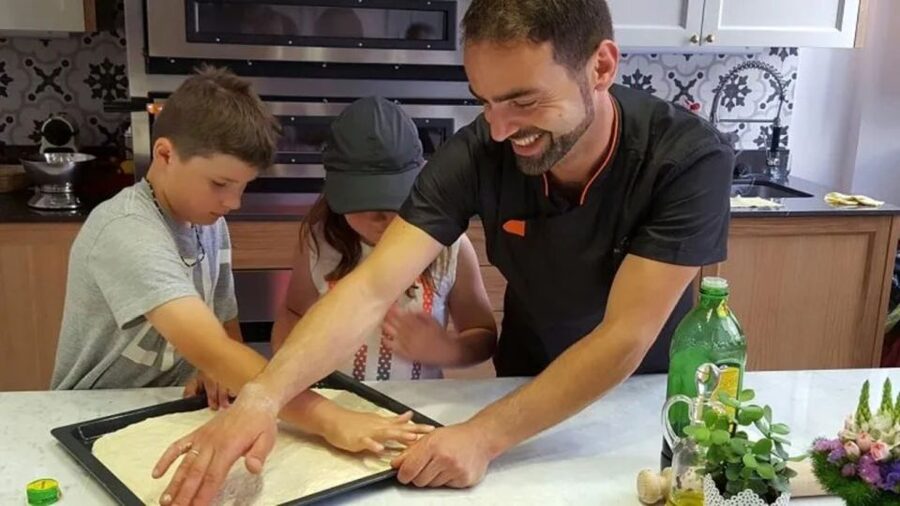
- Family-friendly energy, with multiple reviews highlighting kids learning step by step
Entering the class: where you meet and how it runs
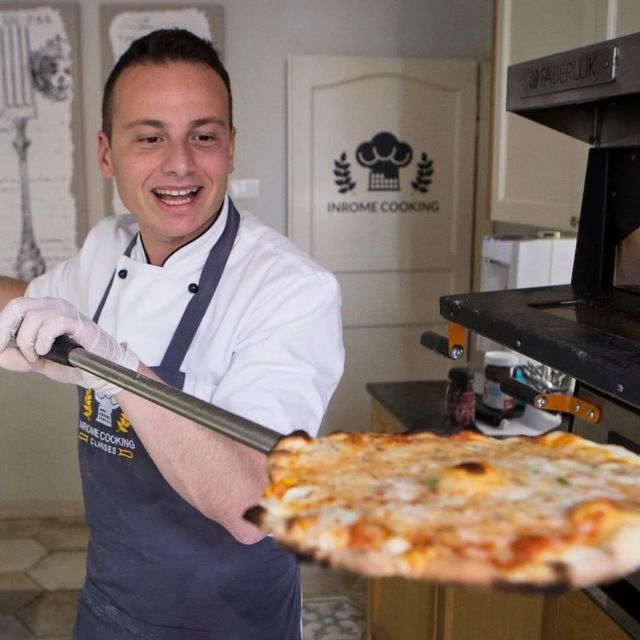
The experience starts at Corso del Rinascimento 65. You ring the doorbell for InRome Cooking, and that is your main landmark for the night or afternoon. It is not tied to hotel pickup, so you will want to plan your own walk or public transit a bit in advance.
One practical tip that came up in feedback: street numbering around there can feel a little jumbled, so arriving a touch early helps. This is a small class format, and getting settled before things start makes the whole 3 hours feel easier.
From there, you shift quickly from arrival to preparation. The session begins with a Prosecco and snacks reception, which sets the tone, and then you get moving right away. The overall structure is straightforward: dough first, then toppings and baking, then gelato.
A few more Rome tours and experiences worth a look

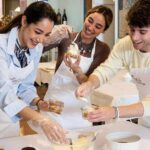
The pizza part: dough, toppings, and the Roman crunch
Roman pizza is not the same animal as Neapolitan pizza. Your chef will spell out the differences as you work, including the playful point that pizza is associated with Naples and not Rome. You also learn what makes Roman pizza distinct in texture and shape, including that Roman crust tends to be smaller and crunchier.
Kneading and dough timing
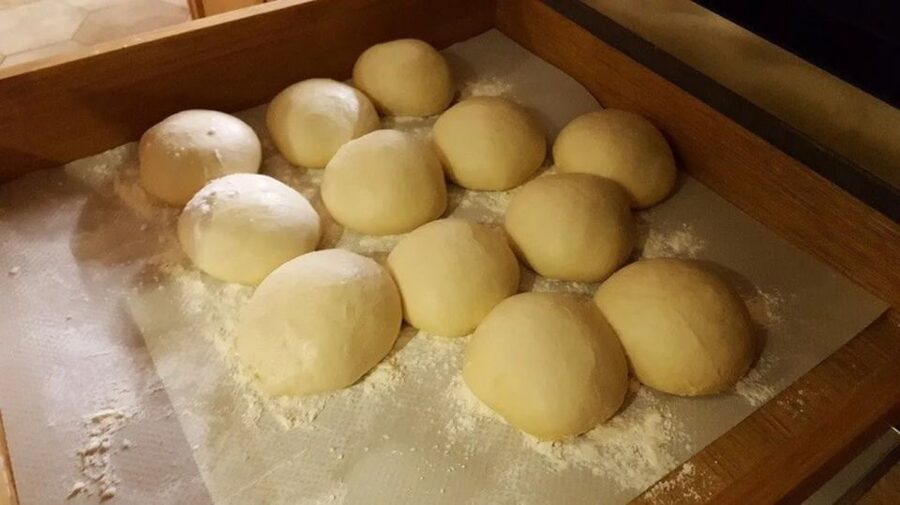
The big skill here is the dough. You will work with the kneading process so you understand what the dough is doing as it develops. Kneading is not just busywork. It is the foundation for the final crust texture, and the chef keeps the lesson practical and step by step.
You also deal with the reality that dough needs time to be ready. That means you are not stuck waiting around with nothing to do. The class keeps moving while the dough prepares itself, so you stay involved rather than standing by.
Choosing Bianca or Rosso
Once your pizza dough is ready, you get to build your pie with a selection of fresh ingredients. This is where the class feels most fun and personal, because you actually make choices instead of following one strict recipe.
You choose between:
- Bianca, a simpler style without sauce
- Rosso, with rich tomato sauce
You might pick salty Italian prosciutto or go the fruity route with black olives. The key is that you learn how these choices affect flavor balance, not just what goes on top.
Cooking: a quick path to real pizza payoff
As the oven time approaches, you stop thinking about technique and start anticipating dinner. The class framing is clever here: the session teaches you why pizza dough matters, then quickly turns that into the satisfaction of a cooked pizza you can taste right away.
In feedback, this “cook and then eat” format shows up again and again as a highlight. You do not finish feeling like you did all the work and then had to clean for hours.




Gelato time: how to make it properly and not confuse it
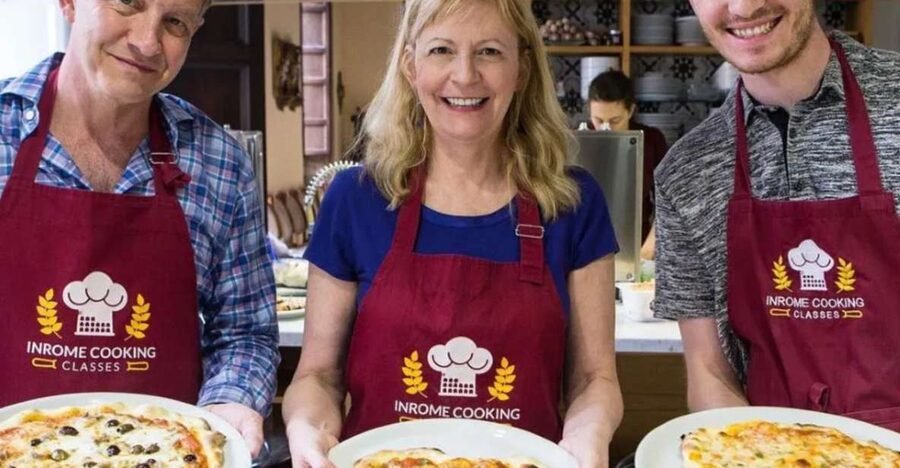
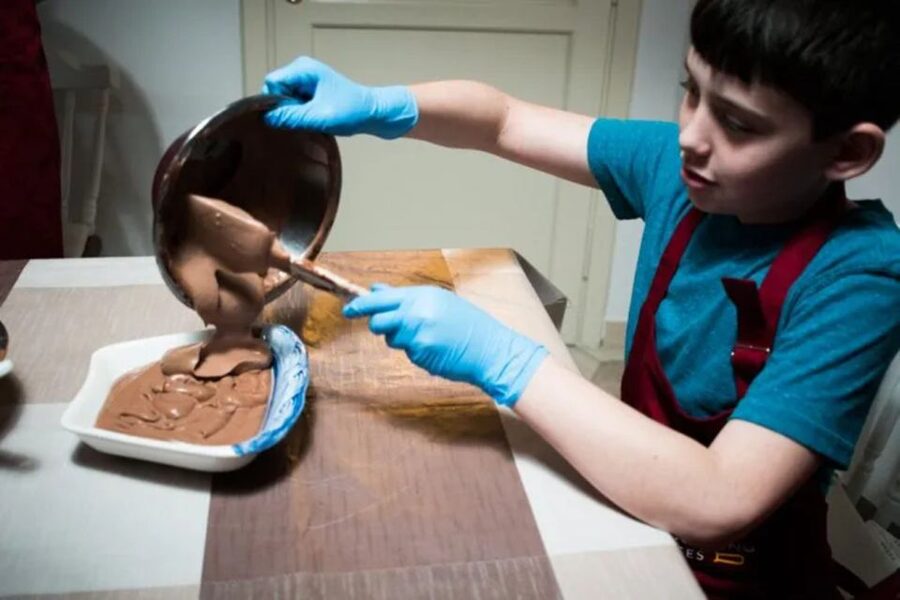
After the pizza portion, the focus shifts to gelato. Rome’s gelato culture is world-class, and this part of the class tries to translate that reputation into a method you can repeat later.
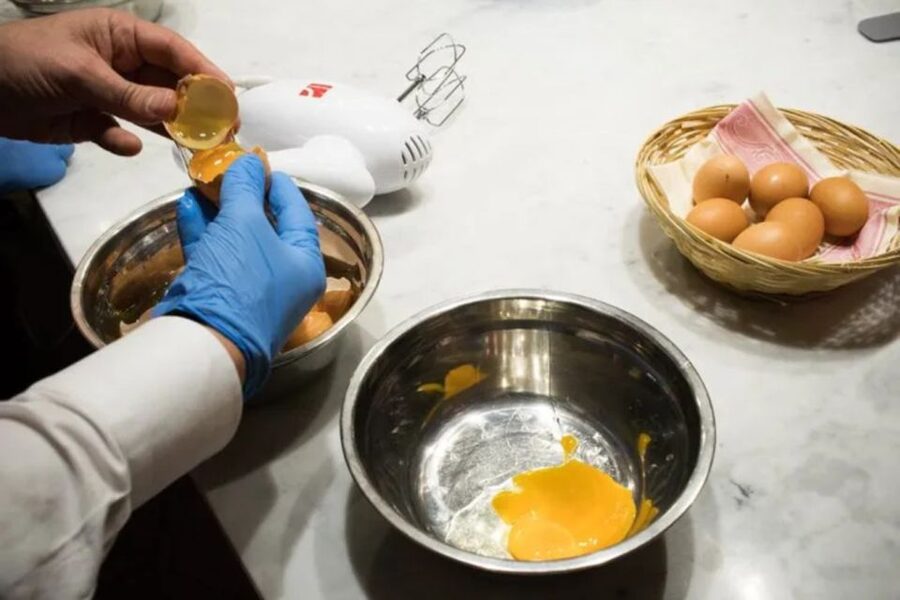
You learn the basics of gelato preparation, with an emphasis on technique and the “secrets” that gelato shops rely on. The class also stresses one important attitude: don’t treat gelato as ice cream. Gelato and ice cream are not the same thing, and the chef explains the difference so you stop guessing when you try it at home.
What you gain from learning gelato in a real class
Even if you already like gelato, you probably have been eating it on autopilot. This class gives you a framework: what ingredients and handling steps matter, and how to think about texture and sweetness.
One detail from feedback is worth knowing. In one session, the gelato setup effectively meant you were sharing equipment by pairs, and that could limit which exact flavor each person makes. If you care intensely about making multiple flavors yourself, it is worth keeping your expectations realistic and asking about how flavors are handled in your specific group.
The included meal: Prosecco, snacks, and what happens after cooking
The included structure is built around one goal: you finish by enjoying what you made. The price includes a homemade meal with drinks, and the welcome includes Prosecco and snacks.
Several reviews mention free-flowing wine as part of the vibe, and while the class explicitly lists Prosecco at reception, you should expect that the meal portion is not a dry, classroom-style snack. It is a proper sit-down eating moment where you and your group can talk and compare your pizza choices.
This is also where the “no cleanup stress” feeling comes from in reviews. You cook, you eat, you move on. That matters if you are building an itinerary around Rome sightseeing, because you do not want a cooking class to eat your entire evening.
Meet your chef: why the teaching feels personal
One of the strongest themes in feedback is the chef experience. Names that show up repeatedly include Fabio, Marco, David, Alessandro, Julio, Francesca, and Max. The consistent praise is not just that the food tastes great, it is that the chef explains well and keeps the atmosphere light.
A couple of types of teaching show up in feedback:
- Chefs teach step by step and stay hands on without taking over
- Chefs use humor and energy to keep kids and adults engaged
- Chefs are patient, even for first-timers and families
There is also a high-value detail for families dealing with food concerns. One review highlighted allergies, and while the specific handling details were not listed in the provided info, the family still described the experience positively. If you have allergies or dietary needs, you should communicate them ahead of time to confirm how your class will handle ingredients.
Price and value: what $117.82 gets you in Rome
At $117.82 per person, you are paying for more than cooking entertainment. You are paying for time, instruction, ingredients, equipment, and a meal, all in a city location where convenience matters.
Here’s why it often feels like good value:
- All ingredients and equipment are included, so you do not need to shop for pantry basics
- A homemade meal with drinks means you eat on-site, not later
- The class includes an English-speaking chef, which can be the difference between memorizing steps and actually learning technique
- You also receive recipes via QR code, so the experience can extend beyond the 3-hour window
If you normally pay for a cooking class, then add your dinner cost on top, this setup can be simpler. It is also a compact experience. Three hours is long enough to learn, cook, and eat, yet short enough to fit into a sightseeing day.
Logistics that matter: QR recipes, duration, and comfort level
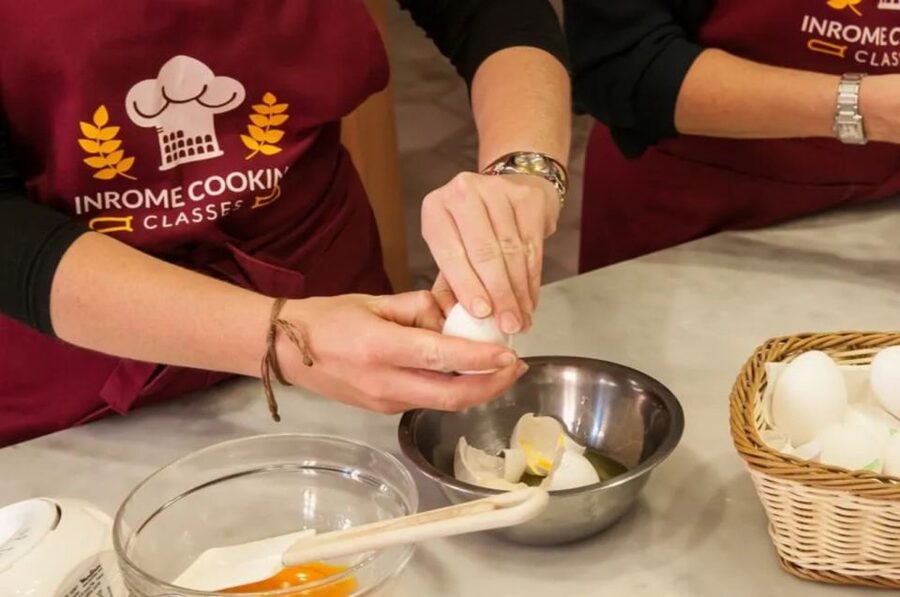
This is a 3-hour class, and it runs on starting times you can confirm when you check availability. Plan around the idea that dough prep takes time, and the cooking and eating come after that.
Two other practical notes:
- Recipes are delivered via QR code, not printed handouts. If you want the recipes instantly, bring a charged phone or expect you may need to scan later.
- The class is not suitable for people with mobility impairments and is not for wheelchair users. That likely means standing and moving around during prep, so read the room carefully for your own physical comfort.
Who this Rome pizza and gelato class suits best
This is one of those experiences that works for more than one kind of traveler.
It is ideal if you want:
- A hands-on Roman pizza lesson instead of a food tour where you only taste
- A structured way to learn gelato from scratch
- A family-friendly activity that keeps kids involved, with multiple reviews mentioning children from about age 6 up through early teens
It may be less ideal if:
- You want a fully printed recipe set and dislike scanning QR codes
- You need a session with maximum individual production time for multiple gelato flavors
- You require wheelchair accessibility, since the class is not suitable for wheelchair users
Should you book it? My decision guide
I think you should book this Rome pizza and gelato making class if you’re trying to add a learn-it skill to your trip. It is not just tasting, it is doing. You get a real Roman pizza approach, from dough handling to the Bianca vs Rosso choices, then you learn gelato technique with an emphasis on how gelato differs from ice cream.
I would hesitate only if you strongly dislike QR-based materials, or if mobility access is a concern for your group. If those are not issues, this is a high-satisfaction style of experience, especially because the chef energy and the hands-on format are repeatedly praised, and you end by eating your own pizza and gelato instead of walking away hungry.
FAQ
How long is the Rome traditional pizza and gelato class?
The class lasts 3 hours.
Where do I meet for the class?
You meet at Corso del Rinascimento 65. Ring the doorbell for InRome Cooking.
Is hotel pickup included?
No, hotel pickup and drop-off are not included.
Is an English-speaking chef provided?
Yes. The class includes an English-speaking chef (and Italian is also listed).
How do I get the recipes after the class?
Recipes are provided via a QR code.
Is the class suitable for wheelchair users or mobility impairments?
No. The activity is not suitable for people with mobility impairments, and it is not suitable for wheelchair users.
More Workshops & Classes in Rome

More Tour Reviews in Rome

Not for you? Here's more nearby things to do in Rome we have reviewed








Workshops, compared.
 ★ 4.9Pasta & Tiramisu Class with Fine Wine by the VaticanFrom $414,852 reviews
 ★ 4.9Pasta Making Class with Wine, Limoncello, and DessertFrom $483,177 reviews
 ★ 4.93-in-1 Fettuccine, Ravioli, and Tiramisu Cooking ClassFrom $812,704 reviews
 ★ 4.8Fettuccine Pasta Cooking Class in Rome’s City CenterFrom $462,414 reviews
 ★ 5.0Traditional Pasta with Cocktails Cooking ClassFrom $1002,374 reviews
 ★ 4.8Fettuccine and Tiramisu Cooking Class with WineFrom $672,013 reviews
 ★ 4.8Pasta & Tiramisu Cooking Class near the Spanish StepsFrom $581,395 reviews
 ★ 4.7Traditional Pizza Cooking Class near Piazza NavonaFrom $461,241 reviews
Browse the lists this tour appears in