
Reviewed · WORKSHOPS
Rome: Pizza Making Class Small Group Experience
Cooking with your hands in Rome beats most food tours.
This small-group pizza-making class is a practical, step-by-step way to learn why Italian dough and toppings work together, and it starts with a classic aperitivo. I like that you get lunch plus drinks included, not just a cooking demo, and you’ll also learn the craft behind pizza that’s recognized as UNESCO Intangible Cultural Heritage. One thing to think about: you are cooking for about an hour, so if you hate mess or heat, this may feel like a hands-on commitment.
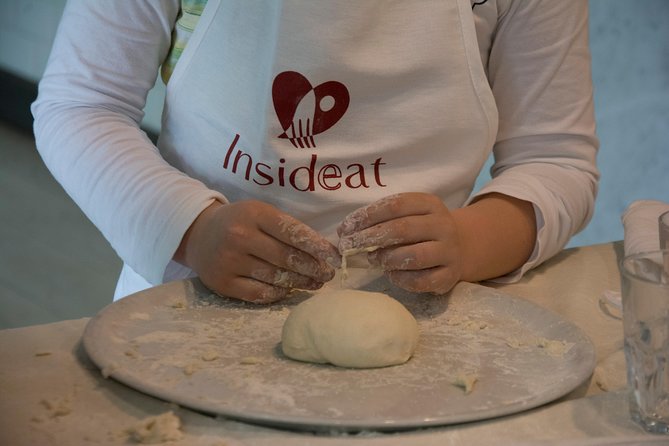
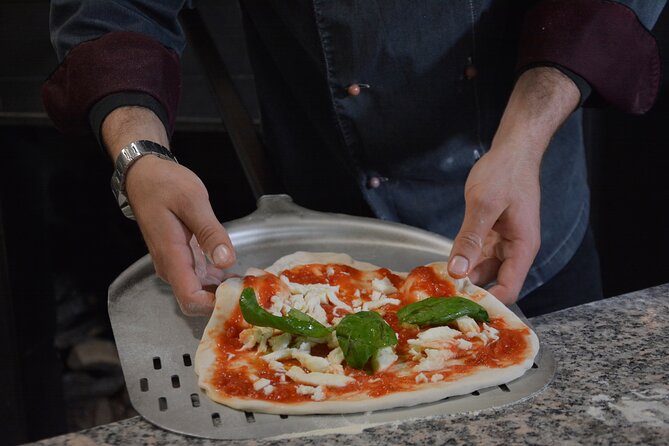
The real win for me is the setup. Each person has a fully equipped workstation, so you do the real work: mixing, kneading, shaping, topping, and baking. I also love the payoff, you finish by sitting down with your pizza, with no cleanup and a simple, satisfying meal that feels like you actually took the class, not watched it.
The only drawback I see for some people is dietary planning. Yes, the class can accommodate vegan, vegetarian, gluten-free, and lactose-intolerant options, but you need to request it in advance. If you forget to mention your needs, you could end up with less choice than you hoped.
Key things to know before you go
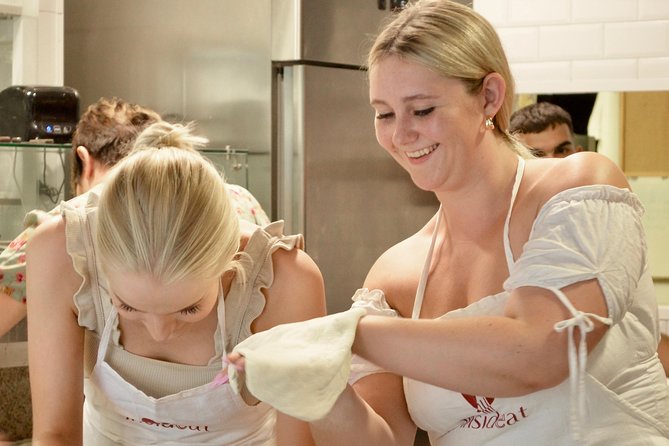
- Small group size (max 14), so you get real attention at your station instead of floating in a crowd
- Your own pizza workstation, meaning you shape and top your own pie
- UNESCO-linked craft lesson, with an emphasis on technique and why steps matter
- Spritz and homemade chips welcome, so the class starts like a proper Roman meal
- Oven time and eating time, you bake and then relax immediately after
Why this Rome pizza class is such a smart fit near the Vatican
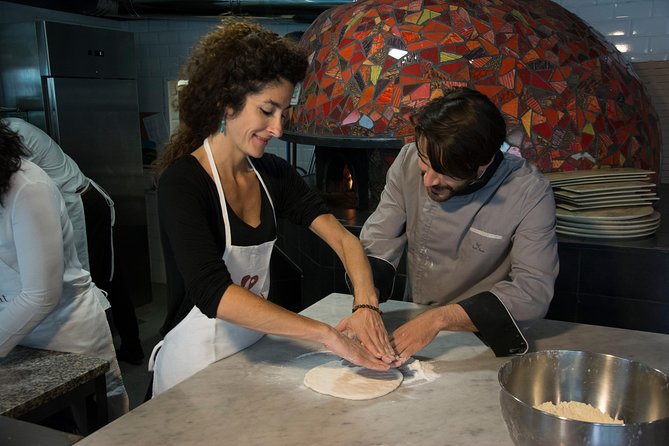
You’re starting in the Vatican Museums area, meeting at Via Andrea Doria 41 M in Rome (and returning there at the end). That location matters because it slots cleanly into a Rome day. After you’ve spent time walking museums or touring churches, this gives you a break from museum mode and turns your afternoon into something you can hold onto.
The class runs about 2 hours total, with 1 hour hands-on in the kitchen. With a maximum of 14 people, it stays personal, and the pace feels geared to learning instead of rushing through photo moments. It’s offered in English, so you can actually follow the technique without playing translation games.
One more plus: the restaurant is air-conditioned, which is not a small detail in Rome. Cooking in comfort means you can focus on technique, not on sweating through your flour-covered sleeves.
A few more Rome tours and experiences worth a look

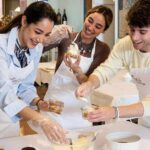
Aperitivo hour: spritz and Roman chips before the flour flies
The experience begins the way good Rome meals do: with a drink and a snack. You’ll start with a Spritz cocktail or sparkling wine, depending on what’s offered that day. Right after, you get homemade chips made with typical Romano cheese and pepper. It’s a fun warm-up because it’s snackable, but it also helps you settle into the Italian rhythm of eating before cooking.
Then comes the part that makes this feel more like a meal than a class. Your menu includes your pizza, plus water and a meal drink (wine, beer, or soft drink). So you’re not just tasting a sliver of something at the end, you’re sitting down and eating what you helped make.
If you’re someone who enjoys starting with something light and social, this opener makes the whole class easier to enjoy. You’ll have a relaxed runway before you commit to dough.
Dough, kneading, stretching, and the technique behind UNESCO pizza
This class is built around traditional pizza-making steps, from mixing and kneading to shaping and topping. The teaching is designed so you understand not only what to do, but why you do it. That matters because pizza dough is not just flour and water. The timing, the knead, and how the dough is handled are the difference between stretchy, bake-ready dough and something that fights you.
Here’s the part that surprised many people in the experience: dough preparation takes real time. One instructor-led approach used in the class style is to get you started with the key basics, then continue from there so you still get to do the satisfying work at your station. So even though dough needs time to rest, you’re still set up so the class stays hands-on and ends with a pizza you actually bake and eat.
You’ll also learn shaping and topping techniques. Whether you want a classic Margherita or you’d rather pick your own flavor direction, you’ll have guidance for how toppings behave on the bake.
And yes, there’s oven time that feels exciting. Wood-fired oven baking shows up in the teaching experience, and you’ll usually get the chance to slide your pizza into the oven yourself. That small moment is big for first-timers, because it makes the final step feel real instead of ceremonial.
Your workstation matters: toppings, seasonal ingredients, and control
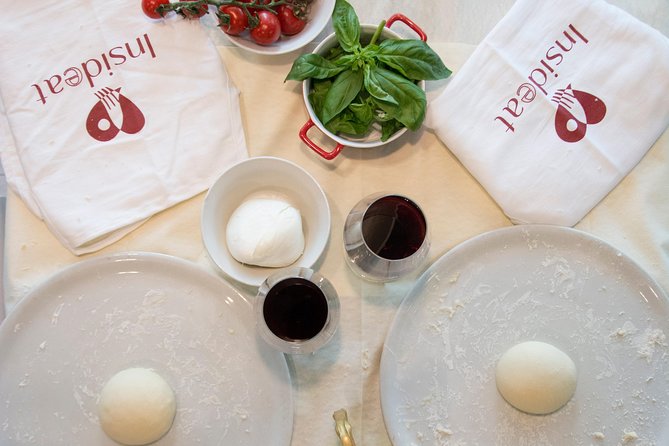
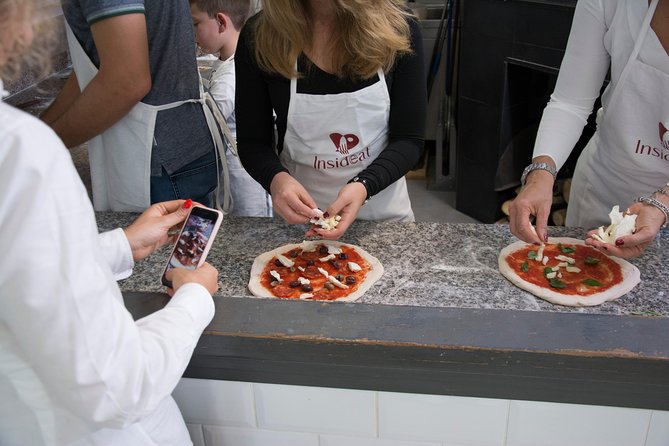
This class doesn’t lump you into one shared station. Each person gets their own fully equipped workstation, with the apron and cooking utensils provided. For you, that means control. You can learn the technique at a pace that makes sense, then apply it to your pizza.
Toppings are part of the learning too. You’ll add fresh ingredients, often described as seasonal. That’s a practical detail because seasonal ingredients taste better and are easier for a class kitchen to manage.
This is also where the Margherita option shines. If you want a safe, classic choice, you can make one. If you want to experiment, you can build a pizza that matches your mood, within the ingredients they offer.
Dietary options you can plan for in advance
If you need special diets, the class is designed to accommodate:
- Vegan
- Vegetarian
- Gluten-free options (request in advance)
- Lactose-intolerant
- Pescatarian
This is one of the best value parts of the class. You are not just watching a cooking process, you’re eating what you made with an option that fits. The one caution is that you must tell them your needs when you book, since gluten-free and other substitutions require planning.



Baking and eating: wine or soft drink, then sit back on the terrace
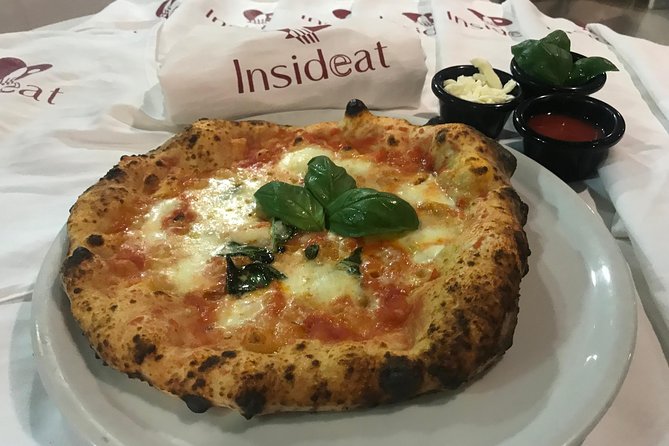
After your pizza comes out of the oven, you shift gears from cook mode to enjoy mode. There’s a cozy restaurant area and an outdoor terrace option, and you’ll be able to relax with your group without cleaning the kitchen afterward.
Your included meal drink is a simple choice: wine or beer or soft drink, plus water. That means you’re not paying extra for the classic pairing. It also keeps expectations clear. The class is not one of those “you’ll get a drink somewhere” situations. You know what’s included.
For me, the best part of the eating portion is that it doesn’t feel like a snack break. It feels like a proper end to the class, with food that comes from your own hands. You’ll taste your pizza right after baking while it’s still in that best window, warm, fragrant, and satisfying.
Chef-led learning: warm, funny instruction and real patience
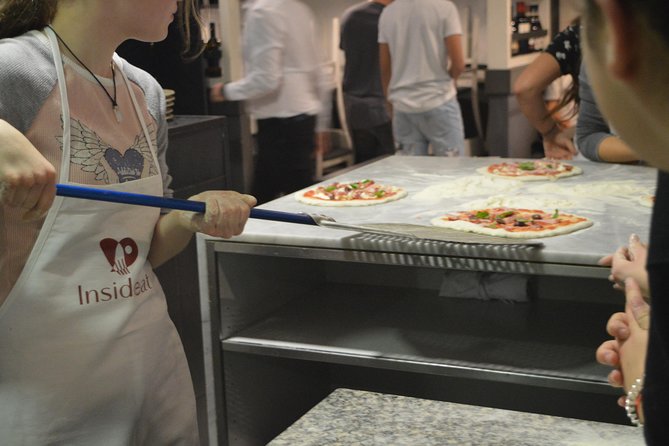
Pizza classes can go two ways: either you get a strict lecture, or you get a fun chaos lesson. This one aims for teaching that stays light while still being precise.
In the chef styles described across experiences, instructors like Chef Carlo, Chef Davide, and Mara show up as a pattern: warm personality, humor, and patience. That combination helps you when a step feels awkward, like shaping dough for the first time or handling toppings without making a mess.
A standout teaching element is the focus on the science behind the steps, meaning you learn what changes when you knead or shape, and how that leads to better results. If you like understanding the “why,” you’ll probably feel more confident repeating the method at home.
You’ll also receive an exclusive cookbook with recipes to make at home. Some experiences also include recipe details sent after the class, which is a nice support if you want a simple follow-up plan once you’re back in your own kitchen.
Price and value: what $64.09 buys you in real terms
At $64.09 per person for about 2 hours, this class can look like a splurge if you compare it to buying ingredients in a supermarket. But that comparison misses what you’re paying for.
You’re paying for:
- A small-group class with guided instruction
- A full hands-on session at your own workstation
- Ingredients and equipment you might not have at home
- A real included meal: your pizza plus chips
- Included drinks: spritz or sparkling wine and a wine, beer, or soft drink with your meal, plus water
- An exclusive cookbook
In practical terms, the value is strongest if you want the lesson plus the meal, not just the meal. If you’re traveling and want to bring something home besides photos, the recipe support and technique learnings are what make the price feel less “tourist tax” and more “skills plus lunch.”
How to time this on your Rome calendar
Because it runs about two hours and starts near the Vatican Museums, I’d plan it when you want a change of pace. A great fit is after a museum block when your brain needs a reset, but your stomach still wants a sit-down meal.
The class also works well earlier in the day if you want lunch handled. And it’s ideal for people who don’t want a long evening commitment, since the whole thing stays compact.
Who should book this pizza-making class
This is a strong match for:
- First-time pizza makers who want step-by-step guidance
- People traveling solo who still want interaction and an activity with an ending meal
- Families and kids, since the class is described as enjoyable across ages and offers hands-on fun
- Vegans, vegetarians, and gluten-free diners who want a class that includes eating their own pizza, not a separate workaround plan
If you’re the type who only wants to watch and photograph, this likely won’t be your favorite format. This class is about doing.
Should you book this Rome pizza-making class?
I’d book it if you want an activity that ends with a real meal you made, in a small group, with included drinks and clear technique instruction. The combination of your own workstation, the hands-on hour, and the fact that it’s designed for diets like vegan and gluten-free makes it feel practical, not just performative.
Skip it only if you know you dislike hands-on cooking or you hate the idea of being in a working kitchen for an hour. If you’re okay with that, you’ll likely leave with a new habit: making pizza dough and toppings at home with more confidence than you started with.
FAQ
How long is the Rome pizza making class?
The class is about 2 hours total, including approximately 1 hour of hands-on cooking.
Where do I meet, and where does it end?
You meet at Via Andrea Doria 41 M, 00192 Roma RM, Italy. The activity ends back at the meeting point.
What’s included in the meal and drinks?
You’ll get a welcome drink (Spritz or sparkling wine), homemade chips, your pizza, plus a meal drink (wine, beer, or soft drink) and water.
Is it suitable for dietary restrictions like gluten-free or vegan?
Yes. The class can accommodate vegan, vegetarian, gluten-free on request, and lactose-intolerant guests. You should inform them in advance.
What size is the group?
This is a small-group cooking class with a maximum of 14 travelers.
Is there free cancellation?
Yes. You can cancel for a full refund up to 24 hours before the experience start time.
More Workshops & Classes in Rome

More Tour Reviews in Rome

Not for you? Here's more nearby things to do in Rome we have reviewed






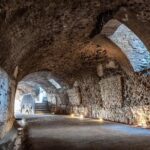


Workshops, compared.
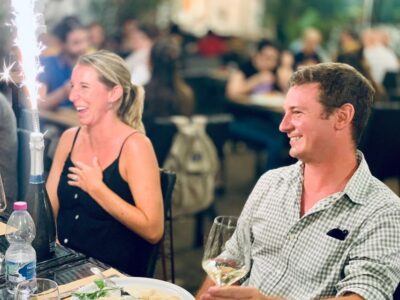 ★ 4.9Pasta & Tiramisu Class with Fine Wine by the VaticanFrom $414,852 reviews
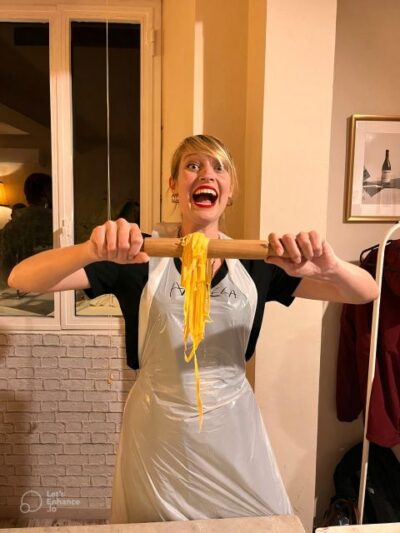 ★ 4.9Pasta Making Class with Wine, Limoncello, and DessertFrom $483,177 reviews
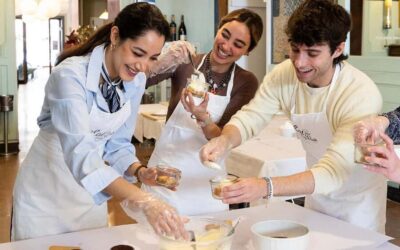 ★ 4.93-in-1 Fettuccine, Ravioli, and Tiramisu Cooking ClassFrom $812,704 reviews
 ★ 4.8Fettuccine Pasta Cooking Class in Rome’s City CenterFrom $462,414 reviews
 ★ 5.0Traditional Pasta with Cocktails Cooking ClassFrom $1002,374 reviews
 ★ 4.8Fettuccine and Tiramisu Cooking Class with WineFrom $672,013 reviews
 ★ 4.8Pasta & Tiramisu Cooking Class near the Spanish StepsFrom $581,395 reviews
 ★ 4.7Traditional Pizza Cooking Class near Piazza NavonaFrom $461,241 reviews
Browse the lists this tour appears in