
Reviewed · COOKING CLASSES
Cooking & eating with Locals in their home kitchen in Rome
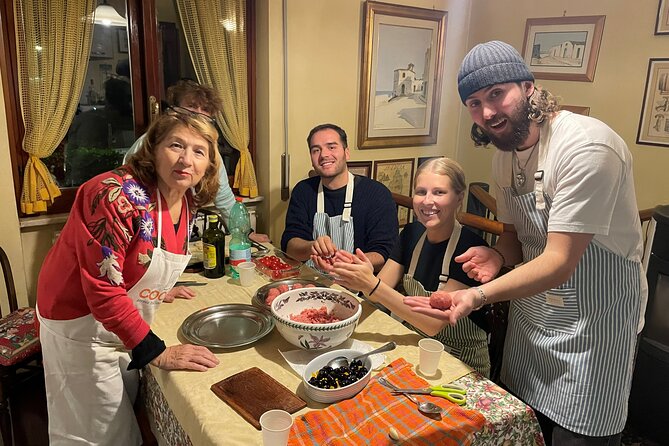
A real dinner lesson starts at home. This 3-hour Rome cooking experience puts you in a family kitchen, where you prep traditional Roman dishes and then sit down together to eat with wine. I love that it is not a scripted show, it is hands-on cooking, conversation, and a proper meal. The main drawback to consider is that the day is structured around a set menu, so you’ll want to message ahead if you have specific allergy needs or want to learn a very particular technique.
Two things I like a lot are the family-led welcome and the way the meal ends at the dining table, not under fluorescent lighting. You also get wine (or non-alcoholic drinks) plus dessert with coffee and bitters, which turns it into an evening meal, not a snack-and-learn class. One possible consideration is pacing: you are doing cooking and then eating, so it is best if you are comfortable spending time in one place and following the flow of the household.
Key highlights before you go
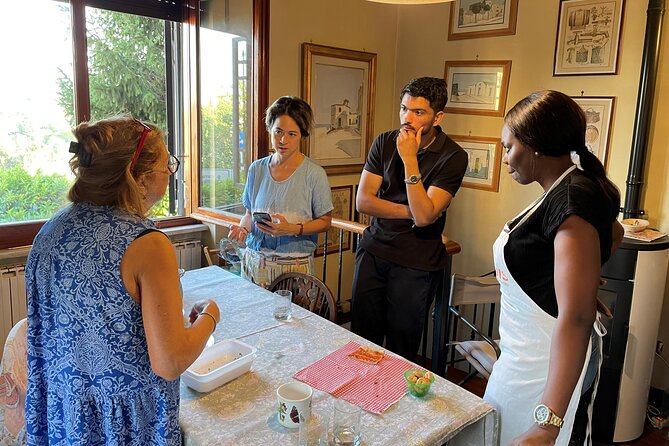
- Hands-on cooking in a real Roman home kitchen with the family actually involved
- Traditional Roman pasta taught and made as part of the meal
- Wine or non-alcoholic beverages plus a simple dessert and coffee with bitters
- Private format so your group stays together for the full experience
- English support, with the family adapting through conversation and translation as needed
- Flexible menu adjustments for allergies or specific requests when you message ahead
A home-kitchen Rome meal, not a demo
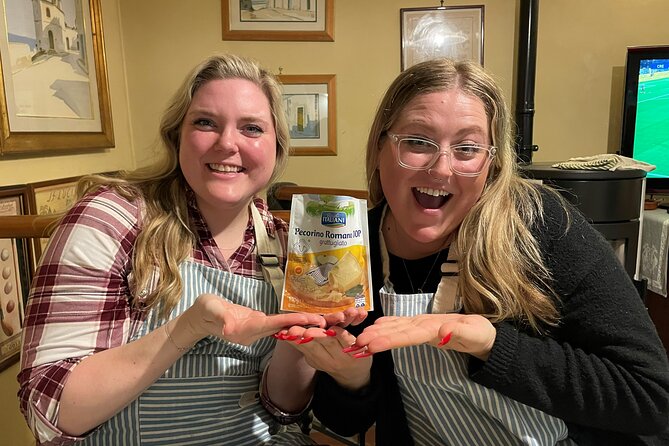
This is built around a simple idea: you cook, then you eat like the family does. In the home kitchen, you help prepare the starter, learn the pasta steps, and get involved with the main course using Italian traditions. After that, the food comes to the table and the evening shifts from work to lingering conversation.
I like the fact that it is not just about what you eat, it is about how a family actually prepares it. You get practical, repeatable lessons that make sense in your own kitchen back home. And since the meal is shared, you’re not trying to cram everything into quick photos and headsets.
You can also read our reviews of more cooking classes in Rome
What the evening looks like, from meeting to dessert coffee
Your experience runs about 3 hours, and it ends back at the meeting point. There is no separate tour around town, the focus stays in the home and around the meal.
Here is the structure you can expect.
1) Meet at Via Giovanni Aretusi, 00188 Roma
The meeting point is Via Giovanni Aretusi, 00188 Roma RM, Italy. It is near public transportation, so you have options if you want to arrive on your own. If you prefer less hassle, pickup is available from your place to their home, priced at advantageous rates.
One practical tip: pick a meeting point plan that matches your energy level. If you arrive tired or juggling kids, pickup can turn the start into an easy win.
2) Cook the starter based on the season
The starter is described as a traditional Italian appetizer, and it varies depending on what is seasonal. That matters because seasonal cooking is one of the biggest differences between restaurant food and home food in Italy. You’re likely to see ingredients and flavor combinations that make sense for the time of year, not just a fixed tourist menu.
Also, if you tell them you want to learn something in particular, they are open to adjusting what you make. The kitchen is where you will actually connect ingredients to method.
3) Make Roman pasta the traditional way
The main pasta course is Roman pasta, following Italian traditions. In other words, you are not making something generic called pasta just because it tests well. You’re building the dish with the logic of Roman cooking, and that usually means learning timing, texture, and how the sauce and pasta interact.
This part is one of the reasons people love the experience so much: it is both practical and genuinely local. When you know how Roman pasta is put together, you can recreate the flavors much more easily later.






4) Finish with a meat or fish main
After pasta, you move to the second main, which is meat or fish cooked following Italian traditions. Like the starter, this one can vary, and the goal is to keep it traditional rather than turning it into an international fusion dinner.
If you have dietary needs, this is where speaking up early is especially important. The team is open to adjusting the menu if you message them, but your best results come from sharing needs ahead of time.
5) Dessert with coffee and bitters, plus wine
Once the cooking is done, you all sit down to eat. Wine (or non-alcoholic beverages) is included, and you’ll also have a simple dessert. Dessert comes with coffee and bitters, which is a classic Italian kind of finishing move, not a sad afterthought.
This is also where the experience becomes more than food. In the home environment, conversation flows naturally, and you’re not stuck in a one-note lecture.
The family factor: conversation, warmth, and translation
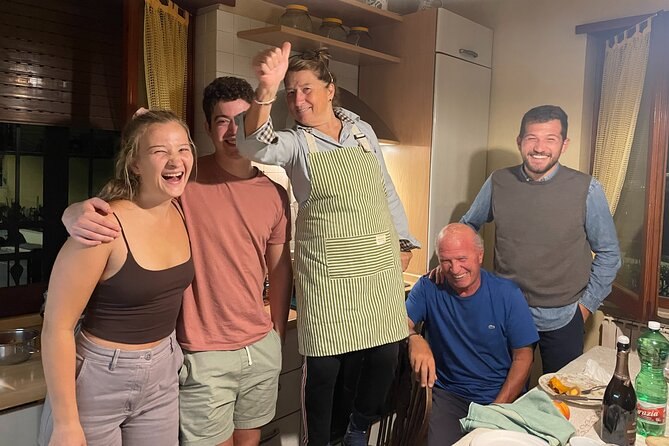
The big strength here is the family-led hosting. Names you may meet include Nicolò, along with Daniela and Mario. In at least one case, they helped with translation so everyone could follow along, which makes a big difference when cooking instructions include small details.
You should also know that the evening feels like dinner with people who actually enjoy sharing it. One common thread in the experience is that you feel welcomed quickly, even with a language barrier.
If you’re the type who likes asking questions, bring them. You’ll get better answers when you ask about cooking choices, ingredients, and why they do things a certain way.
Price and value: what $108.37 buys you
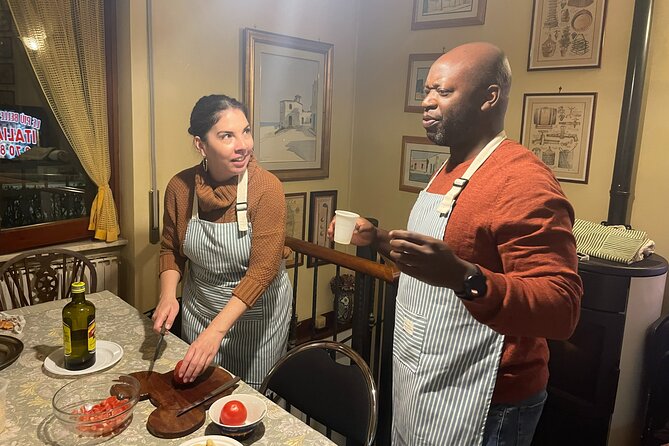
At $108.37 per person for around 3 hours, this is not a cheap ticket. But it also is not just a classroom activity. You’re paying for a private, home-based cooking session, a full meal, and included drinks, with the host group actually preparing and sharing the table with you.
Think of what is included based on the format:
- Starter, pasta main, and a meat or fish main
- Wine or non-alcoholic drinks
- Dessert plus coffee and bitters
- A private group experience in English
If you compare that to a group cooking class plus dinner afterward, the value can look much better. The pricing also makes more sense for small groups, because you get one-to-one kitchen attention and a real meal, not just a tasting.
Private format is a big deal in Italy. You’re not fighting for elbow space, and you can ask more detailed questions without feeling like you’re slowing everyone down.
Pickup, location, and how to plan your arrival
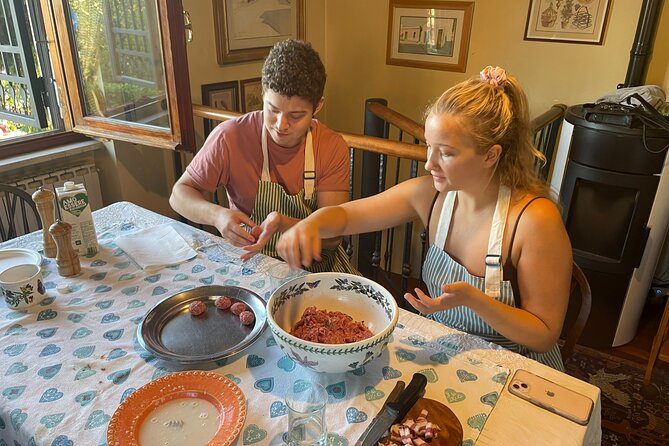
They offer pickup from your place to their home at advantageous rates. They also note that the location is near public transportation. That gives you a practical choice: use pickup if you want an easy start, or take transit if you prefer to explore on your own first.
Your end point returns you back to the meeting point. In some cases, people have reported a drop-off near major sights like the Pantheon afterward, but that is not something to assume every time. Plan to be comfortable finishing the night at the meeting point or close by, and treat any extra convenience as a bonus.
Because this is a private tour, it is designed for your group only. That matters for logistics like pacing and communication, and it keeps the evening comfortable.
Menu flexibility for allergies and special requests
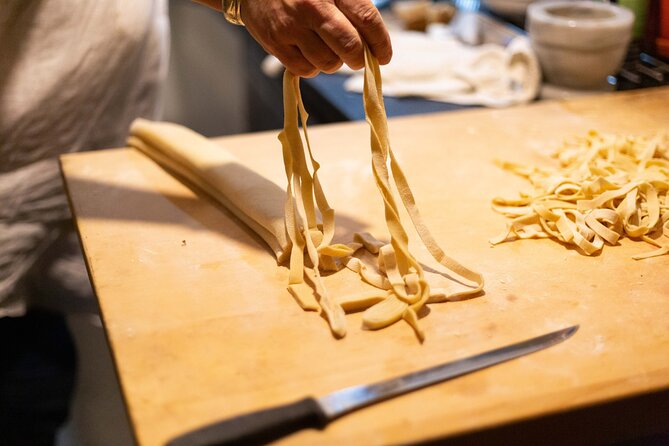
The menu is built around traditional components, but the hosts are open to adjusting it if you message ahead with allergies or if there’s something you’d rather learn. That is crucial because many cooking experiences say they can handle needs, but they cannot actually redesign a menu in a meaningful way.
From what is described, the approach is collaborative. You tell them what you need, and they adapt while keeping the meal Italian and family-style. If you are planning a vegan meal, a strong allergy, or a specific ingredient restriction, contact them early so you get the best shot at a smooth evening in the kitchen.
Who this experience is best for
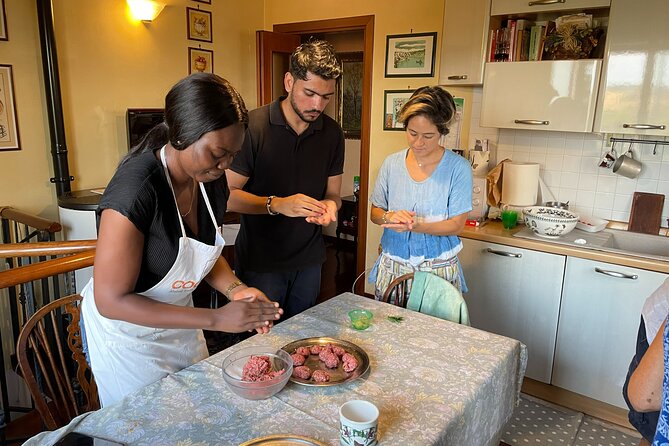
This is especially good for you if:
- You want Roman food you can repeat, not just a one-time tasting
- You like family interaction and practical instruction
- You prefer a private format where your questions can actually get answered
- You want a dinner plan that feels local, not like a tour bus stop
It might be less ideal if:
- You only want a cooking class and do not want to spend time eating together
- You have very complex dietary restrictions and have not messaged ahead
- You dislike spending the evening at one location
If you are deciding between a pasta class downtown and a home kitchen experience, this one tends to win on warmth and meal value.
Should you book this Rome cooking evening?
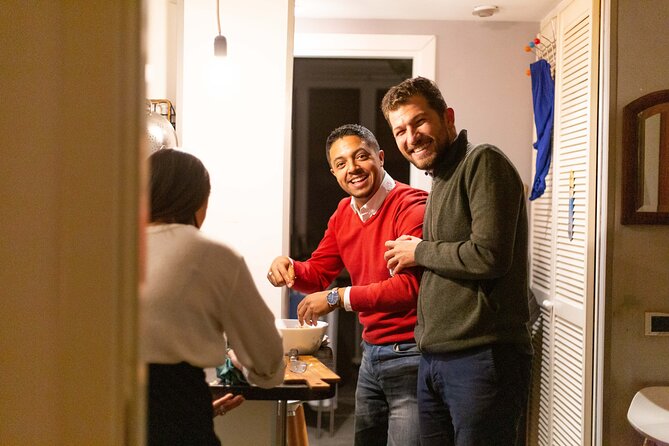
I think you should book if your trip includes a wish list item like learning Italian technique in a real kitchen, then eating like you belong there for a couple of hours. For the money, the value comes from the full meal, the included wine or non-alcoholic drinks, and the fact that the hosts make it feel personal.
Skip it if you want a very structured curriculum with lots of recipes written out, or if you are looking for a wide-ranging tour across several neighborhoods. This experience is focused, which is exactly why it works.
If you do book, send a message with dietary needs and what you want to learn. That is how you turn a good evening into the kind you remember for years.
FAQ
How long is the cooking and eating experience?
It lasts about 3 hours.
What is included in the meal?
You’ll cook and then share a meal that includes a starter, a pasta main (traditional Roman pasta), a meat or fish main, and dessert with coffee and bitters. Wine or non-alcoholic beverages are included.
Is pickup available?
Yes. Pickup from your place to the home kitchen is available at advantageous rates.
Is this tour private?
Yes. It is private, and only your group participates.
Where does the experience start and end?
It starts at Via Giovanni Aretusi, 00188 Roma RM, Italy, and it ends back at the meeting point.
Is the experience offered in English?
Yes, it is offered in English.
Do I get a mobile ticket?
Yes. A mobile ticket is offered.
Can the menu be changed for allergies or dietary needs?
The hosts are open to adjusting the menu if you message them in advance.
What if I need confirmation after booking?
Confirmation is received at the time of booking.
What is the cancellation policy?
You can cancel for free up to 24 hours in advance for a full refund. If you cancel less than 24 hours before the start time, the amount you paid is not refunded. The experience also has a minimum traveler requirement, so in some cases it may be canceled and you would be offered a different date or a full refund.
More Cooking Classes in Rome

More Tour Reviews in Rome



Not for you? Here's more nearby things to do in Rome we have reviewed












Cooking Classes, compared.
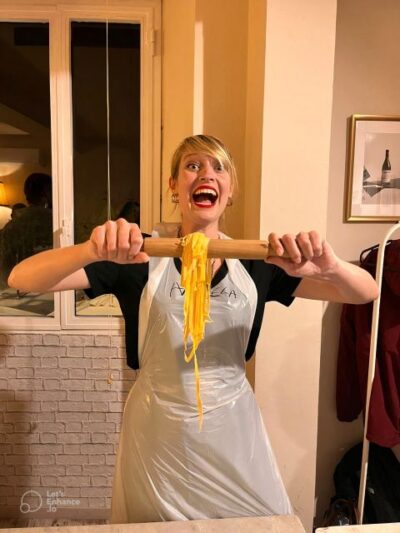 ★ 4.9Pasta Making Class with Wine, Limoncello, and DessertFrom $483,177 reviews
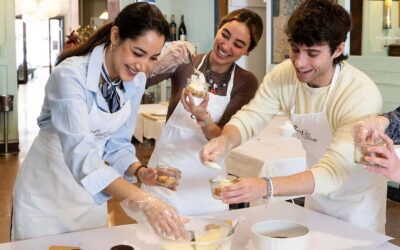 ★ 4.93-in-1 Fettuccine, Ravioli, and Tiramisu Cooking ClassFrom $812,704 reviews
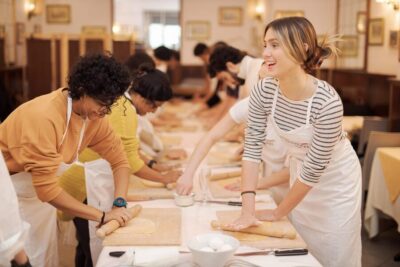 ★ 4.8Fettuccine Pasta Cooking Class in Rome’s City CenterFrom $462,414 reviews
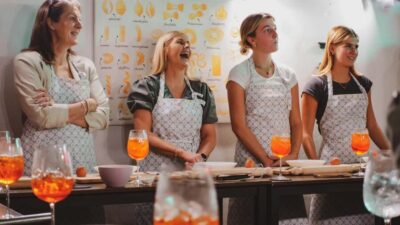 ★ 5.0Traditional Pasta with Cocktails Cooking ClassFrom $1002,374 reviews
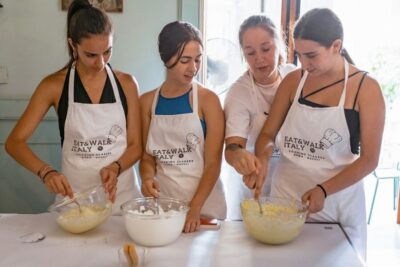 ★ 4.8Fettuccine and Tiramisu Cooking Class with WineFrom $672,013 reviews
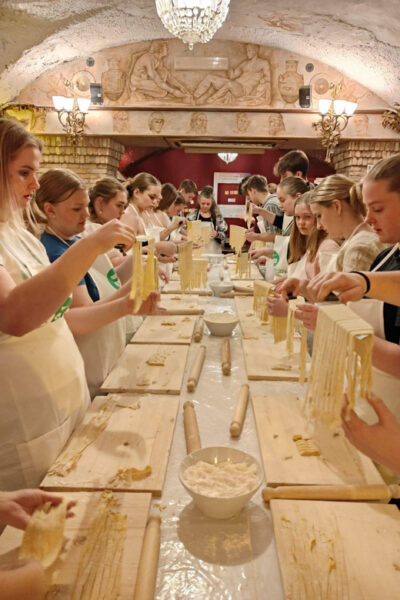 ★ 4.8Pasta & Tiramisu Cooking Class near the Spanish StepsFrom $581,395 reviews
 ★ 4.7Traditional Pizza Cooking Class near Piazza NavonaFrom $461,241 reviews
 ★ 4.9Pasta Making with Wine Tasting and Dinner in FrascatiFrom $35979 reviews
Browse the lists this tour appears in