
Fresh pasta beats Rome souvenir photos. You learn authentic Roman techniques and sauces like Carbonara and Cacio e Pepe in a real hands-on class, not a demo. I especially like the small-group feel and the fact you leave with recipes you can actually repeat.
A possible drawback: you will be cooking, mixing, shaping, and tasting, so this is not a sit-and-watch activity.
What makes it work well is the teaching style. In classes run by instructors like Francesca or Michela, you get step-by-step guidance and lots of practical feedback, in English. Expect a friendly room, quality local ingredients, and a lunch-style meal built from what you make.
Key things to know before you go
- Roman pasta shapes: You’ll make fresh dough and typical Roman forms like tonnarelli.
- Real sauce skills: Carbonara, Amatriciana, and Cacio e Pepe, guided from start to finish.
- Tasting plus drinks: Wine (red and white), soft drinks, and water are included with your meal.
- Take-home recipes: You get instructions so you can recreate the dishes later.
- Personal attention: Even if the activity caps at 50, the experience often runs as a small group (sometimes very small).
Roman Classics in 3 Hours: What You Actually Make
This class is built around the Roman approach to pasta, where the focus is simple ingredients done with care. You start with dough, you shape it, then you turn it into a proper plate using classic sauces that Romans actually make at home and for regular meals, not just for tourists.
In practical terms, the hands-on part matters. If you’ve ever eaten great Carbonara and thought I should learn that, this is the path. You’ll work through the steps of fresh pasta, then connect those dough choices to how the sauce clings and how the final dish tastes.
And you’re not stuck with one dish. The class is designed to teach you multiple Roman sauces, so you don’t leave knowing only one recipe. That is a big value boost, because you get more cooking technique per hour.
You can also read our reviews of more cooking classes in Rome
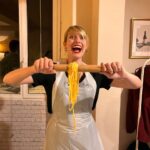
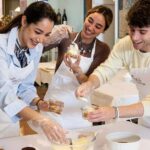

Carbonara, Amatriciana, and Cacio e Pepe, Roman Style
You’ll learn three signature Roman flavors: Carbonara, Amatriciana, and Cacio e Pepe. Each one is a lesson in restraint, because Roman cooking leans on a few strong ingredients instead of lots of complicated steps.
Here’s why that helps you as a cook:
- When you learn Carbonara, you learn how to handle eggs and cheese so the sauce turns silky instead of turning into a mess.
- When you learn Amatriciana, you learn how to balance a tomato base with savory richness, and how to build flavor without overcomplicating it.
- When you learn Cacio e Pepe, you learn how to make a sauce centered on pecorino and black pepper, where timing and texture matter.
The class also emphasizes typical Roman shapes like tonnarelli, which are made to work with these sauces. That sounds like a detail, but it’s a real difference. The shape affects how sauce sticks and how each bite feels.
Some variations can show up depending on the class flow, and you might see added dishes like tonnarelli pesto or ravioli with red sauce in certain sessions. The key point for you is that you get a Roman-centered skill set, not a generic pasta sampler.
The Cooking Flow: What Happens During the Class
You should plan for a smooth, structured rhythm over about 3 hours. While the exact minute-by-minute schedule can vary, the experience consistently follows the same core arc: pasta hands-on work, then sauce work, then the tasting meal.
Typically, you’ll do things in this order:
- You start at the meeting point in Rome and settle in with your group.
- You prepare fresh pasta dough and shape it into a Roman form like tonnarelli.
- You move to the sauces, where the chef guides you through how to assemble and finish Carbonara, Amatriciana, and Cacio e Pepe with quality local ingredients.
- Then you eat what you made, which is the point. You don’t just cook, you taste, so you can understand what each decision changes.
This timing makes the class feel less like a workshop and more like a meal with instructions. For beginners, that matters. It’s easier to remember steps when you’re tasting the results as you go.
One practical tip: wear clothes you don’t mind getting a little messy. Pasta dough is flour and stickiness. It’s not a dramatic mess, but it’s enough to make a clean outfit feel optimistic.
Your Instructor Matters: Names Like Francesca and Michela
The strongest theme from the way these classes are run is coaching. The guide is licensed or certified, and the class is offered in English. That combination matters because pasta is not only about technique. It’s also about knowing what the instructor wants you to do with your hands, not just hearing a recipe.
In real-world class experiences, instructors named Francesca and Michela show up as favorites. What they seem to do well is explain the why behind the steps, then help you correct small mistakes quickly.
You’ll likely benefit from that style if:
- You’re new to pasta and want confidence, not confusion.
- You can cook a little already, but you want Roman technique that matches what you’re tasting in Rome.
- You enjoy asking questions and getting an actual answer, not a rushed one.
Group size also plays a role. Many sessions run as a small group, sometimes just a couple of people, which means more time for your questions and more personal feedback as you shape and sauce your pasta. If you prefer a social atmosphere, small groups still feel friendly, but not loud.
Drinks, Tasting, and the Meal You Get to Eat
This is not just a tasting at the end. The beverages are part of the overall experience. Bottled water, soda or pop, and alcoholic beverages are included.
You can also expect fine wine, with both red and white served as part of the class experience. That makes a big difference in comfort. If you’re paying to learn and eat, having drinks included keeps the meal from feeling like a separate, overpriced add-on.
In the tasting portion, you’ll eat the dishes you prepared. That’s honestly the best way to learn pasta. You can taste the difference between a well-made sauce and a sauce that’s slightly off, and then you can connect it to what you did with your hands.
Also, because the class is set up in Rome and centered on local ingredients, the meal doesn’t feel like a generic cooking class in a kitchen far from the city. It tastes like the dishes you’re trying to understand while you’re sightseeing.
If you like pairing food and wine, you’ll likely enjoy the relaxed pace once you start eating.






Where You Meet and How to Plan Your Time
The meeting point is Italian cooking classes in Rome at Piazza Margana 21, 00187 Roma. The activity ends back at the meeting point.
This location matters because it puts you in a central Rome area where you can combine the class with other plans before or after. You won’t need to figure out complicated routing during the session. You just show up, cook, eat, then head back out.
Because private transportation is not included, you’ll need to handle getting there on your own. The good news is it’s near public transportation, so you can plan around buses or metro without needing a car.
For scheduling, think of this as a real meal window. Arriving slightly hungry helps you enjoy the tasting. Arriving starving can make you rush your own cooking, so aim for comfortably hungry.
Price and Value in Rome: Is $106.65 Worth It
At $106.65 per person for roughly 3 hours, this class competes with plenty of Rome options, including dinner at a popular restaurant. The question is value, not just cost.
Here’s what you’re paying for, based on what’s included:
- Instruction from a chef or licensed guide.
- Ingredients and equipment to make fresh pasta.
- Multiple Roman sauces, not only one.
- Tasting of what you make.
- Wine (both red and white) and soft drinks, plus water.
The take-home recipes are another big value lever. If you only ate the pasta, you’d remember it. If you also learn it and leave with the steps, you can recreate it later at home. That turns one meal into future meals, which is exactly how cooking classes justify their price.
The tradeoff is simple: you need to participate. This is not a passive experience. If you want a guide to do the work while you watch, you’ll enjoy it less.
Who This Roman Pasta Class Fits Best
This class is a strong match if you:
- Are a beginner who wants a genuine, Roman-centered cooking experience.
- Like practical learning where you do the steps, then eat the results.
- Want a memorable Rome activity that feels local, not staged for photos.
- Prefer small group attention rather than big-team assembly lines.
It’s also a great fit for couples on a city break. The vibe can feel personal, especially when the group is very small.
You might want to skip or look for another option if:
- You do not want to cook at all, even briefly.
- You have very strict dietary needs not covered by the class info you have.
- You want a short, purely sightseeing-focused activity.
Should You Book This Roman Pasta Class?
Yes, if your goal is to leave Rome knowing how to make Roman pasta, not just how it tastes. The combination of hands-on pasta shaping, classic Roman sauces like Carbonara and Cacio e Pepe, and a meal you eat with included wine makes the class feel like real value for money.
Book it especially if you’re the type who saves recipes, cooks at home, and wants the steps to be clear. And if you’re traveling in English, the language offering keeps things easy.
If you want to turn one great Roman lunch into skills you can repeat later, this is the kind of class worth making space for.
FAQ
How long is the Roman pasta class?
It lasts about 3 hours.
Where does the class meet in Rome?
The meeting point is Italian cooking classes in Rome, Piazza Margana 21, 00187 Roma.
What’s included with the class besides cooking?
You’ll taste the dishes you prepare, and beverages are included. Bottled water, soda or pop, and alcoholic beverages are included.
Is the class offered in English?
Yes, it is offered in English.
What dishes will I learn to make?
You’ll learn classic Roman recipes such as Carbonara, Amatriciana, and Cacio e Pepe, with hands-on fresh pasta preparation including Roman shapes like tonnarelli.
Is transportation included?
No. Private transportation is not included.
Do I get recipes to take home?
Yes, you receive recipes after the class so you can recreate the pasta dishes later.
How many people can be in the activity?
The activity has a maximum size of 50 travelers. The class can feel small and personal depending on the group.
Should I book if I want a hands-on experience?
If you want to cook and eat what you make, this class is designed for that and is especially beginner-friendly.
More Cooking Classes in Rome

More Tour Reviews in Rome



Not for you? Here's more nearby things to do in Rome we have reviewed












Cooking Classes, compared.
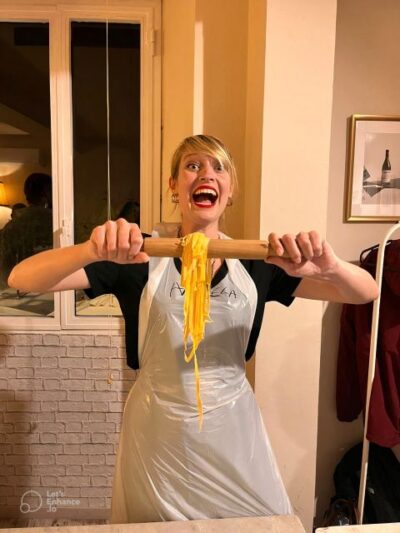 ★ 4.9Pasta Making Class with Wine, Limoncello, and DessertFrom $483,177 reviews
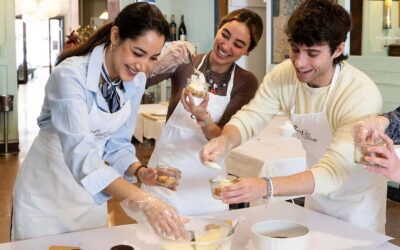 ★ 4.93-in-1 Fettuccine, Ravioli, and Tiramisu Cooking ClassFrom $812,704 reviews
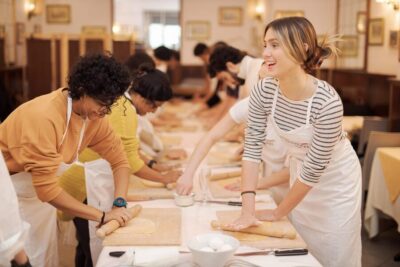 ★ 4.8Fettuccine Pasta Cooking Class in Rome’s City CenterFrom $462,414 reviews
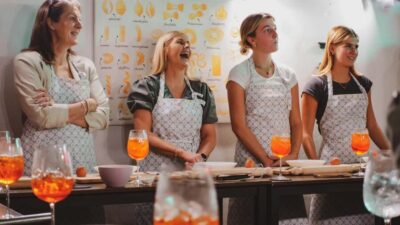 ★ 5.0Traditional Pasta with Cocktails Cooking ClassFrom $1002,374 reviews
 ★ 4.8Fettuccine and Tiramisu Cooking Class with WineFrom $672,013 reviews
 ★ 4.8Pasta & Tiramisu Cooking Class near the Spanish StepsFrom $581,395 reviews
 ★ 4.7Traditional Pizza Cooking Class near Piazza NavonaFrom $461,241 reviews
 ★ 4.9Pasta Making with Wine Tasting and Dinner in FrascatiFrom $35979 reviews
Browse the lists this tour appears in