
Reviewed · WORKSHOPS
Rome For Kids: Small Group Pizza Making Class
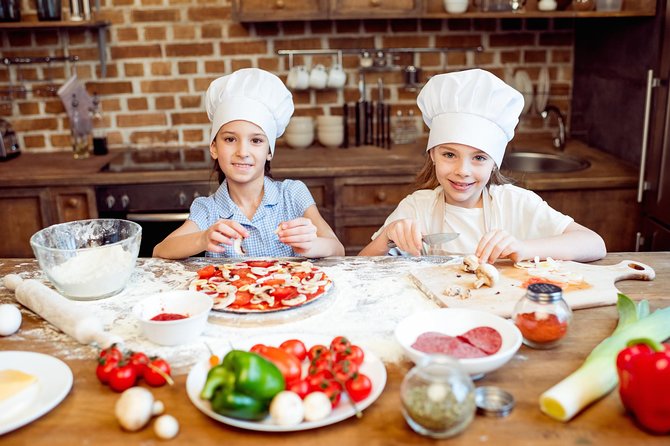
Pizza class in Rome where kids make the dough. Hands-on dough work happens right in a real restaurant kitchen, with a pizzaiolo guiding you from first knead to wood-fired bake.
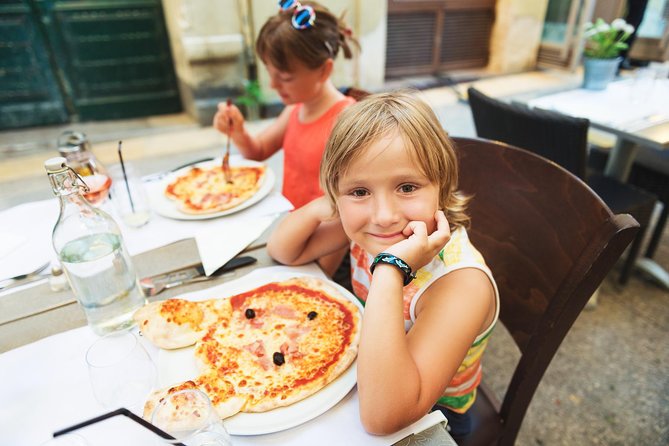
I especially like that you end by eating your own pizza hot, along with the class meal and drinks that are built for families. One possible drawback: some sessions can run very hot in the cooking room, so plan for warmth, especially in summer.
Key highlights for families
- Small group size (max 10), which means more real attention and less waiting around
- Near Piazza Navona, an easy jump-off point for central Rome days
- Professional instruction on shaping and topping pizza, taught by chefs like Luca, Chef Hassan, Simone, Chef Cleo, and Chef Anna
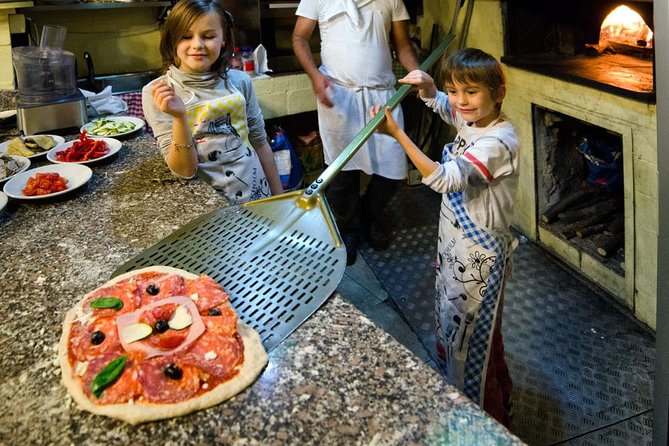
- Wood-burning oven baking, so your pizza comes out hot and properly cooked
- Family meal built in, including beverages and wine (with kid-friendly options reported) plus dessert
Where You Start: Piazza Navona to Piazza Pasquino Kitchen
You meet in Rome’s historic center near Piazza Navona, then walk to the restaurant kitchen in Piazza Pasquino. It’s a practical setup for a family day, because you’re already in the middle of the action and you are not relying on buses or complicated transfers.
The class runs inside Ristorante Pizzeria Pasquino, so you’re stepping away from the street and into the work zone. That matters because a hands-on pizza class is only fun if you actually get access to the stations, dough, and oven area, not just a quick demo and a photo.
Also, this experience is designed for English-speaking groups, so kids and parents can follow along without guessing. For most families, the biggest “logistics win” here is keeping everything close by, while still doing something that feels like real Rome.
A few more Rome tours and experiences worth a look

The Pizzaiolo Lesson: Dough Kneading, Shaping, and Stretching
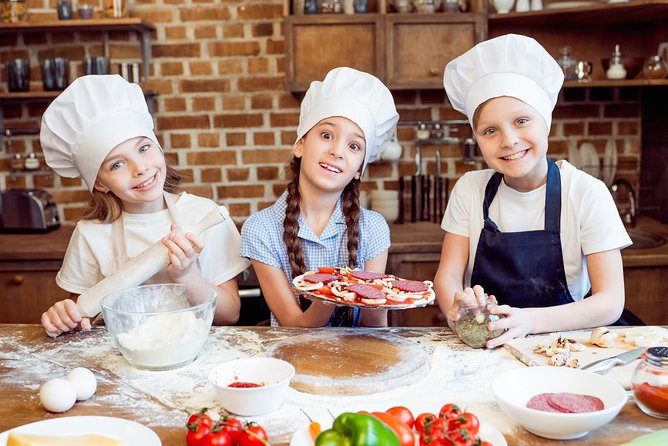
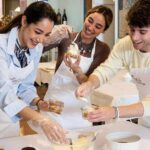
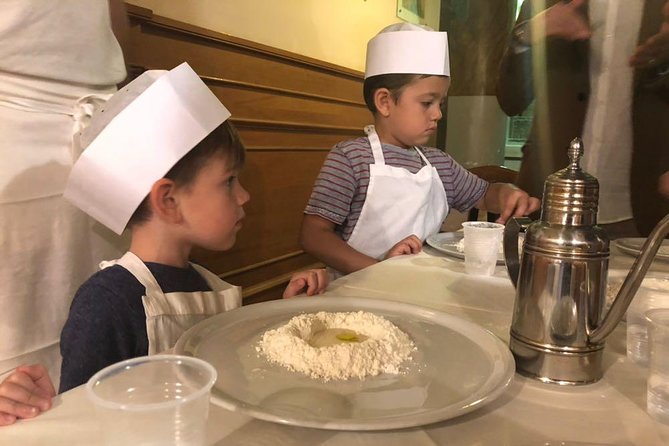
The heart of the experience is the dough work. You don an apron, roll up your sleeves, and learn how to knead and shape pizza dough into something that bakes with the right crust texture.
What I like about this approach is that it teaches the skills behind the end result. You’re not just assembling ingredients. You learn what dough should feel like and how it’s handled before toppings, which is the kind of takeaway that actually helps you later when you try pizza at home.
Based on how the class is described and how chefs teach in this setting, expect a step-by-step flow: dough prep and forming, then stretching or shaping guided by the chef. Kids usually get meaningful involvement too, even if some steps are handled by the kitchen team to keep things moving toward oven time.
And yes, the “why” is part of it. A good pizzaiolo wants you to understand the process, not just copy the motion.
Toppings and Kid Participation: Who Does What in the Kitchen
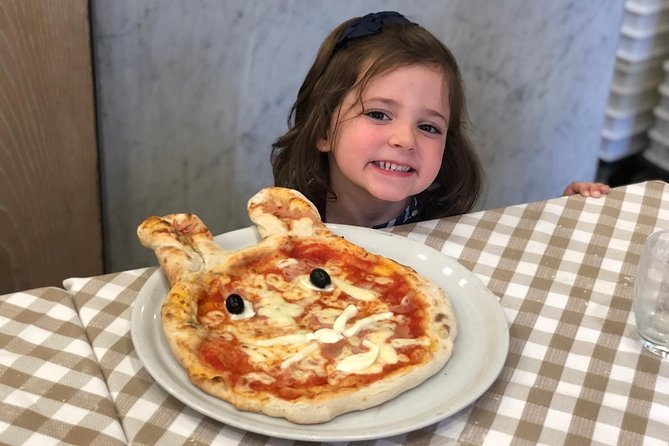
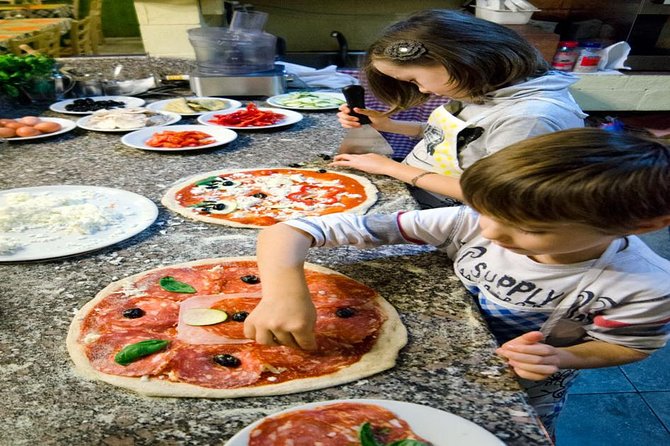
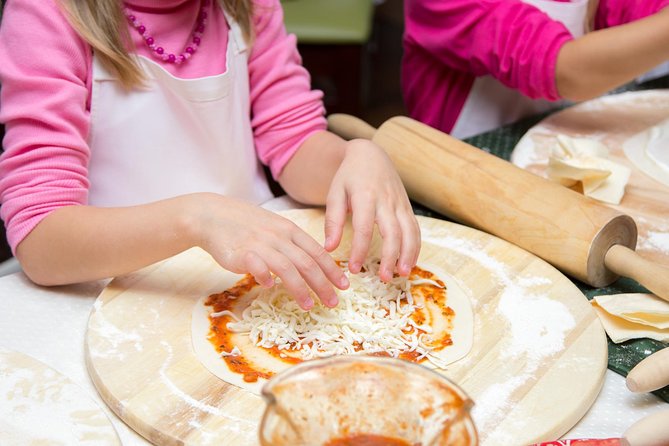
Pizza is a family decision, so the toppings are where the room turns into a lively workshop. You’ll add toppings with the chef’s guidance, and children can participate rather than being stuck on the sidelines.
In practice, kid involvement can vary with age and the group flow. Young kids may do hands-on tasks that are safe and simple, like mixing or portioning ingredients, while older kids can take on more of the dough shaping and topping choices. In one example, a session used pre-risen dough and focused energy on stretching and assembly, which is smart because it keeps the kids engaged and prevents waiting around.
Parents usually enjoy that the chefs and staff keep things moving while still giving kids a sense of ownership. If you’re traveling with a kid who loves cooking, this is the kind of activity that gives them a real role, not just a pretend one.
Wood-Burning Oven Moment: Watching Your Pizza Bake
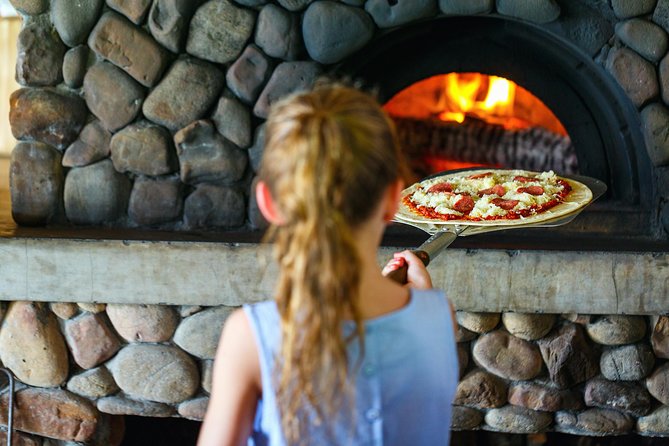
The oven part is the payoff. After shaping and topping, your pizza goes into a traditional wood-burning oven. That’s not just for drama. Wood-fired heat tends to cook pizza in a way that feels distinctly Italian, with the crust developing real character.
Timing matters here. You spend around an hour learning, then you get to bake and eat. The goal is that final bite is still hot, so the class ends with the satisfaction of making something you can taste immediately.
One detail to keep in mind: oven heat and kitchen temperature are real. Even if the oven is the star, the room you bake in can be warm or even uncomfortable during some sessions. If heat makes you grumpy, pack light clothing and be ready to sweat a little for the best reward: your own pizza.
Eating Together: Beverages, Wine, Dessert, and What Kids Get
The class includes a meal component: dinner or lunch plus dessert, along with beverages. Wine is included as well, and alcohol follows the minimum drinking age of 18.
What surprised me in the feedback is how family-friendly the drink plan seems to be. Adults can get wine, while kids may be offered alternatives like orange juice in place of alcoholic drinks. Some sessions also include extras reported by families, such as prosecco for adults and kid substitutions, or items like bruschetta depending on how the meal rounds out.
Limoncello also shows up in some descriptions, which fits the Rome dinner rhythm. The key point for you: the class is not only “pizza-making.” It’s also a sit-down eating moment that keeps the kids occupied through the end, instead of rushing out after the oven.
Dessert is part of the included package, so plan to finish the class as a full family meal rather than a quick snack stop.




Price and Value: $116.54 for a Small Group Class in Central Rome
At $116.54 per person, you’re paying for three things at once: instruction, access to a real kitchen and oven, and a packaged meal. In Rome, where many activities charge separately for guides, tastings, and entry-like experiences, bundling all of it can feel like good value.
You also get a maximum of 10 travelers, which matters more than you might think. Bigger groups usually mean shorter teaching time and less kid involvement. Here, the small size is what lets a chef correct dough handling, help with shaping, and still get every pizza baked.
Another value point: transportation is not included, but the meeting spot is very central. That can lower your total day cost, because you can often walk or use nearby public transit without paying for taxis.
Is it expensive? It’s not cheap. But for a family cooking class that ends with a wood-fired meal you made yourself, the structure feels closer to a memorable experience than a simple ticketed activity.
Timing and Location Changes: Staying Flexible Without Stress
A couple of families have described occasional confusion around meeting details or location changes. In one case, a late arrival meant missing part of the class, and the operator worked to reschedule. In another case, the location was changed without enough advance notice.
You can’t control timing once you’re in Rome, but you can control how you arrive at the meeting point. Give yourself buffer time around Piazza Navona, and confirm the exact meeting instructions close to departure. If your family’s day includes tight museum plans, keep that in mind and avoid stacking back-to-back reservations.
The good news is that when problems do happen, the team has shown a willingness to make it right. Still, I’d treat this class like something you want to reach on time, because the pizza oven schedule does not wait.
Who Should Book This Pizza Making Class in Rome
This is best for families who want something active and hands-on, not another museum slog. Kids who like cooking, and parents who want a calmer day than constant walking, tend to love this format.
It’s also a solid option for mixed ages. Feedback includes everything from preschoolers to school-age kids and even adults who enjoyed learning new pizza skills. The chef-to-kid energy seems to be a big part of what keeps it fun for everyone.
Here’s who might hesitate:
- If your child has very specific dietary needs, make sure you notify the provider in advance. Vegetarian is available, but you’ll want clear confirmation for any other requirements.
- If heat makes you miserable, prepare for a warm kitchen environment. One concern raised was lack of working air-conditioning or poor ventilation, so bring a light change of clothes if that’s your style.
Practical Tips So Your Family Enjoys the Full Class
A few small choices make a big difference with pizza classes in kitchens.
Wear comfortable clothes and closed shoes, since you’ll be inside a working restaurant area. Bring a water bottle if you run hot, because you’re learning, baking, and then eating in a room that can get warm.
If your group includes non-drinkers, remember alcohol is included but wine is tied to the 18+ rule. Kids usually get alternatives, and the staff should guide you, but it’s smart to plan for the kid’s drink as part of your expectations.
If you want a smoother dough-and-toppings flow for kids, lean into the chef’s method instead of trying to take over. This class works best when you let the pizzaiolo guide the “how,” then let your kids make the pizza their own within the parameters the chef sets.
Finally, since the class is English-friendly, it helps to keep questions ready for the chef while you’re in the dough stage. That’s when instruction clicks most for both kids and adults.
Should You Book Rome For Kids Pizza Making?
If you want one unforgettable, hands-on family activity in Rome’s historic center, I think this class is worth your time. The combination of small-group teaching, real wood-fired oven baking, and a finish with your own hot pizza is a strong value package for a family day.
Book it if your kids will enjoy cooking, shaping dough, and choosing toppings, and if you want a break from sightseeing that still feels very Italian. Skip it or plan carefully if your family is sensitive to heat, because some cooking rooms can get uncomfortably warm.
If you line up your schedule with a little buffer time and show up ready to learn, you should walk away with a skill, a meal, and a Rome memory that does not fade after the photos.
FAQ
Where do we meet, and where does the activity end?
You start at Piazza Navona in Rome (00186 Roma RM, Italy) and the class ends back at the same meeting point.
How long is the class?
The duration is about 1 hour and 1 minute, and the experience includes time for baking and eating.
Is the class offered in English?
Yes, it is offered in English.
Is it limited to small groups?
Yes. The maximum group size is 10 travelers.
Does the package include food and drinks?
Yes. The class includes beverages, wine, dinner or lunch, dessert, and the pizza class itself.
What is the cancellation policy?
You can cancel up to 24 hours in advance for a full refund. If you cancel less than 24 hours before the start time, the amount paid is not refunded.
More Workshops & Classes in Rome

More Tour Reviews in Rome


Not for you? Here's more nearby things to do in Rome we have reviewed








Workshops, compared.
 ★ 4.9Pasta & Tiramisu Class with Fine Wine by the VaticanFrom $414,852 reviews
 ★ 4.9Pasta Making Class with Wine, Limoncello, and DessertFrom $483,177 reviews
 ★ 4.93-in-1 Fettuccine, Ravioli, and Tiramisu Cooking ClassFrom $812,704 reviews
 ★ 4.8Fettuccine Pasta Cooking Class in Rome’s City CenterFrom $462,414 reviews
 ★ 5.0Traditional Pasta with Cocktails Cooking ClassFrom $1002,374 reviews
 ★ 4.8Fettuccine and Tiramisu Cooking Class with WineFrom $672,013 reviews
 ★ 4.8Pasta & Tiramisu Cooking Class near the Spanish StepsFrom $581,395 reviews
 ★ 4.7Traditional Pizza Cooking Class near Piazza NavonaFrom $461,241 reviews
Browse the lists this tour appears in