
Reviewed · WORKSHOPS
Rome by Day, Beauty and History Unique Photo Tour and Workshop
One phone, one plan, and Rome looks better. This photo tour and workshop mixes visual storytelling coaching with quick stops at Rome’s most photogenic monuments, squares, and backstreets. You’ll learn how to see like a photographer, not just a tourist.
I like two things most: the smartphone-friendly teaching (no DSLR needed) and the way Giulio gives full attention to your skill level, whether you’re brand-new or chasing sharper results. The main drawback to consider is the pace, plus Rome’s dress rules at churches, so come ready to cover up and walk.
Key Highlights You’ll Feel Immediately
- No DSLR required: iPhone and Android shooters are welcome from minute one
- Hands-on workshop, not lectures: exposure, camera settings, and composition get explained fast
- Small group vibe: the tour caps at 4 travelers for better coaching and calmer pacing
- Iconic Rome plus side streets: you hit big names and then angles most visitors miss
- You can bring non-photographers: spouses or partners can join without slowing the group
- Weather-dependent timing: the experience requires good weather, so you may need flexibility
Smartphone-First Photography Workshop With Giulio
This is a Rome tour built for how most people actually shoot now. The big promise is simple: no DSLR needed, and you can get real photography guidance using your smartphone. That matters, because Rome can overwhelm your brain fast, and a guide who translates camera basics into phone-friendly steps saves you from fumbling for settings.
Giulio’s teaching style, based on how he’s described by past participants, is patient and practical. He talks through what you’re trying to capture, then guides you to adjust rather than just “take more photos.” If you love architecture, street life, or faces in motion, you’ll get a way to frame it that clicks.
And yes, this tour still works if you’re truly serious about photography. The coaching isn’t “only for beginners.” Multiple reviews highlight that he adapts to different skill levels, which is rare when a tour is packed with famous stops.
You can also read our reviews of more historical tours in Rome

A 4-Hour Route That Actually Lets You Focus
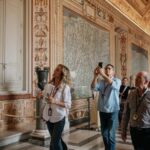
Four hours is the sweet spot for Rome photography. Long enough to learn something useful, short enough that you’re not exhausted before the good light shows up. The itinerary is also structured around quick bursts: you arrive, you shoot, you adjust, then you move on.
The small group size (max 4 travelers) is a hidden advantage. With that setup, Giulio can see what you’re doing and correct small issues quickly, like horizon alignment, contrast choices, or how you position people next to monuments. It feels less like a bus tour and more like a guided walking session that’s tuned to your camera.
You should also know the route is busy. You’re bouncing through major areas on foot, so wear shoes you trust. If you want a slow, sit-down sightseeing day, this might feel like too much.
From Ponte Sant’Angelo Into St. Peter’s Square
The tour starts at St. Angelo Bridge (Ponte Sant’Angelo). That’s a smart start point because it gives you immediate practice: bridges, stone textures, and strong sight lines toward major landmarks. It’s also a great place to learn how to use leading lines and depth, which is key for photographing Rome’s big shapes without turning everything into a flat postcard.
From there, you head into St. Peter’s Square for a focused photo session. You’re set up to take shots of the columned porticos, fountains, sculptures, Swiss guards, and the basilica facade. The key is variety. You’re not just taking one “front view,” you’re getting multiple compositions that tell different stories: wide grandeur, details of symmetry, and street-level human moments.
One practical note: St. Peter’s is all about scale and crowds. Even during a short stop, you’ll want to learn how to time your frames so you don’t get swallowed by motion blur or blocked views.
Castel Sant’Angelo and the Bridge-of-Angels Frames
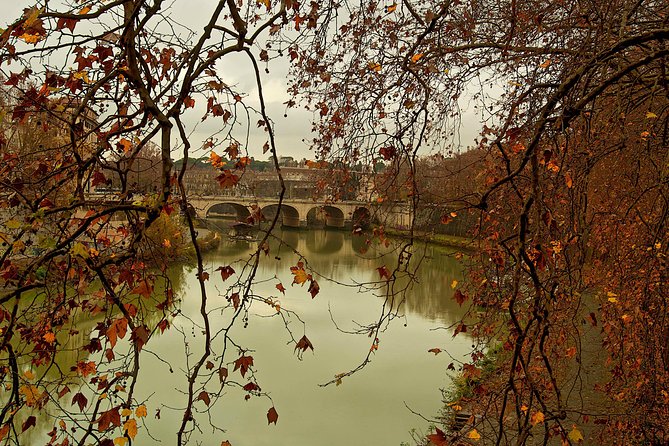
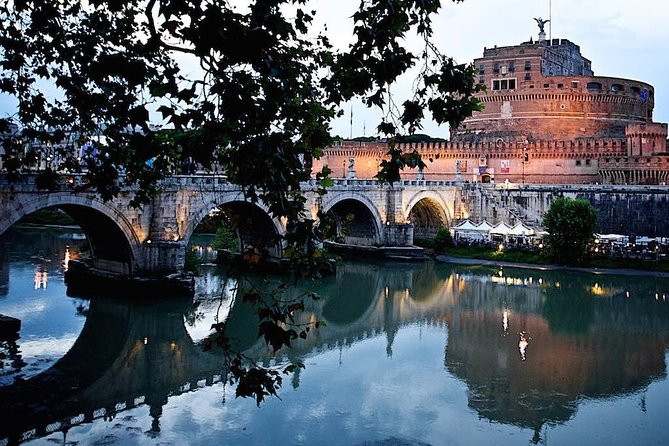
At Castel Sant’Angelo, you get a two-part shooting idea: fortress views and the Bridge of Angels angle, plus photos from the river shores. This is where your new composition skills start paying off fast.
Fortress photography can be tricky because the building is massive and the angles are limited. A good guide helps you avoid “random shots” and instead teaches you how to choose a viewpoint that shows both the structure and the relationship to the bridge. That relationship is what makes the photos look intentional.
If you’re using a smartphone, watch your stabilization. River areas can be windy, and a shaky photo is the fastest way to end the session with disappointment.
Piazza Navona to the Pantheon: People Plus Stone
Two of Rome’s most camera-friendly squares come next.
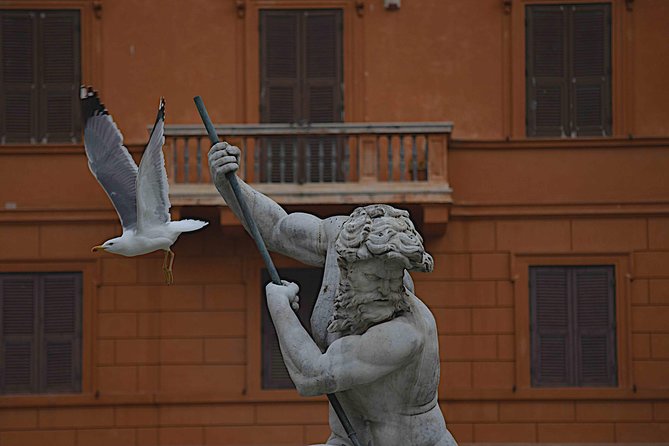
Piazza Navona is ideal for learning storytelling with crowds and fountains. You’ll shoot the square, churches, fountains, and people. The lesson here is balance: too much focus on the fountain can leave your people shots feeling random, and too much focus on people can make the architecture feel like background clutter.
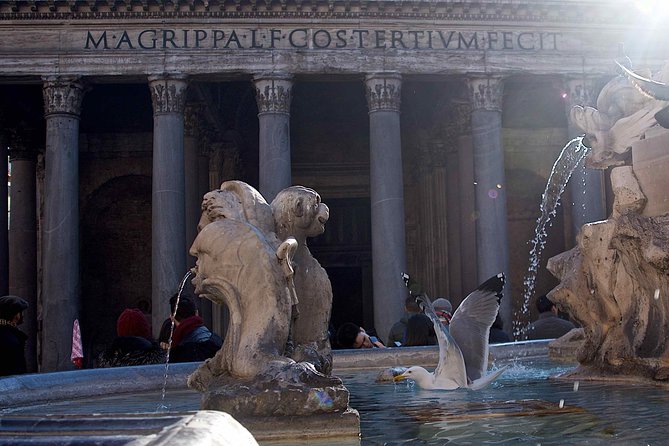
Then it’s the Pantheon area, where you take photos of the square, the fountain, and people. You’ll also work on your outside views of the Pantheon. The Pantheon has a way of turning every shot into a classic if you pay attention to position and light. Even without going inside, it’s a masterclass in how Rome’s proportions work.
A small drawback: these are famous spots. That means more foot traffic. If you want perfectly clean frames, you’ll need patience and quick decisions, like choosing a moment when key elements line up.
You can also read our reviews of more photography tours in Rome
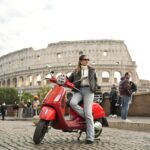
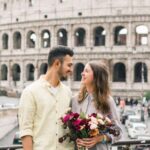
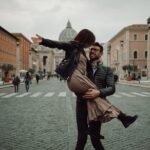
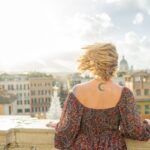
Chiesa di Sant’Ignazio di Loyola and Baroque Detail Control
Next stop is Chiesa di Sant’Ignazio di Loyola, a quick hit focused on sculptures, frescos, and baroque art. This is the kind of church where you can easily lose your photos to blur, glare, or overly dark interiors if you don’t know how to adjust.
The value of a guided photography workshop here is obvious. Instead of guessing, you learn what camera settings make sense and how to compose when there’s a lot to see and too little time. Reviews also point out that Giulio blends photography coaching with real context, which can make you slow down just enough to shoot smarter.
Important practical reminder for churches: dress code rules apply. Knees and shoulders must be covered, and shorts or sleeveless tops can get you refused entry.
Victorian Ala Brasini and Piazza del Campidoglio Views
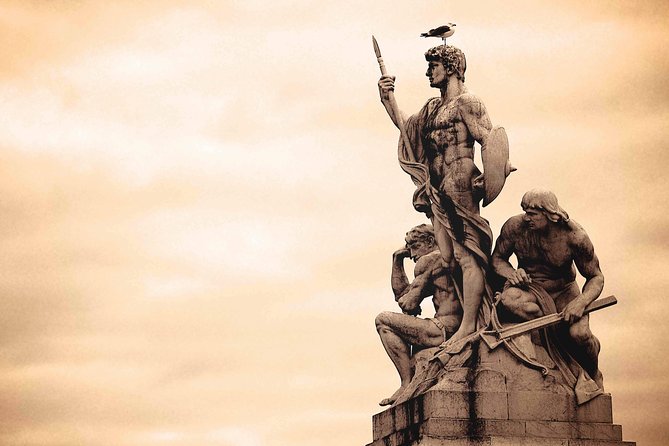
The tour then includes the Complex of the Victorian Ala Brasini, with shots of the monument, sculptures, and Rome skyline views. If you’ve ever tried to photograph a skyline from Rome and ended up with washed-out skies or cramped framing, this is where your guide’s composition advice becomes useful.
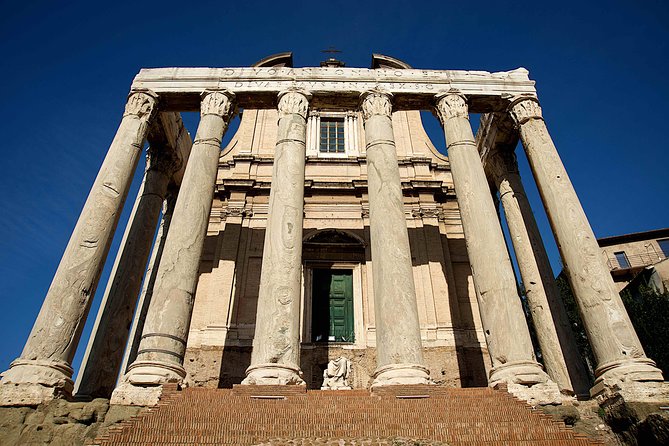
After that, you move to Piazza del Campidoglio, including Michelangelo’s square and the Marco Aurelio statue, plus building facades and a view over Rome. Campidoglio is a geometry playground. The lesson is how to frame a viewpoint so it looks composed, not accidental.
These stops are also a nice mental reset between heavier church and ruins areas. You get open-air shots, wider perspective, and a chance to practice your “wide plus detail” approach.
Mercati di Traiano and Teatro di Marcello Ruins
Rome’s ancient layers are not just for history lovers. They’re also a photographer’s dream if you know how to work angles.
At Mercati di Traiano – Museo dei Fori Imperiali, you’ll focus on ancient ruins, Roman forums area, Trajan’s markets, and the column, plus landscape views (meaning the broader setting you can frame). This stop is about translating ruins into structured images. Instead of photographing “stuff,” you learn how to create a sense of order using lines, arches, and repeated forms.
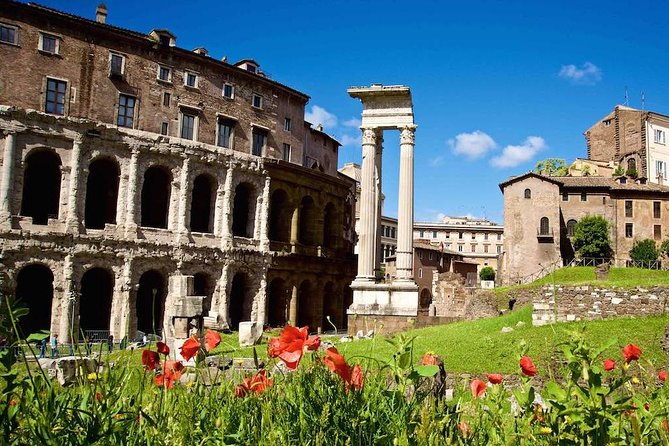
Then you go to Teatro di Marcello, with ancient ruins and the theater itself as the subject. Teatro di Marcello is a great place to practice low and middle-height compositions, because those angles help show the scale and texture without swallowing your photo.
A realistic drawback: ruins often come with uneven lighting. Your eyes adjust fast, your phone camera sometimes does not. Having an instructor on the spot for exposure choices is a real advantage.
Antico Quartiere Ebraico Corners and Campo de’ Fiori Life
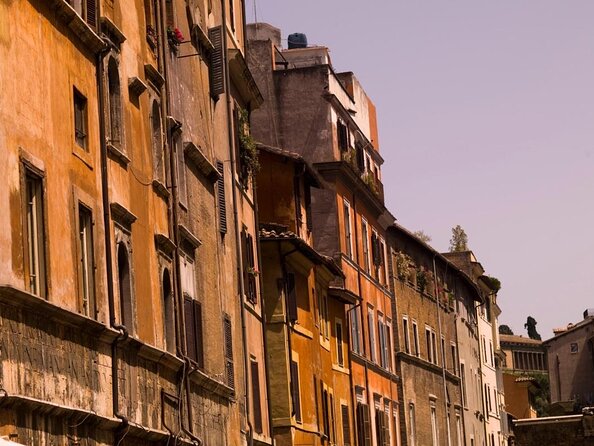
The tone shifts into lived-in Rome at Antico Quartiere Ebraico. You’ll photograph characteristic corners, small alleys, and typical shops. This is where street-level storytelling matters most, because the details are small, but the atmosphere is big.
Then it’s Campo de’ Fiori, focused on a typical Roman market plus alleys. Markets are great for motion, faces, signage, and layers of color. They can also be chaotic for photography if you don’t know how to simplify. Giulio’s coaching helps you pick what to emphasize so your final images feel like a story rather than a “photo dump.”
What You’ll Learn Beyond Taking Photos
This tour is not just “see Rome.” It’s built around practical photo improvement, including visual storytelling, exposure, camera settings, and composition. The goal is to help you take home a set of images that look like you planned them, even if you’re traveling solo or first time in Rome.
From the way Giulio is described in reviews, he also adds a cultural layer that makes photography easier. When you understand what you’re photographing, you tend to frame with more intention. That can mean better angles, faster shooting decisions, and fewer wasted shots.
Here’s what I’d expect you to leave with, in real terms:
- You’ll know what to change when a photo looks too dark or washed out
- You’ll understand how to compose for monument scale without losing details
- You’ll learn how to photograph crowds and people without chaos taking over
- You’ll get a framework for mixing wide shots and close details
Gear, Dress Code, and Weather: The Reality Check
Even though smartphones are welcome, you still need to think like a photographer for a moment. Keep your hands steady, check your lens cleanliness, and be ready to adjust settings when lighting changes quickly.
If you show up with no camera at all, there’s an option: you can rent Giulio’s Nikon gear plus tripods for 50 euros per kit, payable in cash. That’s not for everyone, but it’s a helpful backup.
Dress code is the other big issue. Casual clothing is fine, but for places of worship and selected museums, no shorts or sleeveless tops usually allowed. Knees and shoulders must be covered for both men and women, and you risk refused entry if you don’t meet those rules. This matters on a walking tour, because you might get excited and then hit a doorway that stops you.
Finally, the experience requires good weather. If it’s canceled because of poor weather, you’ll be offered a different date or a full refund.
Price and Value: What $215.69 Buys You in Rome
At about $215.69 per person for roughly four hours, the cost makes sense when you compare what’s included.
You’re paying for:
- A professional photographer guide (not a generic tour guide)
- A hands-on workshop focused on your shooting results
- A route covering iconic spots across multiple neighborhoods
- Admission is noted as free for several stops, with St. Peter’s Square marked as ticket included
- The option to accommodate non-photographing companions
This is also where small-group size quietly affects value. With a cap of 4 travelers, you’re more likely to get direct feedback instead of waiting your turn.
What is not included? Souvenir photos are available to purchase. If you want those, plan extra. If you rented gear, you’ll also handle the cash rental cost.
Is it a bargain? Rome prices can be all over the map. But for a specialized photo workshop that actually teaches you camera basics and composition, it’s a reasonable value, especially if you’ll use what you learn right away that same day.
Should You Book This Rome Photo Tour?
If your main goal is to leave with better photos than your usual “I was there” shots, I think this is a strong choice. The biggest win is that it works for smartphones, and Giulio’s coaching is described as fun, patient, and adjusted to your level. You also get the best mix of Rome icons and lesser-seen angles during a time window that won’t drain your trip.
Book it if:
- You want a photo-focused route, not just sightseeing
- You’re traveling with someone who might not care about photography
- You want real guidance on settings and composition, not vague tips
Skip it if:
- You hate walking between many stops
- You might not be able to follow church dress rules
- You prefer a slow pace with long museum time
FAQ
FAQ
Do I need a DSLR to join?
No. The tour is designed for iPhone and Android smartphone photographers, and it welcomes non-DSLR users.
How long is the tour?
It runs for about 4 hours.
What is the price per person?
The price is listed as $215.69 per person.
Is the group small?
Yes. The tour has a maximum of 4 travelers.
Where does the tour start and end?
It starts at St. Angelo Bridge (Ponte Sant’Angelo) and ends at the Colosseum area (Piazza del Colosseo).
Will I be able to visit churches with the right outfit?
For places of worship and selected museums, you’ll need to cover knees and shoulders. Shorts or sleeveless tops usually aren’t allowed, and you may be refused entry if you don’t comply.
Can non-photographing companions join?
Yes. Arrangements can be considered for non-photographing spouses, partners, and children coming as guests.
What if I don’t have a camera?
If you have no camera, you can rent the guide’s Nikon gears plus tripods for 50 euros per kit, paid in cash.
Is the tour dependent on weather?
Yes, it requires good weather. If canceled due to poor weather, you’ll be offered a different date or a full refund.
More Historical Tours in Rome
More Tours in Rome






More Tour Reviews in Rome

Not for you? Here's more nearby things to do in Rome we have reviewed












Workshops, compared.
 ★ 4.9Pasta & Tiramisu Class with Fine Wine by the VaticanFrom $414,852 reviews
 ★ 4.9Pasta Making Class with Wine, Limoncello, and DessertFrom $483,177 reviews
 ★ 4.93-in-1 Fettuccine, Ravioli, and Tiramisu Cooking ClassFrom $812,704 reviews
 ★ 4.8Fettuccine Pasta Cooking Class in Rome’s City CenterFrom $462,414 reviews
 ★ 5.0Traditional Pasta with Cocktails Cooking ClassFrom $1002,374 reviews
 ★ 4.8Fettuccine and Tiramisu Cooking Class with WineFrom $672,013 reviews
 ★ 4.8Pasta & Tiramisu Cooking Class near the Spanish StepsFrom $581,395 reviews
 ★ 4.7Traditional Pizza Cooking Class near Piazza NavonaFrom $461,241 reviews
Browse the lists this tour appears in