

Reviewed · EVENING EXPERIENCES
Private Evening Walk: Wonders of Rome in English or Spanish
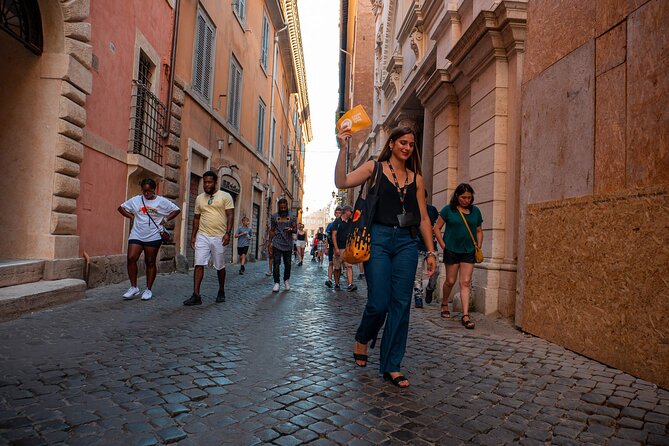
Night Rome tells better stories. This private 2-hour evening walk mixes big-name sights with quieter stops, taking you from Piazza Navona to interiors like the Galleria Sciarra and the Church of the Madonna dell’Archetto. It’s also offered in English or Spanish, so you can follow the legends without guessing.
I really like the pacing for an intro to the city, you get multiple “I’ve seen that in photos” moments plus context that helps them click. And because it runs in the evening, you’re dealing with cooler temperatures and less crush. One consideration, it needs good weather, and during the Jubilee some monuments may be under restoration, so you might see changes.
Key things to know before you go
- Small-group cap of 15 means you can actually hear your guide and ask questions.
- Evening timing helps Rome feel calmer, and the lighting makes landmark details pop.
- Galleria Sciarra + Madonna dell’Archetto give you a break from the usual street-corner sightseeing.
- Icon lineup includes the Pantheon, Trevi Fountain, and Piazza Navona, not just one or two highlights.
- Via dei Fori Imperiali connects modern Rome to ancient Rome through the story of a road built by Mussolini.
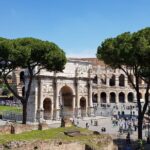
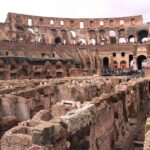
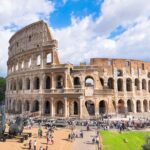
- Finish near the Colosseum so you end with a strong sense of scale and drama.
Evening Rome from Piazza Navona to the Colosseum, why it works
Rome in the day can feel like you’re constantly dodging groups, taxis, and heat. By 6:00 pm, the mood changes. Streets loosen up, church doors are easier to approach, and building facades look sharper under nighttime lighting. This is the main reason I like the idea of doing a highlights walk after dark.
What makes this one feel practical is the mix. You’re not only ticking off famous names, you’re also getting narrative threads that help you understand how the city layers on top of itself. Piazza Navona sets the tone with deep backstory, while later stops like Via dei Fori Imperiali and Trajan’s Column help you connect the “here’s what you see” with “here’s what happened.”
Because the tour is capped at 15, it doesn’t feel like a fast-moving line. In the best moments, the guide keeps turning landmarks into mini stories, and you get enough time at each place to actually look up and around.
You can also read our reviews of more walking tours in Rome


Meeting at Statua di Pasquino, and ending under the Colosseum glow
You start at Statua di Pasquino in Piazza di Pasquino (near public transportation). The tour kicks off at 6:00 pm, and it ends at the Colosseum (Piazza del Colosseo, 1). Expect roughly a 2-hour walk, though some groups may run a bit longer if the pacing and questions take extra time.
This kind of start and finish matters more than it sounds. Meeting at a central, well-known spot helps you avoid travel stress. Ending in the shadow of the Colosseum gives your final viewpoint something tangible. You’re not ending somewhere far away, you’re stepping out into the most famous arena in the city with context already in your head.
Also, it’s private in the sense that only your group participates. That’s a quality-of-life upgrade if you’re traveling with family, friends, or anyone who wants a conversation instead of a lecture.
Piazza Navona after dark: more than an oval of fountains
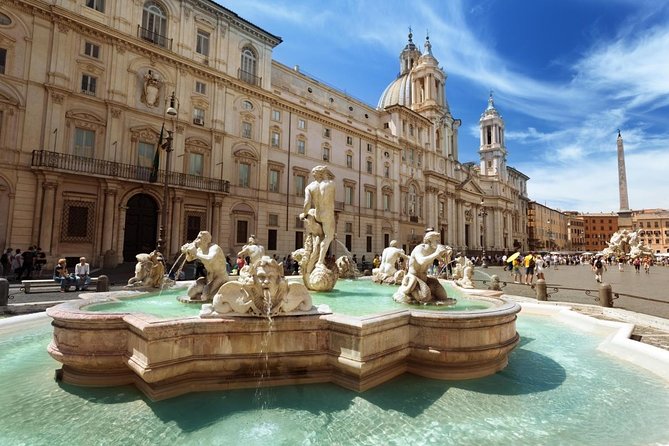
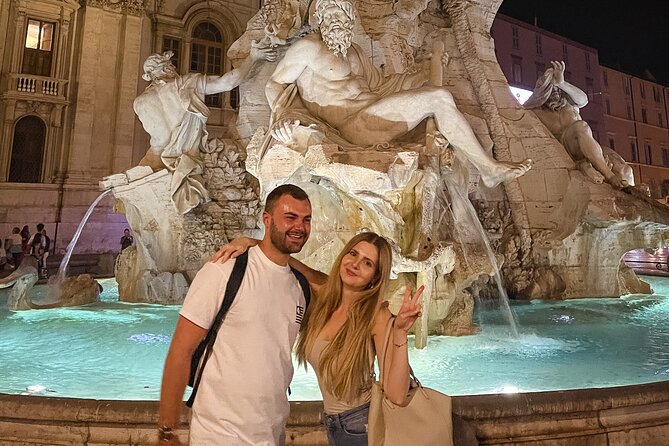
Piazza Navona is the kind of place that can look like a postcard even when it’s crowded. In the evening, it shifts from spectacle to stage. Your guide starts here for about 15 minutes, and the focus is on the layers of what the square means and how it came to be.
You’ll hear the idea that this was not always a piazza, and that the spot has stories stretching back far before today’s layout. That kind of framing helps you see the square as a piece of Rome’s long timeline, not just a place to glance at while walking by.
One practical win is the time format. Fifteen minutes is long enough to notice details, take a couple of photos, and still move on before the night becomes a long shuffle.
Pantheon stop: old gods turned church, and the ticket question
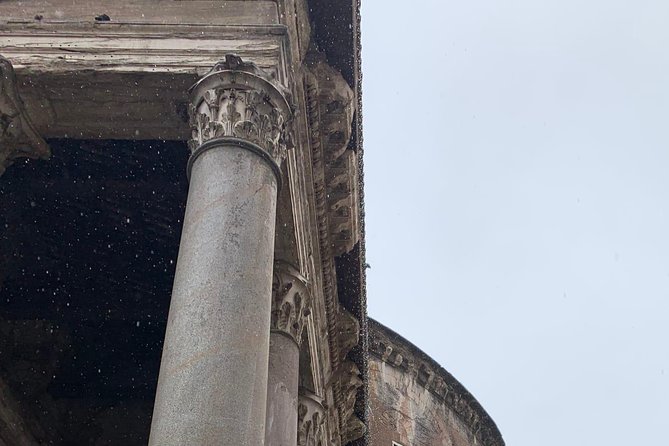
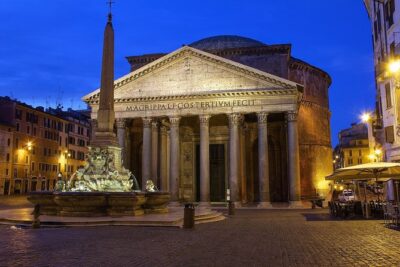
The Pantheon is where Rome’s “layers” show up in the most obvious way. You’ll pause as your guide explains how this place went from old gods to a church. Admission isn’t included for this stop, so plan for the possibility that you may want to go inside on your own or with your guide’s timing.
If you’re the kind of traveler who likes photos only from the outside, you can still get value from the storytelling and the quick orientation. But if you want interior time, budget for the separate admission. This is the one spot where the tour’s “mostly free entry” setup can change your cost.
My advice: decide early. If you care most about the architecture inside, set your expectations for a bit of extra logistics. If you prefer to keep the evening flowing, just use the stop for the explanation and exterior views, then continue.
Chiesa di Sant’Ignazio di Loyola: a short stop with concert energy
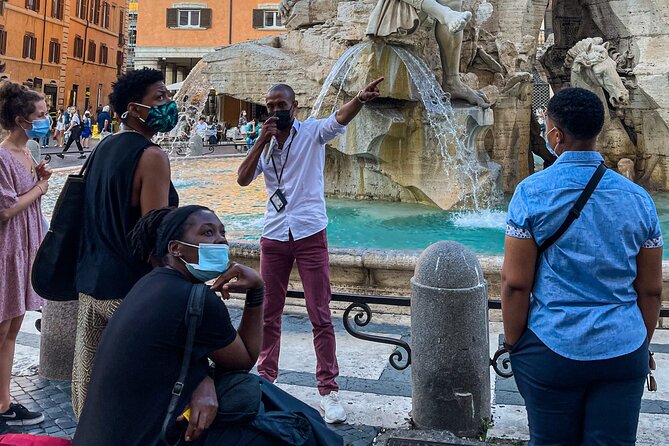
Next up is Chiesa di Sant’Ignazio di Loyola, with about 5 minutes at the church. The highlight here isn’t a long look or a long climb, it’s the story behind why this is the kind of church where concerts often happen.
That matters because it changes how you look at a church interior. Even in a short pause, you can treat it like a performance space, not just a religious building. It’s the type of stop that works well when you want variety without losing time.
Admission is listed as free for this stop, so you can focus on the experience rather than cost.
You can also read our reviews of more private tours in Rome



Trevi Fountain: cultural stories that go beyond the throw
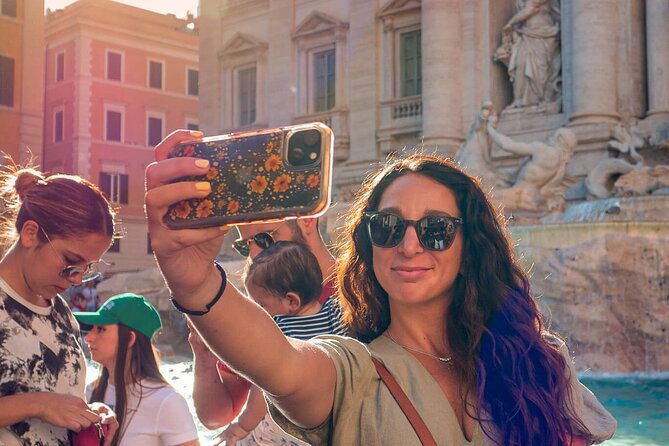
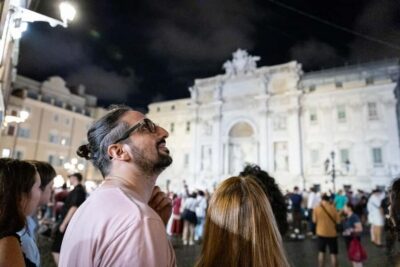
Trevi Fountain is famously easy to photograph, but it’s also easy to rush. Your tour keeps it to around 10 minutes, and the guide uses that time to tell stories plus explain traditions and cultural significance.
That is exactly how I’d want Trevi handled on an evening walk. You get a quick, human scale sense of why people care, not just a “there it is” moment. And because it’s nighttime, the fountain can feel less like a day-trip checkpoint and more like a real scene.
Here’s the practical consideration: with any major landmark, crowds can still show up after dark. In a small group, you generally move better, but your photos may take a bit of patience. I’d treat Trevi like a “watch and listen first” stop, not a sprint.
Piazza Venezia and the ancient city thread for curious minds
You’ll also pass Piazza Venezia / Ancient City for about 10 minutes. This is where the guide connects the dots with stories about Rome’s palaces and the surrounding area.
This stop is useful if you like understanding how different neighborhoods relate to each other, not just memorizing names. Piazza Venezia can feel like a busy hub, but a guided pause turns it into a viewpoint for the bigger picture: Rome as a city of layers, reused spaces, and shifting power.
If your group includes first-timers, this is a helpful moment. It gives you language to describe what you’re seeing later, especially if you plan to come back for a longer day trip to the Forum area.
Via dei Fori Imperiali and Trajan’s Column: Mussolini’s road meets Roman empire
One of the most interesting stretches on the walk is Via dei Fori Imperiali. The tour plans around 10 minutes here, and the guide highlights that this famous road was built by Mussolini.
Right away, that gives you a modern frame for an ancient landscape. Even if you already know Rome has different eras stacked together, seeing how a 20th-century project slices through the area makes the city’s timeline feel physical.
The main sight at this stop is Trajan’s Column, and you’ll get unique insight into its story. In a short timeframe, the goal is not to turn you into an archaeologist. It’s to help you understand why the column matters and what you’re looking at when you glance up.
If you like history that connects to architecture you can actually see, this is a strong stop.
The two quieter interiors: Madonna dell’Archetto and Galleria Sciarra
Many Rome walking tours focus only on the loud attractions. What makes this one feel more interesting is that it makes room for places you don’t usually encounter on a typical loop.
Madonna dell’Archetto, often called Rome’s smallest church
You’ll visit the Church of the Madonna dell’Archetto, often called the smallest church in Rome. That sounds like a trivia hook, but the real value is contrast. After big squares and huge monuments, stepping into something small forces your attention to details.
The atmosphere can feel more personal and less “tour bus” if you arrive as part of a small group. Even if you only get a short pause, the guide’s storytelling is what turns it into more than a quick photo.
Galleria Sciarra, a glass-domed atrium with Art Nouveau frescoes
Then there’s the Galleria Sciarra, described as a glass-domed atrium with magnificent Art Nouveau frescoes. This is the kind of stop that gives your eyes a reset.
Outside, Rome can be all stone and sun. Inside an atrium like this, you get a different texture, light filtering through glass, and decorative artwork that you can study more closely. The guide’s job is to point out what to look for so you don’t miss the key features while you’re walking through quickly.
If you want your evening to feel like Rome, not just a highlight reel, these two interiors do that work.
How the 2 hours feels in real life, and why guides make it or break it
The experience is listed at about 2 hours, and in practice it can feel close to that if your group stays on the same rhythm. Some groups may run a little longer, especially if questions come up. That’s usually a good sign, it means the guide is answering instead of rushing.
This is a walking tour with multiple stops, so it’s not a sit-down museum pace. You should come ready for short pauses and a steady movement between sights. The small-group size makes that manageable because you’re not stuck behind a crowd of strangers.
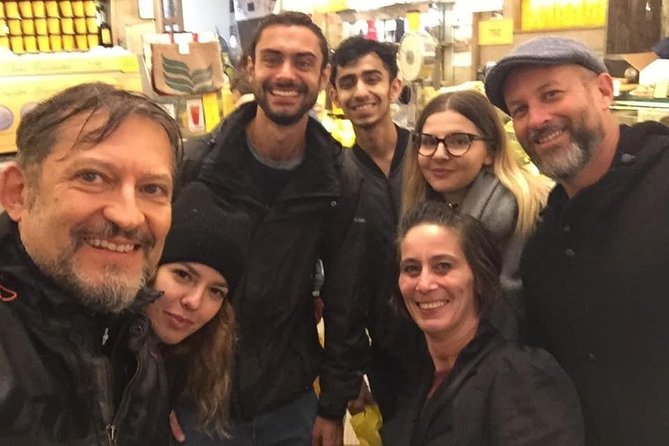
The guides also get consistently strong praise for clarity, friendliness, and patience. Names that come up include Sarah, Sharon, Dinara, Dan, Mary, Anastasia, Mitch, Laura, and Ani. The shared theme is that they keep the tone engaging and make sure everyone can follow along, including families.
If you’re traveling with kids or anyone who gets restless, I’d still choose this, but manage expectations. It’s not a long kid-friendly playground stop, it’s a story-driven walk. Bring snacks if you need them, and keep water handy.
Price and value: what $115.64 buys you (and what might cost extra)
At $115.64 per person for roughly 2 hours, you’re paying for three things: a guided route, a small group experience (capped at 15), and the convenience of a tight nighttime itinerary. You’re also paying for the fact that most stops are free to enter.
Several stops list admission as free, including Piazza Navona, Chiesa di Sant’Ignazio di Loyola, Trevi Fountain, Piazza Venezia / Ancient City, and Via dei Fori Imperiali. That helps the money feel less “ticked away” at each point.
The one place admission isn’t included is the Pantheon. If you want to step inside, that is the main extra cost you should plan for. If you’re happy with an exterior-focused stop, the total can stay closer to the base price.
There’s also mention of group discounts, and tickets are handled via a mobile ticket. Even if you’re not counting pennies, these details matter because they reduce friction during a busy evening.
My bottom line on value: if you want more than a self-guided loop and you like your Rome with stories attached, this pricing can make sense. If you prefer total freedom and no schedule at all, a do-it-yourself route might be cheaper, but it won’t give you the same context quickly.
Practical tips for a smoother evening walk
A few things will make this more enjoyable the moment you meet your guide.
- Wear comfortable shoes. The evening includes multiple stops, and you’ll be on your feet for most of the experience.
- Dress in layers. It’s Rome at night, so temps can shift once the sun drops.
- Bring a charged phone. You’re using a mobile ticket, and you’ll likely want photos at Trevi and Piazza Navona.
- Expect short pauses. The whole plan is designed around seeing a lot without dragging.
- Watch for changes during the Jubilee. The tour notes that some monuments may be under restoration, and you should pay attention to any messages you get before you go.
And if rain or bad weather shows up, plan for the tour’s weather-dependent nature. The experience requires good weather, so you might be offered a different date or a refund if it can’t run.
Should you book this Rome evening walk?
Book it if you want a high-quality way to see Rome at night without turning the trip into a stressful scavenger hunt. The small-group cap, the strong storytelling emphasis, and the mix of major sights with calmer interiors like Madonna dell’Archetto and Galleria Sciarra are the big selling points.
Skip it or reconsider if you strongly prefer fully independent sightseeing, or if you know you’ll hate the idea of the Pantheon requiring separate admission. Also keep your schedule flexible, because good weather is part of the deal, and Jubilee-related restoration can affect monument access.
If your goal is to understand Rome quickly, then still have energy left for gelato and wandering after the tour, this is a solid pick.
FAQ
How long is the private evening walk?
It runs for about 2 hours.
What time does the tour start?
The start time is 6:00 pm.
Where does the tour start and end?
It starts at Statua di Pasquino in Piazza di Pasquino and ends in the shadow of the Colosseum at Piazza del Colosseo.
Is the tour available in English and Spanish?
Yes, the tour is offered in English or Spanish.
How big is the group?
The tour is capped at 15 participants.
Is the Pantheon included with admission?
Pantheon admission is not included, but other listed stops show free admission.
What sights are included on the route?
You’ll see Piazza Navona, the Pantheon, Chiesa di Sant’Ignazio di Loyola, Trevi Fountain, Piazza Venezia / Ancient City, Via dei Fori Imperiali and Trajan’s Column, plus the walk ends near the Colosseum. The tour also includes Galleria Sciarra and the Church of the Madonna dell’Archetto.
What if monuments are under restoration during the Jubilee?
The tour notes that some monuments may be under restoration, so pay attention to any updates you receive before the walk.
More Private Tours in Rome
More Walking Tours in Rome



More Tour Reviews in Rome
Not for you? Here's more nearby things to do in Rome we have reviewed



Evening Experiences, compared.
 ★ 4.1City Highlights Open-Top Bus Night TourFrom $222,038 reviews
 ★ 4.9Paranormal Night Walking Tour & Secret BackstreetsFrom $341,921 reviews
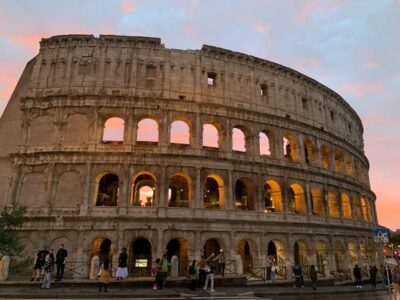 ★ 4.5Colosseum Sunset Tour with EntryFrom $491,230 reviews
 ★ 4.9E-Bike Night Tour with Food and Wine TastingFrom $891,131 reviews
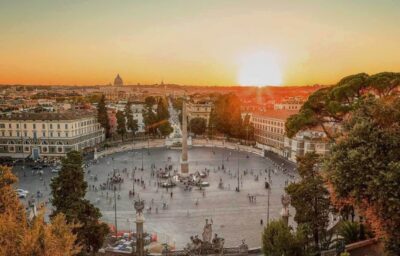 ★ 4.4Guided City Center Evening Sightseeing Walking TourFrom $46953 reviews
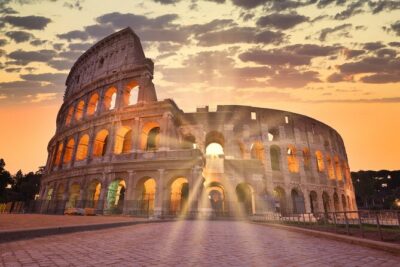 ★ 4.0Colosseum by Evening Guided Tour with Optional Arena Floor AccessFrom $84867 reviews
 ★ 4.8Under the Moonlight Evening Walking TourFrom $28852 reviews
 ★ 4.5Night Tour of Rome with Local Pizza Dinner and Gelato ExperienceFrom $237780 reviews
Browse the lists this tour appears in