
Reviewed · TRASTEVERE TOURS
Rome : Cooking Class in a Real Roman Home in Trastevere
A Roman kitchen beats any cooking-school demo. In Trastevere, you learn fresh pasta from scratch and build three classic Roman sauces with Ilaria Sparla, in a small group that feels like an evening at a friend’s table. One thing to think about: this is a home-style experience, so it is not a big, multi-stop sightseeing tour with constant movement.
I love how hands-on it is, you shape pasta (not just watch). I also like that you sit down and eat what you made, so the lesson lands in your body and on your plate, not just on paper. The tradeoff is that if you want a strict, timed production line, you may find the pace more relaxed than a formal class.
Key highlights that make this class different
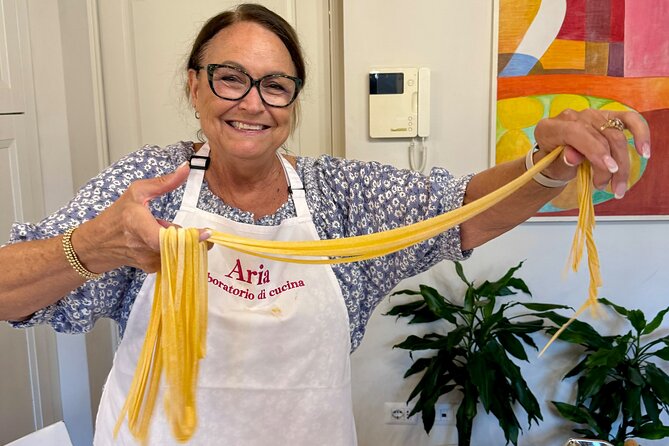
- Max 8 people, so you get real guidance at the counter, not from across a room
- 3 pasta shapes from scratch: fettuccine, ravioli, and orecchiette
- 3 Roman sauces: cacio e pepe, tomato-basil, and Norma sauce
- Tiramisu the family way, finished after the meal you cooked
- Wine, water, and soft drinks included, which makes the whole evening feel like dinner, not homework
Entering a real Trastevere home, not a studio kitchen
This experience centers on Trastevere, Rome’s lively neighborhood you can feel before you even step inside. Your meeting point is Via Garibaldi 39, 00165 Roma RM, and the activity ends back there, so you do not have to plan a second leg of travel afterward.
The biggest “tour” moment is actually arriving at someone’s home and kitchen. That shift changes everything: you are not following a script for strangers, you are learning in a place where Roman families cook and eat for real. And because the group is capped at 8 travelers, the vibe stays personal. You get time to ask questions, correct small mistakes, and chat while you cook.
You can also read our reviews of more cooking classes in Rome


The 3-hour plan: pasta work, sauce work, and then eating
The class runs about 3 hours. Expect a steady rhythm: prep, hands-on cooking, then tasting and eating together once your dishes are ready. It is long enough to learn real technique, but not so long that you feel wiped out before dessert.
Stop 1: Trastevere, then straight into the cooking
There is one main stop, and it is your home base in Trastevere. That sounds simple, but it is smart. When the whole experience happens in one place, you spend your energy learning pasta and sauces instead of sprinting between attractions. It also helps if you want a “Rome at night” plan without adding more stress.
Your work time is the main event
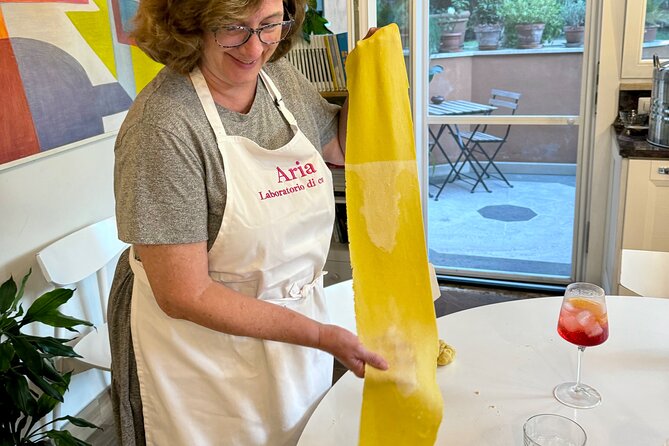
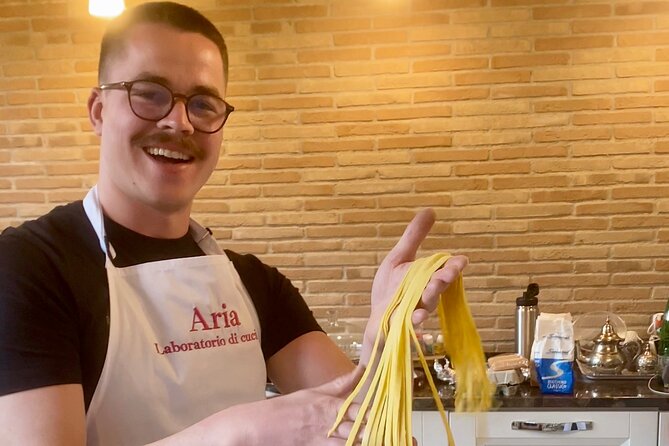
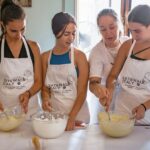
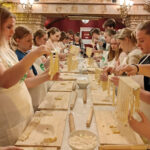
You are not just assembling. You are making fresh pasta completely from scratch and shaping three types:
- Fettuccine
- Ravioli
- Orecchiette
Then you make three traditional Roman sauces using seasonal ingredients and time-tested methods:
- Cacio e pepe (cheese and pepper)
- Fresh tomato sauce with basil
- Norma sauce
That mix matters. A lot of pasta classes teach one dough and one sauce. Here, you get the broader Roman idea: different shapes, different sauce jobs, different textures.
What you actually cook: fettuccine, ravioli, orecchiette
If you have ever tried making pasta at home and ended up with dough that tears or sauce that clings wrong, this is where the class earns its keep. The structure forces you to practice the fundamentals you usually skip in recipes.
A few more Rome tours and experiences worth a look



Fettuccine: the dough feel and the cutting rhythm
Fettuccine is a great starting point because it rewards good dough handling and even rolling. You learn the kind of consistency that makes pasta cook evenly and taste springy, not stodgy.
Ravioli: filling, sealing, and confidence
Ravioli usually scares people, but you will likely find the fear melts once you are guided step by step. The key is portioning the filling and sealing so it stays intact when you cook it.
Orecchiette: shaping that changes the sauce experience
Orecchiette is fun because it is tactile and it changes how sauce clings. When you make it yourself, you also understand why the sauce choice matters. Even if you have cooked pasta before, shaping is where the real learning happens.
The Roman sauce lineup, and how to use it at home
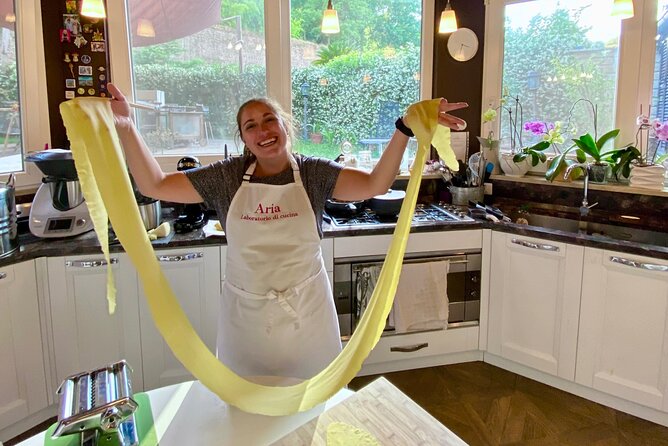
The sauce portion is not just flavor. It is method. Roman cooking is often about getting the balance right with simple ingredients, then timing it so it tastes alive.
Cacio e pepe
This is comfort with a sharp edge. You learn how to build it so it emulsifies rather than turning oily or grainy. It is the kind of sauce you can replicate at home once you understand the texture target.
Fresh tomato sauce with basil
This one teaches you how “fresh” should taste. You use seasonal ingredients, and you build the sauce in a way that supports pasta instead of drowning it.
Norma sauce
Norma sauce gives you a deeper, more layered profile. It is a classic pairing with orecchiette, and you will walk away knowing what to look for in the sauce as it cooks.
Starter, wine, and the meal you finish together
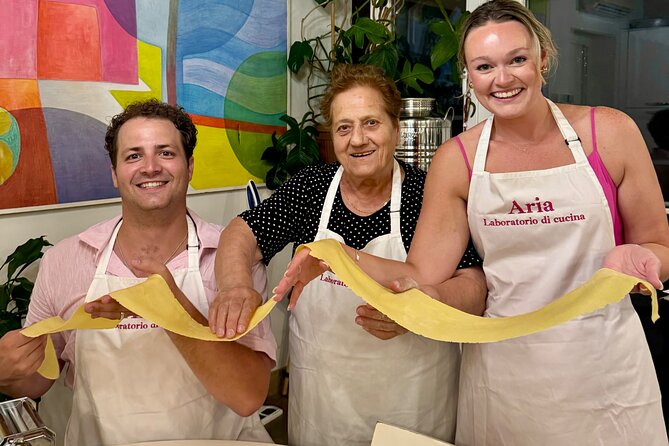
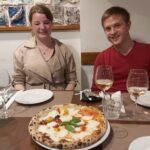
A big part of why this class lands so well is the flow from work to eating. You get small appetizers first, then the three pastas and sauces, and finally dessert.
What shows up on your plate
A typical starter includes:
- Assorted bruschetta with fresh burrata, scamorza, tomatoes, and more
- Seasonal vegetables fried in pastella, prepared by the guests
Then you move into the mains:
- Fettuccine with cheese and pepper (cacio e pepe style)
- Ravioli filled with ricotta and spinach with fresh tomato sauce
- Orecchiette with Norma sauce
Drinks included
Wine is included, plus water and soft drinks. This is not just a perk. It turns the class into a shared meal, which helps you relax and enjoy the learning curve. If you want an “experience dinner” in Rome, this checks that box.
Dessert: Ilaria’s family recipe tiramisu
You finish by making tiramisu using Ilaria’s family recipe. The dessert stage is where beginners often feel proud, because you can see the transformation quickly and it tastes like payoff.
The teaching style: how a small group changes everything
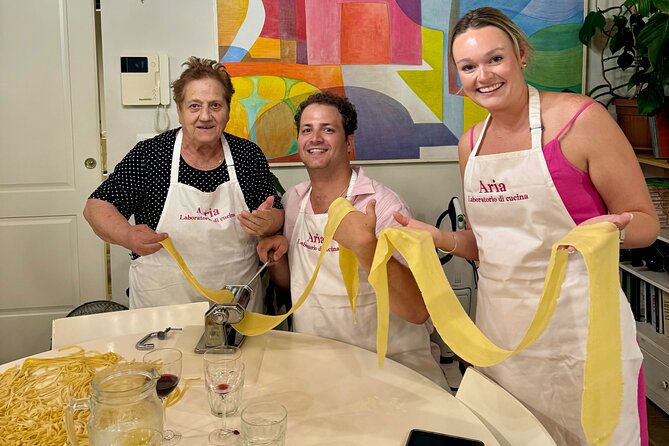
The class is for complete beginners through confident home cooks, and that flexibility shows up in how instruction works.
With a maximum of 8 travelers, you are not waiting your turn. You can ask a question while your pasta is resting or while sauce is simmering. You can also get feedback that is specific to what you are holding at that moment.
The tone from the host is warm and patient, and the family atmosphere keeps it light. People often talk about being welcomed into the home like old friends, not treated like customers behind a counter. Even the best technique matters less if you feel awkward. Here, you usually do not.
Dietary needs and kids: what I’d watch for
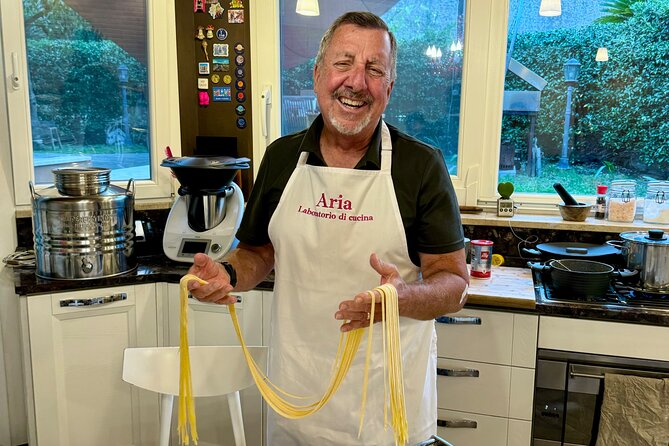
This experience is family-friendly in practice, not just in marketing. Multiple participants have done it with children and reported that kids enjoyed the hands-on work and the relaxed pace.
One review also highlighted that vegetarian and halal needs were handled without drama. You should still let the provider know what you need in advance, since meals may be adjusted based on what is being prepared.
The other practical point: go in hungry. The portions add up because you are cooking multiple pastas, plus starters and dessert. If you plan to jump from this class to another late-night plan, leave room for a slow walk afterward.
Price and value: does $154.99 make sense?
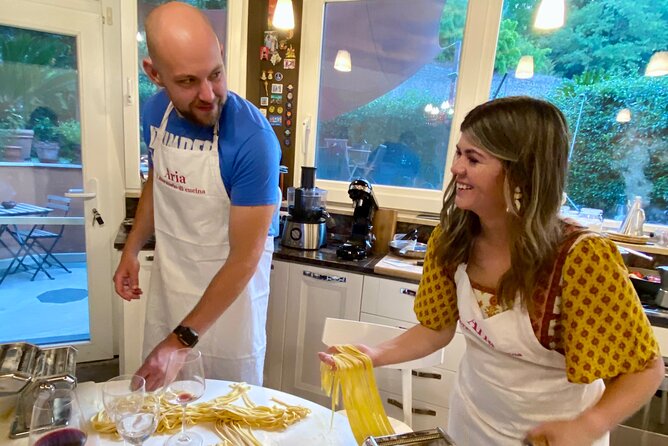
At $154.99 per person for about 3 hours, it is not the cheapest cooking class in Rome. But it is also not a basic pasta-only workshop.
Here is what you get for the money, which is where the value really shows:
- Three pasta types made from scratch (fettuccine, ravioli, orecchiette)
- Three Roman sauces (cacio e pepe, tomato-basil, Norma sauce)
- Assorted appetizers
- Dessert: tiramisu from a family recipe
- Wine, water, and soft drinks
- Small group size (max 8), meaning real attention and time
If you compare it to lower-priced classes that do one pasta shape and one sauce, the math shifts. You are basically paying for a full Roman menu plus instruction plus a sit-down meal in a real home.
Practical tips to get the most out of it
- Plan your evening around the full meal. This is not a quick bite. Treat it as dinner.
- Ask questions while you cook. The pace works best when you use the moment, not when you wait.
- Expect flour and sauce on your hands. That is part of pasta making. Bring a good mood.
- If you have dietary needs, message ahead. The class format is flexible, but adjustments still need notice.
Should you book it? My take for different travelers
You should book this class if you want:
- A hands-on Roman food lesson that you can actually repeat at home
- A small-group experience where you talk with the host and learn the why behind the steps
- A Rome activity that feels local and human, not packaged tourism
You might skip it if you prefer:
- A high-energy, sightseeing-style itinerary with lots of stops and constant motion
- A large group, lecture-only format where you watch more than you do
If you are on the fence, consider this simple rule: if you love food and you want to leave with both skills and recipes, this is the kind of evening that sticks with you long after the last bite.
FAQ
How long is the Rome cooking class in Trastevere?
It runs for about 3 hours.
What dishes will we make and eat?
You’ll make fresh pasta from scratch (fettuccine, ravioli, and orecchiette), cook three Roman sauces (cacio e pepe, tomato-basil sauce, and Norma sauce), eat local appetizers, and finish with tiramisu.
How many people are in the group?
The experience has a maximum of 8 travelers.
Where does the tour start, and does it end nearby?
It starts at Via Garibaldi, 39, 00165 Roma RM, Italy and ends back at the same meeting point.
Are drinks included?
Yes. Wine, water, and soft drinks are included with the meal.
What is the cancellation policy?
You can cancel for a full refund up to 24 hours before the experience starts. If you cancel within 24 hours, the amount you paid is not refunded.
More Workshops & Classes in Rome
More Cooking Classes in Rome
More Tour Reviews in Rome






Not for you? Here's more nearby things to do in Rome we have reviewed












Trastevere Tours, compared.
 ★ 4.8Trastevere or Jewish Quarter Street Food TourFrom $513,839 reviews
 ★ 4.9Trastevere & Campo de Fiori Street Food Walking TourFrom $512,768 reviews
 ★ 4.8Guided Food Tour in TrastevereFrom $1122,266 reviews
 ★ 4.9Trastevere Guided Food and Wine Tour with 20+ TastingsFrom $1461,022 reviews
 ★ 4.8Small Group Trastevere Food Tour with DinnerFrom $132719 reviews
 ★ 5.0Rome Trastevere Pasta Making Class with Eating EuropeFrom $100505 reviews
 ★ 4.9Twilight Trastevere Food Tour with Wine TastingFrom $123490 reviews
 ★ 4.8Food & Wine Tour of Campo de Fiori, Ghetto, TrastevereFrom $81413 reviews
Browse the lists this tour appears in