
Reviewed · TREVI FOUNTAIN & PIAZZAS TOURS
Authentic Pasta and Tiramisu Cooking Course in Spanish Steps
A bowl of pasta is one thing. Knowing how to make it is another. This Rome cooking course focuses on Italian basics, from building fresh pasta to finishing a tiramisu, with a teacher guiding each step.
I especially like the hands-on format and the clear focus on everyday Italian favorites, not fancy showpieces. I also like that it is sized for a maximum of 20 people, so you are not just watching from the sidelines.
One thing to consider is that sauces are not cooked during the class, so your learning is mainly pasta dough, shaping, and tiramisu assembly, plus a simple meal at the end.
Key things to know before you go
- English instruction so you can follow every step without guessing
- Small-group max of 20 for more attention and easier interaction
- You make fettucine and eat what you helped prepare
- Tiramisu is included as the dessert you finish the course with
- Sauces are not cooked, so plan for a pasta-first focus
- Chef-led, step-by-step guidance, with multiple reviews praising how well it runs
Rome Pasta and Tiramisu, But Make It Practical
If you have ever watched Italians make pasta and thought, I could never do that, this is the kind of class that helps you reframe the problem. It is not about memorizing restaurant tricks. It is about learning the simple core moves: how flour turns into dough, how shape matters, and how tiramisu comes together with familiar ingredients.
The setting is in Rome, and the format is straightforward: you start at V. della Croce, 34, 00187 Rome, cook for about 2 hours 15 minutes, and end back at the meeting point. You are offered in English, with a mobile ticket used for entry. And because the group can be up to 20, it stays social and manageable rather than chaotic.
The most consistent theme from the experience is that it is well run and skill-focused. People leave feeling like they can actually do something with pasta at home, not just that they ate well in Rome.
You can also read our reviews of more cooking classes in Rome
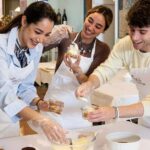
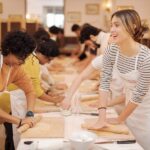
What You Actually Learn: Fettucine From Flour to Plate
The centerpiece here is pasta. You will work on fettucine, with a teacher guiding you step by step through the process. The promise is that with a handful of flour and the right technique, you can create a fabulous dish, and that is exactly the type of learning that pays off later.
What makes this valuable is that pasta is more about feel than jargon. When you knead, when you rest, when you shape, you start to understand what the dough is telling you. That is hard to get from a book or a quick food tour stop. A cooking class like this compresses all of that into a short window.
Also, the structure matters. The instructor is there as you work, so if something goes off track, you can correct it while you are still making it. One review specifically highlighted the chef being brilliant and joining in the fun, and another mentioned a certificate as proof of completion. Those details point to an experience that tries to make you successful, not just productive.
Why the Sauce Detail Changes the Way You Should Plan
You do not cook sauces during the class. That sounds small, but it changes what you should expect to learn and how you should picture the final plates.
Here is the practical takeaway: you are building the pasta itself and your dessert. If you are hoping for a full Italian cooking program that includes simmering sauces from scratch, you may feel like something is missing. On the other hand, if your goal is getting the pasta technique down, this focus is a strength.
You will still eat, but plan on a simple end-of-class meal rather than a long, multi-course dinner. In one review, the post-cooking portion felt basic, with pasta mixed together and served in a group style rather than everyone getting their own exact plate. That is not a problem if you are there for technique, but it is worth knowing so you do not expect an elaborate dining experience.
The Flow of the Class, From Dough Work to Dessert Finish
The course runs about 2 hours 15 minutes, and it is built around a clear arc: pasta preparation first, tiramisu at the end.
During the pasta part, you will follow the instructor’s guidance as you prepare the dough and shape fettucine. The biggest win in a class like this is attention. When you do pasta in a group with a chef talking you through each step, you stop relying on guesswork. You learn timing and consistency, the two things that usually make homemade pasta hard.
Then dessert takes over. Your dessert is tiramisu, prepared with the chef’s personal recipe. You will eat the tiramisu at the end, which helps keep energy high and gives you a clear finish line after you have been working hands-on.
The pacing sounds busy, but the overall structure is easy to understand. Pasta first, dessert second. For most people, that is ideal: you get the adrenaline of cooking, then you get the reward that tastes like Rome.
Tiramisu in Real Life: What It Means When You Make It
Tiramisu is one of those desserts people think they understand until they try making it. Then they realize it is a balance problem: texture, layering, and timing all matter.
That is why it is a great pairing with a pasta class. It teaches you a different type of technique. Pasta is about dough and handling. Tiramisu is about assembly and finishing.
From the information provided, sauces are not cooked, but tiramisu is part of the class and you eat it afterward. That makes the whole experience feel complete, not like you are paying for a pasta lesson and hoping dessert happens.
One review described the tiramisu portion as small, so again, the best way to approach this is as a class first and a meal second. If you want a full dinner experience, you will likely want a restaurant meal after.






Price and Value in Rome, at $110.84 a Person
At $110.84 per person, this is not a casual budget activity. The value comes from what you leave with.
You are paying for:
- Hands-on instruction for pasta shaping and dessert assembly
- A guided, step-by-step class rather than an open-ended cooking demo
- A small group (maximum 20)
- A simple meal component at the end
If you go in expecting a restaurant dinner, you might feel shortchanged, and one review did exactly that. It mentioned getting one glass of wine for a high price point, plus mixed pasta served together, and a small cup of tiramisu. Whether or not that is typical, it signals that the meal side is not the main product.
For me, the sweet spot is this: if you genuinely want to learn pasta technique, you are the target traveler. If you want a long wine-and-dinner evening with every course overdelivered, you might be happier booking something more meal-heavy.
A related value point is popularity. The experience is booked, on average, about 19 days in advance. That does not mean you must book weeks ahead, but it does suggest it tends to fill, so plan early if you are traveling in peak season.
Group Size, English, and the Chef Factor That Makes It Feel Fun
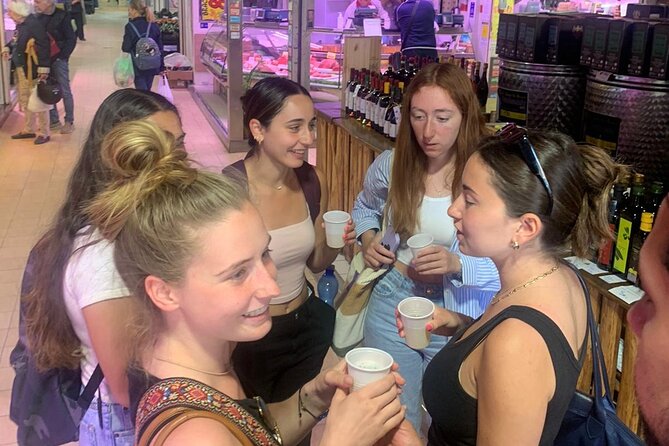
Food classes can go two ways. Either people feel rushed and awkward, or the room becomes lively because everyone is doing the same thing together. The top praise in the reviews points to the second option.
A review mentioned chef Ricardo and described the group of ladies having fun, plus the chef being brilliant and getting involved. Another praised the experience as well run, with good food and a useful skill you take home. Those comments match the structure you are told to expect: the class is guided, not just instructional.
Because it is offered in English, you can actually follow the steps. That matters for pasta, where timing and texture are not optional. It also matters for tiramisu, where your assembly choices affect the final result.
And since it is near public transportation, the logistics are typically easier than you would fear. You can build it into a day that already has food stops, rather than treating it like a major outing.
Who This Cooking Course Fits Best (and Who Might Want to Skip)
This class is a great match if you want a hands-on Rome experience that gives you a repeatable skill. It is especially good for:
- Couples and small groups who want a shared activity with a clear outcome
- Solo travelers who like structured social time
- People who care more about technique than touring monuments
- Anyone who wants classic Italian comfort food, taught plainly
It might be less ideal if:
- You want sauces cooked and a full Italian meal program
- You expect big portions and a restaurant-style dining flow
- You are mainly there for wine and atmosphere
One smart way to think about it is this: treat it like a workshop. You pay for the learning and the fun of making it, then top off your appetite with dinner nearby afterward.
Before You Go: Small Details That Help You Enjoy It More
A few practical notes from the info you are given can help you set expectations correctly.
- Sauces are not cooked, so your “how to make Italian food” learning is focused on the core dishes, not sauce simmering.
- Kids under 6 attend with one of the parents, so it is not a strict adults-only vibe. If you are traveling with kids, that flexibility can help.
- The experience uses a mobile ticket, and it is near public transportation, which usually makes arrival easier.
- Service animals are allowed, which is worth noting if you travel with one.
- The group has a minimum of 2 people and a maximum of 20, so you can expect a controlled size.
Should You Book This Pasta and Tiramisu Class?
If you want to learn how to make fettucine and build a tiramisu in a guided, English-friendly workshop, I would book it. The strongest selling points are the hands-on pace, the chef-led step-by-step teaching, and the consistent praise for how well the class runs. Add in the small group cap, and it becomes a very reasonable way to spend part of a Rome day that is not just walking and looking.
I would think twice if you mainly want a full dining experience, with multiple courses, lots of extras, and sauce cooking included. In at least one account, the post-class eating felt basic compared to the price. If you are the type who needs a big meal payoff, you may feel happier planning a proper dinner reservation after class.
If your goal is skill and satisfaction, this is a strong choice.
FAQ
How long is the pasta and tiramisu cooking course?
It lasts about 2 hours 15 minutes.
What will I cook during the class?
You will prepare fettucine (pasta) and then make tiramisu. Sauces are not cooked during the class.
Is the course offered in English?
Yes, it is offered in English.
What size group is it?
The class has a minimum of 2 people and a maximum of 20 travelers.
Can kids attend?
Kids under 6 can attend the class with one of the parents.
Where does the class start and end?
It starts at V. della Croce, 34, 00187 Roma RM, Italy and ends back at the meeting point.
Is free cancellation available?
Yes, you can cancel for a full refund up to 24 hours before the experience starts.
More Cooking Classes in Rome

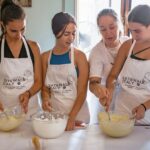
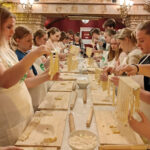
More Tour Reviews in Rome



Not for you? Here's more nearby things to do in Rome we have reviewed












Trevi Fountain & Piazzas Tours, compared.
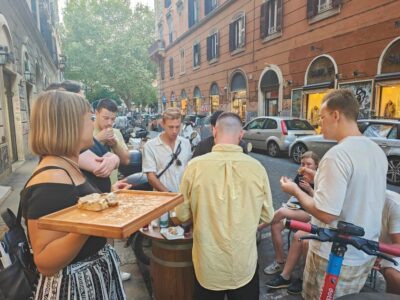 ★ 4.9Trastevere & Campo de Fiori Street Food Walking TourFrom $512,768 reviews
 ★ 4.3Trevi Fountain and Underground Guided TourFrom $411,664 reviews
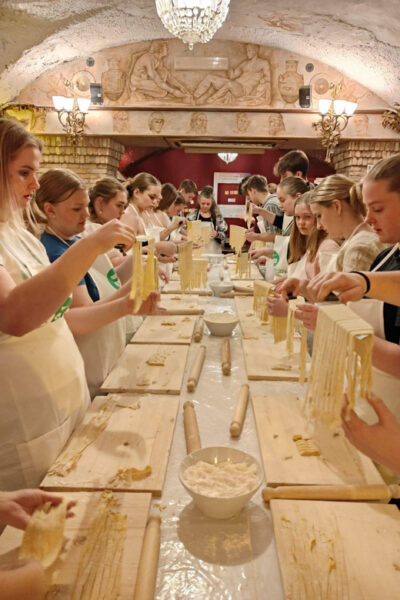 ★ 4.8Pasta & Tiramisu Cooking Class near the Spanish StepsFrom $581,395 reviews
 ★ 4.7Traditional Pizza Cooking Class near Piazza NavonaFrom $461,241 reviews
 ★ 4.7Opera Concert at Palazzo Poli – Fontana di TreviFrom $471,026 reviews
 ★ 4.5Best of Rome Walking Tour including Trevi FountainFrom $4923 reviews
 ★ 4.5Catacombs Tour with Transfer – Optional Capuchin Crypt or TreviFrom $54694 reviews
 ★ 4.5Rome Walking Tour with Piazza Navona, Trevi Fountain and PantheonFrom $35676 reviews
Browse the lists this tour appears in