
Reviewed · COOKING CLASSES
Fettuccine, Ravioli and Tiramisu Pasta Making in Rome
Homemade pasta in Rome feels like a cheat code. In this 3-hour class, you learn to make fettuccine, ravioli, and tiramisu from scratch, then eat what you made in a cozy spot near the center. I especially like that it stays hands-on, flour to finished dish, and that the chef runs the session in English so you can follow along without guesswork.
What I like most, you get both the savory work and the sweet finish, plus wine and your own plated tastings at the end. The one thing to consider: you are making pasta for real, so expect a bit of mess, some arm work rolling and shaping, and a pace that will not cater to slow hands.
Key Things to Know Before You Go
- Three classic dishes, one short session: tiramisu plus two pasta types, all taught step by step.
- Start from flour and eggs: no shortcuts, you’re shown how dough comes together and how to shape.
- Sauce choices are built in: cacio e pepe, tomato and basil, or amatriciana for your fettuccine.
- Ravioli ends with butter and sage: a simple sauce that lets the filling shine.
- You eat your own results: wine or non-alcoholic drinks during tasting, then tiramisu together.
- Chef instruction is English: one instructor leads the class in a way you can actually follow.
A Hands-On Rome Meal You Can Recreate at Home
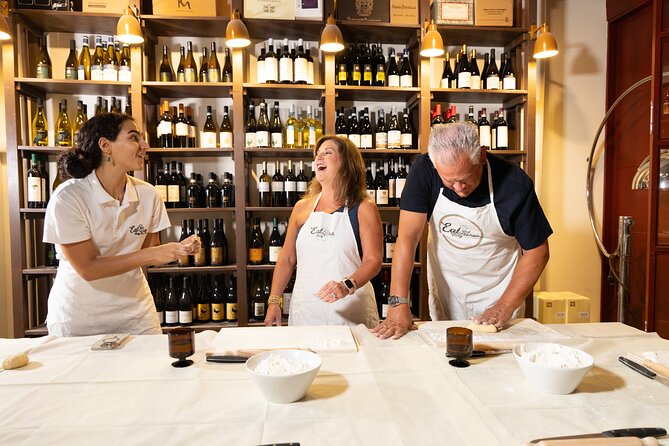
This is one of those Rome experiences that turns sightseeing hunger into something practical. You spend your time learning technique, not just watching, and by the end you’ve got three dishes you understand enough to repeat later.
Two details that make it click: the class covers both savory and sweet, and it finishes with tastings of what you produced. If you want a memorable dinner story that is also a real skill, this format fits.
The workshop runs for 3 hours, and that matters. It is long enough to learn, taste, and ask questions, but short enough that you are not committing your whole evening to dough and timing.
You can also read our reviews of more cooking classes in Rome


The 3-Hour Flow: From Tiramisu Tools to a Full Tasting
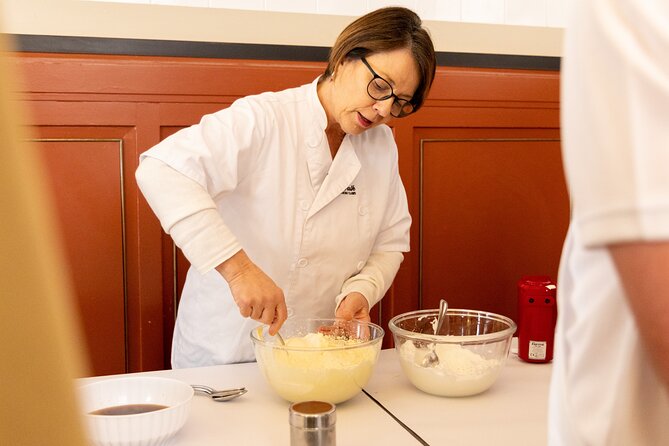
The session is structured so you start with something manageable and end with the best reward. You first learn how to make tiramisu, including what ingredients and tools you need.
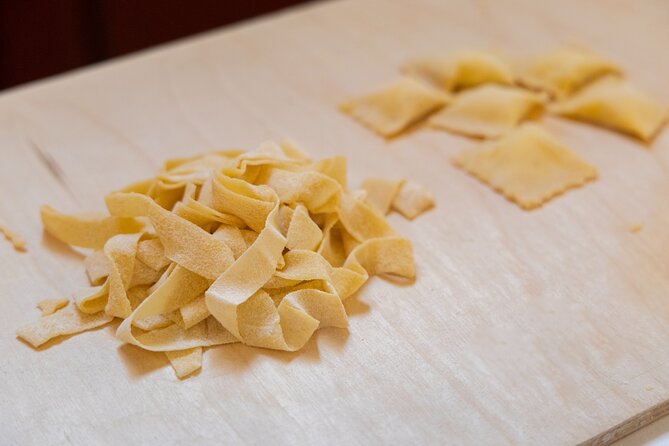
Then the class shifts to pasta, where you start with just flour and eggs. With chef guidance, you make two kinds of pasta: fettuccine and stuffed ravioli, meaning you’ll work on both dough and shaping.
In the last part, you relax while wine (or a non-alcoholic beverage) gets poured and you taste what you made. You’ll eat fettuccine with your chosen sauce, ravioli with butter and sage, and then you’ll finish with your own tiramisu, shared together.
If you like learning with a clear end point, this schedule is built for you. You are not guessing when dinner will happen, because the class includes the meal.
Tiramisu First: Ingredients, Tools, and a Show-You-How Pace
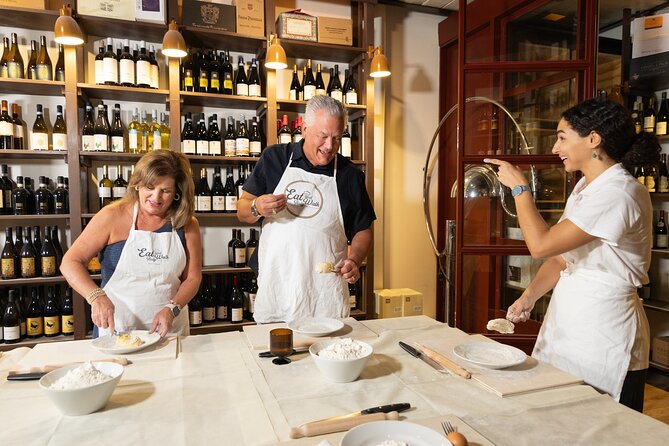
Starting with tiramisu is smart. It’s dessert work that feels less intimidating than pasta, and it gets you into the rhythm of following instructions, measuring, and assembling.
You’re taught how to make tiramisu from scratch using the necessary ingredients and tools. That matters because tiramisu is often misunderstood as just layering something sweet, when the real skill is getting the assembly right.
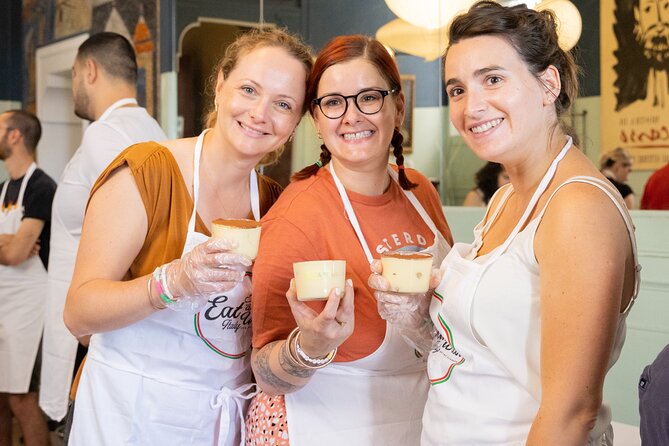
Once the pasta work is done, your effort pays off. You do not just taste someone else’s dessert, you get to eat the tiramisu you made, along with the group.
One more plus: the included drinks help the timing feel comfortable. A glass of wine or a non-alcoholic beverage is part of the experience, and later you can add a glass of limoncello or coffee (both included).
Fettuccine Dough and Three Roman-Style Sauce Paths
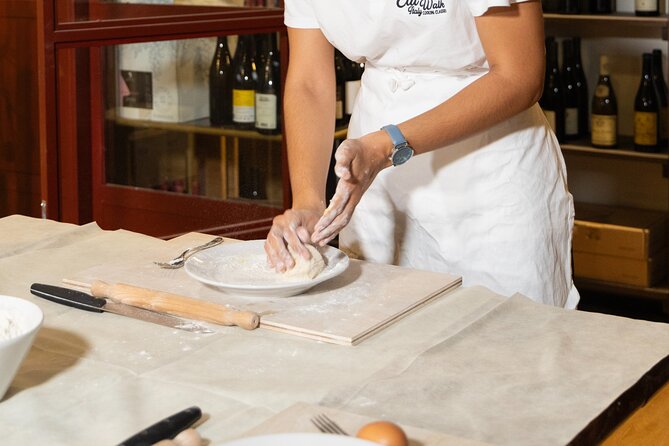
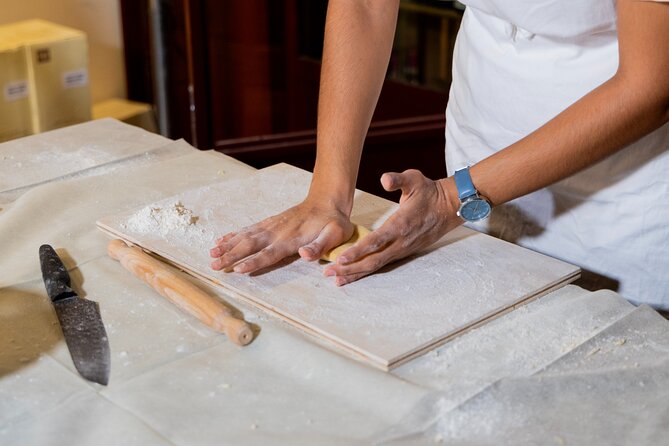
Fettuccine sounds simple, but making it by hand is where you learn what dough actually feels like. You start from flour and eggs, and the chef guides you through getting the dough to the right state for rolling and cutting.
Then comes the payoff: your fettuccine gets served with a sauce you choose from three Italian favorites. You can go with cacio e pepe for a pepper-forward, cheese-driven vibe, tomato and basil for a brighter, lighter sauce, or Amatriciana for a richer, savory punch.
Because you pick the sauce, the meal feels personal. It’s also useful when you’re trying to match the class to your taste. If you like simple and sharp, pick cacio e pepe. If you want classic comfort, go tomato and basil. If you want bolder flavors, choose Amatriciana.
This part of the class is valuable even if you only eat one kind of pasta at home. You’ll learn the fundamentals of pasta dough, then see how a sauce choice changes the entire experience.
Stuffed Ravioli: Shaping Skills and a Butter-Sage Finish
Ravioli is the “okay, now we’re serious” moment. Stuffed pasta forces you to focus on dough thickness, portioning, sealing, and shaping so it cooks right and does not fall apart.
You’re taught how to make the pasta dough from flour and eggs, then how to form the ravioli. You’ll learn the key steps hands-on, guided by the chef so you can correct your technique as you go.
When it’s time to eat, the ravioli is served with butter and sage. That sauce is simple by design, and it helps the ravioli taste like ravioli instead of being covered up by something loud. It’s also a good lesson in restraint, Italian style.
If you enjoy tinkering and learning technique more than just collecting photos, ravioli is where the class earns your time. You leave with a better sense of how stuffed pasta should feel and taste.






The Best Part: Wine, Limoncello or Coffee, and Sharing Results
This class is not a cold, clock-watching production. It has a relaxed rhythm in the middle and end, with wine or a non-alcoholic beverage included during tastings.
After the cooking work, you sit down to eat the dishes you made, with your fettuccine sauce and the ravioli with butter and sage. Then you close the loop with your own tiramisu, all together with the other participants.
You also get an extra sweet kick after the meal: a glass of limoncello or coffee is included. That’s a small detail, but it helps the overall experience feel complete, like a real Italian evening rather than just a workshop sandwich.
And for what it’s worth, at least one recent confirmed booking specifically called out the chef Andre as great and said the class was fun, making tiramisu, noodles, and ravioli. That lines up with the goal here: skill building plus good energy.
Price and Value: Why $82 Can Feel Fair
At $82 per person for about 3 hours, the key question is what you actually get for the money. In this case, you’re getting more than a snack with a cooking lesson.
Your included items cover the full arc: you make the dishes, then you eat them. The price also includes wine or a non-alcoholic beverage, plus your own tiramisu, fettuccine with one of the included sauces, ravioli with butter and sage, and a glass of limoncello or coffee. Water is included too.
Also consider the “time cost” factor. One lesson in pasta dough and ravioli technique is the kind of thing that would take multiple tries at home to get right. Here, you’re working with a chef who can help you correct what’s wrong while it’s still fixable.
There are a couple of costs not included, like tips and any additional food or beverages beyond what’s listed. But for a class that includes a full meal flow, plus drinks, it’s priced in a way that feels fair.
Gusto Restaurant Location: Central Rome, Easy to Find
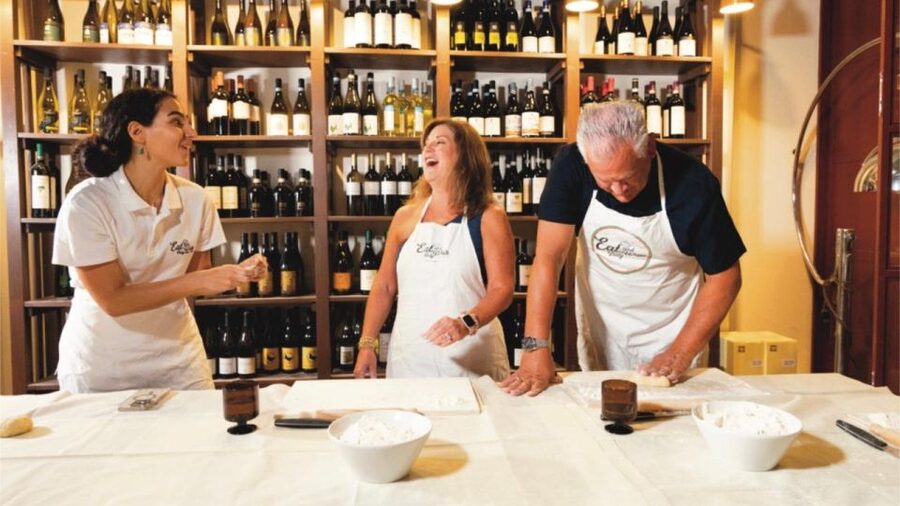
You meet your chef at Gusto Restaurant, Via Giuseppe Zanardelli 14. Plan to arrive about 10 minutes before the class so you can settle in and start on time.
This matters because pasta classes are timing sensitive. Dough needs attention, and the workshop plan depends on everyone being ready when the session begins.
The location is also part of the appeal. It’s described as a cozy spot in the center of Rome, which is exactly what you want after a day of walking the city.
If you’re juggling other plans, aim to keep this workshop as a priority event. You’ll enjoy it more when you do not feel rushed getting there.
Who This Class Is Best For (and When to Skip It)
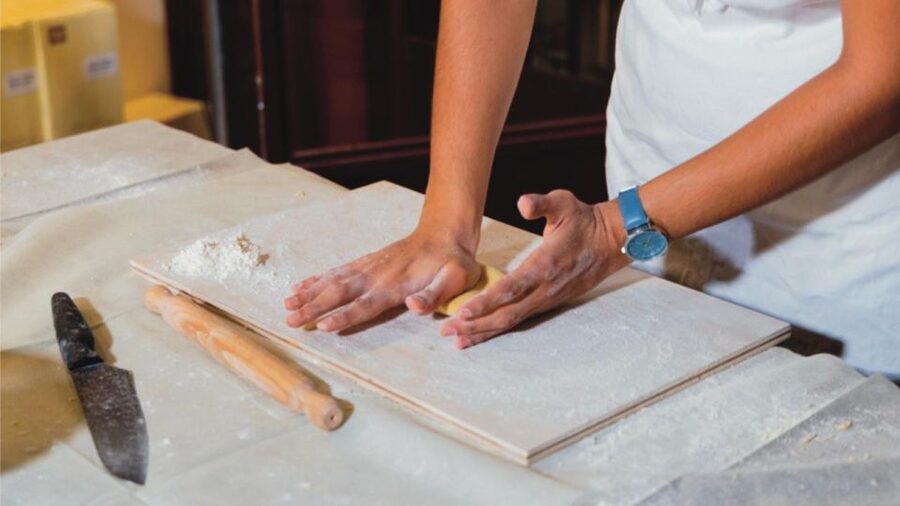
This experience is best for you if you want a practical Rome memory. You’ll get hands-on skill in making fresh pasta and tiramisu, plus you end with a meal that you can taste right away.
It also suits couples and small groups who like doing something together that is more than a standard dinner. And because the instructor teaches in English, it works well even if your Italian is basic.
A few straightforward considerations:
- It’s not suitable for children under 4.
- Pets are not allowed.
- Alcohol rules apply, since alcoholic beverages are not included for participants under 18.
If you hate food mess, or you need a very hands-off experience, you might find the pasta work tiring. Otherwise, the class is built for the kind of person who likes learning by doing.
Quick FAQ
FAQ
What dishes do you make in this Rome class?
You make homemade fettuccine, stuffed ravioli, and tiramisù.
How long is the experience?
The class lasts 3 hours.
Where do you meet the chef?
Meet your chef at Gusto Restaurant, Via Giuseppe Zanardelli 14, and arrive 10 minutes early.
What drinks are included?
You get a glass of wine or a non-alcoholic beverage, plus water. You also get a glass of limoncello or coffee.
What sauces and service style are included for the meal?
Fettuccine comes with your choice of tomato and basil, cacio e pepe, or Amatriciana. Ravioli is served with butter and sage.
Is it suitable for young kids?
It is not suitable for children under 4 years.
Should You Book This Fettuccine, Ravioli, and Tiramisu Class?
If you want one Rome activity that gives you both a meal and a real takeaway skill, I’d book it. The format is strong, you learn dough and shaping, you finish with your own tiramisu, and the location in central Rome makes it easy to fit into a tight schedule.
I’d especially choose it if you like the idea of picking a sauce for your fettuccine and then tasting your work right away. It’s a smart use of time compared with a purely observational cooking demo.
Skip it only if you know you do not want hands-on food work, or if your travel party includes someone who falls outside the stated age and pet rules. For everyone else, this is a fun, practical way to spend an evening in Rome that you can re-create later in your own kitchen.
More Cooking Classes in Rome

More Tour Reviews in Rome



Not for you? Here's more nearby things to do in Rome we have reviewed












Cooking Classes, compared.
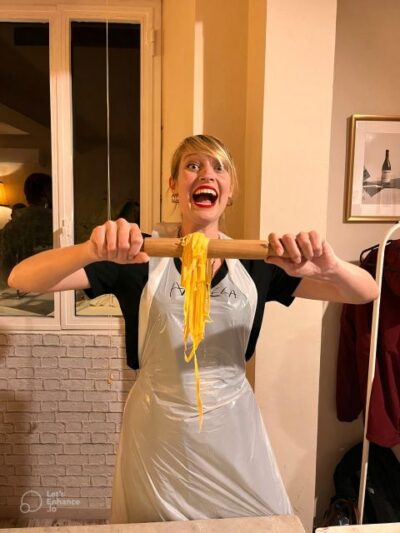 ★ 4.9Pasta Making Class with Wine, Limoncello, and DessertFrom $483,177 reviews
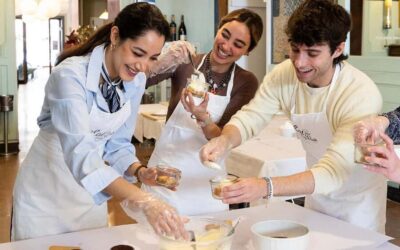 ★ 4.93-in-1 Fettuccine, Ravioli, and Tiramisu Cooking ClassFrom $812,704 reviews
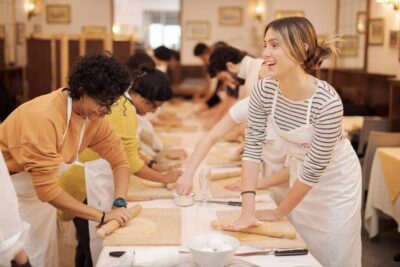 ★ 4.8Fettuccine Pasta Cooking Class in Rome’s City CenterFrom $462,414 reviews
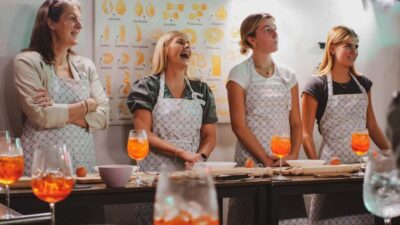 ★ 5.0Traditional Pasta with Cocktails Cooking ClassFrom $1002,374 reviews
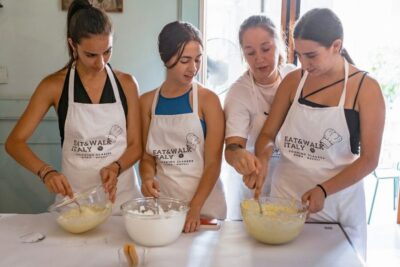 ★ 4.8Fettuccine and Tiramisu Cooking Class with WineFrom $672,013 reviews
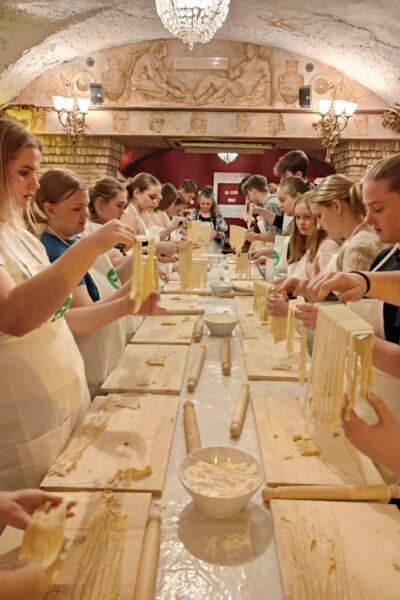 ★ 4.8Pasta & Tiramisu Cooking Class near the Spanish StepsFrom $581,395 reviews
 ★ 4.7Traditional Pizza Cooking Class near Piazza NavonaFrom $461,241 reviews
 ★ 4.9Pasta Making with Wine Tasting and Dinner in FrascatiFrom $35979 reviews
Browse the lists this tour appears in