
Reviewed · WORKSHOPS
Ancient Art Workshop: Fresco
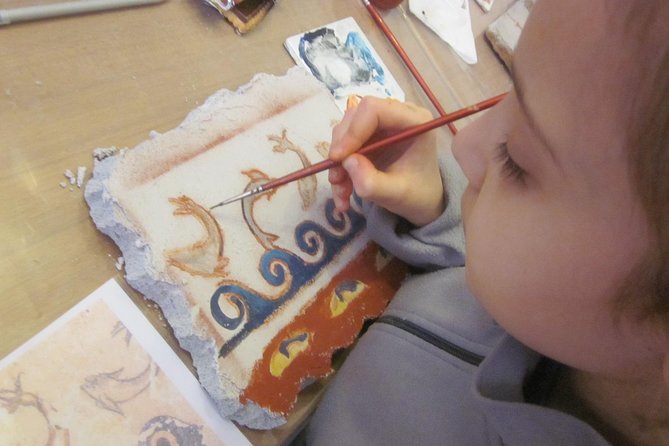
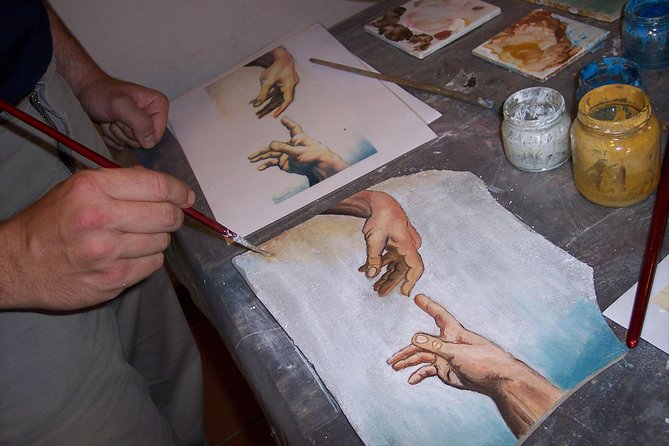
Paint a Roman fresco in two hours. This is a hands-on fresco and mosaic class on the Appian Way, where you recreate an ancient-looking subject while Italian artists guide you step by step. You can choose a piece inspired by the Sistine Chapel or a detail from a Roman floor, and you leave with your finished work right away.
What I like most is the materials and the result. You work with natural pigments and mosaic tiles made from colored marble, the kind of choices that make the finished look feel genuinely ancient, not like craft-store paint. I also like the private group setup, so the instructor can slow down when you need it and still keep the pace moving for the rest of the group.
The one thing to consider is that workshops like this run on a small team. While cancellations and replacements are not guaranteed, you should plan this as a highlight, not your only backup plan for a specific day, just in case something changes last minute.
Key things to know before you go
- Take-home artwork the same day so you do not leave with a promise, you leave with a piece in your hands.
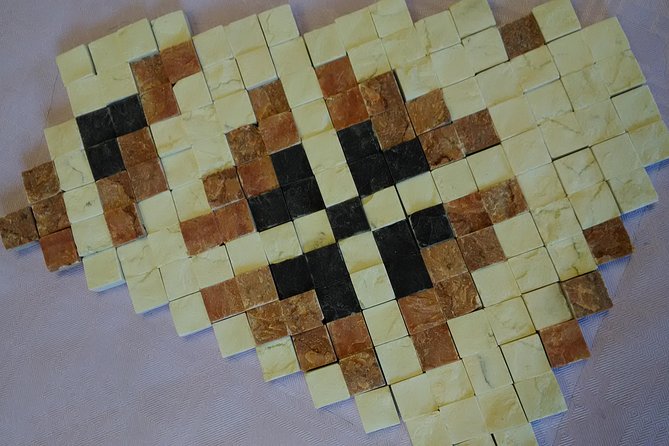
- Natural pigments and colored marble tiles for a more authentic look than typical art classes.
- Pick your subject including Sistine Chapel-inspired choices or a Roman floor detail.
- Small-group, guided instruction from experienced Italian artists, including Cecelia and Nina (both show up in past classes).
- English is available, with additional language options on request.
- Beginner-friendly and family-friendly, including kids and adults who do not think they are artists.
Why this Rome fresco class feels different from a museum
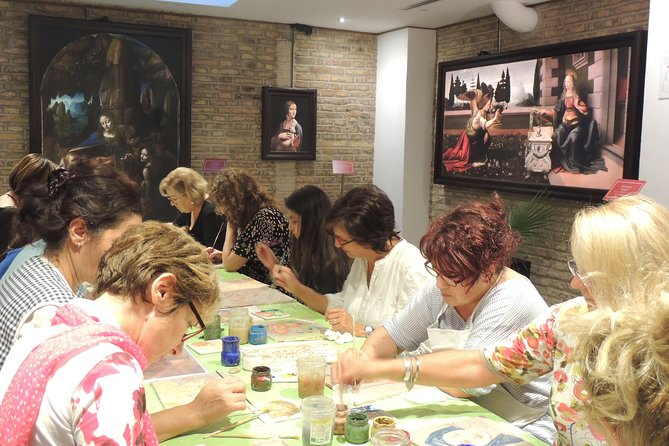
This is not a lecture. It is hands-on Roman art practice, set up like a mini studio session you can fit into a travel day. You start with a preselected ancient-style subject, then you reproduce it using traditional approaches, not just a generic “paint a picture” format.
Two details matter a lot for your experience. First, the class uses natural pigments and colored marble tiles, so the look and texture connect to how old artwork actually came together. Second, you work under direct guidance, which keeps the session relaxing even if you have never painted before.
A few more Rome tours and experiences worth a look


The drawback you should plan around
Because the class depends on the artists who run it, there is a small risk of last-minute cancellation. One past booking was canceled shortly before the start time, and the reservation was refunded. It is not the most common outcome, but it is enough to justify keeping a flexible option for that same day.
Finding the Appian Way meeting point without stress
The meeting point is Bsocial, Via del Commercio 12G, 00154 Roma RM. The activity ends back at the meeting point, so you can treat it like a contained studio visit, not a scavenger hunt across Rome.
This studio location is on the Appian Way area and is described as easily reachable by Metro A. That matters because you will likely want a low-effort commute, especially if you are doing this on a warm day and want to avoid a long walk afterward.
Practical tip: give yourself a little buffer. A two-hour workshop runs fast once you include check-in, choosing your project, and getting set up.
What a two-hour “fresco and mosaic” session actually includes
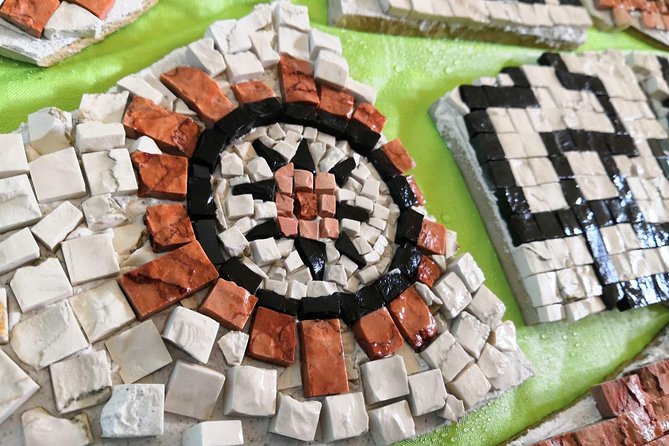
The schedule is built around one core idea: you can take the result home immediately. In roughly two hours, you move from introduction to hands-on work, guided the entire way.
Even without seeing the exact breakdown minute-by-minute, the flow is predictable:
- You arrive, get set up at the art studio.
- You choose your project subject (your frescos or Roman floor detail).
- The instructor explains the method and helps you transfer and apply materials.
- You create the piece using the provided materials.
- You finish in time to take it home at the end.
Because you are creating something physical, you do not need to “keep up” with art history facts the way you might in a museum. Instead, you learn through doing, which is why this works so well for mixed groups.
Choosing your subject: Sistine-inspired or Roman floor detail
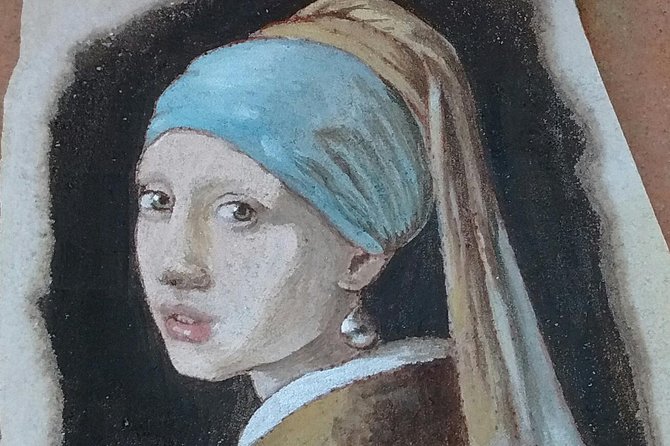
You get to pick from ancient-style options. Two common choices are:
- A piece inspired by Michelangelo’s Sistine Chapel
- A detail inspired by a Roman floor
That choice changes the mood of the class. A Sistine-style subject tends to feel dramatic and famous, like you are recreating something connected to the Renaissance. A Roman floor detail feels more architectural and tactile, with patterns and surface texture that connect nicely to what you see across Rome.
If you are traveling with kids, this “choose your project” moment is also a smart engagement tool. Kids often respond well to having ownership over the outcome, and adults usually appreciate not being forced into a single design.






Natural pigments and colored marble tiles: why the materials matter
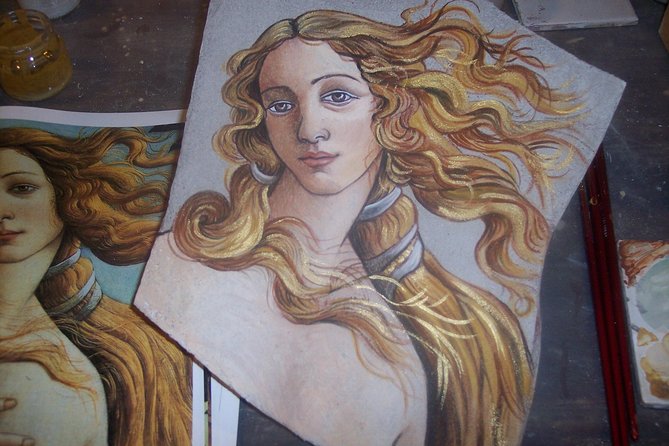
A lot of art activities say they are “traditional.” This one specifies the real ingredients: natural pigments for the paint and colored marble tiles for the mosaic. That is the point where this class becomes more than a souvenir shop experience.
Here is what you should understand about why that matters in practical terms:
- Natural pigments connect to how color behaves on plaster. They often produce a different look than synthetic acrylics, and they can feel more “artifacts-like” in the finished piece.
- Colored marble tiles bring real stone character to the mosaic section, which gives the surface a more authentic, weighty appearance.
One standout detail from instruction style is that guides talk about how fresco painting works. In past sessions, instructors explained how the paint bonds to the plaster to create a lasting, waterproof layer. You also get references to the ingredients that go into the plaster, like sand, and the minerals used for pigments.
You do not need to memorize the chemistry to benefit. You just need to pay attention while your guide shows you how the process works in real steps.
The “how-to” part: transferring marks and building the final look
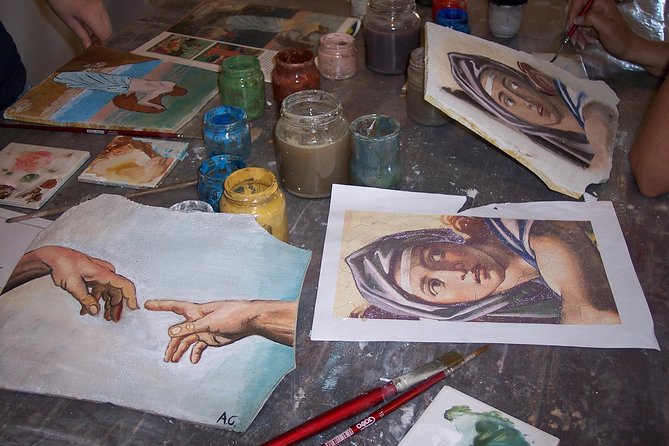
The most fascinating part is the method. Past classes highlighted transferring marks and then applying paint in a way that matches the fresco process, not paint-on-top art. Your instructor helps you with the steps, including guidance on blending colors so your piece looks cohesive.
If you worry about your skill level, focus on this: the class is set up so each person can succeed without artistic talent. In feedback from earlier participants, even people who said they were not artists ended up with results they were proud to take home.
Two good signs this is working well:
- You get clear instructions for each stage, not just a “go for it” vibe.
- The guide is patient when you slow down or ask questions, which is especially helpful for families and mixed skill groups.
Cecelia and Nina are both mentioned by name in past classes, and both are praised for being kind, attentive, and able to explain techniques clearly in English.
Timing and logistics that make the class easier to fit
This workshop runs about two hours and is scheduled Monday through Friday between 10:00 AM and 6:00 PM within a multi-year operating window. In plain terms, that means it is usually easy to slot into a Rome itinerary without committing to an early morning or a late evening.
Also, it is offered as English-language programming, with the ability to be carried out in Italian, English, French, German, and Spanish. So if your group includes non-English speakers, you are more likely to find an option that fits.
One more practical detail that helps: it is a private activity. Only your group participates, which means you are less likely to feel rushed by a larger shared class schedule. It also means the guide can focus on your pace.
If you are aiming for a specific time, start planning ahead. The class is often booked about 31 days in advance on average.
Price and value: $246.90 for a small group
The price is $246.90 per group, up to 2 people. That sounds steep at first if you compare it to a cheap guided walking tour. But the real comparison is against the cost of materials and the value of a guided, small-team studio session in Rome.
Here is what you are getting for the money:
- All workshop materials are included: colors, brushes, marble tiles, and what you need to make the piece
- A focused studio session of about two hours
- Private group attention from an instructor
- A finished artwork you can take home immediately
What you are not paying for (and should budget separately):
- Transportation to the studio area
- Food and drinks
In other words, this is best seen as a hands-on art experience with supplies included, not a “find art somewhere in Rome” activity. If you travel as a couple, it can be a very solid value. If you are traveling with a larger group, you will likely need to book multiple spots or adjust expectations.
Who should book this fresco workshop
This works well for:
- Families with kids who enjoy creative activities and want a break from walking
- Adults who want something hands-on after seeing big sights like the Vatican area
- People who do not think they are artists, but still want a meaningful souvenir
- Anyone who wants a creative window into how fresco and mosaic techniques work
One reason it pairs nicely with major Rome sights is that you are learning the “how,” not only the “what.” After seeing frescoes in churches, a hands-on workshop can connect the visuals to process. Even if you just watch carefully during the instructions, you end up with a better understanding of why plaster, pigments, and placement matter.
What to do before and after the workshop
Before: keep your day simple. You do not need to study art history ahead of time. You do need time to arrive comfortably and get set up.
After: plan for your artwork to be part of your travel routine. Since you take it home immediately, you might want a way to protect it while moving through the rest of Rome, especially if you are traveling on foot or using public transit.
If you are trying to beat heat and crowds, this is also a smart kind of stop. It is studio-based, focused, and it breaks the rhythm of long sightseeing days.
Should you book Ancient Art Workshop: Fresco?
Yes, if you want a genuinely hands-on Rome experience. The best reason to book is the combination of traditional materials (natural pigments and colored marble tiles) and a finished take-home piece made with guidance. You learn the process in a way museums cannot replicate, and you get a souvenir that feels personal rather than generic.
I would hesitate only if your schedule is rigid or you cannot tolerate the small risk that small-team activities can occasionally face. If you have flexibility, this is one of those activities that turns a normal day in Rome into a creative memory you can hold.
If you do book, pick your subject thoughtfully. Sistine-inspired designs tend to feel iconic, while Roman floor details often feel more pattern-forward and tactile. Either way, you will leave with a real piece of your Rome day.
FAQ
How long is the fresco workshop in Rome?
The workshop lasts about 2 hours.
What is the price, and how many people is it for?
It costs $246.90 per group, up to 2 people.
Is this activity private?
Yes. It is a private tour or activity, and only your group participates.
What languages are offered?
It can be carried out in Italian, English, French, German, and Spanish. English is offered.
Where do we meet for the workshop?
The meeting point is Bsocial, Via del Commercio 12G, 00154 Roma RM, Italy.
How do you get there?
The studio is on the Appian Way and is described as easily reachable by Metro A. It is also near public transportation.
Are transportation, food, and drinks included?
No. Transportation, food, and drinks are not included.
Is a mobile ticket used?
Yes, the experience includes a mobile ticket.
Can I cancel for a full refund?
Free cancellation is available. To get a full refund, you must cancel at least 24 hours in advance of the experience start time.
Are service animals allowed?
Yes, service animals are allowed.
More Workshops & Classes in Rome


More Tour Reviews in Rome



Not for you? Here's more nearby things to do in Rome we have reviewed












Workshops, compared.
 ★ 4.9Pasta & Tiramisu Class with Fine Wine by the VaticanFrom $414,852 reviews
 ★ 4.9Pasta Making Class with Wine, Limoncello, and DessertFrom $483,177 reviews
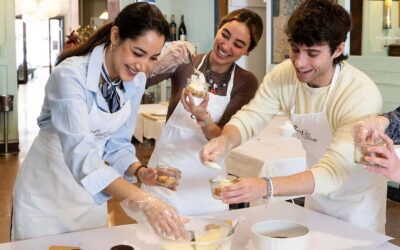 ★ 4.93-in-1 Fettuccine, Ravioli, and Tiramisu Cooking ClassFrom $812,704 reviews
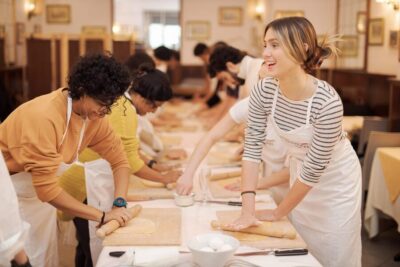 ★ 4.8Fettuccine Pasta Cooking Class in Rome’s City CenterFrom $462,414 reviews
 ★ 5.0Traditional Pasta with Cocktails Cooking ClassFrom $1002,374 reviews
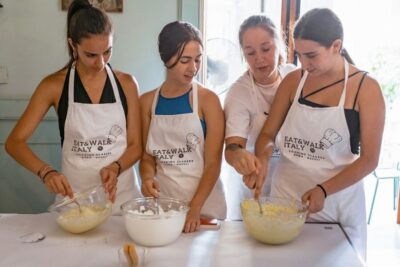 ★ 4.8Fettuccine and Tiramisu Cooking Class with WineFrom $672,013 reviews
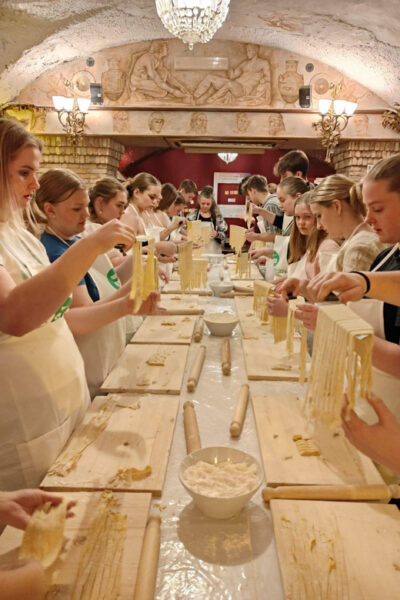 ★ 4.8Pasta & Tiramisu Cooking Class near the Spanish StepsFrom $581,395 reviews
 ★ 4.7Traditional Pizza Cooking Class near Piazza NavonaFrom $461,241 reviews
Browse the lists this tour appears in