
Reviewed · COOKING CLASSES
Typical Dining & Cooking Demo at Local’s Home in Rome
Dinner in Rome, taught the Italian way.
This experience pairs a Roman gastronomy class with a cooking workshop in a real local home, where you learn how Italians eat and drink and then taste the results. I like that the meal is built around classic dishes you can name and order back home, especially the fresh pasta options like rigatoni, bucatini, or gnocchi. The cooking focus also appeals to me because you are not just watching, you are learning time-tested tricks you can actually repeat.
One drawback to plan for: it happens in private homes, so the exact address is not shared before booking, and the meeting point shown is a general area. That means you should read your voucher details carefully and be ready to confirm right away, so you do not lose the start time if the instructions feel vague.
Key Highlights You’ll Care About
- Private home setting with Roman hospitality, not a restaurant demo
- Small group size with a maximum of 10 people
- Full meal structure: starter, fresh pasta, second course, and Roman dessert
- English instruction with both a gastronomy class and a cooking workshop
- Menu choices you can match to your tastes, from rigatoni and bucatini to saltimbocca and coda alla vaccinara
- Two timing options, afternoon or evening, so you can fit it around your Rome plan
A Roman Home Dining Experience, Not a Show for Tourists
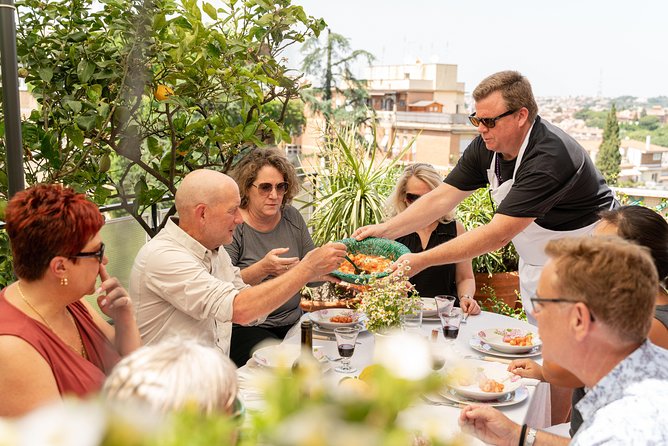
In Rome, some cooking classes feel like a performance. This one aims for something more personal: a dining night in someone’s home, with you learning the why behind the food as well as the how.
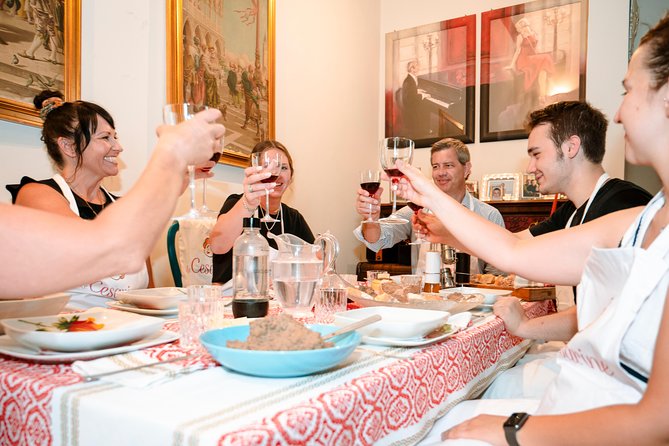
You will spend time on Roman eating and drinking habits first, then shift into hands-on cooking and tasting. The “local home” part matters. It changes the vibe from classroom to dinner conversation, and it usually means you’ll ask questions you normally wouldn’t, like how Italians build flavor or how they think about portion and pacing.
Also, the group stays small, up to 10 people. That is the sweet spot where you can actually talk, not just stand around hoping someone asks you what you think.
You can also read our reviews of more cooking classes in Rome


The Food Plan: A Sample Menu with Real Choices
You get a multi-course meal with both straightforward classics and Roman specialties. While Rome has plenty of tourist menus, this is structured like a family meal, with dishes chosen for what people actually cook and serve.
Here is the sample flow you can expect:
1) Seasonal starter
This is listed simply as seasonal, so the exact dish can vary. The point is that you start with something light and current, then move into the heavier comfort food.
2) Fresh pasta plus a second course
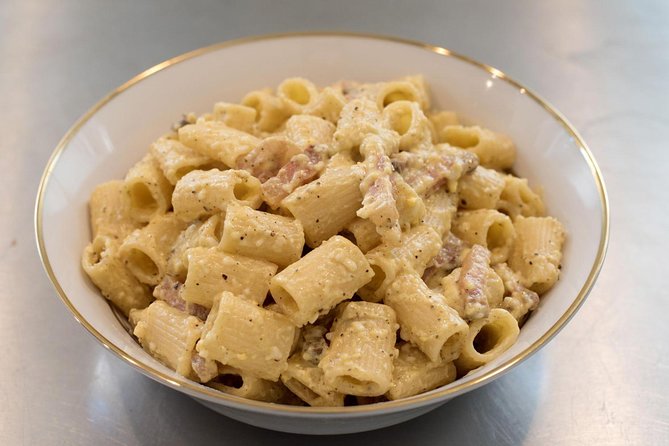
You’ll choose between pasta types like rigatoni, bucatini, or gnocchi. Then your second course selection may include saltimbocca alla romana or coda alla vaccinara.
What I like here is the logic. Pasta shapes are not random. Each one changes how sauces cling and how each bite feels. Rigatoni holds onto thicker sauces. Bucatini brings a different texture because of that hollow center. Gnocchi gives you the soft, potato comfort note. If you care about getting those differences right when you cook later, this menu helps.
3) Roman dessert
Dessert options include ricotta and cherry tart, Roman tiramisu, chocolate shortbread, and also tiramisu or similar typical desserts.
4) A second main round is also listed
Your sample menu shows an additional main choice that can include trippa alla romana, saltimbocca alla romana, or costine di agnello alla scottadito.
A quick, practical note: the menu wording includes repeated categories and multiple possible dishes. Translation: you’ll likely get a true Roman spread, but the exact final picks can depend on the household and timing (afternoon versus evening). Keep your expectations flexible, and focus on what you learn through the method.
Roman Gastronomy Class: Learn How People Actually Eat
Before you cook, you get a Roman gastronomy class. This is where you start understanding the culture behind the plates.
Instead of only learning recipes, you learn habits: what Italians treat as normal pairing, what they consider essential in flavor building, and how they think about the meal as a sequence. That’s valuable because it helps you adjust recipes to what you can find at home. Ingredients differ. Technique does not have to.
This is also where a small group pays off. In a crowd, conversation becomes awkward. In a group of up to 10, you can ask real questions and get answers that connect to what you are tasting.
Show Cooking Plus a Real Cooking Workshop
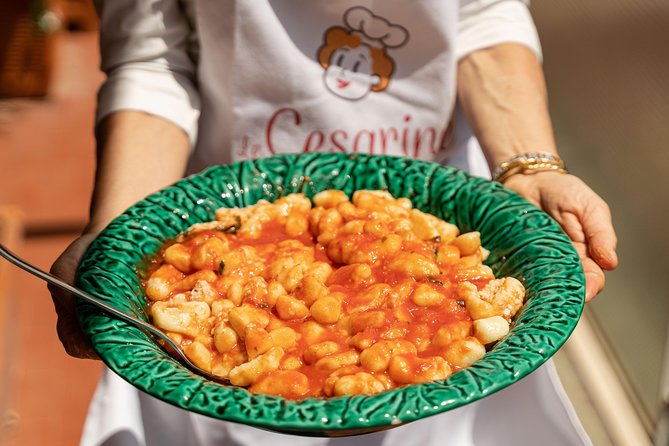
The experience includes both an exclusive show cooking and a cooking workshop. That means you should not expect to stay passive.
You’ll likely see how the dish is assembled step by step, then you practice cooking skills with guidance. The goal is to learn “time-tested cooking tricks,” the kind of small moves that matter, like managing heat, knowing when a sauce is ready, and using timing so everything finishes together.
One thing I appreciate about this approach is that it prepares you for real cooking at home. Watching a video is not the same as learning the cues. In a hands-on setting, you get those cues while someone can correct your hand position, your timing, or your seasoning.
And since it is in a local home, the kitchen context may feel more realistic than a staged cooking space. You might work with equipment that feels familiar, or at least close enough that your takeaway still makes sense when you cook later.
The Afternoon Versus Evening Choice
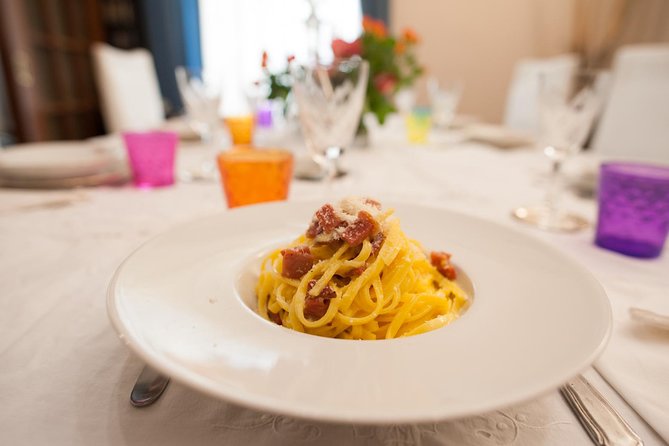
You can pick an afternoon or evening option. That one detail changes the whole day in Rome.
If you do afternoon, the meal can feel like an early “Rome dinner” and still leave you time to wander neighborhoods afterward. If you do evening, it can work like a relaxed anchor event, where you get a full meal experience before the late-night Roman rhythm kicks in.
How to choose: match it to your energy and your appetite. If you want to end the day with food and settle in, evenings make sense. If you prefer to keep your night open for gelato and walking, afternoons are often easier.
A few more Rome tours and experiences worth a look






Where You Meet, and How to Avoid a Start-Time Disaster
This experience ends back at the meeting point, so you are not stuck figuring out transit at the end. Also, the meeting area is near public transportation, which is a plus in Rome where walking time can surprise you.
Still, here is the practical caution. The experience takes place in a private home, so the exact address is not shared prior to booking. The meeting point shown is a general location, and the precise details should come through your voucher after you reserve.
That privacy setup is normal. But it means your job is simple: show up with the right information in hand. If you rely on a map pin without double-checking voucher instructions, you risk going to the wrong spot at the wrong time. If you can, keep your mobile ticket accessible and confirm as soon as you have the details.
Price and Value: What You’re Really Paying For
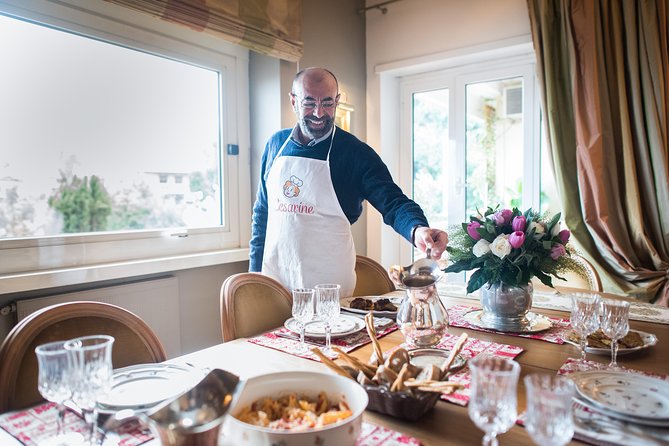
At $102.25 per person, this is not a casual “buy food and watch a cooking show” event. You are paying for three things that are hard to fake in a standard restaurant class:
- Private home access to a real kitchen and dinner table
- Structured instruction, Roman gastronomy plus a cooking workshop
- A full multi-course meal, including fresh pasta and Roman dessert
If you compare it to a fancy dinner plus a basic cooking demo, the value shifts because the meal is built into the experience. You are not just paying for ingredients. You are paying for guidance and context.
Also, the group cap of 10 helps justify the price. You get more time, more questions, and a less rushed pace than in big group tours.
One more signal: it is commonly booked about 22 days in advance on average. That suggests it is not a last-minute plan type of activity. If your travel dates are fixed, you’ll usually have an easier time locking in the right timing when you book earlier.
Who Should Book This Rome Cooking Class?
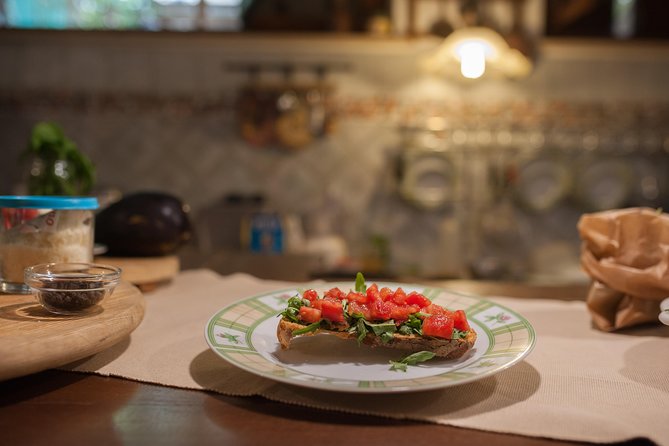
This fits best if you want more than a restaurant meal and you like learning by doing.
It is a great match for:
- Food lovers who like structure: starter, pasta, main, dessert
- Travelers who want Roman-specific dishes such as saltimbocca and coda alla vaccinara
- People who want skills to cook at home, not just recipes to read later
- Small-group travelers who prefer conversation over crowd energy
It may be less ideal if:
- You hate instructions and prefer “show up and follow the obvious” plans
- You need very detailed meeting directions early, because private home locations require voucher-based confirmation
In terms of comfort and care: most travelers can participate, and service animals are allowed. The instruction is in English, and you get a mobile ticket.
Final Thoughts: Should You Book It?
I’d book it if you want a real Roman dinner night with learning built in. The combination of Roman gastronomy, hands-on cooking, and a full meal gives you both the memories and the skills. The small group size also makes it feel personal.
Just go in prepared. Bring your phone with your mobile ticket ready, read your voucher details closely, and plan to arrive with enough time to confirm the general meeting point instructions.
If that sounds like your style, this is a strong Rome experience. You leave with food in your stomach and methods in your head, which is exactly what a good cooking class should do.
FAQ
What is the price per person for this Rome cooking and dining experience?
The price is $102.25 per person.
What language is the experience offered in?
The experience is offered in English.
How big is the group for this activity?
The activity has a maximum of 10 travelers.
What does the meal include?
A sample menu includes a seasonal starter, fresh pasta (rigatoni, bucatini, or gnocchi), a second course such as saltimbocca alla romana or coda alla vaccinara, and Roman dessert such as ricotta and cherry tart or Roman tiramisu. A second main is also listed in the sample choices, such as trippa alla romana or costine di agnello alla scottadito.
Does it happen in the afternoon or evening?
You can choose either an afternoon or evening option.
What cancellation flexibility do I have?
You can cancel for a full refund if you cancel at least 24 hours in advance of the experience start time. Free cancellation is available. You will also receive confirmation at booking time.
More Dining Experiences in Rome
More Cooking Classes in Rome

More Tour Reviews in Rome






Not for you? Here's more nearby things to do in Rome we have reviewed












Cooking Classes, compared.
 ★ 4.9Pasta Making Class with Wine, Limoncello, and DessertFrom $483,177 reviews
 ★ 4.93-in-1 Fettuccine, Ravioli, and Tiramisu Cooking ClassFrom $812,704 reviews
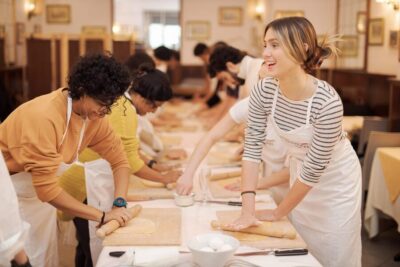 ★ 4.8Fettuccine Pasta Cooking Class in Rome’s City CenterFrom $462,414 reviews
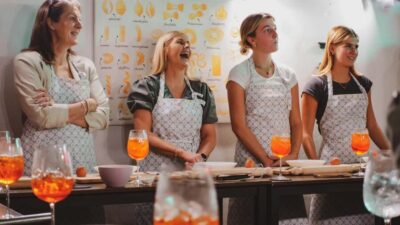 ★ 5.0Traditional Pasta with Cocktails Cooking ClassFrom $1002,374 reviews
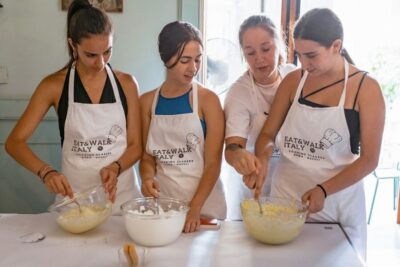 ★ 4.8Fettuccine and Tiramisu Cooking Class with WineFrom $672,013 reviews
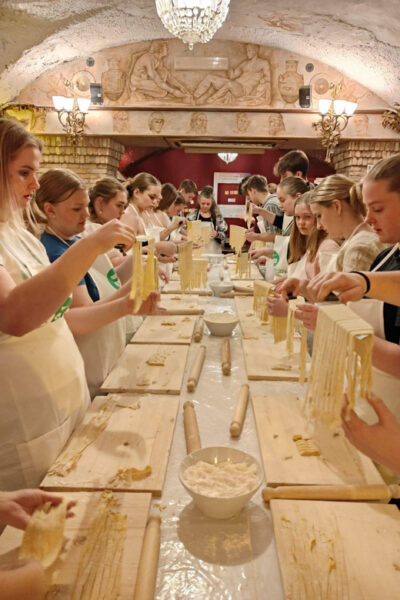 ★ 4.8Pasta & Tiramisu Cooking Class near the Spanish StepsFrom $581,395 reviews
 ★ 4.7Traditional Pizza Cooking Class near Piazza NavonaFrom $461,241 reviews
 ★ 4.9Pasta Making with Wine Tasting and Dinner in FrascatiFrom $35979 reviews
Browse the lists this tour appears in