
Reviewed · ROME GOLF CART TOURS
Tour of Rome in Golf Cart: Seven Hills of Rome
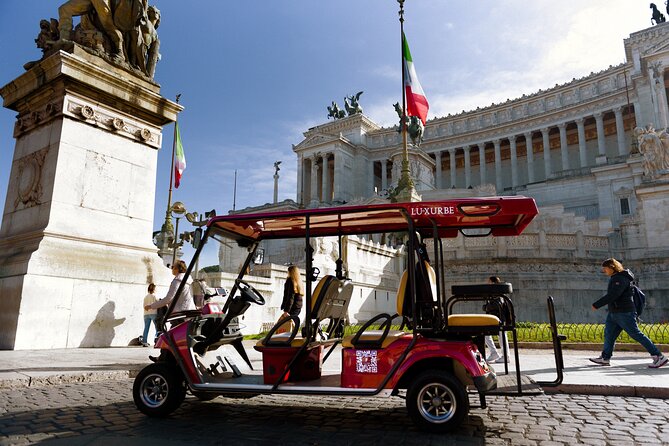
Seven Hills, zero steep sweat. This electric golf cart tour strings together panoramic viewpoints with guided stops, so you get the best Rome angles without the foot pain. The trade-off is simple: entrance tickets are not included, and some top sights are mainly exterior views.
I like how it keeps a relaxed rhythm for a full 3 hours, from Piazza Venezia area landmarks all the way back to Piazza del Popolo 11. And the guide quality can be a big deal here, with names like Ernesto, Jimmy, Vito, Johnny, and Robin showing up in past experiences for their clear explanations and friendly approach.
Key things to know before you go
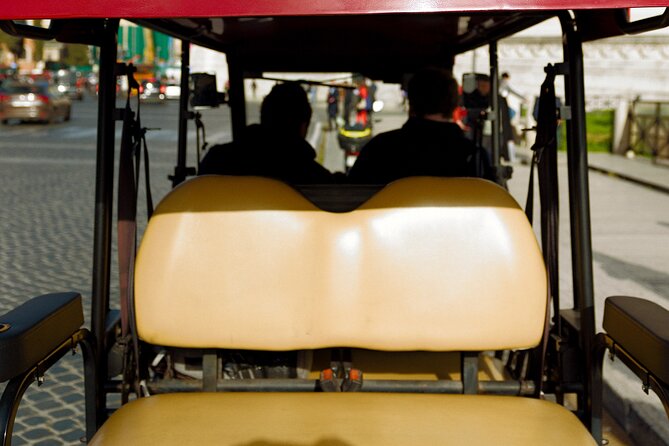
- Electric golf cart comfort: built for Rome’s narrow streets and a smoother ride with minimal walking
- Photo-friendly stops: you get time at major landmarks for pictures without a long scramble
- A guide who talks your pace: English-speaking driver/guide with live context and options for audio guides
- Seven Hills focus with big landmarks: you connect hills like Capitoline, Palatine, Celio, and Aventine with key Rome sights
- Mostly exterior sightseeing at the headline monuments: great views, but plan separate tickets if you want inside
Why an electric cart tour works for the Seven Hills
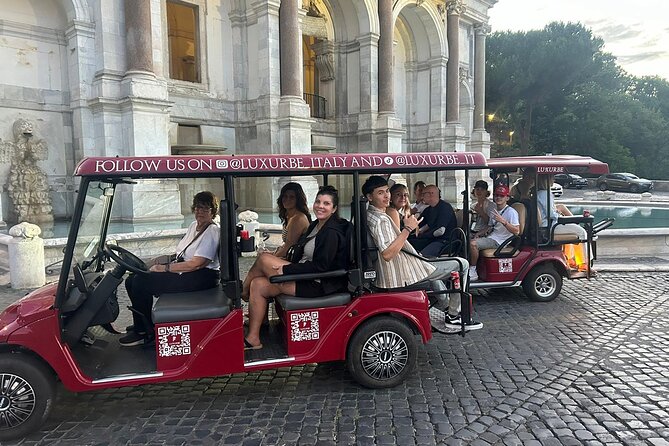
Rome is gorgeous, but it can be tiring fast. Cobblestones, stairs, and sudden hill gradients turn a “quick walk” into a full workout. This tour solves the problem with a quiet electric golf cart that handles city streets smoothly, then lets you pause at the viewpoints that normally require a lot of climbing.
For me, the big win is the pace. You are not rushing between far-flung corners of the city, and you are not trapped in one long stop either. The route is designed for guided sightseeing with minimal walking, so you can actually absorb what you are seeing, not just survive the distances.
One more practical point: because the sightseeing time is spread across several short guided moments, it works well even if you have limited energy or you want an orientation day. It is also a smart way to do Rome’s hill story without turning your visit into an all-day hike.
You can also read our reviews of more tours and experiences in Rome.



Piazza del Popolo 11: where you meet and how the timing feels
Your meeting point is Piazza del Popolo 11, in front of the Leonardo da Vinci Museum. Wait outside the entrance. Do not go in. There is no Luxurbe sign, so you look for the vehicle instead, and it should be easy to recognize.
Plan to arrive with a little buffer. You can wait up to 10 minutes past the scheduled start time, and once the tour passes that window, it is treated as a no-show. Hotel pickup is optional, but if you choose it, you wait at street level outside your accommodation entrance.
How the timing feels on the ground: the stops are guided for short blocks, often around 10 to 20 minutes each. That means you are constantly moving just enough to keep momentum, while still having time to hear the story and take photos.
Piazza Venezia and the Altar of the Fatherland: start with Rome’s big statement
The tour begins with Piazza Venezia, then moves to the Altar of the Fatherland area. Even if you already know Rome’s classics, this first stretch matters because it gives you a sense of scale. You are starting in the zone that feels central and ceremonial, the kind of place where Rome announces itself before you go hunting for details.
At this stage, you get a guided segment and then a quick switch to driving and passing nearby landmarks. The tempo is deliberate. Instead of dropping you into one site for an hour, it sets up what to watch for later on: hill-to-hill sightlines, official Rome landmarks, and how the city’s layers stack.
A practical tip: keep your camera handy right away. The tour includes photo opportunities at major points, and the opening area tends to offer some of the easiest “get your bearings fast” views.
Piazza del Campidoglio and the Capitoline angle
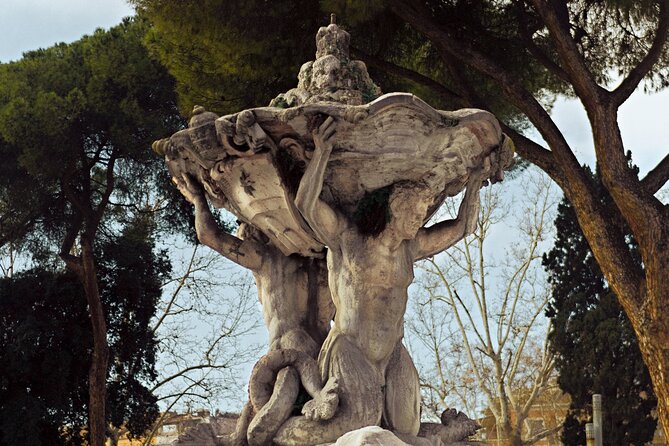
Next up is Piazza del Campidoglio. This is one of the key moments for the Seven Hills idea because the Capitoline area is linked to Rome’s ancient civic center. You get guided time, and then you move on.
What makes this stop useful is how it connects architecture to the idea of power. In a short visit, you can understand why the Romans kept claiming the high ground. You see how Rome builds a sense of order, then later in the tour you feel the contrast when you reach more atmospheric spots like the Mouth of Truth area.
If you like context, this is a good stop to pay attention. Even in 15 minutes, a good guide can help you read what you are looking at: the placement, the orientation, and why this hill matters.
Palazzo del Quirinale and the route through Rome’s layers
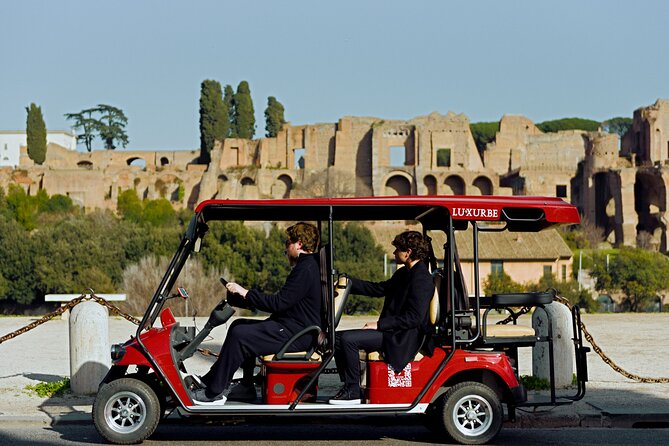
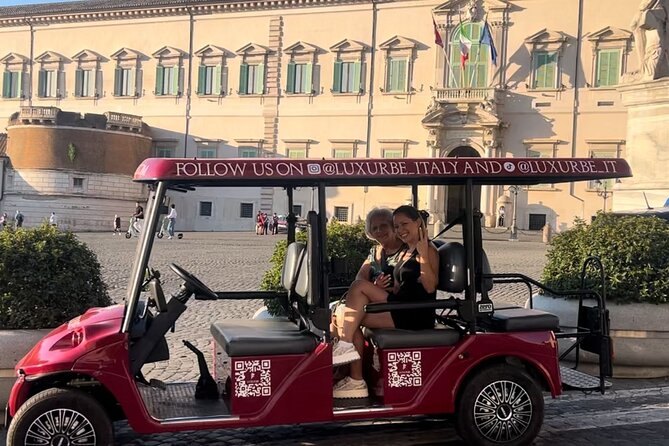
The tour passes by Palazzo del Quirinale and then continues toward the ancient core. Even though this is a pass-by segment rather than an extended on-foot explore, it still helps the overall story. Quirinale is one of those Rome locations that feels official and composed, and it creates a nice contrast to the more rugged ancient areas you will reach soon.
This is one of those “small time, big payoff” sections. You get a sense of how modern Rome sits next to the older foundations, without feeling like you are doing a full museum day.
If you are sensitive to time, this kind of pass-by driving works in your favor. You keep the tour energy while still collecting landmark context.






Palatine Hill and Imperial Fora: where the city’s bones show
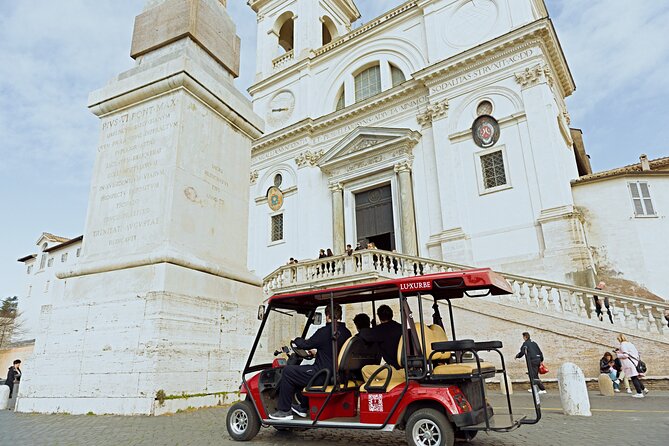
Then comes Palatine Hill and the Imperial Fora. This is the section where you should lean into the guide’s explanations. The cart route gives you street-level views that help you understand the scale, then the guided time helps you connect that scale to what used to be here.
Even if you are not an archaeology person, this stretch is valuable because it shows how Rome grew. You start seeing how the city is layered, with major sites sitting like overlapping chapters.
One consideration: because this is still a cart tour, you are not doing long on-foot excavation-style wandering. If your goal is deep interior access or detailed ruin exploration, you may want to pair this with a ticketed day later. But for orientation plus meaningful insight, it hits the sweet spot.
Mouth of Truth and the Colosseum exterior views
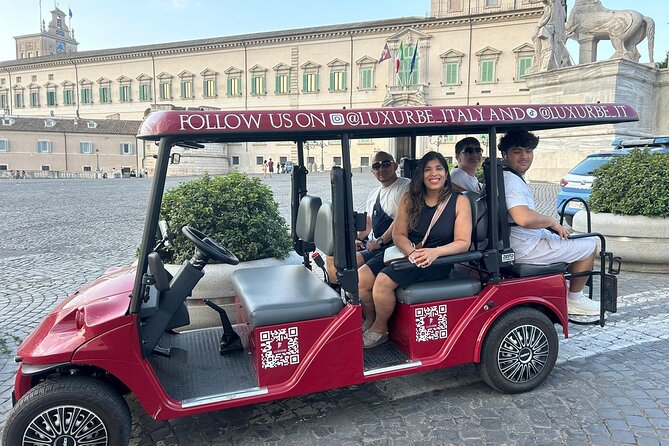
At the Mouth of Truth, you get guided time, and it is easy to see why this stop stays popular. It is recognizable, cinematic in reputation, and it also works as a quick reset after the denser ancient-zone driving.
After that, you get exterior views of the Colosseum. You might wish for more time if you are hoping to go inside, but exterior viewing can still be satisfying if you want photos with context rather than ticket lines and long waits.
Here is how I’d plan it: do this cart tour if you want the big-picture Rome connections. If you know you want an inside visit, schedule that separately so this one can stay focused on viewpoints, guided narration, and photo moments.
Celio Hill and the Aventine Keyhole: Rome gets quieter and stranger
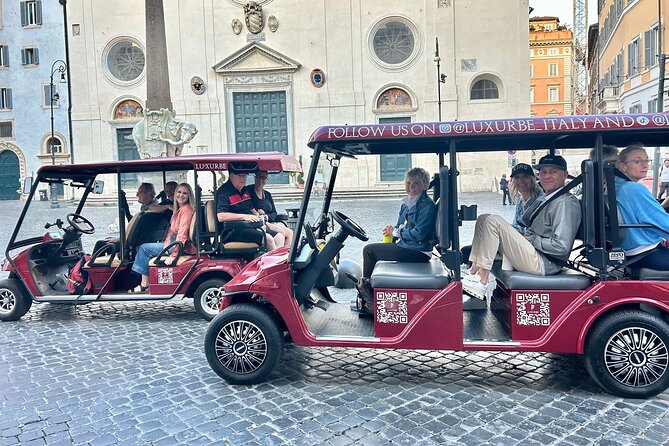
Next is Celio. This is part of why the route earns its Seven Hills label. You are shifting hills, and you can feel the atmosphere change through the drive and the viewpoint style.
Then you reach the Aventine Keyhole. This is one of those Rome oddities that feels like a small ritual. The guide time here is useful because it helps you understand what you are looking at and why the Aventine matters in the hill story.
Finally, the tour ends with Giardino degli Aranci. This is a calm, scenic finish. You get guided time, and it makes a nice contrast to the more monumental areas earlier in the day. It is the kind of place that lets you look around, not just stare forward.
Tip for your photos: at both Aventine Keyhole and Giardino degli Aranci, take a moment to pause and check the lighting. The cart keeps you moving, but these end sections are where your photos benefit from slowing down for one extra look.
Guides, language, and why it matters more than you think
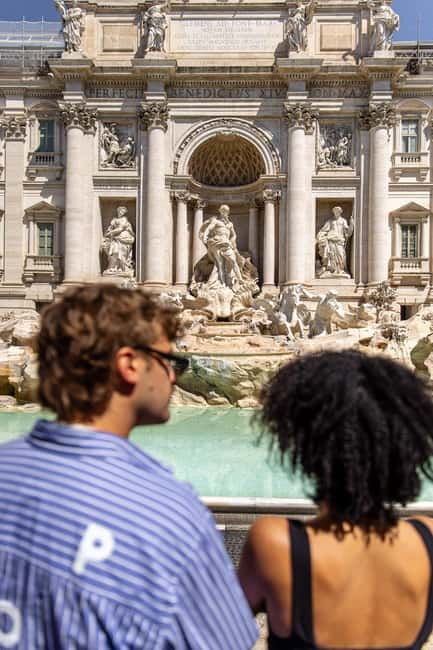
This tour runs with an English-speaking driver/guide, and live tours can be in English or Italian. There are also audio guides provided upon request, when available, with language options that include English, Spanish, and Italian.
Why I think this matters: on a cart tour, you get just minutes at each stop. If the guide is strong, those minutes become memorable. If the guide is weak, you end up with great photos and little understanding.
Past experiences tied to this tour highlight guide performance. I’ve seen names like Ernesto praised for clear explanations, Jimmy for a fun and well-paced tour, Vito for linking the sights to history in a friendly way, Johnny for checking in at the start about where you want to go and making helpful suggestions, and Robin for passionate delivery and a lot of learning in a short time. That pattern tells me the tour often succeeds because the guide is doing real work, not just driving.
Price and value: is $47 a good deal?
At $47 per person for about 3 hours, the value comes from what you avoid. You avoid long walks, you avoid piecing together multiple neighborhoods, and you get a guided narrative across several major Rome points.
What you do not get: entrance tickets. That is the main thing to factor into your budget. If you want to go inside major sites, you’ll pay those tickets separately. The cart tour still gives you exterior views and guided context, but if your goal is full monument interiors, plan extra time and extra tickets.
So the best value scenario is:
- You want the Seven Hills story and iconic landmarks.
- You prefer comfort and short guided moments over long museum-style time.
- You want a day that keeps you fresh for the rest of Rome.
If you are the type who always wants to be inside everything, you might find the value only okay. In that case, treat this as your orientation and viewpoint day, then do a second day focused on entrances.
Small rules that can affect your day
Rome days go better when you know the limits upfront. Here are the clear ones for this tour:
- Pets are not allowed.
- No weapons or sharp objects.
- No baby strollers.
- No luggage or large bags.
- Unaccompanied minors are not allowed.
Weather is also worth knowing. The tour runs in light rain, and itineraries may shift due to weather, traffic, road closures, or city events. That means your exact order might change slightly, but the Seven Hills focus remains.
Also note the accessibility info has two signals in the details you were given: wheelchair accessibility is listed, and it is also marked as not suitable for wheelchair users. If you need wheelchair accommodations, I strongly suggest confirming directly with the operator before you book.
Who this tour suits best, and who should skip it
This is a great fit if you:
- Want a comfortable way to see multiple hills and landmarks without a long hike
- Have limited time and want a strong orientation to Rome’s core sights
- Prefer short guided explanations plus photo stops
- Want to travel at a relaxed rhythm while still learning
It may not be ideal if you:
- Want lots of inside monument time as your main goal
- Need deep, on-foot ruins exploration with extended stops
- Are bringing prohibited items like strollers or large luggage
It is also not suitable for children under 3, and there is that accessibility note mentioned earlier that you should double-check.
Should you book the Seven Hills by electric golf cart?
I’d book this if your priority is comfort, viewpoints, and guided context in a tight timeframe. The electric golf cart keeps the experience easy on your body, while the stop sequence covers the core “Seven Hills” idea through multiple major landmarks and hills like Capitoline, Palatine, Celio, and Aventine.
I’d think twice if you want inside access at every major monument. In that case, use this as a smart planning day, then pair it with ticketed visits later.
If you are deciding in one line: book it to get your bearings and learn the hill story without suffering, then add inside visits when you feel like slowing down.
FAQ
How long is the Seven Hills of Rome electric golf cart tour?
It lasts about 3 hours.
Where do I meet the tour?
Meet at Piazza del Popolo 11, in front of the Leonardo da Vinci Museum. Wait outside the entrance and do not enter.
Does the ticket price include entrance fees?
No. Entrance tickets to monuments and attractions are not included.
Is hotel pickup available?
Hotel pick-up and drop-off are optional if selected, and you wait outside your hotel or accommodation at street level.
Does the tour run in rain?
The tour operates even in light rain.
What languages do you get for the guide and audio?
The live guide is available in English and Italian. Audio guides are provided upon request, if available, and can include English, Spanish, and Italian.
Is the tour suitable for wheelchair users?
Wheelchair accessibility is listed, but it is also marked not suitable for wheelchair users. If you need wheelchair accommodations, confirm directly with the operator before booking.
More Tours in Rome
More Tour Reviews in Rome
Not for you? Here's more nearby things to do in Rome we have reviewed












Rome Golf Cart Tours, compared.
 ★ 4.8Imperial City Tour by Golf Cart with Optional TransferFrom $1241,024 reviews
 ★ 5.0Golf Cart Small-Group Guided Tour: Rome City HighlightsFrom $104907 reviews
 ★ 4.8City Highlights Golf Cart TourFrom $45857 reviews
 ★ 5.0Private/Group 4 Hours Golf Cart SightseeingTourFrom $168780 reviews
 ★ 5.0Explore Rome on a Golf Cart: Private TourFrom $83757 reviews
 ★ 4.8City Highlights Golf Cart Tour with Local GuideFrom $71752 reviews
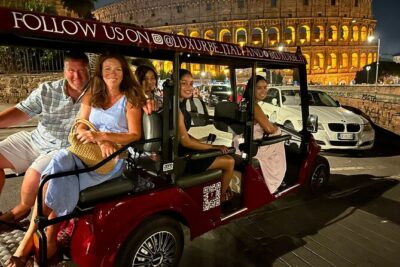 ★ 4.5Rome by Night: Golf Cart TourFrom $108688 reviews
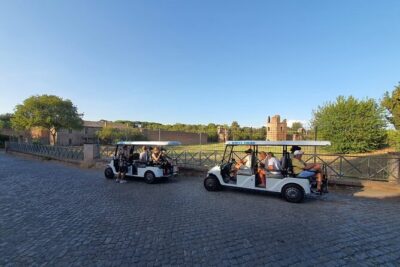 ★ 5.0Rome Catacomb & Appian Way Small-Group Tour by Golf CartFrom $107681 reviews
Browse the lists this tour appears in