
Reviewed · TRASTEVERE TOURS
Rome: Trastevere and Roman Ghetto Guided Walking Tour
Rome turns personal on these cobbled lanes. In one guided stretch, you link Trastevere’s bohemian streets with the Roman Ghetto’s heavier Jewish history, while you also get your eyes on some of Rome’s most memorable landmarks.
I especially like the way the route mixes two tones without feeling rushed. You start with Santa Maria in Trastevere and its 12th-century mosaics, then you move into the Ghetto where the stories around the Great Synagogue of Rome focus on endurance, not just sightseeing.
One thing to plan around: this is a walking-heavy route through older streets. It is also not suitable for wheelchair users or people with mobility impairments, and there is no mention of a dedicated restroom stop in the middle.
Key takeaways before you go
- Short, focused route: about 2 to 2.5 hours, with timed stops that keep you moving.
- A great guide can make it: guides like Estefi, Celia (spelled Cecelia in one booking), Estafania, Sarah, Fabiano, and Giuseppe have been praised for clear, fun explanations.
- You may get a quieter group: headsets are included only if the group is more than 10, and some bookings describe very small groups.
- Trastevere first, then the Ghetto: you get bohemian Rome, then Jewish Rome, with a natural emotional shift.
- Photo and food help is part of the experience: at least one guide offered photo help and solid food recommendations.
Meeting at Piazza Mastai, then walking Rome like a local
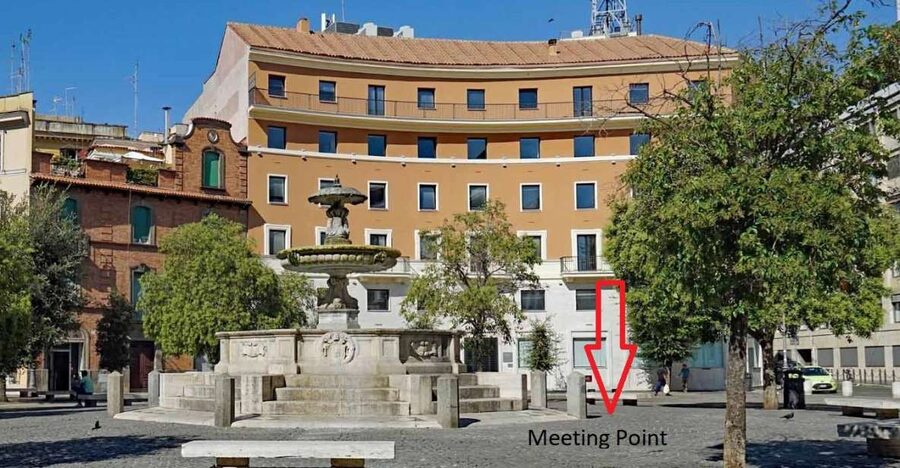
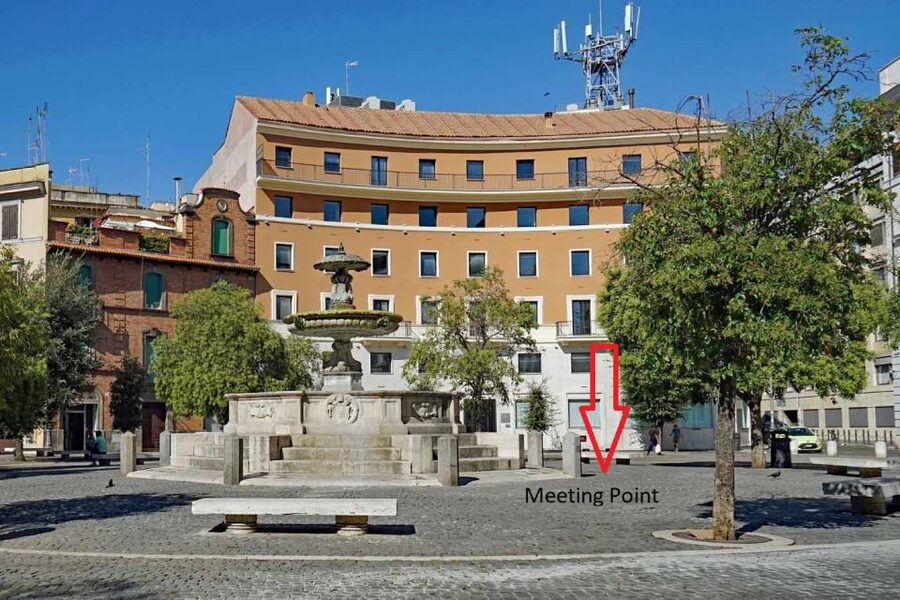
The tour starts at Piazza Mastai, where your guide waits about 15 minutes early around the main fountain, holding a sign with the tour name. This matters because you avoid the usual Rome start chaos, and you can get your bearings fast.
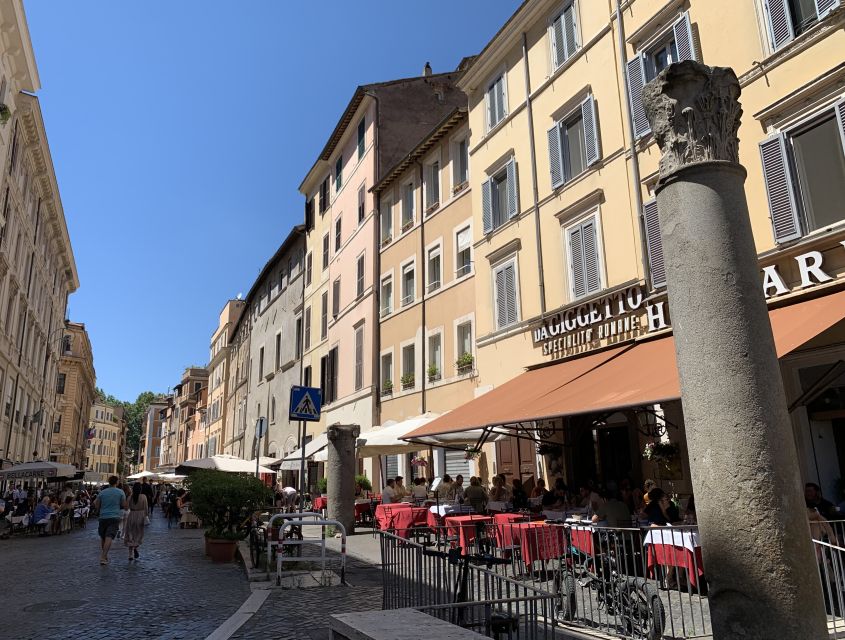
From there, you walk through neighborhoods that feel different block by block. That is one of the best ways to understand Rome: not as one giant museum, but as separate communities that evolved over centuries.
Also, the pace is built for people who want context, not just photos. The stops are close enough that you stay in the story, but far enough that you still feel like you are moving through real streets.
You can also read our reviews of more walking tours in Rome



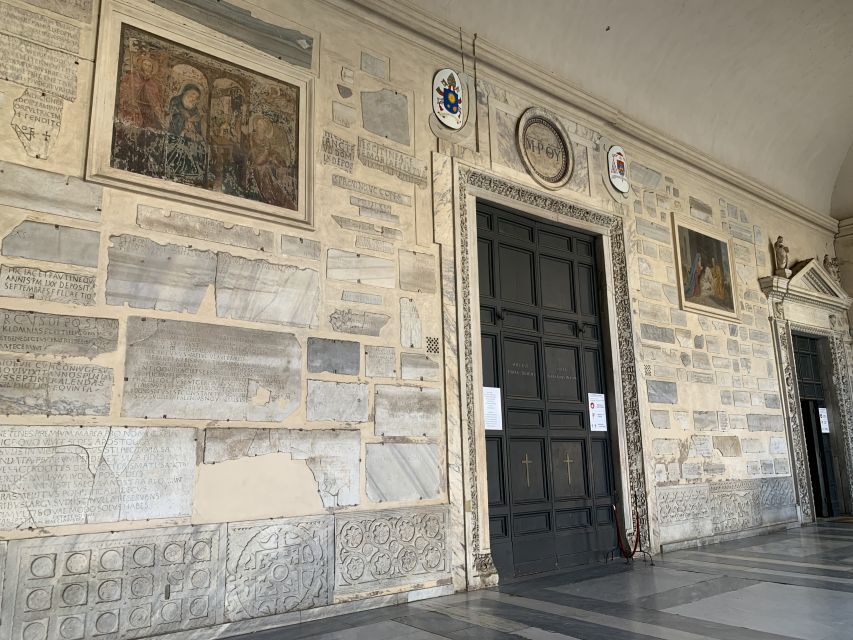
Piazza Santa Maria in Trastevere and the Basilica’s mosaic magic
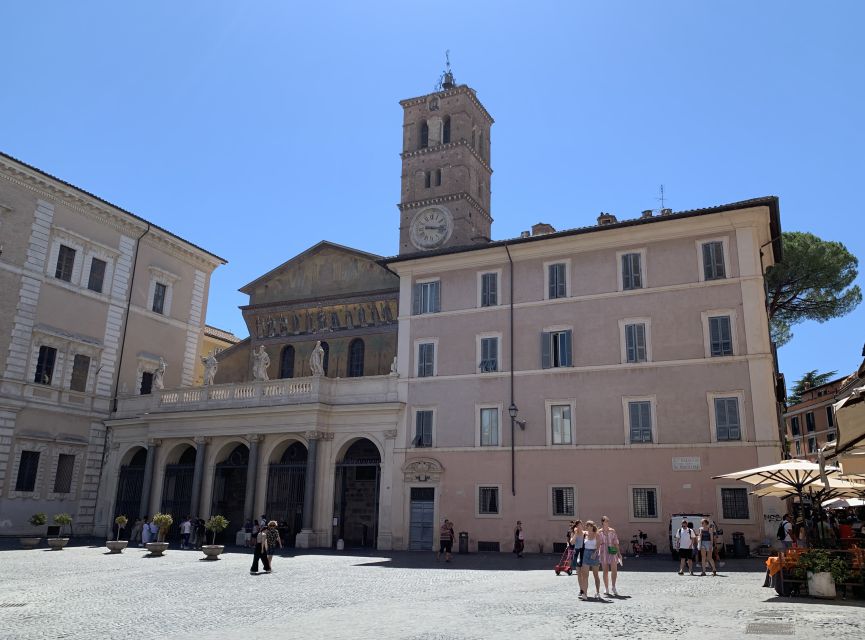
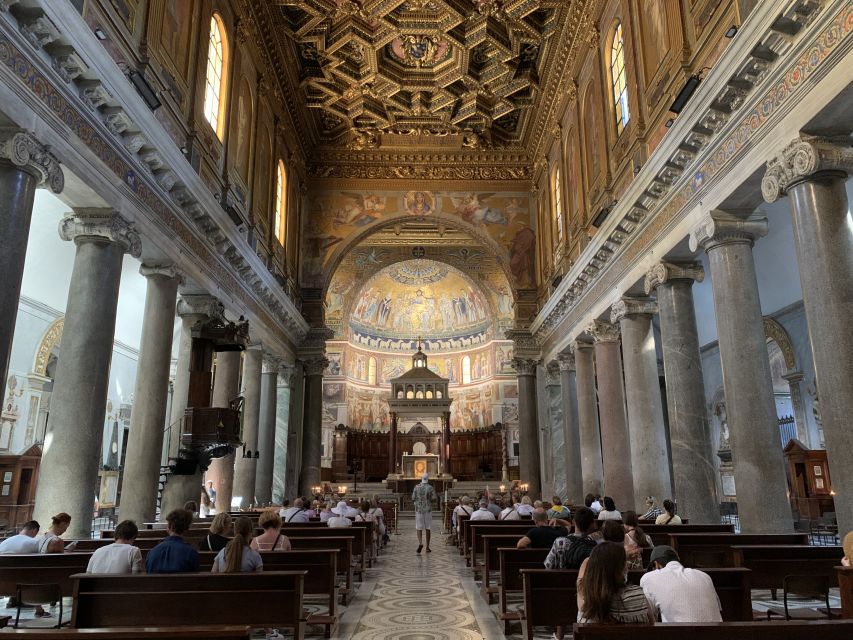
Your first major landmark stop is Piazza di Santa Maria in Trastevere, built around the Basilica of Santa Maria in Trastevere. The basilica dates to the 12th century, and the draw is the mix of visual wow and calm details like the serene fountain in the center.
If you like architecture, this is a smart early stop. Your guide points out what you might miss on your own, especially how Roman religious art is meant to be read with your eyes, not just your ears.
It is also a good moment to slow down. You get a walk break, a place to look closely, and a setting that does not feel like a quick photo-and-go.
Practical note: churches can be busy at certain times. If it feels crowded, keep your spot near where the guide is talking and let the group flow around you.
Piazza Trilussa: street life, humor, and a real sense of Rome
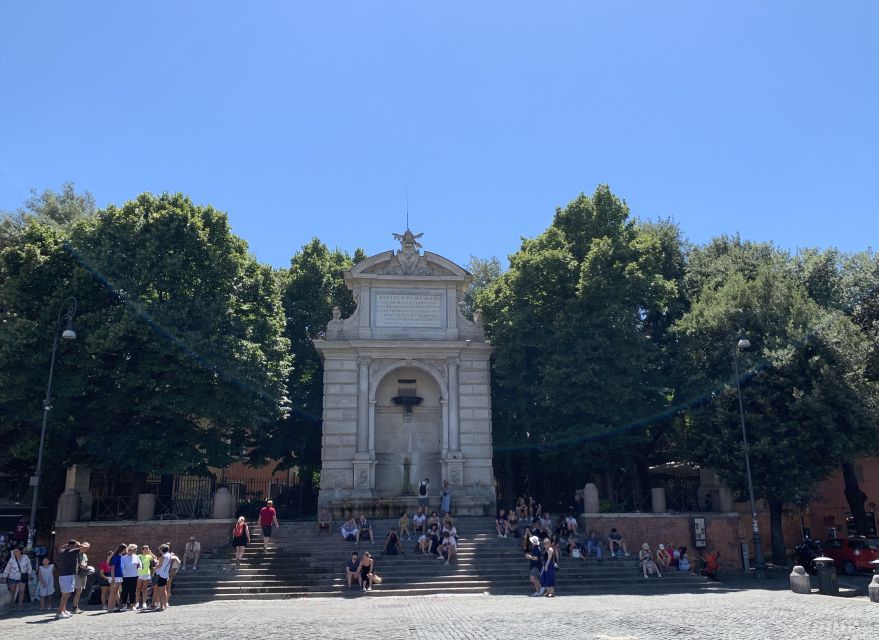
Next you reach Piazza Trilussa, named for the Roman satirical poet Carlo Alberto Salustri, who wrote as Trilussa. This stop is more about atmosphere than monuments, and that is a good balance after the basilica.
You may notice street performers and a lively feel to the square. This is the kind of Roman public space that shows how daily life sits right next to famous history.
If you are the type who likes to understand the city’s rhythm, this is where you start doing that. It sets up Trastevere as a neighborhood, not a theme.
Campo de’ Fiori: markets, shadows, and people-watching
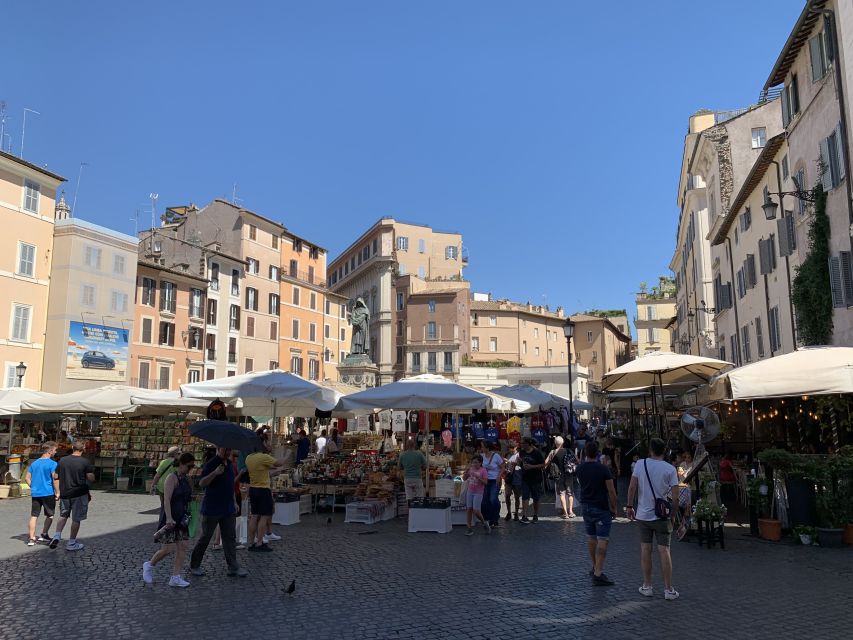
Then comes Campo de’ Fiori, a square known for its Roman-era importance and its market energy. Even if you do not plan to shop, it is worth paying attention to how the square works: movement, vendors, quick chats, and tourists filtering in and out.
One practical bonus here is the natural chance to reset. A couple of guides reportedly build in a short moment for a coffee or juice in the market area, which is a simple way to keep the rest of the walk comfortable.
If it is hot, this is also a smart place to adjust. You can drink water, pause in the shade if you find it, and avoid the mid-walk fatigue that ruins otherwise great tours.
The Roman Ghetto and the Great Synagogue of Rome
This is where the tour shifts tone. You enter the Jewish Ghetto, a place with profound cultural significance, and you hear stories that explain how the Jewish community thrived despite long and difficult conditions.
This stop is valuable because it gives you context for what you are looking at. Rome is full of beautiful stone and ancient dates, but the Ghetto asks you to connect beauty with lived experience and resilience.
The key moment is the stop at the Great Synagogue of Rome, described as an architectural marvel that symbolizes strength and endurance. Even if you only spend a few minutes at each point, your guide’s framing helps you see the building as part of a much larger story.
A word on emotions: this section can feel heavy, especially if you are sensitive to history tied to hardship. That does not mean you should skip it. It just means you will enjoy the tour more if you go in ready to listen.
You can also read our reviews of more guided tours in Rome





Closing at the Theater of Marcellus, 13 BC scale in your line of sight
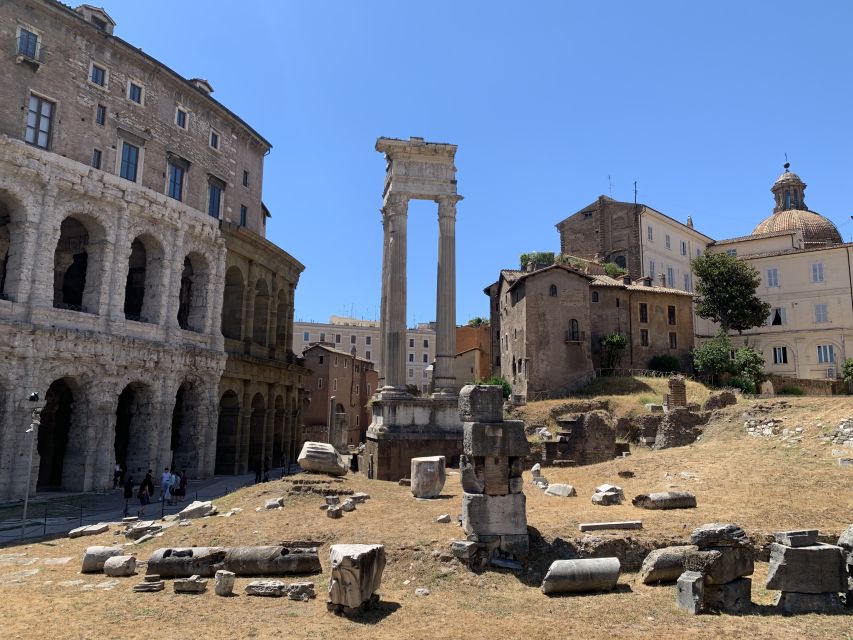
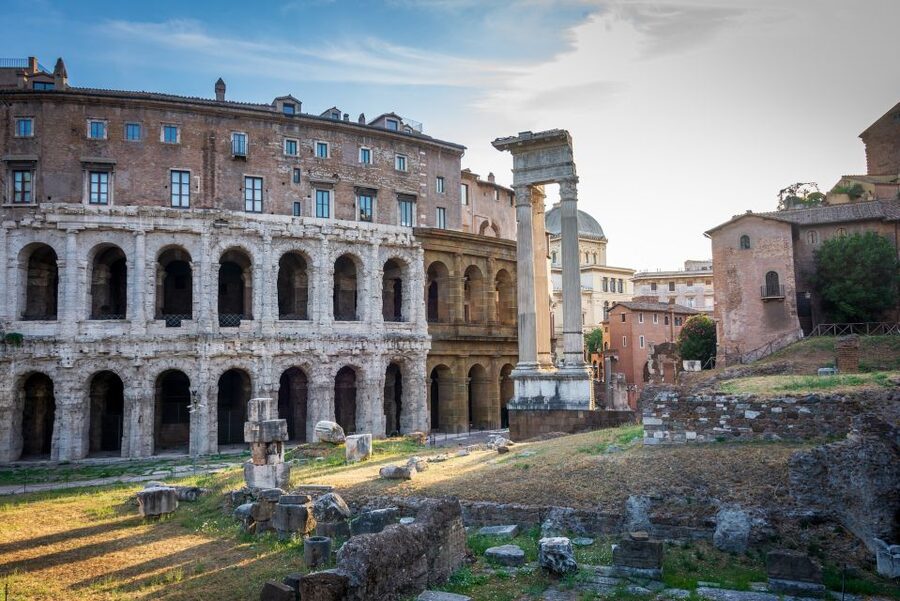
Your final stop is the Theater of Marcellus, an ancient Roman amphitheater dating back to 13 BC. This makes a fitting ending because you move from community history to old-world scale.
You get that classic Rome feeling here, the one where buildings seem to keep going long after you think the city should have ended. The guide helps you understand what you are looking at without turning it into a lecture.
It is also a handy end point for planning your next move. After the tour, you are in a central Roman area where you can continue exploring on your own, or just slow down and watch the city do its thing.
Guides matter here, and the best ones really earn it
This tour earns its strong reputation largely through guide quality. Several verified bookings mention guides such as Estefi, Celia (Cecelia), Estafania, Sarah, Fabiano, Frincasco, Giuseppe, and Gabriella, with consistent praise for being engaging, answering questions, and keeping the pace relaxed.
You can see a pattern in what people liked:
- clear explanations that help the neighborhood and Ghetto stories click
- time to take in each stop instead of sprinting through
- small extras like food recommendations and photo help
- a mindful approach to comfort, including shade breaks during hotter weather
You do not get that from the landmarks alone. You get it from the human who threads them together. If you care about meaning, not just checkboxes, this is a tour where you will feel the difference.
One small consideration: one booking wished the route included a WC stop in the middle. You should treat this as a reminder to plan ahead. Use facilities before you meet, and bring a mindset of water and snacks rather than expecting a restroom stop to be built in.
Price and value for a 2 to 2.5 hour guided walk
At $41 per person for a 2 to 2.5 hour walking tour, you are paying for two things: guided interpretation and efficient routing. This is not the kind of tour you do to save time on transport, since there is no pickup or drop-off. You do it because the guide makes the places make sense.
You also get practical audio support if needed. The tour includes headsets when the group is more than 10 people, which helps you hear clearly at outdoor stops. If your group ends up smaller, you may not need headsets, and the walk can feel quieter and more personal.
Is it worth it? If you want to understand Trastevere beyond photos, and Jewish Rome beyond a single landmark, then yes. The price lines up with the value you get from context, pacing, and the way the tour connects the neighborhood’s lighter side with the Ghetto’s heavier one.
If you only want quick exterior views and you already feel confident reading Rome on your own, you could skip a guide. But if you like stories, names, architecture cues, and historical framing, a guided format is the better deal.
Logistics you actually care about: what to bring and what to expect
Bring water and a reusable bottle. The tour is a walking route, and Rome heat can sneak up on you even when you feel fine at the start.
Wear comfortable shoes with grip. The streets in these neighborhoods are part of the charm, which also means you should expect uneven ground.
Plan your expectations around the length. With multiple short walks between stops, the total time is long enough to feel satisfying, but short enough that it does not swallow your whole day. You should be done with this tour while you still have energy to eat well after.
Meeting is at Piazza Mastai, and the tour runs with live guides in Spanish, French, and English. If you want the smoothest experience, arrive a little early so you are standing with the group when the guide begins.
Who this tour suits best
This is a strong choice for you if:
- you want a guided introduction to both Trastevere and the Roman Ghetto
- you enjoy walking Rome with stories and architectural notes
- you like small moments, like squares where local life happens, not just big-ticket monuments
It is less suitable if:
- you use a wheelchair or need accommodations for mobility impairments
- you prefer minimal walking, since the route is structured as a series of walks between stops
Should you book this Trastevere and Roman Ghetto walking tour?
Yes, if you want your Rome day to have both heart and craft. The Trastevere portion helps you understand why this neighborhood feels like home to artists, locals, and daily life. The Ghetto portion gives you the deeper context that makes Rome’s Jewish history impossible to ignore, and the Great Synagogue stop anchors that story in something you can see.
Book it especially if you care about a guide who can connect the dots. Multiple named guides have been praised for being engaging, patient with questions, and good at making the walk feel relaxed.
Skip it if you are only in Rome for a very short time and want to hit the biggest monuments by yourself, or if you need a more accessible route. This one is built for walking, and it assumes you can handle the streets.
FAQ
Where does the tour start?
The meeting point is Piazza Mastai, around the main fountain. Your guide will be there about 15 minutes before the start time, holding a sign with the tour name.
How long is the walking tour?
The tour lasts 2 to 2.5 hours.
What language options are available?
The live tour guide is available in Spanish, French, and English.
Is audio included for larger groups?
Yes. Headsets are included if the group is more than 10 people, so you can hear the guide clearly.
What should I bring with me?
Bring water and a reusable water bottle.
Is the tour wheelchair accessible?
No. The tour is not suitable for people with mobility impairments and not suitable for wheelchair users.
Can I cancel for a refund?
Yes. You can cancel up to 24 hours in advance for a full refund.
More Walking Tours in Rome



More Tours in Rome

More Tour Reviews in Rome
Not for you? Here's more nearby things to do in Rome we have reviewed









Trastevere Tours, compared.
 ★ 4.8Trastevere or Jewish Quarter Street Food TourFrom $513,839 reviews
 ★ 4.9Trastevere & Campo de Fiori Street Food Walking TourFrom $512,768 reviews
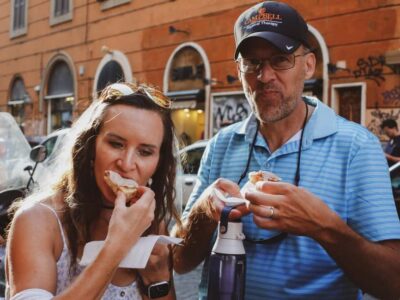 ★ 4.8Guided Food Tour in TrastevereFrom $1122,266 reviews
 ★ 4.9Trastevere Guided Food and Wine Tour with 20+ TastingsFrom $1461,022 reviews
 ★ 4.8Small Group Trastevere Food Tour with DinnerFrom $132719 reviews
 ★ 5.0Rome Trastevere Pasta Making Class with Eating EuropeFrom $100505 reviews
 ★ 4.9Twilight Trastevere Food Tour with Wine TastingFrom $123490 reviews
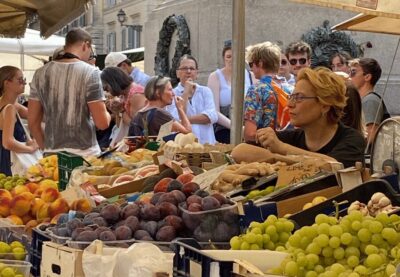 ★ 4.8Food & Wine Tour of Campo de Fiori, Ghetto, TrastevereFrom $81413 reviews
Browse the lists this tour appears in