
Reviewed · COOKING CLASSES
Rome: Traditional Cooking Class in the Jewish Ghetto
A doughy evening with real Roman flavor
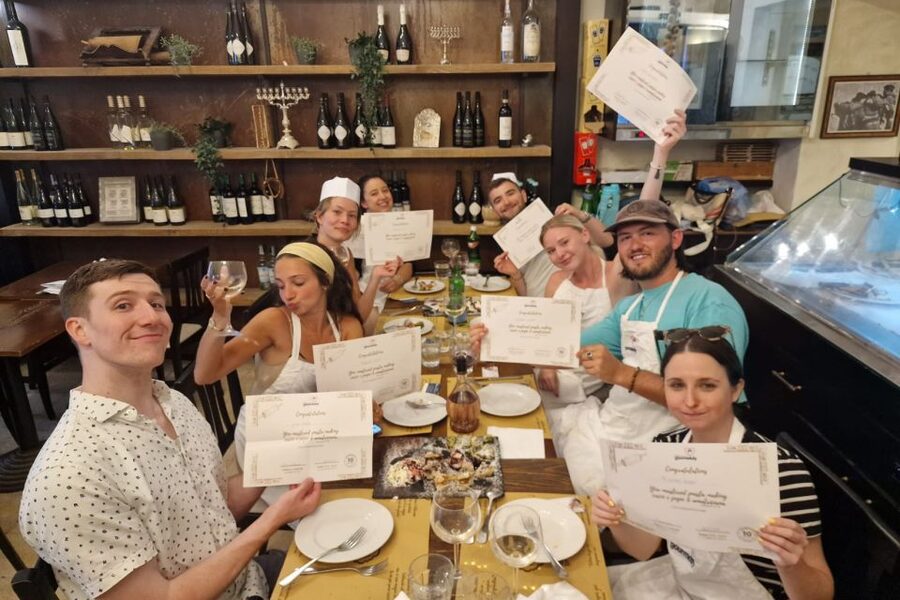
If you want a break from monuments, this cooking class puts you in the middle of Rome’s Jewish Quarter. You learn to make fresh pasta from scratch, eat a full 3-course Roman menu, and get the stories behind the food while your hands work the dough. I love the friendly, step-by-step teaching, and I love that you leave with recipes and a short list of tips for the days after. One heads-up: this is not a classroom lecture, and the experience is not kosher.
You meet at Taverna del Ghetto in the heart of the neighborhood, in a small group capped at 10. The class runs about 3 hours with an English-speaking guide, plus a chef who shows you the real workflow in a restaurant kitchen.
Key highlights at a glance
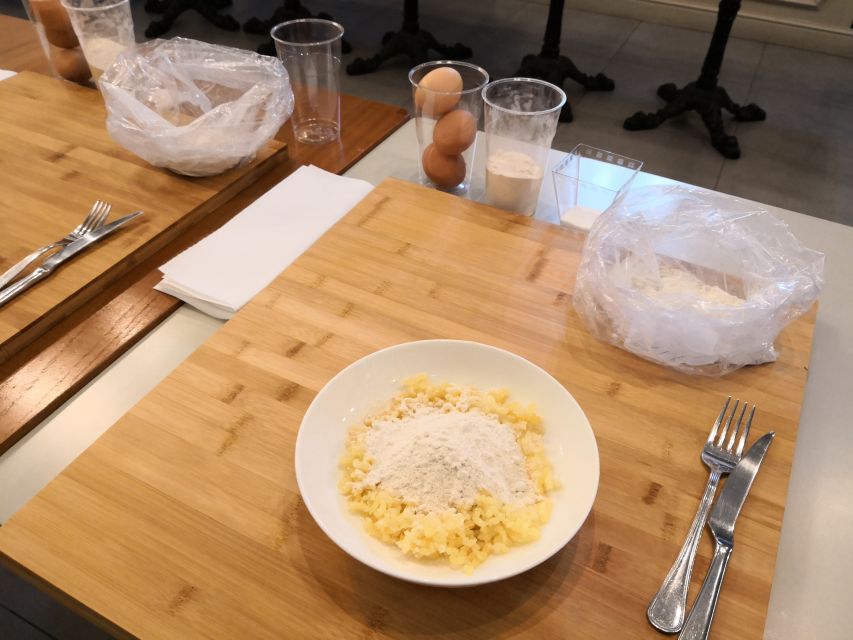
- Hands-on fresh pasta using an old-school Roman approach, not just watching from the sidelines
- Seasonal Roman menu that can include winter artichokes or summer zucchini flowers
- Chef-led kitchen time with feedback as you cook
- Wine and bottled water paired with what you make, during the meal
- Take-home recipes plus a practical list of what to try next in Rome
- Small group size limited to 10 for a more personal vibe
You can also read our reviews of more cooking classes in Rome

Where the class fits in your Rome trip
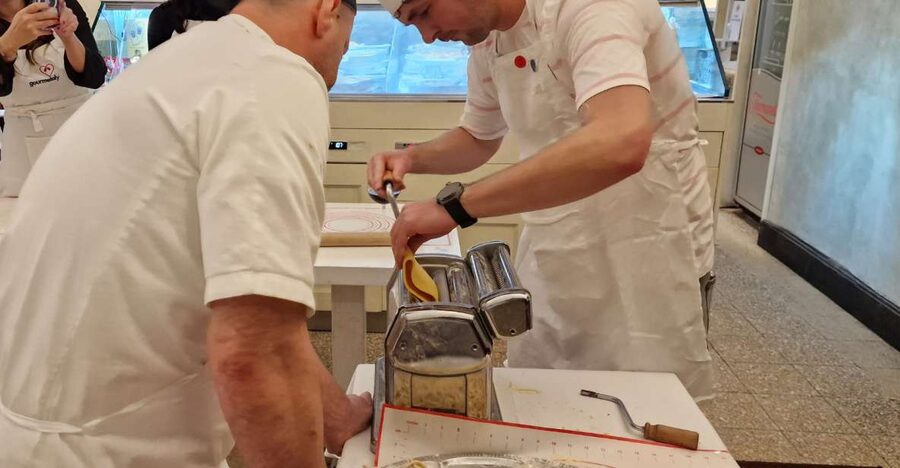
This is the kind of activity that changes the pace of a trip. After days of lines, steps, and museum hours, a cooking class feels like switching channels. You still get to be in the city, but you do it by working with locals, in a working restaurant kitchen, in the neighborhood where food traditions are part of everyday life.
The class is designed for people who want to learn by doing. You will prep and cook. You’ll taste your food. You’ll hear the legends and history around the Jewish Ghetto and how that food culture shows up in Roman cooking. And because it is in the Jewish Quarter area, the experience naturally adds context to your sightseeing, even if you are not the museum type.
It also helps that the group stays small, limited to 10 people. That matters because you actually get eyes on your dough, your shaping, your sauce, and your questions. Based on the way instructors and chefs are described, you can expect a warm, relaxed mood, not a stiff, formal class.
Meeting point and what the start feels like
You meet your foodie guide at Restaurant Taverna del Ghetto, outside the door. That sounds simple, but the location matters. The neighborhood setting is part of why this works. You are not marching somewhere far away to cook. You are stepping into a specific Roman corner with its own rhythms.
In many sessions, the host also gives you an initial walk or orientation around the ghetto area before the cooking begins. That small pre-course start helps you connect what you will cook to where you are standing. It also helps your group get comfortable. When you then move into the restaurant, it feels less like an activity and more like being included.
Expect the evening to run like this: you meet the guide, settle in, then head to the chef and kitchen area. If you prefer to watch, you can, but the structure is built around hands-on pasta work. You are there to make food, not just take notes.
What you actually cook: pasta, seasonal veg, and Roman comfort
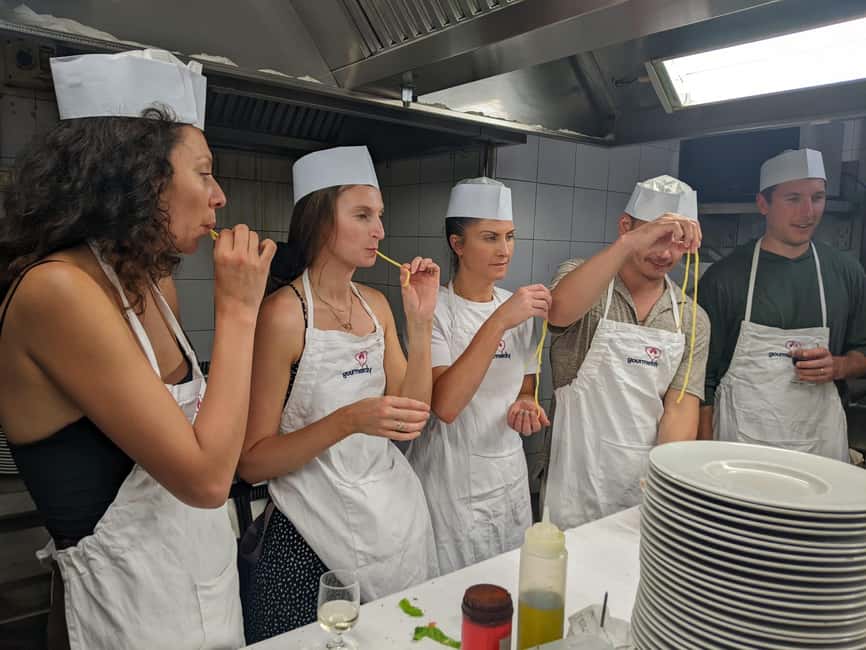
The headline skill is fresh pasta from scratch. You start working dough, learn how it should feel, and then shape it into something you can cook and eat. If you are wondering whether you will leave with the confidence to repeat this at home, the class is built to give you that. Several descriptions highlight that you learn enough to recreate the dishes once you get back.
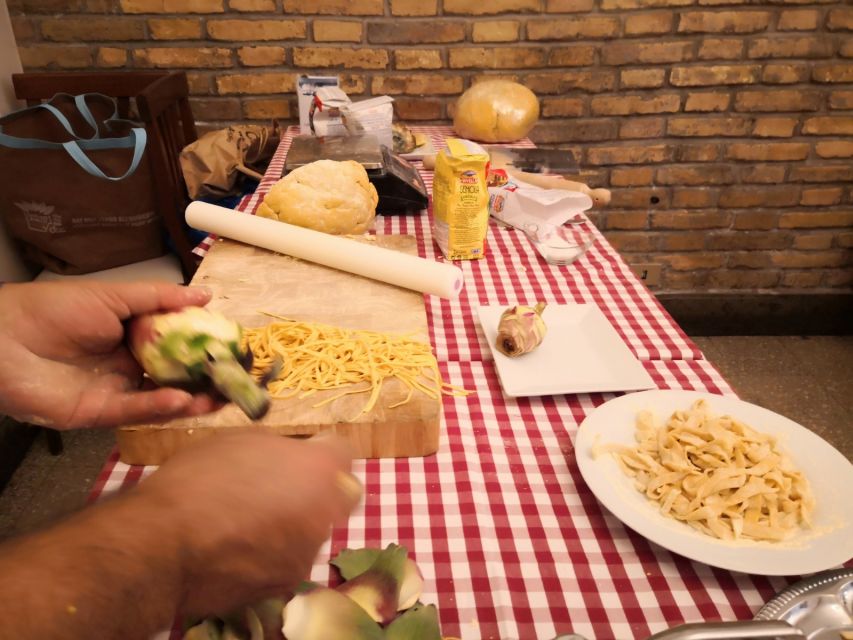
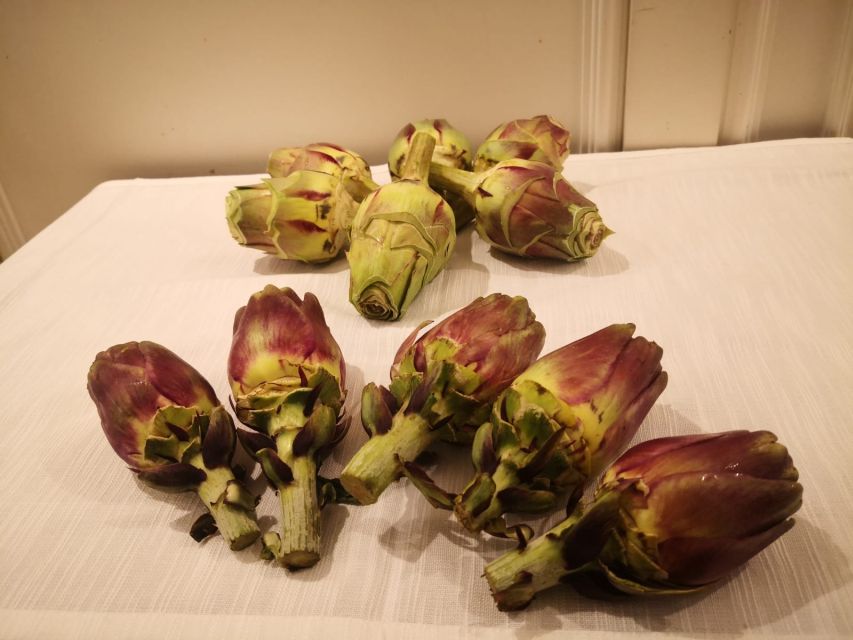
The exact menu can shift by season, which is a smart way to make Roman cooking feel real. Rome is not all about the same ingredient all year. If you join in winter, you might peel artichokes for a Jewish-style Roman preparation. If you join in summer, you might work with zucchini flowers and make a fritto romano type of vegetable preparation. The point is not just flavor. The point is learning to shop and cook by what is at its best.
You also get a seasonal main course paired with what you make, plus dessert. One dessert named in the class format is torta di ricotta e visciola, described as a ricotta cheesecake-style sweet made with simple ingredients.
A practical look at the 3-course Roman menu
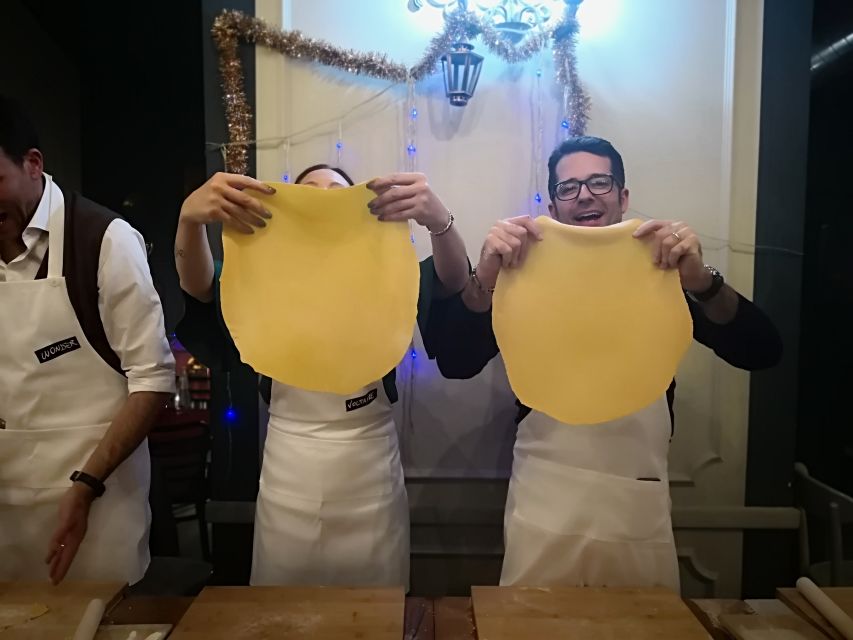
Here is how the meal portion usually lands, and why it is more than just food.
A few more Rome tours and experiences worth a look



Course 1: The pasta you made
You cook the pasta you helped create, and you eat it as part of the course. One review example mentions learning the secret of cacio e pepe in the kitchen area, which tells you that the class is not limited to only one basic pasta style. Even when you are focused on dough, you still get the Roman sauce logic: simple ingredients, treated with care.
What I like for you here is that it avoids the bait-and-switch model where the cooking is brief and the meal is delivered later with little connection. This experience is built around making and then tasting.
Course 2: Seasonal vegetables and a Roman-style main
The class includes a seasonal main course that can involve fried vegetables. Again, it changes by time of year. This is one of the best reasons to pick this class instead of a generic pasta workshop. You learn a Roman menu logic that matches what the market offers.
If artichokes show up, you learn the work needed to prep them properly. If zucchini flowers show up, you learn how delicate ingredients behave when you fry them. Either way, you get hands-on technique and you eat the result right away, so you can feel what works.
Dessert: torta di ricotta e visciola
You end with a traditional dessert described as torta di ricotta e visciola. The teaching is not about baking mastery. It is about the kind of Roman home dessert that makes you understand why people keep making these simple classics.
This ending matters because it rounds out the meal you built. Many cooking classes focus on the process and then hand you dessert with no context. Here, the dessert is part of the course flow and the cultural story.
Wine, tastings, and what to expect in the kitchen
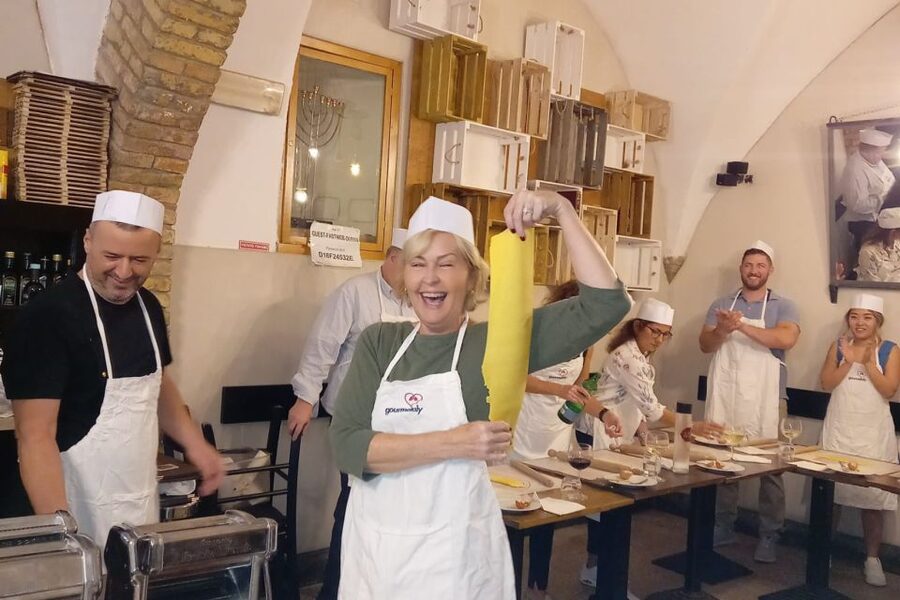
Wine and bottled water are included. That means you are not scrambling for a beverage while you cook and eat. The class also gives you tastings along the way, which is why it is smart to eat lightly earlier in the day.
The kitchen experience is hands-on, but you can also watch if you want a slower role. That flexibility is helpful for groups with mixed confidence levels in the kitchen, or parents balancing kids who want to stir and fry with a gentle guide.
A lot of the praise centers on the chef and how the class runs. Chef feedback shows up in multiple ways: checking your technique, helping when needed, and keeping things fun. Several mentions call out Chef Gabriel as especially engaging and generous with his time and kitchen access.
The guides: where the history and coaching land
If you are worried this will be all food with no story, relax. The class includes learning history and legend around the Jewish district and its unique food style. It is not just random trivia. It ties to the menu and to why certain ingredients show up in Roman cooking.
The host and translator support also shows up as a big part of what makes the class feel welcoming. Different classes are led by different guides and assistants, with names like Lili, Livia, Lisa, Clelia, Elisa, Eleonora, and Andy appearing in descriptions. Many sessions also mention a language support person like Azia in some form, especially when explaining steps from an Italian-speaking chef.
What matters for you: this class seems built to help you understand what you are doing. You are not left to guess. You get explanation, encouragement, and the occasional extra set of hands.
Seasonal technique lessons you can use at home
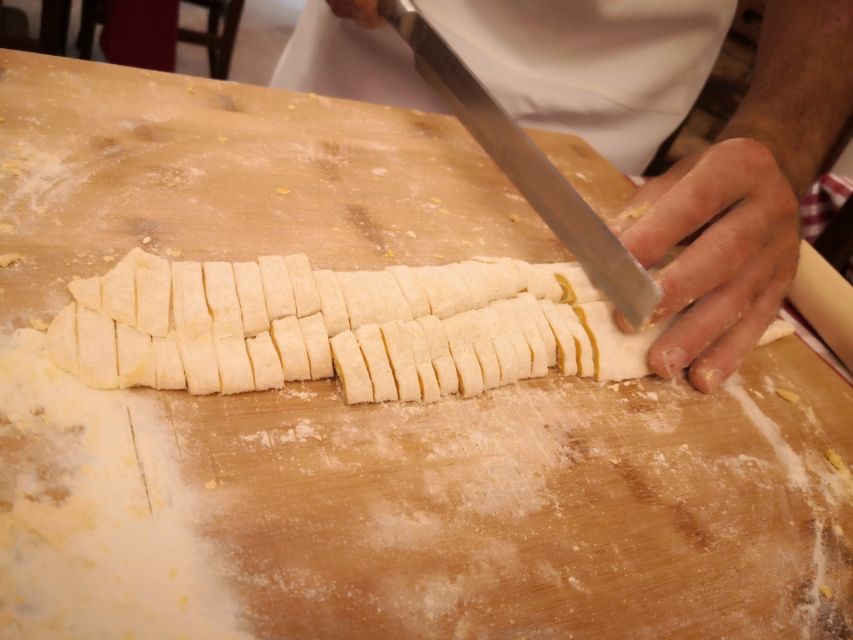
This class is not trying to turn you into an Italian grandparent overnight. It is more helpful than that. It gives you repeatable habits.
You learn how pasta dough should come together. You learn how seasonal vegetables are cleaned and prepared, like artichoke peeling in winter or zucchini flower prep in summer. You learn frying logic for Roman fritto style dishes. And you learn that dessert is part of the same kitchen culture, not a separate dessert bar experience.
The biggest practical payoff is that recipes are provided at the end. That changes how you remember the evening. Instead of thinking, I liked it, you can actually cook from your notes.
You also receive a list of tips and recommendations for the following days. That is useful because a cooking class can be a launch point. It nudges you toward neighborhoods, markets, and dishes to look for while your Rome tastes are still fresh in your mind.
Price and value: what $94 gets you
At $94 per person for a 3-hour experience, the price sits in the midrange for Rome food tours. Here is why it can feel like good value.
You get:
- A small-group setting limited to 10
- A hands-on pasta experience
- A 3-course meal connected to what you cooked
- Italian wine and bottled water included
- Kitchen equipment and chef-led instruction
- Recipes provided at the end
- A guide who also adds cultural context plus practical next-day tips
In plain terms, you are paying for more than a meal. You are paying for an evening of cooking coaching, in a real restaurant kitchen, plus the kind of meal that would cost more if you just ate it in a trattoria and then separately paid for a class.
Is it perfect value for every budget? Not necessarily. If you want a long, multi-dish cooking spree with lots of different techniques, you might find the class a bit focused. One description notes that it is mostly pasta-focused, so if you come expecting a broad teaching menu of many different recipes, manage expectations.
Who this class suits best, and who should reconsider
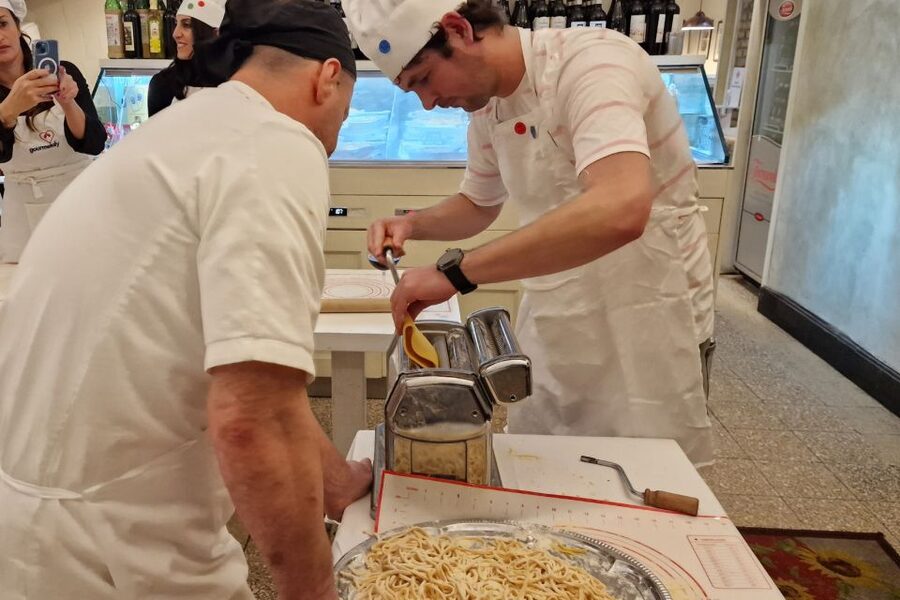
This fits well if you:
- Want hands-on fun, not passive sightseeing
- Like food that is tied to place and season
- Enjoy relaxed teaching, laughs, and working as a small group
- Travel as a couple, with friends, or with kids who can handle the kitchen activity
It is also described as suitable for everyone, including kids, and that vegan and vegetarian people are welcome. If you are gluten-free, the pasta made in class is not gluten-free, but you can join and eat gluten-free pasta that is packaged.
A few cautions:
- The restaurant is not kosher, and the class is not kosher.
- Wheelchair users are not suitable for this activity.
- If you are very sensitive to food allergies, pay attention: allergens can be present in tastings, including milk, eggs, soya, mustard, nuts, and gluten.
- Pets are not allowed.
A few smart expectations to set right now
This is not a scholarly lecture. It is a good time with real cooking, local people, and a practical rhythm you can follow. The best mindset is curiosity plus willingness to get flour on your hands.
Also, plan your dinner afterward lightly. You are making pasta, eating a meal, and finishing with dessert. Even the people who love food tend to end up stuffed.
If you prefer a quieter role, you can watch rather than do every task. That flexibility is worth noting, especially for families or anyone who wants the experience without full-on cooking intensity.
Should you book the Rome Jewish Ghetto cooking class?
If you want one evening in Rome that feels personal and hands-on, I’d book it. The class is built around fresh pasta technique, a seasonal Roman menu, and a real kitchen experience where the chef checks on you. Add the included wine, the take-home recipes, and the practical tips for what to do next, and it becomes more than a meal. It becomes a food memory you can cook again.
Skip it if:
- You need a kosher experience
- You use a wheelchair and need accessibility
- You want a long, wide-ranging cooking syllabus with many different unrelated techniques
- You are very strict about ingredient restrictions beyond what the class can accommodate
If your goal is to taste Rome through dough, vegetables, and dessert, in the Jewish Quarter with a warm host team and a lively chef atmosphere, this is a strong pick for your calendar.
FAQ
How long is the Rome cooking class?
The class runs for about 3 hours.
Where is the meeting point?
You meet your foodie guide at Restaurant Taverna del Ghetto, outside the door.
What is included in the price?
Inclusions are a 3-course meal with fresh homemade pasta, a seasonal main course, and a traditional dessert, plus Italian wine and bottled water, and all kitchen and cooking equipment.
Is the experience hands-on?
Yes. It is described as a hands-on pasta cooking class, though you can also relax and watch the chef if you prefer.
Is this class kosher?
No. The class is not kosher, and the restaurant is not kosher.
Can vegetarians or vegans join?
Yes. The experience is described as suitable for vegan people and that vegetarians are welcome.
Is there a gluten-free option?
The pasta made in the class is not gluten-free, but you can join and eat gluten-free pasta that is packaged.
What allergens should I be aware of?
Allergens can be present in the tastings, including milk, eggs, soya, mustard, nuts, and gluten.
Is wine included?
Yes. Italian wine and bottled water are included.
What is the group size?
It is a small group limited to 10 participants, with an English live tour guide.
Are pets allowed?
No, pets are not allowed.
More Workshops & Classes in Rome
More Cooking Classes in Rome
More Tour Reviews in Rome


Not for you? Here's more nearby things to do in Rome we have reviewed







Cooking Classes, compared.
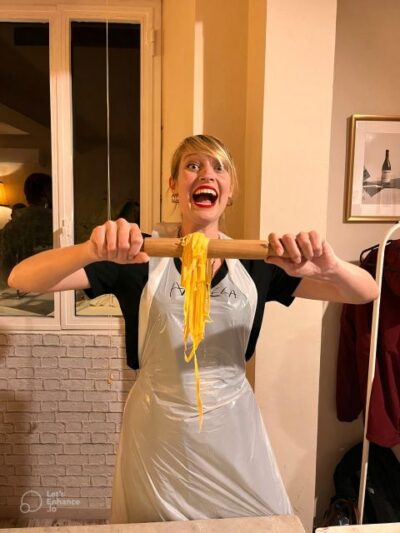 ★ 4.9Pasta Making Class with Wine, Limoncello, and DessertFrom $483,177 reviews
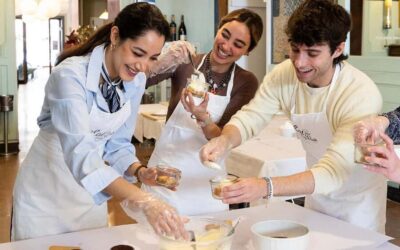 ★ 4.93-in-1 Fettuccine, Ravioli, and Tiramisu Cooking ClassFrom $812,704 reviews
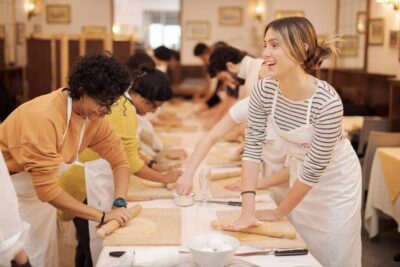 ★ 4.8Fettuccine Pasta Cooking Class in Rome’s City CenterFrom $462,414 reviews
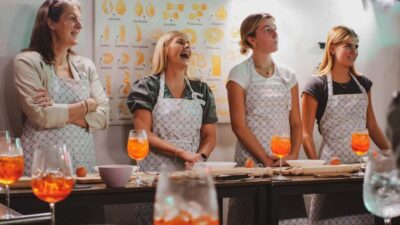 ★ 5.0Traditional Pasta with Cocktails Cooking ClassFrom $1002,374 reviews
 ★ 4.8Fettuccine and Tiramisu Cooking Class with WineFrom $672,013 reviews
 ★ 4.8Pasta & Tiramisu Cooking Class near the Spanish StepsFrom $581,395 reviews
 ★ 4.7Traditional Pizza Cooking Class near Piazza NavonaFrom $461,241 reviews
 ★ 4.9Pasta Making with Wine Tasting and Dinner in FrascatiFrom $35979 reviews
Browse the lists this tour appears in