
Reviewed · COOKING CLASSES
Rome: Spritz & Spaghetti Cooking Class
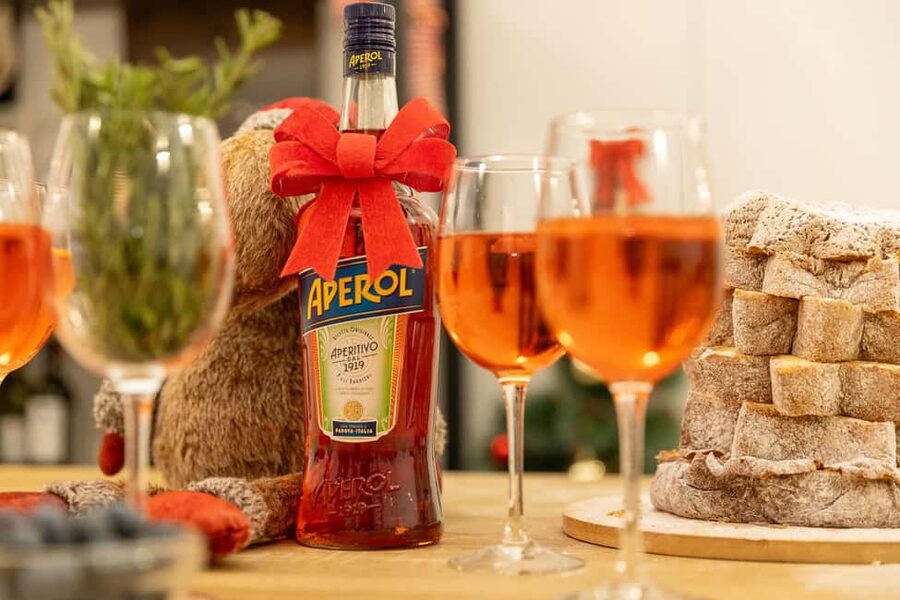
Three spritzes. One Roman kitchen.
This Rome spritz and spaghetti class turns a pasta lesson into a full evening routine, starting with an Aperol spritz and ending with a Limoncello spritz, plus hands-on fettuccine. I love the way the format keeps you active, rolling and cutting fresh pasta while a chef walks you through classic Roman flavors. I also love that it is small, with a maximum of 14 people, so you get real attention instead of standing around. One thing to consider up front: the menu cannot accommodate coeliac disease, gluten intolerance, vegan diets, or lactose intolerance.
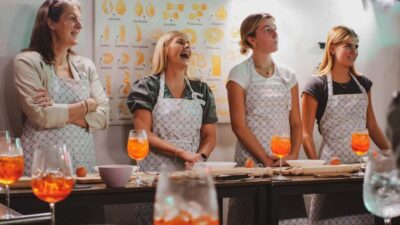
You’ll get three drinks built into the experience, not as an afterthought. A typical flow begins with meeting your chef over Aperol, then you cook your pasta and sauces while enjoying a Hugo spritz, and you finish with limoncello spritz at the table. The style of the instruction, run by local chef and mixologist, tends to be fun and practical, with names like Chef Sunny, Marzia, Laura, Bart, and Ida showing up often in the instructor lineup.
If you want a quiet, no-drinks cooking class, this is not that. It is meant to be social, a little tipsy, and very hands-on, so come ready to eat what you make.
Key things to know before you go
- Three spritzes included: Aperol, Hugo, and Limoncello, plus unlimited water and soft drinks
- Hands-on pasta work: roll, cut, and cook your own fettuccine
- You make a classic sauce: carbonara or cacio e pepe to pair with your pasta
- Small group size: up to 14 people, private group option available
- Recipes to take home so you can recreate it after your Rome trip
Spritz-and-pasta cooking in Rome, in plain terms
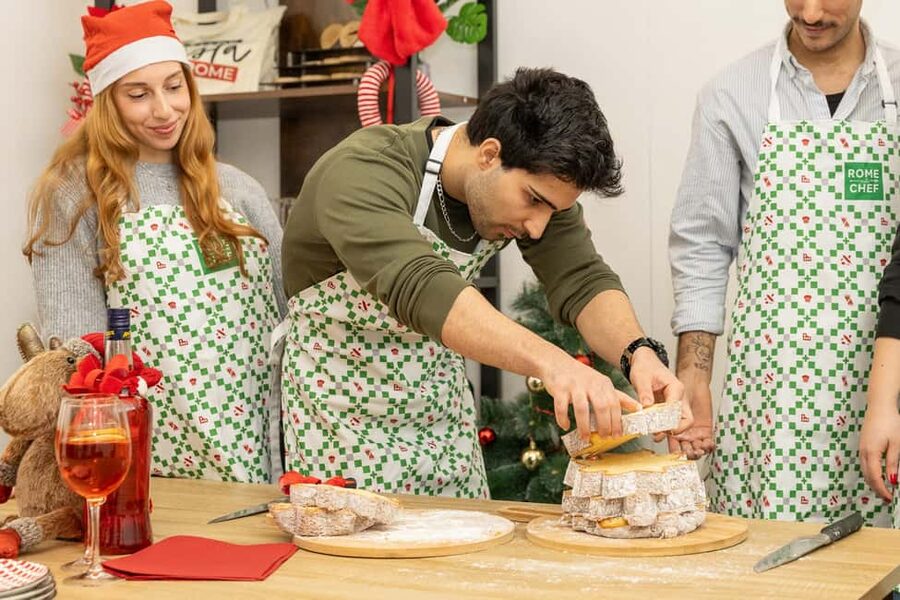
Rome can be a lot. You walk, you queue, you hunt for the right neighborhood pizza and the perfect gelato cone. This class gives you a different kind of Rome time. You trade streets for a real Roman kitchen, where you get to do the work, ask questions, and eat right away.
What makes this experience especially appealing is the pairing: pasta making plus spritz mixology. Most cooking classes stop at food, or they sprinkle in a drink at the end. Here, the drinks act like pacing tools. Aperol kicks things off and helps you settle in, Hugo shows up while you cook, and the limoncello spritz is the closing button. The result is a lesson that feels like an evening, not a chore.
Another big win is the structure around staples. You focus on Italian favorites you will actually taste your way through: fresh handmade pasta, and two of the most famous Roman sauces, carbonara and cacio e pepe. If you like the idea of learning how these dishes are built, not just copied from a menu, you will feel at home fast.
You can also read our reviews of more cooking classes in Rome


The 3-hour rhythm: Aperol, cooking, Hugo, then limoncello
The class runs about 3 hours, and the pace is designed so nobody gets lost. You start by meeting the chef and getting your first drink. The first spritz is an Aperol spritz, and it doubles as a social icebreaker.
Then the cooking starts in earnest. You get prep time and a quick sense of Italian cooking traditions, taught in the kitchen setting. After that, you roll, cut, and cook fettuccine using fresh, locally sourced ingredients. While you’re working at the counter, you are also enjoying the second drink, a Hugo spritz.
Once everything is ready, you eat what you made. There is no separate tasting line, no awkward waiting while someone else eats first. You sit down with your new cooking teammates, share the meal you produced, and finish with a limoncello spritz.
If you like clear sequencing, this is one of the easier “what happens next” experiences in Rome. If you prefer very slow cooking with long lectures, you might wish there were more time at each step. But for most visitors, this tempo feels right.
Inside the Roman kitchen: what you do, not just what you watch
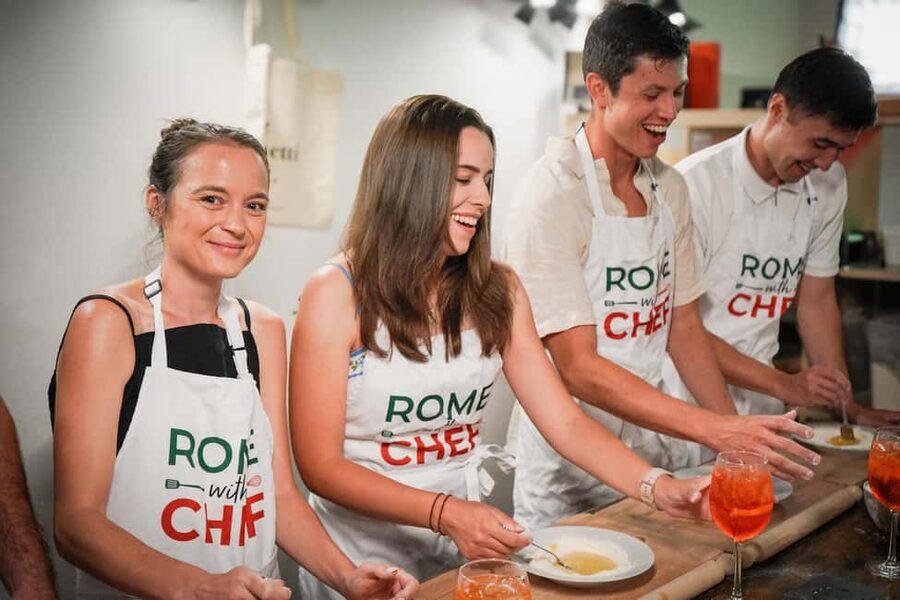
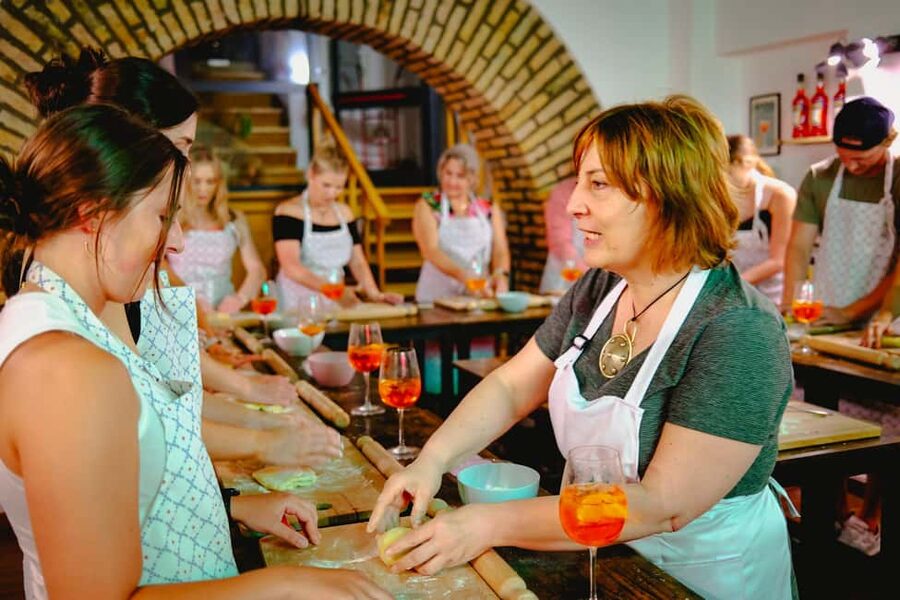
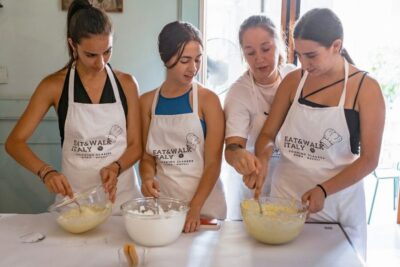
This is not a chef demo where you watch from a distance. The teaching style is hands-on. You roll and cut pasta, and you cook it. That means you are practicing technique, not just collecting information.
You’ll also get the benefit of working in a kitchen setup that is built for this purpose. That matters because pasta is timing-based. If you have ever tried making fresh pasta at home and gotten sticky dough or uneven cooking, you know how much small factors matter. In a class like this, you get direct guidance on how the dough feels, how thick to cut, and when the cooking step is ready.
The group size helps a lot here. With a maximum of 14 people, the chef and mixologist can actually check what you are doing. You are less likely to get stuck waiting for help, and you are more likely to ask a question without feeling rushed.
One more practical note: you are expected to eat everything you make. That changes the energy. People tend to focus harder, because the payoff is immediate. It also means you should come with an appetite, or at least a willingness to work up one.
Handmade fettuccine: rolling, cutting, and actually cooking
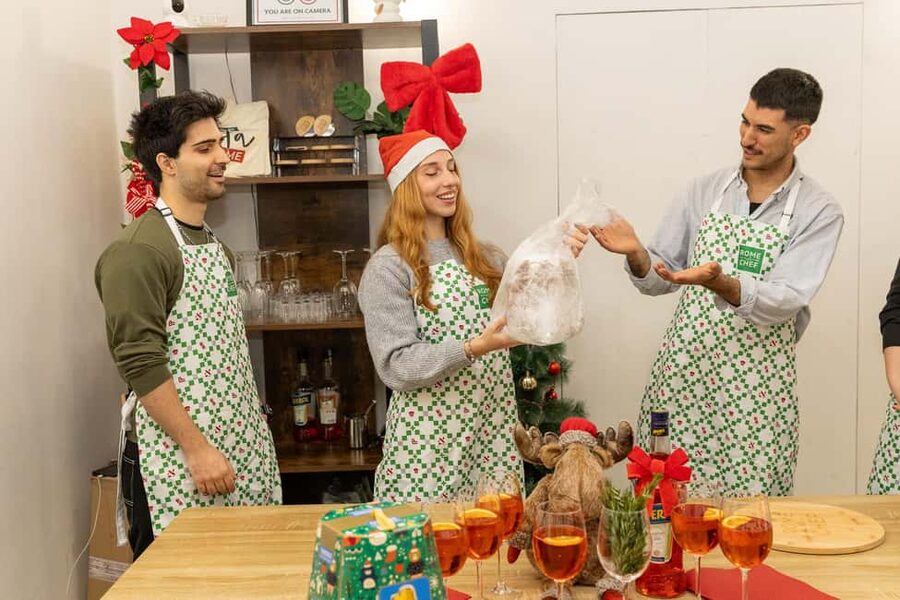
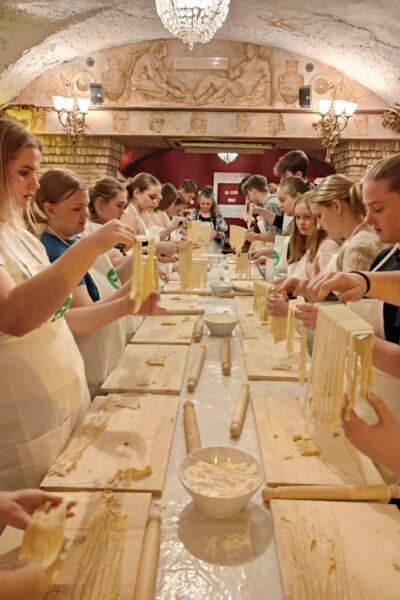
The star skill is handmade pasta. You will roll, cut, and cook your own fettuccine, using fresh ingredients. This is the part most people remember, because it turns a blurry idea of pasta into a set of repeatable actions.
In classes like this, the biggest value is not that you learn the final dish once. It is that you get feedback while you are making it. You will learn what the dough should look and feel like before it hits the counter. You’ll also get the rhythm of turning raw pieces into something that cooks into proper texture.
And yes, you will eat it. The point is not a “pretty picture pasta” you never taste. You pair your pasta with your sauce and dig in while it is fresh.
If you are a beginner, don’t worry. Hands-on classes like this are usually built for mixed experience levels. If you already cook at home, you’ll still appreciate how the chef talks through technique and common mistakes.
Carbonara vs cacio e pepe: two Roman sauces, one lesson
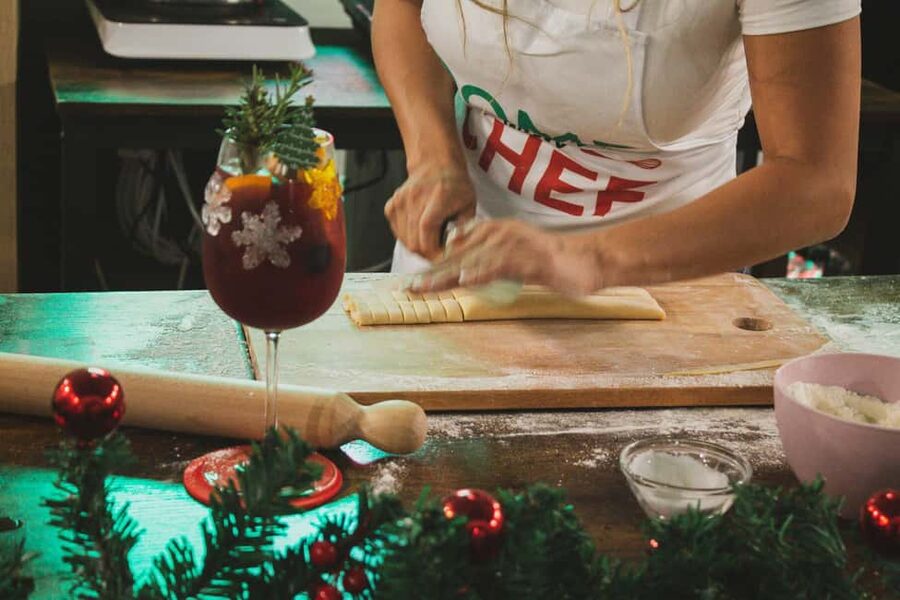
After your pasta work, you build the sauce that goes with it: either carbonara or cacio e pepe. Both are iconic, and both are simple enough that technique matters. The class approach is useful because it doesn’t treat them as mystical dishes.
You learn how to make the sauce to pair with your fettuccine, using the classic approach associated with Roman cuisine. Since ingredients and timing are everything with these dishes, the in-person coaching helps. Even if you know the theory at home, carbonara and cacio e pepe each have step-by-step moments where it is easy to go wrong.
Here’s a practical way to think about it for your trip: if you love trying Roman classics at restaurants, this class helps you read the dish better. Next time you eat carbonara or cacio e pepe, you’ll recognize what you used to see as just a label. You’ll understand the texture goal, what you should be tasting, and what ingredients are doing the work.
Vegetarian options are available, and that’s important in a class built around classic sauces. You should still message your dietary situation ahead of time so the team can plan.
A few more Rome tours and experiences worth a look



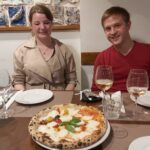
Spritz mixology: how Aperol, Hugo, and limoncello are built
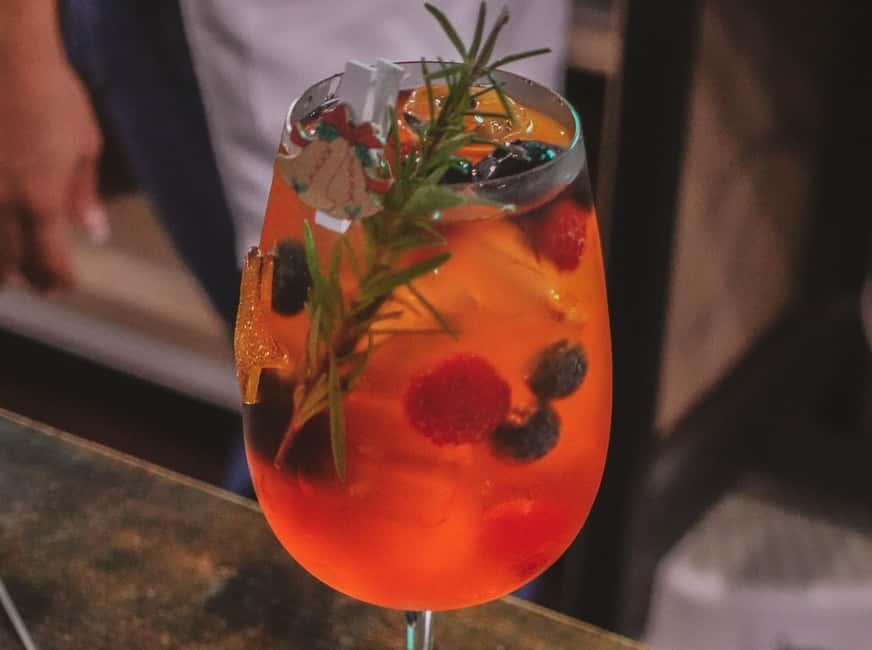
The spritz part is not just “sip and smile.” You learn how to make three staple Italian cocktails in a very Rome way: Aperol spritz first, Hugo spritz during the cooking, then limoncello spritz to finish.
This matters because spritzes can taste very different from bar to bar. A good class teaches the logic: balance, garnish, and how the drink should feel once poured. You’re not guessing later. You have hands-on instructions you can replicate after your trip.
Also, the drinks help set expectations for the experience. Since you get three spritzes as part of the included package, plan your day around it. If you are doing this on a night when you still want to walk far or meet people for more drinks, you might want a calmer plan after class.
And if you are the type who doesn’t love alcohol, you still get unlimited water and soft drinks, so you can pace yourself. The point is to keep the energy fun without feeling out of control.
Who you’ll be cooking with, and how big the class really feels
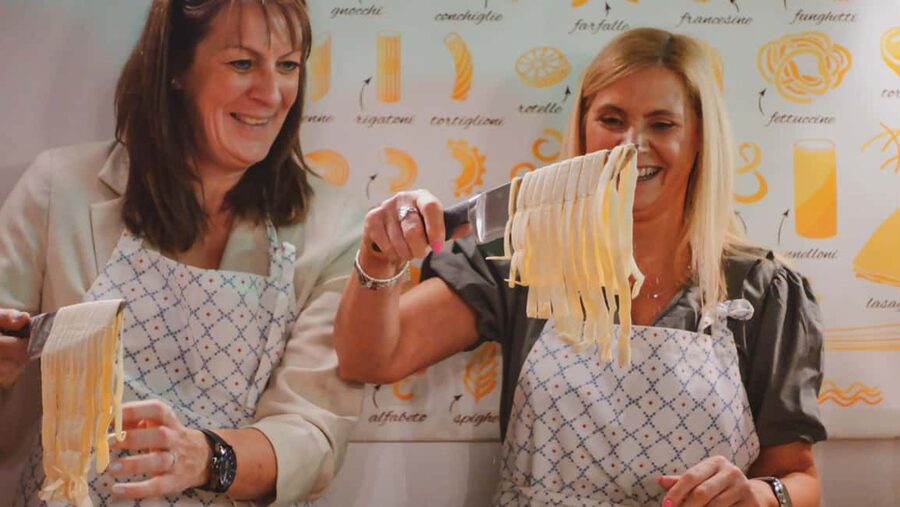
With a maximum of 14 people, this is the sweet spot for a shared class. Big enough that you meet people from different places, small enough that you get hands-on time. You are working at kitchen stations, not crammed into a single line.
The social element shows up constantly in how people describe the experience. Instructors and hosts are often praised for creating a welcoming rhythm where everyone gets involved. You might see names like Marzia, Laura, Jem, Benjamin, Bart, and Ida attached to this program, and that often hints at a consistent approach: clear teaching, quick help, and a lively atmosphere that doesn’t feel forced.
If you want to meet people but you also want a real skill outcome, this is a strong format. If you prefer your travel time strictly introverted and quiet, the group setting might feel a bit louder than you like.
There is also a private group option if you want your own table and a tighter focus.
Price and value: why $112.15 can make sense
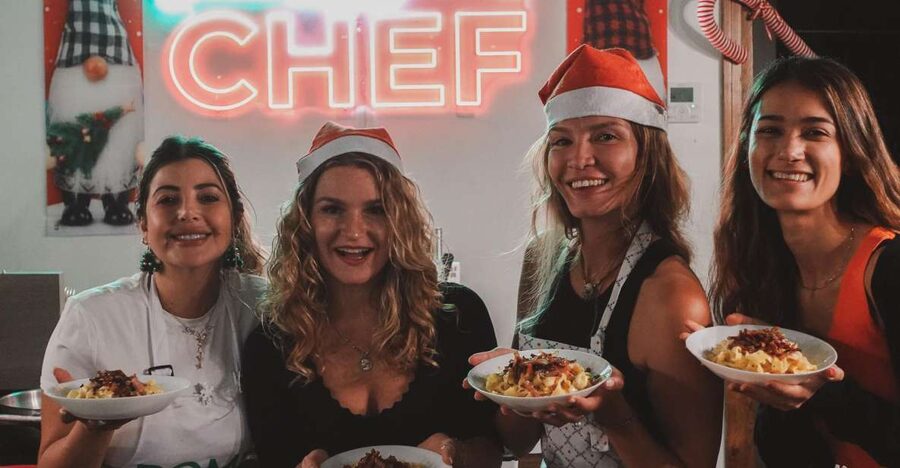
At $112.15 per person, you are paying for more than a recipe sheet. You are paying for instruction from a local chef and mixologist, fresh ingredients, the kitchen space, and three included spritzes. You also eat what you make, and you take the recipes home.
Here’s how I judge value for a class like this: when the “included” parts are the reason you want to do it. If you came to Rome wanting to learn pasta technique and cocktail basics, and you also want those drinks and a full meal, this package matches your goals.
If you only want food and would skip cocktails, the price might feel steep because the spritz portion is built into the experience. But if you enjoy Italian aperitivo culture, the drinks are not random. They are part of the lesson flow.
A less obvious value point is what you gain for future meals. The recipes you take home are a practical souvenir. You can re-create the pasta and sauces in your own kitchen, which is the opposite of buying a trinket that stays in a drawer.
Dietary needs and who should book (and who should not)
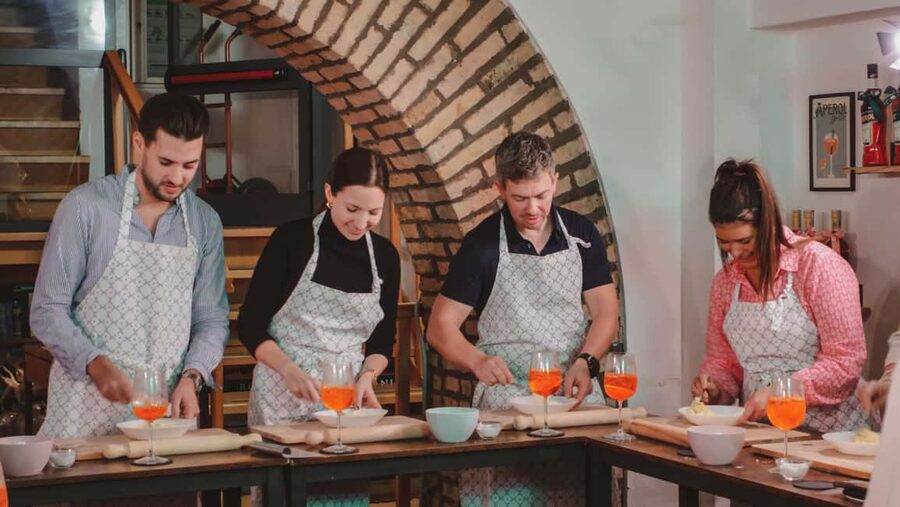
This class has specific limits, and it’s worth taking them seriously. The team notes that they cannot accommodate coeliac disease, gluten intolerance, and/or a vegan diet. They also cannot accommodate lactose intolerance, since dairy is used in the recipes.
If any of those apply to you, you should look for a different class that explicitly supports your dietary needs, because this one is not set up for those constraints.
Vegetarian options are available. If you are vegetarian but do not have the restrictions above, you are likely in the right place.
If you have other dietary restrictions, let the team know in advance so they can figure out what is possible.
Should you book this Rome spritz and pasta class?
You should book if you want a hands-on Rome activity that blends two things people love here: fresh Italian pasta and spritz culture. It is a good fit if you like small group settings, want to cook more than you watch, and enjoy the idea of learning carbonara or cacio e pepe while sipping Aperol and Hugo.
You might skip it if you need gluten-free, vegan, or lactose-free meals, because the class cannot accommodate those needs. You should also think twice if you strongly dislike alcohol, since the class includes three spritzes.
If you’re choosing between another sightseeing block and this kind of practical, eat-what-you-make experience, I’d lean toward booking it. It is one of the few Rome activities that gives you both skills and a real meal, in a time window that fits neatly into a travel schedule.
FAQ
What is the duration of the Rome Spritz & Spaghetti cooking class?
The class runs for 3 hours.
How many people are in the class?
The class is small, with a maximum of 14 people.
What spritz cocktails are included?
You get three: 1 Aperol spritz, 1 Hugo spritz, and 1 Limoncello spritz.
What pasta do you make?
You make handmade fettuccine.
What sauce options are included?
You will make a sauce to go with your pasta: carbonara or cacio e pepe.
Are vegetarian options available?
Yes, vegetarian options are available.
Can people with coeliac disease or gluten intolerance join?
No. The class cannot accommodate coeliac disease, gluten intolerance, and/or gluten intolerance.
Is the class vegan-friendly?
No. It cannot accommodate a vegan diet.
Is lactose-free food available?
No. The class cannot accommodate lactose intolerance, since dairy is used.
Are recipes included after the class?
Yes. You can take the recipes home.
More Workshops & Classes in Rome
More Cooking Classes in Rome
More Tour Reviews in Rome





Not for you? Here's more nearby things to do in Rome we have reviewed










Cooking Classes, compared.
 ★ 4.9Pasta Making Class with Wine, Limoncello, and DessertFrom $483,177 reviews
 ★ 4.93-in-1 Fettuccine, Ravioli, and Tiramisu Cooking ClassFrom $812,704 reviews
 ★ 4.8Fettuccine Pasta Cooking Class in Rome’s City CenterFrom $462,414 reviews
 ★ 5.0Traditional Pasta with Cocktails Cooking ClassFrom $1002,374 reviews
 ★ 4.8Fettuccine and Tiramisu Cooking Class with WineFrom $672,013 reviews
 ★ 4.8Pasta & Tiramisu Cooking Class near the Spanish StepsFrom $581,395 reviews
 ★ 4.7Traditional Pizza Cooking Class near Piazza NavonaFrom $461,241 reviews
 ★ 4.9Pasta Making with Wine Tasting and Dinner in FrascatiFrom $35979 reviews
Browse the lists this tour appears in