
Reviewed · GUIDED
Rome: Small Group Guided Tour of Castel Sant’Angelo
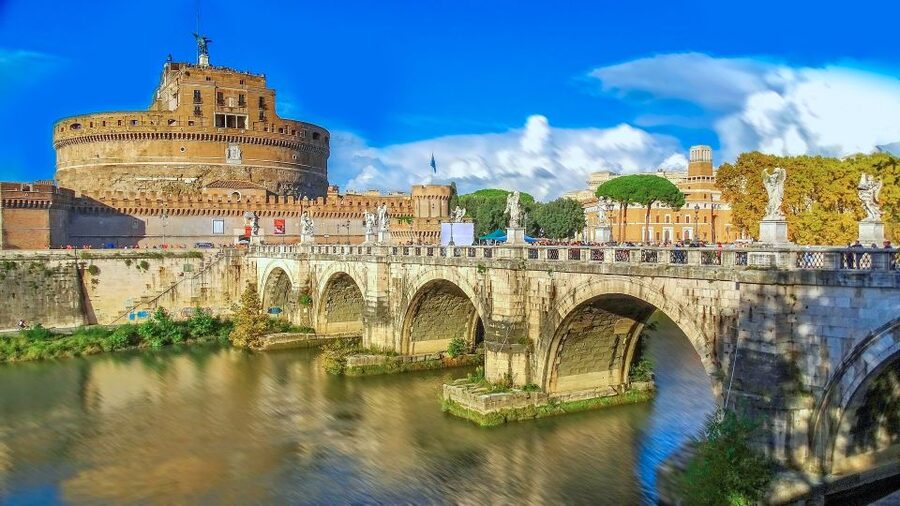
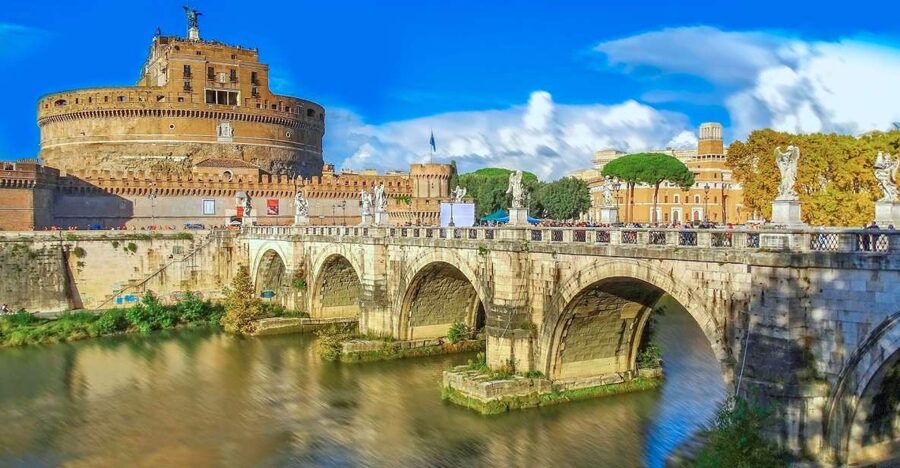
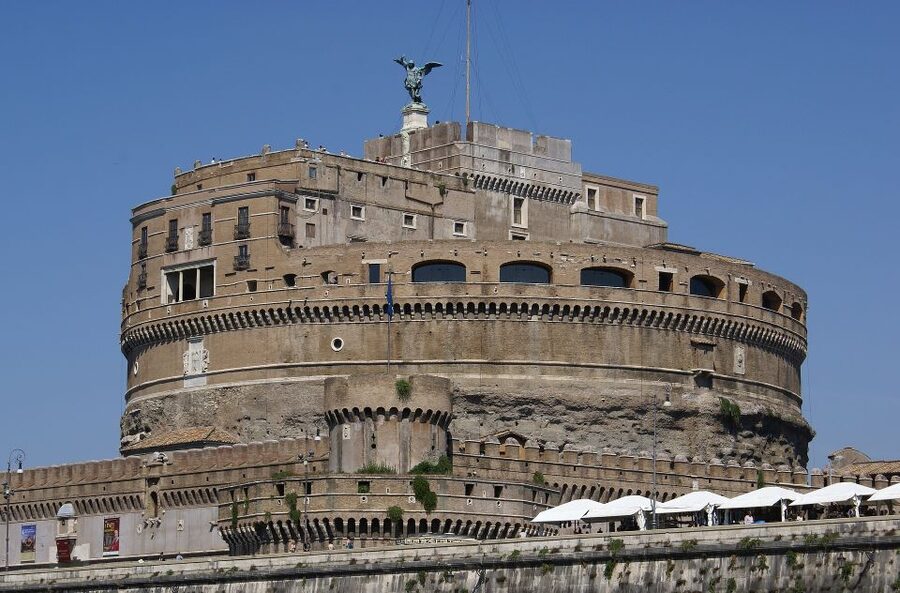
Castel Sant’Angelo is Rome’s strongest survivor story in stone. In a short, focused 2-hour visit, you walk from Hadrian’s tomb corridors up through prison spaces and papal rooms, finishing with terrace views that help you understand the city fast.
What I really like is how the guide turns the building into a timeline you can follow, not just a pile of rooms. Second, I love the photo payoff at the top terrace, where you get a clear skyline angle without needing a map degree.
One drawback to consider: this tour is not suitable for people with mobility impairments, because the route includes multiple floors and a spiral walk.
Key Things You’ll Notice on This Castel Sant’Angelo Tour
- Swift entry with your guide so you spend more time inside, less time waiting
- Five floors connected by a spiral ramp, which makes the “how it worked” story easy to track
- Hadrian’s tomb to prison cells, including the chamber of ashes
- Renaissance frescoes that are unusually well preserved for a building with so many roles
- Terrace views that help you orient yourself around Rome’s river and rooftops
- Small group energy, with headsets available if you need them
Why Castel Sant’Angelo Feels Like Rome’s Story Engine
Castel Sant’Angelo is not one thing. It’s a monument, a museum, and an archaeological site all at once, and that overlap matters. You start in the core of Emperor Hadrian’s tomb idea, then watch the same architecture get reused as a fortress and later as space tied to the popes.
The best part is that a good guide helps you stop thinking in labels and start thinking in purposes. When you see the corridors tighten and the levels stack, you understand why this structure could protect leaders, hold prisoners, and still serve as a stage for power.
If you enjoy sites that connect big history to real rooms, you’ll get a lot out of this tour. And if you prefer practical sightseeing, you’ll like the pacing. It’s long enough to feel complete, but short enough to fit into a busy Rome day.
You can also read our reviews of more guided tours in Rome

Getting Inside Fast, With the Right Group Setup
This is a small group guided walking tour, and that changes the whole experience. You’re not stuck listening to a guide talk into the back of a crowd. Questions are easier to answer, and your guide can slow down when a detail matters.
You also get swift access with your guide. That means less time lost to queues and more time focused on the building itself. Headsets are provided if needed, which helps a lot in enclosed spaces where sound can get swallowed.
Practical tip: wear shoes that handle stone steps and uneven surfaces. Castel Sant’Angelo is manageable, but you are still moving through real historical access points, not a theme-park walkway.
Entering Hadrian’s Tomb and the Fortified Corridors
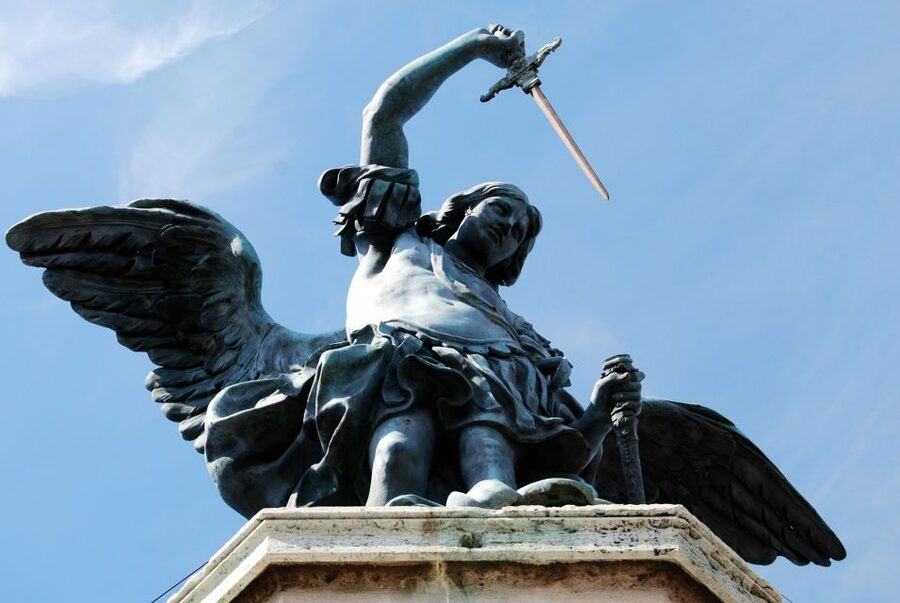
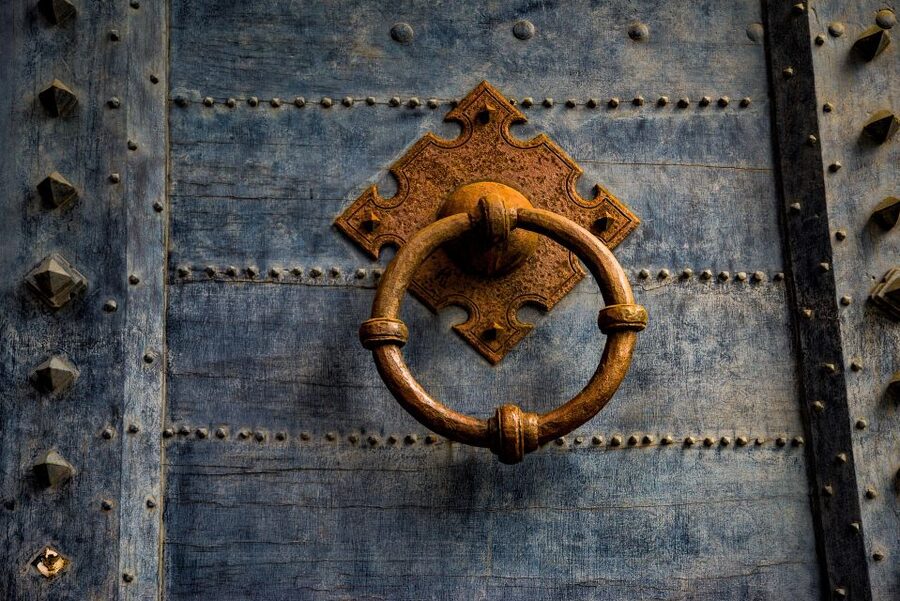
You begin at the entrance where your guide is waiting with a City Walkers sign. From there, you head into the monument and start with the core concept: this is Emperor Hadrian’s tomb, built with a fortress-like mind-set from the beginning.
As you move through the corridors, the guide frames the place as more than decoration. You’ll get a sense of how these passages create control. That matters because the building’s later uses are not random. The same strengths that made it a tomb also make it a structure that can be guarded.
This part of the visit also sets expectations for the stories you’ll hear. The language tends to stay grounded in cause and effect, so when the tour starts talking about prisoners and political power, it doesn’t feel like a left turn.
Five Floors Up a Spiral Ramp, With a Plan You Can Follow
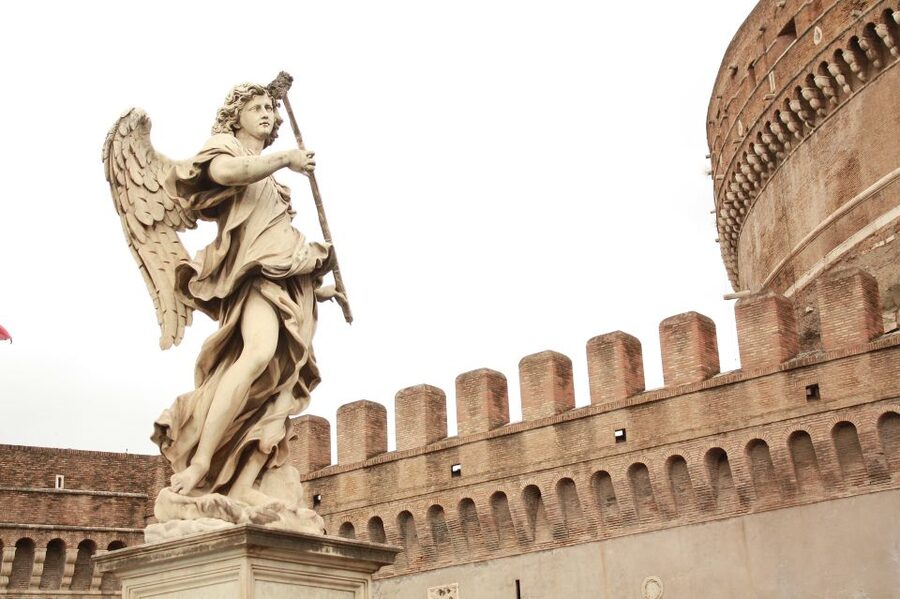
One of the most helpful parts of the experience is how the tour is physically structured. You walk a spiral ramp to reach each of the five floors, and each level has its own job in the building’s long life.
That spiral layout does two things for you. First, it gives the tour a natural rhythm. Second, it stops you from getting lost in a museum maze. Even if you never visited before, you can feel your way through the hierarchy of spaces.
As you climb, you’ll also start noticing shifts in room function. Some areas lean more toward defense and confinement, while others turn into spaces built for authority and residence. Your guide ties those changes to real historical phases, so the building feels like a living system.
Prison Cells, the Chamber of Ashes, and the Human Side of Power
Castel Sant’Angelo doesn’t shy away from the darker chapters, and this tour gives you context for why those stories live here. You’ll learn about those who were once incarcerated on these floors, and you’ll see spaces designed for captivity.
Two highlights in this section are the cells and the chamber of ashes. Seeing those spaces in person makes the history feel specific. It’s not just that famous people were held somewhere in the past. You understand the physical experience of confinement because you are standing in the rooms where it happened.
A good guide also balances the grimness with clarity. The goal is not shock for shock’s sake. The goal is to show how political conflict and institutional power worked through architecture.
If you like history that connects events to everyday reality, you’ll appreciate this portion. It’s often the part where the building stops being “cool” and starts being unforgettable.

Papal Residence Rooms and Renaissance Frescoes That Hold Up
As you move into the upper parts, the mood shifts. You start finding rooms that served as papal residence space. This is where the tour becomes more than a prison tale, because it shows how the same structure could host comfort and ceremony when the power balance changed.
Then comes one of the most visual moments: the Renaissance frescoes that are described as perfectly preserved. Frescoes can fade fast in the wrong environment, so when you see preservation this strong, it hits differently. The paintings stop being background and start functioning like a historical document.
What’s especially valuable here is that your guide connects art to context, so the frescoes don’t feel like random decoration. You understand why certain rooms mattered, and why the building’s authority story continued under new leadership.
If you’re the type who likes to pause and take close-up photos, bring time. The tour pacing gives you moments to look, not just move.
Weaponry Displays and Why Defense Still Matters Here
Castel Sant’Angelo isn’t just pretty rooms and city views. There’s also an extensive collection of weaponry, and it helps explain the castle role over time.
Seeing weapon displays inside a place like this does something simple but powerful. It connects the fortress idea to physical objects, so the defense story becomes tangible.
Your guide uses this to tie together the castle’s changing purpose across eras. When you understand how a stronghold protected leaders, you also understand why it could later become a prison complex. Power changes, but walls keep working.
This section is a good fit if you enjoy the practical side of history: how buildings and tools supported what rulers needed to do.
The Terrace View, Skyline Photos, and Getting Your Bearings
You finish with the top terrace. This is the moment you remember later when Rome looks chaotic on day one.
Up here, the view gives you a strong sense of how the city lays out beyond the castle walls. It’s also an ideal setup for photos because you’re high enough to see a skyline sweep, not just nearby stone.
More importantly, it helps you get your bearings. After this tour, you’ll find it easier to connect what you see in the streets to what you just learned about the castle’s position along Rome’s dramatic geography.
If your camera battery is low, charge it before you go. Terrace time is short, and you’ll want a few angles.
Price and Value for a 2-Hour Small Group Visit
At $75 per person, this tour is priced like a guided museum experience, not like a quick walk past a monument. Here’s why it can still be good value.
- The visit lasts 2 hours, so you’re paying for focused storytelling, not just admission.
- The ticket value for adults is 16 euros, and that museum cost is included in the tour price.
- You get swift access plus headsets if needed, which reduces the small frustrations that can drain a half day.
It also helps that reviews consistently mention guides who explain clearly, keep a comfortable pace, and answer questions. You’ll typically get the feeling that the guide is working with your group size, not against it.
If you plan to do Castel Sant’Angelo on your own, you might see the rooms. But you’ll often miss the connections between Hadrian’s tomb design, fortress reuse, prison function, and papal residence space. This tour is where those threads get tied together for you.
Who Should Book This Tour (and Who Might Skip)
This is a strong choice if you want:
- Guided history that stays readable and room-based
- A mix of dramatic spaces, including prisons and frescoed rooms
- A real view payoff at the terrace
- A small group format that lets you ask questions
It’s not the best fit if:
- You have mobility impairments. The route involves multiple floors and climbing.
- You only want a quick photo stop and nothing else. This tour is built around a guided route and a multi-level story.
If you’re in Rome for a short trip and you want a single “do it right” monument visit, Castel Sant’Angelo with a guide is one of the better uses of time. You come away with a building you can explain, not just a building you walked through.
Should You Book This Castel Sant’Angelo Tour?
Yes, especially if you care about how a site changes roles over centuries. Castel Sant’Angelo is one of those places where the walls hold the plot, and a good guide helps you read it.
I’d book it if you want an efficient plan: swift access, a structured spiral climb across five floors, real room highlights like the chamber of ashes and prison cells, and Renaissance frescoes plus terrace views. And if you can, choose a guide date that matches your pace needs, because a small group visit works best when you feel comfortable asking questions.
FAQ
How long is the Castel Sant’Angelo guided tour?
The guided tour lasts 2 hours.
Where is the meeting point?
Meet your guide in front of the entrance, where the guide is waiting with a City Walkers sign.
Is the tour conducted in English?
Yes. The live guide is available in English, French, Italian, and Spanish.
What is included in the price?
You get swift access to Castel Sant’Angelo, a 2-hour guided walking tour, the guide, and headsets if needed. Adult tickets are included as part of the tour cost.
Do I need to buy museum tickets separately?
No. The tour price includes the cost of tickets (16 euros for adults). Children under 18 are free.
What do I need to bring for entry?
Bring a passport or ID card.
Does the tour run in rain?
Yes, the tour takes place rain or shine.
What items are not allowed inside?
Weapons or sharp objects, luggage or large bags, and alcohol and drugs are not allowed.
Is the tour refundable if my plans change?
Yes. There is free cancellation up to 24 hours in advance for a full refund.
Is there a pay later option?
Yes. You can reserve now and pay later to keep your plans flexible.
More Guided Tours in Rome
More Tours in Rome

More Tour Reviews in Rome
Not for you? Here's more nearby things to do in Rome we have reviewed










Guided, compared.
 ★ 4.5Vatican Museums, Sistine Chapel & St Peter’s Basilica Guided TourFrom $2239,149 reviews
 ★ 4.8Colosseum, Palatine Hill and Roman Forum Guided TourFrom $5232,814 reviews
 ★ 4.7Guided Tour of Colosseum, Roman Forum & Palatine HillFrom $5527,897 reviews
 ★ 4.2Colosseum & Forum with Audio Guide App -Optional ArenaFrom $4124,770 reviews
 ★ 4.5Colosseum, Roman Forum and Palatine Hill Guided TourFrom $5923,903 reviews
 ★ 4.6Colosseum, Palatine Hill & Roman Forum Guided TourFrom $5112,703 reviews
Vatican Museums & Sistine Chapel Guided TourFrom $11812,117 reviews
★ 4.6Colosseum, Palatine Hill & Roman Forum Guided TourFrom $5112,703 reviews
Vatican Museums & Sistine Chapel Guided TourFrom $11812,117 reviews
 ★ 4.6Colosseum Arena, Palatine Hill & Forum Guided TourFrom $7310,584 reviews