
Reviewed · COOKING CLASSES
Rome: Roman Master Chef Cooking Class with Wine
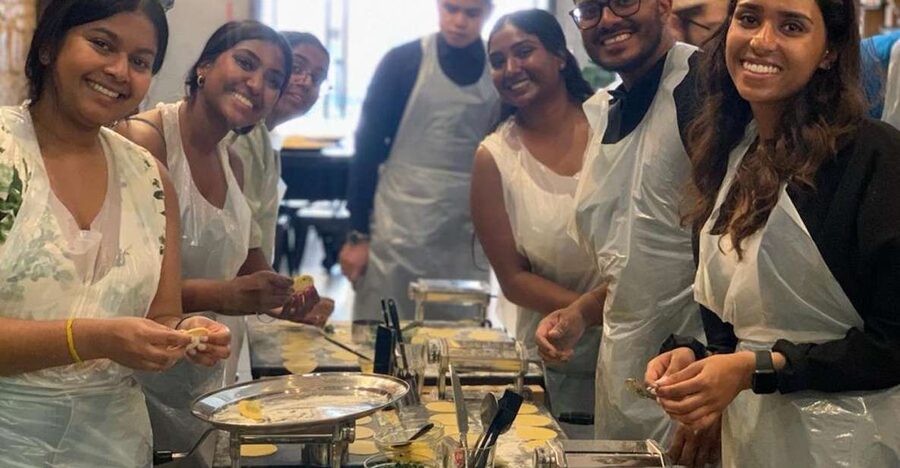
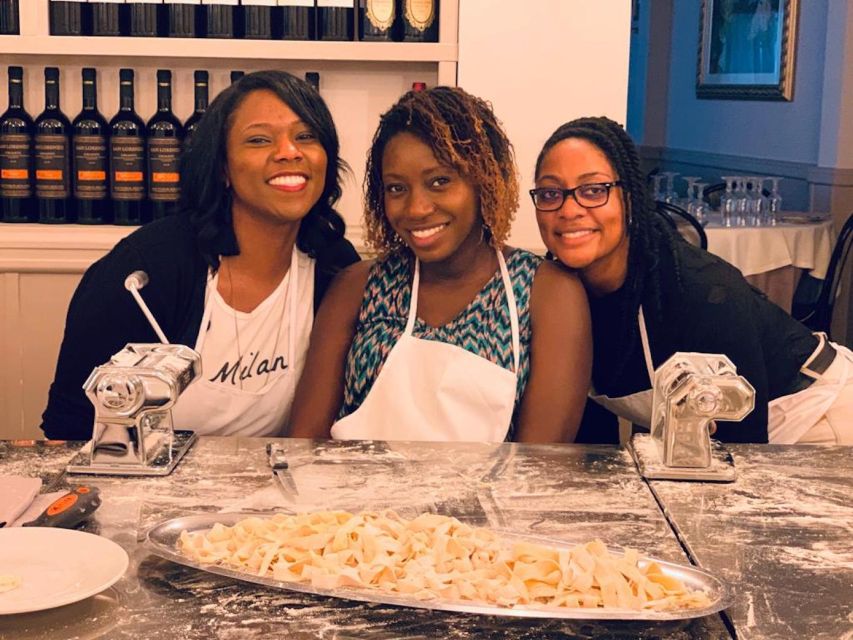
Flour, wine, and Rome all in one room. In this Roman cooking class, you learn handmade fettuccine from scratch and build a classic tiramisu, taught by an English-speaking local chef inside a real Roman restaurant setting. You also get to sip along with the lesson, so it feels like a meal you helped create, not a demo you watched.
I especially like the hands-on pace. You roll, cut, and assemble with clear coaching, and chefs like Sid and Eleonor (and others such as Eddie, Giacomo, and Mathilde) keep the room light while focusing on the details that matter. I also like that the tiramisu is taught as a layered process you can actually repeat at home, not just a dessert you hope to copy.
One drawback to plan for: class start times can run a bit late. If you have a tight schedule right after, keep a buffer.
Key highlights to look for
- You make fresh pasta from scratch and take the skills home, not just recipes on paper
- You build a full tiramisu with coffee flavor and cocoa in classic layers
- Wine and limoncello are part of the pacing, along with coffee and soft drinks
- English instruction keeps the cooking steps practical and easy to follow
- The class energy is friendly and funny, with active group participation
A Roman cooking class that feels like dinner, not a show
This is the kind of Rome activity that makes the city make sense. Instead of just looking at food culture, you practice it. You spend 2.5 to 3 hours cooking in a Roman restaurant, then you sit down and eat what you made. That simple formula is why this class works.
I like that it is built around two “anchor dishes” that Roman and Italian food lovers actually care about: handmade fettuccine and tiramisu. If you want a Rome souvenir that is edible and useful, this is it.
The chef instruction is in English, and the vibe is clearly people-focused. Names that come up often include Sid and Eleonor, plus Eddie, Giacomo, and Mathilde. In real terms, that usually means someone is checking in, correcting technique, and keeping the experience fun as well as educational.
You can also read our reviews of more cooking classes in Rome
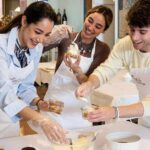
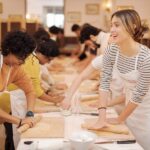
What you cook: handmade fettuccine and classic layered tiramisu
Here is the core of the experience, and why it is such good value.
Handmade fettuccine, step by step
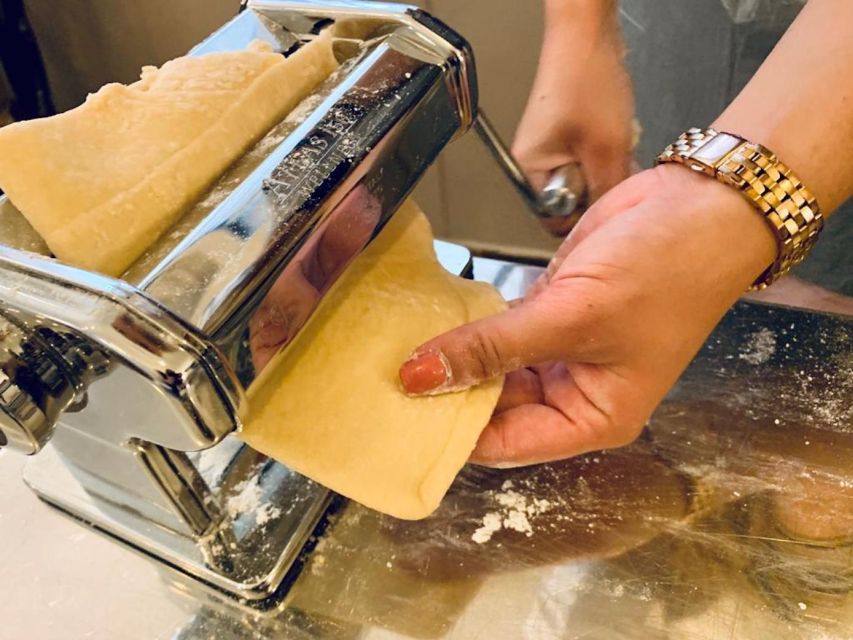
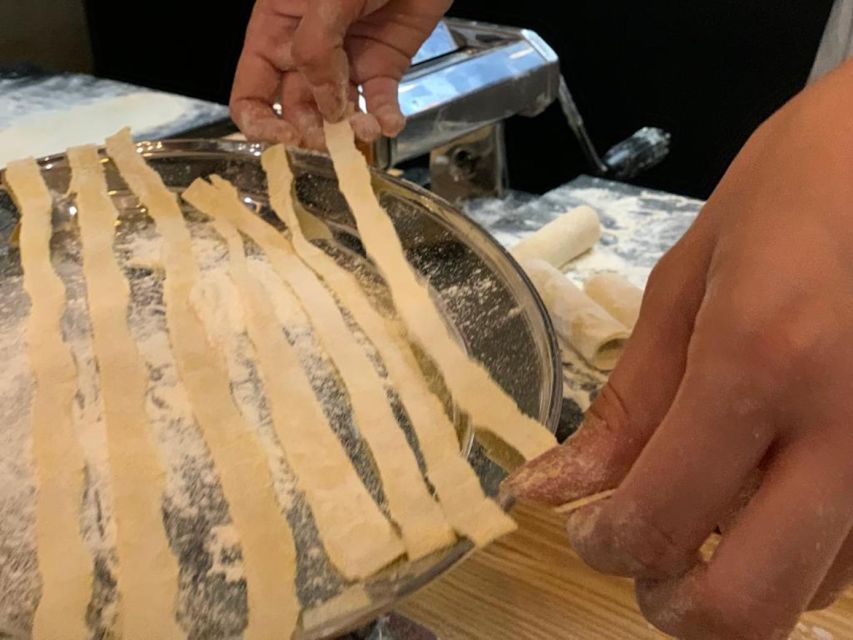
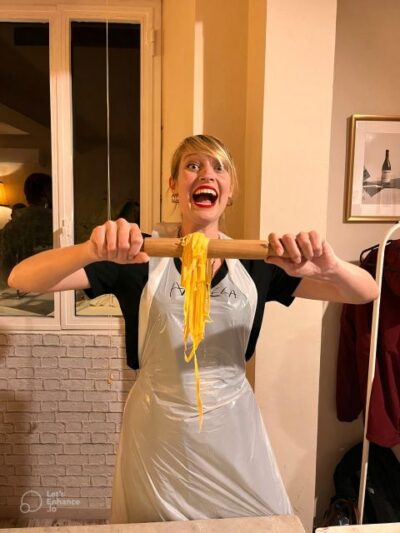
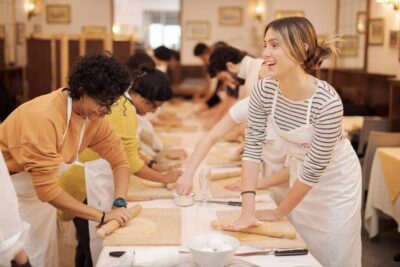
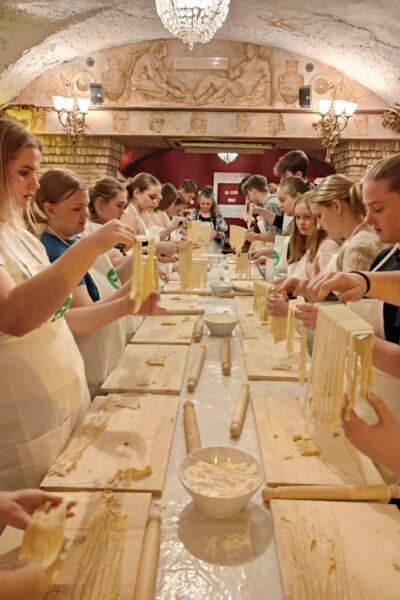
You start with the tools and ingredients gathered for you. Then the chef walks you through making fresh pasta dough and shaping it into fettuccine. The point is not just eating pasta. The point is understanding the process well enough to make it again later.
Handmade pasta has a couple of skills baked into it:
- You learn how dough should feel as you work it
- You get comfortable with rolling and cutting so the pasta cooks well
- You leave knowing what “right” looks like, not just what the final plate looks like
One small but meaningful detail: the class is set up so people can participate rather than stand back and watch. That is a big deal for beginners. When you can repeat the motions, the technique sticks.
Tiramisu: coffee, layers, cocoa, repeatable technique
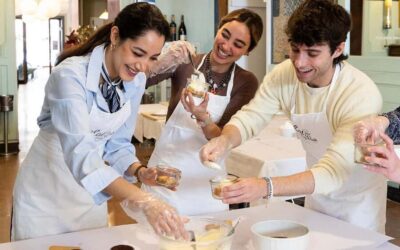
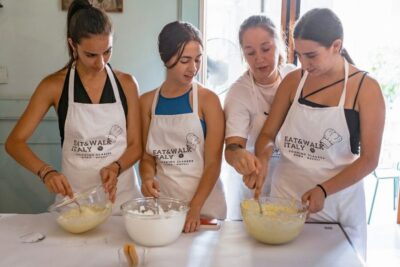
After pasta, you make tiramisu. This is the dessert most people think they know, until they try to copy it. The teaching focus here is on assembling the layers correctly so you get that creamy-meets-structured result instead of a messy bowl.
You’ll work with the elements that define classic tiramisu: coffee flavor and cocoa. The class structure matters because it turns tiramisu from a vague idea into steps you can follow at home. That is what makes the take-home recipes more than paperwork.
A note on variations like ravioli
In at least one described class, the group made fettuccine and ravioli. That suggests some sessions may add or swap pasta shapes depending on timing and group flow. If ravioli interests you, ask when you book, because you will get the most satisfaction when your expectations match what your specific session covers.
You can also read our reviews of more wine tours in Rome

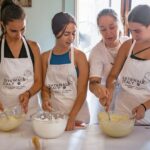



The drink plan: wine, limoncello, and the pacing of a Roman meal
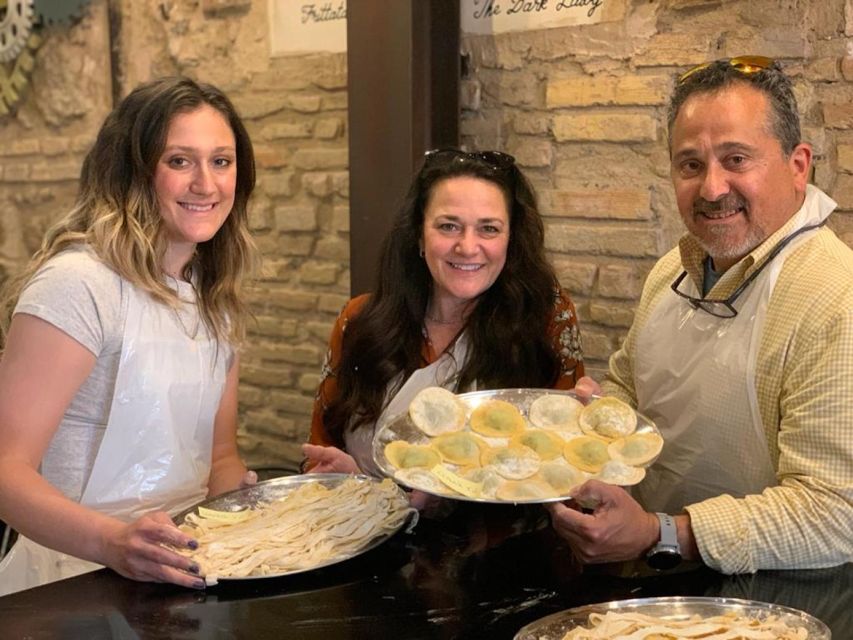
The title includes wine, but the class does more than sprinkle it on top. Drinks are integrated into the rhythm of the cooking.
Included drinks are:
- Fine wine and limoncello
- Coffee, soft drinks, and water
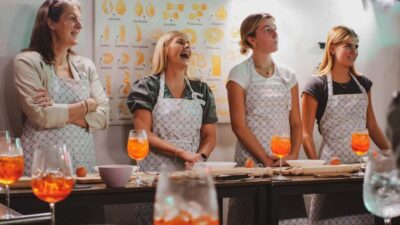
And there are small “nice touch” extras mentioned in real experiences, like starting with a hot beverage such as cappuccino or moving into prosecco before the cooking really ramps up. You should treat those as session-dependent, not guaranteed, but they fit the overall style: relaxed, social, and not just about alcohol.
Why this matters for you: wine and limoncello are part of how Italians often make time feel longer at the table. In a cooking class, that changes the tone. You are less likely to feel rushed, and more likely to enjoy the learning curve.
Inside the Roman restaurant: group size, energy, and how it runs
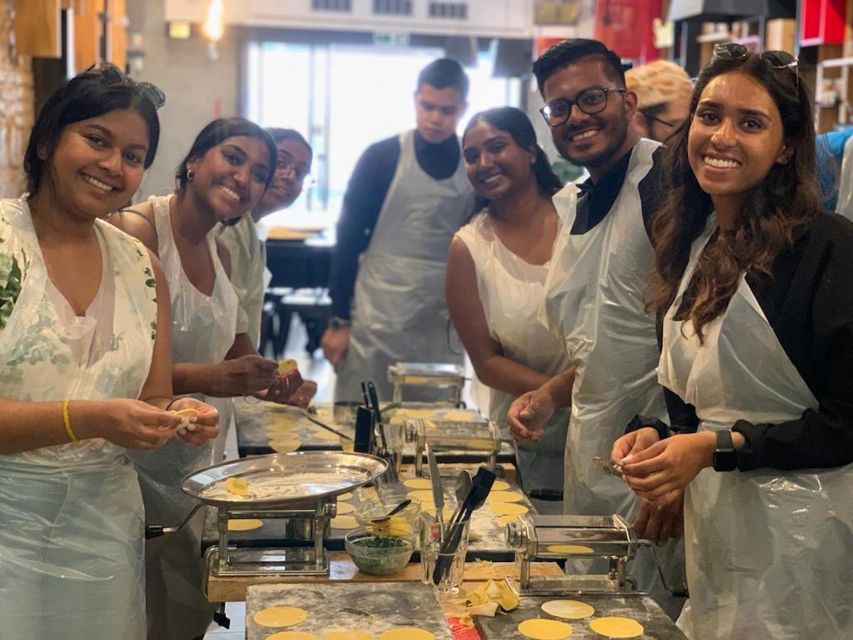
You cook inside a Roman restaurant setting. That gives you two practical benefits.
First, the setup is built for food. Stations, space, and a real kitchen rhythm usually mean fewer bottlenecks. Second, the meal afterward happens in the same overall atmosphere. You do not finish cooking and then scramble to find a place to sit.
From descriptions of the class experience, group sizes can be small enough that each person gets attention. One person noted about 12 people in class and felt included, which matches what you want from a hands-on course. With a group that size, you can ask questions without feeling like you are interrupting.
The energy also sounds intentionally upbeat. Music gets mentioned, and hosts are described as funny and engaging while still giving clear instructions. That balance is worth paying attention to. A cooking class can become either too stiff or too chaotic. The best ones thread the needle, and this one seems to aim for that.
Timing reality check
The class duration is listed as 2.5 to 3 hours, but at least one experience flagged that it started later than expected. That is not unusual in restaurant-based activities, but it is still worth planning for. If you have another reservation, I’d schedule it after a cushion of time.
What you get to take home: recipes you can use
This is one of the parts I look for in any cooking class. Some give you a nice time, then you go home with nothing actionable.
Here, you take home the authentic Italian recipes you learn during the session. You also leave knowing the method. That matters because pasta and tiramisu are technique dishes. Ingredients are only half the story.
If you want to get serious at home, plan to practice soon after your trip. The steps will still feel fresh, and your memory of the dough texture and layering will guide you. That is how you turn this into a real skill, not just a fun afternoon photo.
If you care about sauces, ask first
One experience wished they had learned more about sauces, especially for a ravioli course. If your favorite part of Italian meals is the sauce, make sure your class includes what you want. If you cannot confirm ahead of time, you can still learn pasta and tiramisu with confidence, then pair it with a sauce recipe you already like at home.
Price and value: is $32 fair for 2.5 to 3 hours?
At $32 per person, this class is priced like a practical deal, especially considering what is included. You are not paying just for a meal. You are paying for:
- A local chef guide in English
- Hands-on instruction for pasta and tiramisu
- Included ingredients for those dishes
- Fine wine and limoncello, plus coffee, soft drinks, and water
- A sit-down eating moment after you cook
For Rome, that combination usually costs more when it is packaged as a tour plus a meal. Here, the cooking is the meal. You also get recipes you can bring into your kitchen later, which is where the value really lands if you cook at home.
If you are traveling on a budget, this is the kind of activity that can replace spending on a separate cooking-focused dinner. If you are not on a tight budget, it is still a smart pick because it is unique compared with standard sightseeing.
Who should book this Roman Master Chef class?
This class fits best if you:
- Want hands-on learning instead of passive sightseeing
- Love Italian food and want to make it yourself, especially pasta and tiramisu
- Prefer a small, friendly group experience with real instruction
- Enjoy pairing cooking with wine and limoncello
- Are comfortable joining a shared table meal afterward
It is also a great “first visit to Rome” activity because it teaches you the logic of the cuisine quickly. You walk away with flavors you can name, plus the skills to reproduce them.
Dietary options are supported, including vegetarian, vegan, lactose intolerant, and other diets. Tell the provider when you book so the chef can plan substitutions.
Practical tips before you go
You will get the most out of this class if you show up ready to work a little.
- Wear something you can get flour on. Even well-run classes can get messy.
- Come hungry. You will cook, then eat what you made.
- If you want specific dietary adjustments, put them in writing during booking.
- If sauces are a must for you, ask what your session covers for pasta pairings.
Also, if you are the type who likes to take notes, bring a small notebook or use your phone. The chef’s method will make more sense when you review it right after class.
Should you book this Rome cooking class?
Yes, if you want a reliable, fun, food-first experience that teaches you two of the most Rome-and-Italy dishes there are: fresh fettuccine and tiramisu. The best part is that it is not only about taste. You also get instruction you can use back home, plus drinks that make the afternoon feel like a real Roman meal.
I would think twice only if you have zero flexibility for start times or you are specifically hunting for an ultra-deep sauce workshop. Otherwise, this is an excellent value way to spend a half-day in Rome, with chefs who manage to be clear, warm, and entertaining at the same time.
FAQ
How long is the Rome Roman Master Chef Cooking Class?
The class runs about 2.5 to 3 hours.
What dishes will I learn to make?
You will make fresh pasta (including fettuccine) and tiramisu.
Is the class taught in English?
Yes. The instructor teaches in English.
What drinks are included?
Included drinks are fine wine and limoncello, plus coffee, soft drinks, and water.
Do dietary options like vegetarian or vegan work?
Yes. Dietary options are available, including vegetarian, vegan, and lactose intolerant. Inform the activity provider when booking.
Is reserve now and pay later available?
Yes. You can reserve now and pay later, meaning you pay nothing today.
What is the cancellation policy?
You can cancel up to 24 hours in advance for a full refund.
More Wine Tours in Rome
More Cooking Classes in Rome

More Tour Reviews in Rome





Not for you? Here's more nearby things to do in Rome we have reviewed










Cooking Classes, compared.
 ★ 4.9Pasta Making Class with Wine, Limoncello, and DessertFrom $483,177 reviews
 ★ 4.93-in-1 Fettuccine, Ravioli, and Tiramisu Cooking ClassFrom $812,704 reviews
 ★ 4.8Fettuccine Pasta Cooking Class in Rome’s City CenterFrom $462,414 reviews
 ★ 5.0Traditional Pasta with Cocktails Cooking ClassFrom $1002,374 reviews
 ★ 4.8Fettuccine and Tiramisu Cooking Class with WineFrom $672,013 reviews
 ★ 4.8Pasta & Tiramisu Cooking Class near the Spanish StepsFrom $581,395 reviews
 ★ 4.7Traditional Pizza Cooking Class near Piazza NavonaFrom $461,241 reviews
 ★ 4.9Pasta Making with Wine Tasting and Dinner in FrascatiFrom $35979 reviews
Browse the lists this tour appears in