
Reviewed · COOKING CLASSES
Rome Pizza & Gelato Cooking Class
Italian dessert and dough lessons in one stop. This Rome Pizza & Gelato Cooking Class is a practical, hands-on way to learn techniques, then eat what you make just a short walk from Piazza Navona.
I especially like the two-part format: you start with creamy gelato-making and then switch to pizza dough and Roman-style shaping. The second great part is the payoff, you choose your toppings, eat your pizza, and finish with gelato plus a drink pairing.
The one possible drawback is simple: it is only 2 hours, so you should think of it as a fun skills primer, not a full deep training. Also, extra food and drinks are not included beyond what the class lists.
Key highlights you should care about
- Piazza Navona area location with an indoor cooking station at Restaurant Gusto
- Hands-on gelato from scratch with guidance from a professional local chef
- Pizza dough basics taught step-by-step, then shaping your own Roman-style pie
- You build your own pizza with fresh toppings of your choice
- Included meal flow: pizza you made, then your gelato, plus wine or soft drink, water, and limoncello
- English instruction in a family-friendly, wheelchair accessible setting
Rome Pizza & Gelato Cooking Class, what you actually do
This is the kind of class that fits Rome’s rhythm. You get something active and food-focused, not a museum lecture. In about 2 hours, you move from gelato prep to pizza-making, then sit down to eat, with a small drink lineup that keeps the mood celebratory.
The location matters. You will be in Lazio, in central Rome, steps away from Piazza Navona, with the cooking station inside Restaurant Gusto – Eat and Walk Italy. That means you do not have to juggle a long commute after a day of walking and sightseeing.
What makes the experience feel worth your time is the structure. Gelato comes first, then pizza. You are not just watching. You are mixing, shaping, choosing toppings, and tasting the result. The included drinks, one glass of wine or soft drink, bottled water, and a final sip of limoncello, are there to round out the meal, not to turn it into a heavy night out.
You can also read our reviews of more cooking classes in Rome
Starting line: Restaurant Gusto near Piazza Navona
Your meeting point is Restaurant Gusto – Eat and Walk Italy. That is useful because it anchors the class in a real neighborhood, not a far-off industrial kitchen zone. If your Rome day already includes Piazza Navona, you can slot this in without adding stress.
Once you arrive, expect a kitchen setup designed for hands-on work. The class includes all fresh ingredients and equipment, so you are not hunting down specialty supplies. The chef is there to guide you through the process step-by-step, and you can ask questions as you go.
In at least one commonly praised setup, the host Julia stands out for being welcoming and for making gelato technique easy to follow. The broader theme is that you are not thrown into chaos. You get structure, and you get answers while your hands are busy.
For practical planning, wear comfortable clothes. You will be in an active cooking space, and you do not want to worry about what you wore five minutes after you started mixing.
Gelato first: hands-on technique for creamy homemade Italian gelato
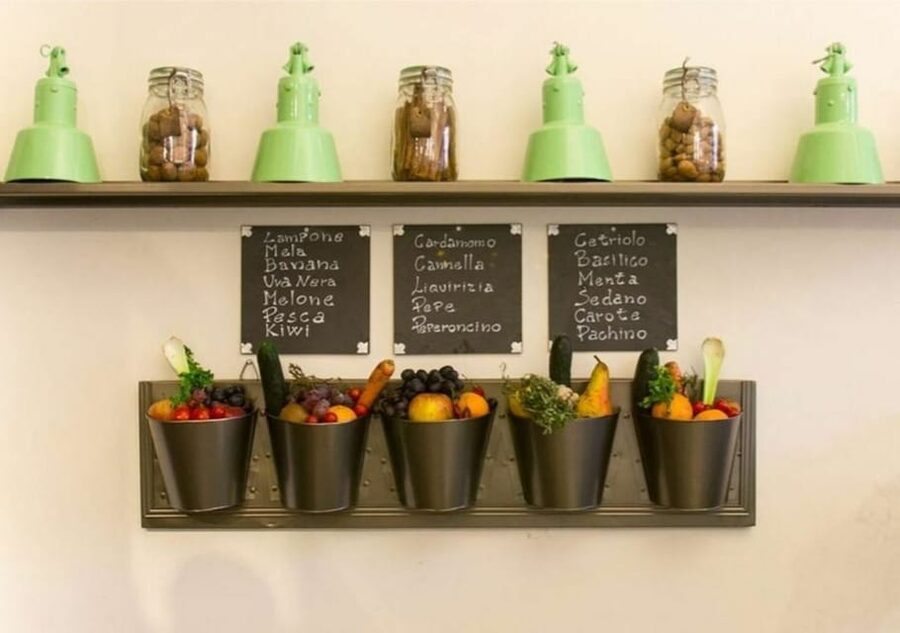
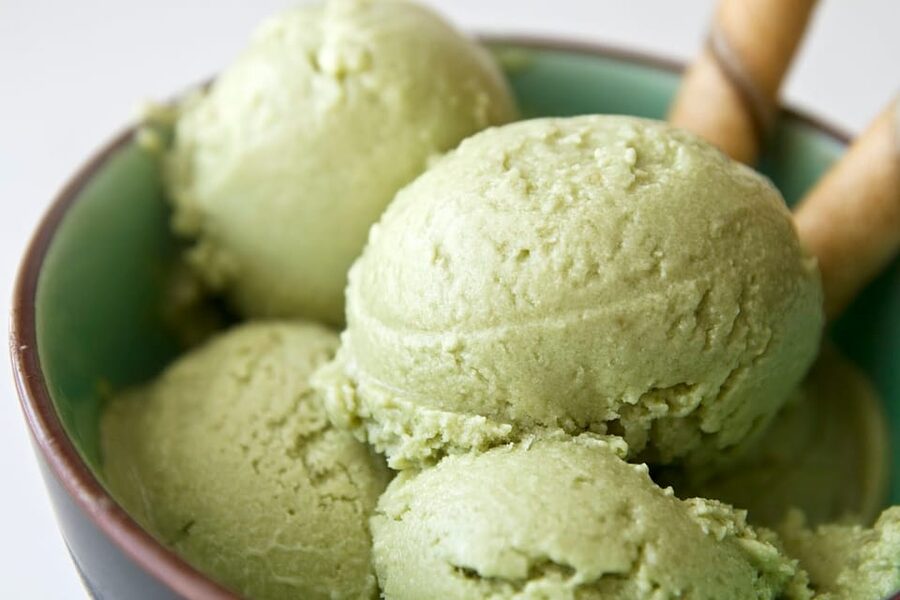
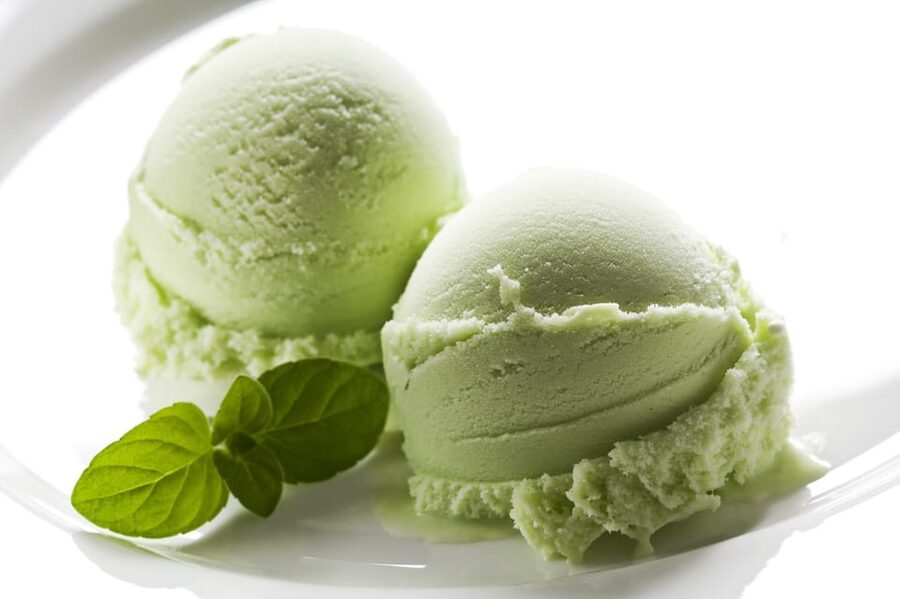
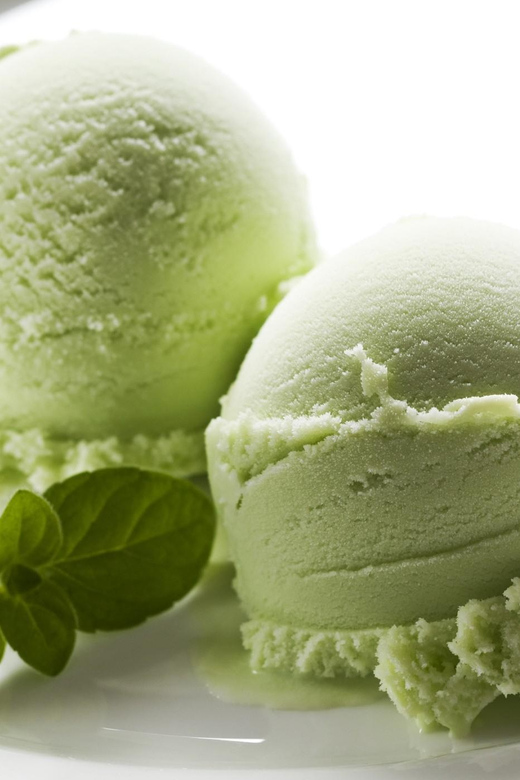
Most gelato classes stop at tasting. This one starts with the making part, and you learn the traditional approach behind Italy’s favorite frozen treat. You work with fresh, high-quality ingredients and prepare your own batch of homemade gelato.
This is also where the class tends to win people over. Multiple participants highlighted the host’s teaching style and the fact that the gelato session is not just about following steps. It is about understanding what you are doing and why. In one example, Julia guided a group through making three gelato flavors, then everyone got chances to taste the variety on offer.
That tasting component is a big deal. Even if you love one flavor, you often leave with a better sense of what makes gelato taste right, from sweetness balance to texture cues. You also get that satisfying moment of seeing your own work become something you can eat right away.
What you are really learning here is process. You will prepare creamy gelato and pick up technique you can use again at home, even if your kitchen is missing the exact same equipment.
Then comes the pizza: Roman dough, mixing, kneading, shaping
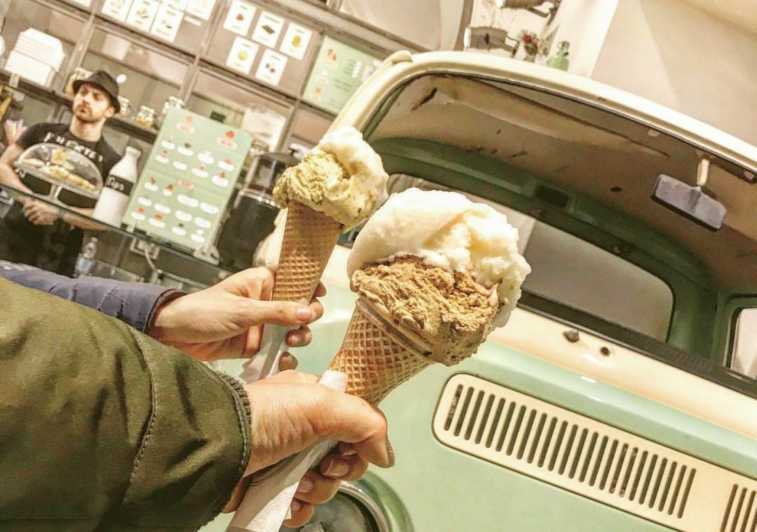
After the gelato work, you shift gears to pizza, taught by a professional local chef. The pizza segment is built around core dough skills: you learn how to mix, knead, and shape pizza dough from scratch.
This matters because dough is the part people most often mess up when they try homemade pizza later. Kneading affects gluten development, dough hydration affects texture, and shaping influences how the final crust behaves. Even if you do not memorize every science term, you learn what the dough should look and feel like as you work through it.
The class aims for Roman techniques, so you are not just making generic pizza. You are making something that fits the Roman approach, then personalizing it with toppings.
One more reason the pizza portion lands well is that it is hands-on and fast. With a 2-hour total duration, you cannot get lost in theory. You learn, you do, and you move on to decision-making with toppings.
Your toppings, your pizza: the best kind of customization
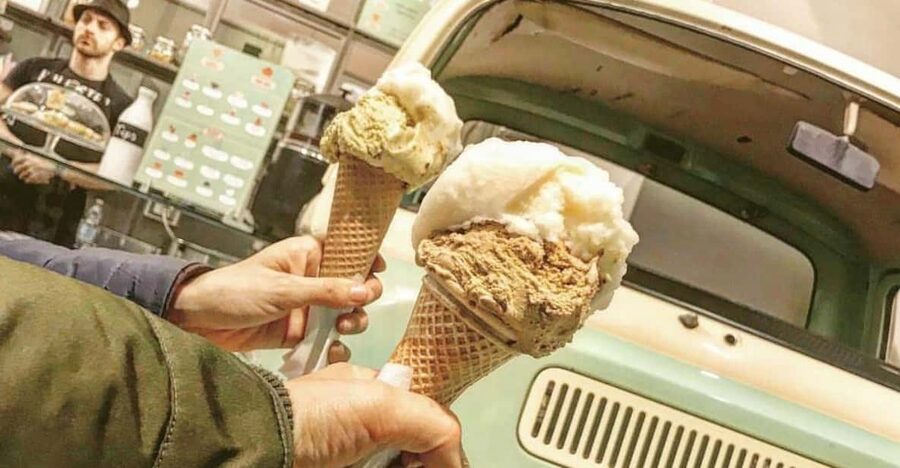
The pizza class includes a fun payoff. You get to choose your favorite toppings and create a personalized Roman-style pizza. Then you sit down and enjoy the pizza you made.
This is where the experience turns from a lesson into a meal. You are not eating a pre-made dish while someone else does the cooking. You are tasting your own decisions, which makes it easier to connect technique to flavor.
The topping part also helps different groups feel included. Food lovers get to experiment. Families get the “I made my own pizza” pride. Couples get an easy shared activity that does not feel like a chore.
And because the kitchen is indoor and near Piazza Navona, you are not stuck trying to find a restaurant afterward. You finish while everything is fresh and warm.
A few more Rome tours and experiences worth a look


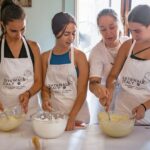
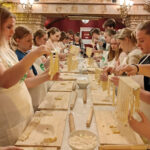

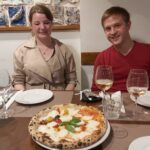
Drinks and dessert pairing: wine, limoncello, and gelato you made
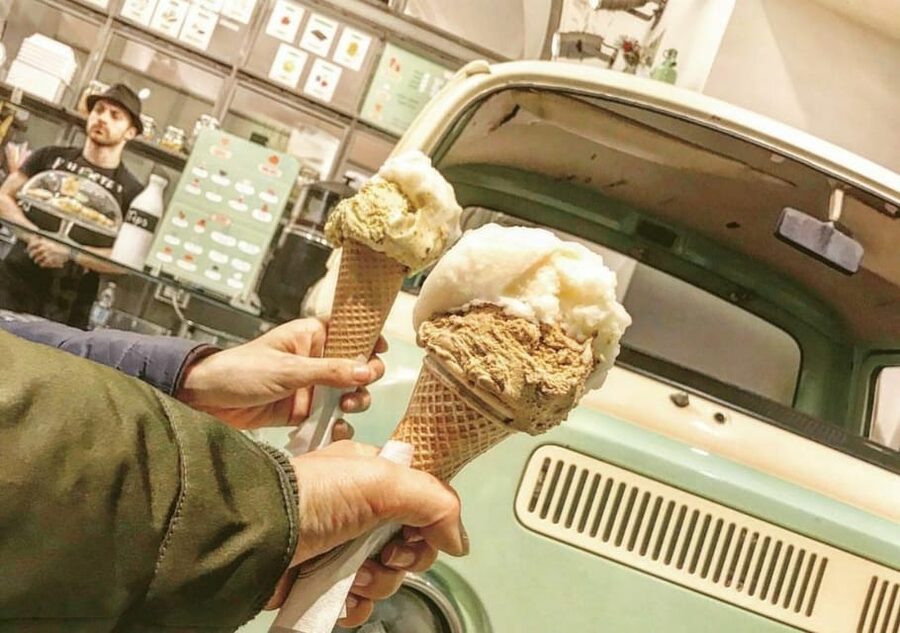
Your class wraps with the included meal flow. First you eat the pizza you created with your toppings. Then you taste your freshly made gelato.
Drinks are part of the package:
- 1 glass of wine or soft drink
- bottled water
- a final sip of limoncello
This is a classic Italian-style rhythm, savory first, dessert second, then something bright and punchy at the end. Limoncello in particular makes the experience feel very Rome, because you are finishing with that lemony snap that cuts through sweetness.
One other small benefit: the drinks are included, so you can budget more clearly. You will still likely want more food later in Rome, but at least this core meal is handled.
Price and value: is $65 worth it for 2 hours?
At $65 per person for a 2-hour class, you are paying for three things at once: instruction, ingredients, and a full eating experience. You are not just “sampling.” You are making both gelato and pizza, then eating them.
For value, the best signs are:
- All fresh ingredients and equipment are included
- You get your own pizza with toppings of choice
- You get your freshly made gelato
- Drinks and water are included, including limoncello
The class is also in a high-demand area, near Piazza Navona, which adds cost pressure for almost any activity there. Paying $65 for a focused cooking session that ends with an actual meal is often more efficient than doing separate pizza and gelato stops later, especially when you factor in what you learn.
The main value warning is the same as many cooking classes. It is a short session. You will leave with technique and inspiration, not a lifetime subscription to Italian dough knowledge. If you want a longer workshop, you might look for a longer cooking format elsewhere.
Who this class suits best (and who might want to skip it)
This fits well for almost everyone who likes food and wants something interactive.
Families tend to love it because it is hands-on and age-friendly. In particular, participants mentioned kids around 8 to 11 years old enjoying it, with a guide who kept things upbeat and informative.
Couples also do well because it is a shared task with a clear reward, and it stays centered on the experience rather than needing constant planning.
Solo food lovers may enjoy it even more than group travelers, because you can ask questions and get direct attention from the chef without having to coordinate with others.
If you are the type who only wants to eat, not make, you might find the hands-on portion feels like “work.” But if you are even mildly curious about how gelato and pizza come together, this class offers a satisfying trade: effort now, tastings and limoncello later.
Tips to get the most out of the gelato-and-pizza flow
You do not need culinary training to do well here. What you need is the right mindset: pay attention while you work.
Here are a few practical tips based on how these classes run:
- Wear comfortable clothes and assume you might get a little kitchen mess on sleeves
- Ask questions while you knead and shape, the chef’s explanations land best in the moment
- Take your time choosing toppings so your pizza feels like yours, not a last-minute guess
- Eat what you make while it is fresh, because the class is designed so the lesson ends with the meal, not with a takeaway plan
Also, consider your schedule. Being near Piazza Navona means you can connect it to a day of walking, but plan a little downtime afterward. Cooking uses energy, even when it is fun.
Quick facts you should know before you book
This class is 2 hours, taught in English, and led by a professional local chef. It includes everything needed for hands-on cooking: ingredients, kitchen equipment, and the tasting and meal components. The meeting point is Restaurant Gusto – Eat and Walk Italy.
It is wheelchair accessible, which is a strong plus if mobility is a concern.
One more practical detail: extra food and drinks are not included beyond what the class lists. So if you know you eat big, you may want to plan a light snack before and dinner after.
Should you book Rome Pizza & Gelato Cooking Class?
Book it if you want a hands-on Rome food experience you can actually feel in your hands. The biggest reason to say yes is the combination: you learn gelato technique, you learn pizza dough skills, and you finish with the meal plus gelato and a limoncello sip. For a central location near Piazza Navona, the pricing also looks reasonable because instruction and ingredients are bundled.
Skip it only if you are chasing a long, slow, sit-down gastronomic tour with lots of background and zero cooking. This is short, practical, and focused on doing. If that sounds like your kind of trip, you will likely enjoy it a lot.
More Workshops & Classes in Rome
More Cooking Classes in Rome
More Tour Reviews in Rome


Not for you? Here's more nearby things to do in Rome we have reviewed








Cooking Classes, compared.
 ★ 4.9Pasta Making Class with Wine, Limoncello, and DessertFrom $483,177 reviews
 ★ 4.93-in-1 Fettuccine, Ravioli, and Tiramisu Cooking ClassFrom $812,704 reviews
 ★ 4.8Fettuccine Pasta Cooking Class in Rome’s City CenterFrom $462,414 reviews
 ★ 5.0Traditional Pasta with Cocktails Cooking ClassFrom $1002,374 reviews
 ★ 4.8Fettuccine and Tiramisu Cooking Class with WineFrom $672,013 reviews
 ★ 4.8Pasta & Tiramisu Cooking Class near the Spanish StepsFrom $581,395 reviews
 ★ 4.7Traditional Pizza Cooking Class near Piazza NavonaFrom $461,241 reviews
 ★ 4.9Pasta Making with Wine Tasting and Dinner in FrascatiFrom $35979 reviews
Browse the lists this tour appears in