
Reviewed · COOKING CLASSES
Rome: Pasta Cooking Class in a Professional Pasta Laboratory
Fresh pasta starts with grain, not a machine.
This Rome class happens inside a working Italian pastificio, so you are learning the real workflow of a professional pasta lab, not copying recipes from a kitchen setup. I especially like the way they build dough from multiple grains, including gluten-free options, while keeping the steps beginner-friendly with Chef Angelo and his team.
I like two things most: first, you get hands-on instruction to roll thin sheets and shape fillings, with coaching as you go. Second, you taste what you made with Roman sauces like carbonara, cacio e pepe, or gricia, plus wine and water during the shared meal.
One consideration: because the class is only 3 hours, the pace is organized, so some items can get more time for skills practice than others. If you book a Thursday session, for example, gnocchi can lean more toward a short demo format rather than letting everyone work every step.
Key things to know before you go
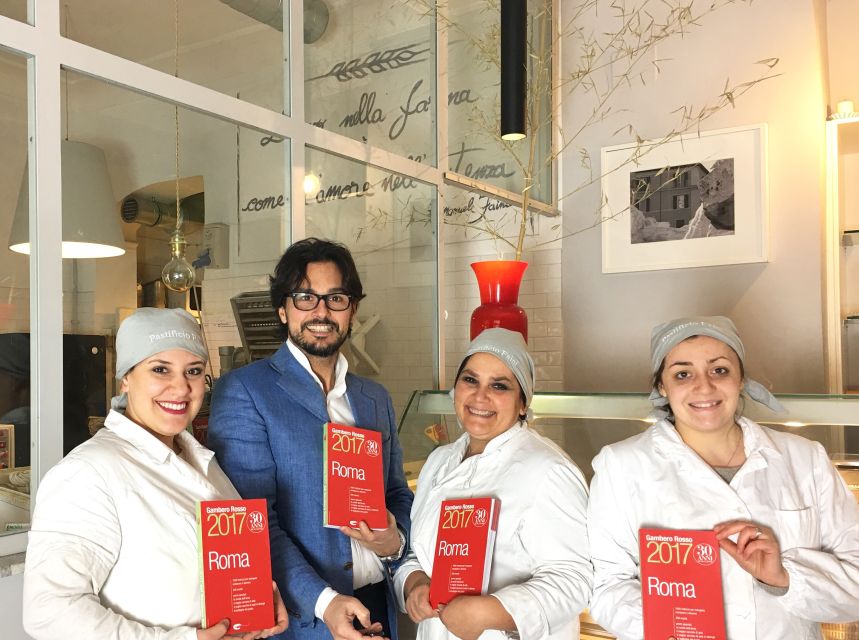
- A real professional pasta laboratory: you cook inside Pastificio Faini, the kind of space you rarely see on a standard cooking class.
- Handmade dough, not a pass-through demo: you practice rolling, cutting, shaping, and filling with step-by-step guidance.
- Three-grain storytelling baked into the method: Triticum Monococcum, Senatore Cappelli, and Grano Saraceno (buckwheat) are part of the lesson.
- Ravioli plus classic Roman sauces: you make three ravioli types and pair them with Roman favorites.
- Gluten-free and vegan options are built in: gluten-free participants make tasty GF pasta, and you also make one egg-free vegan pasta.
- Small group size: the class caps at 9 participants, so you get real attention instead of waiting your turn.
Pastificio Faini and the feeling of a working pasta factory
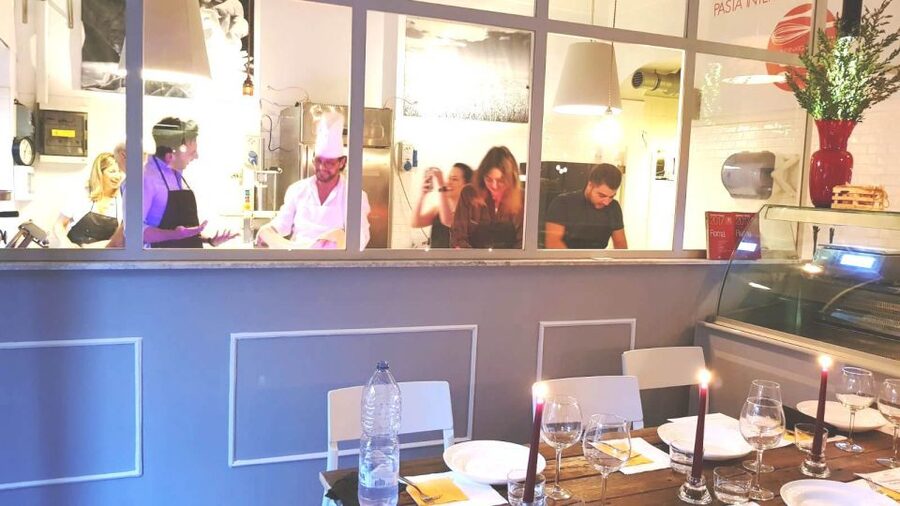
Walking into Pastificio Faini, you can feel the difference right away. This is not a rental cooking studio with shiny counters for photos, it is a working pasta space where techniques matter and timing matters.
I like that the experience stays grounded in craft. You are taught how dough should look and feel, how sheets should behave, and how to shape filling without guesswork.
If you care about authenticity, this setup is the big win. A class like this helps you understand how Italians actually build pasta, from flour to finished ravioli, using the tools and rhythms of a real lab.
You can also read our reviews of more cooking classes in Rome
Meeting Chef Angelo, Emanuele, and learning knife-safe basics first
Your morning or afternoon starts with a welcome drink, then you get an explanation of safe food cutting procedures. That might not sound like the fun part, but it changes how the class feels.
You move faster later because you understand what the team wants and what safety rules look like in practice. It also helps if you are a nervous beginner, because the tone is practical and step-by-step.
Chef Angelo is the lead instructor, and you may also work closely with Emanuele, who comes across in multiple class stories as energetic and focused on teaching. Guests highlight that the hosts balance clear guidance with humor and encouragement, which makes it easier to relax into the hand skills.
One extra detail I would not ignore: some guests call out that the room had great air conditioning, which can make a big difference in Rome when your class is inside a busy working space.
The dough lesson: Triticum Monococcum, Senatore Cappelli, and Grano Saraceno
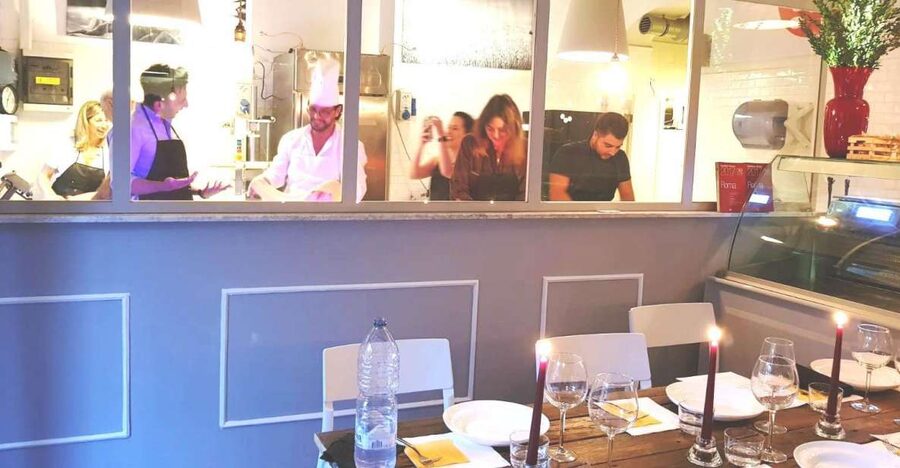
This is where the class becomes more than just pasta-making. You do not only learn a technique, you learn what you are working with.
You make dough using three different kinds of grains. One is Triticum Monococcum, described as the first cereal cultivated by man, around 7500 BC. Another is Senatore Cappelli, a variety that had disappeared in the 1960s and was later rediscovered through the efforts of a small farmer, with a history tied to Nazareno Strampelli’s selection work back in 1915.
The third flour is Grano Saraceno (buckwheat) for gluten-free pasta. That matters because it is not a sad substitute. You make a full version of gluten-free pasta designed to taste good and cook well.
Even if you do not geek out on ancient grains, this part helps you understand why pasta behaves differently. You learn that flour is not just an ingredient, it changes dough texture and how sheets stretch.
Rolling thin sheets and shaping three types of ravioli
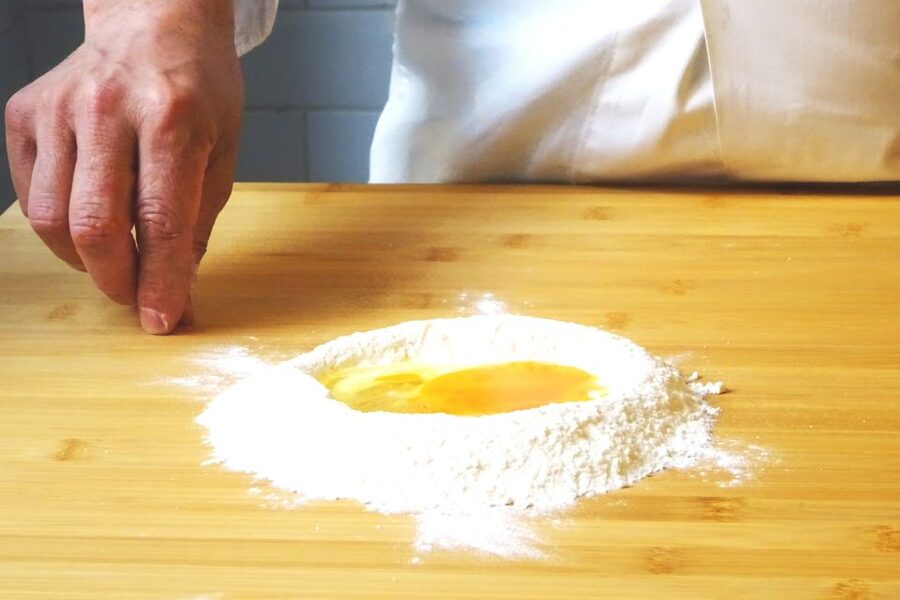
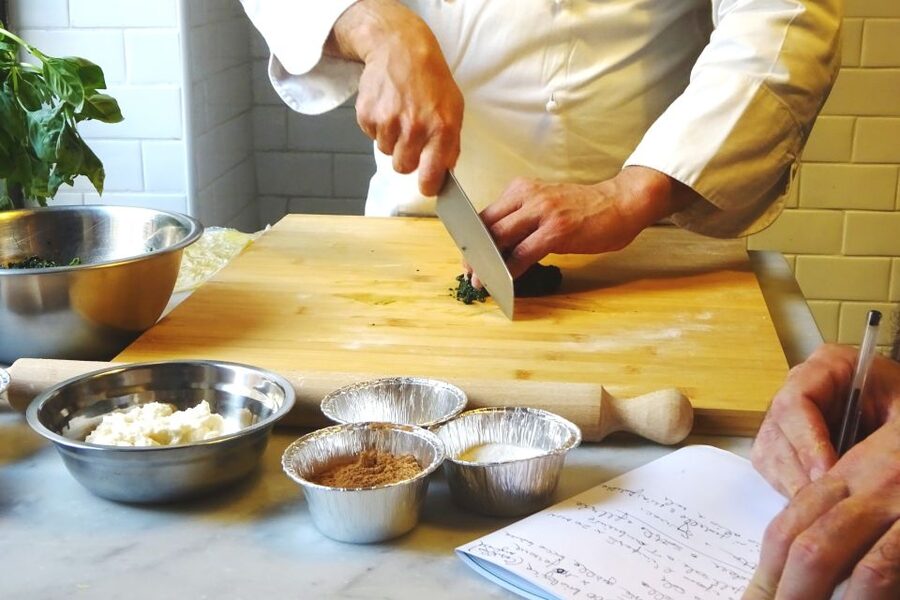
After you get comfortable with the dough, you move into the hands-on work. You create thin sheets of pasta dough, and the instruction is built for beginners, not just people who already own a rolling pin at home.
Then come three types of ravioli. The class doesn’t stop at forming shapes, you get guidance on filling and assembly, so your ravioli stays sealed and cooks up properly.
One subtle but valuable thing: the team teaches you the cues to look for. You start noticing when dough is too dry, when it needs a little adjustment, and how to shape without overworking it.
If you are the kind of traveler who wants a skill you can repeat later, this is exactly the right focus. More casual classes end with you eating, this one ends with you understanding what you did and why.
Roman sauces and the egg-free vegan pasta you will actually want to eat
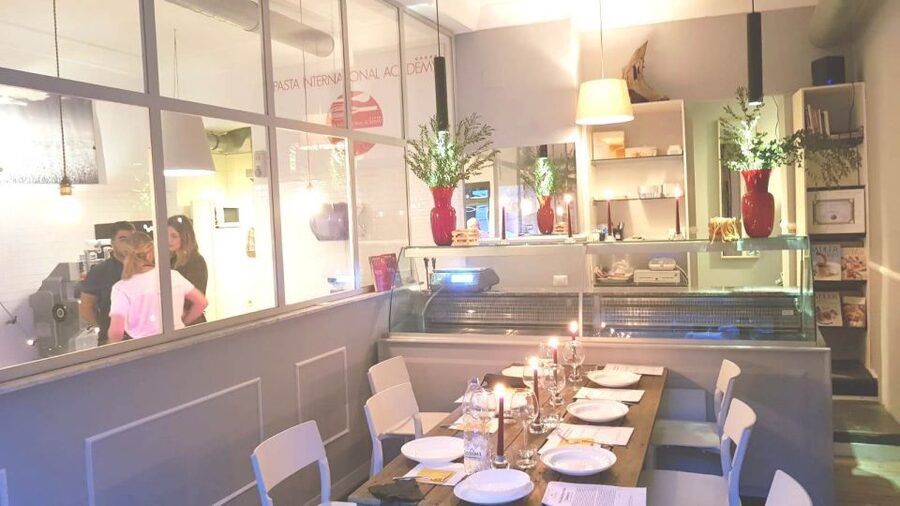
Ravioli is only half the story. You also learn the sauces that make Roman pasta what it is.
Your class experience includes tasting and pairing with classic Roman sauces such as carbonara, cacio e pepe, or gricia. That trio is a good way to experience different flavors: creamy comfort, pepper-forward simplicity, and savory depth.
On top of that, you make one pasta without egg, a vegan option. That is a smart inclusion for anyone who does not eat eggs, and it is also a good reminder that pasta can be built in more ways than the standard assume.
After you finish shaping and cooking, you get to taste what you made while sipping Italian wine. That makes it easier to connect technique to flavor, because you are not just eating something prepared for you, you are tasting your work.
A few more Rome tours and experiences worth a look



The meal moment: tasting, wine, and sitting together like a small dinner
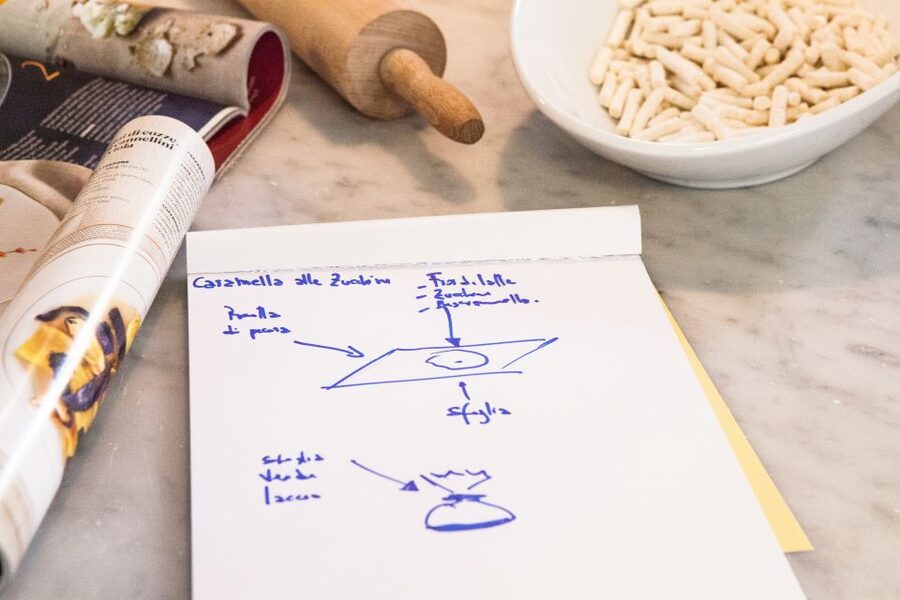
The class wraps with a sit-down meal where you taste the pasta and sauces you created. You also get wine and water as part of the experience.
Guests consistently mention that the best part is the shared table feeling. You cook with a small group, then you eat together, chat with the hosts, and compare notes with people from different countries.
This is also where the atmosphere matters. Several class stories mention a friendly, organized vibe, with upbeat chefs and a background playlist that keeps the mood relaxed while you are working with flour and knives.
One practical note for your day: plan to treat this as your main food event. You will want time to digest between cooking and eating, and it is much easier when you do not have another big dinner reservation right after.
What you take home, and how this class helps you cook again in your own kitchen
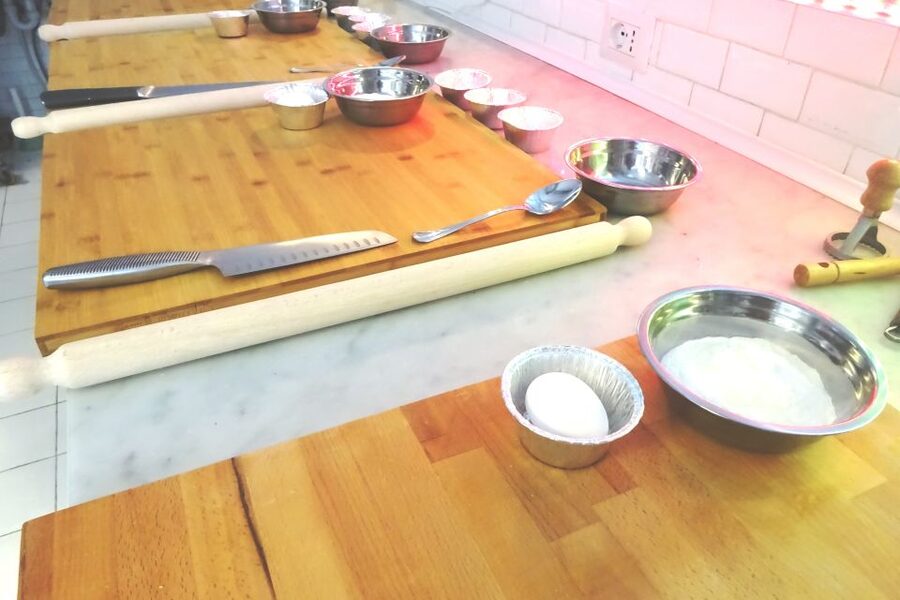
You leave with recipes and guidance aimed at recreating the dishes at home. The ingredients and equipment used for the class are part of what you learn, so you are not guessing how to translate a lab-style process into a regular kitchen.
You also get a professional branded chef hat and apron signed by the chef. It is a small souvenir, but it also signals you did something real, with a real team, in a real working space.
The value here is not just taste. It is muscle memory. When you learn to roll sheets, cut or shape pasta, and manage filling, you stop relying on a machine or a shortcut.
If you are nervous about cooking at home, do not worry. The class is designed for non-professionals, with the right kind of coaching so you understand the basics, then build from there.
Price and value: why this $66.84 per person can be a smart buy
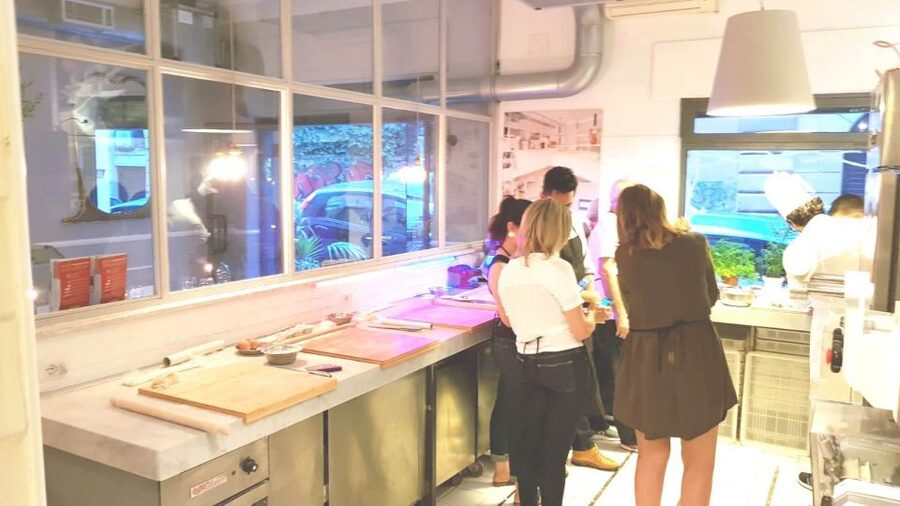
At $66.84 per person, this class sits in the mid-range to higher end for Rome cooking experiences. The price makes sense because you are paying for more than a tasting.
What you get includes ingredients and equipment for making pasta and sauces, recipes, wine and water, plus the hands-on time with a chef in a professional pastificio environment. You also get small group attention capped around 9 participants, which is usually where quality shows up.
Some classes try to sell you atmosphere and photos. This one sells you craft, and you can see it in the structure: safety briefing, dough work, rolling and shaping, then cooking and tasting.
If you want to be efficient with your time in Rome, this is also a value move. In a few hours, you get a skill lesson, a meal, and a genuine look at Italian food production culture.
Thursday gnocchi: fun extra, but know what you are signing up for
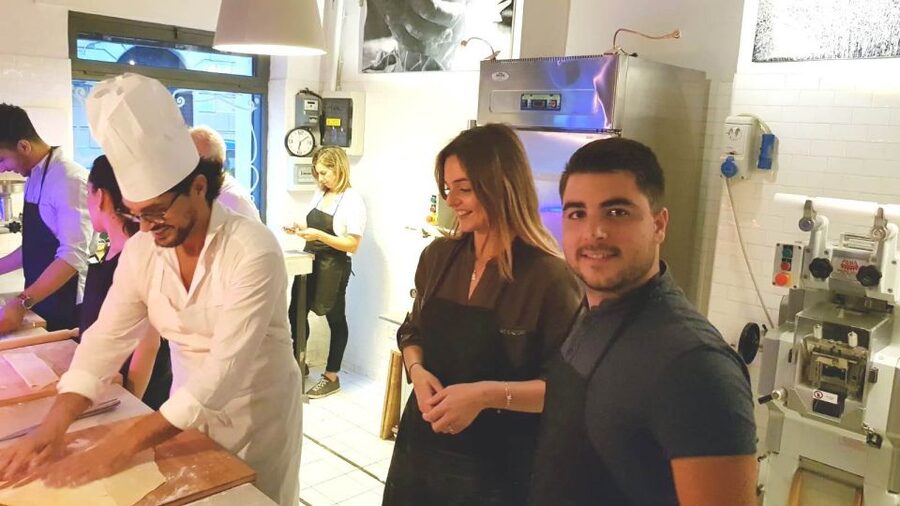
If you book on Thursdays, you can expect homemade Italian gnocchi made with fresh potatoes. That adds a classic comfort food moment to the pasta workshop.
That said, one useful consideration from class feedback is that the gnocchi can be more of a quick demo than an extended hands-on practice. If your main goal is maximum hands-on kneading and shaping time, you might prefer a non-Thursday date for a more evenly distributed practice session.
Still, even as an add-on, gnocchi is worth it if you love the dish and want to see how potatoes turn into soft, cook-ready dumplings in an Italian context.
Who this pasta laboratory class is for
This class is a great fit if you want to learn how to make pasta from scratch, then actually repeat it later. You will enjoy it most if you like hands-on work and you want real instruction on shaping, not just watching.
It is also strong for food travelers who care about texture and ingredient choices. The three-grain approach is a bonus lesson that makes the pasta more interesting, even if you already know the basics.
If you travel with dietary needs, it is a plus that gluten-free participants make gluten-free pasta using buckwheat flour, and the menu includes an egg-free vegan pasta.
If you hate kitchens, flour, and mess, this might be harder. Even though you get an apron, pasta work is hands-on, so you should expect to get a little involved.
Should you book this Rome pasta laboratory class?
Yes, I think you should book it if you want an authentic skill-based experience in Rome. The combination of cooking inside a professional pastificio, small-group teaching, and a clear path from dough to ravioli to sauces is exactly what makes classes worth the money.
Book it especially if you are a pasta person who wants to go home knowing how to roll, fill, and shape. And if you care about gluten-free or egg-free options, this class builds those choices into the activity instead of treating them like an afterthought.
If you are very short on time or you prefer ultra-relaxed, low-pressure lessons, you might feel the structured pace of a 3-hour session. In that case, choose dates based on what you want most, for example avoiding the Thursday gnocchi session if hands-on practice time is your top priority.
In short, this is the kind of Rome experience that turns into a real cooking habit, not just a nice meal on a schedule.
More Workshops & Classes in Rome
More Cooking Classes in Rome
More Tour Reviews in Rome
Not for you? Here's more nearby things to do in Rome we have reviewed







Cooking Classes, compared.
 ★ 4.9Pasta Making Class with Wine, Limoncello, and DessertFrom $483,177 reviews
 ★ 4.93-in-1 Fettuccine, Ravioli, and Tiramisu Cooking ClassFrom $812,704 reviews
 ★ 4.8Fettuccine Pasta Cooking Class in Rome’s City CenterFrom $462,414 reviews
 ★ 5.0Traditional Pasta with Cocktails Cooking ClassFrom $1002,374 reviews
 ★ 4.8Fettuccine and Tiramisu Cooking Class with WineFrom $672,013 reviews
 ★ 4.8Pasta & Tiramisu Cooking Class near the Spanish StepsFrom $581,395 reviews
 ★ 4.7Traditional Pizza Cooking Class near Piazza NavonaFrom $461,241 reviews
 ★ 4.9Pasta Making with Wine Tasting and Dinner in FrascatiFrom $35979 reviews
Browse the lists this tour appears in