
Reviewed · PANTHEON TOURS
Rome: Pantheon, Trevi Fountain & Roman Squares Guided Tour
Rome hits you fast, even on a short walk. This 3-hour guided route strings together classic squares and three of the city’s biggest icons, so you get context as you go. You start near the Teatro Argentina area and finish with that postcard skyline around the Trevi Fountain and Spanish Steps.
I especially like how this tour balances big-ticket stops with real street-level atmosphere. You get time in Piazza Navona, with its outdoor cafes and open-air energy, then you step inside San Luigi dei Francesi to see Caravaggio’s paintings in a church setting.
One consideration: Rome security and dress rules can be picky. If you show up with shorts, miniskirts, or uncovered shoulders, you may have a bad start before the best sights even begin.
Key things I’d prioritize on this tour
- Small group capped at 10 keeps it easy to hear the guide and move at a human pace
- Pantheon skip-the-line entry is built in, which matters with big crowds
- Headsets included so you can catch details without craning your neck
- Caravaggio at San Luigi dei Francesi adds art history that most quick tours miss
- Iconic photo moments at Trevi Fountain and the Spanish Steps, timed with a guided flow
Meeting at Teatro Argentina, then a “greatest hits” rhythm
The tour meets in front of Teatro Argentina. That starting point is practical because it puts you right in the thick of central Rome, where the blocks feel walkable and you can see how the city layers ancient and modern life side by side.
You will move on foot through several major landmarks over about 3 hours, so you should expect a steady walking pace. It is not a sit-down museum slog. It is more like a guided stroll with planned stops where you can regroup, look closely, and grab photos without feeling rushed.
The group size is small, capped at 10 participants. In real terms, that usually means less time waiting around and more chances to ask questions. The guide also provides headsets, which is a quiet but huge perk in Rome. Sound carries differently in churches and open squares, and headsets make it much easier to follow the explanation while you’re standing still.
A good bonus here is the flexibility of languages: the tour runs in English and Spanish. So if you are traveling with someone who prefers a particular language, you are less likely to get stuck with awkward “tour-by-hand-waving” moments.
You can also read our reviews of more guided tours in Rome
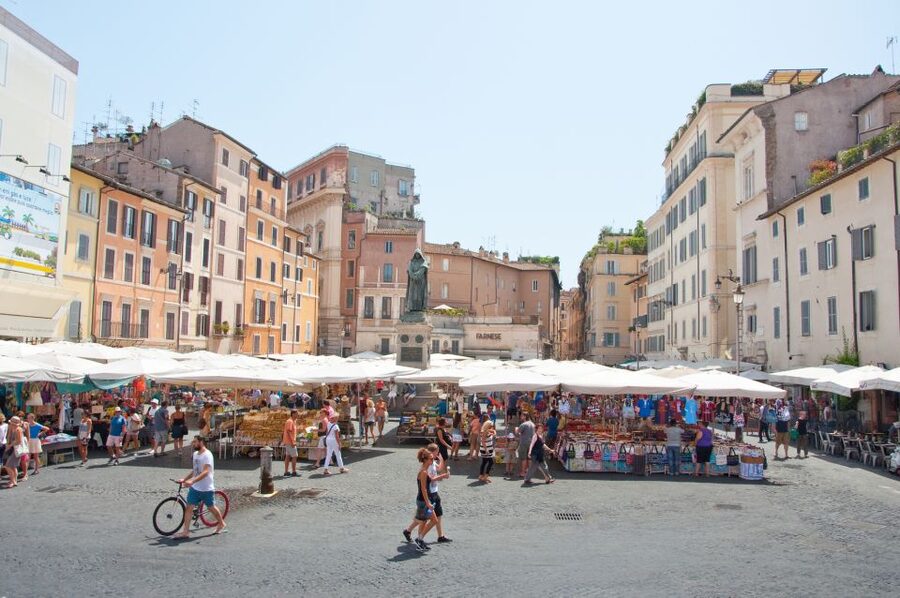
Piazza Navona: why this square works so well on foot
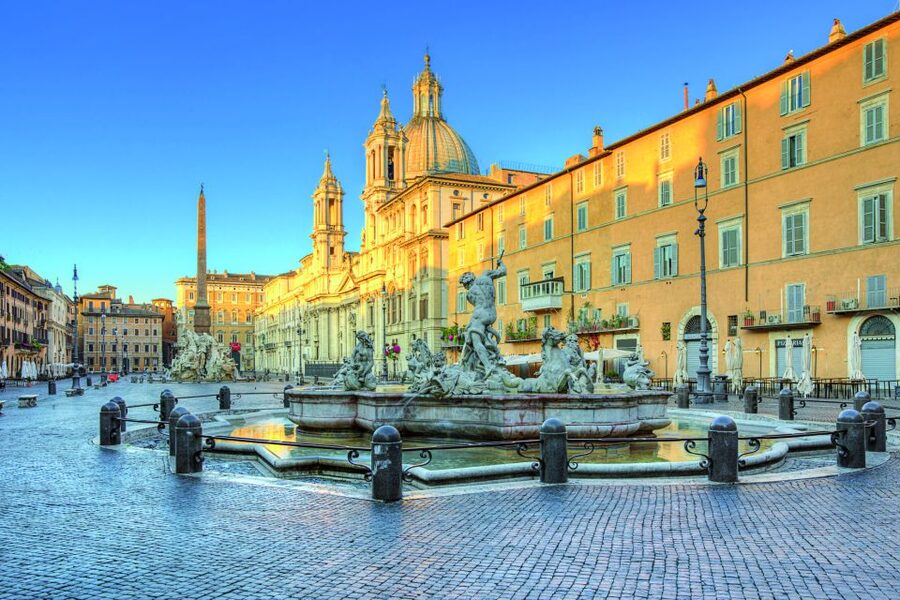
Piazza Navona is one of those rare Roman squares where the geometry feels like it is designed for people-watching. It has the relaxed hum of outdoor cafes and seasonal activity, so even before you hit the major monuments, the atmosphere starts doing part of the job for you.
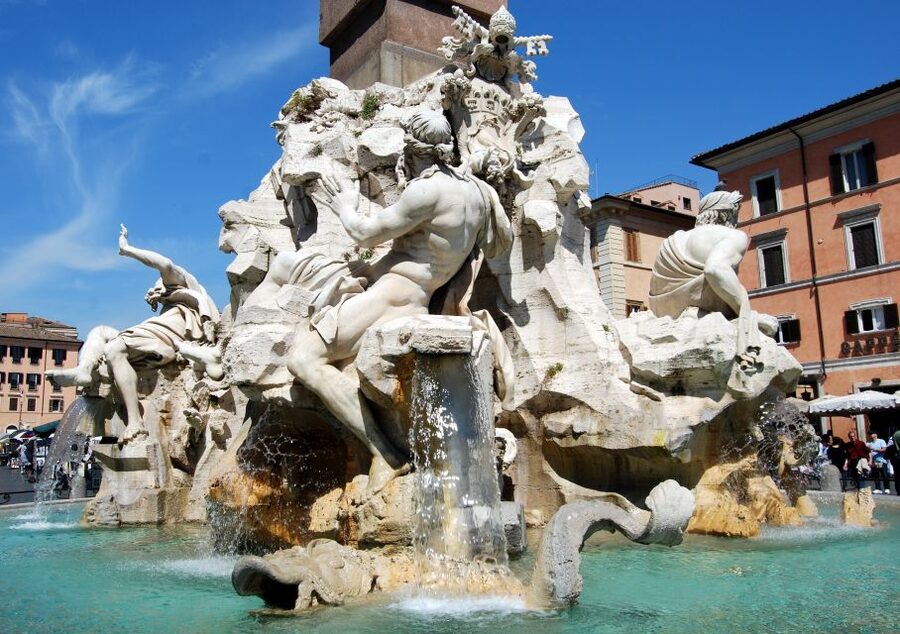
Bernini’s Four Rivers Fountain is the visual anchor here, and your guide’s job is to point you toward what to look for. Instead of just seeing a fountain, you learn how it fits the broader Baroque style of Rome, with drama and symbolism wrapped into stone.
Also, Piazza Navona is a great “warm up” stop. You can settle into the walking rhythm, get your bearings, and then move into tighter, more focused sightseeing. On a hot day, arriving first in open air also helps you plan where to take a break later.
San Luigi dei Francesi and Caravaggio: the art stop that changes the whole tour
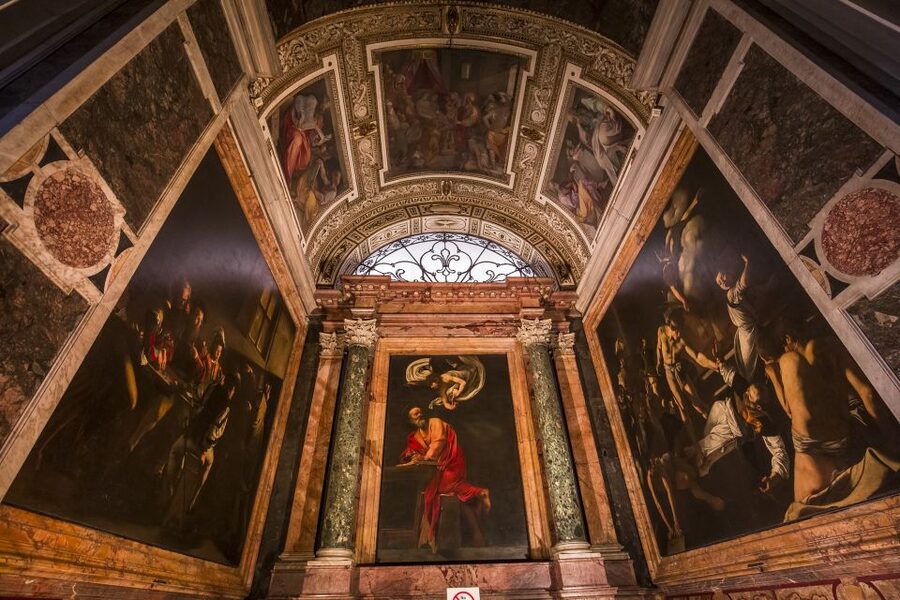
This is the leg that often makes the biggest difference, especially if you think you already “know Rome” from photos. San Luigi dei Francesi is where you see the world-renowned cycle of paintings by Caravaggio.
Here’s what you should expect. You are not just looking at titles and dates from far away. You are in a church context, so the guide can connect what you see to the way Roman art was meant to move and persuade people. Caravaggio’s style is intense, and the impact feels sharper in person than in most museum images.
This stop also adds a nice contrast to the outdoors. Trevi Fountain and the Spanish Steps are all about light, crowd energy, and big views. San Luigi dei Francesi shifts you into a slower, more interpretive mode. It’s a good reminder that Rome is not only ancient structures and famous fountains. It is also art that made a long-lasting mark on how people think about images and storytelling.
One practical note: churches have dress rules. Make sure you match the tour requirements so you are not scrambling to cover up at the door.
Pantheon skip-the-line: the dome, the scale, and the easy wow factor
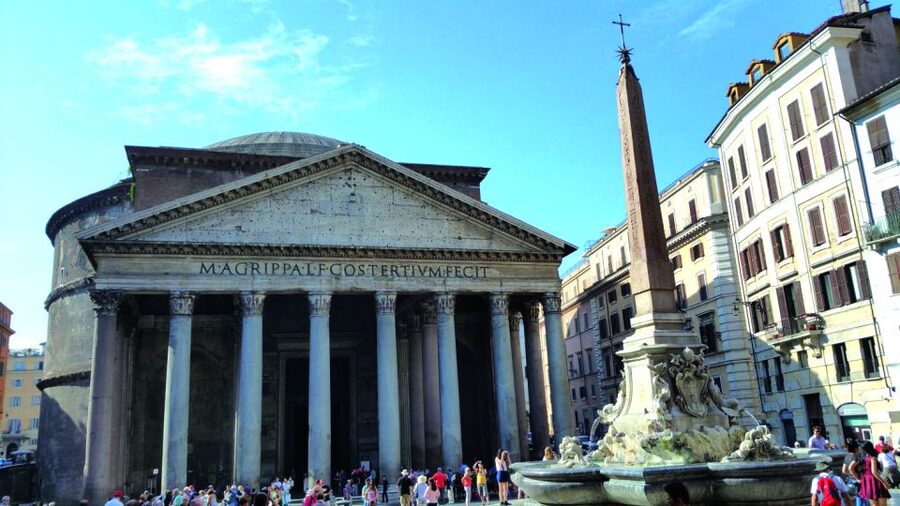
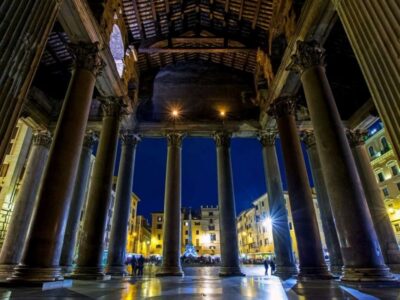
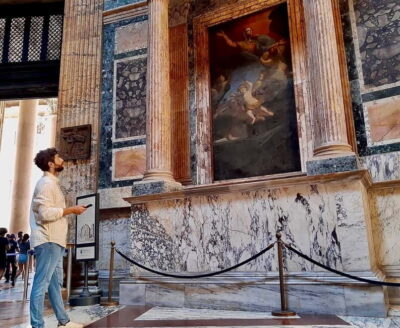
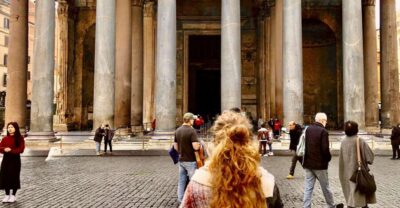
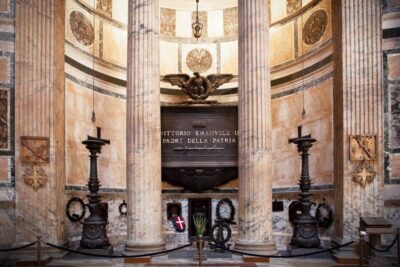
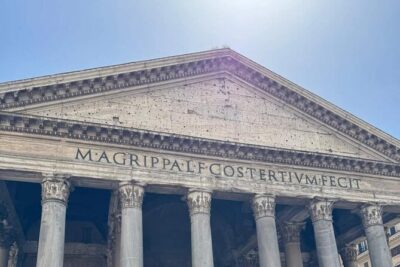
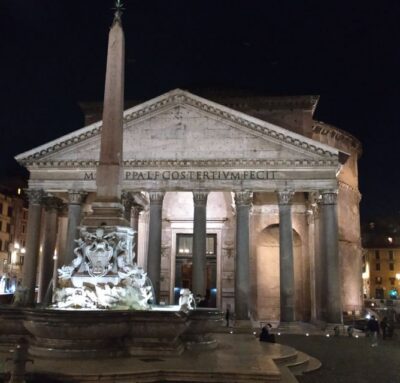
The Pantheon is the star in terms of architectural presence. It is widely viewed as the best preserved ancient Roman building, and your visit includes skip-the-line entry through a separate entrance. That single detail can save real time, which matters because Rome crowds peak and queues are unpredictable.
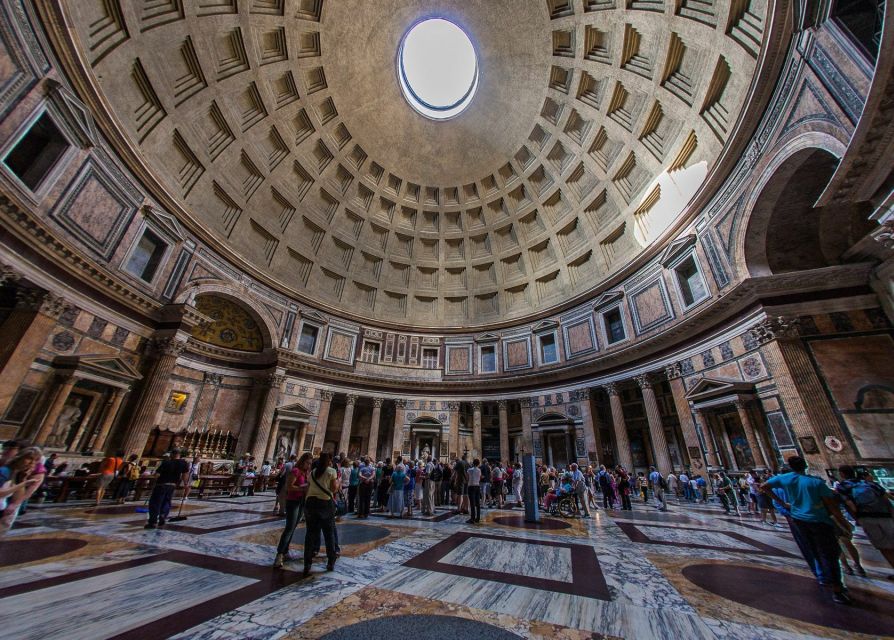
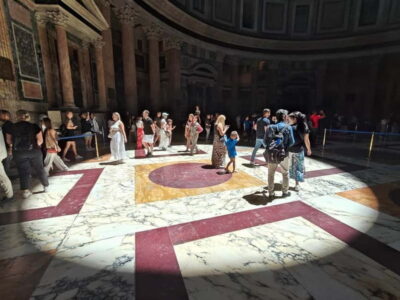
Once you are inside, the building does the talking fast. The main reason the Pantheon hits so hard is the scale of it, especially the famous dome. It is often described as the world’s largest unreinforced concrete dome, and standing under it is where the numbers become real.
Your guide will help you slow down and read what you are seeing. For example, you’ll likely get pointed attention toward the way the interior space holds light and draws your eyes around the circular form. That type of explanation is what turns an “I saw it” stop into an “I understand what I’m looking at” stop.
If the Pantheon is closed or not accessible during the scheduled time, the tour will still happen, but you will get the explanation from outside. That is not the same as stepping in, but it does mean the guide will not leave you with a dead end. Still, if Pantheon access is your top priority, building your day around this tour timing is a smart move.
Trevi Fountain: coin toss tradition, plus how to actually enjoy it
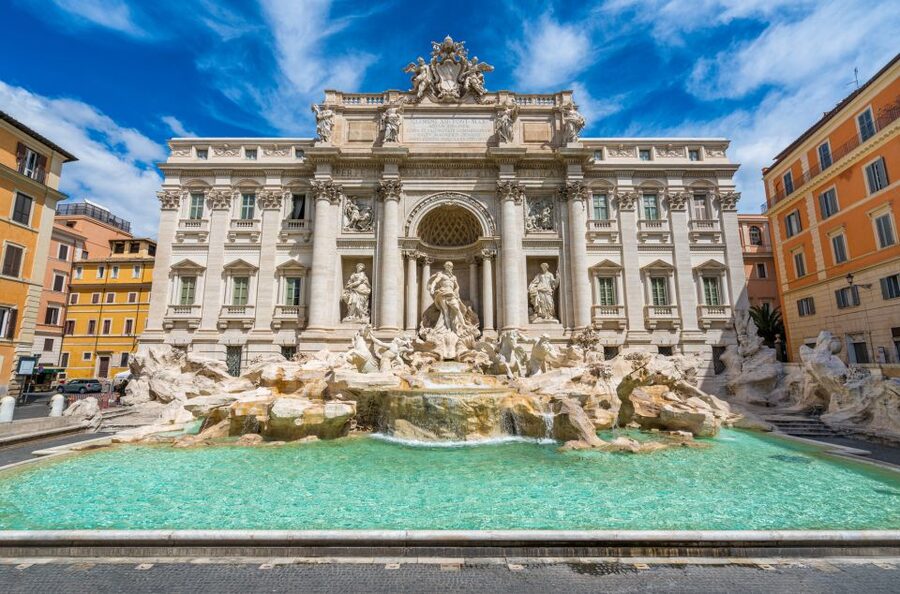
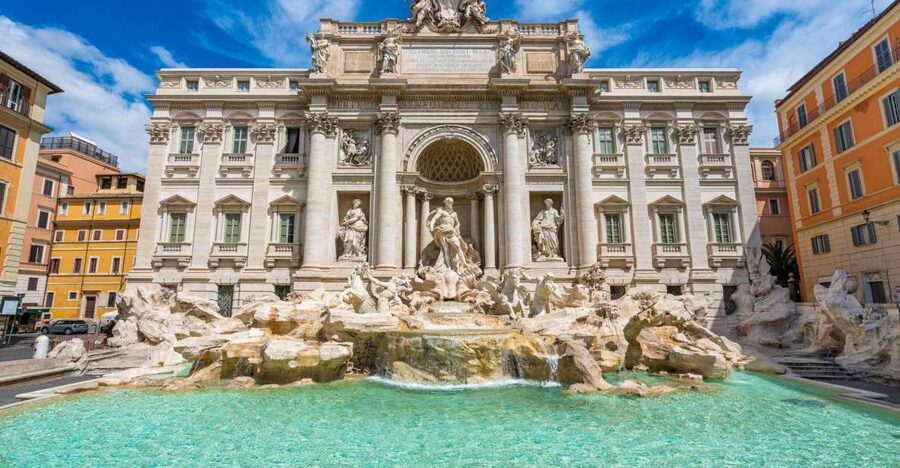
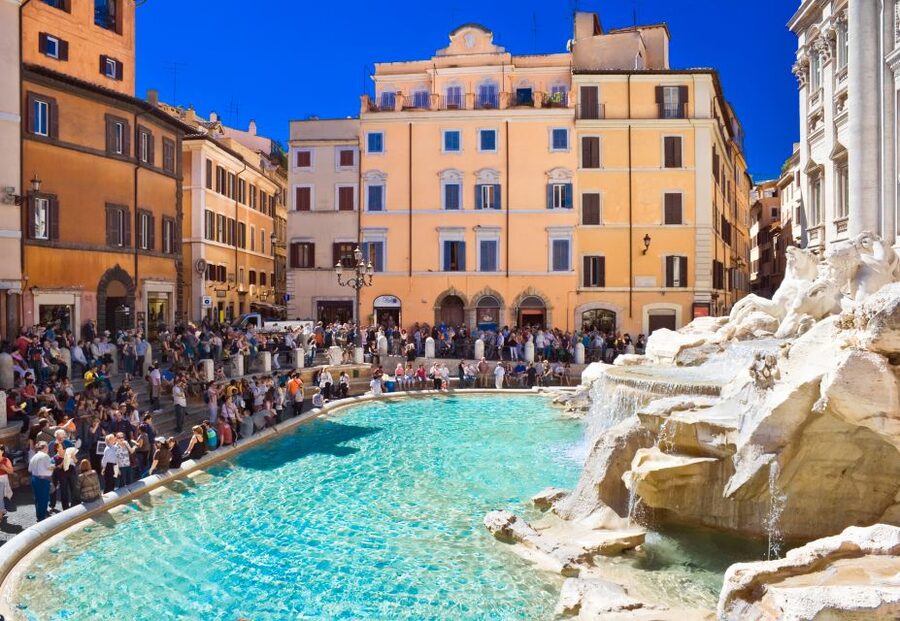
Trevi Fountain is probably the most famous fountain in the city, and it earns that status for one reason you can feel instantly: it is built for attention. The whole scene is Baroque in spirit, with a grand composition that makes even a quick glance feel like a “finish line” moment.
Your guide has you at the fountain for the classic ritual: throw a coin and make a wish. That is fun on its own, but it also becomes a useful way to structure your time in a crowded, high-pressure spot. Rather than trying to photograph while people surge behind you, you can follow the moment calmly, listen for what the guide points out, then take your photos once the flow makes sense.
One more reason this stop is worth a guided visit: the guide can help you avoid wasting time on the wrong angles. Trevi looks different from different spots, and crowd placement can make or break your shots. With a guide steering the flow, you are more likely to get the view you want without playing crowd chess.
If you like food stops as part of city walks, this area can be extra tempting. The tour doesn’t list meals, but the guide can help you think about what to do after, especially around the fountain and nearby streets.


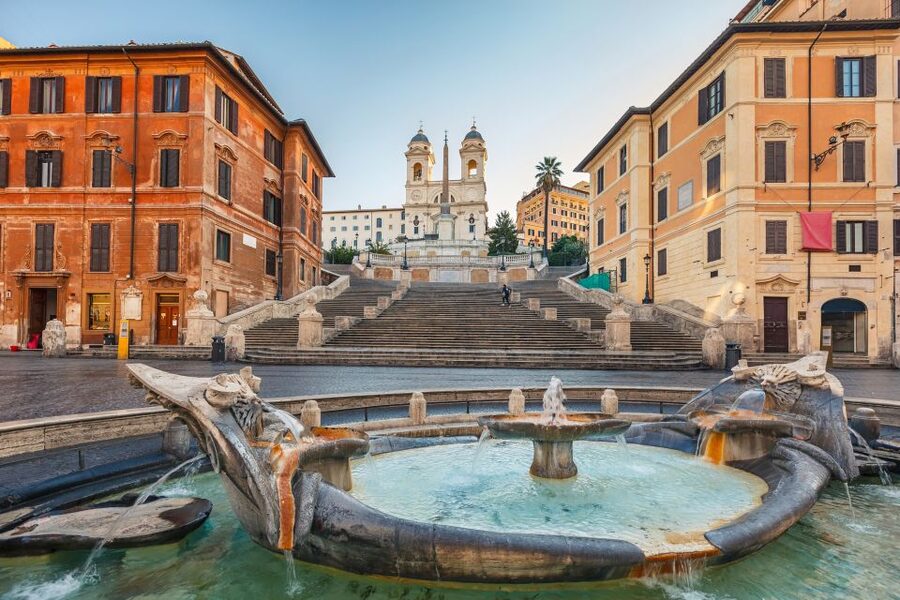
Spanish Steps and La Barcaccia: a photo-friendly finish with a viewpoint payoff
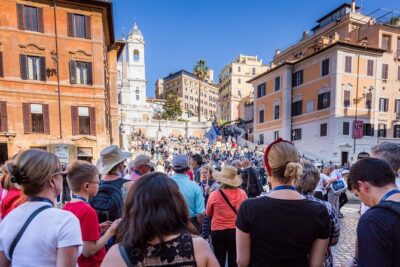
Next up is the Spanish Steps area. You will see the square with Bernini’s fountain La Barcaccia, then you will move to the Spanish Steps that rise toward the Church of Trinità dei Monti.
What makes this section satisfying is the payoff. The Spanish Steps are famous, but the real value comes from understanding them as part of a city layout designed for movement and meeting. You are not just climbing stairs for a view. You are walking through a Roman social scene built around fashion, shopping streets, and gathering points.
Your guide will point out what to look for and where to stand for photos. That matters here because the steps and surrounding square can get packed fast. You will want at least one clean, scenic shot that captures the steps and church silhouette, and you usually get better results with guidance on where to position yourself.
Also, this part of the route sits close to high-fashion shopping boutiques off the main pedestrian areas. You might notice storefronts and side streets that you would otherwise miss if you were only checking a map.
What I’d wear, carry, and plan for (so the tour stays fun)
Rome’s rules are real, and this tour is explicit about them. You should bring a long-sleeved shirt and long pants. Shorts, short skirts, and sleeveless shirts are not allowed. The tour also requires an ID due to security provisions.
They also specify that you should not bring metal objects, big bags, or animals. Assistance dogs are allowed. That kind of list might sound minor, but it matters at church doors and major sites where security lines exist.
If you want a smooth experience, plan for:
- Comfortable walking shoes (you will be on your feet for a 3-hour circuit)
- A top layer if weather changes, since you will spend time outdoors
- A bag that fits security expectations (avoid anything bulky)
And yes, it can get hot. Many guides in this area are used to pacing strategies, including finding shade and giving the group a realistic rhythm, but you still want to be dressed appropriately and ready for a walking tour.
Price and value: is $41 per person worth it?
At $41 per person for a roughly 3-hour small-group walk, this price is competitive because you are getting three high-value items in one package:
First, you get skip-the-line entry to the Pantheon plus church entry to San Luigi dei Francesi. Those access perks often cost more if booked separately, and they also reduce stress. You spend less time in queues and more time seeing the sights.
Second, the tour includes a live guide and headsets. Rome tours are not just about seeing, they are about hearing. The headsets make a real difference in places like churches and open squares where your ears can otherwise lose the thread.
Third, the itinerary is tightly packed with iconic stops: Pantheon, Trevi Fountain, Piazza Navona, and the Spanish Steps, plus Caravaggio at San Luigi dei Francesi. For first-timers, that kind of concentrated route helps you get the big picture. For repeat visitors, it still offers value if you want art context at San Luigi dei Francesi and the Pantheon explained well.
The tradeoff is that you are not getting a deep, all-day Rome program. This is a high-impact, focused walk. If you crave slow roaming with lots of free time, you may wish you had a longer itinerary. But if you want to make progress fast and see the big icons without guesswork, $41 is a fair way to do it.
Who this tour fits best
This tour is a great match if:
- You want the Pantheon and Trevi as priorities but still want substance in the middle via Caravaggio
- You like small-group pacing and easy-to-follow narration through headsets
- You are short on time and want a tight route that still feels organized
It may be less ideal if:
- You struggle with steady walking for a few hours
- You need very long breaks and lots of downtime, because this is built as a walking tour with planned stops
- You are coming in outfits that violate the dress code, since you may need to adjust before entering key sites
Practical pro tips so you get the best photos
For the best results at Trevi Fountain and the Spanish Steps, think about flow rather than forcing one perfect moment. A guided route helps you time when to stand, when to move, and when to step back for a cleaner frame.
At the Pantheon, take a beat to look up and then look around. The interior is dramatic, but your photos get better when you do not rush. Let the guide’s explanation help you decide what to photograph first.
And on Piazza Navona, use it as your warm-up composition practice. It is a great place to test angles and camera settings while the tour is still moving at an easy pace.
Should you book this Pantheon, Trevi, and Roman squares guided tour?
I’d recommend booking it if you want a smart, efficient Rome overview with real variety: a major ancient site, a major Baroque fountain, a famous art church, and a classic viewing climb at the Spanish Steps. The combo of Pantheon skip-the-line access and San Luigi dei Francesi entry makes the time feel well spent.
Skip this one only if you hate walking, you expect lots of free wandering, or you know you cannot meet the dress rules. Otherwise, this is a solid, value-focused way to see Rome’s highlights with guidance that helps you understand what you are looking at, not just what it’s called.
FAQ
Where does the tour start?
The meeting point is in front of Teatro Argentina.
How long is the tour?
The duration is 3 hours.
How much does it cost?
It costs $41 per person.
What’s included in the ticket?
Included items are Pantheon skip-the-line entry, San Luigi dei Francesi Church entry, a live tour guide, and headsets.
Which languages are offered?
The tour is available in English and Spanish.
Is the tour wheelchair accessible?
Yes, it is wheelchair accessible.
What should I wear and bring?
You should bring a long-sleeved shirt and long pants. Shorts, short skirts, and sleeveless shirts are not allowed.
Are there security rules at the sites?
Yes. Metal objects, big bags, and animals are not allowed (assistance dogs are allowed). You will also need an ID as part of the security provisions.
What happens if the Pantheon is closed during the scheduled time?
If the Pantheon is closed or not accessible, the tour will include an explanation from outside.
More Guided Tours in Rome
More Tours in Rome
More Tour Reviews in Rome
Not for you? Here's more nearby things to do in Rome we have reviewed







Pantheon Tours, compared.
 ★ 4.9Pantheon Timeless Marvel Guided Tour with Entry TicketFrom $214,002 reviews
 ★ 4.1Pantheon Priority Entry Ticket & Audio Guide AppFrom $63,234 reviews
 ★ 4.9Pantheon Small-Group Guided Tour with Entry TicketFrom $481,094 reviews
 ★ 4.7Pantheon Small Group Tour and Skip-the-Line TicketFrom $531,008 reviews
 ★ 4.2Pantheon Guided Tour with Skip-the-line TicketFrom $28816 reviews
 ★ 4.5Rome Walking Tour with Piazza Navona, Trevi Fountain and PantheonFrom $35676 reviews
 ★ 4.5Pantheon Roma Fast-Track Entry TicketsFrom $7540 reviews
 ★ 4.9Spanish Steps, Trevi, Navona and Pantheon Sunset TourFrom $46522 reviews
Browse the lists this tour appears in