
Reviewed · WINE TOURS
Rome: Guided Italian Wine Tasting Experience
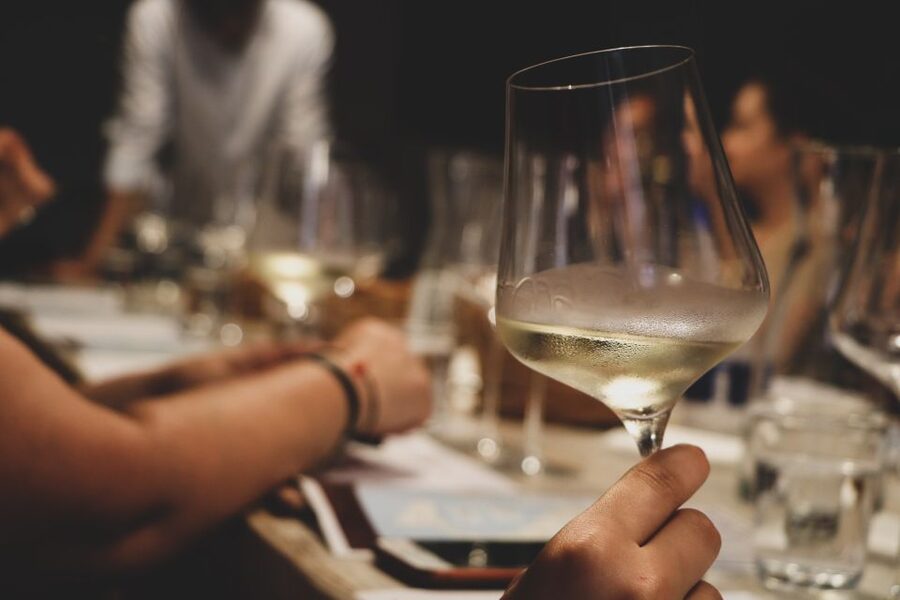
Six pours, serious flavor lessons. This Rome tasting is a simple, two-hour way to get hands-on with low-intervention Italian wines while your sommelier helps you actually describe what you taste. I like that you get to sample six distinct styles picked for variety, not just repeats, and I also like the skill focus, how to pick up aromas and form opinions. One consideration: since food can throw off the tasting, you’ll be eating light, mainly fresh bread and water, so plan a proper meal after.
This experience is hosted in a private tasting room in Monti, in the heart of ancient Rome energy, where small groups keep the mood relaxed and chatty. You’ll learn the Italian appellation system, what people mean by natural or low-intervention, and how to shop for bottles with more confidence instead of guessing. Prices run $94 per person, which makes it feel more like an education with wine than a casual bar stop, but you do get guided structure and take-home info.
Key things to love about the VinoRoma wine tasting
- Six low-intervention wines selected for variety, so you can compare styles side by side
- Your sommelier teaches how to describe wine, not just what wine names mean
- Private tasting room in Monti, with easy access to post-tasting dining
- A practical appellation lesson, focused on how regions and labels guide your choices
- Small-group vibe and international mix, so you’ll likely hear new perspectives fast
- Light food strategy, fresh bread and water only, so your palate stays honest
Monti’s private wine room, and the easiest way to find it
The tasting happens in a private room in Monti, one of Rome’s best neighborhoods for walking and window-shopping. The meeting point is very specific: Selci #84/G. The note about the letter matters, the door is several doors down from #84, toward the lower end of the street. You want the red door with the VinoRoma logo.
This detail sounds fussy, but it’s actually a gift. Rome can be a maze, and 10 minutes too late is how you start a tour stressed. Arrive about 10 minutes early, take a breath, and get your bearings. Once you’re inside, the setup is intentionally simple, a place where the wine is the main event, not a loud bar scene.
You can also read our reviews of more food & drink experiences in Rome


Your two-hour flow: bread, six wines, and guided tasting talk
This is built to last about two hours, which is the sweet spot for wine learning. Long tastings can blur together. Short tastings can feel like drinking with no take-home value. Here, you get enough structure to form opinions while the wines are still vivid in your head.
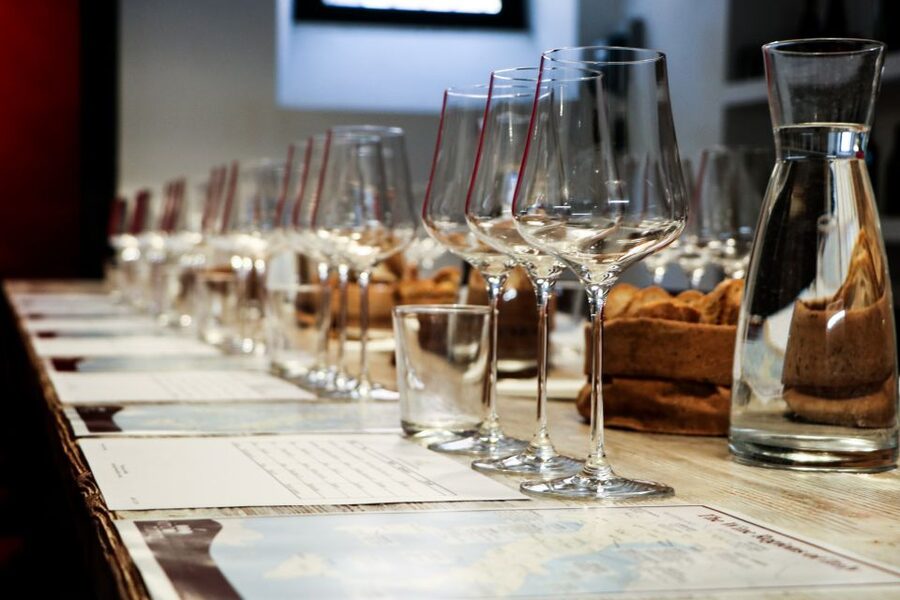
You’ll start with a quick greeting and then settle in with your sommelier, who guides the tasting from pour one to the last glass. You’re not just being told facts. You’re encouraged to notice aromas, flavors, and the way each wine changes your palate. The tasting is paired with fresh bread and water. That’s it for food, and it’s a smart choice, bread is mild and water keeps you hydrated without adding flavor noise.
You’ll also receive informative brochures. Even if you’re the kind of person who just wants to taste and leave, these printed notes make it easier to remember what you liked and why. When your vacation brain kicks in later at a shop or restaurant, you’ll have a reference point.
The real skill: how your sommelier helps you describe wine
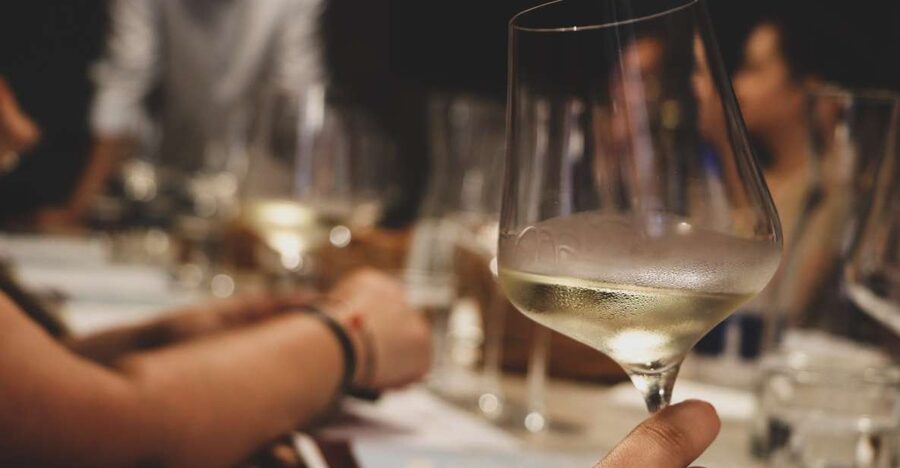
Here’s what makes this experience more useful than a quick flight at a wine bar. The guidance is about language and observation.
You’ll practice describing what you like and what you don’t. That’s bigger than it sounds. Most people can tell you whether they liked something, but they struggle to explain why. This tour pushes you toward the kind of descriptions that make shopping easier.
In plain terms, your sommelier helps you learn:
- How to notice aromas and connect them to what you’re tasting
- How to compare wines using consistent vocabulary
- How to form preferences without getting locked into one style
One past session highlighted sommelier Frank’s approach as far beyond average, with a mix of passion and clear explanations that made people leave with more confidence. Whether you’re with Frank or another English-speaking instructor, the goal stays the same: you should walk away feeling like you can talk about wine with actual meaning.
Low-intervention and natural wines, explained without the snobbery
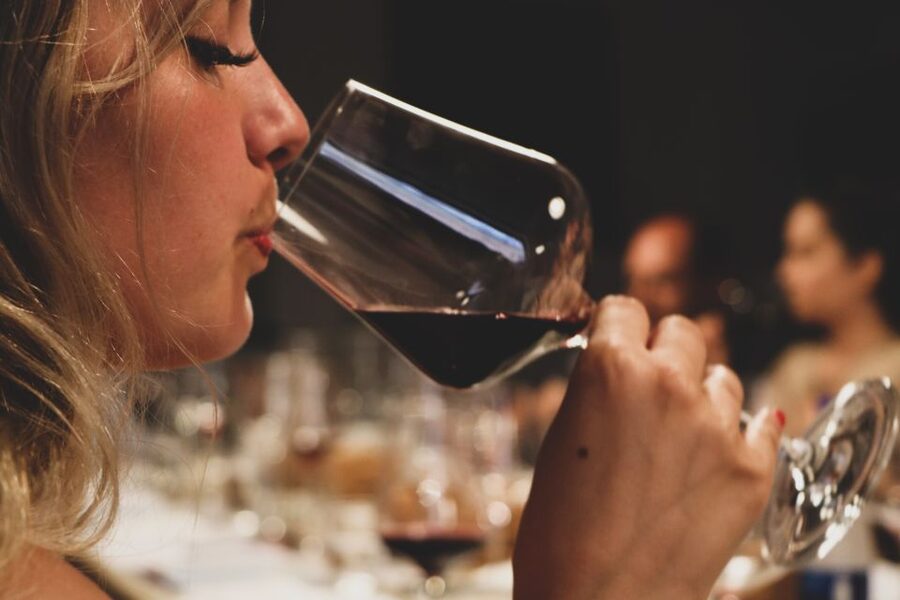
The wines here are described as low-intervention. That means your guide will help you understand the concept in a way that’s useful, not just ideological.
What you’re learning is the winemaking idea behind the style:
- what low-intervention tends to emphasize in the process
- how that can show up in the glass
- why people seek these wines for character and expression
You’ll also hear the natural wine angle, again through explanation and tasting rather than slogans. The point is not to memorize definitions. The point is to learn what to expect and how to judge a bottle for yourself.
This part is valuable because “natural” can be treated like marketing. A guided tasting lets you connect label language to real taste. You start to recognize how a wine’s texture, acidity, aroma profile, or overall balance might differ when the winemaking approach is less manipulative.
Italian appellations in Rome: why labels actually matter
Italy’s appellation system can look like alphabet soup on a bottle. This tasting tackles that directly. You’ll get a lesson on how the regional and appellation naming works, and how it shapes what you expect in the glass.
You don’t need to become a translator. You just need a framework. After this, you should be able to look at an Italian label and make smarter guesses about:
- the wine style you might get
- which region philosophies might influence flavor
- what to look for when comparing bottles
The experience also includes a virtual journey across all 20 regions of Italy. You’ll taste wines coming from different parts of the country, and the guide will tie the style back to regional identity. It’s not just trivia. It’s meant to train your instincts.
You can also read our reviews of more guided tours in Rome





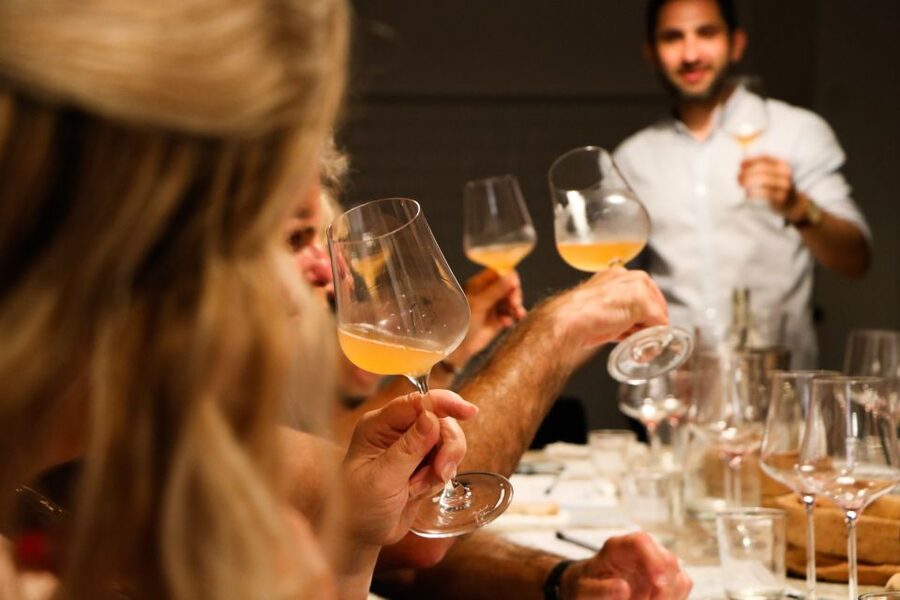
Six wines from small producers, and the point of tasting variety
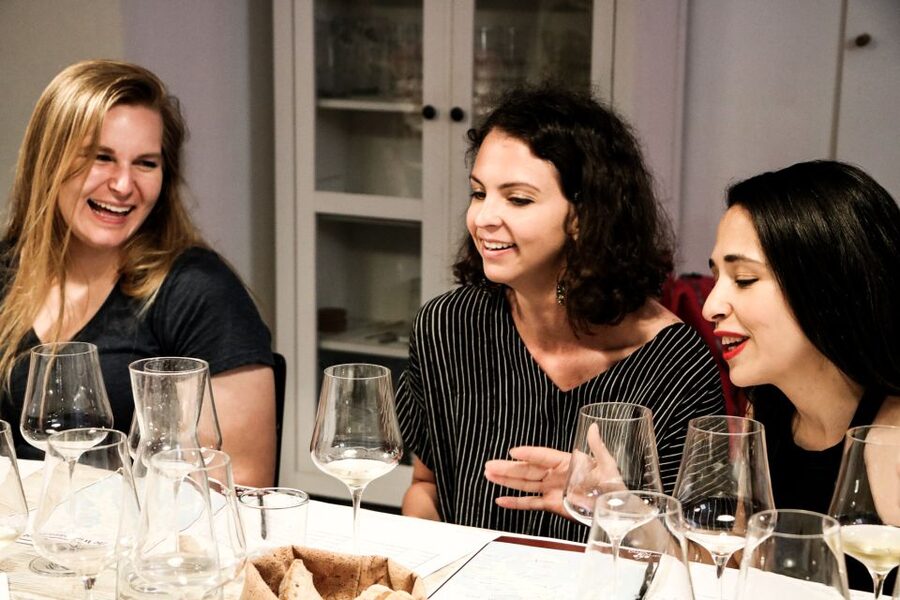
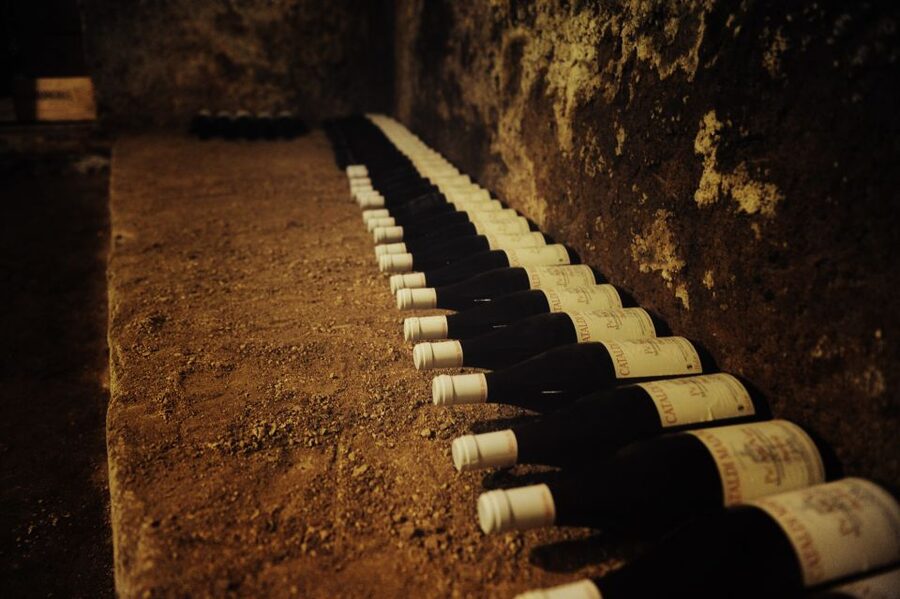
You’ll taste six wines. They’re selected by the sommelier from a private wine cellar, with emphasis on different styles and producers, often small and family-run. The exact bottles can vary, but the tasting philosophy stays consistent: variety teaches faster.
Why this matters for you:
- If all six wines were the same style, you’d learn less.
- If you taste contrasting profiles, you learn what different flavor directions feel like.
- If the wines come from small producers, you see how expressive and personal Italian wine can be.
In one standout comment, the tasting was described as fun and informal, with delicious wines and pleasant surprises. That’s the best sign for this kind of class. A good tasting doesn’t just confirm what you already like, it shows you what you might be missing.
Also, the tasting doesn’t treat low-intervention as a single flavor. It’s a spectrum of expressions. The sommelier helps you compare those expressions, so you leave with opinions that are based on your palate, not a label.
How to prep your palate so the tasting makes sense
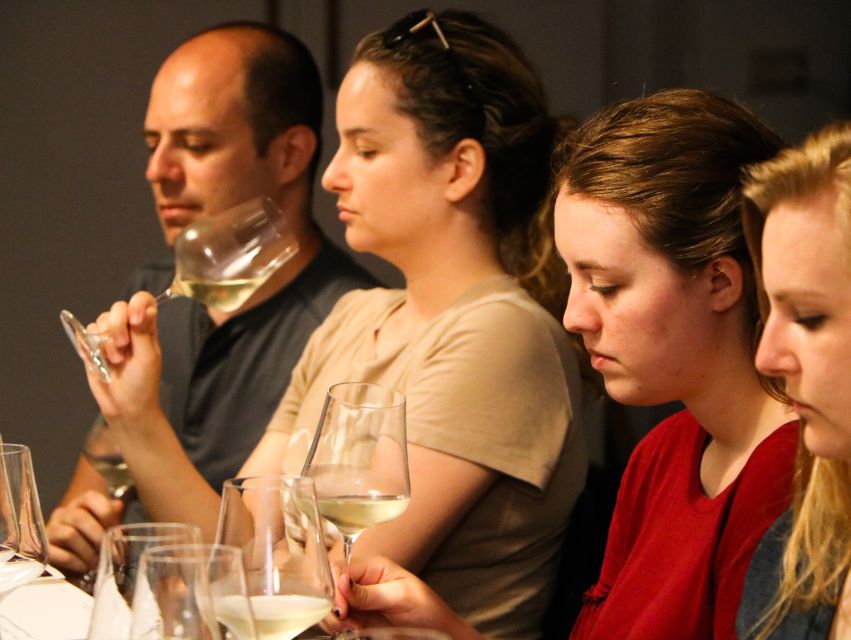
The tour gives you only bread and water for a reason. Wine is sensitive to what you ate earlier. If your stomach is full of heavy flavors, you’ll taste less and learn less.
Before you go, keep your day simple. If you can, avoid strong meals right beforehand. Think light. After the class, your sommelier can recommend where to eat next in Rome, so you don’t need to cram dinner into the same time window.
And bring a curious mindset, not a rigid one. The goal is not to be right about aromas. The goal is to learn a method for noticing and describing. That makes this experience useful even if you’re new to wine.
Value check: $94 for six wines, guidance, and take-home confidence
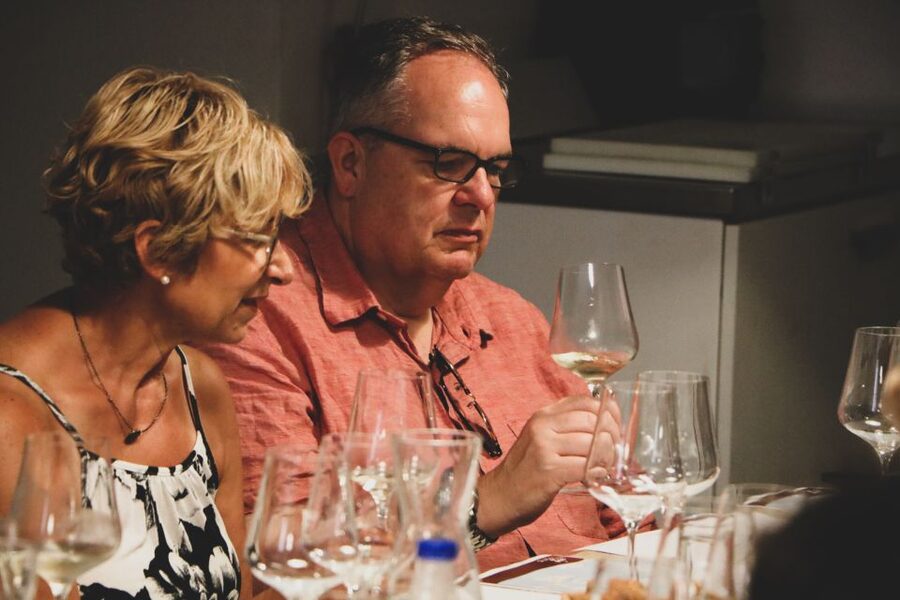
At $94 per person for a two-hour class, this isn’t priced like a casual drink. So is it worth it?
I think it is, if you want more than consumption. You’re paying for:
- six guided tastings
- water and fresh bread
- informative brochures
- expert coaching on aromas and how to describe flavors
- an explanation of low-intervention and how Italian appellations work
That coaching is the real value. A cheaper tasting can be fun, but it often leaves you with vague impressions like good, bad, sweet, dry. Here, you’re meant to build a set of tasting habits you can use later, whether you’re ordering wine at dinner or buying a bottle.
One practical note on group size: the experience is listed as small group, limited to 10. Still, one booking mentioned a larger group size. If you’re sensitive to chatty rooms or prefer a quieter ratio, it’s smart to confirm the expected group size when you book.
Where this fits best in your Rome trip
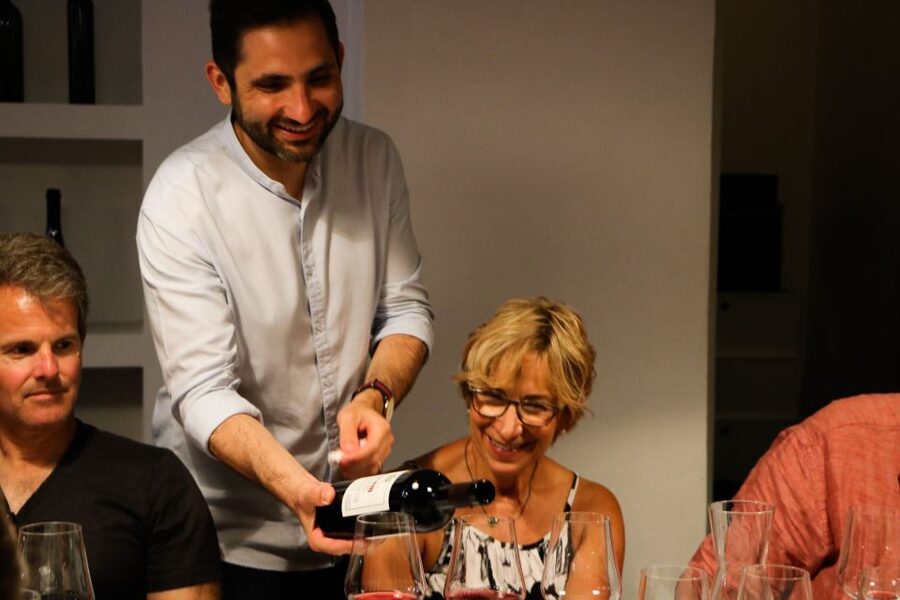
This tasting is ideal for:
- wine beginners who want a real method
- intermediate tasters who want better language for what they already like
- people who like structured learning without feeling formal
Because the class is in English and runs about two hours, it slots nicely into a Rome day. You can do it before dinner, then head out while everything is fresh in your mind.
It’s also a good choice for solo travelers. The small group format and international mix make it easy to chat without forcing it. And since the tasting is practical, you don’t need to know any wine vocabulary beforehand.
Should you book this Rome wine tasting?
If you want a wine experience with more brains than buzzwords, I’d book it. You get six low-intervention wines, a guided way to describe what you taste, and a focused lesson on Italian appellations that will help you buy and order smarter later.
Skip it only if you’re looking for a long, food-heavy evening, because the setup is intentionally light with bread and water during the tasting. Also, if you’re expecting a giant production with multiple locations, this is more concentrated than that, it’s about the tasting room and the skill-building.
FAQ
Where is the meeting point in Rome?
The tasting meets in a private tasting room in Monti, at Selci #84/G. Look for the red door with the VinoRoma logo, and note that the G means the door is several doors down from #84 toward the lower end of the street.
How long does the wine tasting last?
The experience lasts 2 hours.
How many wines will I taste?
You’ll taste 6 different styles of Italian wine.
What food and drinks are included?
Water and fresh bread are provided, along with the tasting of 6 wines.
Is the experience offered in English?
Yes. The instructor teaches in English.
Is this experience wheelchair accessible?
Yes, it is wheelchair accessible.
What does it cost?
The price is $94 per person.
Can I get a refund if my plans change?
You can cancel up to 24 hours in advance for a full refund.
More Guided Tours in Rome
More Food & Drink Experiences in Rome



More Tour Reviews in Rome

Not for you? Here's more nearby things to do in Rome we have reviewed












Wine Tours, compared.
 ★ 4.9Pasta & Tiramisu Class with Fine Wine by the VaticanFrom $414,852 reviews
 ★ 4.9Pasta Making Class with Wine, Limoncello, and DessertFrom $483,177 reviews
 ★ 4.8Fettuccine and Tiramisu Cooking Class with WineFrom $672,013 reviews
 ★ 4.8Food Tour with Unlimited Food and Barolo WineFrom $861,883 reviews
 ★ 4.9E-Bike Night Tour with Food and Wine TastingFrom $891,131 reviews
 ★ 4.6From Rome: Bagnoregio & Orvieto Day Trip with Wines & LunchFrom $931,075 reviews
 ★ 4.9Trastevere Guided Food and Wine Tour with 20+ TastingsFrom $1461,022 reviews
 ★ 4.9Pasta Making with Wine Tasting and Dinner in FrascatiFrom $35979 reviews
Browse the lists this tour appears in