
Reviewed · COOKING CLASSES
Rome: Gourmet Pizza Cooking Class (SHARED)
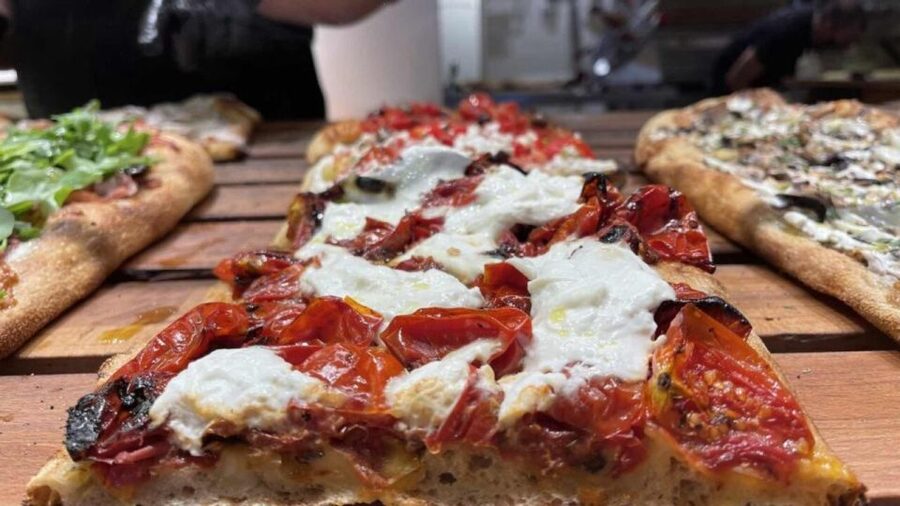
Rome smells like fresh dough for 90 minutes. This Rome gourmet pizza cooking class feels like stepping into a local kitchen, with English-speaking chefs guiding you as you learn Roman pizza style and sip wine. The format is simple: you cook, you taste, and you leave with a better sense of what makes a great slice in Lazio.
I like the hands-on dough from scratch part, because it is where you really learn the rhythm of pizza-making. I also like the way the class explains Roman versus Neapolitan pizza while you build your own topping combinations. One consideration up front: there is no hotel pickup or drop-off, so you will need to make your own way to Corso del Rinascimento 65 (ring the doorbell for InRome Cooking).
Key things that make this pizza class worth your time
- Aperitivo-style welcome with drinks and snacks before you start cooking
- Dough from scratch, then you roll and shape your own base
- Roman vs Neapolitan lesson that helps you order better after the class
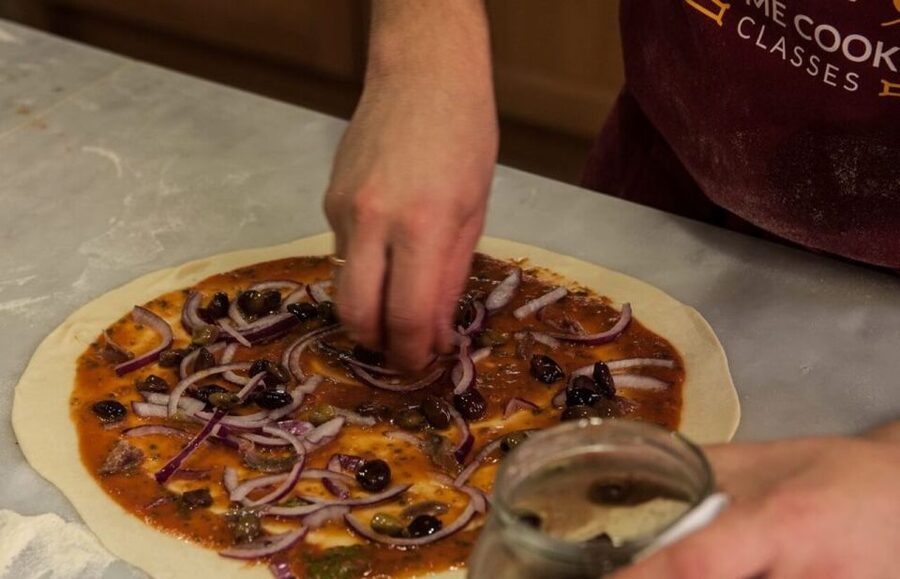
- Seasonal toppings you actually get to choose, including prosciutto, zucchini flowers, and black olives
- Wine as part of the experience, paired with the pizza you make
- Central Rome meeting point near major sights, including the Pantheon and Piazza Navona areas
Aperitivo-style welcome before you start making pizza
The experience opens the smart way, with a relaxed food-and-drink start that feels very Roman. You get welcome drinks and snacks before the cooking really begins, and the vibe is similar to the aperitivo ritual you hear about all over Italy. It is a small thing, but it matters. You arrive hungry, you get settled, and you start learning without the stress of jumping straight into flour and heat.
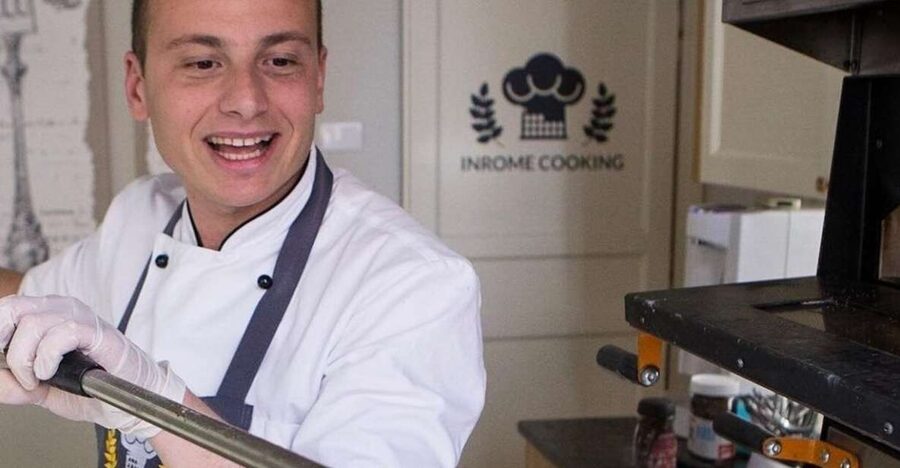
Then the real teacher energy kicks in. The chefs speak English, and the class is built for you to follow along, ask questions, and copy what you see. One of the best signals from the feedback is that the atmosphere feels friendly and family-like, not stiff. That matters in a cooking class, because pizza-making is part technique, part confidence.
If you are the type who likes to understand why something works, pay attention to the dough and crust discussion. This class is not only about assembling toppings. It is also about the balance that makes Roman-style pizza feel thin and crisp.
You can also read our reviews of more cooking classes in Rome


Dough from scratch, rolling your Roman base
The core of this class is making dough from scratch. You do not just watch. You shape. You work with the base until you understand the texture and how it behaves once you start rolling it out. This is one of the biggest reasons the class earns top marks, because the dough lesson gives you a real skill, not just a meal.
You are guided step by step by local chefs, so you are not stuck guessing. And once your dough is ready, you roll it into your own base. That part is fun, but it also teaches you practical pizza geometry. Thin does not mean sloppy. You learn how to keep the thickness more even so the crust cooks right.
Small tip: wear sleeves you do not mind getting flour on. Even with careful cooks, dough work gets messy. Also keep an eye on your hands during shaping, because the best results come when you treat the dough gently rather than forcing it.
At the end of this portion, you should feel like you can describe what makes a Roman base different, not just how it looks. That sets you up for the topping choices that come next.
Roman pizza vs Neapolitan, explained while you build your own slice
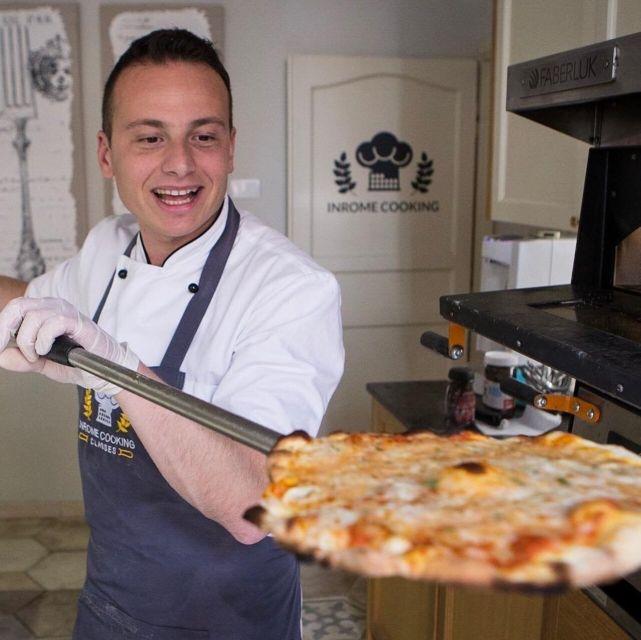
Rome and Naples have a pizza relationship that can start arguments at dinner. The class handles it in a helpful way: you learn the difference as you cook, so it sticks. Roman pizza is taught as thinner and crunchier than its Neapolitan cousin. That simple comparison is the backbone for how your crust feels and how you approach toppings.
What I like about this teaching style is that it is practical. Instead of vague pizza talk, you get a clear framework for what to expect when you eat later in Italy. When you know Roman-style is thinner and crunchier, you notice the texture right away. You also stop expecting Neapolitan traits from a Roman slice, and vice versa.
You also get choices that reinforce the lesson. Roman-style pizza is often discussed through crust and balance, and the toppings section follows that logic. Even if you never become a professional pizzaiolo, you leave with enough knowledge to order with confidence.
And yes, the class feels like a real kitchen session. That authenticity is part of why people describe it as highly enjoyable and genuinely Italian in feel.
Toppings you choose: rosso, bianca, mozzarella, and more
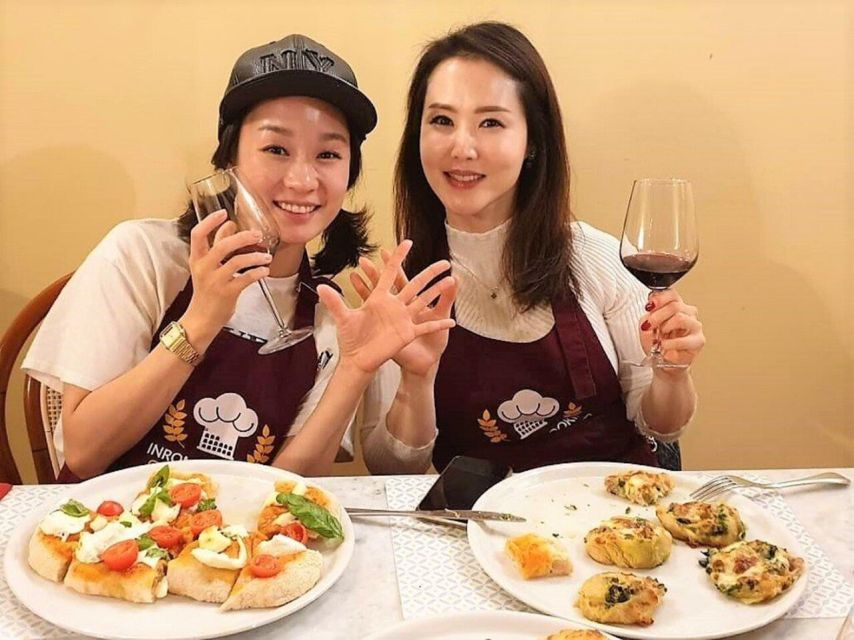
After your base is shaped, you move into toppings and sauce decisions. This is where the class turns into your pizza. You get a menu of options built around fresh and seasonal ingredients, and the selection can vary depending on what is in season when you go. That is a real value point, because it means you are not just cooking for the sake of cooking.
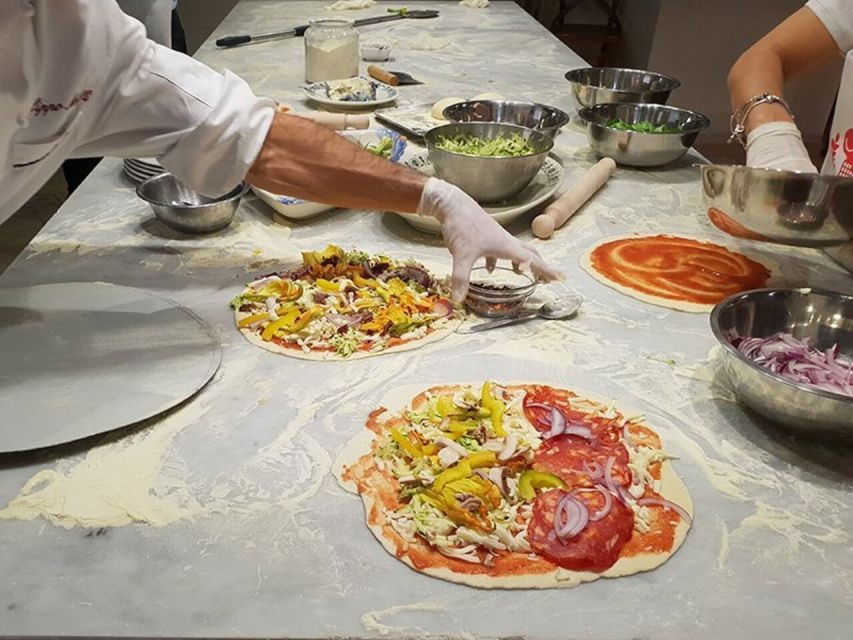
You can choose a tomato-forward style, often described as pizza rosso, with a dollop of tomato sauce. Or you can go simpler with pizza bianca, which is a different flavor direction. Then you add mozzarella, including mozzarella that comes as balls before it melts in the oven.
The topping options you might see include prosciutto and veggie picks like zucchini flowers and black olives. If you like variety, this is a good setup because you get both classic and lighter options in the same session. If you are a fan of prosciutto, you can build a richer profile. If you prefer vegetables, you get choices that feel delicate rather than heavy.
Practical advice for making decisions: if you are unsure, start by choosing your base style first. Tomato sauce gives you a strong direction right away, while bianca leaves room for mozzarella and other flavors to shine. Then pick one standout topping plus one supportive ingredient. You want balance, not a pile.
The chefs share tips as you go. If you are paying attention, you will learn how much topping counts as enough, because too much can make pizza soggy rather than crisp.
Pizza oven time and wine with the slice
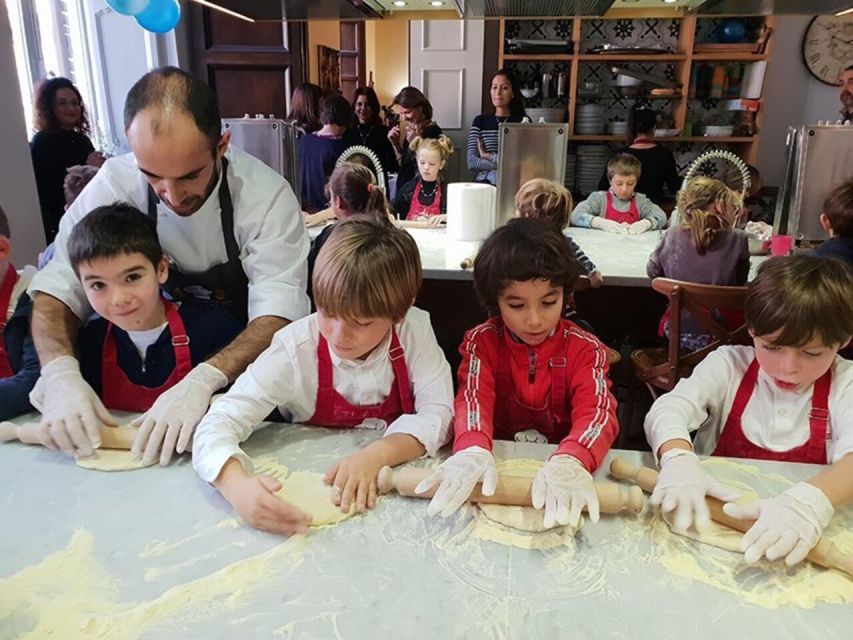
This class is built around the moment your work turns into a finished pizza. Once your pizza is assembled, it goes to the oven, where the ingredients change quickly and dramatically. The experience includes the key transformation point, mozzarella melting over your base and the crust developing that Roman crispness you learned to expect.
Then comes the part that people get excited about most: you eat what you make, and you do it with wine. Multiple pieces of feedback mention enjoying the homemade pizza with wine at the end. That pairing is more than a nice extra. It helps you slow down and taste the pizza with fresh attention, so you connect the flavor to the technique.
What I take away from the best feedback is not just that the pizza tastes good, but that the process feels like you are learning secrets from people who do this for a living. One reviewer specifically credited Marco, and that kind of chef-led instruction is exactly what you want in a cooking class. If the instructor is relaxed and easygoing while still teaching, you leave feeling confident, not overwhelmed.
You also get a good souvenir in your head: the memory of how Roman versus Neapolitan style can taste and feel different. That makes your next meal in Italy more interesting, because you are not eating blindly.
A few more Rome tours and experiences worth a look



Where you meet and how to fit 1.5 hours into Rome
Timing is straightforward: the class runs for 1.5 hours. That is long enough to make dough, shape a base, add toppings, and eat. It is short enough that you can still do other Rome sights the same day.
You meet at Corso del Rinascimento 65. Ring the doorbell for InRome Cooking. The class description indicates that the school locations are near major landmarks, including areas around the Pantheon and Piazza Navona, with the specific kitchen depending on your session and season. Either way, you will want to plan for an easy walk or short transit ride to the meeting point.
Because there is no hotel pickup or drop-off, treat this like any other self-guided activity. Give yourself time to navigate streets comfortably, especially if you are doing it on a day when crowds are thick.
A practical tip: if you are pairing this with sightseeing, avoid placing it right after a museum when you still have to find lunch. Your best experience happens when you arrive ready to cook and then enjoy your slice calmly. Also, keep room in your schedule for a short wind-down after the meal. You will likely want to settle your appetite and keep tasting the city.
Price and value: is $93 per person worth it?
At $93 per person, this is not the cheapest thing on your Rome list. The question is what you get for that money, and the answer is that you get a chef-led, hands-on cooking session with included food and drinks.
Here is what is included:
- Welcome drinks and snacks
- Tips from professional local chefs
- Creating your dough from scratch
- Various fresh and seasonal toppings
- Wine as part of the experience
When you compare cooking classes, the value often comes down to two things: do you actively cook, and do you eat what you make? This one checks both boxes. You are not just decorating a finished pizza. You are making dough from scratch, shaping the base, choosing toppings, and then tasting the result.
The other part of value is quality of instruction. The feedback is consistently high, with people calling it fun, delicious, and the best class they have taken in Italy. The recurring theme is that the chef guidance feels authentic and genuinely useful, not rehearsed.
The main cost to watch is what is not included: hotel pickup and drop-off. You will pay for your own transport to the meeting point, but that is normal for Rome city-center activities. If you live or stay near the central sights, that cost stays manageable.
If you are a food person, this price makes more sense than it might for someone who only wants a quick meal. Pizza is the product, but the skill and the tasting are the real value.
Who this Rome pizza class is best for (and who should skip it)
This class is a great fit for:
- Foodies who want to learn technique, not just eat
- People who like hands-on experiences in small chunks
- Visitors who want a clear Roman versus Neapolitan comparison they can use when ordering later
- Anyone who enjoys relaxed, friendly coaching from an English-speaking chef
It is especially appealing if you like variety in toppings. The class gives you choices like prosciutto, zucchini flowers, and black olives, plus classic directions like pizza rosso and pizza bianca. That makes it easier to build a pizza you will actually enjoy.
One important drawback to consider: it is not suitable for people with mobility impairments. If mobility is a concern for you or someone in your group, you should look for an alternative experience that is explicitly suited to your needs.
Also, keep your expectations realistic about time. You get 1.5 hours. That is enough for a complete pizza cycle, but it is not a multi-day culinary training course. Think of it as a concentrated taste of pizzaiolo life.
Should you book this Rome pizza cooking class?
Book it if you want a fun, skill-building Rome food experience where you leave with both a full stomach and a clearer understanding of Roman pizza. The hands-on dough lesson and the Roman versus Neapolitan explanation are exactly the kind of teaching points that make future meals more enjoyable. Add in welcome snacks, wine, and seasonal topping choices, and the whole thing feels like a well-rounded experience rather than a rushed gimmick.
Skip it if you cannot make it to Corso del Rinascimento 65 on your own, since there is no hotel pickup. Also skip if mobility needs make this experience unsuitable for your group.
If you are on the fence, I would decide based on your cooking curiosity. If you like rolling dough, choosing toppings, and learning how pizza style changes the final result, this is a strong yes.
FAQ
How long is the Rome gourmet pizza cooking class?
The class lasts 1.5 hours.
What is included in the price?
It includes welcome drinks and snacks, top tips from professional local chefs, creating your dough from scratch, and various fresh and seasonal toppings.
Is wine included?
Yes. The experience includes wine as part of the session, and it is enjoyed alongside your homemade pizza.
Where do I meet the group?
You meet at Corso del Rinascimento 65. Ring the doorbell for InRome Cooking.
Is hotel pickup provided?
No, hotel pickup and drop-off are not included.
Is the class taught in English?
Yes, the instructor is English-speaking.
More Workshops & Classes in Rome
More Cooking Classes in Rome
More Tour Reviews in Rome






Not for you? Here's more nearby things to do in Rome we have reviewed












Cooking Classes, compared.
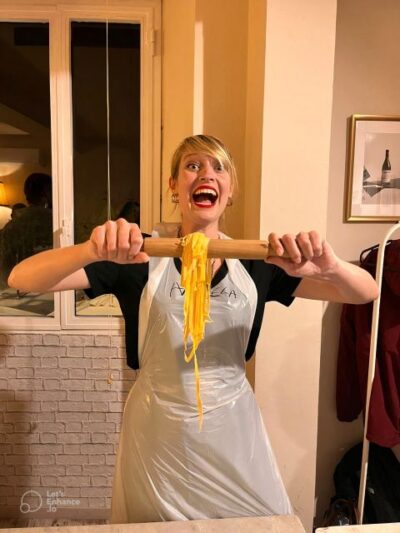 ★ 4.9Pasta Making Class with Wine, Limoncello, and DessertFrom $483,177 reviews
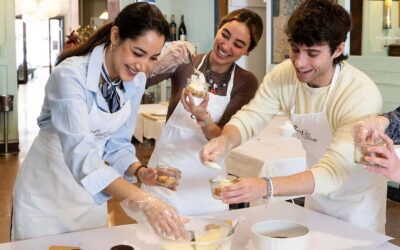 ★ 4.93-in-1 Fettuccine, Ravioli, and Tiramisu Cooking ClassFrom $812,704 reviews
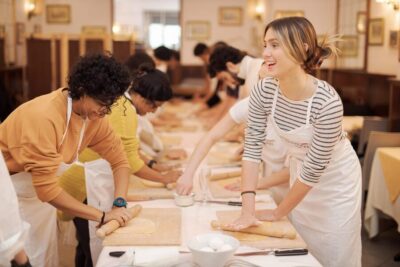 ★ 4.8Fettuccine Pasta Cooking Class in Rome’s City CenterFrom $462,414 reviews
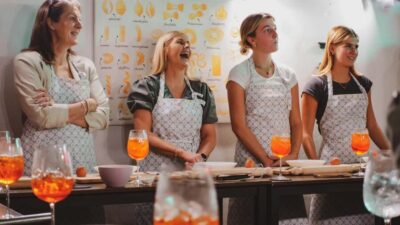 ★ 5.0Traditional Pasta with Cocktails Cooking ClassFrom $1002,374 reviews
 ★ 4.8Fettuccine and Tiramisu Cooking Class with WineFrom $672,013 reviews
 ★ 4.8Pasta & Tiramisu Cooking Class near the Spanish StepsFrom $581,395 reviews
 ★ 4.7Traditional Pizza Cooking Class near Piazza NavonaFrom $461,241 reviews
 ★ 4.9Pasta Making with Wine Tasting and Dinner in FrascatiFrom $35979 reviews
Browse the lists this tour appears in