
Reviewed · ANCIENT ROME TOURS
Rome: Domus Aurea Guided Tour and Virtual Reality Experience
Nero’s palace finally makes sense with VR. This Domus Aurea guided tour uses Oculus virtual reality to show you how Emperor Nero’s Golden House may have looked, then ties it to what you see in the archaeological space.
I especially liked two things: the VR view of the Golden Vault and the way the guide connects the rooms to the story of Nero, Roman painting, and even building tech like concrete. One heads-up before you go, it stays cold inside, around 10 degrees.
You’ll walk through major highlights like the Octagonal Hall, the Cryptoporticus, and the Hall of Birds, while your guide explains what the decoration was for and how extraordinary the site really is. The VR portion is short, but it helps your brain put scale, color, and layout back where time removed them.
If you run cold easily, plan for it. A warm layer matters here, because even in Rome, the Domus Aurea can feel chilly during your visit.
Key things I’d plan around
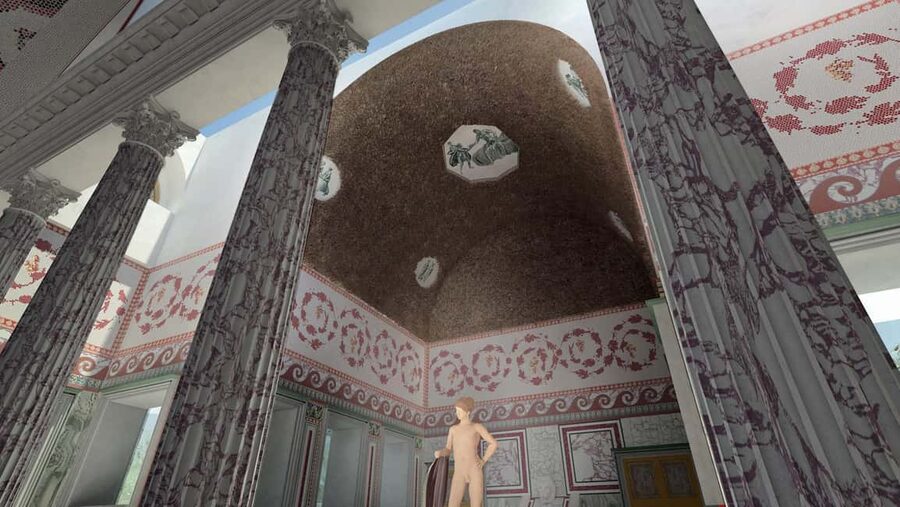
- Oculus VR reconstructs the Golden Vault room as it likely appeared in Nero’s era
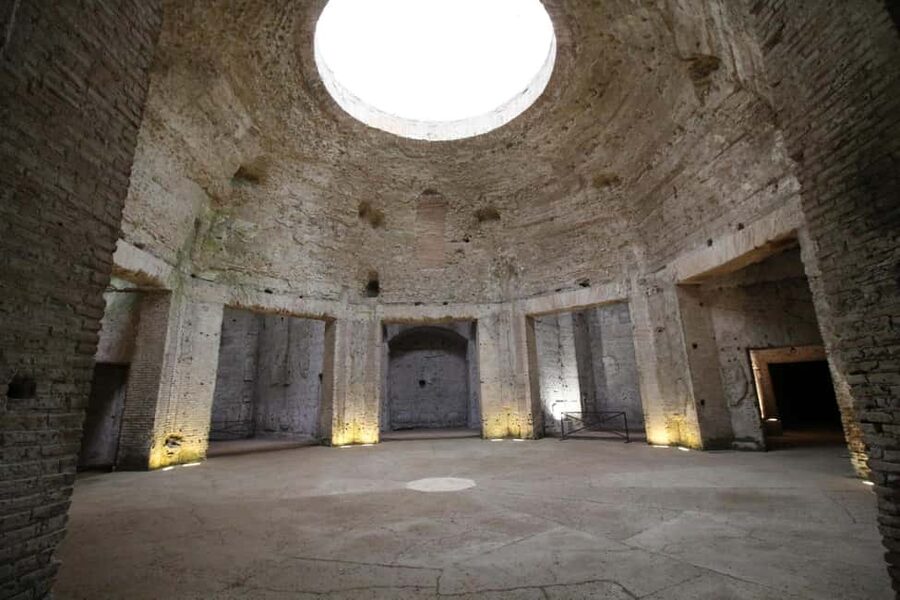
- Three signature areas on your route: Octagonal Hall, Cryptoporticus, and the Hall of Birds
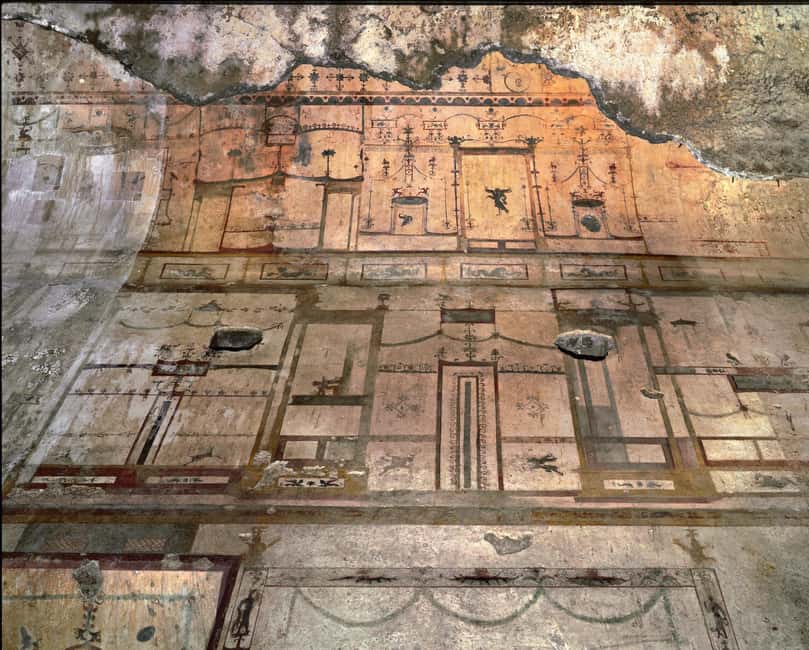
- Roman painting focus, including the site’s decorative apparatus and wall-paint details
- Concrete in Roman building, explained in plain terms during the walkthrough
- Guides answer questions in multiple languages, with an audio guide also provided
From Colosseo Metro to Nero’s Golden House
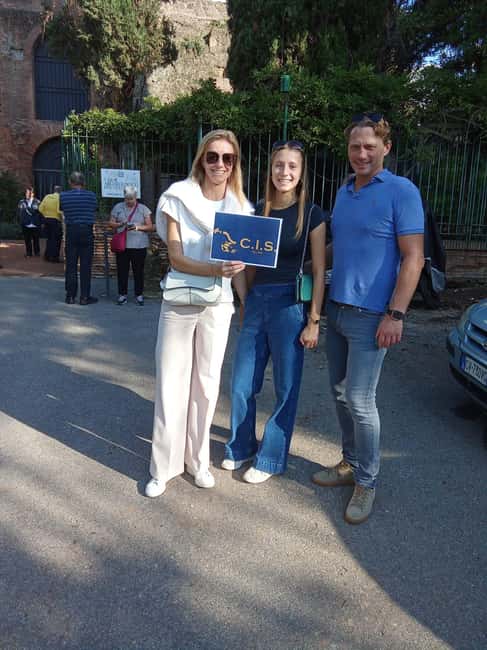
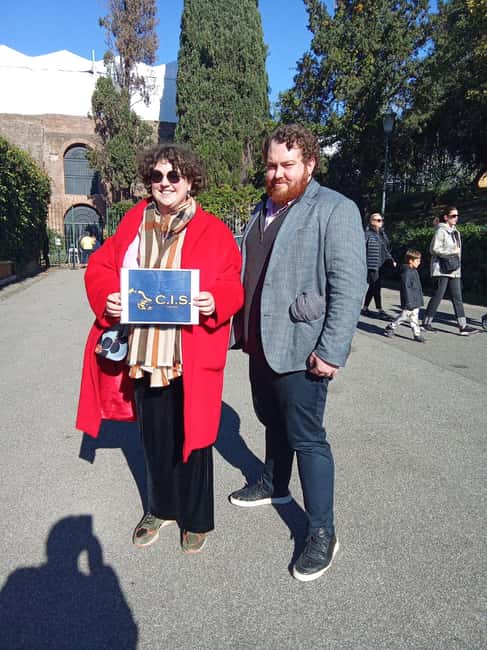
Your visit starts in a very Rome way: you meet at the Colosseo metro area, in front of the lower floor of the station at street level, near the green kiosk. Look for staff holding a C.I.S Tours sign, then get ready for a tour that is more than just a ticket and a self-guided wander.
The good part is that you are not left figuring anything out. You also skip the ticket line, which is a real quality-of-life win at a busy city site. Plan to arrive 20 minutes early, because tickets are nominative, meaning they are tied to participant names.
Once you’re grouped with your guide, the pace makes sense for 1.5 hours total. You’re not rushing through everything, and you are not stuck listening for ages without seeing the place.
You can also read our reviews of more guided tours in Rome



The Oculus VR moment that makes the rooms click
The standout experience is the VR portion, delivered through an Oculus setup during the guided visit. The goal is not just a cool video. It’s to put you into the room of the Golden Vault as it may have appeared in Nero’s time, so you understand how the space was meant to feel.
I like VR when it acts like a translator, not a replacement. Here, it works like that. You see the archaeological remains, then the VR layer helps you connect the geometry and decorative ideas to what’s missing today.
Because the VR presentation is short, it doesn’t dominate the whole tour. You get a quick “now I get it” moment, then you return to the real site with better context, and that’s when the Domus Aurea starts to feel special in a practical way, not just as a famous ruin.
Golden Vault and Octagonal Hall, with scale and decoration explained
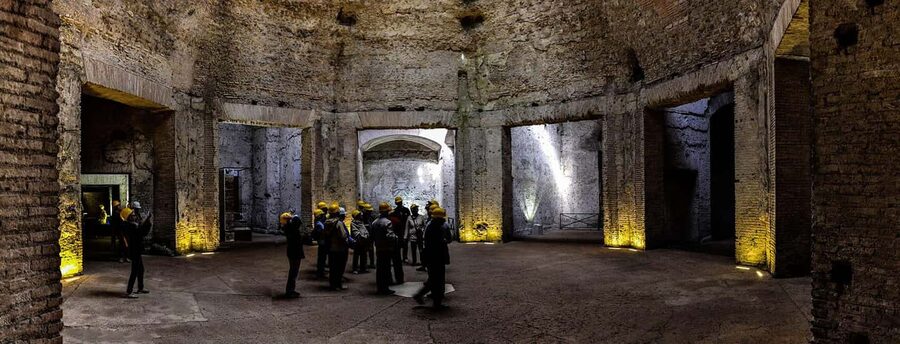
After the VR setup, you shift into the guided walking portion that lasts about 70 minutes. The Golden Vault area is the core storytelling focus, because it’s where the reconstruction effect really lands. Even if you’ve seen pictures of the Domus Aurea online, the live explanation plus VR helps your brain build the missing pieces.
Next comes the Octagonal Hall, one of the space names you’ll hear repeated for a reason. Octagonal rooms were not accidental in Roman architecture. Your guide explains what you are looking at and how the decorative apparatus shaped the experience, so it’s not just “pretty walls,” it’s design meant to create mood.
A big theme throughout is Roman painting. This site is recognized for its decorative system, and your guide treats painting like architecture. That makes a difference because you start noticing features that would otherwise blend together in the dim and sometimes echoing spaces.
Cryptoporticus and the Hall of Birds, where the story gets specific
The Cryptoporticus is the kind of place that sounds technical, but your guide turns it into something you can picture. Think of it as a passage area with a major role in the overall layout. As you move through, you get a sense of how Nero’s palace complex wasn’t one big room, it was a designed network.
Then you reach the Hall of Birds, which is exactly what it sounds like in terms of theme and decoration. The value here is in how your guide links the subject matter and the artwork to what elite Romans wanted from a residence. You start asking different questions, like why this kind of imagery belonged in that space, rather than simply spotting it like a museum label.
I also found it helpful that your tour doesn’t treat these rooms as isolated stops. The guide keeps threading together the why behind the rooms, so you don’t leave with a list of names. You leave with a sense of how the complex worked as a single statement by Nero.
Nero’s big plan: palaces, gardens, and Hellenistic inspiration
Nero’s Golden House is famous, but the tour makes the ambition concrete. You hear how Nero wanted to unite palatine homes with the large Esquiline gardens, turning the area into a dynastic residence.
The tour also connects this to something wider in Roman thinking: making a residence on the scale of Hellenistic palaces, complete with court life and even productive activities. That context matters. It turns the Domus Aurea from a scandal headline into a serious political and cultural project.
You’ll also hear about the archaeological complex in a way that respects what’s known, and what remains reconstructed. The VR helps with the “maybe it looked like this” pieces, while the walking tour keeps you grounded in what remains. That balance is exactly what I want from a Domus Aurea experience.





Concrete, innovation, and why engineering shows up in the tour
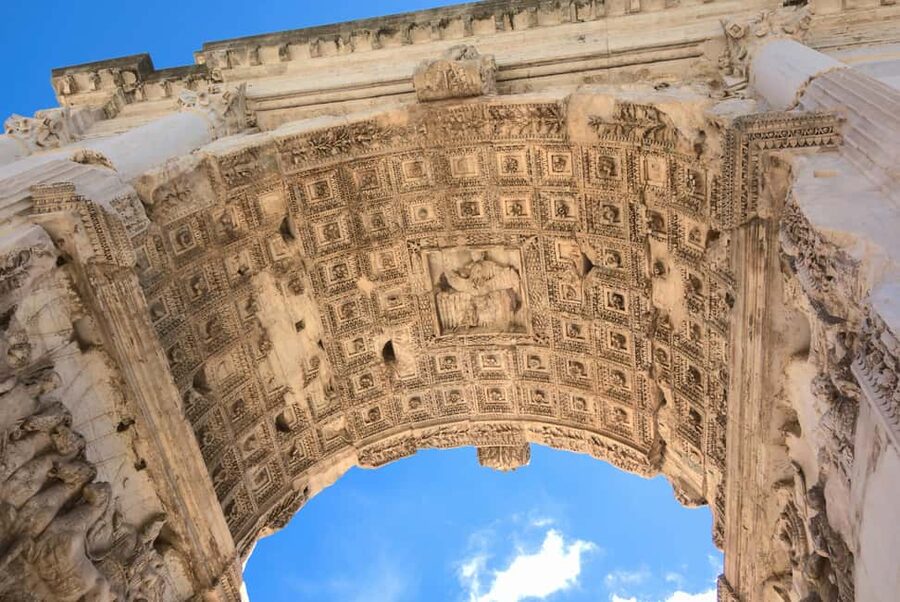
One reason this tour feels different is that it doesn’t limit itself to art and atmosphere. You also learn how the Domus Aurea used concrete as a building material.
This is the kind of detail that can sound dry until you realize what it unlocks visually. Concrete allows shaping spaces that older methods might struggle with, and in a palace like this, shape is part of the show. When your guide explains it in the context of what you’re standing near, it becomes less like trivia and more like understanding why the rooms feel so distinctive.
Even if you don’t think of yourself as a “construction person,” you’ll probably catch the pattern: Nero’s court wanted drama, and engineering helped deliver it.
Price and value: is $67 worth it?
At about $67 per person for roughly 1.5 hours, this tour is priced like a combo experience. You’re paying for the Domus Aurea ticket, a live guided tour, and the VR experience, with taxes and fees included.
For value, I think about two things: do you get more than just entry, and do you get help making sense of what you’re seeing. Here, you do. A guided walk gives structure across Octagonal Hall, Cryptoporticus, and the Hall of Birds, and the VR portion gives a visual bridge to how the Golden Vault might have appeared.
If your Rome priorities are big monuments plus a learning layer you can feel in the moment, this is a strong match. If you already have a plan to do only self-guided sites, you might feel this is extra. But if you want the “how it looked then” factor without guessing, the package price makes sense.
Timing, comfort, and practical rules that can trip you up
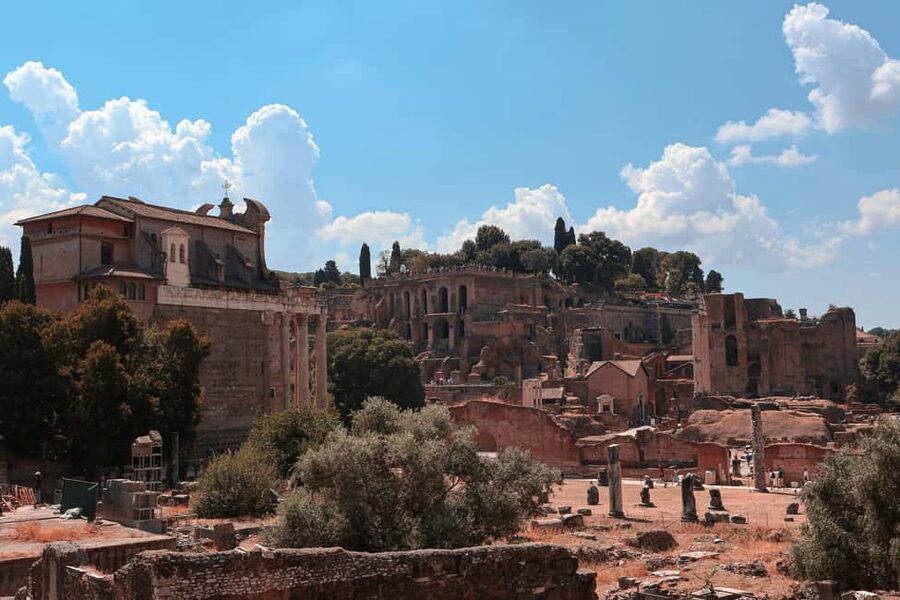
This is a short tour, so small logistics matter. Your total time is listed as 1.5 hours, and you’re expected to arrive 20 minutes early. Bring a passport or ID card, because the tickets are nominative and names are required for all participants.
Dress for the cold. The temperature inside is around 10 degrees, so pack a jacket. Comfortable shoes also matter, since you’re walking a guided route through an archaeological complex.
A few important restrictions are clear:
- No food or drinks
- No luggage or large bags
- Unaccompanied minors are not allowed
On the comfort side, I’d also plan for sound quirks. One useful tip from an earlier experience is that acoustics in the Domus Aurea can be less than perfect. If you want to follow every word, use the audio guide that’s included, and keep your expectations realistic in a stone-heavy space.
Who should book this Domus Aurea VR tour, and who should skip it
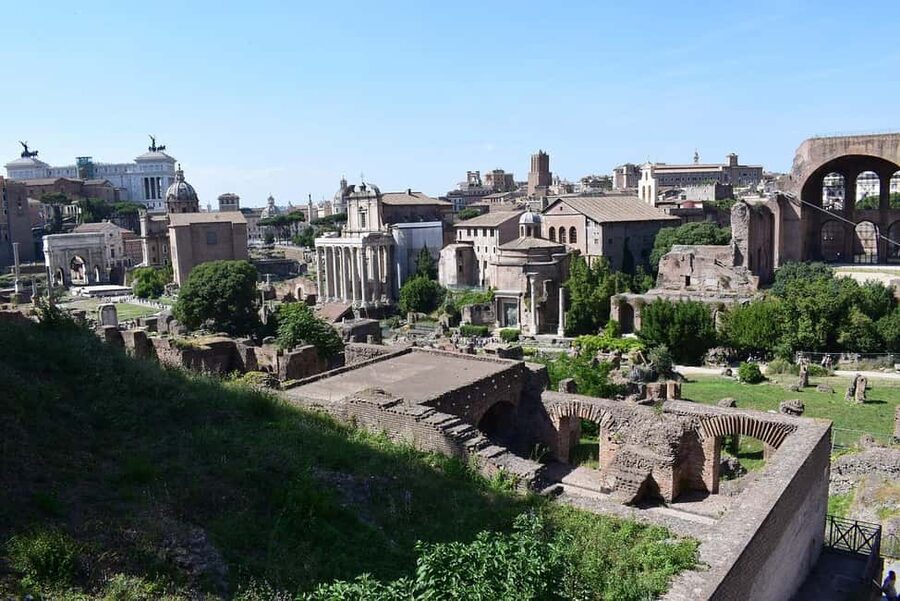
This tour fits best if you like hands-on interpretation. You’ll probably enjoy it most if you care about how Romans used decoration to create an experience, and you want the VR-based reconstruction to help your imagination work faster.
It’s also a great option if you like multi-sensory storytelling. The VR is paired with a guided explanation, and that combination helps you connect rooms, design choices, and historical intent in a way a standard audio tour can struggle with.
But skip it if you fall into the listed categories. It’s not suitable for wheelchair users, for people with mobility impairments, or for those with claustrophobia. If VR headsets make you uncomfortable, this is also worth a hard think, since the experience is built around that format.
If you enjoy asking questions, you’re in good shape. In past tours, guides like Claudia were praised for answering questions and taking time to make sure guests understood the explanation. That kind of interaction is a big reason this tour rates so high.
Should you book this Domus Aurea guided tour with VR?
Yes, I’d book it if you want a Domus Aurea visit that explains not just what’s there, but why it was designed the way it was. The VR Golden Vault reconstruction plus a guided walk through Octagonal Hall, Cryptoporticus, and the Hall of Birds gives you more than a standard ticket-and-stroll.
I’d only pause if you hate cold spaces or if VR feels like a stress point for you. Otherwise, the format is efficient, the content is varied, and the $67 price tag buys you real interpretation, not just access.
Go in with a warm layer, show up on time at the Colosseo metro meeting point, and let the Golden House story build room by room.
FAQ
How long is the Domus Aurea tour?
The experience lasts about 1.5 hours, and the guided tour portion is listed at 70 minutes.
Where do I meet for the tour?
Meet in front of the Colosseo metro station (lower floor, ground level) near the green kiosk, and look for staff with the C.I.S Tours sign.
Is the ticket to Domus Aurea included?
Yes. The price includes a ticket to Domus Aurea, plus the guided tour and the virtual reality experience.
Is the virtual reality part included in the price?
Yes. The VR experience is included, using an Oculus virtual reality setup.
What languages are available?
The live tour guide and audio guide are available in Italian, English, French, and Spanish.
What should I bring?
Bring your passport or ID card, comfortable shoes, and a jacket. Children also need a passport or ID card.
What is not allowed during the tour?
Food and drinks are not allowed, and luggage or large bags are not allowed. Unaccompanied minors are also not permitted.
Is this tour suitable for everyone?
It is not suitable for wheelchair users, people with mobility impairments, or people with claustrophobia.
More Guided Tours in Rome

More Tours in Rome

More Tour Reviews in Rome
Not for you? Here's more nearby things to do in Rome we have reviewed











Ancient Rome Tours, compared.
 ★ 4.7Colosseum: Underground and Ancient Rome TourFrom $16012,691 reviews
 ★ 4.4Colosseum, Ancient Rome Tour or Self AudioGuided TourFrom $392,866 reviews
 ★ 4.9Appian Way, Catacombs, & Roman Aqueducts E-bike TourFrom $851,421 reviews
 ★ 4.9Appian Way E-bike Tour with Catacombs, Aqueducts & FoodFrom $961,210 reviews
 ★ 5.0Appian Way Aqueducts Bike Tour (Catacombs & Lunch Option)From $78975 reviews
 ★ 4.7Appian Way, Aqueducts, and Catacombs TourFrom $64942 reviews
 ★ 4.7Caracalla Baths & Circus Maximus — Private or SharedFrom $77835 reviews
 ★ 4.7Colosseum Arena Access and Ancient Rome Guided TourFrom $94774 reviews
Browse the lists this tour appears in