
Reviewed · ANCIENT ROME TOURS
Rome: Domus Aurea Guided Group Tour
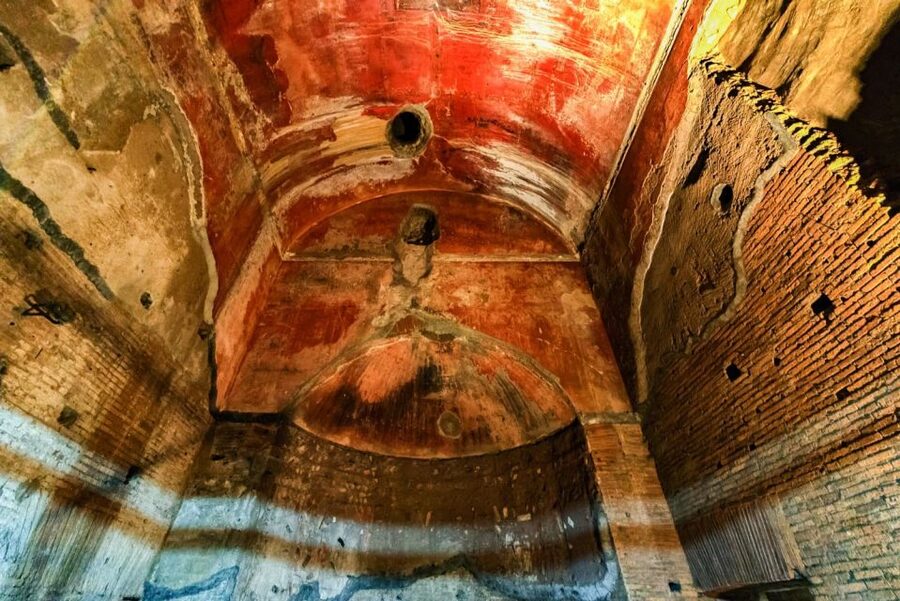
Nero built a palace under Rome. This tour takes you down into the excavated Domus Aurea, where you’ll see real remains and then use virtual reality to understand what the rooms once looked like. It is one of the few places in Rome where the past feels both enormous and brand new.
What I like most is the focus on architecture you can actually stand inside, plus the use of an English-speaking archaeologist guide who can answer detailed questions. I also appreciate the VR and multimedia approach, because it turns dead ruins into a readable story.
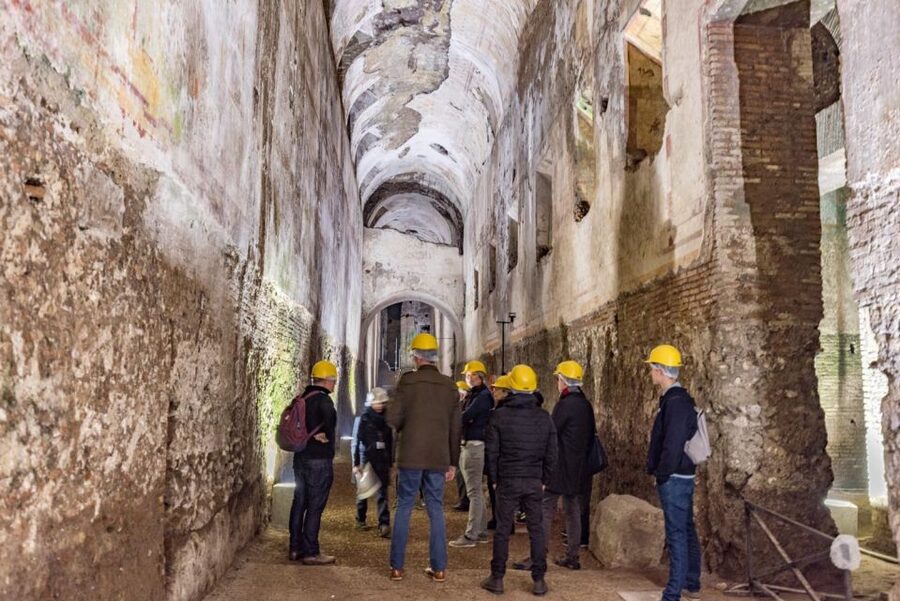
One thing to consider: this is an underground walking tour with steps, staircases, and uneven surfaces, and it is not suitable for wheelchair users. If you hate stairs, plan for a slower pace and bring warm layers for the cooler interior.
Key things that make this tour worth your time
- Exclusive access to Domus Aurea rather than a quick pass through a crowded highlight
- Express security check so you lose less time waiting
- Archaeologist guide in English, aimed at real context from ancient Rome to later interpretation
- VR reconstruction that helps you picture Nero’s palace at its height
- Active excavation site access tied to limited visiting days
- A paced visit that includes enough time to notice frescoes and vaulted rooms
Walking Under Nero’s Ego: What the Domus Aurea Experience Really Feels Like
Rome has a lot of big-name ruins, but the Domus Aurea is different. You are not just looking at stones from above, you are moving through an active archaeological environment that preserves the feel of being inside something unfinished, then rediscovered. The site itself sits right near the Colosseum area, yet it often gets overlooked, which is part of why this tour can feel special.
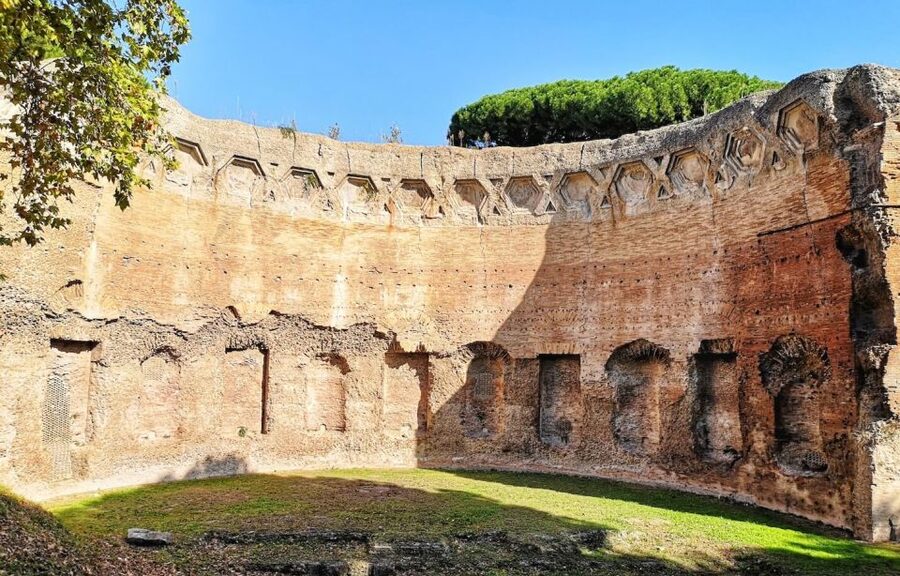
The core hook is Nero’s Golden House. After a major fire in 64 A.D., Nero wanted to rebuild and impress. The palace was constructed over the damaged city, which is part of why it later survived under layers of earth for centuries. When you descend into the excavated spaces today, the scale can surprise you, especially if you expect a smaller “curiosity” stop.
This is also where history becomes less abstract. You learn how the palace was tied to Nero’s power and lifestyle, including big ideas like a dining setup that connected to the sky and other dramatic features. Even if you only remember a few of the standout stories, you end up understanding why later eras cared about what they found here.
You can also read our reviews of more guided tours in Rome



The Big Visual Payoff: Frescoes, Vaults, and the Architecture You Can Notice
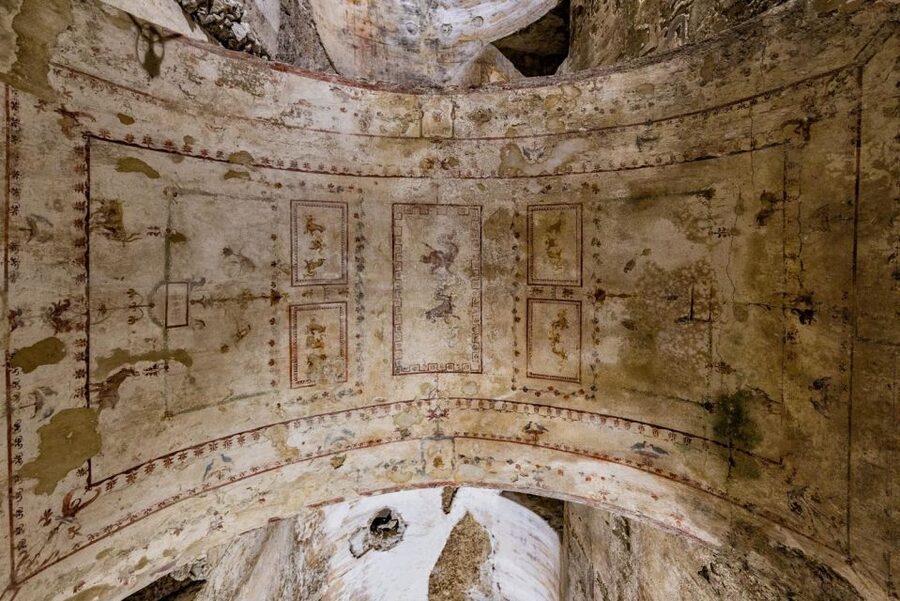
The Domus Aurea is famous for what survives, not for what is fully intact. What you do see is still impressive. Look for vaulted ceilings, painted surfaces, and the kinds of architectural forms that were built to feel theatrical. These rooms are not just pretty, they show you how Roman design could play with light, space, and illusion.
In practice, the guide’s job matters a lot here. A good archaeologist helps you tell the difference between what you can directly observe today and what the palace likely looked like based on evidence and later reconstructions. That is where this tour’s structure helps: you are walking through excavated remains first, then using VR to stitch the full picture together.
I also like that the tour pays attention to preservation. You are not being rushed past stabilized areas. Instead, you get time to notice why the surviving frescoes and architectural details still matter, and how modern restoration work made public access possible after long periods of being closed or limited.
VR and Multimedia: How You See Nero’s Palace Without Guessing
The virtual reality experience is not a gimmick on this tour. It is there to fix a common problem with the Domus Aurea: ruins can look confusing if you only have what is left on the ground. With VR, you can connect the surviving rooms and surfaces to the larger palace layout and the landscape around it.
You’ll often hear people say the Domus Aurea is hard to picture, and that is exactly what the VR solves. When the rooms appear with their original context, you can finally understand how the palace was meant to function as a stage for imperial life. Multiple visitors highlight that the VR makes the buildings and terrain feel much closer to Nero’s time, and that is the real value.
Also, the multimedia use tends to match the underground setting. Instead of trying to force you to imagine everything from scratch while standing in the cool and dim excavations, the tour helps you visualize what you’re seeing. If you like museums where technology supports interpretation rather than replaces it, you’ll appreciate this format.
A 2-Hour Pace That Doesn’t Waste Your Rome Time
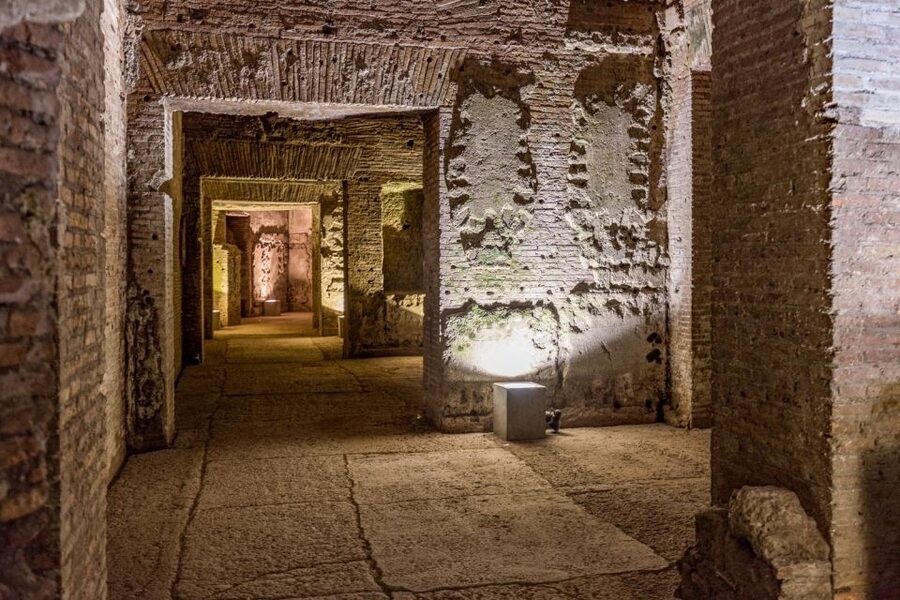
This tour runs about two hours, and that length is a sweet spot in Rome. It is long enough to feel like you visited a real site, but short enough that you can combine it with other “Colosseum-adjacent” plans without your day turning into a logistics headache.
The flow is straightforward. You meet at Oppio Caffè, then head into Domus Aurea for the guided portion. The VR experience is built into the visit, and the tour finishes at Domus Aurea. That matters because it keeps you from having to schlep across the city again after the most important part.
One small timing advantage you should care about: the tour includes an express security check. That does not remove waiting entirely in Rome, but it helps you lose less time at the start so the underground visit can stay the focus.
Meeting at Oppio Caffè: Find the Guide Fast, Start Calm
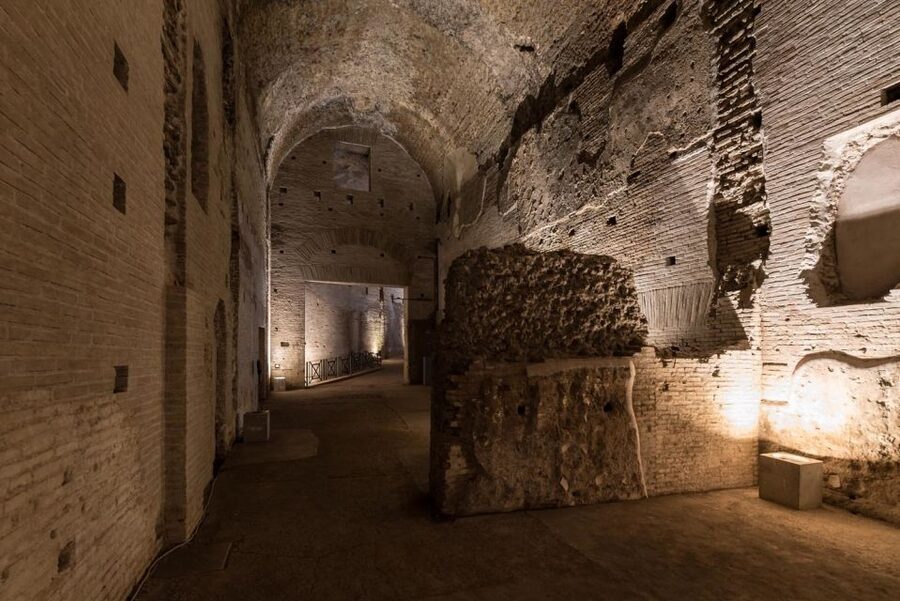
You’ll meet your guide at the corner of Via Nicola Salvi and Via delle Terme di Tito, in front of Oppio Caffè. If you want the exact GPS pin, it is listed as Via delle Terme di Tito 72.
Your guide should have a Through Eternity sign or flag. Plan to arrive a few minutes early, because Rome sidewalks can be a little chaotic at busy corners and you want to start relaxed. Once you locate the meeting point, the rest of the visit feels organized and easy.




Why an Archaeologist Guide Makes This Better Than a Basic Tour
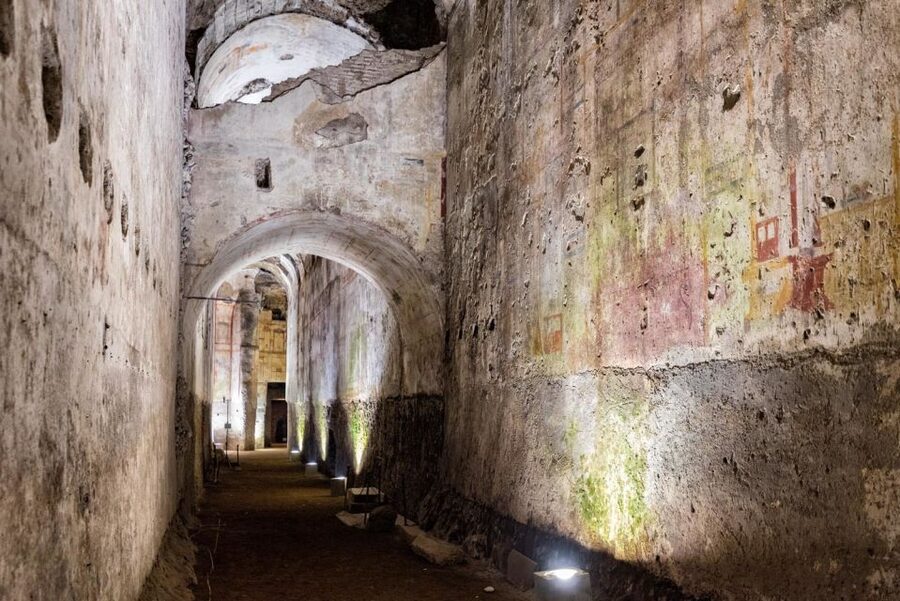
For me, the difference is not just that the guide talks English. It is that this tour is designed around archaeology and interpretation. An archaeologist guide can explain why the site matters, what evidence supports the reconstructions, and how Nero’s palace fits into the story of Rome across time.
The best guides in this setting also handle questions well. People often mention that the guides were kind, responsive, and able to field lots of follow-ups. Names that have been cited include Elena, Monica, Renarta, Thomas, Valentina, Brandon, and Federico. You cannot choose a guide from this information set, but it signals the kind of training and storytelling you should expect when you show up.
You’ll also cover how the Domus Aurea was understood after Nero’s era, up through the Renaissance. That is helpful because the palace is not just an ancient story. It shaped later art and thinking, and understanding that arc makes the frescoes and rooms feel connected to more than one time period.
Steps, Cool Air, and What to Bring Underground
This is a walking tour with steps, staircases, and uneven surfaces. You should come ready for real movement, not a flat stroll. Even if you are fit, expect some uneven footing as you move between areas of the excavations.
Bring comfortable shoes first. The visit is underground and can feel cooler than street level, so warm clothing is a good idea. Also bring water, since two hours can still feel longer when you are concentrating and walking.
What not to bring: luggage or large bags are not allowed. If you have something bulky, plan to leave it somewhere safe before you head to the meeting point.
And about accessibility: this tour is not suitable for wheelchair users. If mobility is a concern, let the operator know during booking so they can try to accommodate. That note matters because the route includes steps and staircases.
Price and Value: Is $55 for Domus Aurea a Smart Use of Your Money?
At $55 per person for about two hours, this tour sits in the “worth it if you care about interpretation” zone. You are paying for a few things that most casual visits do not include: exclusive access, an English-speaking archaeologist guide, and a VR experience. Add express security and reservation fees, and the price starts to make sense as an organized encounter with limited-access spaces.
If you are the type of traveler who just wants photos and quick facts, you might find this tour costs more than you need. But if you like your Rome stops explained and connected, it is strong value because the time is spent where it counts: inside an important site that is hard to understand without context.
Who should book this tour, and who should skip it
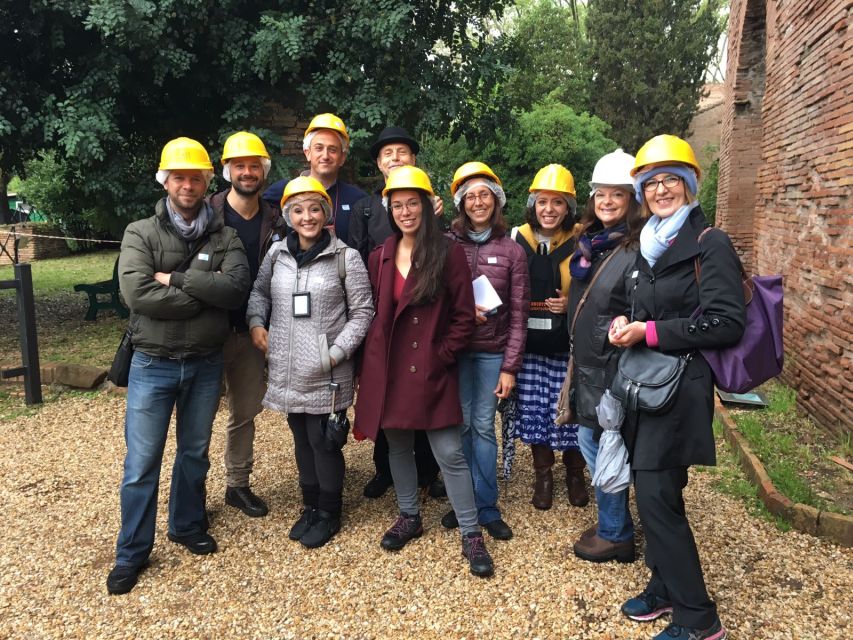
Book it if you:
- want a structured visit to an active excavation site with exclusive access
- like frescoes, vaults, and Roman architecture, not just big monuments
- enjoy VR or multimedia when it helps you understand what you are seeing
- want a guided story that links ancient Rome to later interpretation, including the Renaissance angle
Skip it if you:
- cannot handle steps, staircases, and uneven surfaces
- need a fully accessible route
- want a passive, slow sit-down museum style visit rather than walking through the site
Should you book the Rome Domus Aurea guided group tour?
I think you should book this tour if Domus Aurea is on your Rome list and you want to actually understand it, not just glance at it. The combination of exclusive access, an archaeologist guide, and VR makes this one of the better “value per brain cell” experiences near the Colosseum area. If you plan your day around it, you’ll come away with a clear mental picture of Nero’s palace and why it mattered long after Nero was gone.
Just be honest with yourself about mobility and comfort, and bring warm layers. Do that, and this will likely feel like a standout Rome visit you do not need to overhype to enjoy.
FAQ
Where is the meeting point for the tour?
The meeting point is at the corner of Via Nicola Salvi and Via delle Terme di Tito, in front of Oppio Caffè. The exact address listed for GPS is Via delle Terme di Tito 72. The guide will have a Through Eternity sign or flag.
How long is the Domus Aurea guided tour?
The tour duration is 2 hours. Starting times vary, so you’ll need to check availability when booking.
What’s included in the tour price?
Included are exclusive access to the Domus Aurea, a virtual reality experience, an English-speaking archaeologist guide, and tickets plus reservation fees.
What should I bring, and is there anything I cannot bring?
Bring comfortable shoes, warm clothing, and water. Luggage or large bags are not allowed.
Is the tour wheelchair accessible?
No. The tour is not suitable for wheelchair users.
Is there a student discount?
Yes. If you want the student discount, you must show a valid student ID on the day of the tour. If you do not have valid ID, you may be changed the full entry ticket price, which must be paid on the day of the tour.
What is the cancellation policy?
This activity is non-refundable.
More Guided Tours in Rome

More Tours in Rome

More Tour Reviews in Rome
Not for you? Here's more nearby things to do in Rome we have reviewed










Ancient Rome Tours, compared.
 ★ 4.7Colosseum: Underground and Ancient Rome TourFrom $16012,691 reviews
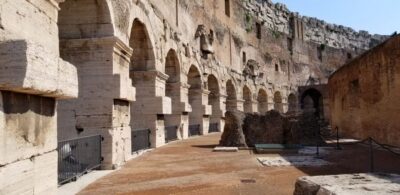 ★ 4.4Colosseum, Ancient Rome Tour or Self AudioGuided TourFrom $392,866 reviews
 ★ 4.9Appian Way, Catacombs, & Roman Aqueducts E-bike TourFrom $851,421 reviews
 ★ 4.9Appian Way E-bike Tour with Catacombs, Aqueducts & FoodFrom $961,210 reviews
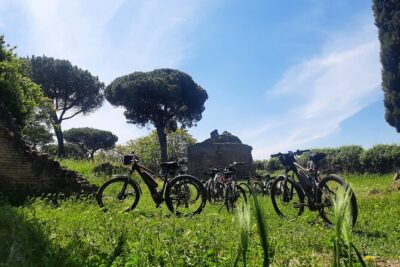 ★ 5.0Appian Way Aqueducts Bike Tour (Catacombs & Lunch Option)From $78975 reviews
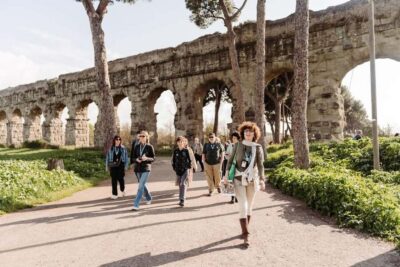 ★ 4.7Appian Way, Aqueducts, and Catacombs TourFrom $64942 reviews
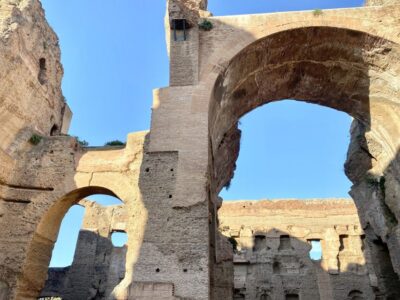 ★ 4.7Caracalla Baths & Circus Maximus — Private or SharedFrom $77835 reviews
 ★ 4.7Colosseum Arena Access and Ancient Rome Guided TourFrom $94774 reviews
Browse the lists this tour appears in