
Reviewed · COOKING CLASSES
Rome: Cooking Class with a Master Neapolitan Pizzaiolo
Your hands will learn pizza fast. In a cozy pizzeria in central Rome, you follow a master Neapolitan pizzaiolo for hands-on guidance that actually gets you making dough and stretching it yourself, and you finish with a wood-fired oven bake and meal you can taste right away. One heads-up: it can get a bit messy, so wear clothes you do not mind getting doughy.
I like that the whole class is built around doing, not watching. You knead, shape, and bake your own pizza, then you eat it while sipping a glass of local wine or craft beer.
If you are short on time, the one-hour format can feel quick, so go in ready to focus for the full session.
Key Highlights You Should Care About
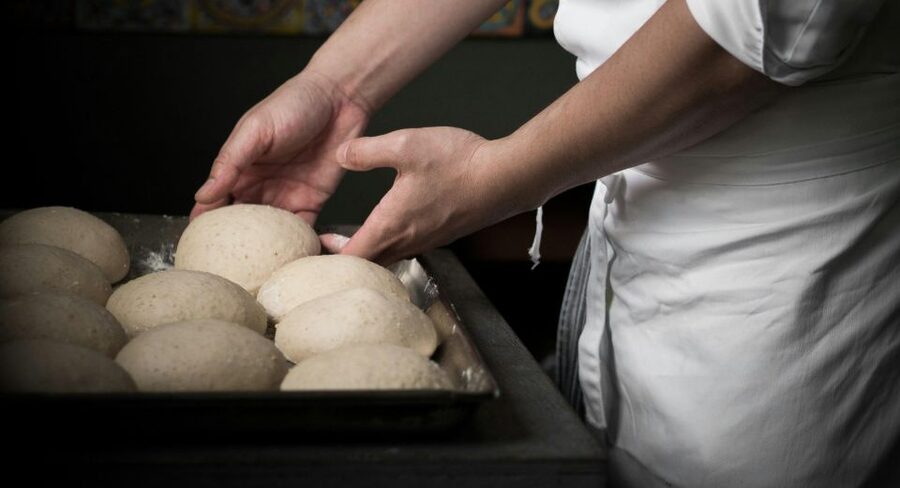
- Master Neapolitan pizzaiolo instruction with clear, hands-on coaching as you work the dough
- Knead and stretch your own pizza dough, so you leave knowing what to do next time
- Traditional wood-fired oven baking, then eat straight from the oven
- Beverages included, one glass of local wine or craft beer with your meal
- A social, cozy pizzeria setting in the center of Rome, plus an easy meet-and-go flow
Pizza Class in Central Rome: What the Hour Actually Looks Like
This is a short, efficient Rome activity: meet at the pizzeria, get hands-on instruction, make your pizza, bake it in the oven, then enjoy what you made with a drink. The duration is one hour, so you are not stuck doing a long lesson while everyone else waits. You are moving the whole time, and that is a big part of why this feels like a real experience instead of a quick demo.
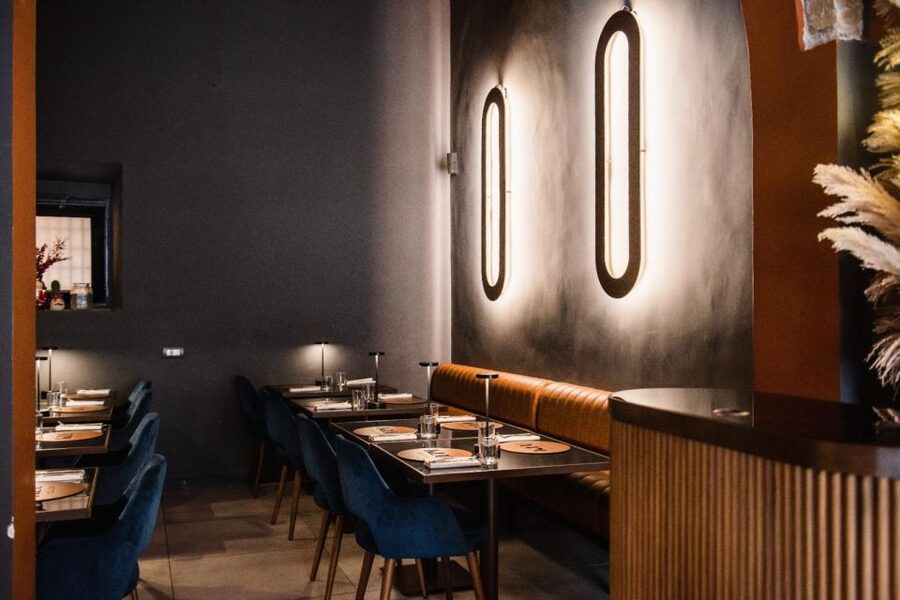
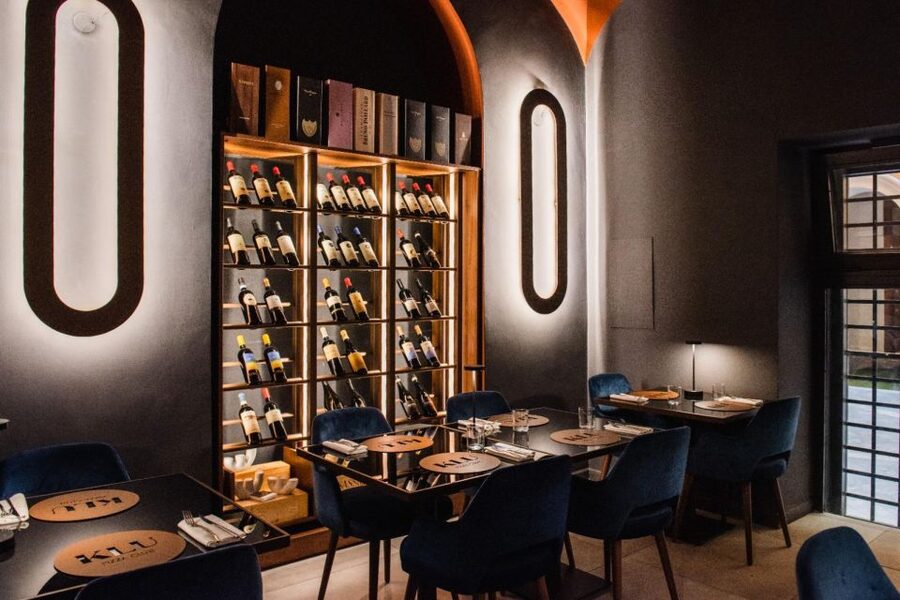
The setting helps too. You join the class in a cozy pizzeria in the center of Rome, not in some distant workshop. You get that lived-in restaurant energy, with the smells and sounds that come with real dough work and oven heat. It is the kind of place where you can picture locals grabbing a slice after work.
One practical detail that matters: the meeting point is right outside the pizzeria. You are supposed to arrive about 15 minutes early, which gives you time to get settled before the class starts. If you stroll in at the last minute, you will miss the warm-up.
You can also read our reviews of more cooking classes in Rome


Meet the Neapolitan Chef and Get Set Up Fast
When you arrive, you meet the team in front of the pizzeria. Expect a warm welcome from the Neapolitan chef, then you are guided into the workspace. There is also a separate entrance to skip the line, so you do not burn time waiting at a popular spot.
Language support is built in. The instructor works in English and Italian, so you are not left guessing. Even if you speak some Italian, you will still appreciate having key steps explained clearly, especially when it comes to dough texture and shaping.
You will want to dress with the reality of pizza-making in mind. The class notes say to wear clothes that can get dirty. That is not just a vibe. Dough and flour are sticky, and you are kneading and stretching, so plan for a little mess on sleeves and shoes.
Kneading and Stretching Dough Like a Pizzaiolo
The heart of the class is dough work: kneading and stretching. This is where most cooking classes either get boring or get real. Here, you are doing it yourself, under expert guidance, using professional equipment and fresh ingredients.
What I like about teaching this way is that it gives you a feel for the dough. You learn how the dough should look and feel as it comes together. You practice shaping with precision, because Neapolitan pizza is about a specific style, not just tossing dough in the air.
A few things you can pay attention to while you work:
- Texture cues: focus on how the dough changes while you knead, not on the clock
- Gentle stretch: spreading with skill is the difference between a thin, even base and something that tears
- Confidence over perfection: the goal is to learn the process, not produce a showpiece in your first attempt
You also learn that the quality of ingredients matters. Fresh, high-quality components are part of why Neapolitan-style pizza tastes so clean and satisfying. Even if you leave with no Michelin-star ambition, that lesson helps you make better choices the next time you order or cook.
Toppings and Fresh Ingredients: Keep It Simple and Italian
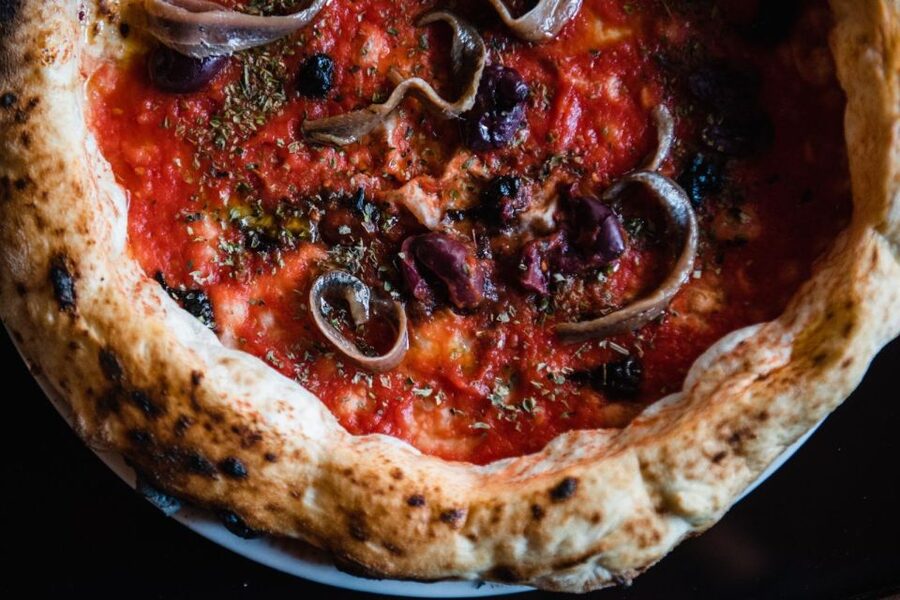
After the dough steps, the focus shifts to building your pizza with selected fresh ingredients. The class includes the ingredients, so you are not hunting down anything beforehand.
What you should know going in is that toppings are usually approached with restraint in Neapolitan-style traditions. This is not about piling on everything. It is about balancing the main flavors so the dough and bake quality still shine.
If you have dietary needs, you should plan ahead. Vegetarian options are available, but you need to notify in advance. That is important, because most successful classes require you to prep the right ingredients before you start cooking, not mid-session.
Wood-Fired Oven Baking: The Moment You Wait For
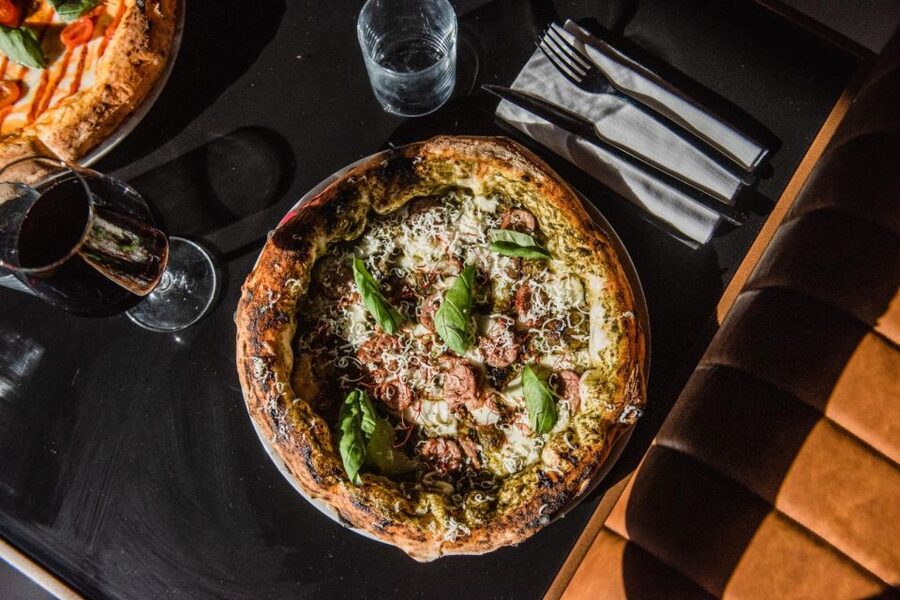
Then comes the best part: pizza baking in a traditional wood-fired oven. This is included, and it is a big deal for your final results. A wood-fired oven can bring intense heat and that classic bake style you just do not get from a regular home oven.
You are not just watching the pizza go in. You are baking your own, so you get that moment of anticipation when you slide it into the oven and wait for the final transformation.
A practical note: oven time is not something you can control like a home recipe. Part of learning here is understanding how baking happens in a high-heat environment. It teaches you to trust the process your instructor is guiding you through.
This also ties back to value. In one hour, you are getting the full loop:
1) hands-on dough skills
2) ingredient assembly
3) wood-fired baking
4) tasting what you made
That is the kind of payoff that makes a class feel worth the money.
A few more Rome tours and experiences worth a look



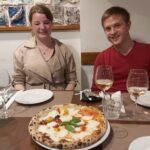
Your Pizza Tasting and the Included Drink
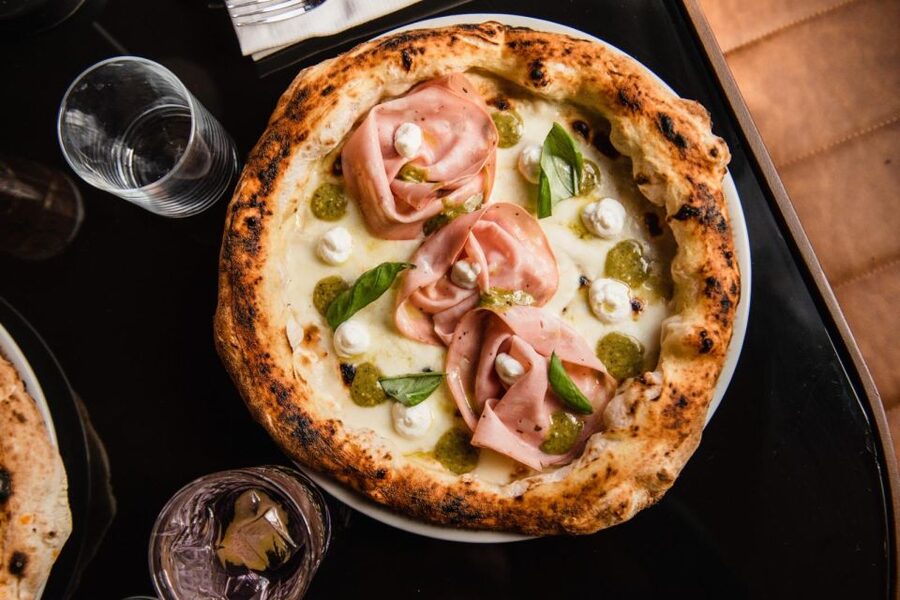
After the bake, you taste your freshly prepared pizza. This matters because the class is not just skill training. You get to eat the results while they are still hot, straight from the oven.
You also get a beverage: one glass of local wine or a craft beer. This is included, so you can budget the experience knowing food and one drink are covered. Pairing a pizza with a local drink is also a nice way to make the moment feel properly Roman, not like a snack between errands.
The meal itself happens in the same cozy pizzeria atmosphere. That means you can talk with other participants while you eat. Social time is part of the experience here, and it keeps the class from feeling like a strict workshop.
Why This Class Feels More Authentic Than a Generic Cooking Tour
This experience is built around real pizza-making work, guided by a master Neapolitan pizzaiolo. That is a key difference between a generic cooking activity and one that teaches an Italian craft in an Italian environment.
You also get a bit of context during the lesson. The class includes expert guidance on the history and traditions surrounding Italian pizza. You are not expected to memorize dates. What you take away is a clearer sense of why the technique and ingredients matter.
Here is what that context does for you as a traveler: it turns pizza from a default order into a story you can understand. After this class, when you see Neapolitan-style pizza anywhere in Rome, you will know what to look for, thinness, texture, and the idea that the dough is the foundation.
I also like that the class supports different comfort levels. It is taught in English and Italian, it is wheelchair accessible, and it is approachable enough to work well with families, not only with serious foodies.
Price and Value: Is $52 Worth It?
At $52 per person for a one-hour class with ingredients, wood-fired baking, tasting, and a drink, the value is actually strong if your goal is a hands-on food experience. You are paying for more than the meal. You are paying for coaching, professional equipment, fresh ingredients, and oven time that you would not be able to recreate as easily on your own.
Consider what you get:
- your own handmade pizza
- wood-fired baking as part of the class
- tasting of the pizza you made
- one glass of local wine or craft beer
- instructor guidance plus history and tradition context
- skip-the-line entry via a separate entrance
If you only wanted pizza, you could spend less eating elsewhere. But if you want to learn the craft and leave with something you made yourself, the cost stacks up more fairly.
Who This Tour Suits Best (And Who Might Not Love It)
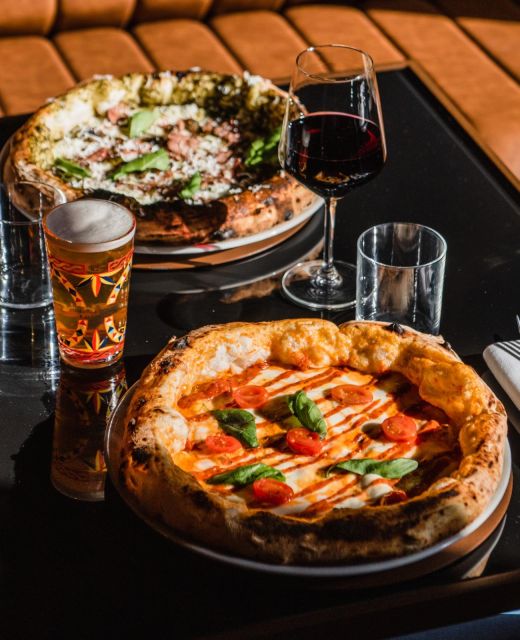
This class is ideal if you want a hands-on Rome activity that fits into a tight schedule. One hour is perfect when you are juggling sightseeing and want something active that still ends with a real meal.
It is also a great pick if you like interactive learning. You knead and stretch dough, build toppings, and bake your pizza. That is a lot of participation for a short session.
If you are the type who hates mess or heat, adjust expectations. You will be wearing clothes that can get dirty, and you will be working near oven heat during the bake process. Also, because the class is only one hour, you will want to focus and follow instructions rather than treat it like a long chat.
Booking Tips So You Get the Best Experience
Here are a few practical moves that help you have an easy, positive session:
- Choose clothing you can get doughy, especially sleeves
- Arrive about 15 minutes early so you do not feel rushed
- If you want vegetarian pizza, notify in advance
- If you need English or Italian support, this class covers both, so you can plan without extra research
- Think of it as one complete loop, skills to bake to eat, not just a snack
Also, since the class meets back at the starting point, you can slot it in without complex logistics. You will not need to coordinate multiple transfers, just get to the pizzeria.
Should You Book This Rome Pizza Class?
Yes, book it if you want a true Neapolitan-style pizza-making experience with hands-on coaching, a wood-fired oven bake, and a hot tasting at the end. The price feels fair for what is included, especially because you get ingredient-covered baking, your own pizza, and a drink.
I would especially recommend it if you are traveling as a pair, with kids, or with friends who want a shared activity that ends in a meal you made together. It is social without being chaotic, and the instructor language support makes it easier to relax.
If you only want the simplest possible food stop, skip the class and grab a slice. But if you want to learn the craft in one hour, then eat the proof, this is a solid choice in Rome.
FAQ
How long is the Rome pizza cooking class?
The class lasts 1 hour.
What is included in the price?
You get a practical lesson with Neapolitan pizza makers, use of professional equipment and fresh ingredients, kneading and stretching dough, baking in a traditional wood-fired oven, tasting the freshly prepared pizza, and one included beverage (local wine or craft beer).
Is wine or beer included?
Yes. You receive one glass of local wine or craft beer.
Do they offer vegetarian options?
Yes. Vegetarian options are available, but you need to notify them in advance.
What should I bring?
Wear clothes that you do not mind getting dirty.
What languages are the instructors?
The instructor offers guidance in English and Italian.
Is transportation to the pizzeria included?
No. Transportation is not included, and you will need to make your own way to the meeting point.
More Workshops & Classes in Rome
More Cooking Classes in Rome
More Tour Reviews in Rome






Not for you? Here's more nearby things to do in Rome we have reviewed












Cooking Classes, compared.
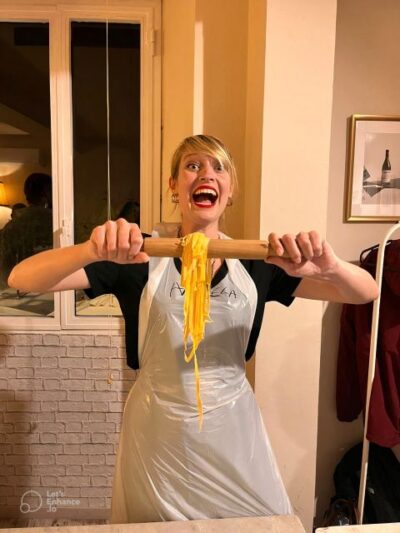 ★ 4.9Pasta Making Class with Wine, Limoncello, and DessertFrom $483,177 reviews
 ★ 4.93-in-1 Fettuccine, Ravioli, and Tiramisu Cooking ClassFrom $812,704 reviews
 ★ 4.8Fettuccine Pasta Cooking Class in Rome’s City CenterFrom $462,414 reviews
 ★ 5.0Traditional Pasta with Cocktails Cooking ClassFrom $1002,374 reviews
 ★ 4.8Fettuccine and Tiramisu Cooking Class with WineFrom $672,013 reviews
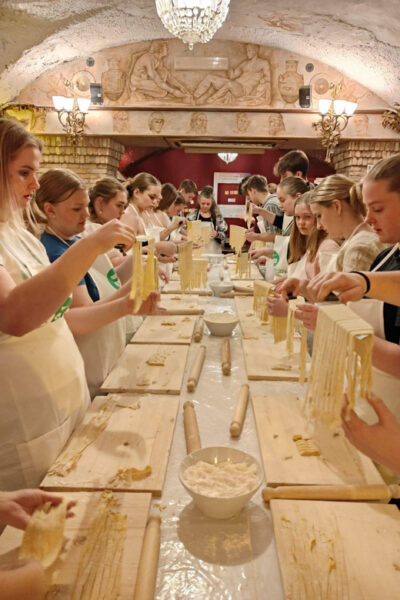 ★ 4.8Pasta & Tiramisu Cooking Class near the Spanish StepsFrom $581,395 reviews
 ★ 4.7Traditional Pizza Cooking Class near Piazza NavonaFrom $461,241 reviews
 ★ 4.9Pasta Making with Wine Tasting and Dinner in FrascatiFrom $35979 reviews
Browse the lists this tour appears in