
Reviewed · GUIDED
Rome: Colonna Palace Guided Tour
Palazzo Colonna feels like a polished time machine. I love how a 14th-century aristocratic palace in Lazio turns major Renaissance and Baroque art into something you can actually see and understand, not just read about. The trompe l’oeil details and the Popes connection, especially Pope Martin V, make the halls feel unusually alive. One thing to consider: the palace is open to the public only on Friday and Saturday morning, and the guided experience is set to about 2 hours, so you may need to plan if you want extra time in the gardens or apartments.
I also like that you have a real choice in how you visit. You can book a guided tour in Italian, English, or French, or go with an entry ticket that lets you wander the gardens and Princess Isabelle’s Apartments at your own pace. The tour includes entry and skips the ticket line, which is a practical win in Rome.
At around $49.31 for the guided option, it can be good value if you care about art, rooms, and context, not just photos. The palace gets you a lot for a half-ish day feel, but you should know it’s non-refundable, so double-check your schedule before you lock it in.
Key highlights worth planning around
- Galleria Colonna art wall-to-wall with late Renaissance and Baroque masterpieces
- Master artists on the route, including Tintoretto, Pinturicchio, Guido Reni, Bronzino, and Guercino
- Trompe l’oeil paintings that play tricks and help you read the rooms differently
- Halls tied to Pope Martin V and the palace’s long aristocratic story
- Princess Isabelle’s Apartments for a more personal look at daily life
- Gardens and a big courtyard finish, so you get both indoors and outdoors
Palazzo Colonna in Rome: what you’re really stepping into
Palazzo Colonna is an aristocratic Roman palace whose story stretches back to the 14th century. You’re not just walking through pretty rooms. You’re moving through centuries of power and taste, with a visit that connects the art on the walls to the people who lived with it.
What makes this tour especially satisfying is the way the palace is presented as lived-in culture. The spaces were opulent, yes, but the design and decoration also functioned like a public message. It’s a place where political status, religious authority, and elite lifestyle all show up in the same visual language.
And it helps that the visit is built around guided interpretation. Seeing the palace without explanation can be pretty. With a strong guide, it turns into a clearer story.
You can also read our reviews of more guided tours in Rome
Choosing a guided tour or entry ticket for gardens and Princess Isabelle’s Apartments
You have two main ways to do Palazzo Colonna: a guided tour or an entry ticket for self-paced wandering.
If you choose the guided option, you get a live guide in English, French, or Italian and a structured walk through the rooms and key spaces. That matters because a palace like this can feel like a maze if you don’t know what to look for. The guide helps you spot what the art is doing, how the rooms connect, and why specific works were placed where they were.
If you choose the entry ticket option, you explore more independently, with access focused on the gardens and Princess Isabelle’s Apartments. This option can be ideal if you want to slow down, linger, and move at your own rhythm. But you’ll be trading the live narrative for your own discovery.
In practical terms, I’d match your choice to your goal:
- Want art context and room-to-room storytelling? Choose the guided tour.
- Want calm time in gardens and apartments with fewer stops? Choose entry and go your own way.
Entering the Galleria Colonna: the art route that keeps you oriented
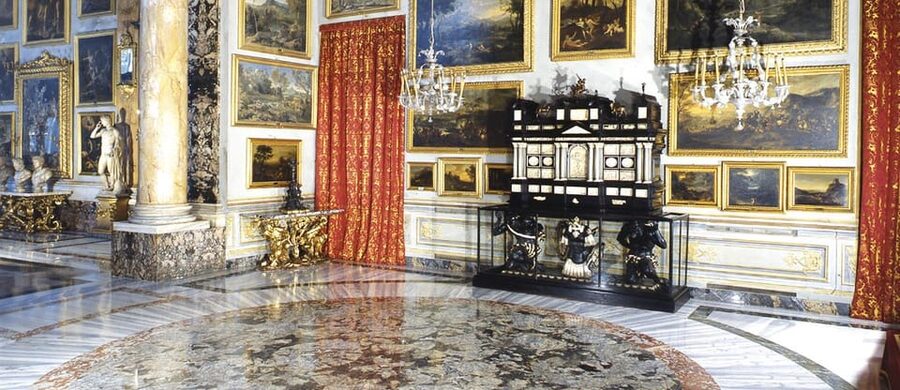
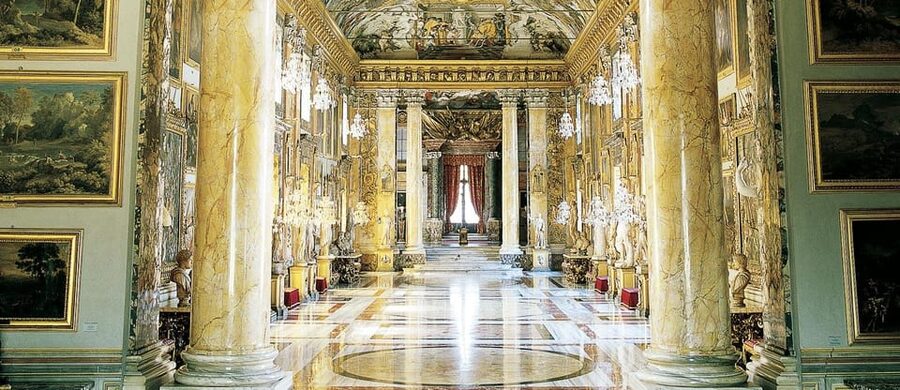
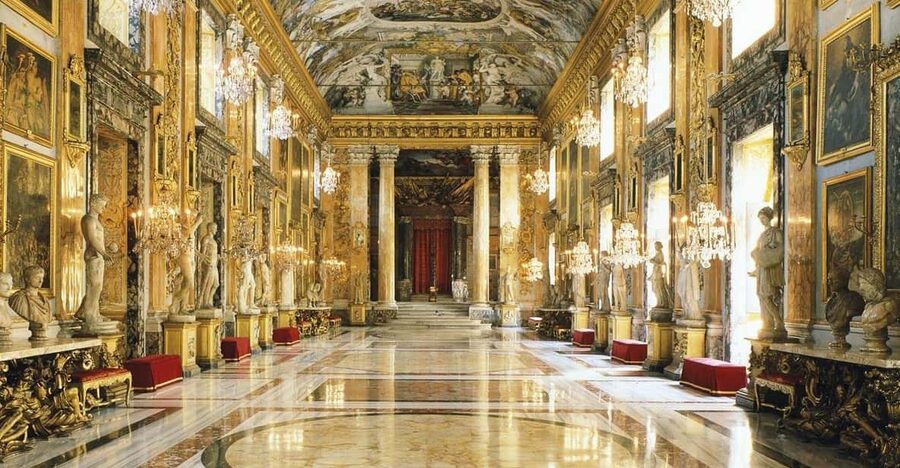
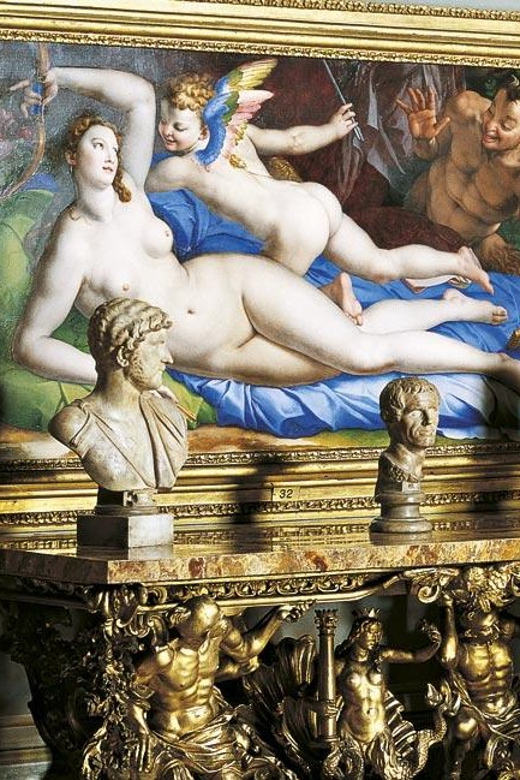
Most palace visits succeed or fail at the start, and Galleria Colonna sets the tone fast. This is where you begin, with walls lined by masterpieces from the late Renaissance and Baroque periods. It’s not a random sampling of paintings. It’s a deliberate experience of scale, style, and arrangement.
I like that the visit gives you recognizable names rather than only generic descriptions. You’ll see works by artists such as Tintoretto, Pinturicchio, Guido Reni, Bronzino, and Guercino. Even if you only know one or two of those artists, their styles are different enough that you start comparing what each painter was aiming for.
This is also a good place to slow down and look beyond the obvious. The palace route includes trompe l’oeil paintings, which are meant to trick your eye. That means you can test your own perception as you walk, and you start noticing how the art interacts with architecture, not just sits on a wall.
A final fun detail that adds meaning: the palace includes a visual connection to the film Roman Holiday. That’s the kind of reference that makes you look again, because it reminds you that this is not only historical art, it’s cinema-friendly scenery too.
Renaissance and Baroque masterpieces: what to look for beyond the name
Seeing big-name painters is great, but the real payoff comes when you learn how the pieces work together. On this tour, the Galleria is framed as part of a bigger conversation about aristocratic taste, visual power, and how decoration helped define status.
So when you’re standing in front of a painting, I’d encourage you to do three quick checks as you go:
1) Look at the mood and lighting style. Baroque tends to feel dramatic and physical, like the scene is pressing toward you.
2) Notice how figures are arranged, especially if the guide points out composition tricks. It’s often designed to lead your eyes across the room.
3) Watch for illusion effects in the trompe l’oeil areas. These can make you realize you’re not just looking at flat images.
If you like art for how it makes you see, this is one of those Rome stops where your attention gets rewarded. The route also helps you connect what you’re viewing to what you’re standing in, which is where many art visits fall short.
Pope Martin V and the opulent halls: how the palace connects power and art
One of the standout elements here is the palace’s association with Pope Martin V. That link gives the tour more than aesthetics. It adds stakes.
As you move through various rooms, you’ll learn about the palace as a residence tied to papal history, while also seeing how the surrounding aristocratic environment evolved over time. Palazzo Colonna dates to the 14th century, and the spaces reflect architectural styles spanning over five centuries. In other words, you’re not looking at one single “period room” bubble. You’re seeing layers.
That matters because a palace like this is basically a timeline you can walk through. A guided route helps you understand which details belong to which era and how tastes shifted, rather than leaving you with a collection of rooms that blur together.
I also like how the tour treats the palace halls as storytelling spaces. Instead of rushing past each room as a photo stop, you get narratives around former inhabitants and the kind of daily life that fit in these spaces.
And that is why the guided tour tends to land for people who usually skip “long museum talks.” Here, the guide’s job is to connect the art and architecture to human choices: who lived here, what they wanted to display, and how they wanted visitors to feel.



Trompe l’oeil: when paintings act like architecture
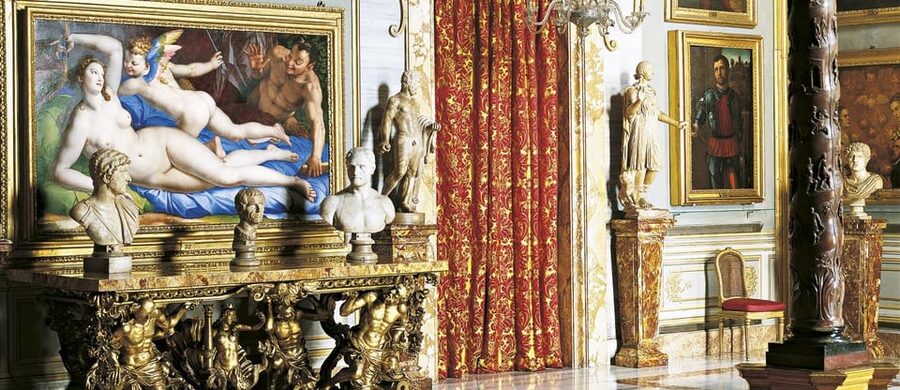
Trompe l’oeil is one of those art forms that feels like a party trick until you start understanding how well it’s engineered. In Palazzo Colonna, it’s not thrown in at random. It becomes part of the visual language of the palace.
You can expect the guide to point out how these illusion paintings trick your eye, making you feel like the room is doing more than it actually does. I find that effect works especially well inside palaces because the walls are already part illusion, part stage.
As you look at trompe l’oeil details, try to compare this to other paintings you’ve seen in Rome:
- Do the illusions feel like they extend the space?
- Does the painting mimic architectural elements?
- Does the illusion change how you read the room’s depth?
In a place tied to Roman Holiday, even if you’re not chasing film references, trompe l’oeil adds a fun reason to keep looking. You’re not only appreciating brushwork. You’re watching a design idea play out in three-dimensional space.
Princess Isabelle’s Apartments: a more intimate side of palace life
Once you shift from the grand art spaces to Princess Isabelle’s Apartments, the mood changes. It’s still elegant, but it feels closer to personal life. This is where the palace starts to feel less like a formal stage and more like a home.
The tour highlights intimate details of daily life in the apartments, which is exactly what you want if your interest is not only in big painting and big rooms. You get a sense of how the aristocratic lifestyle showed up in objects, arrangement, and the way private spaces were curated.
If you book the entry ticket option, this area is even more important because you can spend the time you want here. If you choose the guided tour, the guide will help you understand what you’re looking at, so you can move efficiently without missing the small points.
Either way, Princess Isabelle’s Apartments are a solid reminder that palaces are not only about public display. They’re also about routines, comfort, and the quiet choices that make elite life feel normal to those who lived it.
Gardens and courtyard time: where the visit slows down
You don’t just end indoors. The experience is built to bring you to the courtyard, and if you choose entry access, you’ll spend time in the gardens too.
The courtyard is an important finish because it gives you breathing room after rooms full of detail. It’s also where the scale becomes clear. Palazzo Colonna doesn’t feel like a single corridor museum. It feels like a working estate of space, with outdoor edges that help reset your eyes.
The gardens are lush and part of the appeal if you’re craving a quieter Rome moment. Since the gardens and apartments are part of the entry ticket option, this is where you can shape your visit. Want an easy pace? Add garden time. Want a more structured art walk? Keep it guided-focused.
If you’re thinking about photos, I’d treat the gardens and courtyard as your natural light zones, especially on morning openings. You’ll also appreciate the open air after indoor walls lined with major paintings.
Guides in English, French, or Italian: what names like Fabiana, Erica, and Alessandro signal
A guided palace visit is only as good as the guide, and this one has a strong reputation for expert interpretation. In particular, Fabiana, Alessandro, and Erica have stood out for turning the space into a clear story, with presentation that actually helps you remember what you saw.
One useful clue about quality: guides here are described as archaeologists and/or art historians/art scholars. That blend matters. You get art interpretation plus an understanding of the building and its place in time.
Language is also covered well, with live tours available in English, French, and Italian. If you’re deciding between languages, pick what helps you follow the story at full speed. In art rooms, small phrasing details can make the difference between surface viewing and real understanding.
Also, because the guided visit is listed as about 2 hours, you should treat it as a focused tour. That time can feel like plenty if you’re prepared to pay attention, and a bit short if you tend to linger long in every painting room.
Price and value: is $49.31 worth it?
Let’s talk value plainly. At $49.31 per person, you’re paying for entry to Palazzo Colonna plus a guided tour for about 2 hours, with an added benefit that you skip the ticket line. If you choose an entry ticket instead, your money still goes toward access, and your focus becomes gardens and Princess Isabelle’s Apartments at your own pace.
Where this price feels justified is when you care about context. This isn’t only about “seeing a palace.” It’s about understanding the art and why it’s here, including major names like Tintoretto and Guido Reni, plus trompe l’oeil designed to change your perception of the room.
If you’re the type who enjoys guided interpretation, the cost can feel fair. If you mostly want wandering time with no instruction, entry-only might suit you better.
One more practical value point: it’s open to the public on Friday and Saturday mornings. That schedule can limit flexibility, but it also means you might be able to plan a calm start to your day with a meaningful Rome stop.
Practical tips so you enjoy the full 2-hour experience
I’d treat this like a “high attention” tour, not a casual stroll. Keep your pace steady, and plan to spend your time where the guide points you.
Here are a few practical ways to make it easier:
- Wear comfortable shoes, because you’ll be moving through multiple rooms and ending in the courtyard.
- If you’re choosing guided, listen for what the guide says about placement and illusion. That helps you enjoy the trompe l’oeil and the painting sequence.
- If you’re choosing entry ticket for gardens and apartments, plan extra time for browsing. Self-paced sounds free, but you’ll still want time to actually look at details.
Since food and drinks aren’t included, plan a snack break separately if you’re doing this as part of a longer day. This tour is also clearly designed around a morning window, so build your schedule around that.
Should you book the Colonna Palace guided tour?
Book it if you want a guided, art-centered palace experience in Rome, with real interpretation of major paintings and palace spaces tied to Pope Martin V. The combination of Galleria Colonna artwork, trompe l’oeil details, and Princess Isabelle’s Apartments gives you variety without making you feel lost.
Skip it or consider entry-only if you know you prefer self-guided time, or if you’re worried the 2-hour guided format might feel too short for the places you want most.
If you can only go on a Friday or Saturday morning, go ahead and line it up. This is the kind of Rome visit where a good guide changes the whole experience, and where the building rewards your attention from the first room.
FAQ
What days is Palazzo Colonna open to the public?
The palace is open to the public every Friday and Saturday morning.
How long is the guided tour?
The duration is listed as 2 hours. Starting times vary, so check availability.
What languages are available for the guided tour?
You can choose from English, French, or Italian.
Can I choose an entry ticket instead of a guided tour?
Yes. There is an entry ticket option that lets you explore the gardens and Princess Isabelle’s Apartments at your own pace.
What does the ticket include?
Entry to Palazzo Colonna is included. If you select the guided tour option, the guided tour is included. If you select the entry option, access to the gardens and apartments is included.
Is skip-the-ticket-line access included?
Yes, skip the ticket line is included.
Is food and drinks included?
No. Food and drinks are not included.
More Guided Tours in Rome
More Tours in Rome
More Tour Reviews in Rome
Not for you? Here's more nearby things to do in Rome we have reviewed






Guided, compared.
 ★ 4.5Vatican Museums, Sistine Chapel & St Peter’s Basilica Guided TourFrom $2239,149 reviews
 ★ 4.8Colosseum, Palatine Hill and Roman Forum Guided TourFrom $5232,814 reviews
 ★ 4.7Guided Tour of Colosseum, Roman Forum & Palatine HillFrom $5527,897 reviews
 ★ 4.2Colosseum & Forum with Audio Guide App -Optional ArenaFrom $4124,770 reviews
 ★ 4.5Colosseum, Roman Forum and Palatine Hill Guided TourFrom $5923,903 reviews
 ★ 4.6Colosseum, Palatine Hill & Roman Forum Guided TourFrom $5112,703 reviews
Vatican Museums & Sistine Chapel Guided TourFrom $11812,117 reviews
★ 4.6Colosseum, Palatine Hill & Roman Forum Guided TourFrom $5112,703 reviews
Vatican Museums & Sistine Chapel Guided TourFrom $11812,117 reviews
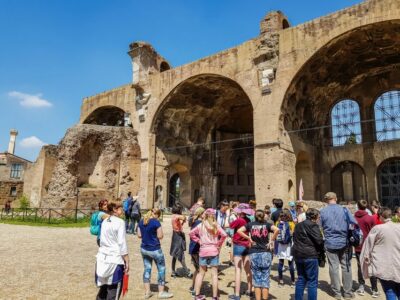 ★ 4.6Colosseum Arena, Palatine Hill & Forum Guided TourFrom $7310,584 reviews