
Reviewed · GUIDED
Rome: Catacombs of Saints Marcellino and Pietro Guided Tour
A few steps below Rome changes everything.
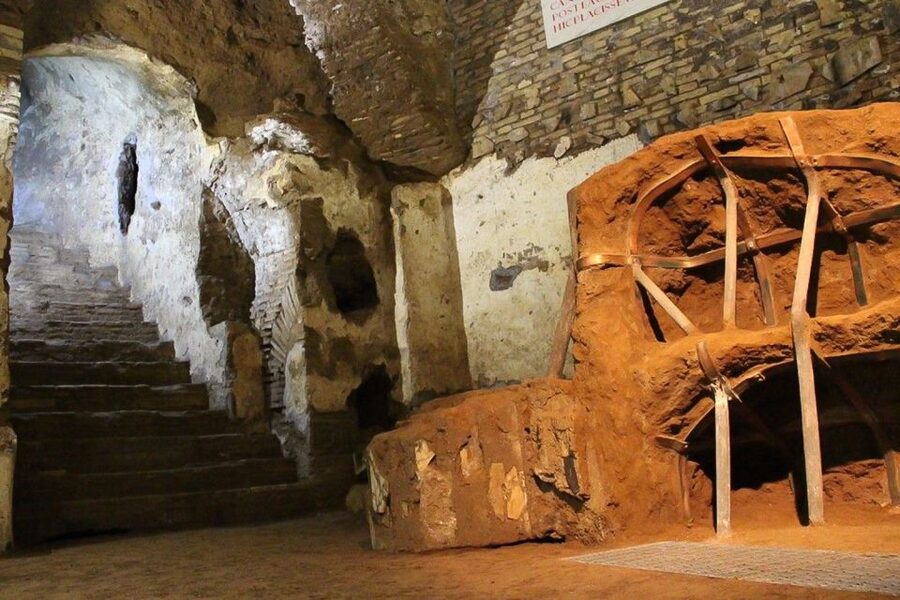
This short catacomb tour focuses on Saints Marcellino and Pietro and the vivid frescoes from the 3rd and 4th centuries. You also get the setting, from ancient Via Labicana to the Christian necropolis that formed there.
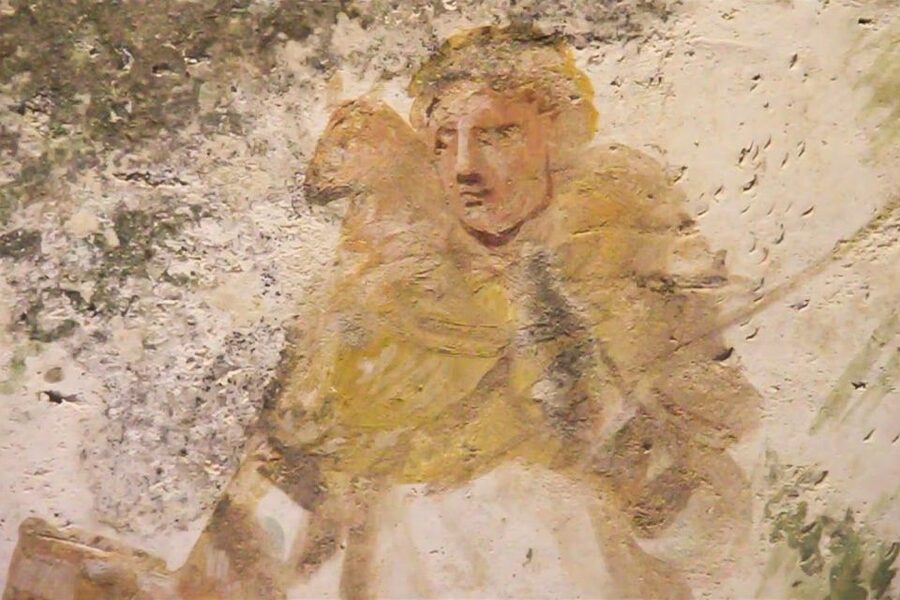
I especially like the small group size (limited to 10), which keeps the guide’s explanations clear. I also really enjoy the fresco work, including areas that have been restored with laser technology.
One drawback to plan around: photography inside is not allowed, so you will rely on your guide and your memory.
Key things you should notice before you go
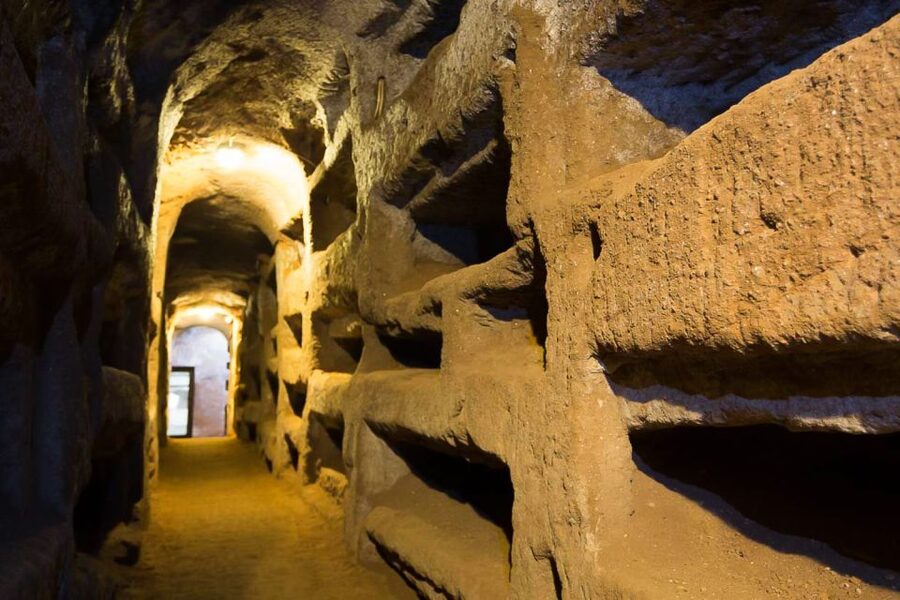
- Small group, up to 10 people, so you spend less time squeezing and more time looking closely
- 3rd-century Christian setting, tied directly to Saints Marcellino and Pietro
- Frescoes from the 3rd and 4th centuries, including scenes you can recognize once you hear the context
- Laser-restored paintings, which helps the artwork feel easier to read than in darker sites
- A short, focused 30 minutes, great if you want something meaningful without losing half your day
Where the catacombs are, and why this spot matters
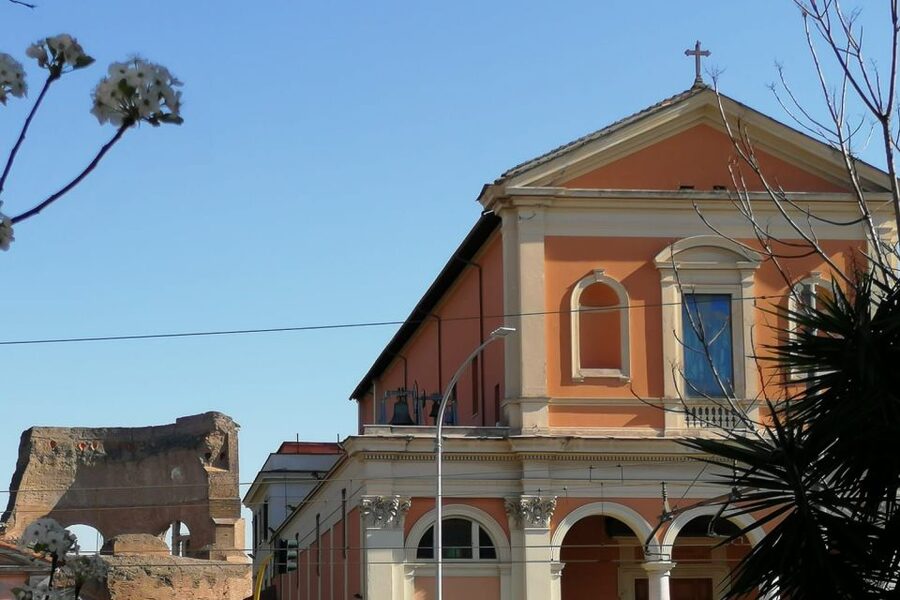
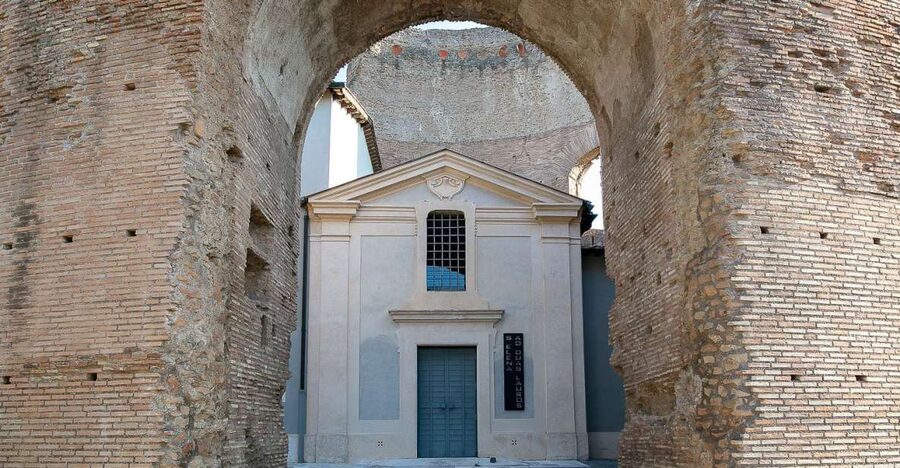
The Catacombs of Saints Marcellino and Pietro sit along the third mile of the ancient Via Labicana, which you can think of today as Via Casilina. That stretch of road is more than just a route. In ancient times, it marked an imperial landscape, linked to a place-name that pointed to the area as ad duas lauros, at the two laurels.
The guide helps you connect the dots here. The laurels were not just poetic decoration. They were traditionally shrubs placed at the entrance to imperial lands. That detail matters because it explains why you are not only visiting a cemetery. You are stepping into a landscape with layered power and land use, from imperial estates to burial grounds.
You can also read our reviews of more guided tours in Rome



The walk starts at the ticket office, and timing is tight
This tour runs for about 30 minutes, so your arrival window matters. Go directly to the catacomb ticket office and show your voucher at least 10 minutes before the scheduled start. The format is simple: you meet, you enter, and you follow the guide through the underground spaces.
Because the tour is brief, you will get more value if you show up ready to look. Skip multitasking on your phone. The guide’s job is to translate the catacomb from dim rooms into a readable story.
Understanding the site before you go underground
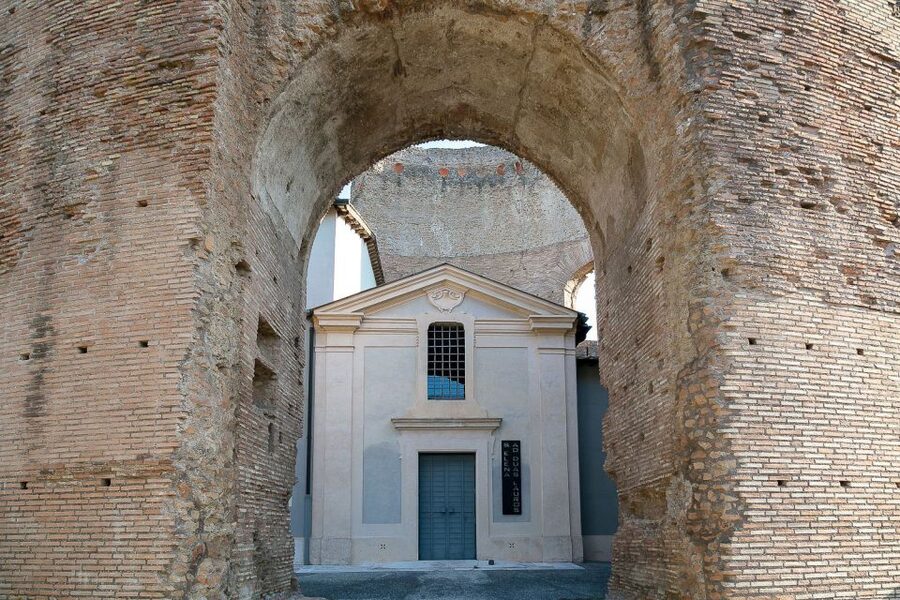
Before you even fully picture the catacomb scenes, you get helpful background on what existed here before the Christians arrived. In this area, there had been a necropolis linked to the Equites Singulares Augusti, the emperor’s mounted guards, active since the 2nd century. That sets an important contrast.
Then, in the second half of the 3rd century, the Christian catacomb took shape here. That timing is key. You are seeing Christian burials placed in a space that already carried military and imperial meaning. It is one reason the artwork feels so intentional, even when the rooms are small.
The catacomb takes its name from the bodies of martyrs of Diocletian’s persecution, especially Saints Marcellino and Pietro. Hearing the story early helps you view the artwork as more than decoration. It becomes a message system, meant for people who understood the risks and the hope behind the scenes.
The underground route: what the guide helps you see
Once you are inside, you weave through the catacombs at a guided pace. The main “stops” are less like a museum with labels and more like a sequence of spaces where the guide calls your attention to the walls.
Here is what you should expect to focus on during the walk:
- Frescoes and paintings on surfaces that have survived for centuries
- The way the images are organized and grouped, so you can connect one biblical scene to another
- Explanations that translate symbols into plain language, so you are not guessing what you are looking at
The artwork is datable to the 3rd and 4th centuries, and the tour highlights that survival. Some areas have also been restored with laser technology, which is a big part of why the paintings can look brighter and clearer than you might expect in subterranean spaces.
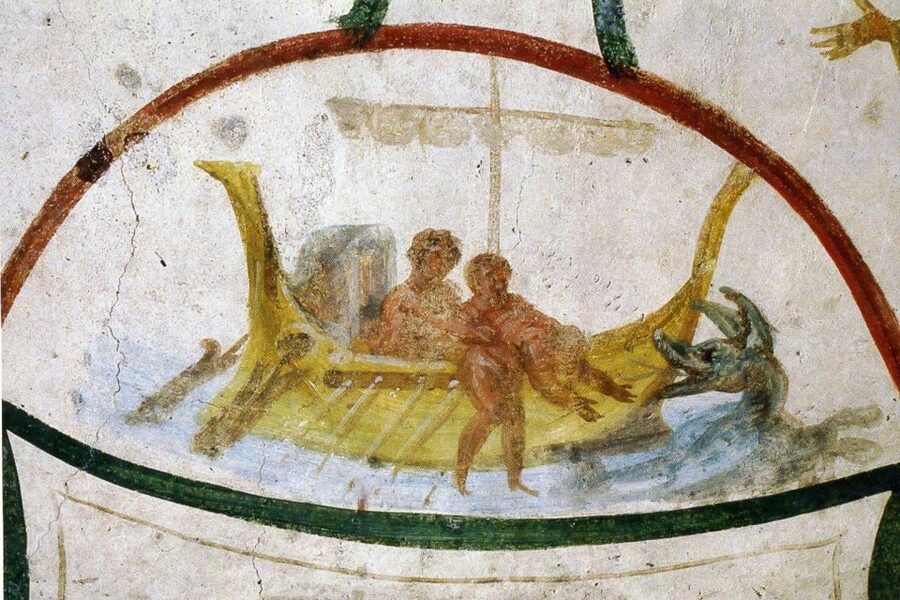
A personal note in how you should use this, look for the scenes the guide points out. One example from the experience is that you may encounter fresco cycles featuring stories such as Noah’s ark, Jonah, and other biblical themes like Lazarus. When you know what you are seeing, the images start behaving like a guided narrative instead of random religious art.
Fresco clarity: why these paintings feel readable
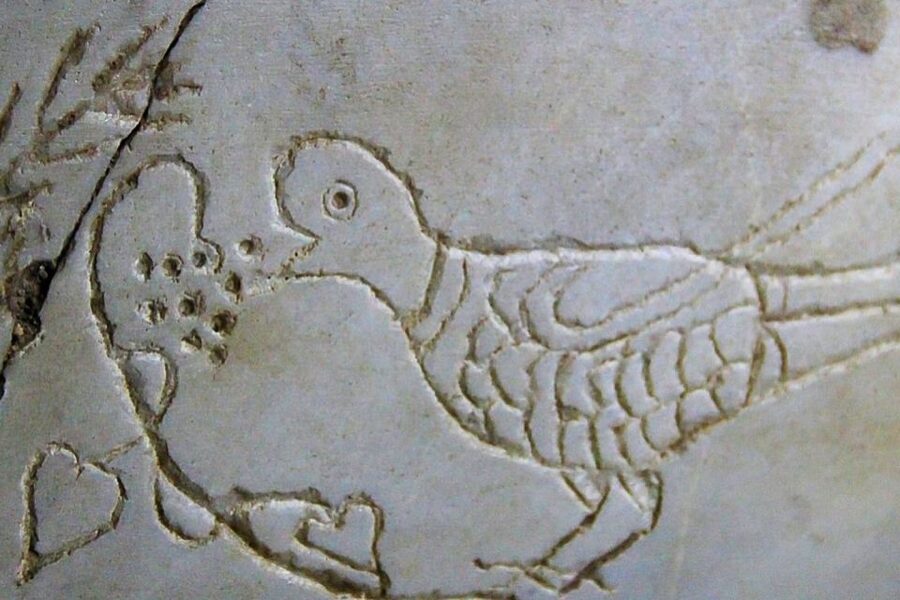
Many catacomb visits can feel like you are looking at shadows. Here, the combination of restoration and guided explanation helps you actually read the walls. The guide’s focus on the frescoes from the 3rd and 4th centuries makes a difference, especially if you have visited other Roman catacombs where fresco coverage is sparse.
You will also notice that the preservation level is a major part of the experience. The paintings can appear bright and well kept, and that makes it easier to follow the themes without straining your eyes.
If you are the kind of visitor who likes to “collect meaning” rather than just facts, this is where the tour pays off. The art becomes a vocabulary for early Christians living under pressure, and you learn how those scenes worked as comfort and identity.





The Constantinian complex above ground, explained even if you do not enter
Even though the tour is underground, you do not feel stuck in only one layer of time. The guide discusses what stood above the catacombs in the Constantinian era.
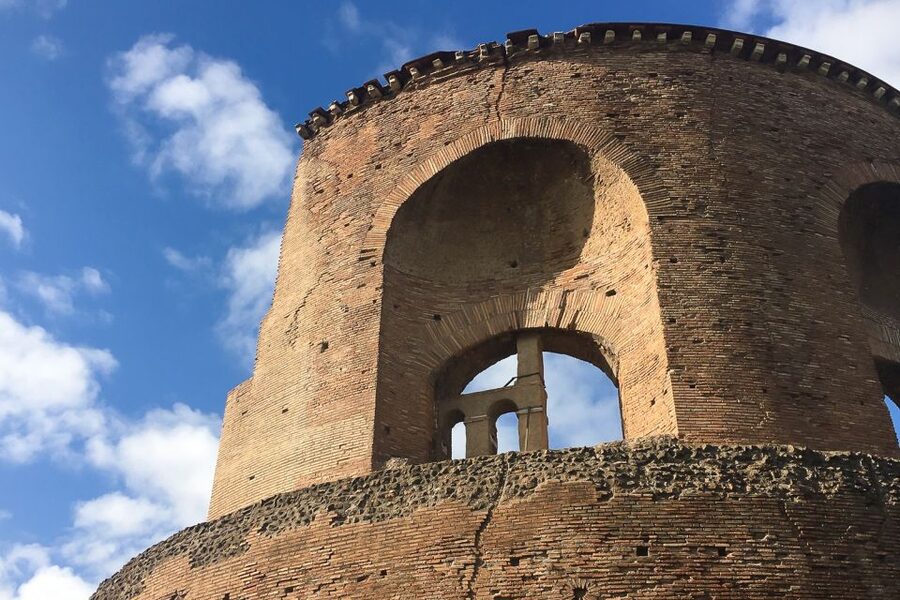
A monumental complex was erected over the site, connected to a basilica built in the shape of a Roman circus, described as circiforme. It was also connected to a mausoleum. The mausoleum was probably built by Constantine for himself and later destined to house the burial of his mother, Augusta Elena.
Important for your expectations: the tour does not include entry to Constantine’s Mausoleum. So you should treat this part as historical context shared during the visit, not as an on-site walkthrough.
Still, the story has a concrete reference point you can carry with you. The remains of St. Helen were kept in a large red porphyry sarcophagus, which is exposed today in the Vatican Museums. That link helps you place this site in the larger Rome timeline, from burial practice to imperial memorial culture.
Price and value: what $16 buys you in real terms
At $16 per person for a guided 30-minute visit with entry included, the value depends on what you want from the time. If your goal is a quick, guided introduction to a lesser-visited catacomb with strong fresco content, this price makes sense fast.
Here is what you are getting for your money:
- Entry to the catacombs
- A live Italian or English guide
- A format designed for small groups, limited to 10
If you have ever paid for “catacomb tours” that feel like a rushed line through one room, this one is structured to feel more like a conversation you can follow. The short duration also reduces the “time cost,” which matters in Rome when you are constantly choosing between neighborhoods.
You do not get an audio guide included, though. Since this is a guided experience, you will rely on the live explanations rather than an extra handheld device. If you prefer audio only, you might feel less comfortable here, but that is not the tour’s design.
Getting there from Termini: practical options that actually work
Reaching these catacombs is manageable. One helpful approach is from Termini by taking bus 105 or using a tram. Rome transit can be a little unpredictable in timing, but the routes are straightforward enough that you will not feel like you need a taxi just to arrive.
If you are planning your day, aim to arrive early so you can handle transit delays without stress. Remember, you need to show your voucher at least 10 minutes before the scheduled tour time.
Who this tour is perfect for, and who might want something else
This is a good fit if you want:
- A focused introduction to early Christian burial life connected to Marcellino and Pietro
- Frescoes that are easier to appreciate thanks to restoration and good guidance
- A smaller-group experience that makes it easier to ask questions and keep your attention on the artwork
It may not be the best match if:
- You want lots of stops and a long itinerary, because this is a 30-minute tour
- Photography matters a lot to you, because photos inside are not allowed
- Mobility is a concern, because it is not suitable for people with mobility impairments
What to bring, and how to get the most from 30 minutes
You do not need much, but you do need the right mindset. This is not a “collect selfies” visit. It is a look-and-listen experience.
What helps:
- Wear comfortable shoes. Catacomb paths can feel uneven and cool.
- Keep your camera put away. You will get the best value by watching the guide’s pointing moments.
- Go with a little patience for low light. Even with restoration, you will still be under the ground.
If you are traveling with friends or family, this is also a nice “shared meaning” tour. The guide’s explanations make the space easier to discuss afterward, instead of feeling like separate glimpses.
Final verdict: should you book the Saints Marcellino and Pietro tour?
Book it if you want a short, guided catacomb visit with strong fresco visibility, and if you are curious about the early Christian story tied to persecution martyrs like Marcellino and Pietro. The small-group format and laser-restored artwork give you a better chance to actually understand what you are seeing rather than just walking through darkness.
Skip it if you need photography, a long itinerary, or you require accessibility accommodations. Also, if your priority is only the most famous catacomb in Rome, you might find this one feels less “tour-bus central,” which can be a plus or a downside depending on what you want.
FAQ
How much does the Catacombs of Saints Marcellino and Pietro guided tour cost?
The price is $16 per person.
How long is the guided tour?
The tour lasts about 30 minutes.
Do I need to book ahead?
You should check availability for starting times, and then reserve your spot for the time you want.
Where do I meet the guide?
Go directly to the ticket office of the catacomb and show your voucher at least 10 minutes before the scheduled tour.
What’s included in the ticket price?
The ticket includes an entrance ticket and a guide.
What is not included?
The tour does not include an audio guide, transportation to or from the catacombs, or entry to Constantine’s Mausoleum.
What languages will the live guide speak?
The guide is available in Italian and English.
Is photography allowed inside the catacombs?
No. Photography inside is not allowed.
Is the group size small?
Yes. The group is limited to 10 participants.
Is this tour suitable for people with mobility impairments?
No, it is not suitable for people with mobility impairments.
More Guided Tours in Rome

More Tours in Rome

More Tour Reviews in Rome
Not for you? Here's more nearby things to do in Rome we have reviewed












Guided, compared.
 ★ 4.5Vatican Museums, Sistine Chapel & St Peter’s Basilica Guided TourFrom $2239,149 reviews
 ★ 4.8Colosseum, Palatine Hill and Roman Forum Guided TourFrom $5232,814 reviews
 ★ 4.7Guided Tour of Colosseum, Roman Forum & Palatine HillFrom $5527,897 reviews
 ★ 4.2Colosseum & Forum with Audio Guide App -Optional ArenaFrom $4124,770 reviews
 ★ 4.5Colosseum, Roman Forum and Palatine Hill Guided TourFrom $5923,903 reviews
 ★ 4.6Colosseum, Palatine Hill & Roman Forum Guided TourFrom $5112,703 reviews
Vatican Museums & Sistine Chapel Guided TourFrom $11812,117 reviews
 ★ 4.6Colosseum Arena, Palatine Hill & Forum Guided TourFrom $7310,584 reviews