
Reviewed · TREVI FOUNTAIN & PIAZZAS TOURS
Ravioli Cooking Class in Rome – Piazza Navona
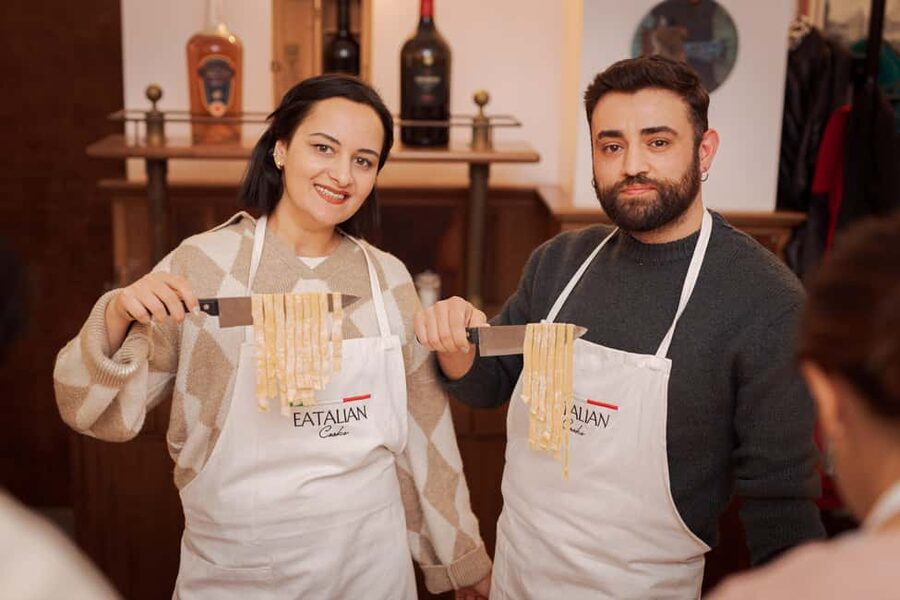
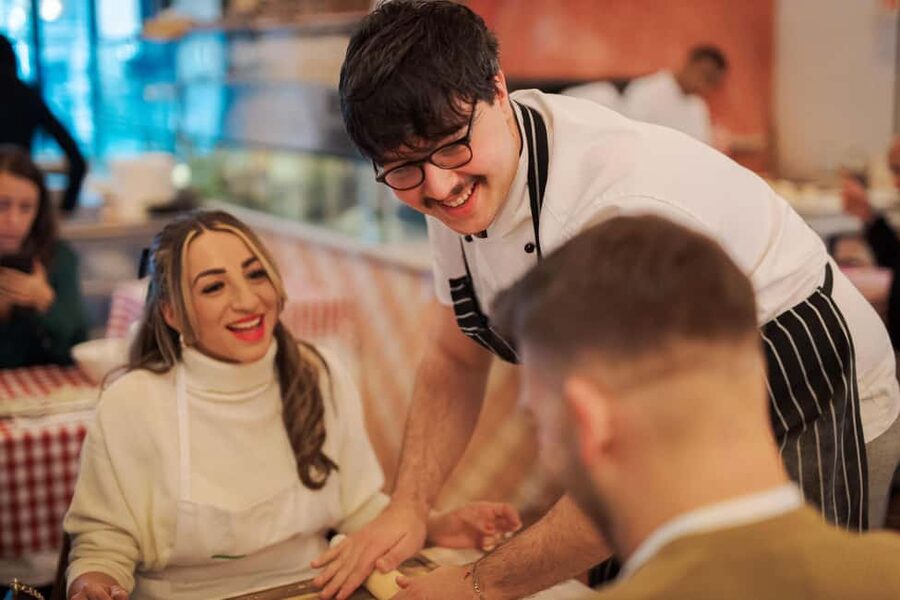
Handmade pasta at the edge of Piazza Navona. This hands-on ravioli class is interesting because you roll and fill your own dumplings, then sit down right in the Piazza Navona area while the restaurant team cooks them. I love the old school, roll-by-hand approach and the way the meal starts fast with bruschetta and a drink while the kitchen works. One possible drawback is that you do not make the sauce or the filling from scratch, even though you still choose between two classic options.
With a small group limited to 7, you get time to focus on technique instead of rushing around a crowded room. In English instruction, I also like that the class is led by friendly guidance, including instructors like Bea, who keeps things clear and hands-on. If you hate sitting still or prefer a longer, full-day food marathon, this 2-hour format may feel a bit short.
The payoff is practical and immediate: you learn enough to understand how Italian flavors come together, then you eat what you made. I also love the simple cheese-and-topping advice, like going generous with Parmigiano or Pecorino Romano at the end.
Key highlights you will feel in your hands (and on your plate)
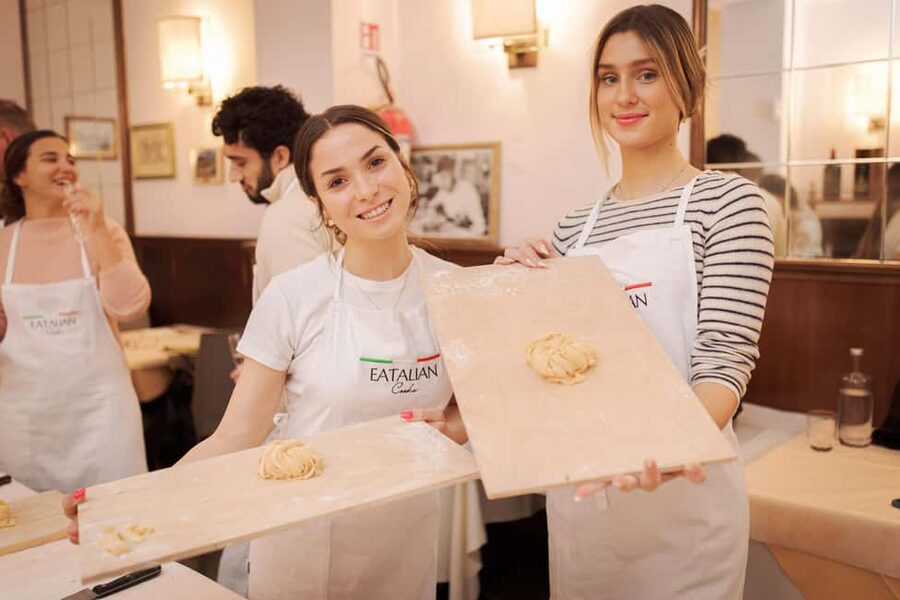
- Old school pasta rolling: you work the dough by hand, not machine-first.
- Choose your filling style: ragu or ricotta and spinach.
- You wait, but not hungry: bruschetta plus a beer or wine while the kitchen cooks.
- Two sauce directions: your dish gets served with a classic finish like butter and sage or tomato sauce.
- Small group energy: limited to 7 people, so questions actually get answered.
- Cheese is encouraged: ask for as much Parmigiano or Pecorino Romano as you can.
Where the class actually happens: Ristorante Panzirone by Piazza Navona
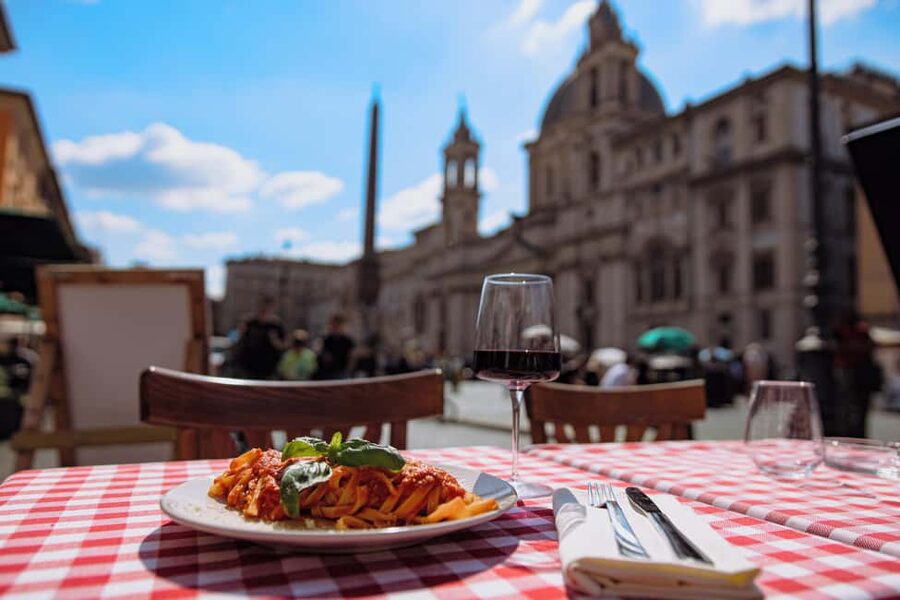
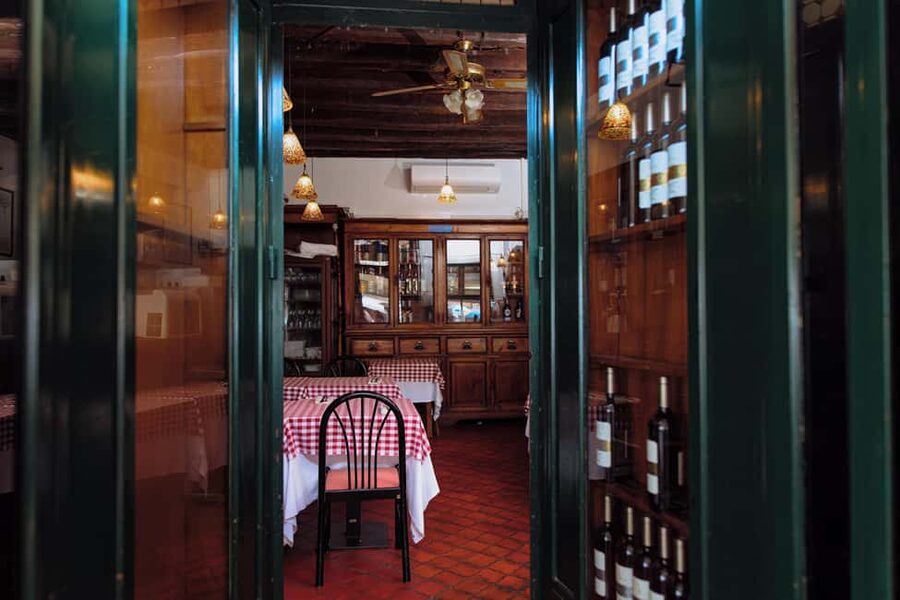
This class meets inside Ristorante Panzirone, right in the heart of Rome. When you arrive, ask a waiter to guide you, since you are starting from within the restaurant rather than an off-site kitchen studio.
Why this matters: you do not lose time getting from one place to another. You go straight into the experience, then you stay in the same historic setting for the meal. It also means you are eating in a real restaurant atmosphere, not a staged demo hall.
One practical note: it is not a private class, and they cannot wait more than 10 minutes. In a central area like this, that is a good reason to pad your arrival time slightly, especially if you are walking from a nearby stop.
You can also read our reviews of more cooking classes in Rome



Your ravioli lesson in a 2-hour window
The promise is simple: learn handmade ravioli and learn how Italian sauces fit the dish. The class runs about 2 hours, with English instruction, and it is designed for a small group format.
What you do:
- You make the ravioli yourself, using supplied ingredients.
- You handle the dough, shape portions, and assemble the filled pasta.
What you do not do:
- You do not make the sauce from scratch.
- You do not do the long, multi-hour preparation for the stuffing.
This is an important reality check. Reviews and the class structure both point to the same tradeoff: it is a hands-on pasta-building class, not a full day of slow-cooked ragu production. If you want to learn every step of every component, you might find it feels limited. If you want a smart, focused class that still results in a satisfying lunch, it fits well.
Also, the class has a clear sequencing. The first part is the pasta-making, and the second part is where you sit down with appetizers and drinks while the restaurant team cooks your ravioli in the kitchen.
Filling choice: ragu versus ricotta and spinach
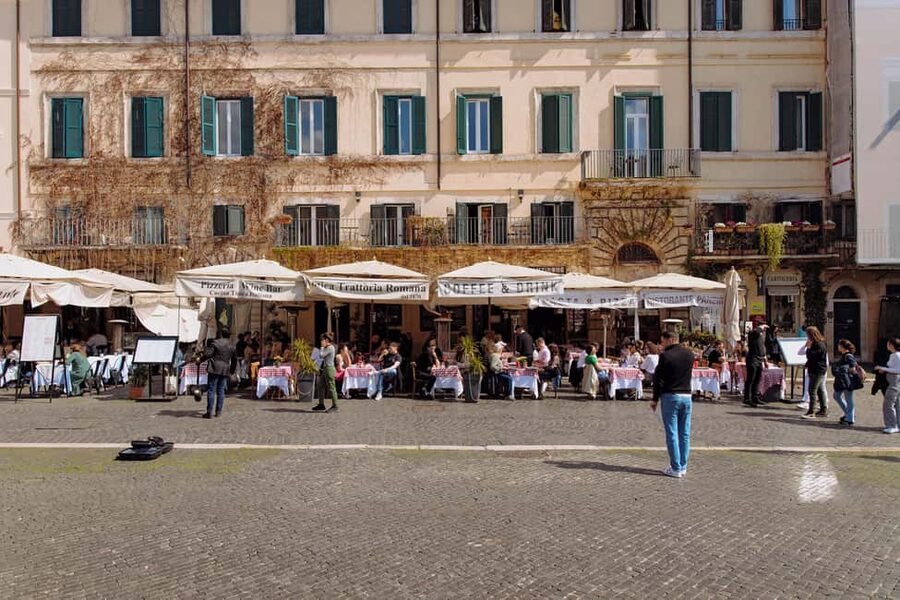
Ravioli in Italy comes in many shapes and fillings, but this class keeps it practical with two traditional directions. You will choose your style based on whether you want ragu or a ricotta and spinach filling.
Here is the key nuance: the ragu version involves a slow timeline in traditional cooking. Because that takes 3+ hours, the class does not include that full stuffing cooking process. So you still learn the ravioli-making technique, while the longer component is handled by the restaurant side to keep the experience to 2 hours.
If you love the idea of ragu, this is a fair compromise. You still get the flavor payoff, but you are not spending the day learning every simmering step. If you want the freshest, hands-on feeling, the ricotta and spinach option tends to connect more directly to assembly, since you can focus on shaping and sealing the dumplings.
While the kitchen works: bruschetta and drinks in the dining room
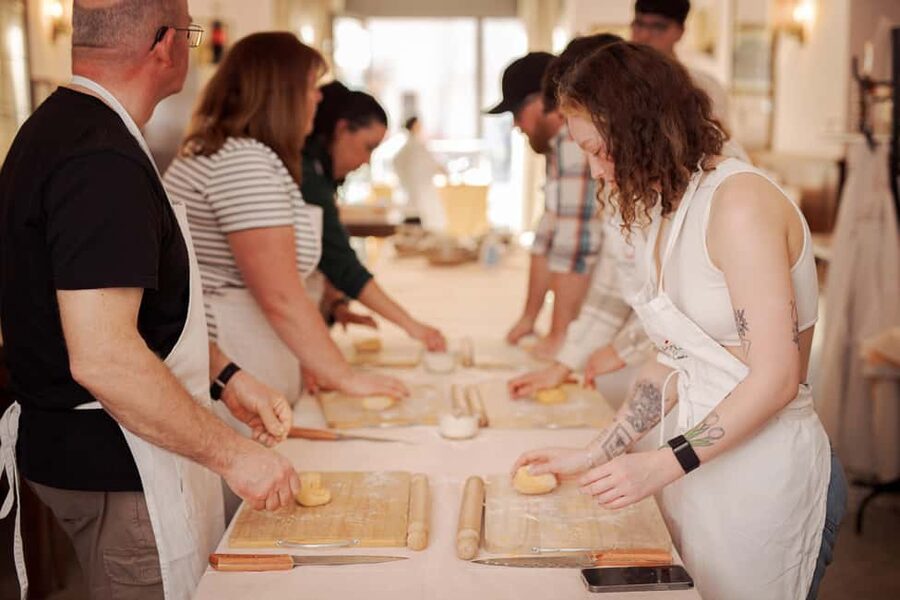
One of the most enjoyable parts is what happens when your ravioli is ready for cooking. While the restaurant staff cooks your dish, you are seated at the historic restaurant on the corner/angle of Piazza Navona.
You get served:
- Bruschetta as an appetizer
- A glass of beer or wine
- Water
- Coffee
- And, if you want it, a glass of limoncello is included in the price options they offer
This is not just a nice perk. It changes the rhythm. Instead of waiting around, you get a Roman-style starter and drink service in a comfortable setting.
And yes, reviews often highlight that the class feels relaxed. If you are traveling with a companion, that matters. It is easier to enjoy the process when the pace is friendly and you are not stuck in a chaotic rush.
The final plate: butter and sage or tomato sauce, plus cheese advice
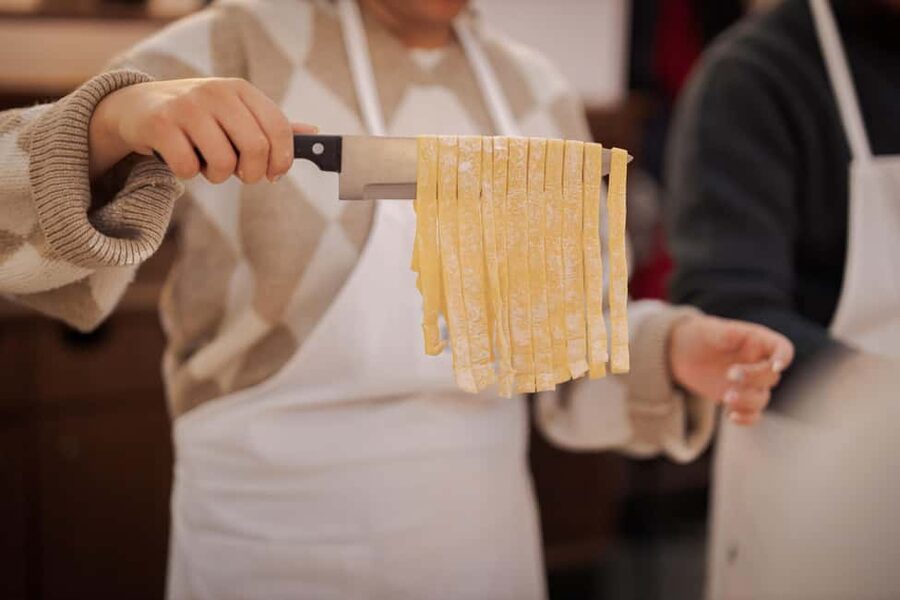
After cooking, the restaurant staff serves your ravioli with the sauce style you picked. According to the class description, the ravioli will come with classic finishes such as butter and sage or tomato sauce.
This is a great moment to connect technique to flavor. You can taste how a sauce choice changes the character of the same basic pasta structure. Even if the sauce work itself is not something you do, you still learn by comparison.
Now for the cheat code: the class tip encourages you to add as much Parmigiano or Pecorino Romano as you can. It is simple, but it is also very Italian in spirit. People do not overthink it, they season boldly and enjoy.
If you are deciding between cheese types, here is a helpful way to think about it. Parmigiano tends to feel nutty and round. Pecorino Romano tends to feel sharper and more assertive. Asking for both or trying one first and adjusting is an easy way to learn your preference without slowing down the meal.
A few more Rome tours and experiences worth a look



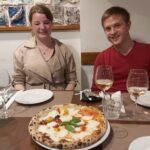
Small group structure and the role of your instructor
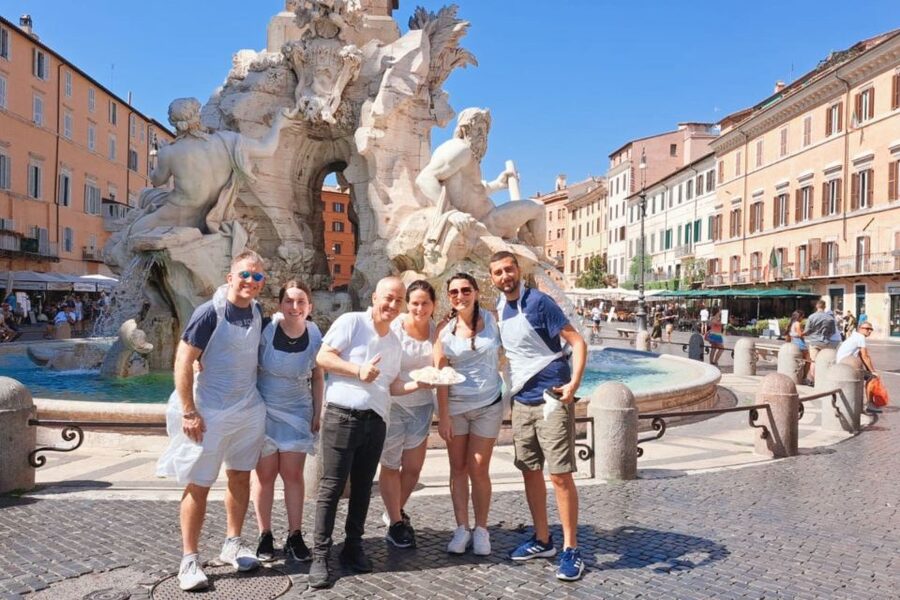
This is limited to 7 participants, which keeps the class from feeling like a production line. In reviews, people specifically liked how intimate it felt, even mentioning small numbers like 5 in some sessions.
Instruction is in English, and instructors like Bea are highlighted for being friendly and helpful. That matters because ravioli-making is technical in tiny ways. Sealing dough, portion sizing, and dough handling can be confusing if you only get a quick explanation.
In a small group, you can actually get clarification, not just a demonstration. It is one of the reasons the experience earns a strong rating.
Timing, food value, and why $54.66 can make sense in Rome
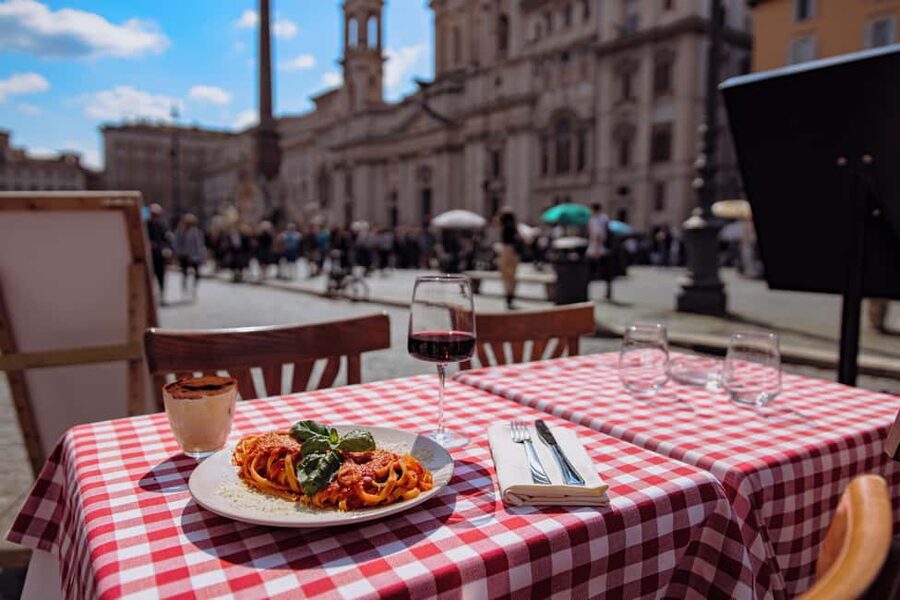
The price is $54.66 per person for a 2-hour class. In central Rome, cooking classes can get expensive fast, especially when they include a meal. What makes this one feel like value is that you are paying for both instruction and a full lunch experience.
Included in that price:
- Ingredients for your ravioli
- Appetizer and drinks while the kitchen cooks
- Water and coffee
- A glass of beer or wine
- Optional limoncello included in what the restaurant offers
- The restaurant serves your finished ravioli with your chosen sauce
You are not just tasting one bite. You are eating what you made. That makes the cost easier to justify compared with classes where you sample a small portion and leave hungry.
Still, keep your expectations calibrated. If you are hoping for a class where you also cook the slow ragu and create the sauce yourself, this is not built that way. It is built to be efficient and enjoyable, with focus on pasta technique plus a satisfying dining payoff.
Best fit: who should book this ravioli class
You will probably enjoy this class if:
- You want a hands-on pasta experience without a full day commitment
- You like small group settings where you can ask questions
- You want your lunch included and prepared in a proper restaurant setting
- You are curious about classic fillings and how sauces pair with them
It is less ideal if:
- You want to make the sauce from scratch
- You need strict accommodations beyond what the class description lists
- You are traveling with young kids under 7, since it is not suitable for that age group
Who should skip it: food and health restrictions
This class is not suitable for:
- Vegans
- People with gluten intolerance
- People with lactose intolerance
- People with nut allergies
- Children under 7 years
If any of those apply, it is worth saving your time and picking a different cooking experience or a restaurant meal that matches your needs more safely.
Also, gluten intolerance is specifically mentioned, which is often a dealbreaker in Italian cooking. If you are sensitive, do not assume substitutions will be available here, because the data does not say they will.
On the positive side, it is wheelchair accessible, so mobility does not have to be a blocker.
Should you book Ravioli Cooking Class in Rome near Piazza Navona?
Yes, if you want a practical, hands-on pasta class that ends with a real lunch in one of Rome’s most iconic walking areas. The best reason to book is the combination of technique plus immediate reward: you roll and fill ravioli, then you eat it with a Roman starter and drinks while the kitchen finishes the cooking.
Book it especially if you like the idea of keeping things intimate with a small group limited to 7, and if you are comfortable with the fact that the sauce and stuffing take a supporting role rather than becoming your hands-on project.
Skip it if your top priority is learning every step of ragu or sauce making, because the class is set up to fit into 2 hours. And if you have gluten, lactose, vegan needs, or nut allergies, the stated limitations make it a poor match.
FAQ
Where do I meet for the class?
You meet inside Ristorante Panzirone. When you arrive, ask a waiter to guide you.
How long is the ravioli class?
The experience lasts about 2 hours. Check availability to see starting times.
What do I make during the class?
You make the ravioli yourself. The class includes the ingredients, but guests do not make the sauce.
What food and drinks are included?
You get an appetizer of bruschetta, a drink such as beer or wine, water, and coffee. A glass of limoncello is also included in the price options the restaurant offers.
What fillings and sauce options are available?
You can choose between ragu and a ricotta with spinach filling. Your ravioli is then served with the sauce style you picked, such as butter and sage or tomato sauce.
Is the class suitable for vegans or gluten intolerance?
No. It is not suitable for vegans, and it is not suitable for people with gluten intolerance. It is also not suitable for lactose intolerance and nut allergies.
Is the class wheelchair accessible, and is instruction in English?
Yes, it is wheelchair accessible. The instructor speaks English.
More Workshops & Classes in Rome
More Cooking Classes in Rome
More Tour Reviews in Rome






Not for you? Here's more nearby things to do in Rome we have reviewed












Trevi Fountain & Piazzas Tours, compared.
 ★ 4.9Trastevere & Campo de Fiori Street Food Walking TourFrom $512,768 reviews
 ★ 4.3Trevi Fountain and Underground Guided TourFrom $411,664 reviews
 ★ 4.8Pasta & Tiramisu Cooking Class near the Spanish StepsFrom $581,395 reviews
 ★ 4.7Traditional Pizza Cooking Class near Piazza NavonaFrom $461,241 reviews
 ★ 4.7Opera Concert at Palazzo Poli – Fontana di TreviFrom $471,026 reviews
 ★ 4.5Best of Rome Walking Tour including Trevi FountainFrom $4923 reviews
 ★ 4.5Catacombs Tour with Transfer – Optional Capuchin Crypt or TreviFrom $54694 reviews
 ★ 4.5Rome Walking Tour with Piazza Navona, Trevi Fountain and PantheonFrom $35676 reviews
Browse the lists this tour appears in