
Reviewed · COOKING CLASSES
Pasta Making and Tiramisù Cooking Class in Rome
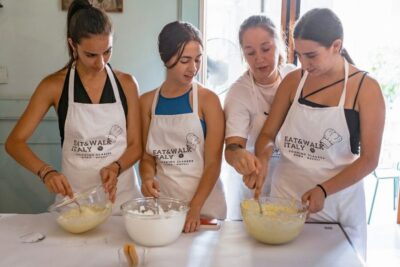
Rome gets hands-on here. You make fresh pasta and tiramisù from scratch in a small group setting, starting with Prosecco and Italian antipasti before you cook. The kitchen can feel loud and busy, so if you need silence to focus, plan for that.
I like how this class combines practical technique with real Roman flavors, not just a recipe dump. You also get clear teaching from English-speaking chefs, and names like David, Simone, Francesco, and Sara show up often for being patient and upbeat. One more thing to consider: the reported class flow can feel tight in a compact workspace, and quality can depend on the pacing in that specific session.
Key Highlights Worth Your Time
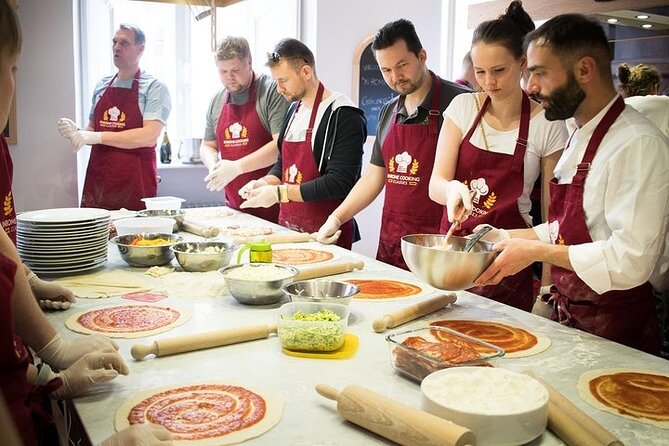
- Piazza Navona-area cooking school with a proper Italian kitchen setup, not a demo-only format
- Pasta and tiramisù, made by hand, including kneading and shaping (plus Roman sauce lessons)
- Warm welcome first, typically Prosecco and Italian antipasti before you start cooking
- Small-group format with a maximum of 15 travelers, designed for personal guidance
- Sit-down meal style tasting with drinks while you enjoy what you made
Piazza Navona Pasta And Tiramisù: Why This Class Works
If you want a Rome experience that is fun on your schedule and still feels genuinely local, a pasta and tiramisù class is a strong bet. You are not just eating Italian food here, you are learning the steps behind it, then enjoying the results right in the room.
The biggest draw is the pairing. Fresh pasta teaches you texture and timing, because dough behavior changes minute to minute. Tiramisù teaches a different skill, building a cream that stays balanced, not runny, and assembling it so it holds up. The class also focuses on Roman sauce styles, which is a smart choice in Rome, since each region loves its own approach and ingredients.
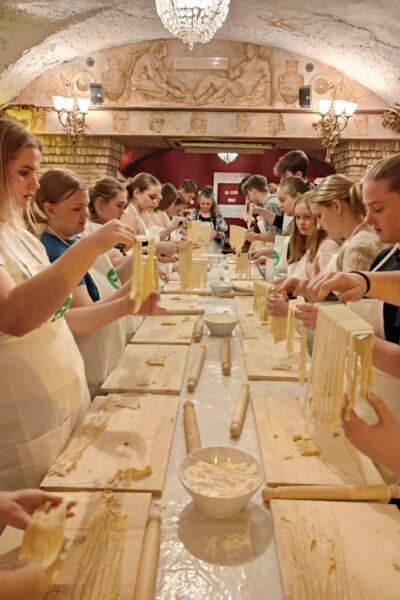
You should also know what you are signing up for. This is a hands-on cooking class in a real kitchen. That means you will get flour on your hands, you will stand close to other cooks, and you will hear other people as you work. Most sessions seem to run with a friendly, social vibe, but the room can get noisy because the action is happening at multiple stations.
You can also read our reviews of more cooking classes in Rome
Where It Starts, And How To Not Feel Rushed
The meeting point is Corso del Rinascimento, 65, 00186 Roma RM. The listed start time is 5:30 pm, and the session runs about 2 hours 30 minutes.
One detail that matters: the class can involve a short walk to the cooking school location. In at least one case, that walk was longer and more confusing than expected, and the group ended up in a tight space where it was hard to hear the instructor. To stay stress-free, I suggest arriving a little early, then double-checking where the class will actually be held once you meet the team.
Because this is in central Rome and near public transportation, you can build it into a sightseeing day without too much hassle. Still, treat it like a real event with a start time. If you drift in late, you lose time on dough preparation, and that is when you learn the most.
The Welcome Moment: Prosecco, Antipasti, Then You Cook
Before you touch dough, you are welcomed with fresh drinks and Italian antipasti. The menu notes Prosecco specifically, and the included drinks list includes alcoholic beverages, plus bottled water and soft drinks.
This part feels more than just polite. It sets the tone. You get time to settle in, meet the chef, and get oriented on what you will cook and how long it will take. Several instructors get praised for pacing and clear directions, so the early welcome can help you relax before the hands-on part begins.
Also, the drink and appetizer setup matters for value. Many pay for a class and then only taste a small sample at the end. Here, the class is built around eating as part of the experience.
Making Fresh Pasta By Hand: The Skills You Keep
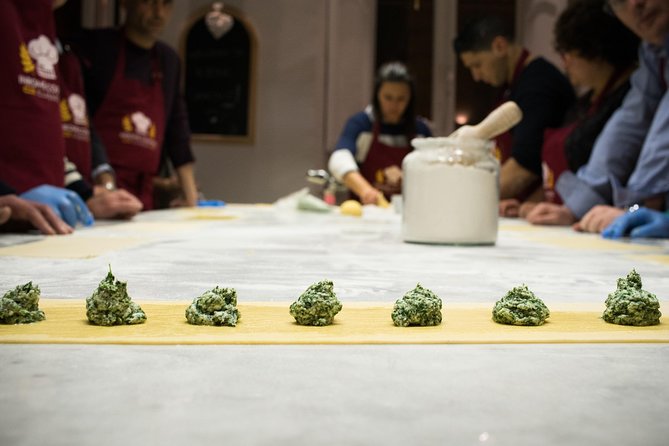
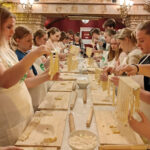
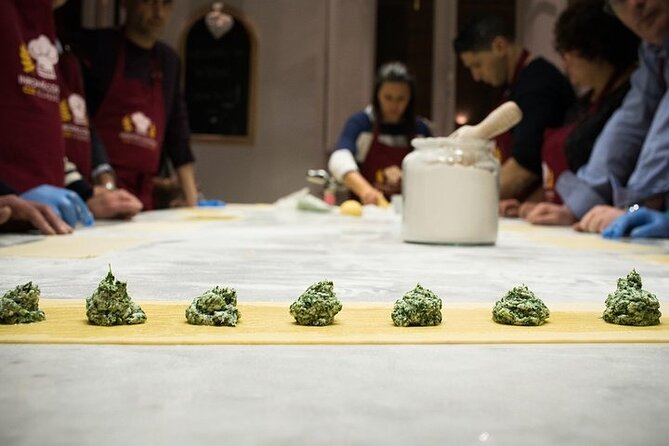
The class teaches you to make fresh pasta from scratch. That means kneading and shaping the dough by hand, plus working through steps with an instructor watching your technique.
What you’ll actually gain is more than a recipe. You start to understand why pasta dough feels the way it does, how it changes when it is mixed correctly, and what to look for before you shape. When teaching is good, you end up with a mental checklist you can use later at home.
You will make two types of fresh pasta. The exact shapes can vary by session, and some classes are described as spaghetti and fettuccine, or ravioli and spaghetti. The key point for you is that you will not just roll one dough and call it a day. You’ll practice shaping and then cook what you made.
Small-group size helps here. With fewer people, the chef can correct your dough consistency and how you handle the rolling or forming step. That is why you’ll often see chefs like David, Marco, and Simone mentioned for patience and step-by-step coaching.
Practical tip: be ready for mess. If you hate getting flour on your sleeves, wear something you can tolerate. You do not need cooking shoes or anything fancy, but comfortable clothes help you work without worrying about tiny spills.
Roman Sauces: Learning What Makes Them Roman
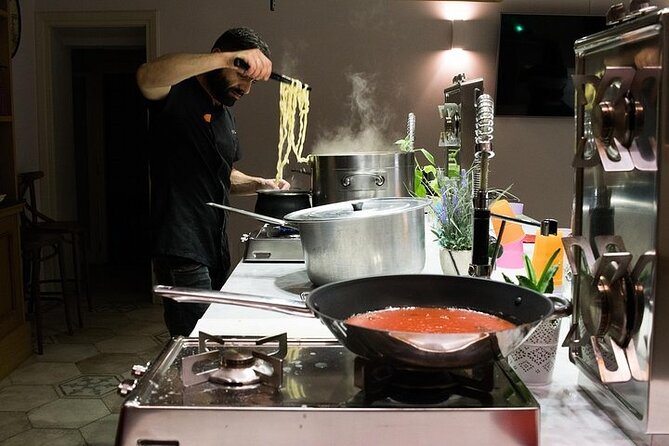
After the pasta dough work, the class shifts into sauce territory. You learn to cook two traditional Roman pasta sauces.
This is one of the best parts for most people, because Roman sauces often rely on ingredients and logic you can reuse. You’re not only learning how to cook one dish, you’re learning how a sauce base works, and how the flavors connect.
What the class is doing well is teaching the reasons behind ingredient choices. Instructors get praised for explaining why ingredients are used, and giving substitution tips so you can recreate the dish at home without hunting for one hard-to-find item.
If you already love pasta, this is where it can level you up. Once you understand a sauce logic, you can adjust it for your own pantry. If you’re new to cooking, sauce instruction is still helpful because it turns a scary plate of food into a series of manageable steps.
A few more Rome tours and experiences worth a look



Tiramisù Cooking: Classic, But Not Complicated
Then comes tiramisù, and it’s the sweet reward for all that pasta work.
You learn to prepare a classic creamy tiramisù and also hear some of its history. More importantly, you learn how to assemble it correctly, which is the part that makes tiramisù either silky and sliceable or a sloppy dessert mess.
Many chefs in the feedback get called patient, encouraging, and funny. That matters here. Tiramisù can look intimidating, but when the chef guides you through the cream texture and assembly pace, it becomes much less scary.
If you want to recreate it at home, pay attention to the consistency and timing the chef emphasizes. You do not need special tools beyond what a normal home kitchen uses, but you do need to move at the right speed so the layers set the way they should.
Also, this class often includes a full meal feeling, so you are tasting what you made rather than only taking home a dessert. That helps you learn what the final texture is supposed to be.
Eating Together: What’s Included, And How It Feels
The included experience is built around eating. You get:
- Starter: welcome Prosecco and Italian appetizers
- Main: fresh pasta (two types) with two types of Roman sauces
- Dessert: homemade tiramisù
You also get food tasting, light refreshments, bottled water, and alcoholic beverages. The structure is set up as a two-course lunch in the description, but with a listed start time of 5:30 pm, the practical takeaway is simple: you should treat it like a full meal built around the class menu.
This is where the experience becomes more than a cooking lesson. You sit down and actually eat what you made, often with local wine included. Multiple instructors earn praise for making dinner service feel smooth after the cooking portion finishes.
One caution: a tight kitchen and high energy room can make it harder to hear. That can affect how calm the experience feels, even if the food itself turns out great. If you’re sensitive to noise, choose your seating when you arrive and ask the chef to repeat key timing instructions.
Equipment, Kitchen Space, And The Realities Of A Busy Room
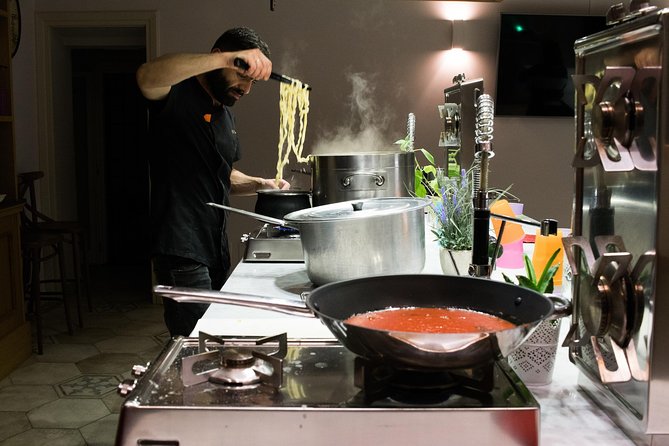
This class runs in a cooking school kitchen in central Rome, described as a charming 17th-century setting. Equipment is described as professional-grade, and the goal is a real cooking environment where you can actually practice, not just watch.
There’s also a key reality check. The kitchen space is reported as about 110 m², and the operation hosts two chefs with up to nine guests each, meaning the room can get active. That’s great for keeping a personal feel, but it can be loud.
So here’s how I’d think about it. If you’re the type who loves the energy of cooking with others, you’ll likely enjoy the lively atmosphere. If you want quiet instruction and near-perfect acoustics, you might find it harder to hear in certain sessions. One negative review specifically complained about noise and difficulty hearing the instructor, and another said the process felt rushed.
The best move is to go in with the right expectations: this is a working kitchen class, not a lecture hall. When instructors are at their best, you still get guidance and clear steps, even if you have to lean in during the busiest moments.
Price And Value: Is 119.77 Worth It?
At $119.77 per person for an experience that runs about 2 hours 30 minutes, you are paying for several things at once:
1) hands-on teaching with an English-speaking chef
2) professional equipment and a proper kitchen
3) ingredients and a sit-down meal including drinks
4) take-home recipes and practical tips
The value becomes clearer when you compare cost to doing this on your own. Ingredients for fresh pasta and tiramisù are not expensive in isolation, but the teaching time, space, and meal setup add up fast. You also get practical guidance you likely wouldn’t get from a cookbook, especially for the texture and timing parts.
The mixed feedback matters too. If a session feels rushed or ends with pasta that isn’t cooked as you hoped, the value can feel lower. That is why I focus on this decision rule: if you want an experience where technique and meal are both central, this price can feel fair to strong. If you just want good food and don’t care about learning, you might prefer a normal dinner.
Overall, the rating is very high, with most people recommending it, so the odds of having a great time look favorable.
Who Should Book This Class (And Who Might Want To Skip It)
This is a great fit if you:
- want a hands-on pasta making experience in Rome
- like learning how to cook the food, not just eating it
- enjoy group interaction and conversation
- want something social that still feels practical
- travel with family, since ages from young kids to older adults appear in the feedback
You might consider a different option if you:
- need a quiet class environment where every word can be heard perfectly
- dislike cooking in close quarters with other people
- are only interested in a meal and not in technique
That said, even beginners seem to do well when the chef explains steps clearly. Multiple instructors earn credit for coaching people through the process even if they had made pasta before.
Should You Book It? My Decision Guide
Book it if you want a fun evening in Rome that combines technique, food you get to eat right away, and a small-group vibe. The combination of fresh pasta plus Roman sauces plus tiramisù, along with Prosecco and included drinks, makes it a solid value for a “one-ticket” experience.
I’d especially book if you’re the type who enjoys asking questions and learning the why behind ingredients. Chefs like David, Simone, Francesco, Sara, Marco, and Alessandro get praise for clear directions, patience, and good energy. That’s exactly what you want in a class where timing matters.
Skip it only if you are very noise-sensitive or you want a more relaxed, silent experience. This cooking class is meant to be active. When it hits its stride, it’s one of those Rome moments you remember because your hands were part of it.
FAQ
Is the class offered in English?
Yes. The experience is offered in English.
How long is the pasta making and tiramisù cooking class?
It runs about 2 hours 30 minutes (approximately).
What is included in the meal and drinks?
You get food tasting, light refreshments, and a two-course lunch meal, plus bottled water and alcoholic beverages. The class menu includes Prosecco and Italian appetizers, fresh pasta with Roman sauces, and homemade tiramisù.
Where do I meet the group?
The meeting point is Corso del Rinascimento, 65, 00186 Roma RM, Italy.
Can I get vegetarian or gluten-free options?
Yes. Vegetarian and gluten-free options are available.
What is the cancellation policy?
Free cancellation is available up to 24 hours in advance of the experience for a full refund. If you cancel less than 24 hours before, the amount paid is not refunded.
More Workshops & Classes in Rome
More Cooking Classes in Rome
More Tour Reviews in Rome




Not for you? Here's more nearby things to do in Rome we have reviewed









Cooking Classes, compared.
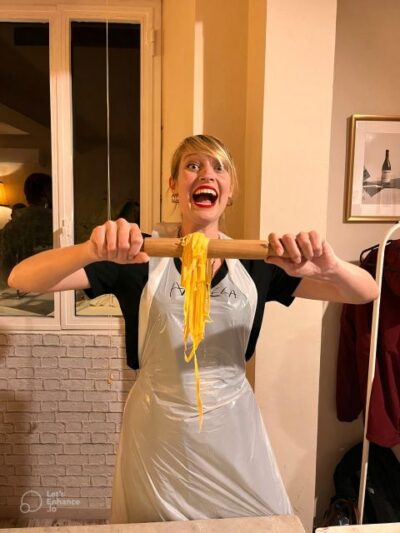 ★ 4.9Pasta Making Class with Wine, Limoncello, and DessertFrom $483,177 reviews
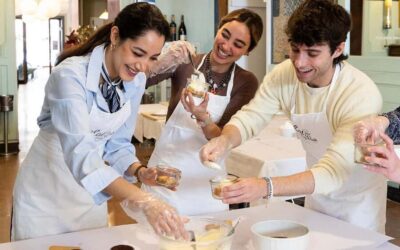 ★ 4.93-in-1 Fettuccine, Ravioli, and Tiramisu Cooking ClassFrom $812,704 reviews
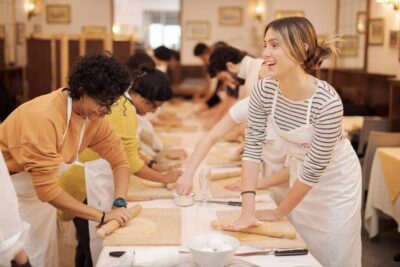 ★ 4.8Fettuccine Pasta Cooking Class in Rome’s City CenterFrom $462,414 reviews
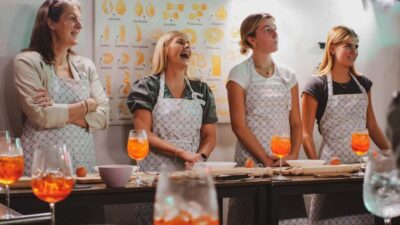 ★ 5.0Traditional Pasta with Cocktails Cooking ClassFrom $1002,374 reviews
 ★ 4.8Fettuccine and Tiramisu Cooking Class with WineFrom $672,013 reviews
 ★ 4.8Pasta & Tiramisu Cooking Class near the Spanish StepsFrom $581,395 reviews
 ★ 4.7Traditional Pizza Cooking Class near Piazza NavonaFrom $461,241 reviews
 ★ 4.9Pasta Making with Wine Tasting and Dinner in FrascatiFrom $35979 reviews
Browse the lists this tour appears in