
Reviewed · VATICAN TOURS
Holy Pizza! Fun Pizza & Gelato Making by Vatican + Delish Wine
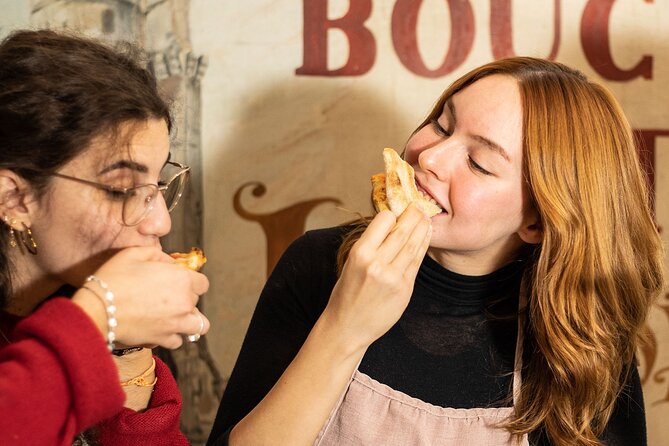
Roman pizza magic happens in two focused hours. I love the small-group setup and the fact that you learn the full Roman process, from flour and yeast through shaping and home-oven baking. I also love the gelato payoff, especially the strawberry batch that makes you want a maker of your own. One thing to consider: at $102.25 per person, it is a splurge compared to eating out, so you’ll want to commit to the hands-on part, not just the tasting.
This workshop is guided by a friendly Roman pizzaiolo, and the vibe is playful, practical, and family-friendly. You’ll work at a real rhythm: prep dough, add toppings, bake, eat, then switch gears to gelato. You can expect English instruction, an antipasto nibble, and a glass of wine or beer during the pizza portion.
If you’re hoping for a long, slow class with lots of downtime, that is not what this is. It runs briskly, and you’re moving from dough basics to oven time to dessert without a lot of hanging around.
Key things to know before you book
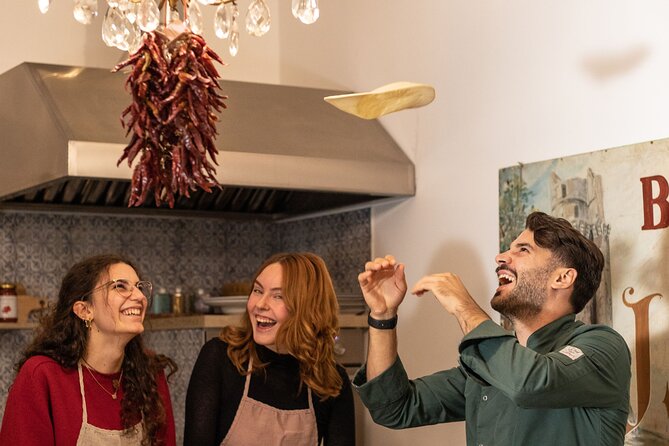
- Maximum 8 travelers for a more personal, hands-on feel
- Roman pizza dough from scratch, starting with flour, salt, yeast, and water
- Home-oven cooking tips so your pizza works outside of Rome
- Wine or beer plus antipasto while you build your pie
- Strawberry gelato included, with the steps you can repeat later
- You leave with recipes, not just a full stomach
Arriving for a Vatican-Area Pizza and Gelato Workshop
The meeting point is Via Simone de Saint Bon, 57 (you’ll return here at the end). It’s in Rome, near the Vatican area, which is handy when you want an evening plan that doesn’t require a complicated hop across town.
What I like about the location setup is that you can pair it with a day of sightseeing without wrecking your schedule. The class is about 2 hours, and that makes it a good “reset” activity when you need to sit down, laugh a bit, and do something hands-on.
The group is capped at 8 travelers. That matters more than you might think. In a bigger class, you can end up watching while someone else kneads, rolls, or sets the dough. Here, you’re more likely to touch everything that counts: mixing, resting, shaping, topping, and serving.
You can also read our reviews of more wine tours in Rome


From Flour and Yeast to Roman Dough You Understand
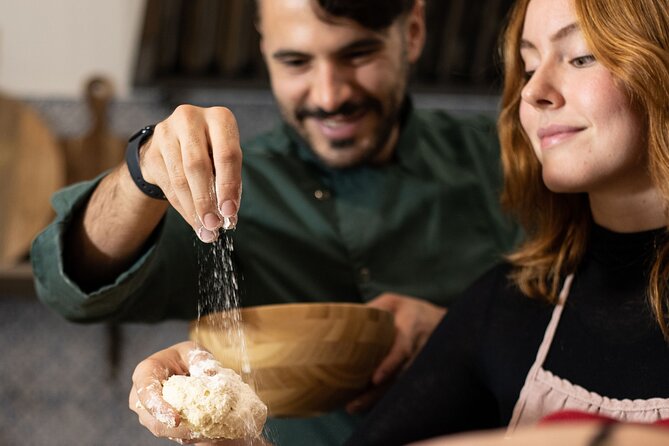
This is billed as the only Roman pizza making class in Rome, and the core reason people book it is the dough lesson. You don’t just get a final product and a couple tricks. You build the dough from the foundation: flour, salt, yeast, and water.
That step-by-step structure is where the magic feeling comes from. Roman-style pizza dough is mostly about timing and handling. You’ll learn things like:
- what kind of flour matters
- how long the dough needs to rest
- how to shape it so you get the right balance of crunch outside and softness inside
In plain terms, it’s the difference between “my pizza sort of worked” and “my pizza tastes like I meant to make it.”
I also appreciate that the class explains the dough workflow in a way you can repeat later. If you’ve ever tried a recipe at home and felt lost when the dough didn’t behave the same way, this is the kind of instruction that helps you connect the dots: ingredient, texture, rest time, then shaping.
And yes, this is fun. The instructors show the process, you follow along, and you get to do the parts that make pizza dough feel alive. In the reviews, instructors are sometimes named, including Carla, Gianluca, and Mersad, and you can see a pattern: they bring energy, but they also answer questions carefully.
Shaping, Toppings, and the Home-Oven Reality Check
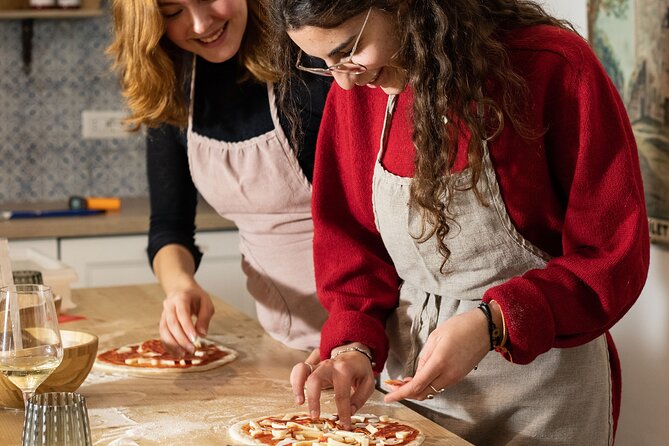
Once the dough is ready, the class shifts into shaping and toppings. This is the part that usually feels mysterious when you watch pizza chefs in videos. Here, you learn what to do with your hands and why it matters.
You’ll get guidance on:
- how to shape the dough for the ideal crunch-to-soft ratio
- how to think about sauce and topping balance
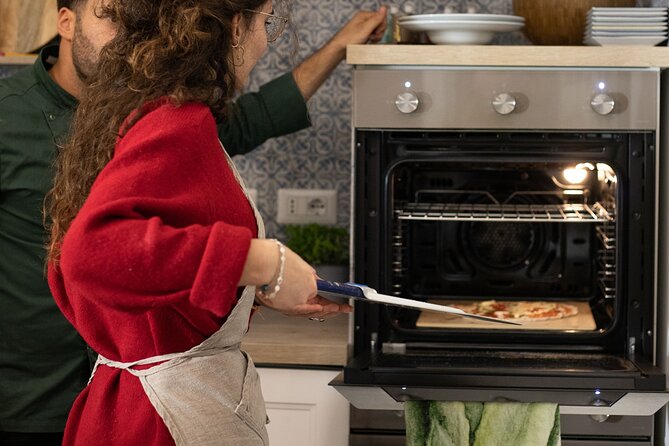
- how to cook the pizza so it turns out well in a typical home oven
That last detail is a big deal. A lot of food classes teach “pizza in theory” and then leave you with the problem of, well, I do not have the same equipment at home. This class explicitly focuses on the home-oven version, so your effort in Rome can actually turn into dinner back home.
Another practical angle: it’s not just one “correct” pizza. You build your pie, and you can usually choose toppings. That keeps the class from feeling like a factory line. It also gives you a taste of what Roman-style pizza means in everyday terms: dough first, then sauce and ingredients that stay simple, fresh, and balanced.
Eating Well During the Lesson: Antipasto and Wine or Beer
The pizza-making isn’t just work. While you’re building your dough and assembling your pizza, you’ll also get a snack setup: antipasto plus a glass of wine or beer.
This matters because it keeps the evening from feeling like homework. You’ll be standing, mixing, shaping, and cooking, and that kind of class can get tiring without breaks. A sip and a bite make it feel like a meal event, not a test of your kneading skills.
If you’re traveling with kids, this is one of the reasons the class tends to land well. Multiple families describe the atmosphere as light and fun, with hosts interacting with children. So if you’re looking for a family-friendly food activity in Rome, this is the kind of evening that can actually hold attention.
Gelato After Pizza: Strawberry and the Steps That Stick
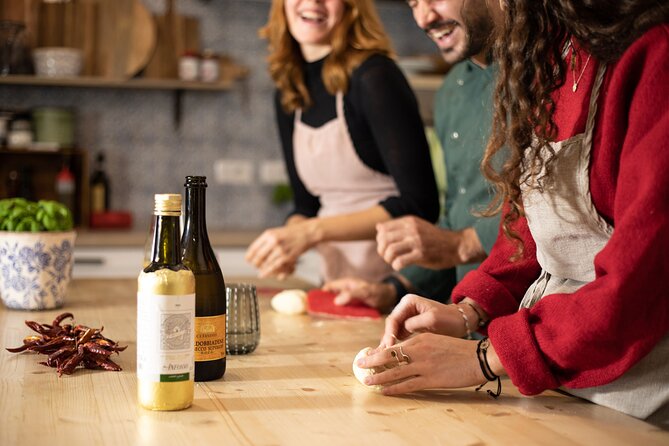
Then comes the switch that surprises people in the best way. You move from pizza to dessert: gelato, with strawberry listed as the dessert option.
The gelato portion is not a vague “taste and learn.” You follow steps to make it, then eat what you produced. The big takeaway is texture. Gelato is different from regular ice cream, and you learn why that difference matters.
One recurring theme from the instruction style is that the gelato chef breaks the process into clear steps so you can repeat it later. In at least one session, the gelato instruction is credited to Peter, and that kind of teaching approach tends to work well, especially if gelato is new to you.
If you want to buy a gelato maker afterward, that is exactly the kind of result this class aims for. Not because you’re being upsold, but because once you understand timing and ingredients, gelato stops feeling like a restaurant-only skill.
And strawberry is a smart choice. It keeps the flavor simple and lets you focus on the technique, like consistency and churn results, rather than getting lost in complicated mix-ins.





The Real Value: What You Get for $102.25
Let’s talk value without sugarcoating it. At $102.25 per person for about 2 hours, this costs more than a casual meal. You have to be in the mood to cook, learn, and eat what you make.
So why do people feel it’s worth it?
- You’re learning a full chain, not one trick
The class starts with basic ingredients (flour, salt, yeast, water), then walks you through rest time, shaping, sauce, toppings, and baking for a home oven.
- You’re guided by real pizza and gelato people
Names that show up in instruction include Carla, Gianluca, Mersad, and gelato teacher Peter in at least one report. Even when the specific instructor varies, the role stays consistent: professional teaching with the confidence to answer questions.
- You leave with recipes
This is where the “value” becomes long-term. You’re not just paying for a full plate in Rome. You’re paying for instructions you can bring back.
- It’s capped at 8 people
That keeps the experience from turning into passive entertainment. Small groups are more expensive for the provider, and you feel that in the attention.
Also, the class includes antipasto and a drink (wine or beer), which helps justify the price compared to a self-guided DIY food stop.
If you’re comparing to other Rome cooking experiences, I’d treat this as the option for you if you want technique you can repeat. If you mostly want wandering and eating, then a market tour and dinner might suit you better.
Who This Class Is Best For (and Who Might Feel Restless)
This workshop is family-friendly and described as suitable for everyone, including kids. If you’re traveling with children, it’s one of the few Rome food activities that works because kids get involved, not just seated at a table waiting.
It’s also a great fit for couples. The class is social, but not chaotic. You’ll collaborate, laugh, and eat together. Since it’s near public transportation and ends back at the start, it’s easy to build around your other plans.
Food lovers and home cooks usually enjoy it most because the dough steps and home-oven baking tips are the “I can do this again” part. If you’ve tried making pizza at home and things didn’t come out right, this gives you the missing logic: flour choice, rest time, and shaping.
If you’re the type who hates mess, you might still be okay, but plan to get a little hands-on. Pizza dough is sticky at the start, and that’s part of the learning.
Booking Smart: When You Want a Seat
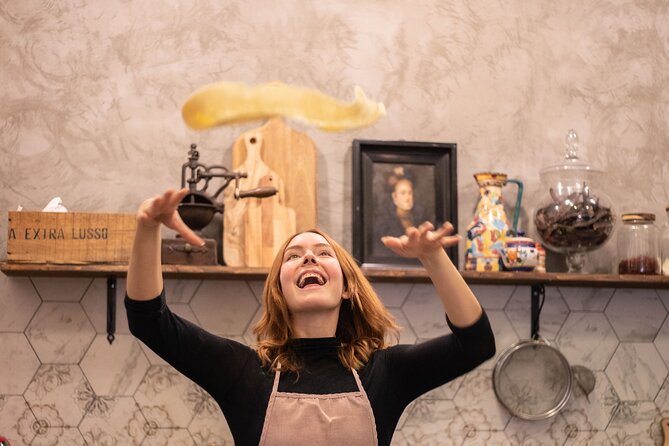
On average, this kind of workshop gets booked about 40 days in advance, and it’s small by design. If you want a specific date, booking earlier helps. A late request can work sometimes, but for this one, I’d rather you have a plan than hope.
Also check timing relative to your other schedule. Since it’s about 2 hours, it’s best as an evening anchor, after you’ve done your walking for the day but before you’re ready to collapse in a chair for good.
Should You Book Holy Pizza? (My practical take)
Book it if you want a hands-on Rome food experience that teaches you real technique, not just a pretty dinner story. The combo of Roman pizza dough from scratch plus gelato making is what makes it memorable, and the small group size helps you actually participate.
Skip or rethink it if you’re hoping for a casual show-and-taste activity. This class is about doing, mixing, shaping, and baking, and it moves at a working pace. Also, it is a splurge at $102.25, so I’d only book if you’re excited to bring the method home.
If you fit those two boxes, you’ll likely leave smiling, full, and with recipes you can use when Rome becomes a memory.
FAQ
How long is the pizza and gelato making experience?
It lasts about 2 hours (approx.).
What is the group size?
The experience has a maximum of 8 travelers.
Is the class taught in English?
Yes, it is offered in English.
Where does the class meet, and where does it end?
It meets at Via Simone de Saint Bon, 57, 00195 Roma RM, Italy and ends back at the meeting point.
What’s included in the class?
You’ll make Roman pizza and strawberry gelato, and you’ll also have antipasto plus a glass of wine or beer. You leave with the recipes.
Is it family-friendly?
Yes. The workshop is described as family-friendly and suitable for everyone, including kids.
What is the cancellation policy?
You can cancel for a full refund up to 24 hours in advance. If you cancel less than 24 hours before the start time, the amount paid is not refunded.
More Wine Tours in Rome



More Tour Reviews in Rome



Not for you? Here's more nearby things to do in Rome we have reviewed










Vatican Tours, compared.
 ★ 4.5Vatican: Museums & Sistine Chapel Entrance TicketFrom $38144,003 reviews
 ★ 4.3Vatican Museums & Sistine Chapel Tour with Optional BasilicaFrom $7967,413 reviews
 ★ 4.5Vatican Museums, Sistine Chapel & St Peter’s Basilica Guided TourFrom $2239,149 reviews
 ★ 4.3Vatican Museums, Sistine Chapel & Basilica TourFrom $13013,872 reviews
 ★ 4.4Vatican Museums & Sistine Chapel Skip-the-Line Entry TicketFrom $4313,838 reviews
★ 4.7Vatican Museums, Sistine Chapel & Basilica TourFrom $7213,217 reviews
★ 4.4Vatican Museums & Sistine Chapel Skip-the-Line Entry TicketFrom $4313,838 reviews
★ 4.7Vatican Museums, Sistine Chapel & Basilica TourFrom $7213,217 reviews
 ★ 4.5Skip-the-Line Group Tour of the Vatican, Sistine Chapel & St. Peter’s BasilicaFrom $3012,779 reviews
Vatican Museums & Sistine Chapel Guided TourFrom $11812,117 reviews
★ 4.5Skip-the-Line Group Tour of the Vatican, Sistine Chapel & St. Peter’s BasilicaFrom $3012,779 reviews
Vatican Museums & Sistine Chapel Guided TourFrom $11812,117 reviews
Browse the lists this tour appears in