
Reviewed · TREVI FOUNTAIN & PIAZZAS TOURS
Gelato and Fettuccine Pasta Cooking Class in Rome Piazza Navona
Piazza Navona turns a cooking class into a sightseeing win. You’ll learn how to make gelato and shape fettuccine in a central, historic spot, then sit down to eat what you made with drinks. Two things I like a lot are the small max-10 group and the fact that you get step-by-step guidance from instructors like Luca, Daniel, Sara, and Simmone. One consideration: the pasta part has a chef-cook step, so if you want to do every bit of cooking yourself, set your expectations accordingly.
If you’re the type who gets more out of a trip by doing than by looking, this fits your style. You start with a welcome Prosecco, then move through gelato prep and fettuccine-making, and finally enjoy the meal at Ristorante Tucci. The setting also helps. While you’re waiting between steps, you are in the middle of Piazza Navona, so you can easily connect the class to your walking route.
One more practical note: the experience isn’t a fit for everyone. It includes eggs in the pasta and milk in the ice cream, so vegans should skip it, and it is not recommended for kids under 6 or for guests with mobility issues.
Key things to know before you go
- Max 10 people means more chances to ask questions and actually practice.
- Prosecco on arrival sets the tone right away, before the work begins.
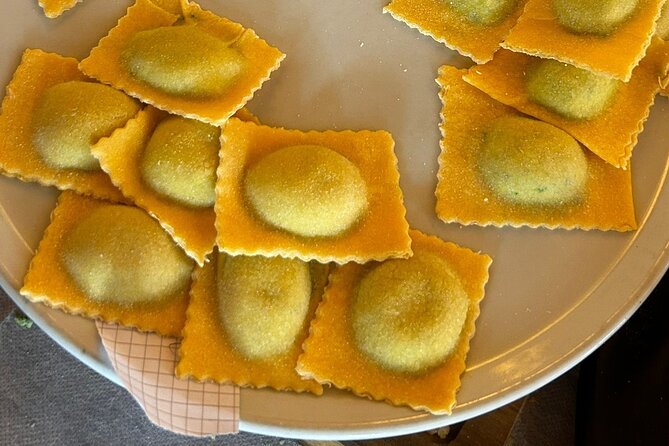
- Pasta sauces are your choice (tomato, pesto, carbonara, or cacio e pepe).
- Chef cooks the pasta after you make it, so you get a real meal without guessing timing.
- Gelato uses a professional machine, but you still do the hands-on mixing steps.
- Piazza Navona location makes it easy to pair with other sights the same day.
Piazza Navona is the best kind of classroom
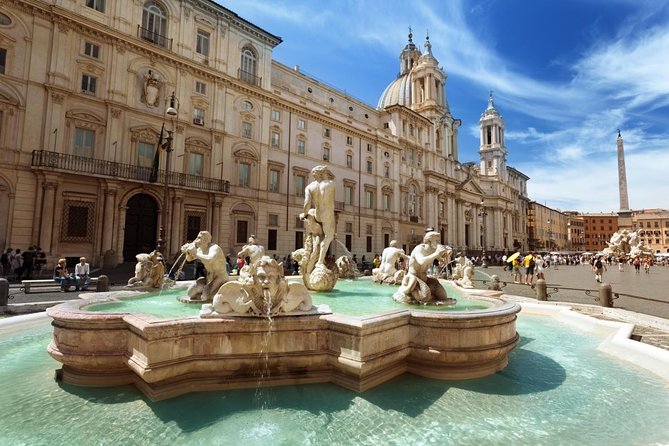
Rome’s food lessons work best when the setting motivates you to pay attention. Here, the meeting point is at TucciPiazza Navona, address 94, 00186 Roma RM. That puts you right on a major postcard square, so the class feels like more than a ticketed activity. It also makes your day simpler, because you can build the rest of your route around a set time.
The timing helps too. You are looking at about 2 hours 30 minutes total, and it ends back where you start. That means you are not burning half a day commuting across town. You’re also told it is near public transportation, so if you are hopping between sights, getting there is usually straightforward.
There’s a real mood benefit from learning in the open, famous square area rather than tucked away in a side street kitchen. You get to watch Rome happen while you wait for the next step. Then, when it’s time to eat, you shift inside to the restaurant setup at Ristorante Tucci.
You can also read our reviews of more cooking classes in Rome

What happens in those 2.5 hours, step by step
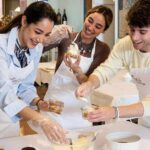
This class runs like a sequence of short, focused stages, not one long lecture. You arrive at the restaurant first, then you are served a welcome glass of Prosecco. That first drink is not just for fun. It signals that you’re supposed to relax, chat, and get ready to work with your hands.
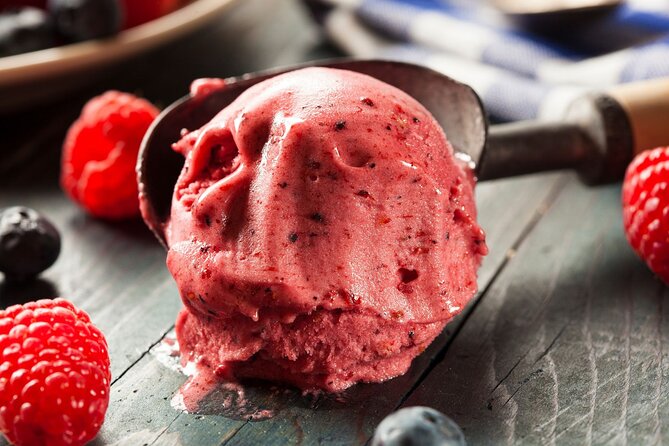
Next comes the gelato stage. You’ll use a recipe obtained from a local Roman artisan gelato shop, and you make it together with the group. After the gelato-making, the pace shifts to pasta prep.
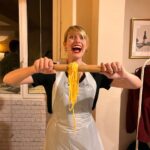
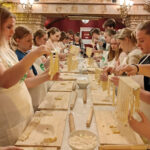
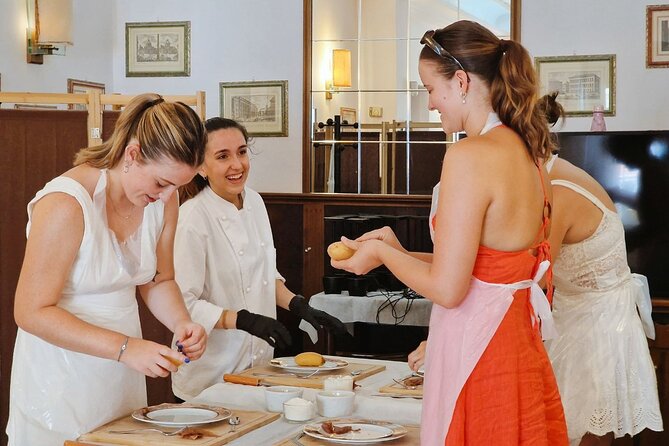
Then you learn how to make fettuccine step by step. You shape the pasta yourself, but you’re not the one controlling the stove. Once your fettuccine is made, it is taken to the restaurant kitchen so the chef can cook it. In the meantime, you sit down at Ristorante Tucci.
That “prep, then sit” rhythm matters. It keeps the class from feeling exhausting, especially if you’re traveling with friends or family. It also helps you enjoy the food instead of just chasing it.
A small-group format makes the transitions feel smoother too. With a maximum of 10 travelers, you’re not waiting in a long line for every instruction. You can actually follow along and get personal pointers.
Gelato workshop: what’s hands-on and what’s done with the machine
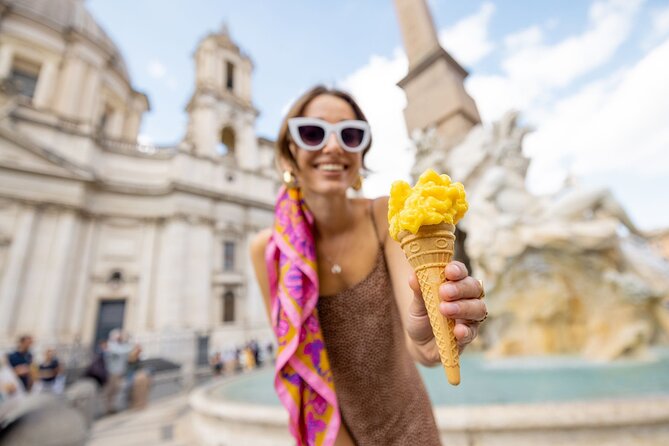
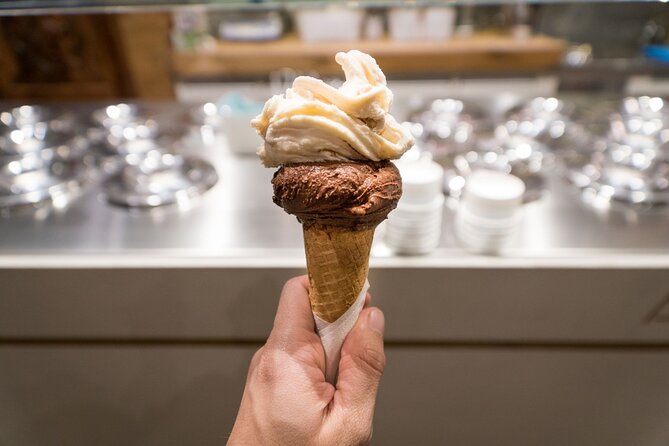
Italian gelato is one of those desserts people either love already or fall for instantly. In this class, you learn the process with a professional gelato setup. The hands-on part is the mixing and preparation steps, and the gelato machine is used for the final transformation into that creamy texture you want.
The practical value here is how the process feels in real time. You are not just watching. You’re participating in the steps that turn ingredients into a finished frozen dessert. That matters because gelato has a specific texture, and it’s not always obvious why it comes out right.
You’ll also taste what your group made as part of the meal. That is a big deal, because it gives you a “result to match the method” moment. When you understand how something tastes in its finished form, you’re much more likely to remember the key steps later at home.
Two things I take from the class concept:
- A gelato recipe from a local Roman artisan shop is likely to reflect the way people actually eat gelato there, not just a generic version.
- Using a professional machine is a shortcut to consistent texture. If you tried to replicate the exact texture at home with a random setup, you might miss it.
One consideration: if you expected to churn and finish the entire gelato process yourself, you may feel the machine handles more than you do. Some people describe the experience as more of a guided preparation session than a fully self-run gelato operation. Still, you come away with the know-how to repeat the approach.
Fettuccine lessons: rolling tips you’ll actually use later
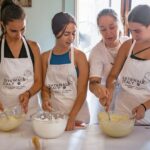
The fettuccine part is where this class feels most useful for at-home cooking. You learn the process from scratch, and you are guided on details that make the difference between dough that behaves and dough that fights you.
From the instructor feedback, one repeated theme is clear, beginner-friendly instruction. Names like Luca, Simone, and Simmone show up with praise for patience and for giving small, workable tricks, like what to watch for when rolling so the dough doesn’t stick.
That’s the kind of information you can’t get from a cookbook alone. Rolling pasta dough is all about feel and consistency. If you only learn the steps but not the “what should it look and feel like” cues, your first attempt at home can turn frustrating fast.
Also, you get real structure. You follow the process step by step, and you finish with dough that’s shaped and ready for cooking. Then the chef cooks it. This is a smart compromise for a vacation class. It reduces the risk of serving undercooked pasta while still giving you the satisfaction of making the noodles.
One more detail that helps: sauce choice. You select one of several options, then your fettuccine gets cooked and served with your chosen sauce.
Sauce options you can pick
You can choose among:
- Tomato sauce
- Pesto
- Carbonara
- Cacio e pepe
That makes the meal more personal, because you can match your sauce to what you actually like eating in Rome. It also means you can take pictures of a finished plate that feels tailored, not random.
A few more Rome tours and experiences worth a look



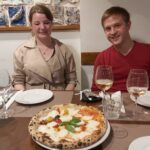
The meal at Ristorante Tucci: bruschetta plus drinks plus your pasta
After the pasta is made, you move to your dining moment. You’ll be seated at Ristorante Tucci while the chef takes care of the final cook. This is the payoff stage, where you stop moving and start eating.
You’re served an appetizer: bruschetta. It’s an easy start that fits the Roman meal vibe. Then you get a glass of wine or beer, by choice. Earlier, you had the welcome Prosecco, so you’re basically getting a mini tasting arc during the experience rather than only one drink.
Then comes the main event. Waiters serve your fettuccine with your selected sauce, cooked in the restaurant kitchen. After that, the gelato made in the class is served.
In some versions of the experience flow, you can also find coffee or tea paired with the gelato. That’s a nice touch for finishing your lunch without needing to make extra plans afterward.
The meal pacing is also worth noting. It’s not just “here’s your food, go.” You’re eating with the group you worked with on the dough and dessert, which makes it more fun and less awkward. It’s also a natural time to ask questions, like what might be easiest to reproduce at home and what ingredient ratios you should pay attention to.
Small-group benefits, and what to expect from the instructors
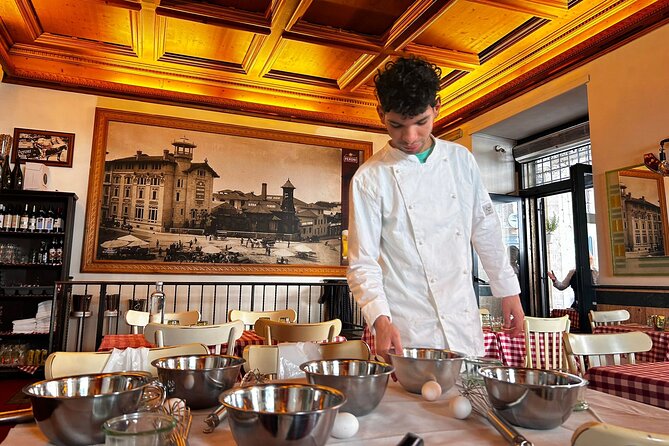
This class is capped at 10 travelers, which is a sweet spot. You get enough people to make the group energy lively, but not so many that you feel ignored.
The instructors are repeatedly praised for being friendly, patient, and clear. You’ll see names like Luca, Daniel, Sara, Simon, and Simmone mentioned in connection with teaching and guidance. People also talk about instructors sharing fun facts and answering questions, including how pasta should look during rolling and how to avoid sticking.
If you’re worried about being a total beginner, that’s part of why the small group matters. More time gets spent correcting your technique in the moment, instead of giving general advice to everyone.
And if you’re traveling with kids or teens old enough for the class, the teaching style tends to help. The feedback includes that the instruction worked well for families with teenagers, and that instructors were patient with children in the class.
That said, the class is not recommended for kids under 6. It’s also not recommended for mobility issues, so if your group has accessibility needs, you should plan ahead.
Price and value: what you’re really paying for
At $69.69 per person, you’re paying for more than the ingredients. You’re paying for instruction, the guided workflow, and the fact that your work turns into a full meal.
Here’s how the value stacks up in practical terms:
- You get Prosecco on arrival plus a glass of wine or beer with your meal.
- You get appetizer bruschetta plus a pasta entrée with sauce choices.
- You get gelato you helped make.
- You get step-by-step technique for both pasta and gelato, plus the chef finishes cooking the pasta for you.
So even if you don’t care about learning, you’re still walking away with a food experience that functions like a lunch with drinks and dessert. If you do care about learning, the “take-home” value is the method, especially for fettuccine dough handling and the gelato mixing approach.
Is it cheaper than eating pasta on your own? Probably not, but that’s not the point. This is more like paying for a structured, guided food memory in one of Rome’s most iconic squares.
Booking early also helps. The class is often booked about 53 days in advance, so if you have a tight schedule, don’t wait.
Who should book this, and who should skip it
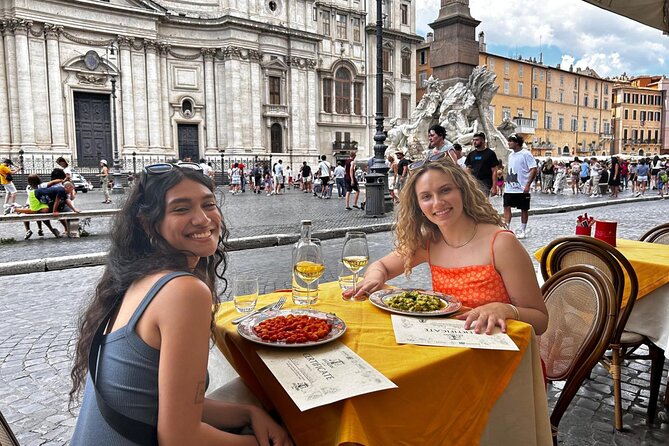
This is a great match if you want:
- A hands-on activity that still includes a sit-down meal
- A central location near Piazza Navona so you don’t waste time commuting
- A small-group setting where you can ask questions
- A class that ends with you eating what you made, not just leaving with a box
It’s also a strong option for friend groups and couples. The feedback often frames it as a fun group plan that works for both relaxed and foodie-minded travelers.
It may not be your best choice if:
- You are strict about vegan food. The pasta has eggs, and the ice cream includes milk, so it’s not recommended for vegans.
- Your group has mobility needs that make kitchen steps or standing difficult.
- You’re traveling with children under 6.
If you are a pasta purist who wants to do every cooking action yourself, remember that the chef cooks the fettuccine after you make it. You’re learning dough work, not running the full stove process.
Practical tips so your class day goes smoothly
A few smart moves will make this class feel effortless.
First, arrive with breathing room. Some people report late starts once or twice. That doesn’t mean it’s the norm, but it does mean you should not schedule another “must-do” appointment right after the class start time. Build in a buffer, especially if you’re visiting major sights nearby.
Second, dress like you plan to work with dough. You don’t need fancy cooking clothes, but you do want to be comfortable enough to handle sticky pasta moments without worrying.
Third, be ready to ask. The instructors are praised for answering questions. If you’re unsure about thickness, rolling, or how to avoid sticking, ask early, not after your dough has already dried out.
Fourth, go in with an open mind about the gelato machine. Even if you only control part of the process, you’ll still learn the method that matters. And you’ll taste the result in the same sitting.
Finally, plan your rest of day around Piazza Navona. Since the class starts there and ends back there, you can pair it with walking time, photo stops, and a low-stress next meal plan.
Should you book this Rome gelato and fettuccine class?
I’d book it if you want a fun, practical way to learn Italian food technique without turning your vacation day into a full cooking marathon. The small-group format, the included drinks and meal, and the fact that you make both gelato and fettuccine are a strong combo for value.
Skip it only if vegan needs, mobility concerns, or a very young child makes the experience unsuitable. Also skip it if you want a class where you do every single cooking task yourself, because the pasta is finished by the restaurant kitchen.
If your goal is to leave Rome with real confidence for making pasta dough and a better understanding of how gelato texture is built, this is one of the more satisfying food classes you can add to your itinerary.
FAQ
Where does the class start?
The class starts at TucciPiazza Navona, 94, 00186 Roma RM, Italy.
How long is the experience?
The duration is about 2 hours 30 minutes.
Is the class taught in English?
Yes, the class is offered in English.
What food and drinks are included?
You get a welcome glass of Prosecco on arrival, bruschetta as an appetizer, and a glass of wine or beer with your meal. You also eat the fettuccine (with your chosen sauce) and the gelato you make.
Can I choose the sauce for the fettuccine?
Yes. You can choose tomato sauce, pesto, carbonara, or cacio e pepe.
Is this class suitable for vegans and young children?
It is not recommended for vegans because the pasta includes eggs and the ice cream includes milk. It is also not recommended for kids under 6 years, and it is not recommended for those with mobility issues.
More Workshops & Classes in Rome
More Cooking Classes in Rome
More Tour Reviews in Rome


Not for you? Here's more nearby things to do in Rome we have reviewed









Trevi Fountain & Piazzas Tours, compared.
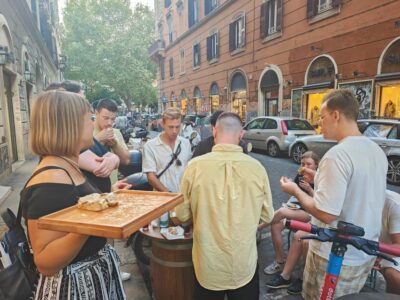 ★ 4.9Trastevere & Campo de Fiori Street Food Walking TourFrom $512,768 reviews
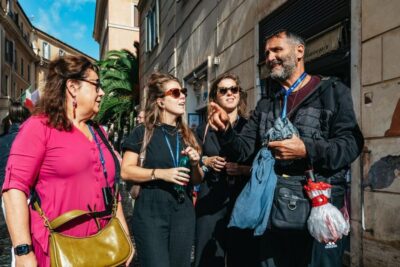 ★ 4.3Trevi Fountain and Underground Guided TourFrom $411,664 reviews
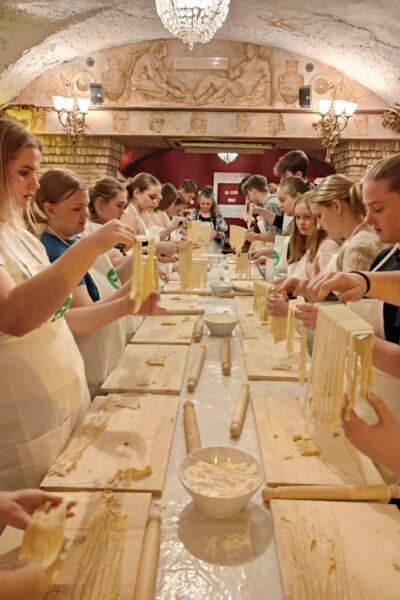 ★ 4.8Pasta & Tiramisu Cooking Class near the Spanish StepsFrom $581,395 reviews
 ★ 4.7Traditional Pizza Cooking Class near Piazza NavonaFrom $461,241 reviews
 ★ 4.7Opera Concert at Palazzo Poli – Fontana di TreviFrom $471,026 reviews
 ★ 4.5Best of Rome Walking Tour including Trevi FountainFrom $4923 reviews
 ★ 4.5Catacombs Tour with Transfer – Optional Capuchin Crypt or TreviFrom $54694 reviews
 ★ 4.5Rome Walking Tour with Piazza Navona, Trevi Fountain and PantheonFrom $35676 reviews
Browse the lists this tour appears in