
Reviewed · COOKING CLASSES
Fettuccine Ravioli and Tiramisu Cooking Class in Rome
Fresh pasta in Rome beats any souvenir. This chef-led hands-on class puts you in the kitchen steps from Piazza Navona, where you make two pasta shapes and a classic tiramisu from scratch.
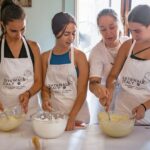
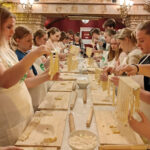
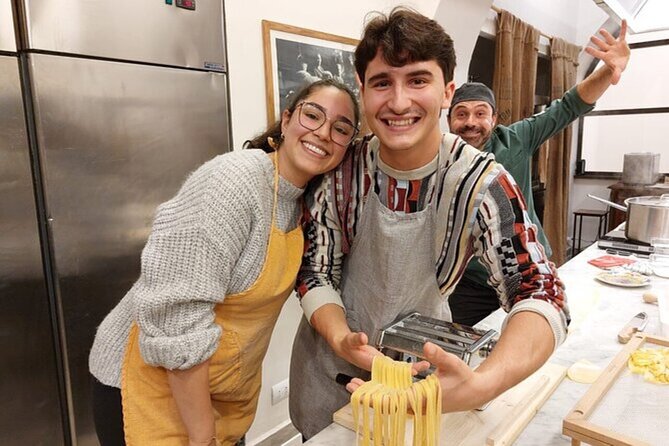
I especially like how practical it is, you roll and shape dough into fettuccine and ravioli, not just watch. I also like the payoff, you finish with the meal you made plus wine, and a final sip of limoncello or coffee.
One thing to consider: the format can mean you do the prep while the chef handles some cooking steps, so don’t expect an all-the-way solo culinary takeover. That said, chefs like Maria and Leo are known for keeping the process approachable and moving.
Key points at a glance
- Center of Rome, near Piazza Navona, so it feels like a real local moment, not a far-off detour
- Two pasta styles plus tiramisu, all made from scratch in one 3-hour session
- Chef instruction in English, with patient, hands-on guidance that helps even first-timers
- Sauce options for fettuccine, including tomato and basil, cacio e pepe, or amatriciana
- Small group size (max 20), which usually means more individual attention
- You eat what you make, paired with Italian wine and a final limoncello or coffee
Why This Pasta and Tiramisu Class Works Near Piazza Navona
This Rome cooking class hits a sweet spot: it’s close to the big sights, but it gives you a break from the walking and the lines. You’re based in the center of town, and the setting is built around making food, tasting, and sharing a table afterward.
What makes it especially compelling is the mix of skill levels. You learn fresh pasta dough basics and you also get a reliable dessert technique for tiramisu. That combination matters because it gives you two kinds of wins: savory confidence and dessert confidence. And because it’s guided by a professional chef, you’re not stuck translating a recipe on your phone while flour goes everywhere.
Also, I like that the class is designed for real travelers. You can show up as a beginner and still leave with something you can recreate at home. Chefs you may see mentioned include Maria, Leo, Lori, Mattia, Dani, Mimi, Carlotta, and Leonardo, and the common thread is keeping the session fun while staying organized.
You can also read our reviews of more cooking classes in Rome
What Happens in the First Hour: Dough, Rolling, and Getting It Right
Your session starts with hands-on instruction at the meeting point on Via Giuseppe Zanardelli, 14 (near public transportation). Once you’re in, the chef sets the rhythm fast, and that’s the part I’d call out if you get nervous about cooking classes. The flow is structured so you always know what’s next.
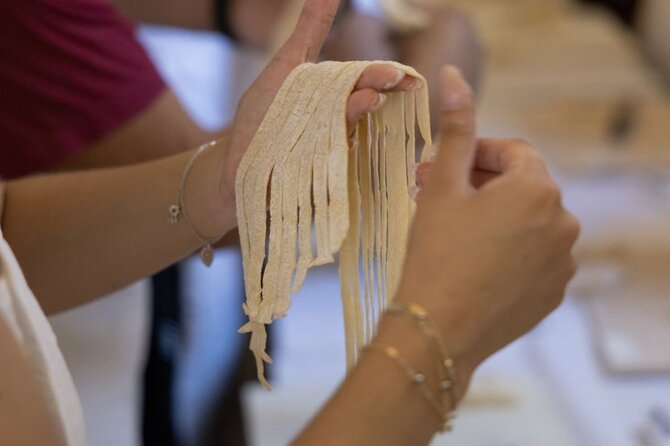
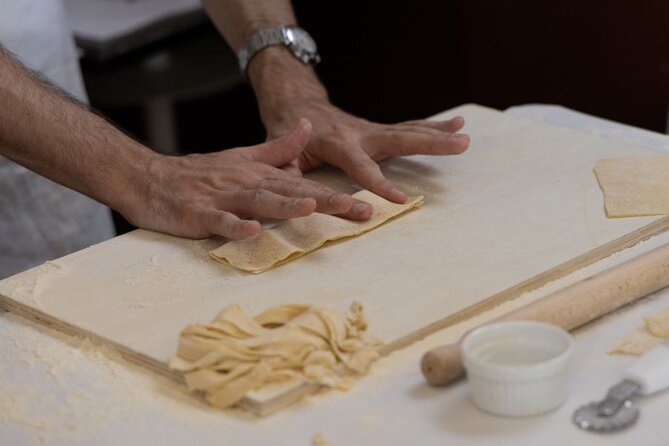
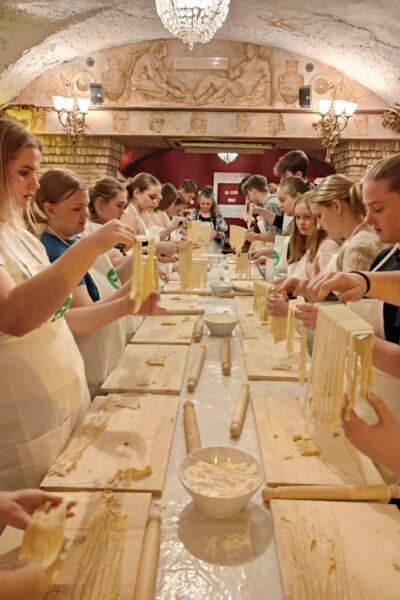
You’ll work with fresh pasta dough, learning how to handle it without overthinking. That matters because fresh egg pasta is not difficult, but it is sensitive to technique. The chefs focus on small fixes that make the biggest difference, like how to work the dough so it stretches cleanly, and how to cut and portion without squishing your results.
Then comes the fun part. You’ll make two kinds of pasta:
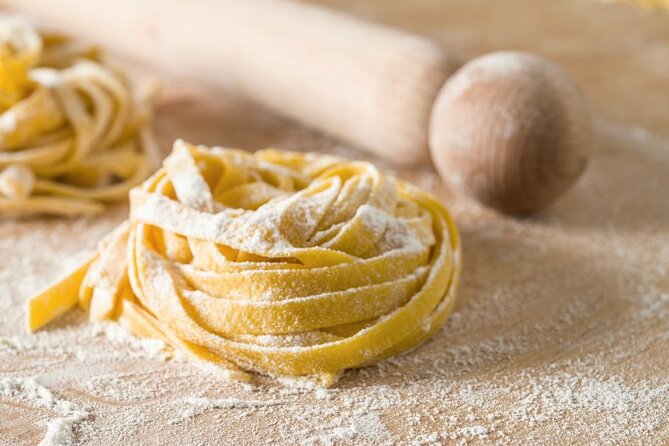
- Fettuccine (rolled and cut)
- Ravioli (rolled and stuffed)
One review detail that’s useful for expectations: many people describe it as you preparing the pasta while the chef coordinates the final cooking. So you’re not stuck watching burners for the whole time, but you also aren’t solely running the stove. It’s a smart compromise for a short, vacation-friendly experience.
Making Fettuccine: More Than Just Noodles
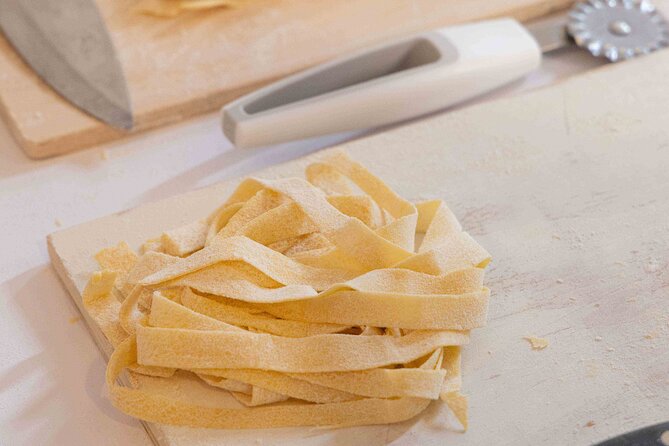
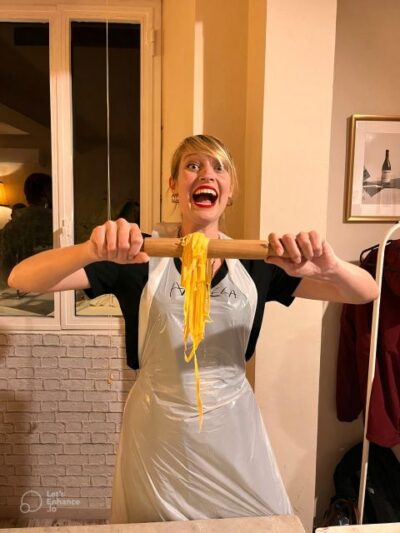
Fettuccine sounds simple until you make it. The class turns that into a teachable moment. You learn how to roll the dough into a sheet, then cut it into fettuccine ribbons that look right and feel right when cooked.
What you’ll really remember is how the dough behaves once it’s rolled properly. When it’s done well, it cuts cleanly, and it holds together during cooking. When it’s not, you get ragged edges or uneven thickness. The chefs tend to stay close during the rolling and cutting so mistakes become quick corrections, not disasters.
Then you move to sauces. Your fettuccine is served with sauce options such as:
- Tomato and basil
- Cacio e pepe
- Amatriciana
Even if you’re not a sauce person, this helps you build a practical mental map. You learn how one pasta can work with multiple flavors, and you get a clear comparison you can recreate later. Cacio e pepe teaches a simple, cheese-forward approach, while amatriciana gives you a richer tomato and pork profile, and tomato and basil keeps it bright and classic.
Ravioli Time: Stuffing Skills You’ll Actually Use Later
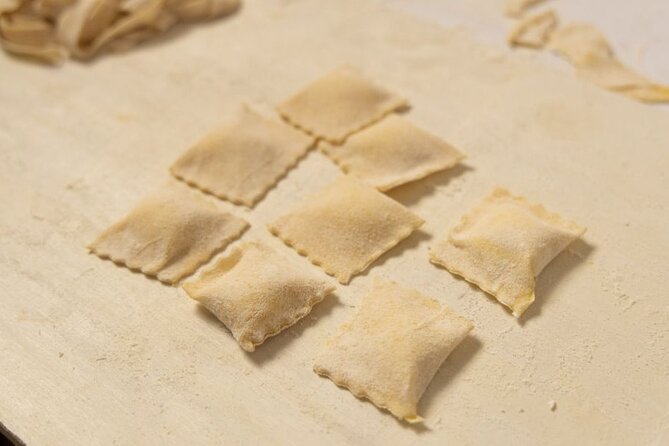
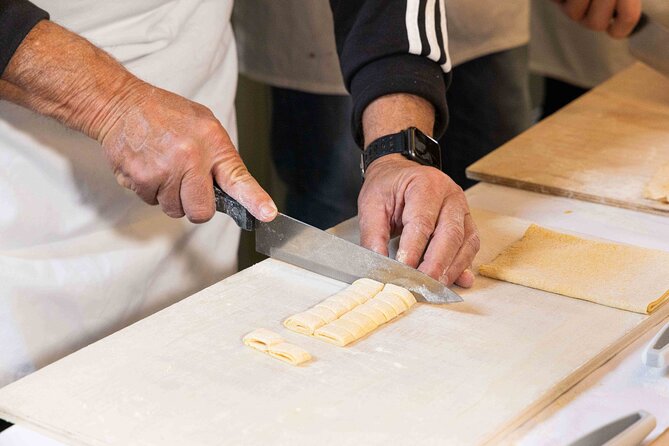
Ravioli is where the class feels most hands-on. You learn how to portion and stuff the dough, then seal so the filling stays inside. That sealing step is the whole game, and it’s also where guidance really pays off.
This is not a pastry class. Ravioli is more about precision and patience than fancy technique. When you get the dough edges aligned and the seal done well, the result looks polished. When it’s uneven, you get leaks or wonky shapes, which is why chefs keep an eye on each station.
This is also one of those activities that works well if you’re traveling with family. Several people mention doing it with kids, and the method is approachable because you’re not just learning to cook, you’re learning to break down the process into repeatable steps.
And yes, you’ll eat the end result. That shared meal is where the work turns into a real memory instead of a classroom exercise.
Tiramisu from Scratch: Mascarpone, Espresso, and Assembly
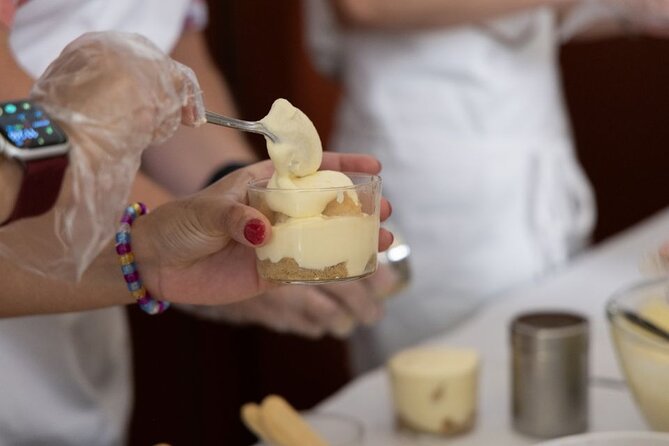
The dessert side is a highlight for many people because it’s classic but not mysterious. You prepare a classic tiramisu with creamy mascarpone and espresso-soaked biscuits. You’ll get steps for assembling it so it sets and tastes right.
A useful way to think about tiramisu is that it’s a texture dessert. The balance you’re aiming for is soft and creamy, not soggy and heavy. That’s why timing matters, even in a short class. The chef’s job is to show you how the espresso-soaked layers should look and feel, and then help you assemble without rushing.
You’ll also end up with tiramisu that’s ready to serve during your meal, which makes it feel like you completed the full cycle of cooking. It’s satisfying because you don’t just practice techniques, you finish with something you can point to and say, I made that.
A few more Rome tours and experiences worth a look



The Meal Finish: Wine, Limoncello or Coffee, and a Table Moment
Once the cooking work is done, you sit down to enjoy what you made. This part matters because it’s the reward and the social piece.
You’re paired with Italian wine and water, and then there’s a final sip of limoncello or coffee. That small finish makes the class feel like a complete Roman meal moment, not a quick workshop and goodbye.
Also pay attention to the group dynamic. The class size is capped at 20 travelers, and multiple people mention it works well even with larger groups because the chefs keep things organized. People also talk about chatting during the meal, which is a nice bonus if you’re traveling solo or want an easy way to meet others without forcing conversation.
If you’re wondering about timing, the experience is listed at about 3 hours, though some groups report it running closer to 2 hours, depending on group size. Either way, it’s long enough to learn and eat, without chewing up your entire afternoon.
Learning From Real Chef Styles: Maria, Leo, Lori, and Leonardo
Chefs can make or break a cooking class. Here, the names that pop up repeatedly are Maria, Leo, Lori, Mattia, Dani, Mimi, Carlotta, and Leonardo, and they’re consistently described with the same vibe: patient, upbeat, and hands-on.
What I like about this kind of instruction is that it turns cooking mistakes into normal steps. Pasta dough tears happen, ravioli sealing takes practice, and tiramisu assembly has a learning curve. A good chef doesn’t make you feel behind, they redirect you and keep the pace moving.
You’ll probably also notice that chefs tailor the flow to your group. One helpful detail from the class format is that even when English is the primary language, instructors tend to keep things clear for everyone in the room. That’s important if you’re not confident with cooking terminology, or if you’re traveling with someone who speaks a different language.
Price and Value: Is $84.69 Worth It in Rome?
At $84.69 per person for around 3 hours, this isn’t the cheapest thing on your Rome list. But it’s also not just a meal ticket.
You’re paying for:
- A professional chef-led, hands-on class
- Fresh pasta production for fettuccine and ravioli
- Tiramisu made from scratch
- A sit-down meal with wine and water
- A final limoncello or coffee
That’s a lot of content for one afternoon. The biggest value signal is that you leave with skills, not only food. Even if you don’t cook often at home, the class teaches a workflow: dough, rolling, cutting or stuffing, then classic dessert assembly. Several people also mention getting recipes afterward, which is a practical souvenir. Recipes matter because they convert the experience into something you can actually repeat, instead of relying on memory.
So if you’re the type of traveler who likes doing one or two hands-on activities that feel local, this price can be fair. If you only want to eat and skip the work, you might decide it’s more than you need.
Who Should Book This Class (and Who Might Skip It)
This class is a strong fit if you want an authentic Rome experience that’s not stuck behind glass. It’s also a great match if you like structured, friendly learning.
You’ll likely enjoy it if:
- You’re a beginner who wants clear guidance (not intimidation)
- You travel with family or kids who can participate in cutting, rolling, or stuffing
- You want an activity near major sights so you can add it to a busy itinerary
- You want a dinner-type experience without the guesswork of choosing a restaurant for a full meal
You might skip it if:
- You hate hands-on cooking classes or you strongly prefer watching instead of doing
- You’re looking for a long, deep training session that runs much longer than 3 hours
- You expect to do everything on the stove by yourself, because the chef coordinates final cooking steps
Getting There and What to Bring
The meeting address is Via Giuseppe Zanardelli, 14, 00186 Roma RM. It’s near public transportation, which is handy because central Rome streets can be slow on foot.
What to bring is simple: wear comfortable clothes you don’t mind getting a little flour dust on them. If you’re juggling multiple plans that day, give yourself a small buffer so you can arrive calm and start cooking on time. One tip that’s worth repeating: if your booking email includes more than one meeting detail, follow the Via Giuseppe Zanardelli address to avoid confusion.
Should You Book This Rome Cooking Class?
I think this is a smart booking for most visitors who want a real Rome food experience that doesn’t require prior cooking knowledge. The combination of fresh fettuccine, homemade ravioli, and classic tiramisu, plus wine and a sit-down meal, gives you a lot of value packed into a short afternoon.
Book it if you want a hands-on activity near Piazza Navona, you like learning by doing, and you want something you can bring home as recipes and technique. Skip it if you’re only in Rome for a quick bite and you’d rather spend your time on another type of attraction.
If you want to turn time in Rome into a skill, not just photos, this class is one of the easier ways to do it.
FAQ
How long is the cooking class?
The experience runs for about 3 hours.
Where does the class start?
It starts at Via Giuseppe Zanardelli, 14, 00186 Roma RM, Italy, and ends back at the meeting point.
Is the class offered in English?
Yes, it is offered in English.
What will I learn to make?
You’ll prepare fresh fettuccine and ravioli, and make a classic tiramisu from scratch.
What sauces are included for the fettuccine?
The fettuccine is served with sauce options such as tomato and basil, cacio e pepe, or amatriciana.
Is the meal included?
Yes. After cooking, you’ll enjoy what you made along with Italian wine, water, and a final sip of limoncello or coffee.
How large is the group?
The class has a maximum of 20 travelers.
Do I need to bring a paper ticket?
No. It uses a mobile ticket.
Is free cancellation available?
Yes. You can cancel up to 24 hours in advance for a full refund.
FAQ
Can I cancel less than 24 hours before?
If you cancel less than 24 hours before the experience starts, the amount you paid will not be refunded.
Do I get anything to take home?
Many people mention receiving recipes after the class, so you can recreate the dishes later.
More Workshops & Classes in Rome
More Cooking Classes in Rome
More Tour Reviews in Rome




Not for you? Here's more nearby things to do in Rome we have reviewed









Cooking Classes, compared.
 ★ 4.9Pasta Making Class with Wine, Limoncello, and DessertFrom $483,177 reviews
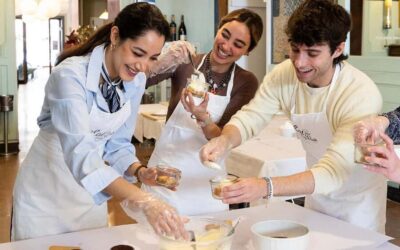 ★ 4.93-in-1 Fettuccine, Ravioli, and Tiramisu Cooking ClassFrom $812,704 reviews
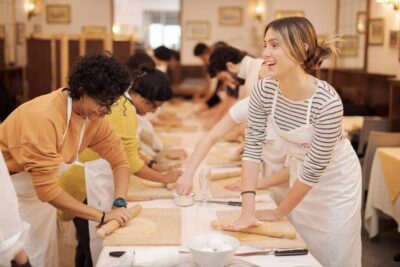 ★ 4.8Fettuccine Pasta Cooking Class in Rome’s City CenterFrom $462,414 reviews
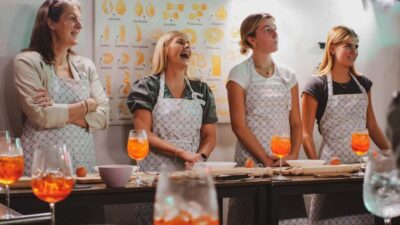 ★ 5.0Traditional Pasta with Cocktails Cooking ClassFrom $1002,374 reviews
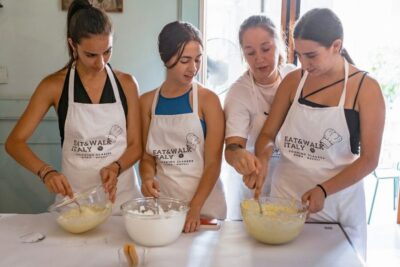 ★ 4.8Fettuccine and Tiramisu Cooking Class with WineFrom $672,013 reviews
 ★ 4.8Pasta & Tiramisu Cooking Class near the Spanish StepsFrom $581,395 reviews
 ★ 4.7Traditional Pizza Cooking Class near Piazza NavonaFrom $461,241 reviews
 ★ 4.9Pasta Making with Wine Tasting and Dinner in FrascatiFrom $35979 reviews
Browse the lists this tour appears in