
Reviewed · WORKSHOPS
Farmers Market Shopping with Roman Full Course Class – (SHARED)
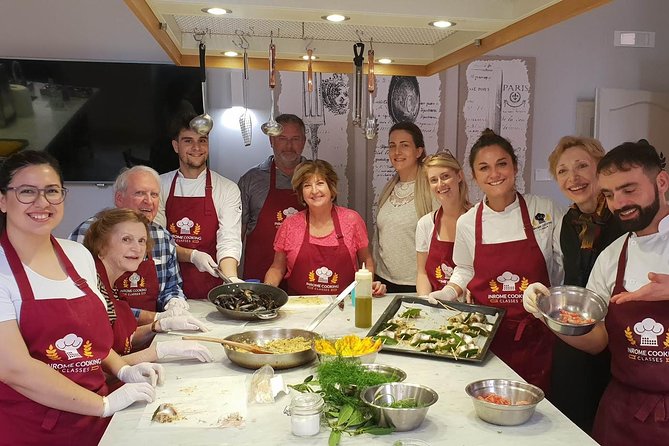
Shopping for dinner starts in the market. You begin at Campo de’ Fiori, pick ingredients with your chef, then move to a 17th-century palace kitchen to cook and eat together. I especially like how the menu is shaped by what looks best that morning, so it feels current and local instead of canned.
Second, I love the small group size, capped at 8. That means you get hands-on time and real back-and-forth with the instructor, with names like Davide and Roberto often popping up in standout sessions. One thing to consider: there is no hotel pickup, so you’ll want to plan an easy walk or short ride to the meeting point in the piazza.
Key things to know before you go
- Campo de’ Fiori market shopping sets your menu for the day, based on what you choose
- Small-group class (max 8) means more one-on-one coaching while you cook
- Antipasti and prosecco reception help kick off the morning before you start working
- Hands-on cooking covers pasta, a main course, sides, and a dessert
- Vegetarian option available, but you need to request it during booking
- No hotel pickup, so you meet at the piazza (close to public transport)
Campo de’ Fiori Shopping That Actually Changes Your Menu
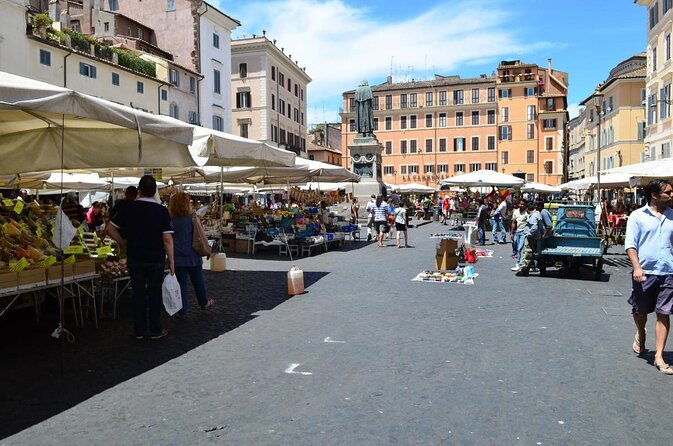
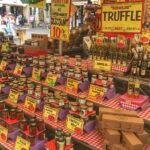
If you only do one cooking class in Rome, this is the kind that makes sense. You start at Campo de’ Fiori, one of the most famous market areas in the city, and the real point is simple: the ingredients you buy become the dishes you cook.
This is not a class where everyone makes the same plate no matter what. Instead, your chef sources fresh produce with you, then you use those items in the kitchen right after. That makes the experience feel less like a performance and more like a practical lesson in Italian shopping and cooking habits.
Also, the timing matters. Starting around 9:00 AM means you’re shopping while the market has momentum, then you head straight to the kitchen so the whole day stays smooth. You’re not waiting around, and you end up eating what you made sooner rather than later.
You can also read our reviews of more shopping tours in Rome
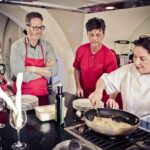
Meeting at the Piazza, Then Cooking in a 17th-Century Palace Kitchen
The flow is well paced: market first, then a short walk to the cooking school. Your group is small, the instruction is in English, and you’re greeted with an antipasti and prosecco reception before hands-on cooking begins.
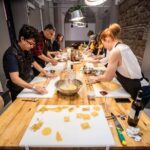
What I like here is how the setting supports the learning. The kitchen is set up so multiple people can work at once, which makes a difference when you want to do more than watch. With a maximum of 8 people, it stays controlled, and you’re more likely to get help when you need it, especially when you’re tackling fresh pasta and the finer steps that make it taste right.
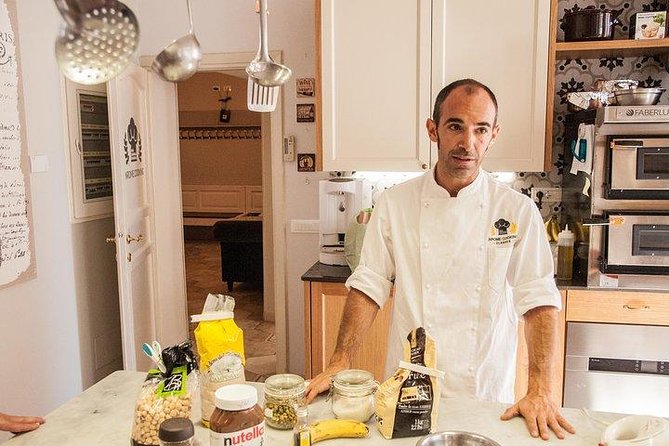
You’ll also notice that the chefs have personality. In strong sessions, instructors like Davide and Roberto are described as fun, easy to understand, and focused on making the class enjoyable. That matters because some people book cooking classes hoping for food, then realize they also want the experience to feel relaxed and human.
Market Shopping Basics: What You Do, What You Learn
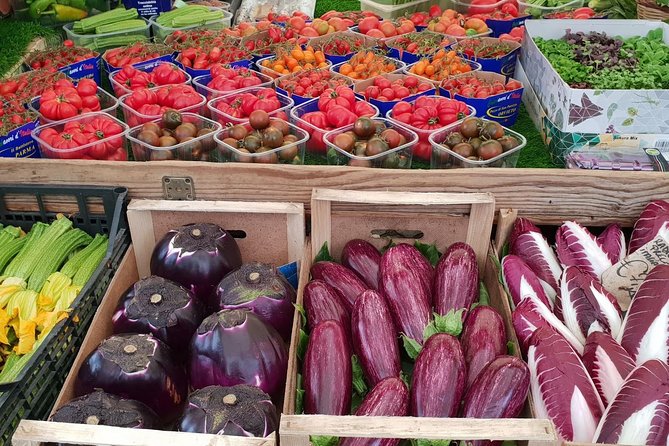
At the market, you’re not just wandering and taking pictures. You’re shopping with purpose, and your chef guides what to buy and why. Depending on the day, the shopping list can include produce like vegetables and herbs, plus choices that connect directly to Roman cooking.
One detail that comes up in excellent sessions is that the chef may begin with key stops like produce and even a butcher. That helps you understand how Italians plan meals around ingredients, not around a recipe card.
You’ll also feel the difference between a top-down lesson and a collaborative one. Some instructors ask what you want to learn, then steer the plan to match the group’s interests. So if you want to focus on pasta techniques, sauce decisions, or dessert skills, you have a better chance of getting what you came for.
A practical tip for your shopping time
You’ll get more out of the market if you come with at least a few questions. For example:
- Which ingredient should I prioritize first?
- What changes the flavor the most?
- How do you pick produce that actually tastes good in Rome?
Even if you don’t ask a lot, watching how your chef compares options helps you shop smarter when you’re on your own later.
Antipasti, Prosecco, and the Hands-On Kitchen Reality
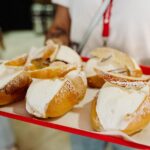
Before you cook, you get a reception with antipasti and prosecco. After that, the hands-on part starts, with you working through the course sequence as a team.
This is where the small-group size really pays off. When there are only a few people, you’re not stuck waiting for tools, waiting for a turn, or guessing what your step should be. You can actually practice, and that’s the fastest way to learn.
The kitchen itself is in an old building, described as a former private apartment space. That detail matters because it changes the vibe from modern demo kitchen to something more lived-in and personal. You don’t feel like you’re at a factory. You feel like you’re in someone’s carefully organized workspace.
One more plus, if you travel in peak seasons: in at least one case, the market had issues during August. The instructor adjusted on the spot, arranging a cab and making a shopping stop elsewhere, then still took the group back to the school to continue the class. That’s a good sign of how the operation handles real-life Rome problems, not just ideal conditions.
A few more Rome tours and experiences worth a look

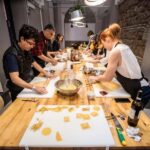
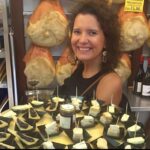
The Roman Full-Course Menu, and What You Might Cook
The structure is built around a full meal, typically:
- Starter (primi piatti), often fresh pasta
- Main course (secondi piatti), meat, chicken, or fish
- Side dish (contorni), often roasted vegetables
- Dessert (dolce), like tiramisù or panna cotta
In some sessions, the class expands based on what was bought at the market. You might see dishes like:
- pasta formats such as cavatelli or mini calzoni
- ossobuco-style meat preparations
- ravioli made with ingredients like broccoletti and ricotta
- artichoke-focused lessons, including multiple types of artichokes
- semifreddo variations, including vanilla and lemon, and even vanilla ice cream
That variety is a feature, not a bug. It means you’re learning principles you can reuse, like how pasta dough behaves, how filling textures should feel, and how dessert outcomes depend on technique. If you’re hoping to take home one or two solid skills and reproduce them later, this format is a strong fit.
Vegetarian option
A vegetarian option is available, but you need to request it when you book. That’s important because the menu depends on market purchases, so it’s not something you want to figure out last minute.
Food and Drink Included: What You Get at the Table
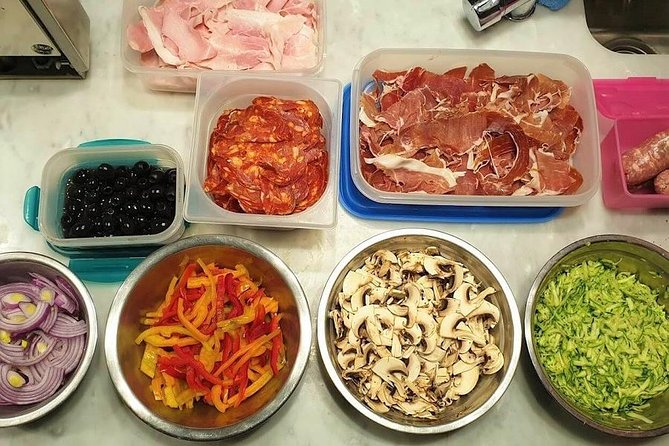
You’ll eat what you cook. The class includes lunch or dinner, plus snacks and drinks throughout.
Included typically covers:
- antipasti and prosecco at the start
- wine or beer with your lunch or dinner
- soft drinks
- coffee and/or tea
This is part of the value. Cooking classes can be expensive when they give you a snack and a rushed bite at the end. Here, the meal is treated like a real meal, and the tastings and drinks keep the energy up while you work.
Also, don’t underestimate the mental reset of sitting down together after cooking. It turns the day into a full experience, not a chore. You get that Rome rhythm where you cook, then you slow down and eat.
Price and Value: Is $216.04 Worth It?
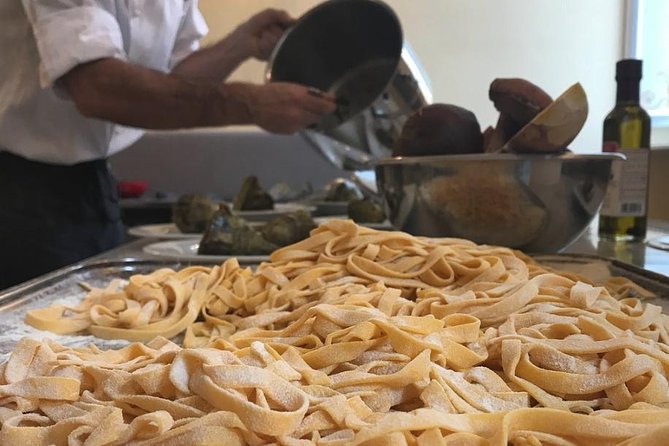
At $216.04 per person for about 4 hours 30 minutes, this is not a budget activity. But it’s also not paying for a single pot-and-pan demo. You’re paying for a structured market experience, instruction, ingredients that become your meal, a real sit-down lunch or dinner, and drinks like prosecco plus wine or beer with the meal.
Where the value gets strongest is the small-group model. With a max of 8 people, you get practical time with the chef. That is what turns the class into something you can repeat at home, rather than a one-time novelty.
The other value angle is that you’re getting the Roman market-to-plate workflow. It’s an authentic way to understand how people in Rome build meals, starting with the market. If you like food travel that goes beyond eating, this pricing can feel fair.
What’s not included is hotel pickup and drop-off. So you’ll want to factor in your own transport to the meeting point.
Who This Works Best For, and Who Might Feel Restless
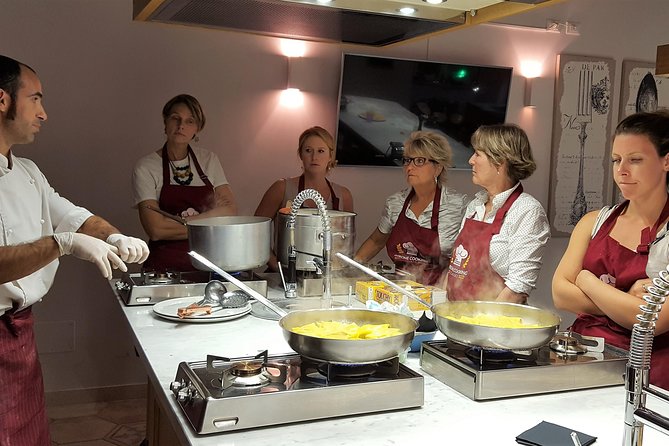
This class fits best if you want real cooking time, not just watching. People who enjoy pasta, sauces, and dessert typically love the hands-on pacing, especially the parts involving fresh pasta and a dessert like tiramisù or panna cotta.
It’s also a good match for families, as long as kids are accompanied by an adult. There are examples of a 9-year-old enjoying pasta making, and the class concept is hands-on enough to work for older teens too.
If you cook at home, you may still learn new techniques. One strong theme in positive comments is that instructors explain details clearly, and the class is not overly basic for experienced home cooks.
The one group that might feel a bit restless is someone who wants a sightseeing-heavy Rome day. This is a food-first experience, centered on market shopping and cooking, so it’s not designed to stack in major monuments along the way.
Practical Tips So You Enjoy Every Minute
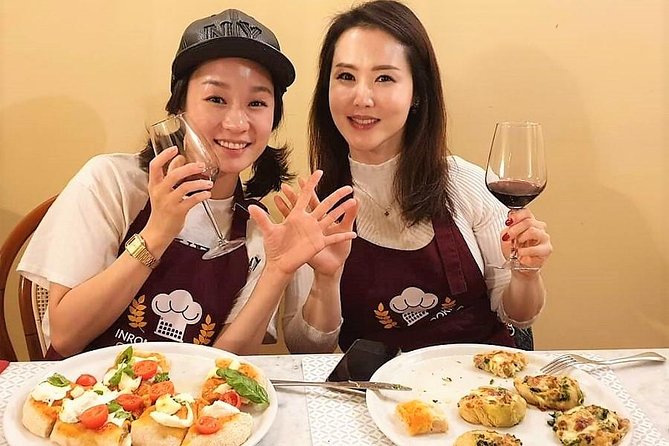
You’re starting in a piazza and doing market walking, then switching to cooking. So plan your day like a half-day food mission.
- Wear shoes you can stand in. You’ll do some walking before you even reach the kitchen.
- Come hungry, but not frantic. Antipasti and drinks begin early, then the full meal follows.
- If you have allergies or dietary restrictions, say it during booking. The class offers a vegetarian option, but only if you communicate ahead of time.
- Ask your chef early what you want to focus on. Some instructors tailor the plan based on what the group wants to learn.
- Expect the menu to shift with market finds. That flexibility is part of the point.
And yes, if you’re hoping to recreate the meal later, the format is designed for that. Fresh pasta techniques and dessert steps are the kind of skills you can practice at home with similar ingredients.
Should You Book This Roman Full-Course Cooking Class?
I’d book it if you want a Rome experience that feels practical and local, not just another dinner out. The best reason is the combo: Campo de’ Fiori shopping plus a hands-on kitchen lesson plus a full meal with drinks, all in a small group.
Skip it only if you need hotel pickup, you dislike market walking, or you’d rather spend your limited time on monuments and neighborhoods. This is a food day, and it does food well.
If your goal is to learn real techniques you can bring home, then you’re in the right place.
FAQ
Where is the meeting point for this class?
You meet at P.za Campo de’ Fiori, 55-52, 00186 Roma RM, Italy.
What time does the experience start?
The start time is 9:00 AM.
How long is the cooking class?
It lasts about 4 hours 30 minutes.
Is this a small-group experience?
Yes. The class has a maximum of 8 travelers.
What meal is included?
You’ll have lunch or dinner, depending on the schedule, and the course structure is a full Roman meal (starter, main, side, and dessert).
What drinks are included?
You get a prosecco reception with antipasti, plus wine or beer with lunch or dinner. Soft drinks are also included.
Can I request a vegetarian option?
Yes, a vegetarian option is available. You need to request it at the time of booking.
Is hotel pickup included?
No. Hotel pickup and drop-off are not included.
Is the class offered in English?
Yes. It is offered in English.
What if I need to cancel?
You can cancel up to 24 hours in advance for a full refund. Changes made within 24 hours of the start time are not accepted, and the tour may be canceled if minimum numbers are not met, with an alternative date or a full refund offered.
More Markets in Rome
More Shopping Tours in Rome
More Tour Reviews in Rome






Not for you? Here's more nearby things to do in Rome we have reviewed












Workshops, compared.
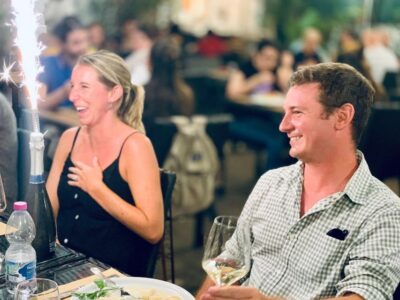 ★ 4.9Pasta & Tiramisu Class with Fine Wine by the VaticanFrom $414,852 reviews
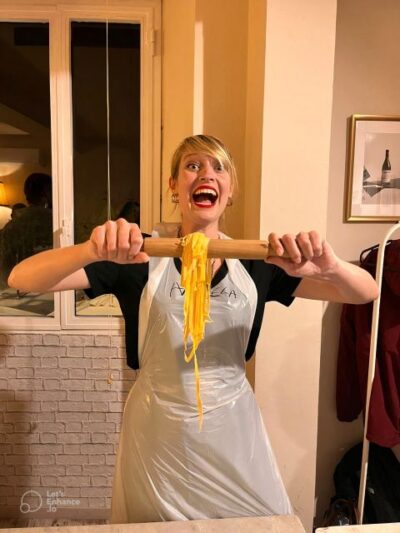 ★ 4.9Pasta Making Class with Wine, Limoncello, and DessertFrom $483,177 reviews
 ★ 4.93-in-1 Fettuccine, Ravioli, and Tiramisu Cooking ClassFrom $812,704 reviews
 ★ 4.8Fettuccine Pasta Cooking Class in Rome’s City CenterFrom $462,414 reviews
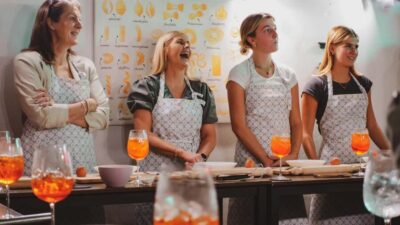 ★ 5.0Traditional Pasta with Cocktails Cooking ClassFrom $1002,374 reviews
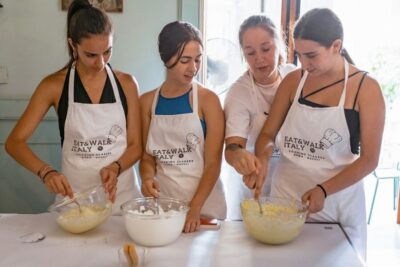 ★ 4.8Fettuccine and Tiramisu Cooking Class with WineFrom $672,013 reviews
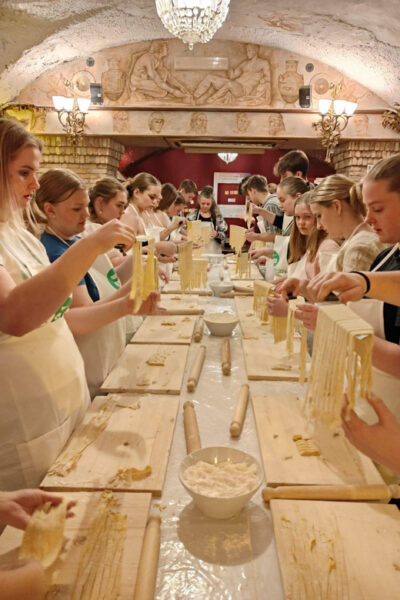 ★ 4.8Pasta & Tiramisu Cooking Class near the Spanish StepsFrom $581,395 reviews
 ★ 4.7Traditional Pizza Cooking Class near Piazza NavonaFrom $461,241 reviews
Browse the lists this tour appears in