
Reviewed · COOKING CLASSES
Cooking Class in Rome: Chef in a Day
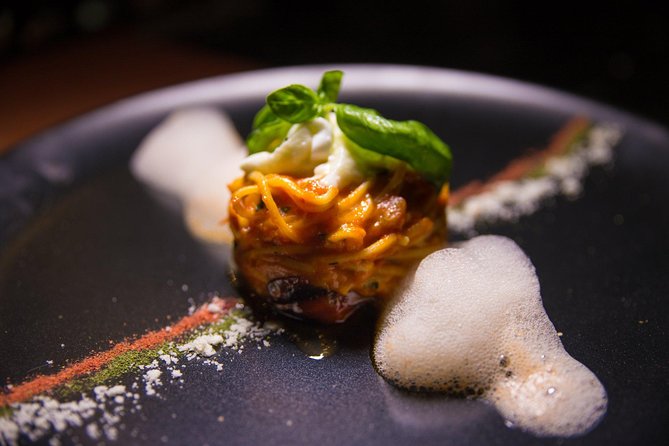
One market stop and you’re already hungry. This class in Rome is built around hands-on pasta making with a pro chef, starting at Piazza Farnese and continuing through the Campo de’ Fiori market and into a Trastevere kitchen. I especially liked the way you learn fresh pasta technique step-by-step, and the meal at the end is built from what you cooked. The only real drawback to plan for is time on your feet, plus walking between meeting points, since transport is not included.
Because menus change seasonally, the exact dishes will vary, but you can count on the core structure: shopping for ingredients, making three pasta varieties and sauces, then sitting down for lunch with wine. Group size is small (max 11), which helps you get personal attention, but you should still expect the pace to be active, not a slow food stroll.
Key Highlights You Should Care About
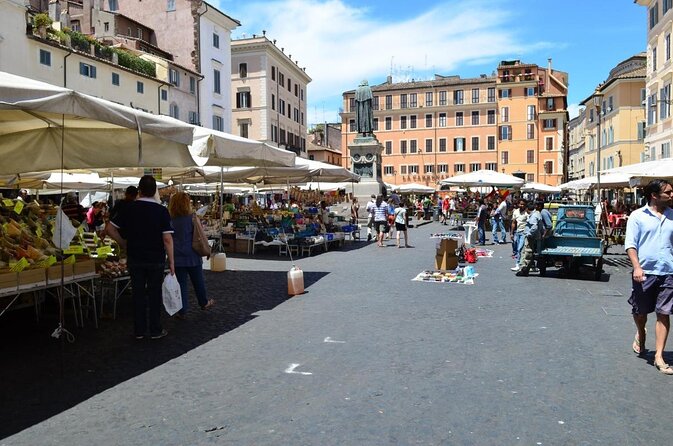
- Market shopping with purpose, including herbs, spices, cheeses, and meat you choose for the menu
- Three different pastas, typically including a stuffed pasta plus a long and a short-medium shape
- Sauce training you can repeat, not just a single recipe, with tips on timing and technique
- A real sit-down lunch with wine, where you eat what you made
- Recipes sent by email after the class, so your results can last past vacation
Piazza Farnese Check-In, Menu Talk, And How The Morning Flows
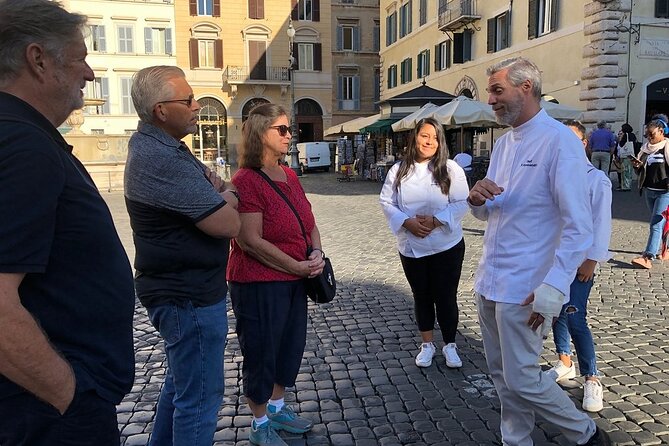
Your day starts at Piazza Farnese at 9:30 am. You meet your guide, who is also a professional chef, and you go over what you’ll be cooking. That short menu chat matters more than it sounds. When you know what’s coming, the market shopping becomes practical instead of just sightseeing.
This is also where the class sets expectations: you’re not there to watch from a chair. It’s 100% hands-on, and the teaching is tied to what you’re doing in real time, from chopping and prep to dough handling and sauce building. I like that the pacing is organized around the menu, not around a scripted demo.
One practical note for your comfort: you’ll spend a chunk of the morning upright and working at counters. I’d wear shoes you’d happily walk in for a few hours, and plan for some standing time during rolling, cutting, and waiting for certain components to come together.
You can also read our reviews of more cooking classes in Rome
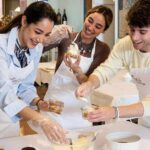
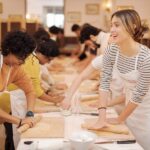
Campo de’ Fiori Market Shopping, Seasonal Choices, And What It Teaches
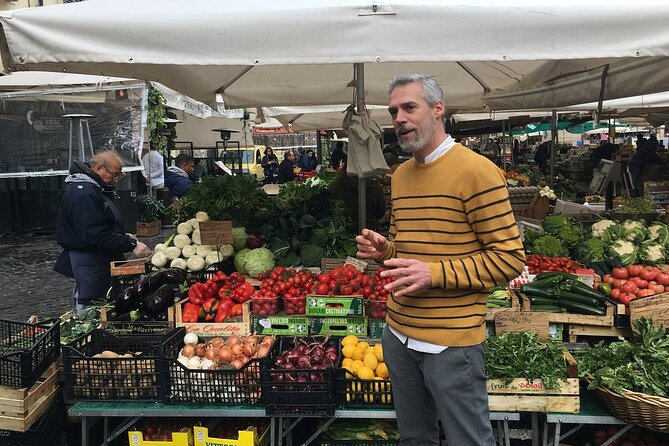
From Piazza Farnese, you head to Campo de’ Fiori to shop for the ingredients. The market is where this class stops being generic. Instead of following ingredients that feel interchangeable, you learn how Italian cooking leans on what’s in season and what looks and smells right.
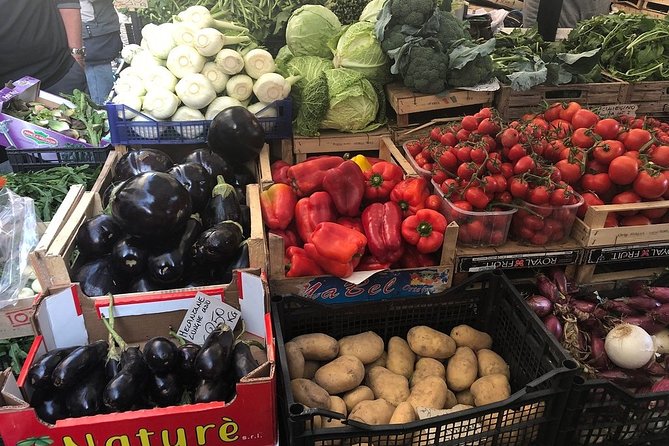
You’ll browse colorful stalls and talk through seasonal produce with your chef. Then comes the key part: you help select not only vegetables and herbs, but also meat, cheeses, and pantry elements that influence flavor. In other words, you’re building the flavor plan yourself. That’s a big reason these classes tend to stick with people long after they leave Rome.
A few teaching moments I’d expect you to pick up here:
- Which produce is best for specific textures in sauces
- How herbs and spices change the direction of a dish
- Why cheese choices matter for both flavor and how sauces bind
You’ll also get a sense of everyday Roman market rhythm. It’s not staged. People are buying lunch, household staples, and ingredients for dinner, right alongside you. That feeling is one of the reasons the class feels like a “day in the kitchen” rather than a tourist performance.
Trastevere Kitchen Time, Apartment Setup, And The Hands-On Pace
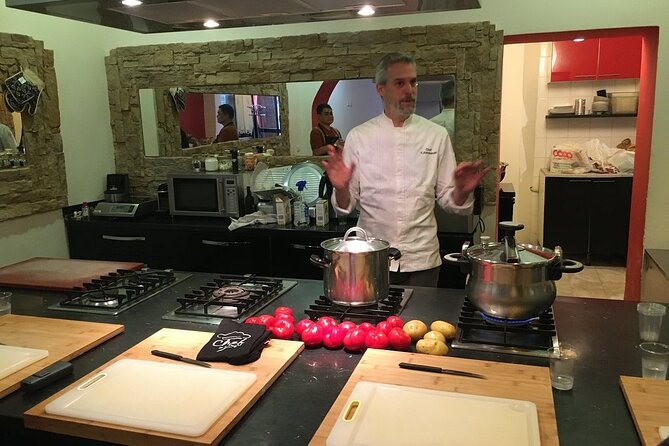
After the market, you move into your cooking space in Trastevere, an open-plan apartment kitchen. This detail is worth knowing up front. Cooking in a home-style setup changes how the class feels. The counters are close, the group works together, and you get pulled into tasks instead of being separated into stations like some cooking schools.
Because the tour is limited to a maximum of 11 travelers, you’re usually close enough to ask questions and get correction. Many people also highlight that instruction is personal and the chefs keep the group moving efficiently. You’ll also likely have an assistant or helper in the mix, which helps prevent the classic problem of everyone waiting while one batch catches up.
Here’s what your “hands-on rhythm” looks like in practice:
- You help chop and prep vegetables
- You blend sauces as you go, so flavor develops while you’re actively making dough
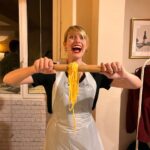
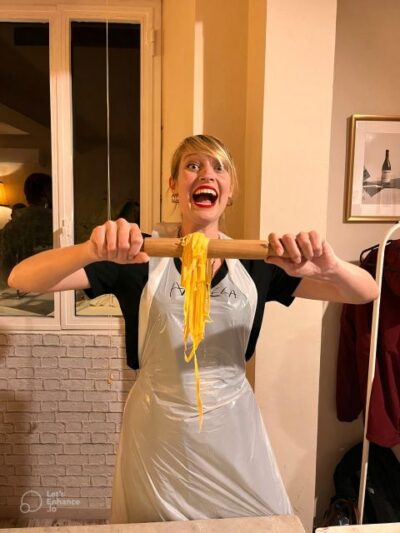
- You form pasta by hand and learn how it should feel
- You plate and present your dishes before lunch
It’s also normal to spend more time standing than you’d expect from a typical “food tour.” Reviews mention several breaks, but the cooking itself is active. If your goal is a seated, relaxing experience, this might not be your best match. If your goal is to learn skills, it’s exactly the right format.
Three Pastas, Three Sauces, And The Techniques You Can Actually Repeat
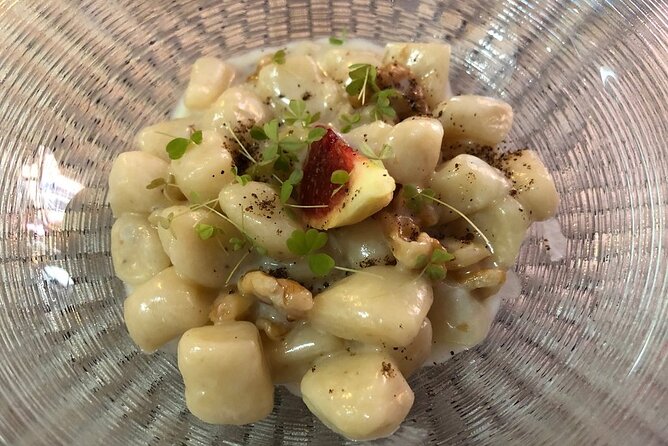
The heart of the experience is making three pasta varieties and pairing them with three different sauces. While menus can vary, the class structure is consistent enough that you can plan to practice at home with the recipes you’re emailed afterward.
The three pasta styles
You’ll generally make:
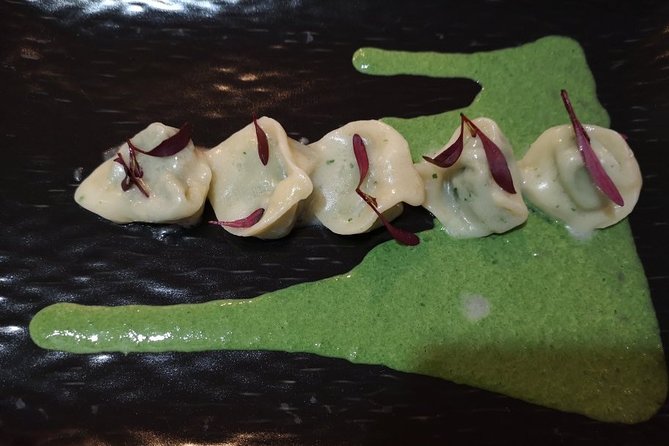
- A stuffed pasta (filled dumpling style)
- A long pasta shape (thin long noodles, rolled and cut)
- A short-medium pasta variety, with some sessions including shapes like gnocchi
That range is great for learning. Long pasta teaches dough behavior and rolling consistency. Stuffed pasta teaches filling balance and sealing technique. Short pasta helps you understand how sauce clings, because the “bite” shape changes what works.
A few more Rome tours and experiences worth a look

The sauce lineup
You’ll work on three different sauces, and you’ll learn more than what goes in the pot. Many instructors emphasize why steps happen, not only what to do. From the menus described, sauce training may include things like:
- A tomato sauce base that can scale into other sauces
- Cheese-forward sauces that help gnocchi or stuffed shapes shine
- Seasonal adaptations based on what you found at the market
Even if you don’t reproduce every detail at home, you can take away the method: build flavor stepwise, time it with cooking stages, and treat sauce consistency as something you control.
What you learn beyond recipes
This class is praised for being more than “mix and boil.” You’re taught fundamentals like dough texture targets, handling, and how sauce and pasta finishing connect. If you’re the type who cooks at home and wants results that don’t rely on luck, this is where the value really shows up.
And yes, you’ll probably laugh at least once during the day. Multiple people mention chefs who combine serious teaching with humor and patience. That matters, because pasta mistakes happen. A good teacher turns mistakes into lessons instead of stress.
Lunch With Wine, Seasonal Dessert, And What Ends Up On Your Plate
Once the cooking wraps, you sit down for lunch and eat what you made, with wine included. This is another value driver. You’re not paying for a class where the “meal” is a snack-sized ending. You get a full lunch that reflects the menu, often including:
- An appetizer
- The pasta courses you prepared
- A meat course (menus include meat, though your chef may adjust if you note dietary needs)
- Dessert, sometimes described as seasonal and paired with wine
- Wine service that accompanies the meal
Because menus are seasonal, your exact courses can differ. What stays consistent is that the meal is built from your work. You can taste the difference between a sauce you made yourself and something you just warmed up. That feedback loop is powerful, especially for your next kitchen attempt at home.
If you’re feeding a mixed group, plan for possible meat in at least one course. The experience does allow you to note dietary requirements when booking, and people describe it as family-friendly and engaging for teens. But the class structure includes a meat course, so I’d communicate needs early and be realistic about what adjustments can be made.
Price, Group Size, Duration, And Why This Can Be Good Value
At $147.49 per person for about 5 hours, the price is not “cheap,” but it is built like a full culinary workshop. You’re paying for:
- Chef-led market time
- Small-group instruction (max 11) with active participation
- Ingredient selection tied to your menu
- Lunch and wine included
- Recipes sent to you by email after the class
The hidden value is the set of skills you take home. Pasta-making isn’t hard because it’s complicated. It’s hard because tiny details matter, and you need feedback. A class like this gives you that feedback in a single day, which is hard to replicate on YouTube without wasting a lot of dough.
Also, the class is generally booked about 50 days in advance, which signals it has demand. I’d book sooner rather than later if you want a specific date window. Just remember the class needs a minimum number of participants to run, and if it doesn’t, you’ll be offered another date or a refund.
One more logistics point: transport is not included, so make sure you can comfortably get to Piazza Farnese at 9:30 am and back from Trastevere afterward.
Who Should Book Chef in a Day, And Who Might Prefer Something Else
This is a strong fit if you want:
- A hands-on pasta skill day, not a passive food walk
- A small group with enough room to participate and ask questions
- A chef-led market experience where shopping affects your cooking
- A sit-down meal with wine included
It’s also a good option if you’re cooking-curious but not a confident pasta maker yet. People mention that even with different levels of experience, the instruction works because you’re guided through technique and timing.
You might want to skip or think carefully if:
- You need a fully seated, low-effort activity
- Your schedule demands minimal walking and standing
- You want a strictly vegetarian menu with no meat at all, since the menu structure includes a meat course
For families, it’s often described as welcoming for children when accompanied by an adult, and teens can stay engaged during the prep and cooking stages.
Should You Book This Rome Pasta Class?
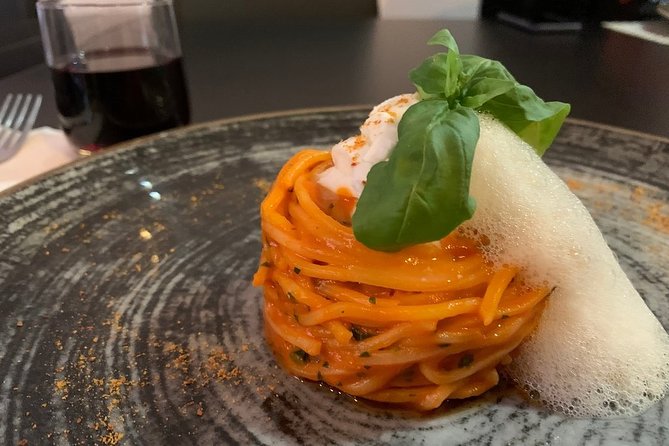
If your vacation goal is learning a few core techniques you can use for years, I’d say yes. The combination of market shopping, a small-group chef-led kitchen class, and a real lunch you eat right after cooking makes this one of the more “worth it” food experiences in Rome.
Book it if:
- You’re excited to make dough, not just taste food
- You want recipes emailed afterward so you can practice at home
- You like the idea of choosing seasonal ingredients yourself
Consider a different option if:
- You’re mainly after a relaxing evening meal or a quick tasting
- You don’t want to stand and work for most of a 5-hour session
- You have strict dietary needs and need full control over every course
Bottom line: this is not a souvenir class. It’s a skill class with great food attached.
FAQ
Where do we meet for the class?
You meet at Piazza Farnese, 00186 Roma RM, Italy.
What time does the experience start?
The start time is 9:30 am.
How long is the class?
It runs for about 5 hours.
What language is the class offered in?
The class is offered in English.
What’s included in the ticket price?
You get the Campo de’ Fiori market tour, a professional chef, lunch, wine, and recipes emailed after the course.
Is transport included?
No, transport is not included.
Is the class vegetarian-friendly?
The tour includes a meat course, but you can note dietary requirements when booking, and your chef will be aware of your needs.
Can kids attend?
Yes, children must be accompanied by an adult.
What if I need to cancel?
You can cancel for a full refund if you cancel at least 24 hours before the experience start time. If you cancel less than 24 hours before, the amount paid is not refunded.
More Workshops & Classes in Rome
More Cooking Classes in Rome
More Tour Reviews in Rome
Not for you? Here's more nearby things to do in Rome we have reviewed





Cooking Classes, compared.
 ★ 4.9Pasta Making Class with Wine, Limoncello, and DessertFrom $483,177 reviews
 ★ 4.93-in-1 Fettuccine, Ravioli, and Tiramisu Cooking ClassFrom $812,704 reviews
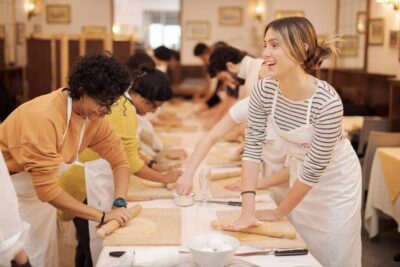 ★ 4.8Fettuccine Pasta Cooking Class in Rome’s City CenterFrom $462,414 reviews
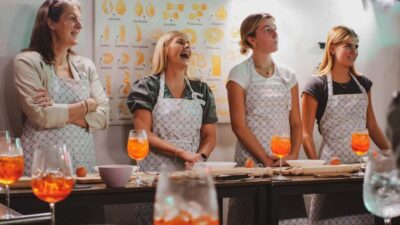 ★ 5.0Traditional Pasta with Cocktails Cooking ClassFrom $1002,374 reviews
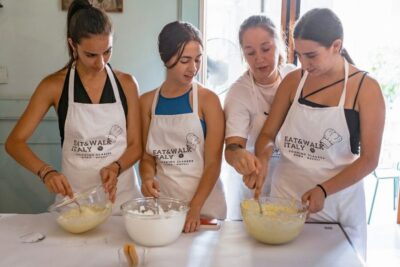 ★ 4.8Fettuccine and Tiramisu Cooking Class with WineFrom $672,013 reviews
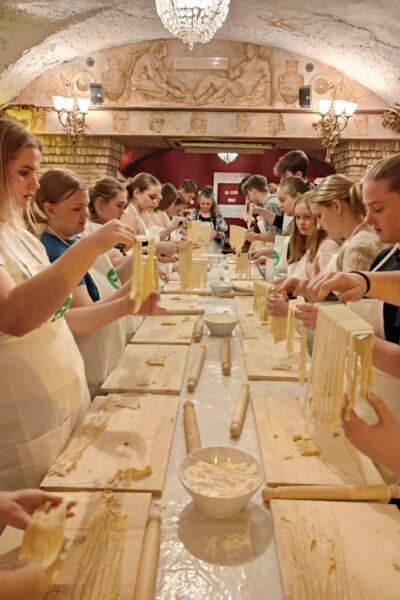 ★ 4.8Pasta & Tiramisu Cooking Class near the Spanish StepsFrom $581,395 reviews
 ★ 4.7Traditional Pizza Cooking Class near Piazza NavonaFrom $461,241 reviews
 ★ 4.9Pasta Making with Wine Tasting and Dinner in FrascatiFrom $35979 reviews
Browse the lists this tour appears in