
Reviewed · COOKING CLASSES
Bruschetta, Fettuccine, Gnocchi, Tiramisu Cooking Class
A villa kitchen turns Rome into your classroom. This is a hands-on Roman cooking dinner party in a private setting, not a rushed factory tour. I love the small-group format (max 12), and you get proper step-by-step pasta training you can use at home.
You also sit down for what you make, with cacio e pepe plus wine to round out the evening. One real consideration, though, is logistics: there’s no hotel pickup or drop-off, so you’ll need to get to Via Zanazzo Giggi, 4 on your own.
Key Highlights You’ll Feel the Moment You Arrive
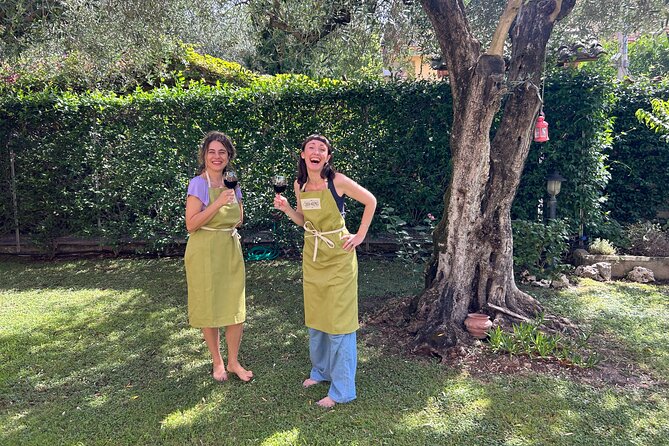
- Private villa setting in Trastevere that makes the class feel like a genuine Roman night in
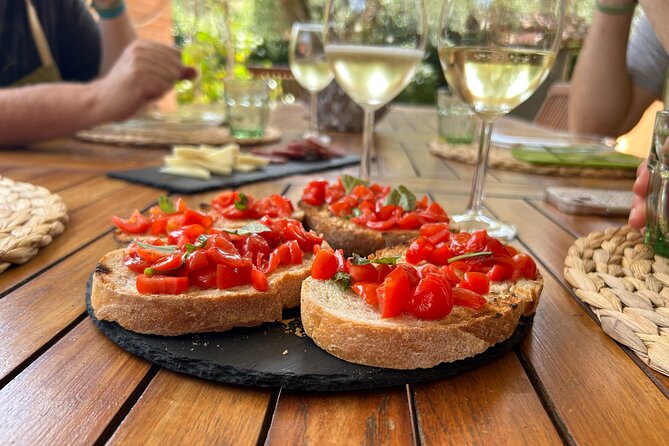
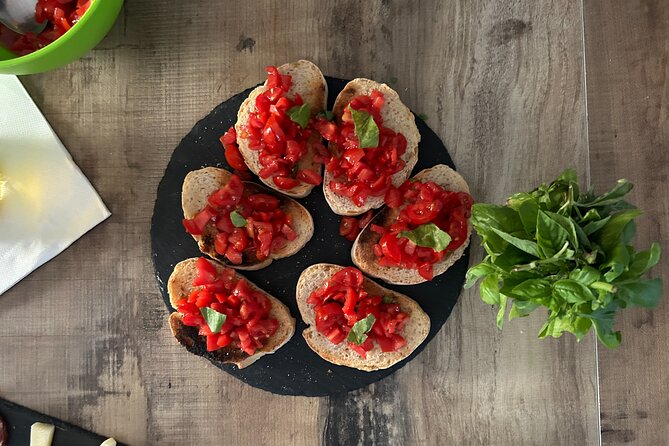
- Spritz plus local snacks right at the start, so you’re in the mood before you touch dough
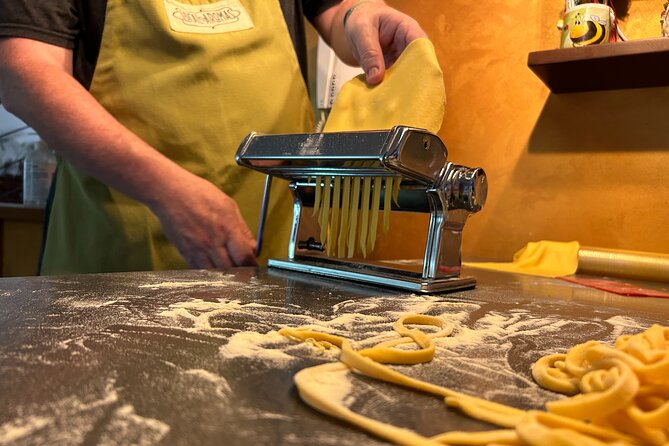
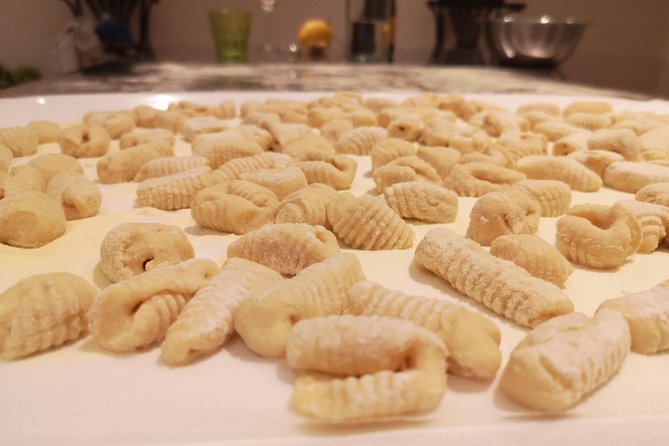
- Pasta dough from scratch, with hands-on guidance for fettuccine-style pasta and gnocchi
- Wine included with dinner, plus a served menu built around Roman flavors
- Family-style teaching, with instructors praised by name, like Christina and Valentina, plus Bruno, Benne, Carla, and Gueila
A Trastevere Villa Dinner Party, With Spritz to Start
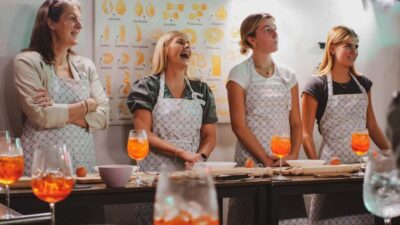
This Rome cooking class is built around one idea: make dinner feel like you’re joining someone’s table, not following a lecture. The evening starts with a classic spritz and local snacks. That matters more than you’d think, because it turns the mood from tourist mode into relaxed, social mode fast.
Next, you head to an exclusive location in Trastevere, where the kitchen setting is part of the fun. People talk about the villa as a big reason the experience sticks in their memory, including outdoor seating and city views that can reach toward the Vatican area. You should treat that as a “you might get lucky” bonus rather than a guarantee, but the setting is clearly a recurring theme.
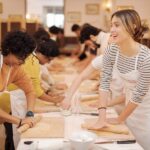
The class is also run in English, and it’s capped at a maximum of 12 travelers. In Rome, where many food experiences can feel crowded, that limit changes the vibe. You’re more likely to get direct help, and you’ll spend more time actually cooking than waiting around.
You can also read our reviews of more cooking classes in Rome
How Your Night Flows: From Meeting Point to the Villa Table
You meet at Via Zanazzo Giggi, 4, 00153 Roma RM, Italy. The tour ends back at the meeting point, so plan on working your own way there and home again. There’s no hotel pickup, which is the main logistical issue to plan for.
Once you’re gathered, the evening moves in a natural rhythm:
1) Drinks and snacks to kick things off
2) A hands-on cooking lesson where you work with dough
3) Sitting down to eat the pasta and sauces made during class
4) Dessert, plus wine as part of the meal experience
Three hours flies when you’re doing the work yourself. And the schedule is designed so you’re not just watching someone else cook. It’s very much “do it with us,” then “eat it together.”
If you’re traveling solo, this structure is great. You’re placed in a group setting, but the activities are small and interactive, so you’re not stuck standing by the sidelines. If you’re traveling as a couple, it still works because the pacing is relaxed and the food is the centerpiece, not endless group games.
Your Hands-On Workshop: Making Pasta Dough From Scratch
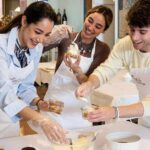
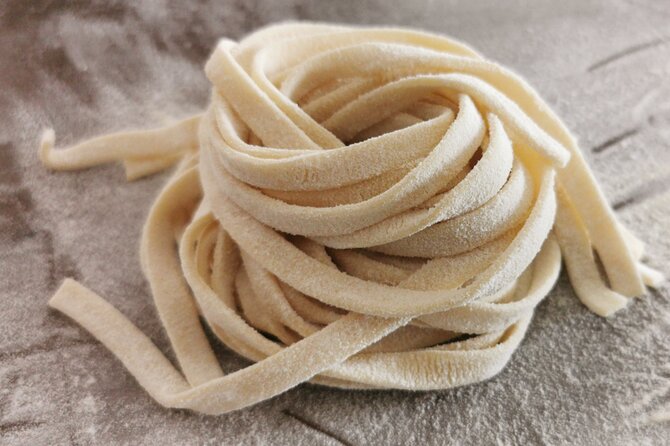
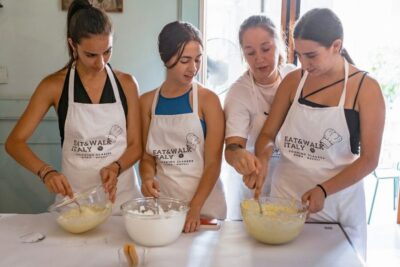
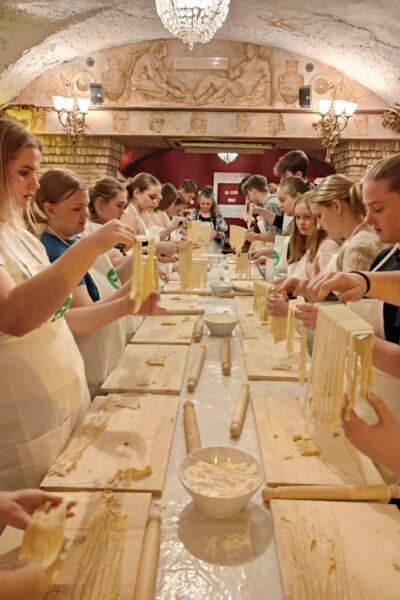
The core of this experience is learning pasta dough the real way, from scratch. You’ll make two pasta doughs during the night, and you’ll practice techniques related to fettuccine and gnocchi. That pairing is smart for beginners. Fettuccine-type pasta teaches you how dough should feel and behave, while gnocchi adds the texture skills that make the dish special.
What makes the teaching style stand out in these reviews is how often people mention that instruction was broken down into simple steps. You do not need a chef background. You also do not need to be athletic with your hands. The process is guided, and you get the kind of coaching that helps you correct small mistakes before they turn into dough disasters.
A note on the “mystery” format: the menu is described as partly surprise. You might be told the general direction, then guided through what you’re making and how it’s served. That’s fun, but it also means you should stay flexible if you have strong expectations about every single course.
Also, the class experience is described as more than just a cooking lesson. It includes conversation and laughter, and that matters because it turns the practical skills into something you’ll actually remember. You’re learning technique, yes, but you’re also learning how to move with confidence in a kitchen.
Pasta Dough Techniques You Can Recreate at Home
I like that this class doesn’t treat your pasta as a one-night novelty. The chef tips you learn are meant to help you recreate the dishes back home. You’re not just collecting recipes, you’re getting direction on what to do when dough feels too sticky, when it needs more time, or when you’re not sure whether your texture is right.
Even if you’re only a casual cook, pasta success is mostly about feel and timing. This is where a good class pays off. In Rome, it’s easy to eat amazing food. The bigger win is learning the process well enough that you can make a version of it again later. Past participants specifically mention learning techniques for pasta dough and gnocchi, then feeling confident enough to try again at home.
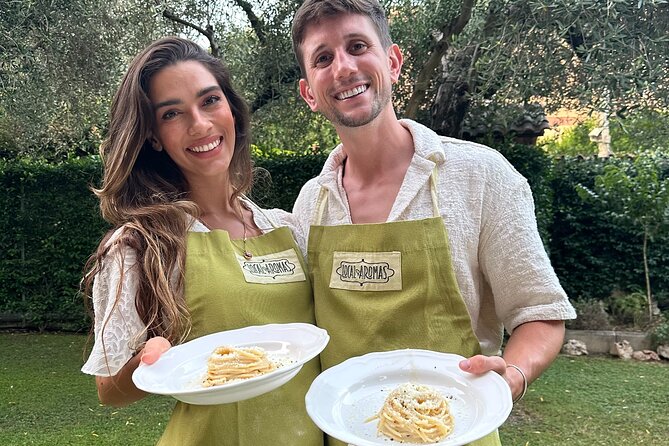
One more useful detail: you get a traditional Roman sauce component with your served pasta. The cacio e pepe element is clearly central, and that flavor pairing is a great gateway. It’s classic Roman comfort, but it’s also a dish you can keep practicing without needing a long shopping list of rare ingredients.
Roman Sauces and the Logic Behind Them
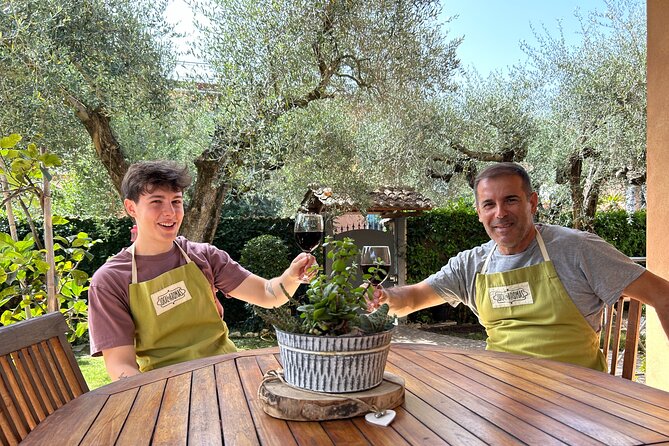
In this class, you’ll taste your handmade pasta served with cacio e pepe and another surprise sauce. Roman-style sauce lessons are often about restraint, using a few ingredients done well instead of complicated cooking theatrics. This matters because it teaches you how to build flavor without overthinking.
Some participants also mention making Gricia during their night. That’s a close cousin in the same Roman comfort-sauce family. I wouldn’t assume Gricia happens every time, but it’s a helpful clue for what this team considers “Roman enough” to teach. If you love the idea of cheese-forward Roman flavors, you’re in the right neighborhood.
The bigger value here is sauce logic. When you understand why the sauce works with the pasta shape and texture, recreating at home stops feeling like copying. It becomes cooking.
A few more Rome tours and experiences worth a look



Dessert That May (or May Not) Be Tiramisù
Here’s the one course where you should expect some variation. The experience name includes tiramisù, but the description also teases that the surprise Roman dessert is not necessarily tiramisù. On top of that, there’s a clear theme described as a traditional Roman dessert that’s dipped in wine.
So what should you do with that information? Plan to enjoy a Roman dessert experience, not a guaranteed single dessert identity. If tiramisù is your must-have, you’ll likely still be happy, since multiple participants specifically call out tiramisù as part of their class. At the same time, don’t show up only chasing one outcome.
The wine-dipped Roman-dessert angle is a clever detail, because it reflects how Italian desserts can be playful and social, not just sweet endings. It also pairs naturally with the rest of the evening, since alcohol and dinner are built into the flow from the spritz onward.
Dining Setup: Wine, Dinner, and Eating What You Made
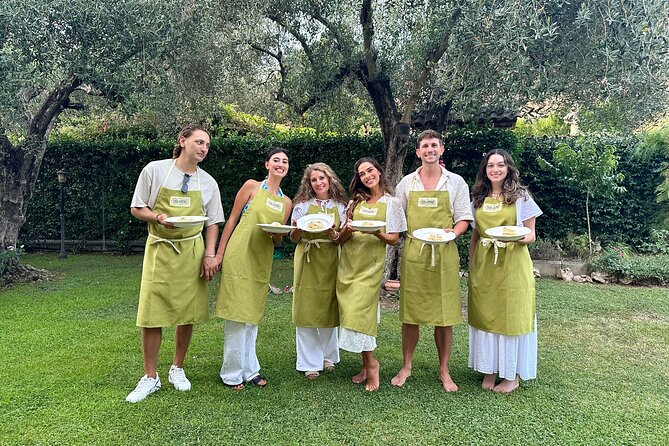
After the cooking, you sit down and enjoy what you made. Your handmade pastas are served with cacio e pepe and a surprise sauce. Dinner also includes two glasses of local wine. Bottled water is included too, which is a small thing that keeps the whole night comfortable.
That “eat what you made” moment is not just sentimental. It’s the best way to learn. When you taste your own pasta after you’ve worked it, you instantly connect technique to outcome. You’ll notice texture differences. You’ll understand what happens when dough is rolled too thick or too thin. You’ll also learn how sauce clings, and whether your shape choice works.
If you care about value, this part matters. Many cooking classes charge a lot and then serve a light snack. Here, dinner is included, along with alcoholic beverages. For a 3-hour activity, that’s a big part of why the price can make sense.
Who Runs the Kitchen: Family-Style Teaching With Real Personality
Local Aromas, a family-run company, has been sharing Italy’s food traditions since 2016. Their style comes through in the way instructors are praised. People talk about hosts who are warm, funny, and structured in their teaching.
Names that show up in participant notes include Chef Christina and her daughter Valentina, plus team members like Bruno, Benne, Carla, and Gueila. Even when the names differ by date, the pattern is consistent: you get hands-on help and lots of encouragement. It also sounds like the team keeps things unrushed, which is key for a hands-on class. Nobody wants to feel behind or embarrassed while dough dries out.
If you’re the type of traveler who likes learning from a real person, not just a script, this class fits. The conversation component is repeatedly called out, which tells me the experience is designed to feel like friends hosting friends, not like a workshop with a strict clock.
Price and Value for 3 Hours of Food, Wine, and Training
At $189.87 per person for about 3 hours, this is not a budget cooking class. But you’re paying for multiple things at once:
- A private villa setting in Trastevere
- A chef-led, step-by-step pasta and dessert lesson
- Dinner that includes what you cook
- Alcoholic beverages and local wine
- A small group size (max 12), which usually means more attention
When you compare it to the real cost of an upscale meal plus wine plus a paid guide, the price often starts to look less “spendy” and more like “you’re buying the whole package.” The best value is for people who want technique, not just photos and tasting bites.
If you’re the kind of traveler who likes to eat and drink while you learn, this class can become one of your best meals in Rome. Many people describe it as a highlight, including comments that it turned out to be the best food they had during their trip.
Who This Cooking Class Fits Best in Rome
This class is ideal if you:
- Want a hands-on Rome activity that teaches you real technique
- Like small groups and personal coaching
- Enjoy Roman classics such as cacio e pepe flavors
- Want to leave with the confidence to cook pasta again at home
- Travel solo, as a couple, or with a small group and want social energy without chaos
It’s also a good match for mixed skill levels. People specifically mention the class works for beginners and can be manageable even for kids. That doesn’t mean it’s a kids-only cooking camp, but it does suggest the teaching is approachable.
You might want to skip it if:
- You need hotel pickup, because you’re responsible for getting to the meeting point
- You hate surprises, since the menu and dessert are described as mystery elements
- You want a purely traditional lecture format instead of doing the work yourself
Should You Book It? My Quick Checklist
Book it if you want a warm, family-run Roman cooking evening with real skills, plenty of food, and wine included. I’d especially recommend it if you’re a first-timer who’s curious about pasta dough and gnocchi, or if you love Roman flavors and want to understand how the dishes come together.
Hold off or ask questions before booking if you have a hard requirement for one exact dessert. Since the dessert is described as a Roman surprise, it may vary. Also, confirm you can comfortably reach Via Zanazzo Giggi, 4 on your own, since there’s no pickup or drop-off.
Bottom line: this is a “learn, laugh, eat, and go home confident” type of experience. If that sounds like your kind of Rome night, you’ll probably love it.
FAQ
How long is the Bruschetta, Fettuccine, Gnocchi, and Tiramisu Cooking Class?
It lasts about 3 hours.
Is the cooking class offered in English?
Yes, it is offered in English.
What is the maximum group size?
The experience has a maximum of 12 travelers.
Where do I meet for the experience?
The meeting point is Via Zanazzo Giggi, 4, 00153 Roma RM, Italy, and the tour ends back at the same location.
Does the price include dinner and drinks?
Yes. The experience includes dinner, bottled water, local chef guidance, and alcoholic beverages.
Is hotel pickup or drop-off included?
No. Hotel pickup and hotel drop-off are not included.
What is the cancellation policy?
You can cancel for free up to 24 hours in advance for a full refund. If you cancel less than 24 hours before the start time, the amount paid will not be refunded.
More Workshops & Classes in Rome
More Cooking Classes in Rome
More Tour Reviews in Rome

Not for you? Here's more nearby things to do in Rome we have reviewed







Cooking Classes, compared.
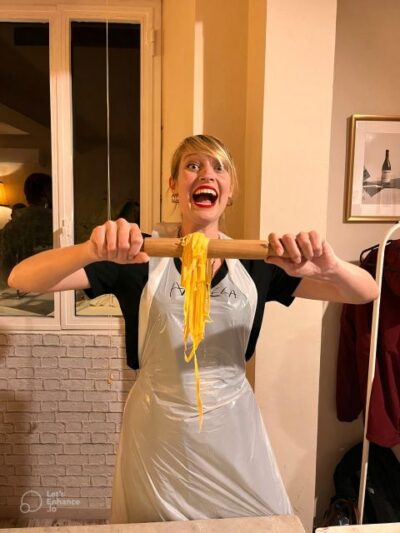 ★ 4.9Pasta Making Class with Wine, Limoncello, and DessertFrom $483,177 reviews
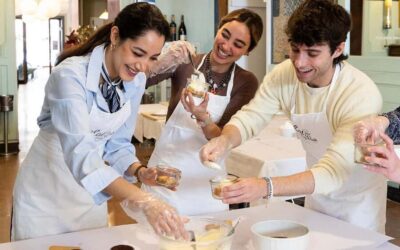 ★ 4.93-in-1 Fettuccine, Ravioli, and Tiramisu Cooking ClassFrom $812,704 reviews
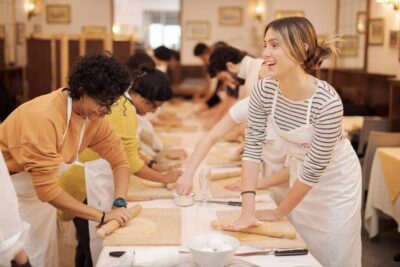 ★ 4.8Fettuccine Pasta Cooking Class in Rome’s City CenterFrom $462,414 reviews
 ★ 5.0Traditional Pasta with Cocktails Cooking ClassFrom $1002,374 reviews
 ★ 4.8Fettuccine and Tiramisu Cooking Class with WineFrom $672,013 reviews
 ★ 4.8Pasta & Tiramisu Cooking Class near the Spanish StepsFrom $581,395 reviews
 ★ 4.7Traditional Pizza Cooking Class near Piazza NavonaFrom $461,241 reviews
 ★ 4.9Pasta Making with Wine Tasting and Dinner in FrascatiFrom $35979 reviews
Browse the lists this tour appears in