
Pasta night in a Roman kitchen feels personal. This hands-on class is built around making fresh pasta and Roman favorites with a professional chef, guided step by step in a real kitchen. My favorite part is how quickly you go from ingredients on the counter to something you can actually shape, stuff, and cook. One thing to keep in mind, though, is that the format can shift by venue and how busy the kitchen is, so hands-on time for every course may not look identical from night to night.
What I also like: you do not just watch, you sit down to eat what you make, with starters, dessert, and wine included. The group stays small, sometimes tiny, and that matters because it makes it easier to ask questions when dough starts acting up.
Key Highlights Worth Booking
- Small-group dinner cooking with a chef, not a demo show
- Roman pasta focus like fettuccine, ravioli, and gnocchi
- A sit-down meal with what you cook, plus starters, dessert, and wine
- English support through an interpreter, when needed
- Take-home recipes promised so you can recreate the dishes later
- Real Rome vibes since the class happens in a restaurant kitchen or a chef’s house
Start at Piazza Navona: the 4:30 pm meet-up
You start in the classic setting of Piazza Navona, with the meetup at Piazza Navona 14. It is a short walk from the Pantheon, and the meeting instructions are clear: look for the three fountains and the church in front of the main fountain, then find the building on the left side of the church.
Plan to arrive early enough to settle in. One review noted a long wait when schedules shifted due to a chef issue, so you will feel better if you give yourself a little buffer rather than showing up at the exact second.
After you meet your coordinator, you head to the cooking venue. The class happens at a restaurant or the chef’s house, and depending on where you are cooking that night, you might take a short walk or a public-transport hop.
You can also read our reviews of more cooking classes in Rome
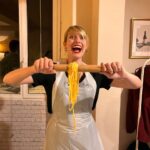
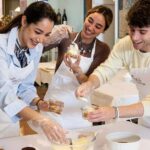
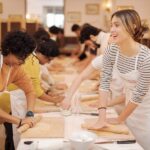
Inside the chef’s kitchen: what you are really learning
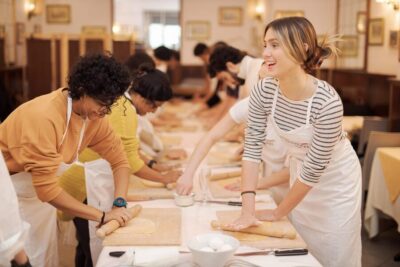
This is sold as a Roman chef for the day experience, and the heart of it is pasta technique. You work with flour and eggs, then you learn how to handle dough so it rolls and cooks well. You are not just making one shape either. The menu can include multiple pasta types depending on what is happening that day and what ingredients are freshest.
In practice, I like that the teaching style is active. You get time at the counter, and you can usually ask questions while the chef is working through steps. If you are a beginner, that is exactly the point. One common positive theme in feedback is how the chef made pasta feel doable, even for first-timers.
The big practical catch is that the kitchen environment can affect how much you do. Some kitchens are quieter than others. If the restaurant is busy, the chef may need to keep things moving along, which can reduce how long you spend on each stage.
Roman pasta shapes: fettuccine, ravioli, or gnocchi
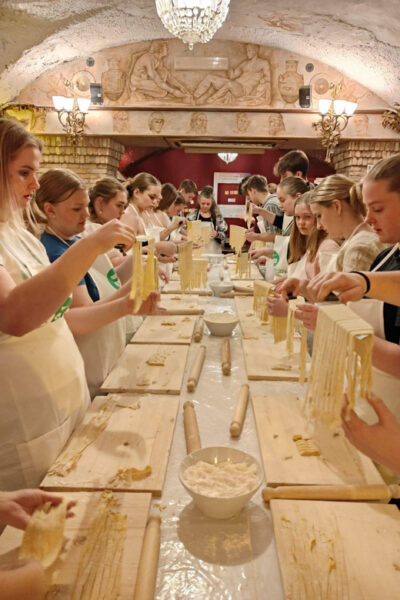
Expect fresh pasta making to be the main event. Sample dishes listed include:
- Fettuccine al Ragu Bolognese or Carbonara
- Ravioli di Ricotta e Spinaci (ricotta and spinach)
- Gnocchi al Pesto (potato dumplings with pesto)
What does that mean for you, day to day? It means you will likely focus on dough handling first, then move into shaping and cooking. With ravioli, the lesson is not just cutting squares. It is also sealing properly so your filling stays put when boiling. With gnocchi, the key skill is forming dumplings that cook evenly, not mushy or lumpy.
If you care about a specific pasta, add a note when you book. The menu can change slightly by season, and you will get better results if the coordinator knows what you most want to learn.
Sauces, starters, and the reality of time in a working kitchen
The class experience usually includes more than pasta, including starters and dessert. Sample starters include Bruschetta al pomodoro, and dessert is often Tiramisu. Some nights are described as including multiple components you cook yourself, while other nights focus more heavily on the pasta portion.
So here is the smart way to think about it: you are paying for the pasta skills and the evening meal, not for a full-length home-kitchen style workshop where you do everything from scratch for every course. If the kitchen is busy, some elements may be prepared ahead and you might mainly assemble or finish rather than create every component from start to finish.
This is the one consideration I would plan around. If you want the most hands-on time possible, ask what you will personally do versus what the kitchen might handle ahead of time. That single question can save disappointment.
Dinner at the table: appetizers, tiramisu, and wine
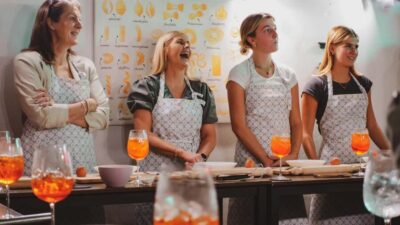
The best part for most people is what happens after you cook. You eat your creations as a sit-down dinner, including starters and dessert, plus wine with the meal. The wine is included in the package, and the minimum drinking age is 18.
In a few accounts, wine amounts felt limited, like only one glass after the meal. That does not ruin the value, but it is worth knowing so you manage expectations. If you drink a lot, you may want to plan on a later drink elsewhere.
One thing I appreciate is the pacing. You are working with dough and fillings, then the experience switches to the Roman dinner mode where you actually slow down and talk. Reviews repeatedly highlight that the evening feels fun and social, especially when your group stays small enough for everyone to participate.
A few more Rome tours and experiences worth a look


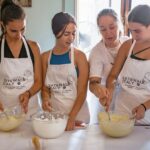
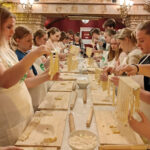

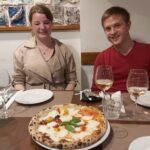
Chef and interpreter duo: how English support works
This class is offered in English, but real life is messier than marketing. Many nights, the chef speaks Italian and you rely on an interpreter.
You may meet interpreters such as Richie or Holly, and chefs have included people named Loretta and Laura in feedback. When that interpreter is on point, the experience becomes much smoother. You understand what you should be doing, and you can ask follow-up questions instead of watching silently and guessing.
The other benefit of a good interpreter is translation of the small moments. Pasta technique is partly timing and partly feel, and interpreters often help explain those details in a way that actually clicks.
Small group size: why it can feel surprisingly personal
The class is capped at 15 travelers. That cap matters, because even in a busy kitchen, a smaller group means more counter space and quicker help when dough sticks or rolling gets tricky.
And yes, sometimes it is even smaller. Multiple accounts describe very small groups, including groups of four and even couples in a class that some people assumed would be larger. If you are traveling as a duo, you could get the closest thing to a private lesson without paying private-class rates.
On the flip side, tiny groups also mean the format can be tailored quickly. If your goal is to do every listed dish hands-on, confirm what is realistic for your specific night.
Menu changes by season: what you might cook
One honest part of this experience is that the menu can shift based on what is freshest and what is happening in the kitchen. You might see variations around:
- Bruschetta al pomodoro
- Fettuccine with either ragu bolognese or carbonara
- Ravioli di ricotta e spinaci
- Gnocchi al pesto
- Tiramisu
If you have dietary needs, tell them at booking. Vegetarian is available, and people reported gluten free being handled well when the request was in place.
Price and value: why $107.23 can make sense
At $107.23 per person, you are not just buying an activity. You are buying instruction, ingredients, taxes included, plus a full dinner experience with starters, dessert, and wine. That is why it can feel like good value, especially if you want to go beyond sightseeing and into a real Roman skill.
The main thing that affects value is match. If you get a night where you do a lot of active cooking across multiple courses, it feels like a standout highlight. If the kitchen is busy and the class focuses mostly on the pasta portion, it can feel like you paid for more than you personally handled.
So the way I would protect your value is simple: ask how much of each dish you will do hands-on. That question aligns expectations with the reality of a working kitchen.
Take-home recipes: a great idea, so verify delivery
The experience is designed so you can keep recipes to recreate what you learned at home. In most cases, this is the kind of detail that turns a good night into something you repeat.
One practical note from feedback: a few people said the recipes promised by email did not arrive on time, or at all, even though the promise was made. If that happens, check spam folders and follow up with the provider rather than assuming it is gone forever.
Who should book this Roman Chef class?
This class is a strong fit if:
- You want practical pasta skills you can replicate later
- You enjoy learning with a chef, not just eating a meal
- You like small-group dynamics where you can ask questions
- You are doing a first or second visit to Rome and want one evening that feels local
It may be less ideal if:
- You want an all-day, do-every-step cooking marathon
- You need a guaranteed, identical menu and identical hands-on time for every course
- You get very bothered by kitchen pace and interruptions that come with a working restaurant environment
Should you book this Roman Chef for a Day class?
I would book it if your priority is learning Roman pasta in a small-group setting and then enjoying dinner that same night. The strongest signal in the experience is the pasta-focused teaching plus the fun, social meal afterward, often with an interpreter who keeps everything clear.
Before you go, do one small prep move: send a note about what you want most, and ask what is realistically hands-on on your specific date. If you do that, you are far more likely to walk away thrilled with both the food and the technique you can actually repeat.
FAQ
Where is the meeting point?
You meet at Piazza Navona 14. The coordinator waits there with a sign that says Savor Italy Tours, near the main fountain area.
What time does the class start?
The start time is 4:30 pm.
How long is the cooking class?
It is about 2 hours 30 minutes to 3 hours 30 minutes, approximately.
What group size should I expect?
The maximum is 15 travelers. A minimum of 2 people per booking is required.
What dishes might be included?
Sample dishes can include Bruschetta al pomodoro, Fettuccine al Ragu Bolognese or Carbonara, Ravioli di Ricotta e Spinaci, Gnocchi al Pesto, and Tiramisu. The menu can change slightly by season.
Is a vegetarian option available?
Yes. Vegetarian options are available, and you should advise at booking.
Does the class include wine?
Yes. Wine is included, and the minimum drinking age is 18.
Is pickup and drop-off included?
Hotel pickup and drop-off is not included unless you selected that option.
Are recipes included to take home?
The class description says you get recipes to recreate the dishes. If recipes are sent by email, you may want to check your inbox and spam folder after the class.
Is this experience refundable if I need to cancel?
No. The experience is non-refundable and cannot be changed for any reason. If it is canceled because the minimum traveler requirement is not met, you will be offered a different date or experience or a full refund.
More Workshops & Classes in Rome
More Cooking Classes in Rome
More Tour Reviews in Rome






Not for you? Here's more nearby things to do in Rome we have reviewed












Cooking Classes, compared.
 ★ 4.9Pasta Making Class with Wine, Limoncello, and DessertFrom $483,177 reviews
 ★ 4.93-in-1 Fettuccine, Ravioli, and Tiramisu Cooking ClassFrom $812,704 reviews
 ★ 4.8Fettuccine Pasta Cooking Class in Rome’s City CenterFrom $462,414 reviews
 ★ 5.0Traditional Pasta with Cocktails Cooking ClassFrom $1002,374 reviews
 ★ 4.8Fettuccine and Tiramisu Cooking Class with WineFrom $672,013 reviews
 ★ 4.8Pasta & Tiramisu Cooking Class near the Spanish StepsFrom $581,395 reviews
 ★ 4.7Traditional Pizza Cooking Class near Piazza NavonaFrom $461,241 reviews
 ★ 4.9Pasta Making with Wine Tasting and Dinner in FrascatiFrom $35979 reviews
Browse the lists this tour appears in