
Reviewed · COLOSSEUM TOURS
Rome: City Pass 20+ Attractions, Vatican & Colosseum Option
Rome is easy to love, and this pass makes it easier. You get 20+ major stops plus a mix of guided tours and free-roam time. I like that it tackles Rome’s biggest problem, too many tickets, too many lines. One thing to watch: the pass books optional Vatican and Colosseum for the next available time slot, so you may need to plan around fixed entry windows.
What I especially like is the Catacombs of St. Callistus guided tour with a licensed local guide, and the 48-hour hop-on hop-off bus that helps you string sites together without wasting hours in transit. The Pantheon and Castel Sant’Angelo also pair well with the rest of the included map-style itinerary. The main drawback is simple: each included attraction can be visited once, so you’ll want a sensible “order of operations.”
If you’re the kind of traveler who wants Rome’s top hits plus a bit of structure, this City Pass can be a strong value. If you prefer total freedom and don’t care about the packaged extras, you might find you’re paying for attractions you would skip.
Key highlights to plan around
- Catacombs of St. Callistus guided tour with a licensed local guide, offered in multiple languages
- 48-hour hop-on hop-off bus with audio, so you can pace your day instead of sprinting
- Pantheon and Castel Sant’Angelo included, two landmarks people often struggle to fit in
- Optional add-ons: Vatican Museums and Sistine Chapel (skip-the-line) and Colosseum with Roman Forum and Palatine Hill (PM entry)
- Included indoor stops like Piazza Navona Underground and Museo delle Cere (Wax Museum) for weather-proof breaks
- Discounts up to 20% at select partners, plus options tied to bike rental and a Castel Romano outlet transfer
The Rome City Pass idea, in plain terms

This Rome City Pass is built around one goal: fewer tickets and less decision fatigue. You buy once, then you use your pass to get into a bundle of sites around the city for a stretch of time, from 2 to 7 days depending on what you select.
That structure matters in Rome. The city is amazing, but it’s also compact in some areas and spread out in others. A pass that includes a hop-on hop-off bus helps you jump between “core Rome” sights and places like Castel Sant’Angelo or the Vatican area without rebuilding your day around bus schedules.
Also note the rules that shape how smooth the pass feels. You do not meet a guide at a central location. Instead, you receive your city pass by email, and you follow the instructions for each attraction. One more important point: each included attraction can be visited once, so don’t treat this like a buffet where you can go back for one more look later.
You can also read our reviews of more city tours in Rome


What you actually get into, and why it’s a smart mix
The pass is not just “giant monuments.” It includes a mix of famous icons and smaller, often overlooked stops. That blend is useful, because Rome days work best when you mix big-ticket moments with shorter breaks.
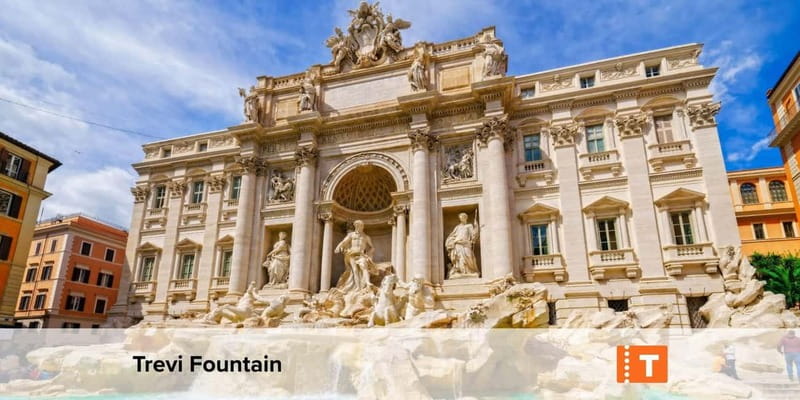
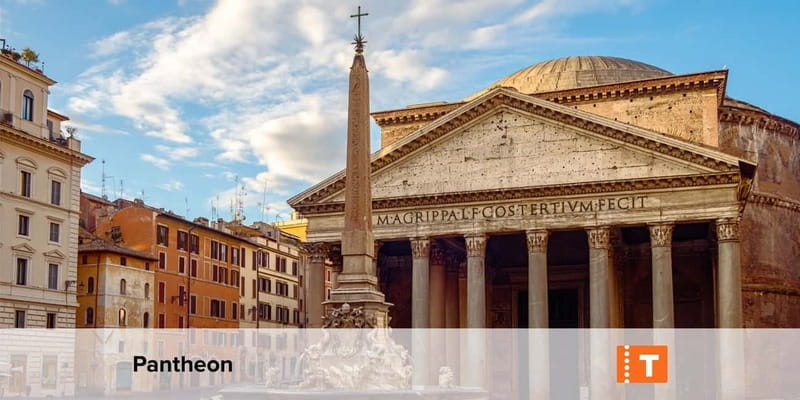
The classic Rome anchors: Pantheon and Castel Sant’Angelo
You get Pantheon Rome and Castel Sant’Angelo. These two are popular for a reason, but they’re also classic “I want to see that” items that are easy to plan around.
- Pantheon: A must-see interior with a scale that still feels startling. It’s also a great place to go earlier or later in the day when crowds tighten up.
- Castel Sant’Angelo: A fortress-castle that makes sense if you like your Rome a little more “story plus views” than pure ruins.
The value here is not just the entry. It’s that these are high-priority sites where having your ticket handled through the pass can save real time.
Underground Rome: Piazza Navona Underground (Stadio di Domiziano)
Included too is Piazza Navona Underground, also listed as Stadio di Domiziano. This is a strong choice if you want the “Roman layers” feeling without committing to a full-day dig-and-study plan.
Under the present-day city, you get an archaeological look that complements the rest of your day. It also helps you avoid the all-too-common problem of spending the whole day outside in sun or rain.
Home-sized archaeology and water stories: Vicus Caprarius and Celio houses
Two included sites focus on specific pieces of ancient life:
- Vicus Caprarius (the City of Water)
- Case Romane del Celio (Roman Houses of Celio)
These tend to feel more intimate than the headline attractions. If you like small details, you’ll likely enjoy them because you can slow down. You also get a better sense of how Rome worked beyond the big monuments.





Ostia Antica Archaeological Park
You also get entry to Ostia Antica Archaeological Park. This is a bigger commitment than strolling one neighborhood block, but it’s often a payoff stop if you want Rome without the city-jam feeling.
Even without special commentary in the pass materials, Ostia makes sense in the structure: you can use the bus and your free time to build a day that is about archaeology rather than “just passing through.”
Art and oddballs: Palazzo Merulana, Palazzo Barberini, Galleria Corsini, and GAMM
The pass includes multiple museum and art options, including:
- Palazzo Merulana
- Palazzo Barberini plus Galleria Corsini
- Palazzo Patrizi
- Museo Leonardo da Vinci Experience
- Museo delle Cere (Wax Museum)
- GAMM Game Museum
This matters for two traveler types. If you like indoor breaks between big sights, you’re set. If you want variety, you’re not forced to repeat the same kind of experience.
For example, the wax museum and the Leonardo da Vinci experience give you something different from Roman stone. GAMM (game museum) can help if you’re traveling with kids or anyone who wants a calmer, interactive break.
Guided experiences that reduce guesswork
This pass isn’t only self-guided. It also includes guided elements that can save you from planning mistakes.
Catacombs of St. Callistus, guided with a licensed local guide
One of the best parts of the pass is the guided tour of the Catacombs of St. Callistus with a licensed local guide. It’s offered in Italian, English, French, Spanish, and German.
Catacombs are not like typical museum galleries. They move at a different pace and require context. A guided visit is the difference between “seeing tunnels” and actually understanding what you’re looking at, who used these places, and why they mattered.
I also like that the tour spans multiple languages. If you’re not fluent in Italian, you’re still not stuck.
Walking tour of central Rome
You also get a guided walking tour of central Rome (in English). Even if you’ve been to Rome before, a walking tour can help you “connect the dots” between landmarks and neighborhoods.
I find these walks best when you treat them as orientation. Pay attention to what’s close together and what’s not, then use your remaining pass days to map your own routes.
Guided bike tour plus bike rental time
Included are a guided bike tour of Rome’s highlights and a 2-hour bike rental. Not every pass includes cycling, so it’s a real differentiator if you’re comfortable on two wheels.
This is a good fit if you want Rome’s “big picture” quickly, without turning your whole trip into a day of standing still. Just remember you’ll still want normal walking time later. Rome rewards slower exploration.
The hop-on hop-off bus: how you make the pass actually work
The 48-hour hop-on hop-off sightseeing bus is one of the most practical pieces of the package. It includes an audio guide, so you get a running commentary while you travel.
Here’s how to use it well. Don’t treat it like your main itinerary. Treat it like your traffic solution. You can string together:
- a major monument stop,
- an underground or indoor stop,
- and an extra site in another area.
Because the pass is valid for days, you can also spread “big entry” moments across more than one day. That makes it easier to avoid burnout, and it helps you handle real-world issues like crowding and time windows.
One caution: the pass does not include public transportation like metro, buses, and trams. So while the hop-on bus is included, you still might need to use transit for short hops that the route does not cover.
Optional upgrades: Vatican Museums and the Colosseum window
This is where the pass becomes more valuable or more complicated, depending on your travel style.
Vatican Museums and Sistine Chapel, skip-the-line (if selected)
If you choose the option, you get Vatican Museums and Sistine Chapel entry with skip-the-line tickets added to your pass.
The key detail is scheduling. If you selected this option, it will be booked for the next available time slot during your pass validity. Also, the Vatican Museums are closed on Sundays.
That means you should plan your Vatican day intentionally. If Sunday is in your travel plan, you likely need to shift your schedule or choose a different day for the Vatican.
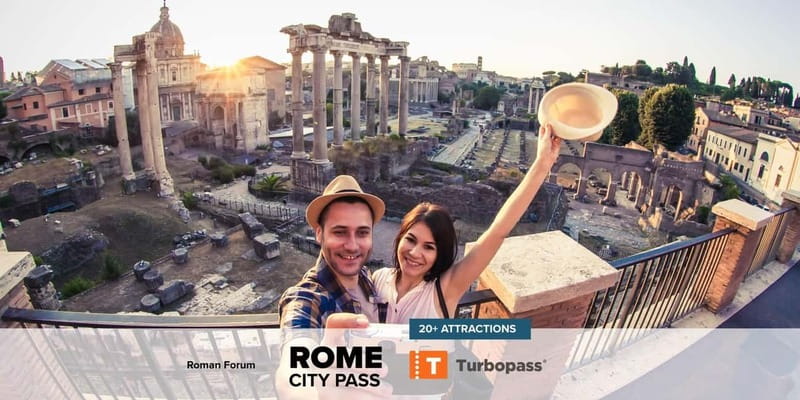
Colosseum Amphitheatre with Roman Forum and Palatine Hill, PM entry (if selected)
You can also add Colosseum Amphitheatre with Roman Forum and Palatine Hill, with PM access. Like the Vatican, the included option is tied to a specific entry window that gets booked for the next available time slot during your validity dates.
If you want to maximize your day, think about what comes before and after that entry window. PM entry can work well if you plan earlier sights nearby and then use the afternoon slot for the big ticket moment.
A practical day plan using included stops
You can build Rome days two ways with this pass: monument-forward or variety-forward. Here’s a practical approach either way.
Monument-forward
Pick your big-ticket entries first. If you selected Vatican and Colosseum, anchor your day around the booked slot. Then fill the edges of the day with included indoor or nearby stops.
A smooth combo can look like:
- Pantheon or Castel Sant’Angelo as a “core Rome” anchor,
- Piazza Navona Underground when you want a break from the main crowds,
- and then your booked Vatican or Colosseum window later.
Variety-forward
If you did not select the Vatican or Colosseum options, you can still have an excellent pass day by leaning into the mix:
- underground stop,
- archaeology,
- and museum-style breaks.
The included sites like Vicus Caprarius and Case Romane del Celio help you keep the day from feeling repetitive. Then you can treat Ostia Antica as your bigger “away day,” especially if you want a different Rome texture.
Money and value: what $101.59 gets you
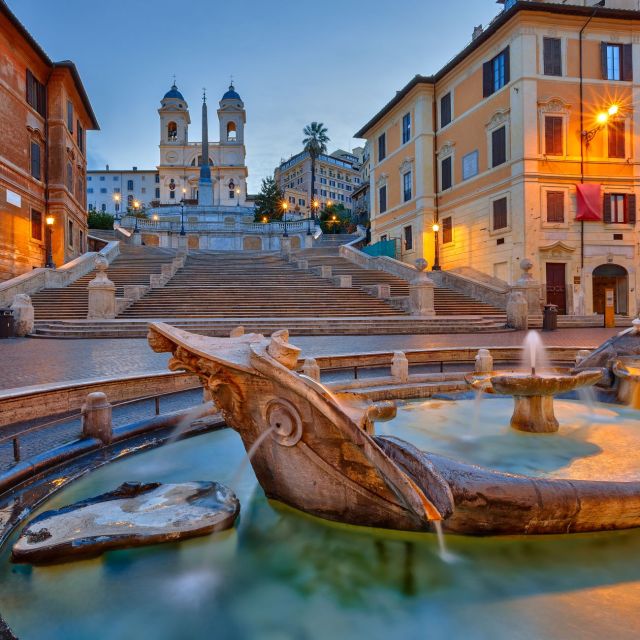
At $101.59 per person, the math makes sense when you use the pass for multiple included major entries plus at least one of the optional big winners, or when you take advantage of the guided experiences.
Why this can be good value:
- You’re not just buying entry to one monument.
- You’re buying a framework, including a 48-hour bus, guided tours, and several museum and archaeology options.
- You get optional “big lines” entry (Vatican and Colosseum) if you choose those upgrades.
When it might feel pricey:
- If you only visit a handful of included sites and you don’t use the bus much, you’re paying for extras you might not touch.
- If you strongly prefer complete freedom, fixed entry slots for optional add-ons can feel restrictive.
My advice is to price it against how you actually travel. If you plan to see multiple major places in a short window, this pass can be efficient. If your goal is slow wander time only, you may prefer buying fewer targeted tickets.
Small logistics that matter more than you think

A few details can make or break the experience.
Your phone matters
You should bring a charged smartphone and have your passport or ID card. The pass is managed through email and attraction instructions, so power and readiness help.
No meeting point means you control your start
Because there is no meeting point, you’ll start each attraction on your own schedule using the instructions sent with the pass. That works if you like independence. It also means you need to stay organized.
Each attraction is one-time entry
Each included attraction can be visited once. So if you love museums and you want repeat visits, you might need to add separate tickets outside the pass.
Discounts and extras that can add small wins
There are also discounts included, up to 20%, at selected partners. Examples listed include Gelateria Della Palma, Opera Lirica di Roma, and Rome Bike Rental, plus a transfer option tied to Castel Romano Outlet.
These are not the main reason to buy the pass. But they can help if your itinerary lines up naturally with those stops.
Who this City Pass suits best
This pass fits best if you want:
- a practical structure for a short Rome trip,
- guided help for places like the Catacombs,
- and a “cover more ground” transport option via the hop-on bus.
It’s also a solid match for mixed-group trips, since included indoor sites like the museum options and GAMM can give you flexibility. If you’re traveling with someone who wants iconic sights and someone else who wants variety, the pass gives you more choices.
If you’re traveling with extremely early starts and late-night plans, fixed entry slots for optional add-ons might require some schedule tuning.
Should you book the Rome City Pass?
I’d book it if you know you’ll visit multiple included sights, and especially if you plan to use either the Vatican Museums option or the Colosseum option. The mix of landmark entries, guided experiences, and the 48-hour bus makes it easier to turn a few days into a coherent itinerary.
I would skip it or rethink it if you want total spontaneity and you only plan on seeing a couple of places. With a one-time-entry rule for each included attraction, you want to be sure you’ll actually use what you’re paying for.
If you do book, do this small prep step: pick your 2 to 3 priority anchor days first, then fill the rest with the included underground, museum, and archaeology options. That’s the easiest way to get your money’s worth and keep your Rome trip from feeling like a checklist.
FAQ
How long is the Rome City Pass valid?
The pass is valid for 2 to 7 days, depending on the option you select. Check availability to see starting times.
Does this pass include entry to the Vatican Museums and Sistine Chapel?
Yes, but only if you select the Vatican option. The ticket is booked for the next available time slot during your pass validity.
Is the Vatican Museums visit available every day?
No. The Vatican Museums are closed on Sundays.
Does the pass include Colosseum access?
Yes, but only if you select the Colosseum option. It includes PM entry for the Colosseum Amphitheatre with the Roman Forum and Palatine Hill.
What sightseeing transport is included?
You get a 48-hour hop-on hop-off sightseeing bus with an audio guide.
Is there a meeting point for tours?
There is no meeting point. Your City Pass is sent to you by email, and you should follow the information for each attraction.
What do I need to bring with me?
Bring a passport or ID card and a charged smartphone.
More City Tours in Rome



More Tour Reviews in Rome



Not for you? Here's more nearby things to do in Rome we have reviewed












Colosseum Tours, compared.
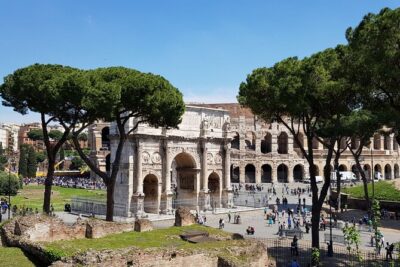 ★ 4.8Colosseum, Palatine Hill and Roman Forum Guided TourFrom $5232,814 reviews
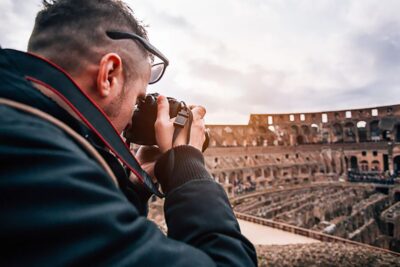 ★ 4.7Guided Tour of Colosseum, Roman Forum & Palatine HillFrom $5527,897 reviews
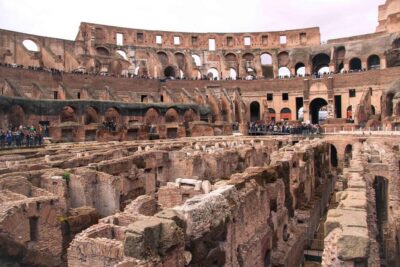 ★ 4.2Colosseum & Forum with Audio Guide App -Optional ArenaFrom $4124,770 reviews
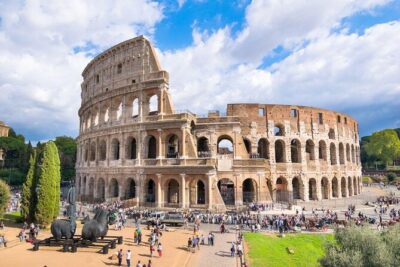 ★ 4.5Colosseum, Roman Forum and Palatine Hill Guided TourFrom $5923,903 reviews
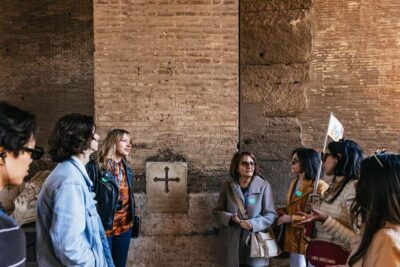 ★ 4.4Colosseum, Forum & Palatine Hill Tour & Optional ArenaFrom $5813,839 reviews
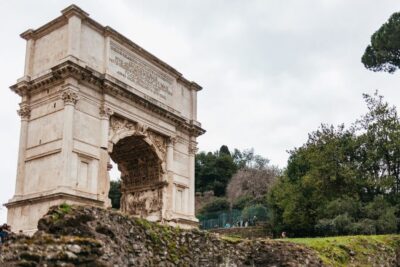 ★ 4.6Colosseum, Palatine Hill & Roman Forum Guided TourFrom $5112,703 reviews
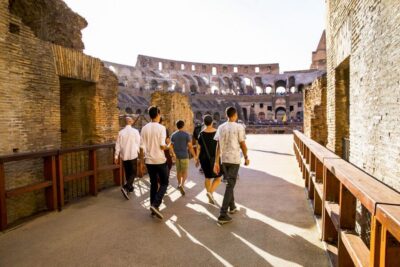 ★ 4.7Colosseum: Underground and Ancient Rome TourFrom $16012,691 reviews
 ★ 4.6Colosseum Arena, Palatine Hill & Forum Guided TourFrom $7310,584 reviews
Browse the lists this tour appears in