
Reviewed · PASTA
Pasta and Tiramisu Making Class with Fine Italian Wine in Rome
A great Rome meal, the kind you can make again, is hard to top. This class near the Colosseum turns homemade pasta dough, ravioli shaping, and classic tiramisu layers into a hands-on, eat-what-you-make afternoon. You also get Italian wine picked to match what you’re cooking, plus recipes to bring the flavors home.
I especially like the small group limit of 10, which keeps the pace friendly and the instruction clear. I also love that you do more than watch, you actually make the two pasta types and your own tiramisu, then taste it at the end. One consideration: it’s not recommended for celiac travelers, even though dietary restrictions can be accommodated in other cases.
Key Takeaways Before You Go
- Near the Colosseum start point: you meet at Piazza Mattei, 5, and the experience ends back there.
- Learn two fresh pasta types: you make dough from scratch and work through rolling and shaping step-by-step.
- Ravioli hands-on time: you practice filling, folding, and forming, not just a demo.
- Tiramisu master class with layering: you focus on the exact build that makes it come out right.
- Wine pairing is part of the meal: the wine is chosen to complement what you cook.
Piazza Mattei Start: A Cooking Class That Puts You in Rome Fast
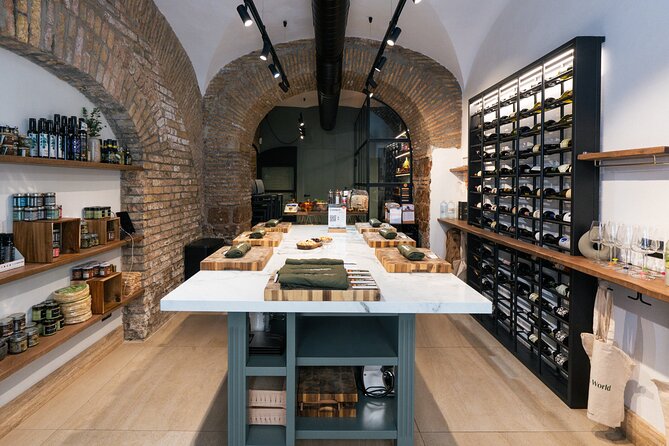
Most cooking classes in Rome start with a long walk or a vague meeting spot. This one starts right where you’ll want to be anyway, near the Colosseum, at Piazza Mattei, 5. If you’re doing major sights that day, it helps that the class is close to the classic Roman route, so you’re not spending half your time commuting.
You’ll get a quick welcome from a local chef at the meeting location, and that sets the tone. The goal is simple: you learn how Italian cooking actually works when you’re standing in front of the dough and figuring out the feel for yourself. The class runs about 3 hours and ends back at the meeting point, so you’re not stuck planning a new transport puzzle afterward.
If you like experiences where you can talk to people, this is a good match. The group is capped at 10, which means you’re not fighting for attention or getting shuffled through steps like a factory line. And because the class is offered in English, you can focus on the cooking rather than translating your way through measurements.
You can also read our reviews of more wine tours in Rome

What You Learn First: Homemade Pasta Dough From Scratch
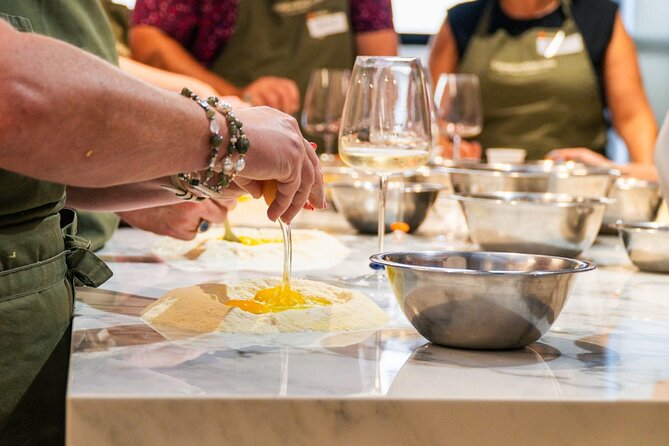
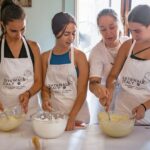
The backbone of this experience is the pasta dough. You start with the kind of foundation that explains why some pasta tastes silky and elastic while other pasta feels dry or tough. You see how dough comes together, and then you work it yourself under guidance.
You’ll also learn rolling technique, which matters more than people expect. In cooking classes, it’s easy to focus on the sauce or the final dish. Here, the teacher’s attention is on the dough and how you handle it: how to get it to roll properly, how to keep it workable, and how to avoid common mistakes like uneven thickness. That alone makes the class useful, because rolling is the step you’ll repeat later when you make pasta at home.
You’ll make dough, you’ll roll, and you’ll set yourself up for the two pasta results of the class. Even if you don’t consider yourself a “hands-on” person, this is a good entry point. You’re not trying to do everything alone, you’re following the chef’s pace while you build confidence.
Making Two Types of Handmade Pasta: Where the Skills Actually Stick
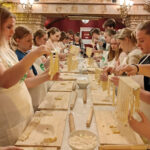
Your session includes making two types of fresh hand-made pasta. The exact two varieties aren’t spelled out in the information, but the structure is consistent: you’ll build dough from scratch, roll it out, and then move into shaping and filling so you end up with finished pasta you can eat.
This “two types” format is worth it for value. A lot of classes teach one pasta style in depth, which is fun, but leaves you stuck when you want to cook for friends later. Getting through more than one approach means you take home more than one technique and more than one recipe concept.
Also, you’re not only learning to shape pasta once. You’re guided through rolling, filling, folding, and finishing. When you later recreate it at home, you’ll know what the dough should feel like and what the shapes should look like, instead of starting from zero with only a written recipe.
Ravioli Crafting: Filling, Shaping, and Folding Without Guesswork
Ravioli is where a class like this either teaches you something real or wastes your time. Here, the focus is practical: you’re guided through ravioli, including the filling and the shaping and folding process.
The chef’s job is to get you past the biggest ravioli problems, like inconsistent filling distribution and folds that don’t seal well. You’ll practice and adjust with guidance while you work, which makes the experience feel more like learning a craft than just assembling food.
In a small group, the chef can actually watch what you’re doing. That’s a big deal with ravioli, because a tiny change in how you press or fold can affect how the final result holds together. If you’ve ever eaten ravioli and thought, I want to try that, this is the closest you can get to true “try it, fix it, learn it” learning in one sitting.
When the ravioli are ready, you’ll also get to taste what you made. That matters because it confirms whether your approach worked, instead of hoping the recipe will magically behave the same at home.
Tiramisu Master Class: Learning the Layers That Matter
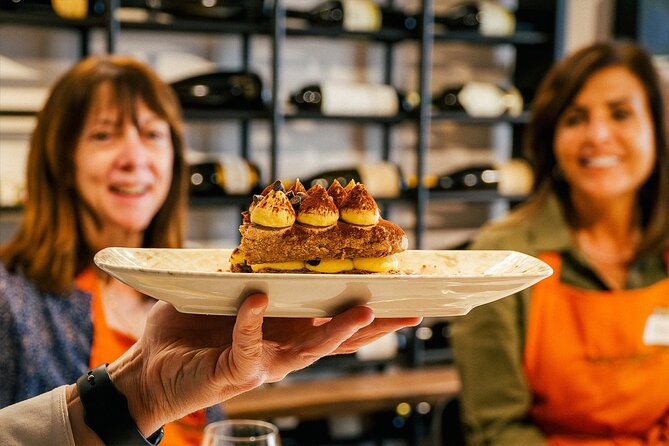
Dessert is not an afterthought in this experience. The tiramisu portion is presented as a true master class, with you learning to create each creamy layer from scratch and focusing on the exact layering needed for a mouthwatering result.
Tiramisu has a reputation for being tricky because people often treat it as a dump-and-stir dessert. This class is more methodical. You work through the steps that create the texture balance: what happens when you mix correctly, how the layers should be built, and how to assemble it so you get the classic feel, not just a sweet cream bowl.
This is the part I’d recommend most strongly if you’re the kind of traveler who wants a specific, repeatable win. Tiramisu is the sort of dessert people ask you to bring to gatherings, and if you learn the layering approach here, you’ll be able to recreate it without relying on store-bought shortcuts.
A few more Rome tours and experiences worth a look


Wine With Food: How the Pairing Changes the Way You Taste
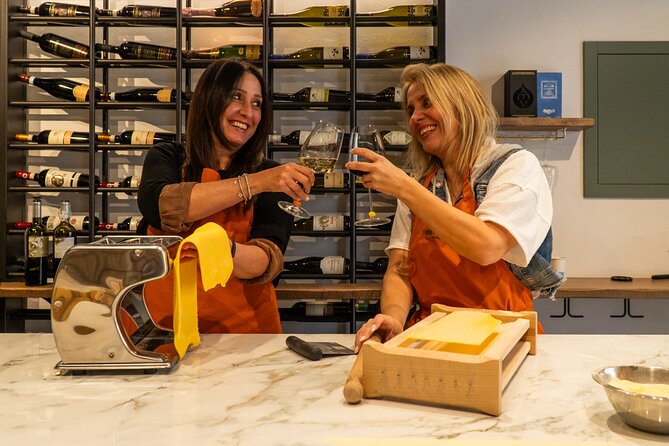
This class includes Italian wine chosen to complement the food. Even if you’re not a “wine person,” pairing changes how you taste. When the wine fits the dish, you notice the flavors more clearly, and it makes the meal feel complete, not just like cooking with a snack at the end.
The key is that the wine is connected to what you’re making, so you get a guided connection between flavor and technique. You’re not guessing which wine goes with pasta or dessert later. You’re tasting the match as you go.
I also like that this is handled in a structured way, during a cooking class timeline. It’s not a separate long wine tour, it’s integrated into the experience, and that keeps the afternoon moving at a good pace.
Tasting What You Made: The Payoff Moment
The class finishes with a tasting session where you enjoy the dishes you created. This is more than eating, it’s feedback. You see what your dough texture turned into, what your ravioli ended up like, and how the tiramisu holds up as a final build.
Tasting matters because cooking classes can sometimes leave you with “homework” but no confirmation. Here, the tasting session gives you that moment where everything clicks: this is what the steps were aiming for.
Because the group is small, the tasting feels sociable. It’s a comfortable way to close the loop, especially if you enjoy chatting with fellow cooks while you eat rather than packing up and rushing away.
Recipes to Take Home: Why They Make This Class Worth It
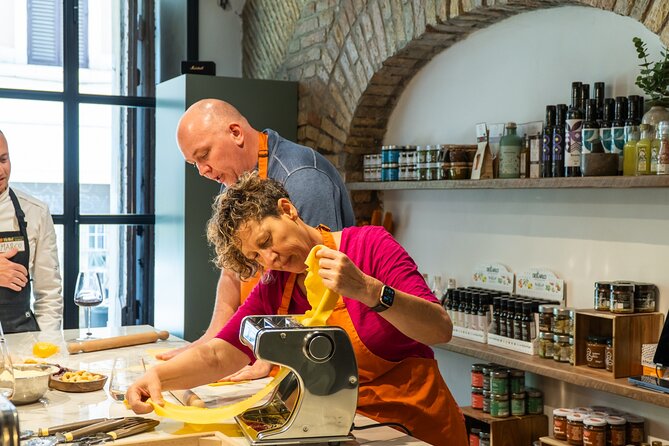
Most classes say you get recipes. This one includes recipes for the two fresh pasta types and the tiramisu. That turns the class into something you can reuse, not just a fun afternoon memory.
When you have recipes, you can recreate the dishes while your memory is fresh. But what makes this more useful is that recipes are paired with muscle memory. You’ve felt the dough, you’ve rolled, and you’ve shaped. So the written instructions stop being vague. You can compare what the dough looks and feels like to what you remember from the class.
That’s the real value here, especially at this price. At $119.47 per person for about 3 hours, you’re paying for instruction, ingredients, wine pairing, and the chance to actually make two pasta types plus tiramisu. If you’ll cook at home even a few times a month, this kind of skill investment can be better than another “just eat” meal that you can’t reproduce.
Guides and the Small-Group Vibe: Why People Rave About the Energy
The class is led by skilled local chefs, and past participants have highlighted instructors like Alessandro, along with Marco and Max, for clear instructions and an energetic, friendly vibe. That matters because cooking lessons go best when you understand the goal for each step and you feel comfortable asking questions.
You’ll likely notice how the class stays organized and cozy. In a group of eight to ten, you get that small room feeling where you can pay attention. You’re not constantly waiting for someone to catch up or searching for your next instruction. The chef can correct technique quickly, and that speeds up learning.
If you’re the type of traveler who learns best with conversation, you’ll probably enjoy the atmosphere. It’s social, not loud, and it centers on what you’re making rather than what you’re sightseeing.
Dietary Considerations: What You Can Ask For (And What You Shouldn’t Assume)
The experience says it is not recommended for celiac people. If you’re managing celiac, you should treat that as a real limitation, not a casual note. Cross-contact and ingredient safety can be hard to control in any cooking class environment, and the information here is clear enough that you should plan accordingly.
For other dietary restrictions, the experience can accommodate them, but the details aren’t listed here. If you need a specific modification, contact the operator to confirm what’s possible before you book. This avoids surprises and helps you decide with confidence.
If you’re not celiac and you have a typical food preference, you still need to communicate your needs. Pasta and dessert can involve ingredients that are easy to overlook, like specific dairy components or how fillings are prepared.
Price and Value: Is $119.47 Fair for Rome?
Let’s talk value. At $119.47 per person for an approximate 3-hour class, you’re paying for more than ingredients. You’re paying for:
- expert-led instruction
- a small group format capped at 10
- two types of fresh hand-made pasta from scratch, with recipes
- tiramisu instruction with recipes
- a wine pairing chosen to complement the food
In Rome, you can certainly find cheaper ways to eat pasta. But this is a different kind of experience. It’s skills plus a meal, and it’s also a calm, focused activity compared with the usual crowded sightseeing scramble.
If your travel style includes learning something you’ll use after the trip, the price makes sense. If you only want to eat and you never cook at home, you might feel it’s more costly than a simple dinner. But if you want a hands-on outcome, this class is priced fairly for what you get.
Who This Class Suits Best (And Who Should Skip It)
This is a strong pick if you want a classic Italian cooking experience with structure. It works well for:
- couples and small groups who want a shared activity
- food lovers who like learning technique
- travelers who want recipes they can actually use later
It’s less ideal if:
- you need a celiac-safe environment, because it’s not recommended for celiac people
- you hate hands-on cooking or feel uncomfortable working with dough
Also, plan your timing. Since it takes about 3 hours and ends where you start, it’s a good anchor activity during a sightseeing day. If you’re already booked solid, you’ll still have a clear start and finish.
Should You Book This Pasta and Tiramisu Class Near the Colosseum?
I think you should book it if you want a fun, guided way to learn classic Rome food skills, not just eat them. The small group size, the fact that you make two pasta types plus tiramisu, and the included recipes are the big wins. Add wine pairing, and you get a meal that feels like an experience, not a chore.
If celiac safety is a concern, skip this one and look for a fully celiac-safe alternative. For everyone else, it’s the kind of class that gives you real technique, a great final tasting moment, and a good chance of bringing home a new home-cooking habit.
FAQ
Where is the meeting point for the class?
You meet at Piazza Mattei, 5, 00186 Roma RM, Italy. The activity ends back at the meeting point.
How long does the pasta and tiramisu class last?
It lasts about 3 hours.
What does the price include?
The class includes an expert-led cooking class, a small group capped at 10, two types of fresh hand-made pasta from scratch with recipes, a tiramisu master class with recipes, and the tasting experience plus wine pairing.
What is the group size limit?
The group size is maximum 10 travelers.
Is the class offered in English?
Yes, it is offered in English.
Do I get recipes to recreate the dishes at home?
Yes. You receive recipes for both the fresh hand-made pasta and the tiramisu.
Can dietary restrictions be accommodated?
Dietary restrictions can be accommodated, but the experience is not recommended for celiac people. If you need more information or want to specify a dietary restriction, you can contact the operator.
Is it recommended for celiac travelers?
No, it is not recommended for celiac people.
What is the cancellation policy?
You can cancel for a full refund if you cancel at least 24 hours before the experience’s start time. If you cancel less than 24 hours before start time, the amount paid is not refunded.
More Workshops & Classes in Rome
More Wine Tours in Rome



More Tour Reviews in Rome





Not for you? Here's more nearby things to do in Rome we have reviewed











Pasta, compared.
 ★ 4.9Pasta & Tiramisu Class with Fine Wine by the VaticanFrom $414,852 reviews
 ★ 4.9Pasta Making Class with Wine, Limoncello, and DessertFrom $483,177 reviews
 ★ 4.8Fettuccine Pasta Cooking Class in Rome’s City CenterFrom $462,414 reviews
 ★ 5.0Traditional Pasta with Cocktails Cooking ClassFrom $1002,374 reviews
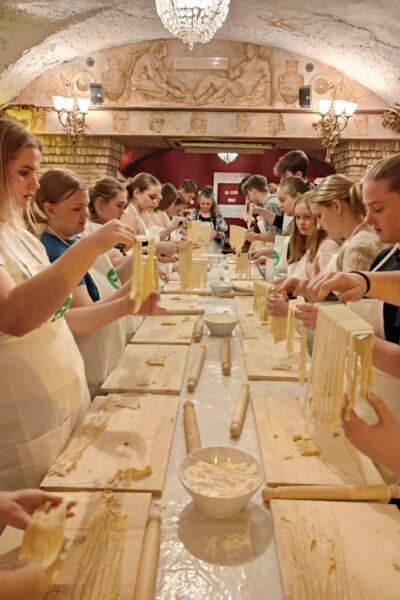 ★ 4.8Pasta & Tiramisu Cooking Class near the Spanish StepsFrom $581,395 reviews
 ★ 4.9Pasta Making with Wine Tasting and Dinner in FrascatiFrom $35979 reviews
 ★ 4.7Combo Pizza and Pasta Cooking Class with WineFrom $64938 reviews
 ★ 5.02-in-1 Pasta and Tiramisu Cooking Masterclass in RomeFrom $78832 reviews
Browse the lists this tour appears in