
Reviewed · HISTORICAL TOURS
Rome Historical True Crime Tour
Rome gets darker after dark. This 2-hour walk turns well-known squares and bridges into a dark backstreet story about betrayal, murder, and hauntings. I like that it stays practical and easy to follow, with an English-speaking expert guide and free entry at the stops, yet one catch is that Rome can be loud, so hearing every word may take a little effort.
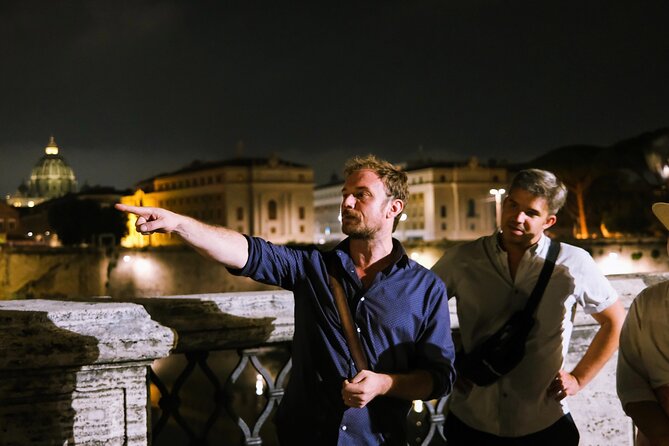
What makes this experience work is the route. You start in Campo de’ Fiori at 8:00 pm, then move on foot through spots that most first-timers only pass by, ending at Ponte Sant’Angelo. You’ll get a guided story at each location, so you do not just look at stone, you learn what the place is tied to.
The main consideration is expectations. This is not a classic museum parade of big monuments, and some stops are more about alleys and sites tied to crime than postcard views. If you want only major landmarks, you might feel slightly underfed.
Key things I think you should know
- Small group cap of 15 people means the guide can actually shape the pacing for your group
- A true crime style route from Campo de’ Fiori to Ponte Sant’Angelo keeps the evening moving and focused
- Multiple darker side street stops like Vicolo delle Grotte and Via dei Banchi Vecchi add the Rome texture you cannot get from a bus tour
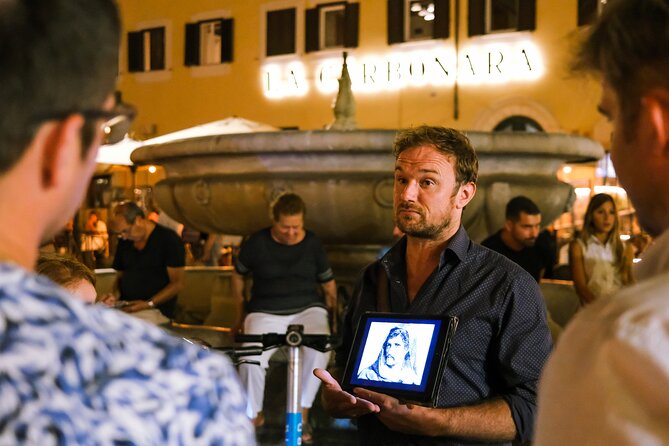
- English storytelling that mixes mostly facts with horror-flavored imagination (with jokes) from guides such as Ben
- Free admission tickets at every listed stop makes the tour feel simple, not paperwork heavy
- A built-in night-walk format helps you see Rome when the daytime crowds thin out
Why This Rome Evening Walk Works
Rome at night has two modes: romance, and rumor. This tour leans hard into the rumor side, using real streets and famous corners to tell stories that feel sharper because they are tied to what you can see.
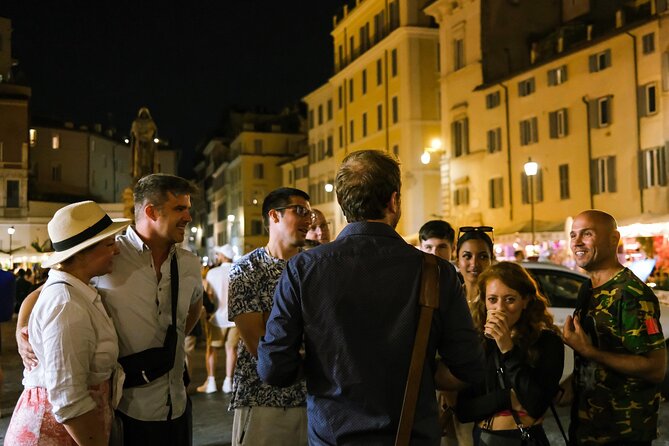
I like that the format is straightforward. You meet, you walk, and you stop often enough that your brain stays engaged. It also helps that the group stays small, so questions and quick corrections are easier than on bigger tours.
The biggest value for me is that you learn how to notice Rome. You’ll look at a square, then a palace front, then a crooked lane, and the guide will connect each place to a darker thread. That habit sticks, so even after the tour ends, you keep spotting places you would have walked past.
You can also read our reviews of more historical tours in Rome


Price and Value: What $30.07 Actually Buys You
At about $30.07 per person, you are not paying for a bus ticket or museum admission. You are paying for an expert guide for around 2 hours and a tight route from Campo de’ Fiori to Ponte Sant’Angelo.
You also get added value in how the stops are set up. Each stop lists admission as free, so you do not spend extra time figuring out tickets or costs. That matters on an evening tour, when daylight is leaving and you want your time to stay in motion.
Is it worth it? If you like history, walking, and stories, it is a good match for the price. If you want a quiet, academic lecture in a gallery, the tone may feel too spooky for your taste. Think of it as guided nighttime storytelling with strong historical anchors.
Logistics That Affect Your Experience
This starts at 8:00 pm, so plan around evening walking. The route is on foot, with a stop at nearly every street corner, so comfortable shoes are not optional. One of the best pieces of advice from the reviews is exactly that, wear them.
Another practical point is sound. Rome streets are busy and noisy, and on a previous group someone had trouble hearing the guide. The tour is designed to work without extra equipment, but the reality is that loud streets can swallow quieter moments. If you know you struggle with hearing, you might benefit from asking about interpreter support ahead of time since interpreters can be provided for sight or hearing impaired guests.
Finally, pacing. Even though the tour covers multiple backstreets, it is designed so most walking levels can participate. The small group size also helps the guide keep people together.
Stop by Stop: Campo de’ Fiori to Castel Sant’Angelo
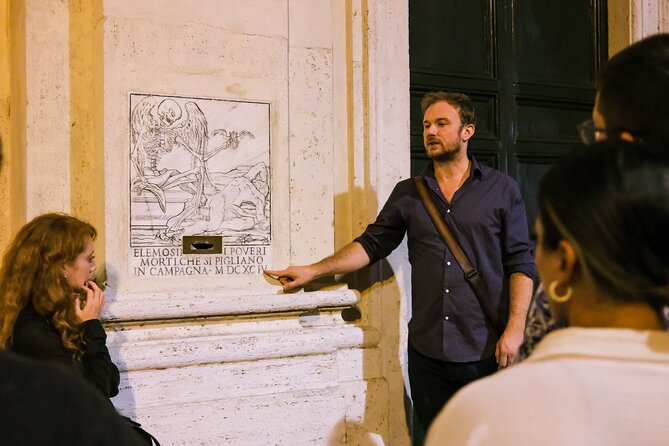
This route is built like a guided walk through Rome’s darker side of everyday life. You will hear a story at each stop, tied to what that place is known for in the tour narrative. Here is what to expect, and what to watch for.
1) Campo de’ Fiori (First story and meeting point)
You begin at Campo de’ Fiori, one of Rome’s most famous squares. The guide meets you here and opens with the first story, setting the tone for what comes next. This is a smart start because it gives you orientation fast, and you can build confidence before you head into smaller streets.
Drawback to note: because it is a major square, it can be busy. Arrive a few minutes early so you are not stressed while you find the group.






2) Piazza Farnese (Renaissance palazzo, plus darker echoes)
At Piazza Farnese, you learn about the Renaissance Palazzo Farnese. Then the tour shifts toward the lesser-known darker history of the square. This is one of the places where the tour does a good job of making you look up, not just around.
What you will feel here: the contrast between beautiful architecture and the story angle the guide brings to it. If you like when a city’s surfaces get explained, you will enjoy this.
3) Vicolo delle Grotte (A notorious swindler, or a magician?)
Next is Vicolo delle Grotte, a dark backstreet stop. The guide tells a tale tied to one of history’s most notorious swindlers, with the story leaning into the question of whether it was trickery or magic.
This is a strong stop for atmosphere. Expect a lane that feels narrower and moodier than the main squares. It is also a reminder that Rome’s crime stories often live in places that are visually ordinary if you are not paying attention.
4) Ponte Sisto (Suspicious deaths and a powerful woman)
On Ponte Sisto, the story centers on a woman who ruled Rome after the suspicious deaths of two rich husbands. This stop is useful because it adds a political and personal angle, not only street-level danger.
Watch for the bridge setting: it helps you understand why certain narratives spread. Bridges are natural places for conversation, passing rumors, and imagining motives. If you like human drama, this will land well.
5) Via Giulia (Monks with a macabre task)
Via Giulia is where the tour gets extra grim. You hear about an order of monks assigned a macabre task, with the tour framing it as something that may have benefited the criminal element of Roman society.
How to make the most of it: treat this as a story about systems, not just a single villain. You are being shown how power and roles can overlap.
6) Via di Monserrato (A harsh prison and the Borgia family)
Via di Monserrato brings in prison history and the Borgia family, described as ruling Rome like a mafia family. If you want the tour to feel like it has main characters, this is one of the stops designed for that.
This is also a good place to notice how Rome keeps layering time. Even when you are standing in a modern street, the story thread connects it to darker institutional power.
7) Via dei Banchi Vecchi (A gelato shop with a darker past)
Via dei Banchi Vecchi includes one of the most memorable contrasts in the route: what is now a gelato shop was once something very different, tied to a woman responsible for the deaths of hundreds of men.
I like this stop because it is everyday Rome turned strange. You will likely see it and think, people really live normal lives on streets with crazy stories attached.
8) Via del Banco di Santo Spirito (Home of a long lasting executioner)
Next is Via del Banco di Santo Spirito, where you see the house of Rome’s most famous and long lasting executioner. The guide shares tales of his life here.
This stop is heavy by design. If you prefer lighter story beats, you might want to pace yourself and listen in smaller chunks. But if you came for crime and consequence, this is a core highlight.
9) Castel Sant’Angelo (Tomb to prison to execution spot)
The finale is Castel Sant’Angelo. The tour frames it as an emperor’s tomb that became a fortress and later a prison, and it is also described as one of Rome’s main execution locations. You also hear about a tragic family who were executed at this spot.
This is the best ending point because it sums up the theme. You move from small streets and corner stories into a location that clearly looks built for power and containment. It gives the evening a strong arc.
The tour ends near Ponte Sant’Angelo, which is convenient if you want to keep walking, grab gelato, or simply decompress after the darker tone.
How the Guide Tells the Stories
The quality of this tour depends heavily on the guide. In the reviews, Ben shows up again and again as a standout. People describe him as very well informed and enthusiastic, and they note he keeps it mostly facts while sprinkling in horror-style imagination and a well-timed joke.
That blend is important for pacing. If you go too far into pure gore, it can feel flat. If you go too far into pure facts, it can feel like homework. This format aims for the middle.
One more practical plus: the best guides do not just talk. They point out landmarks you may have walked past. The reviews even mention local tips, including where to get good gelato, which is a nice way to balance the mood after dark.
What to Bring and How to Prepare
This is an evening walk with regular stops, so plan like you are going for a long stroll, not a short hop.
Bring:
- Comfortable shoes (the tour is on foot, and the sidewalks are part of the show)
- Something for weather since rain and sun protection are not included
- A charged phone if you want to use the mobile ticket smoothly
If you are sensitive to loud spaces, keep your expectations flexible. Rome is loud, and on a busy street, the guide’s voice may not carry as cleanly. Interpreters can be provided for sight or hearing impaired guests, so if that applies to you, it is worth asking.
Who This Tour Is Best For
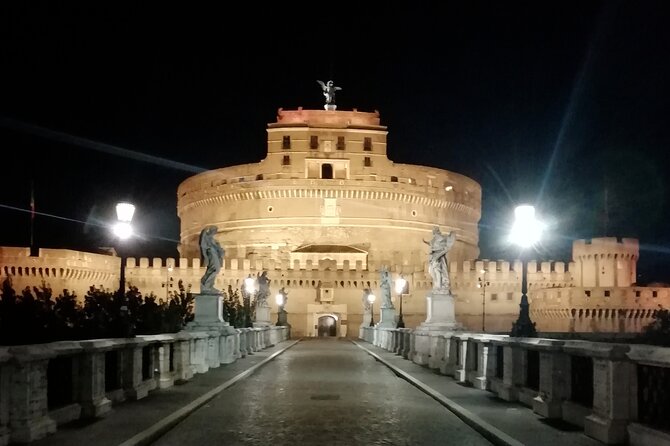
This is a strong choice for:
- First-timers who want more than the usual big-sight checklist
- People who like history that includes crime, punishment, and scandal
- Families who want something different in the evening, since at least one review specifically mentioned kids enjoying it
- Anyone who likes walking tours where you stop often and hear a clear story each time
It may not be the best fit if you want lots of famous monuments and minimal walking. This tour leans into darker side streets and sites tied to execution, prison, and political drama, not a pure postcard itinerary.
Should You Book This Historical True Crime Tour?
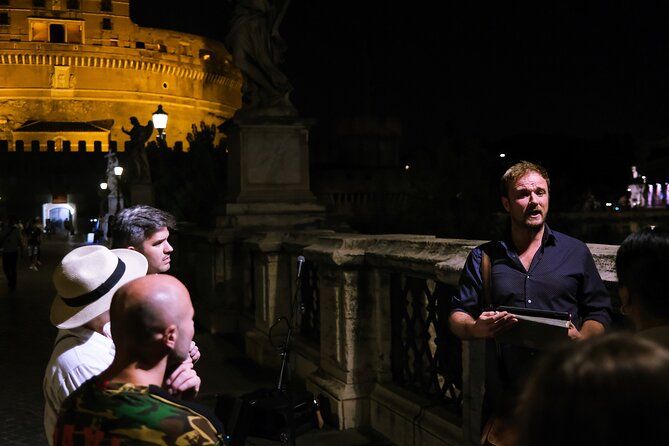
If you are curious about the darker threads of Rome, I think this one is a smart buy. The small group cap of 15, the English expert guide, and the fact that each listed stop has free admission tickets make it feel efficient and low-friction for an evening activity.
Book it if you want to walk through Rome while learning how to spot the places that hide in plain sight. The route from Campo de’ Fiori to Castel Sant’Angelo gives you a nice storyline arc, and the guides, like Ben, are praised for turning the streets into characters.
Skip it if your main goal is classic sightseeing, because this is built for backstreets and dark themes. Also keep in mind the sound challenge in a loud city, so if you have hearing difficulty, plan around interpreter support if needed.
Overall, with a rating of 4.6 and 92% recommending it, this tour earns its reputation as a fun, informative night walk with a crime-story twist.
FAQ
How long is the Rome Historical True Crime Tour?
It runs for about 2 hours.
What time does the tour start, and where do I meet?
It starts at 8:00 pm and the meeting point is Campo de’ Fiori, 00186 Roma RM, Italy.
Where does the tour end?
The tour ends at Ponte Sant’Angelo, 00186 Roma RM, Italy.
Is the tour offered in English?
Yes. The tour is offered in English.
How many people are in the group?
The group size is limited to a maximum of 15 people.
What is included, and do I need to buy admission tickets?
It includes an English speaking expert guide and a small group format. The listed stops show admission tickets as free.
Is food included during the tour?
Food and drink are not included. A rest stop at a cafe is offered.
Is a mobile ticket used, and can interpreters help?
You receive a mobile ticket. Interpreters can be provided for sight or hearing impaired guests, and service animals are allowed.
What is the cancellation policy?
You can cancel for a full refund if you cancel up to 24 hours in advance of the experience start time.
More Historical Tours in Rome

More Tours in Rome



More Tour Reviews in Rome
Not for you? Here's more nearby things to do in Rome we have reviewed












Historical Tours, compared.
 ★ 4.9Forbidden History Walking Tour & Pub Crawl with DrinksFrom $61688 reviews
 ★ 4.5Twilight Treasures: An Evening Tour Through Rome’s Rich HistoryFrom $4263 reviews
 ★ 4.7Colosseum, Vatican Museums & Historic Center in a Day228 reviews
 ★ 4.5Heritage Site: Villa d’Este and Hadrian’s Villa in Tivoli Tour from RomeFrom $159157 reviews
 ★ 5.0Piazza del Popolo and Historical Sights Walking Tour in RomeFrom $4143 reviews
 ★ 5.0Private Rome Food Tour in the Historic Centre with 8+TastingsFrom $405135 reviews
 ★ 5.0Vespa Tour with Historic City HighlightsFrom $79113 reviews
 ★ 5.0Colosseum & Ancient Rome Private: Women History Guided TourFrom $29690 reviews
Browse the lists this tour appears in