
Reviewed · COOKING CLASSES
Fettuccine, Ravioli, and Tiramisu Cooking Class in Rome
Fresh pasta lessons beat museum fatigue, and this small-group Rome pasta class turns dough-making into the main event. You learn from a local chef, with friendly hosts like Giuseppe, Fabio, and Samuel helping the class feel like a fun night out, not a chore.
I especially like the hands-on fettuccine and ravioli practice, where you go beyond watching. And the meal ends with tiramisu plus coffee or limoncello, so you get both a cooking win and a dessert payoff.
One thing to consider: some parts may be prepped ahead (like sauce components), and the tiramisu portion can be more of a demonstration than full hands-on participation.
Key highlights to know before you go
- Max 15 people means you get real attention, not just a room full of elbows
- Three hours of cooking focus, a break from constant sightseeing in Rome
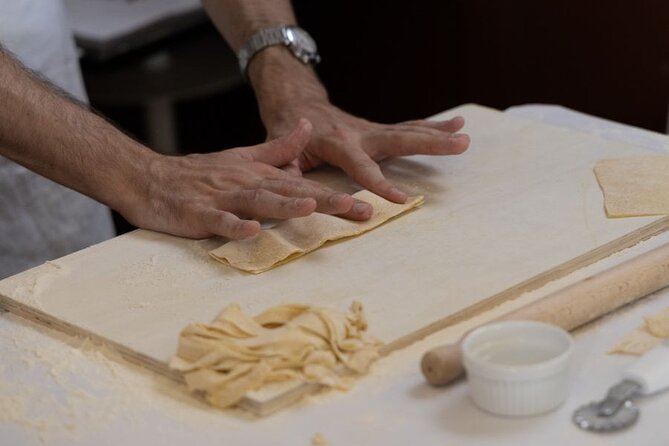
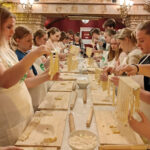
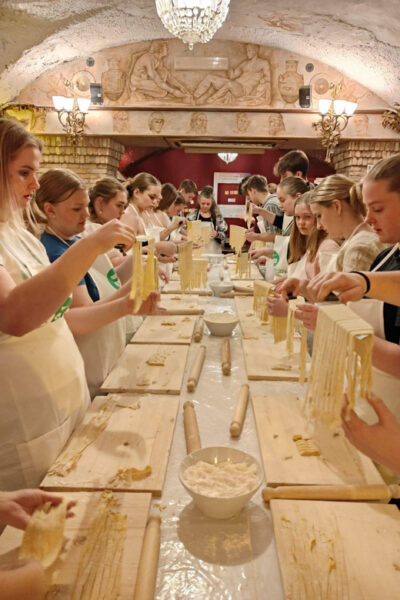
- Fettuccine and ravioli from scratch, knead, roll, cut, fill, and shape
- Wine or soft drink included, plus caffè or limoncello after tiramisu
- English language class with a mobile ticket format
- Recipe PDF after class, so you can repeat the magic back home
Why This Rome Pasta Class Feels Like a Local Night
Rome can be a lot. Even when you love the sights, after a few days your feet get tired and your brain wants something simple and hands-on. This class gives you a very different angle on Italian food: not a lecture, not a quick tasting, but you working with pasta dough step by step.
What makes it work is the mix of real cooking technique and a relaxed social pace. The guides and chefs in this experience are known for being fun and helpful, with names like Samuel and Fabio showing up again and again in the feedback. And one chef specifically, Giuseppe, gets credited for making people laugh while still teaching proper method.
You’ll also appreciate the fact that it’s built for actual people. It’s a small group (up to 15), you’re in an intimate setting, and you’re not stuck behind glass. This is the kind of activity that fits nicely between big-ticket Rome stops.
You can also read our reviews of more cooking classes in Rome
From iQ Hotel Roma to the Kitchen: How the 3 Hours Flow
The experience meets at iQ Hotel Roma Via Firenze, 8, 00184 Roma RM, Italy. The good news: the meeting point is near public transportation, so you are not forced into a long walk unless you want one. The class ends back at the meeting point, so you are not guessing how to get back across the city.
Timing here matters. At about 3 hours, it’s long enough to learn real skills, but short enough that you’re not losing an entire day. It also tends to be booked in advance, with an average booking window of about 21 days, so if you’re traveling in peak season, don’t wait until the last week.
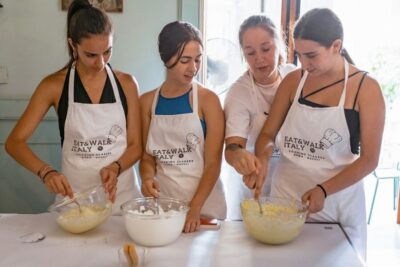
Once you arrive, you’re set up with what you need. The class provides ingredients, utensils, and aprons, so you can arrive with normal travel-day packing. You’re not shopping for flour and eggs first. You’ll also be eating what you make during the session, which is a big value point in a city where a lot of food tours leave you hungry afterward.
A small but meaningful detail: several people note they took part in the kitchen process beyond just shaping. If you want the full pipeline, from dough to cooked pasta, this is the kind of class where you might also get to boil noodles and plate dishes, not just assemble them.
Fettuccine all’Uovo: Rolling Egg Pasta the Italian Way
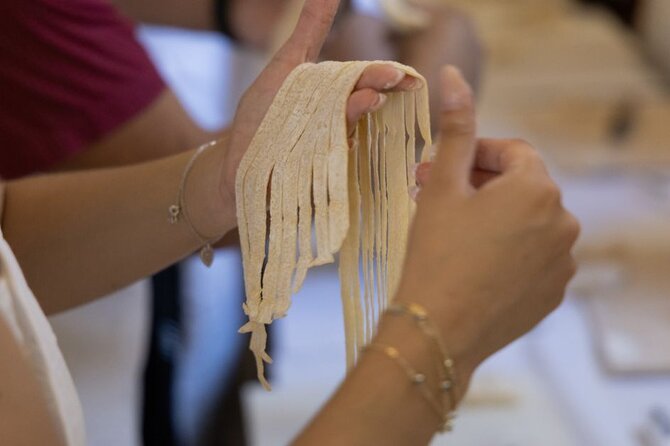
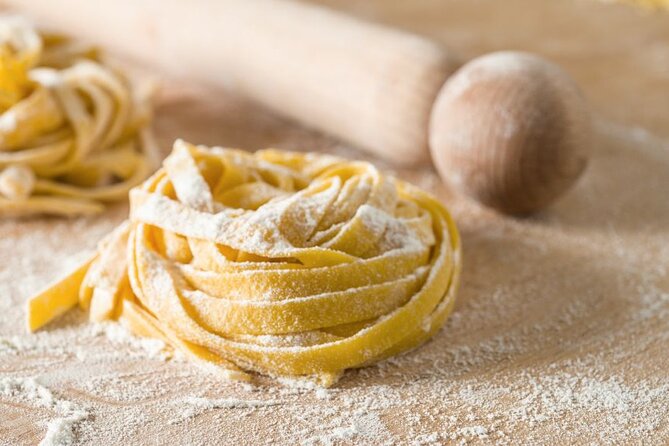
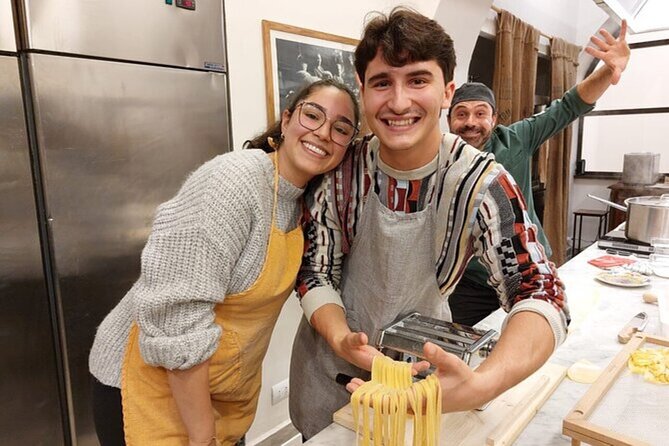
The main pasta focus starts with Fettuccine all’Uovo, which is essentially egg-based fettuccine. The class doesn’t treat it like magic. It treats it like technique.
Here’s what you should expect to learn in plain terms:
- Knead so the dough becomes workable and elastic
- Roll into sheets that are thin enough to work but not so thin they tear
- Cut fettuccine strips you can actually recognize as fettuccine
This is where the hands-on portion earns its reputation. A couple of people specifically highlighted that the pasta-making felt active and satisfying, like they could look at what they produced and say, I did that. And that matters, because pasta dough is one of those skills that improves fast when someone watches your hands and corrects your angle.
Also, don’t expect a one-size-fits-all approach. When the instructor and chef are lively (and they are), the pacing feels like a real class with helpful corrections, not a scripted performance. If you’ve never rolled dough before, you’ll likely start slow and then get more confident as the group finds its rhythm.
At the end, the fettuccine is served with a choice of sauce. One practical consideration from the feedback: the class may use sauces where some components are already prepared. That is common in cooking schools to keep the class on time and prevent bottlenecks. Even so, you’re still learning the core pasta skills, which is the big win here.
Ravioli with Ricotta and Spinach, Sealed and Cooked
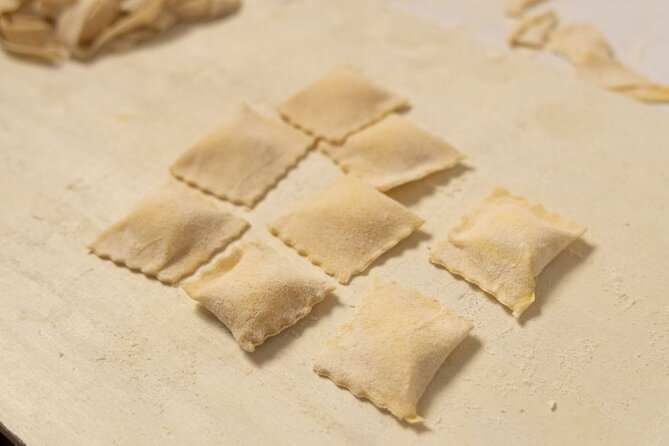
Next comes ravioli, stuffed fresh for the class. The filling noted is ricotta cheese and spinach, served with butter and sage. That combo is classic for a reason: it tastes like comfort without being heavy.
The learning here is partly about stuffing, but mostly about shaping:
- portioning the filling
- sealing the edges so it holds together
- shaping ravioli so they look like ravioli, not dumplings from a hurry
Ravioli is where beginners often feel the most pressure, but you’re in a small group with instructors who help. That’s one of the most praised parts of this experience: people mention being guided step by step and enjoying the experience even when they were learning from zero.
One review also points out that the class included cooking and plating, including going into the kitchen to boil noodles. If that’s your goal, you’ll likely appreciate that the flow moves from hands-on shaping to eating, instead of ending when the shaping is finished.
And yes, you’ll be able to taste what you make. In a city like Rome, where you can always eat pasta elsewhere, the value is not just tasting, it’s understanding how fresh pasta changes the whole experience.
Tiramisu Finish: Cocoa Dust and the Final Coffee or Limoncello
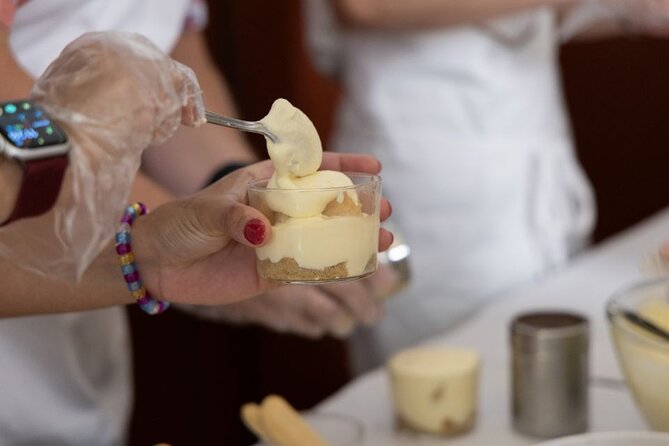
Dessert is tiramisu. The classic build is what you’d hope for: espresso-soaked ladyfingers layered with mascarpone cream, then finished with cocoa powder.
One key detail to set expectations: feedback suggests tiramisu may be taught more as a demonstration than a full hands-on build. In other words, you may watch the chef assemble, then taste. If you prefer to make every component yourself, that’s worth knowing. You still get the benefit of seeing the method clearly, and you get the tasting.
The upside is that tiramisu is a great closer. It’s also a dessert that rewards technique, like how layers are built and how the coffee soaks without turning the whole thing into a soggy mess. Even if you’re mostly observing, it’s the kind of demonstration that helps you replicate it later.
After tiramisu, you get caffè or limoncello. That finishing detail matters more than it sounds. In Rome, coffee and lemon liqueur are part of the culture of ending a meal, and here you get that little ritual without having to plan it yourself.
A few more Rome tours and experiences worth a look



Drinks, Photos, and Recipe PDFs: What You Walk Away With
Food classes live or die by what you leave with. Here’s what this one seems to deliver:
First, you get a glass of Italian wine or a soft drink during the experience. That’s helpful if you want the full vibe of a meal, not just a cooking lesson. After dessert, you also get caffè or limoncello, so the drink experience is folded into the class rather than handled separately.
Second, you may get a recipe PDF afterward. One person called this out directly, and another noted being given recipes after the lesson. If you want to recreate this at home, a written list is the difference between delicious memory and repeatable success.
Third, there’s a social, keep-the-moment element. Multiple people mention that Samuel took pictures and shared them afterward. That might sound small, but it changes how the evening feels. You can focus on cooking and laughing, then still have proof of the moment without setting up your phone every two minutes.
Finally, you eat what you cook. That means you’re not juggling hunger while learning technique. It also helps you get better feedback because you taste your results right there, not days later.
If you’re the kind of traveler who likes to bring home practical skills, this class is built for that. Your take-home value isn’t just a story, it’s an actual method for egg pasta and filled pasta plus the dessert finale.
Price and Value at About $90 for Pasta, Dessert, and Drinks
At $90.02 per person, this is not the cheapest thing you can do in Rome. But it’s also not overpriced for what’s included.
Here’s the value math that matters:
- It’s 3 hours in a guided class with a small group up to 15
- Ingredients and utensils are provided, plus aprons
- You eat the pasta and dessert you make
- Drinks are included, wine or soft drink, plus coffee or limoncello
In cities like Rome, a decent meal plus a guided experience can easily exceed this. The reason it feels fair is because you’re paying for instruction, technique, and the entire process, not just a restaurant meal.
The other value angle is time. You’re paying to convert time into skill. If you’ve already seen the main sights, paying for a class like this turns your remaining hours into something more memorable than standing in line.
One caution on value: the sauce situation. If you’re the kind of foodie who wants to make every sauce from scratch, you might notice that some elements are already handled for you. That’s not a dealbreaker if your main goal is pasta and tiramisu technique. But if your dream class is 100 percent from-scratch everything, you may want to ask more details before booking.
Who This Class Suits, and Who Might Want Another Option
This experience fits best if you want:
- a break from nonstop sightseeing
- a hands-on food activity with real technique
- a fun group setting without being overwhelming
- a guided dessert closer with a classic Italian result
Families often like this. One family-friendly note praised it as a nice break from more historical or educational tours, and people reported doing it with teenage daughters. It also sounds like it can work for couples, especially if you want a shared activity that doesn’t feel like homework.
Adults who love to cook will probably feel right at home. Pasta making is active. You’re rolling, cutting, shaping, and then eating. Even if you’re not a serious cook, it’s still engaging because you can see progress quickly.
Who might want a different option? If you specifically want every part to be hands-on, including dessert assembly, you might be disappointed since tiramisu can be more of a demonstration. And if you’re picky about making every sauce component from scratch, that might not be your ideal match.
Still, for most people, the package works. The overall rating is strong, with 4.7 out of 5 and 96% recommended, and the most praised themes are clear: lively instructors, delicious food, and a memorable, friendly atmosphere.
Should You Book the Fettuccine, Ravioli, and Tiramisu Class?
If you want a Rome activity that’s practical, tasty, and actually teaches you something, I’d say yes. This is the kind of experience that helps you remember Rome beyond photos of landmarks.
Book it if:
- you want hands-on pasta skills you can use later
- you like small groups and personal attention
- you want included drinks and a proper dessert finish
- you prefer cooking with a local chef and having a fun host like Giuseppe, Fabio, or Samuel
Skip it or choose carefully if:
- you need 100 percent hands-on dessert building
- you want every sauce component made from scratch inside the class
- you are only interested in tasting, not learning technique
Overall, it’s a smart buy for a 3-hour slot. In a city where eating is easy, paying for technique and getting a real pasta lesson is what makes this one worth your time.
FAQ
How long is the cooking class in Rome?
The class lasts about 3 hours.
How big is the group for this experience?
The experience has a maximum of 15 travelers, and it’s described as a small group setting.
Is the class offered in English?
Yes. The experience is offered in English.
What drinks and dessert finishing are included?
You get a glass of Italian wine or a soft drink during the experience. After tiramisu, you also get caffè or limoncello.
Where does the class start and where does it end?
The meeting point is iQ Hotel Roma Via Firenze, 8, 00184 Roma RM, Italy, and the activity ends back at the meeting point.
Are recipes provided after the class?
A participant noted that you receive a PDF of the recipes after the class.
What is the cancellation policy?
There is free cancellation. You can cancel up to 24 hours in advance for a full refund.
If you want, tell me your travel month and whether you care more about hands-on pasta or hands-on dessert, and I can suggest the best time to fit it into your Rome day.
More Workshops & Classes in Rome
More Cooking Classes in Rome
More Tour Reviews in Rome






Not for you? Here's more nearby things to do in Rome we have reviewed












Cooking Classes, compared.
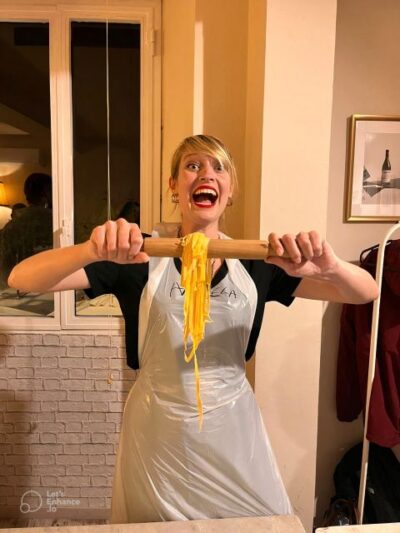 ★ 4.9Pasta Making Class with Wine, Limoncello, and DessertFrom $483,177 reviews
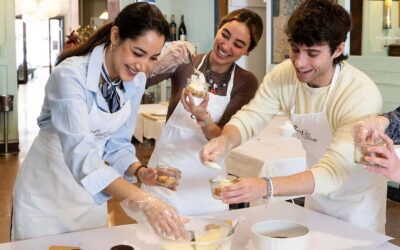 ★ 4.93-in-1 Fettuccine, Ravioli, and Tiramisu Cooking ClassFrom $812,704 reviews
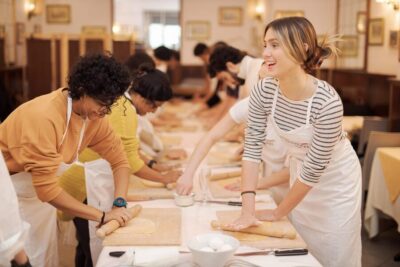 ★ 4.8Fettuccine Pasta Cooking Class in Rome’s City CenterFrom $462,414 reviews
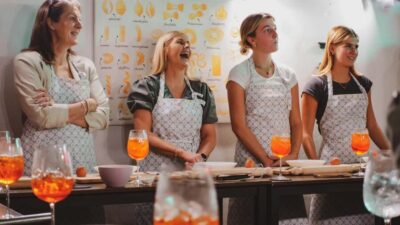 ★ 5.0Traditional Pasta with Cocktails Cooking ClassFrom $1002,374 reviews
 ★ 4.8Fettuccine and Tiramisu Cooking Class with WineFrom $672,013 reviews
 ★ 4.8Pasta & Tiramisu Cooking Class near the Spanish StepsFrom $581,395 reviews
 ★ 4.7Traditional Pizza Cooking Class near Piazza NavonaFrom $461,241 reviews
 ★ 4.9Pasta Making with Wine Tasting and Dinner in FrascatiFrom $35979 reviews
Browse the lists this tour appears in